标签: Antigua and Barbuda

安提瓜和巴布达

  • The UWI Five Islands Campus and T.A. Marryshow Community College Strengthen Regional Educational Ties

    The UWI Five Islands Campus and T.A. Marryshow Community College Strengthen Regional Educational Ties

    In a landmark move set to reshape the Caribbean educational landscape, The University of the West Indies (UWI) Five Islands Campus and T.A. Marryshow Community College (TAMCC) have formalized a comprehensive partnership agreement. This strategic alliance represents a significant advancement in regional academic cooperation, designed to create seamless educational pathways and enhance resource sharing between Grenada and Antigua’s premier institutions.

    The collaboration establishes an articulated framework allowing TAMCC graduates direct entry into specialized degree programs at UWI Five Islands, effectively eliminating academic transition barriers. The partnership extends beyond student mobility to include joint research initiatives, faculty exchange programs, and shared utilization of laboratory facilities and digital learning resources.

    This institutional synergy addresses critical regional challenges including educational accessibility, curriculum standardization, and the development of workforce-ready graduates equipped with 21st-century skills. By leveraging their combined academic strengths, the institutions aim to create a more integrated Eastern Caribbean educational ecosystem that promotes sustainable development and regional competitiveness.

    The initiative has garnered strong support from government education ministries and regional organizations, recognizing its potential to transform higher education delivery throughout the Organization of Eastern Caribbean States (OECS). This model of inter-institutional cooperation establishes a new benchmark for academic partnerships across the Caribbean basin, potentially inspiring similar collaborations throughout the region.

  • Building Zones of Peace: A Practical Path Forward for the International Community – Part III

    Building Zones of Peace: A Practical Path Forward for the International Community – Part III

    The escalating hostilities in the Middle East serve as a stark reminder of how regional conflicts can rapidly destabilize global systems, according to analysis by Ambassador Dr. Clarence E. Pilgrim. Beyond immediate humanitarian concerns, these conflicts disrupt aviation networks, trigger volatility in energy markets, and jeopardize critical maritime corridors like the Strait of Hormuz—through which 20% of global oil supply flows. This interconnectivity means instability reverberates worldwide, driving inflation and raising costs for households thousands of miles from conflict zones.

    Ambassador Pilgrim argues that reactive diplomacy is insufficient. Instead, the international community must proactively establish ‘zones of peace’—defined not merely as absence of war but as deliberate frameworks where nations resolve disputes through dialogue, respect international law, and collaborate on economic and environmental progress. Such zones create conditions for societies and economies to thrive confidently.

    Central to this vision is reforming the United Nations, whose structure still reflects 1945 geopolitics rather than 21st-century realities. Scholars and diplomats increasingly emphasize that without modernization, the UN risks paralysis in addressing contemporary crises. Key proposals include Security Council reform to address ‘veto-induced paralysis,’ possibly through broader representation and mechanisms to prevent single-nation blockage of collective action. Some advocate for a UN Parliamentary Assembly to incorporate citizen representation in global policy.

    Historical and philosophical foundations support this pursuit. Thinkers from Immanuel Kant to Albert Einstein envisioned peace achieved through federations governed by common laws. Figures like Nelson Mandela, Martin Luther King Jr., and Mahatma Gandhi demonstrated the transformative power of reconciliation and non-violence. Dag Hammarskjöld’s assertion that the UN exists ‘to save humanity from hell’ underscores institutional importance in safeguarding peace.

    Economic cooperation is pivotal. Interdependent economies—buttressed by secure transport networks, supply chains, and financial systems—reduce conflict likelihood. Regional bodies like the African Union, CARICOM, and the Association of Caribbean States already model how cooperation builds trust. Deeper integration could eventually lead to coordinated monetary arrangements or even a global currency framework to stabilize trade.

    Emerging opportunities like the Blue Economy—sustainable use of ocean resources—and international scientific projects (e.g., the International Space Station) highlight cooperation’s benefits. However, realizing this potential requires cooperative governance.

    Ultimately, creating zones of peace demands political courage and sustained diplomatic engagement. Peace cannot be imposed but must be built through dialogue, shared rules, and institutional reform. Humanity stands at a crossroads: continue on a path of geopolitical rivalry or embrace cooperation, reform, and shared responsibility for planetary future. The choice will define whether the 21st century becomes an era of conflict or one of collective human advancement.

  • Antigua and Barbuda Professionals Invited to Apply for 2026 ISA Solar Fellowship

    Antigua and Barbuda Professionals Invited to Apply for 2026 ISA Solar Fellowship

    The International Solar Alliance (ISA) has officially announced the opening of applications for its prestigious Solar Fellowship Scheme for the 2026-2028 academic cycle. This initiative targets mid-career professionals from ISA member nations seeking advanced training in renewable energy technologies.

    Since its inception in 2019, the program has successfully graduated five cohorts, with two additional batches currently undergoing specialized training at the Indian Institute of Technology Delhi. The fellowship is specifically designed for government policymakers, administrators, and development leaders who demonstrate exceptional commitment to public service and sustainable development in their home countries.

    For the eighth cohort, ISA will sponsor 20 selected candidates for a comprehensive two-year Master of Technology program in Renewable Energy Technologies and Management. The curriculum, designated as Programme Code: ESR, is scheduled to commence on July 23, 2026, at IIT Delhi’s Department of Energy Science and Engineering.

    Prospective applicants must submit their applications through the PG International Admission Portal (https://ecampus.iitd.ac.in/IPGADM/login) before the March 30, 2026 deadline (4:00 PM IST). The selection process will prioritize ISA member countries, with an International Fellowship Committee conducting the final candidate selection based on established eligibility criteria set by IIT Delhi.

    Professor Snehasish Panigrahi, the M.Tech Coordinator for the ESR program, will provide application assistance to interested candidates throughout the submission process.

  • Bridge guardrails in Bolans restored, George says

    Bridge guardrails in Bolans restored, George says

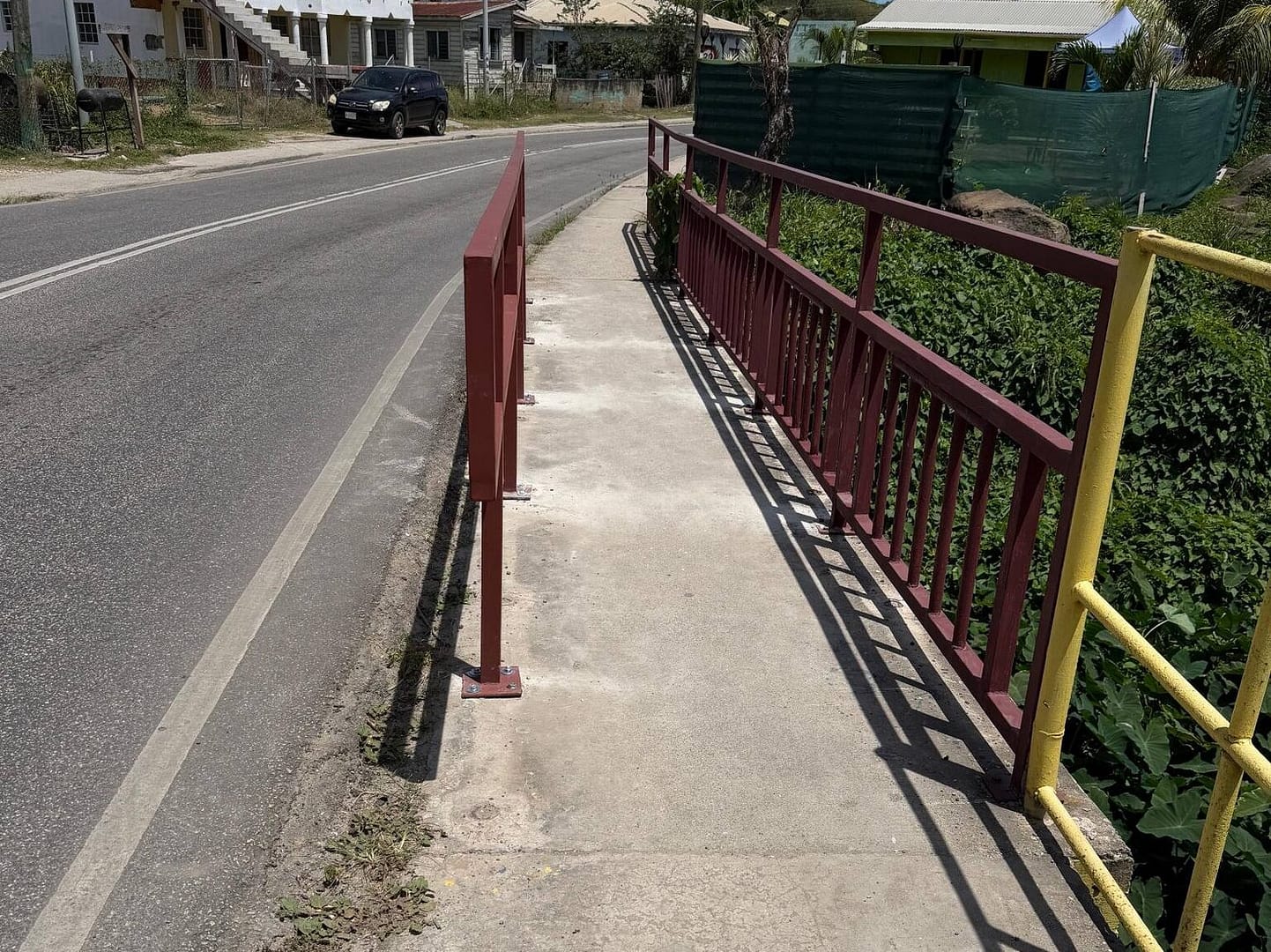
    Infrastructure enhancements at the Bolans bridge have been finalized with the complete restoration of safety railings, marking a significant upgrade for local residents. Dwayne George, a political aspirant from the ABLP, confirmed the project’s completion, emphasizing its dual role in enhancing both pedestrian and motorist security along this crucial roadway.

    The initiative addresses longstanding safety concerns by implementing protective measures specifically designed to safeguard vulnerable road users, including children. Beyond its primary safety function, the renovation contributes aesthetically to community beautification efforts, elevating the overall visual appeal of the neighborhood.

    George characterized these improvements as emblematic of a sustained dedication to the constituents of St. Mary’s South. The project aligns with a broader commitment to collaborative community development, encapsulated in George’s stated philosophy of cooperative progress: “Working with you, for you,” he affirmed, “as we build a stronger and safer St. Mary’s South together.”

    The bridge rehabilitation represents tangible infrastructure investment in the region, potentially setting a precedent for future community-focused development projects aimed at combining practical safety solutions with environmental enhancements.

  • Police Hunt Suspect Linked to Series of Home Invasions Targeting Women

    Police Hunt Suspect Linked to Series of Home Invasions Targeting Women

    A persistent pattern of residential break-ins targeting women across several Antiguan communities has left residents on edge as police investigations continue without a definitive breakthrough. The cases, spanning neighborhoods including Cashew Hill, Radio Range, and Bendals, share a disturbing modus operandi dating back to September 2023.

    According to law enforcement officials, the unidentified assailant typically gains entry through unsecured windows during pre-dawn hours. The incidents follow a concerning pattern of confrontation and violation of personal space. In the earliest documented case from September 2023, a masked perpetrator armed with a knife sexually assaulted a female occupant before escaping into the night.

    Subsequent reports describe similar encounters where victims awoke to find a figure clad entirely in black shining lights in their faces while demanding money and rifling through personal belongings. The consistent methodology across these incidents has led investigators to believe a single individual may be responsible for the series of home invasions.

    Despite police responding to each reported incident, the perpetrator remains at large more than twelve months after the initial attack. This extended timeline has generated significant concern among community members, particularly women living in the affected areas. Many residents are now calling for enhanced police patrols and improved security infrastructure in their neighborhoods.

    Law enforcement authorities have acknowledged the challenges in their investigation, noting that some potential victims have been reluctant to come forward publicly. Meanwhile, police are advising residents to maintain heightened vigilance, secure all possible entry points, and immediately report any suspicious activities as the search for the suspect continues.

  • Lovell Says UPP Convention Before Election Would Be “Very Foolish”

    Lovell Says UPP Convention Before Election Would Be “Very Foolish”

    In a decisive political move, former United Progressive Party (UPP) leader Harold Lovell has unequivocally dismissed calls for a party convention ahead of anticipated general elections, labeling such considerations “highly imprudent” and strategically unsound. During a recent appearance on Observer Radio’s ‘Connecting with Dave Lester Payne,’ Lovell articulated that the constitutionally mandated April convention becomes untenable given strong indications that national polls will be called before month’s end.

    The seasoned politician, now contesting the All Saints West constituency for UPP, reinforced his support for current Political Leader Jamale Pringle while explicitly rejecting notions of leadership challenges. “The Honourable Jamale Pringle serves as both opposition leader and party head,” Lovell stated. “Our collective responsibility is to unite and advance together.”

    This position effectively postpones anticipated leadership transitions, including the expected departure of UPP Chair Gisele Isaac who has been central to recent internal disputes. The party has witnessed several prominent exits since its 2024 convention, attributed to escalating internal tensions. Lovell characterized these divisions as “significantly magnified and exaggerated,” describing them as characteristic of opposition politics while contrasting UPP’s situation with the ruling Antigua and Barbuda Labour Party’s resource-backed conflict management.

    The ABLP has proactively scheduled its convention for April 12, with Prime Minister Gaston Browne positioning the event as crucial for achieving “election readiness” and expected to formally confirm candidates including Dr. Philmore Benjamin and Kendra Beazer.

    Lovell revealed personal sacrifices made for his political return, having abandoned a three-year University of Toronto contract to re-enter frontline politics following the 2023 general election. “These are the sacrifices commitment demands,” he acknowledged. “I am fully dedicated to achieving victory.”

    While constitutional provisions allow elections until March 2028, widespread expectations point to polls occurring within weeks after the Prime Minister’s indication of a potential 90-day election timeframe.

  • LISTEN: Pringle says UPP is ready for next general election despite challenges

    LISTEN: Pringle says UPP is ready for next general election despite challenges

    Opposition Leader Jamale Pringle has emphatically declared the United Progressive Party’s (UPP) preparedness to contest the next general election in Antigua and Barbuda, despite acknowledging significant organizational and financial challenges. In a recently circulated audio statement, Pringle projected unwavering confidence in the party’s restructured framework and its capacity to present a formidable challenge to the incumbent administration.

    The UPP leader conceded that the party has navigated a period of internal consolidation, a process he described as essential for building a robust and unified front. Pringle’s comments are widely interpreted as a strategic move to galvanize both the party’s base and potential supporters, signaling a renewed offensive in the nation’s political arena. He underscored a commitment to addressing pressing national issues, positioning the UPP as a government-in-waiting ready to offer solutions to the electorate.

    This declaration sets the stage for an intensified political climate, with the UPP seeking to capitalize on public sentiment and present a credible alternative to the current government. Pringle’s assertive messaging indicates the official commencement of the party’s electoral campaign machinery, aiming to mobilize resources and personnel for the impending contest.

  • UWI Cave Hill Shuttle Crisis Affects Antiguan and Barbudan Students, Protest Action Looms

    UWI Cave Hill Shuttle Crisis Affects Antiguan and Barbudan Students, Protest Action Looms

    A severe transportation breakdown at the University of the West Indies Cave Hill Campus has plunged student life into disarray throughout March, with Antiguan and Barbudan students among those severely impacted. The persistent shuttle service failure has generated substantial safety apprehensions and sparked discussions about potential campus demonstrations.

    The University’s Guild of Students reports that continuous attempts to address shuttle service deficiencies have proven unsuccessful. This paralysis has created significant mobility challenges for numerous students, particularly those from regional territories who depend exclusively on campus transportation for academic commuting, residence access, and off-campus housing connectivity.

    Initial concerns were formally presented to university administration on March 6, with students emphasizing heightened vulnerability during evening travel. The controversial suggestion of providing sleeping accommodations for stranded students was met with sharp criticism, while administrators pointed to workforce health issues and budgetary limitations as primary causes for service reduction.

    Subsequent negotiations—including a March 10 conference and formal grievance filing on March 14—have failed to produce a concrete restoration schedule. Attempts to arrange additional dialogue have similarly reached an impasse, exacerbating student frustration.

    The Guild has vehemently contested administrative characterizations of the shuttle as merely auxiliary, maintaining that the service constitutes essential infrastructure for student security and educational accessibility. Proposed interim measures include alternative transit arrangements, enhanced security protocols, improved communication channels, and hybrid instructional alternatives.

    With deadlock persisting, student representatives caution that continued administrative inaction may precipitate organized protests on campus grounds.

  • ICE agents deployed to major US airports as security queues stretch for hours

    ICE agents deployed to major US airports as security queues stretch for hours

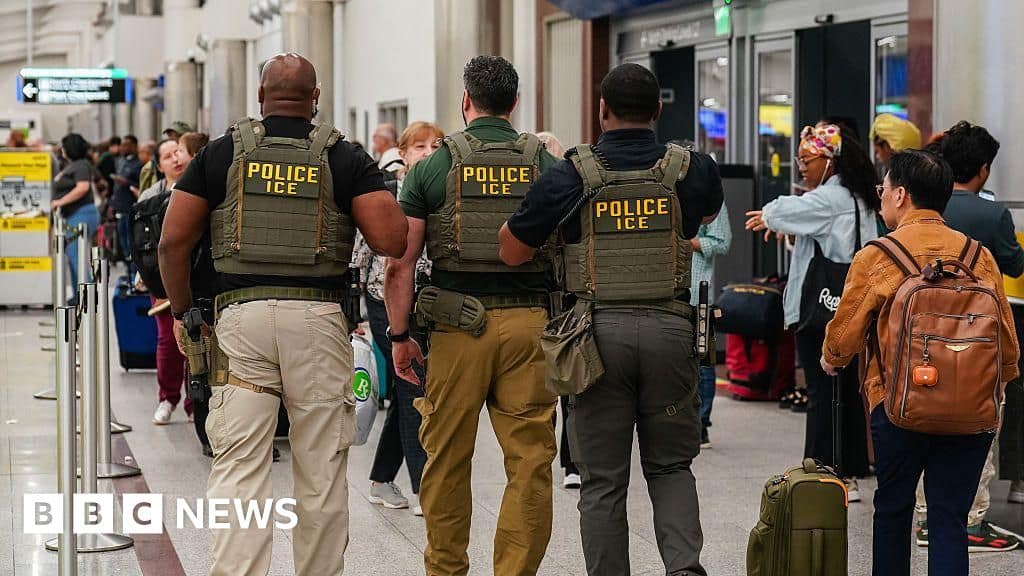
    The ongoing partial government shutdown has triggered a critical operational crisis at major US airports, prompting an unprecedented deployment of Immigration and Customs Enforcement (ICE) agents to assist with security operations. With thousands of Transportation Security Administration (TSA) employees refusing to work due to missed paychecks, security checkpoints have experienced massive disruptions characterized by extensive queues and hours-long delays.

    According to official figures obtained by CBS, absentee rates among TSA staff reached critical levels on Sunday, with Hartsfield-Jackson Atlanta International Airport recording 41.5% staff absences and Louis Armstrong New Orleans International Airport experiencing a staggering 42.3% call-out rate. Three additional airports reported more than one-third of their workforce absent the same day.

    In response to the growing security vacuum, White House border advisor Tom Homan confirmed the deployment of hundreds of ICE agents to 14 major airports including New York’s JFK, Atlanta, and Houston facilities. The deployment has sparked both operational and political controversies, particularly regarding the agents’ appearance and training.

    President Trump addressed the unusual sight of unmasked ICE agents at security checkpoints, stating he had specifically requested the removal of masks because he “didn’t think it was an appropriate look for an airport.” This contrasted with their normal protocol when conducting enforcement operations.

    The Department of Homeland Security acknowledged that wait times have become so severe that travelers are reportedly “sleeping in the airport” to avoid missing flights. Airports Council International, representing over 100 airport leaders, expressed “deep concern about the growing operational disruptions” in a letter to Congress, warning that the impacts are “significant, growing, and potentially long-lasting.”

    TSA leadership characterized the ICE deployment as a force multiplier, with Acting Deputy Administrator Adam Stahl explaining the agents would handle “non-specialized security functions” to allow TSA staff to focus on aviation-specific security. Homan clarified that ICE personnel would primarily support crowd control rather than passenger screening.

    The deployment occurs amid declining public support for ICE’s immigration enforcement activities and has drawn sharp criticism from civil rights organizations. NAACP President Derrick Johnson condemned the move, stating the agents are “inadequately trained, armed, and instructed to profile people based on race and accent.”

    The political standoff continues as Democrats refuse to fund DHS without new restrictions on immigration agents, while Republicans have rejected proposals to fund TSA separately from ICE reforms. With TSA agents missing their second paycheck on Friday and Congress facing a two-week recess, the crisis shows no immediate signs of resolution.

  • Ministry of Education names 2026 CSEC awardees

    Ministry of Education names 2026 CSEC awardees

    The Ministry of Education, Sports and Creative Industries has officially unveiled the distinguished recipients of academic honors in the 2026 Caribbean Secondary Education Certificate (CSEC) examinations. In collaboration with ACB Caribbean, the ministry has identified exceptional students across four tiers of achievement: Platinum, Gold, Silver, and Bronze awards, recognizing what officials have characterized as exemplary scholarly performance.

    The comprehensive roster of awardees, developed through the strategic partnership with ACB Caribbean, highlights the region’s most accomplished secondary education students. These academically gifted individuals are slated to receive formal recognition during the prestigious 2026 ACB Caribbean CSEC Awards Ceremony, which is calendared for June of the coming year.

    Beyond celebrating student accomplishment, the ministry extended commendation to the supportive ecosystem that facilitated these achievements. Special acknowledgment was given to parents, educators, and entire school communities for their instrumental roles in nurturing academic excellence and providing the necessary foundation for student success.

    Additional information regarding the upcoming ceremony, including specific dates, venue details, and ceremonial protocols, will be communicated to the public in subsequent announcements. The ministry also confirmed that the presentation of the 2026 Certificate of National Recognition recipients will coincide with the awards event, further highlighting educational excellence across the Caribbean region.