标签: Antigua and Barbuda

安提瓜和巴布达

  • PM Browne Backs ‘Big Push’ to Double Eastern Caribbean Economy Within Seven Years

    PM Browne Backs ‘Big Push’ to Double Eastern Caribbean Economy Within Seven Years

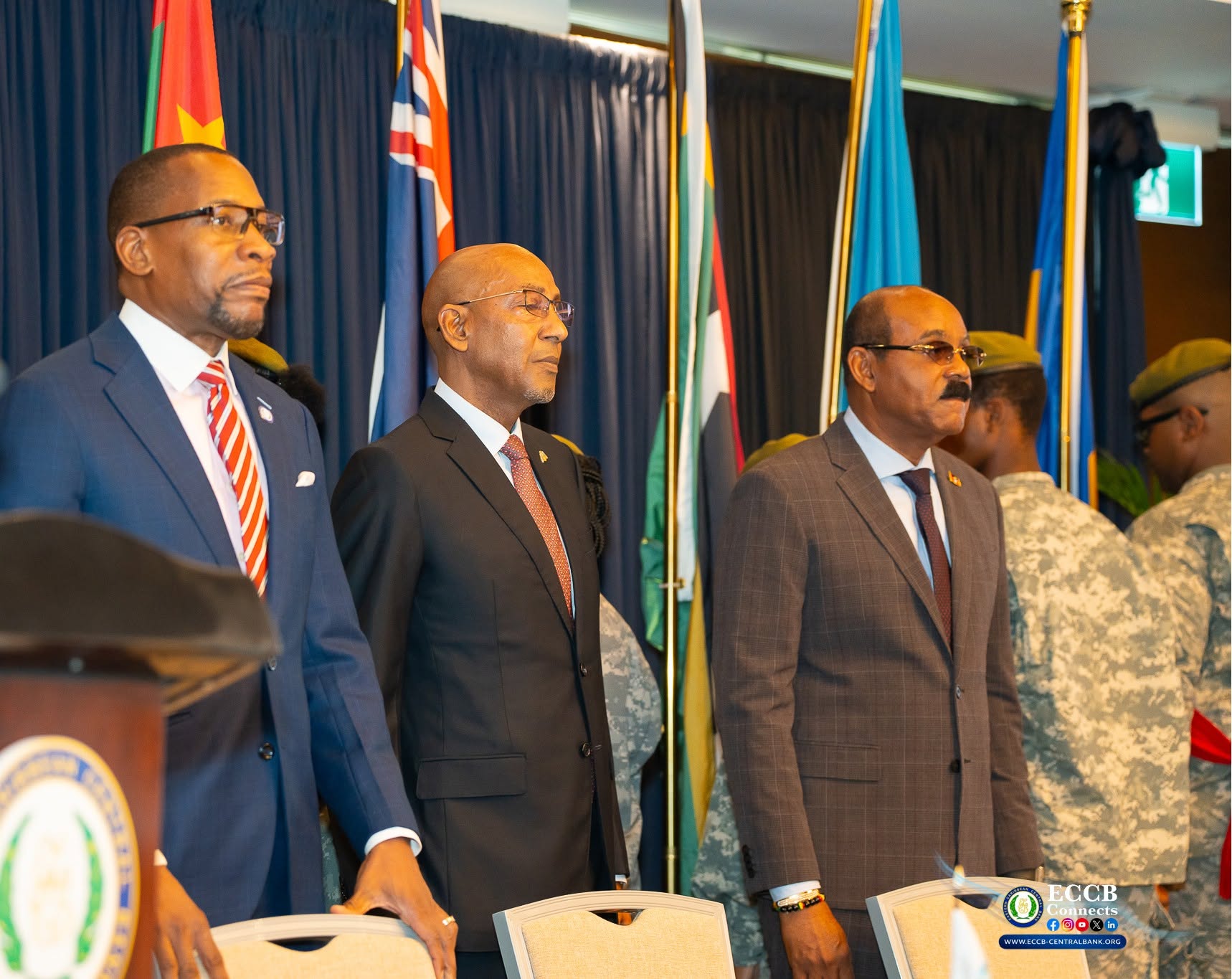
    At the 113th gathering of the Eastern Caribbean Central Bank (ECCB) Monetary Council held in Dominica on Thursday, regional leaders have formally backed a bold growth blueprint that aims to double the size of the Eastern Caribbean economy within the next seven years. Antigua and Barbuda Prime Minister Gaston Browne, who made the announcement, confirmed the council has adopted ECCB Governor Timothy Antoine’s “Big Push” initiative, which targets expanding the Eastern Caribbean Currency Union (ECCU)’s combined gross domestic product to roughly EC$50 billion by 2031.

    Far from being just a target for rising output, the initiative frames transformative economic expansion as a core pillar to strengthen the long-term stability of the shared currency union. Browne emphasized that the plan’s success depends on unlocking new streams of investment, nurturing homegrown entrepreneurship, and building sustained domestic wealth generation across member states. He argued that the ECCB has a critical expanded role to play in turning this vision into action: the central bank should develop creative new credit and securities tools to finance growth projects, and allocate a small share of its existing reserves to kickstart investment in renewable energy and other high-priority strategic sectors. This approach, he noted, will help member states cut heavy reliance on imported goods and foreign direct investment, building more self-reliant, resilient regional economies that reinforce the ECCU’s stability over time.

    Alongside endorsing the Big Push framework, the Monetary Council formally approved the ECCB’s 2026–2031 Strategic Plan, which lays out concrete priority areas to deliver on the growth target. The plan centers on advancing food and nutrition security, boosting regional energy resilience, improving cross-border connectivity, streamlining trade and logistics systems, deepening regional financial markets, and expanding inclusive wealth creation for local communities.

    One of the most notable potential projects being evaluated under the new strategy is the launch of OECS Air, a proposed regional carrier designed to close critical connectivity gaps across the bloc. If advanced, the airline would cut travel barriers, make cross-border commerce easier, and give a major boost to the region’s key tourism sector and incoming investment flows.

    The approval of the 7-year growth plan marks a clear shift toward coordinated, ambitious regional action to address long-standing economic vulnerabilities, and sets a concrete target for collective development across the Eastern Caribbean bloc.

  • Police Officers Renew Push for Risk Allowance After Years of Unanswered Calls

    Police Officers Renew Push for Risk Allowance After Years of Unanswered Calls

    After seven years of unmet appeals, the Police Welfare Association has reissued its call for national policymakers to enact a dedicated risk allowance for active-duty police officers, arguing that the daily life-threatening hazards of law enforcement work continue to be overlooked by the country’s governing bodies.

    Association Chairperson Virlica Chatham outlined the long history of the campaign in an interview with Observer Media, explaining that the push for targeted hazard compensation launched all the way back in 2017. To date, no separate payment structure has been established to acknowledge the unique dangers officers face on every shift. While officers currently receive a general duty stipend to cover overtime work, Chatham emphasized that this compensation does not address the persistent risk of bodily harm or death that comes with policing.

    The push for the allowance has grown far more urgent in recent months, Chatham noted, following a string of violent attacks that have left multiple officers injured. Over the past 12 months alone, three different officers were hit by gunfire during the course of their duties. One of those officers required an amputation to save their life after being shot, while the others suffered lasting injuries from the attack.

    Chatham also highlighted a more recent high-profile incident to underscore her point: the July 3 injury of Senior Sergeant Jeffery Benjamin, who was struck by a moving truck while on duty along Valley Road. The incident, which occurred in a public, high-traffic area, serves as just one more example of the unplanned, life-altering risks officers encounter that are not currently recognized in their compensation packages.

    Beyond the push for financial compensation, Chatham also drew attention to structural gaps in how rank-and-file officer concerns are addressed within the current system. She explained that on-the-job hazard concerns raised by frontline officers must typically be routed through two layers of leadership—the Commissioner of Police and the Attorney General—before they can even be brought before the Police Service Commission, the body that oversees personnel and compensation matters. This indirect routing, she argued, contributes to the lack of progress on the long-running demand.

    Despite years of setbacks, Chatham confirmed that the Police Welfare Association remains fully committed to securing the dedicated risk allowance. She reiterated that the men and women who put their lives on the line to uphold public safety deserve compensation that properly reflects the inherent dangers of their profession.

  • AUA Freezes Tuition, Offers Free Housing, expands scholarships for New Medical Students

    AUA Freezes Tuition, Offers Free Housing, expands scholarships for New Medical Students

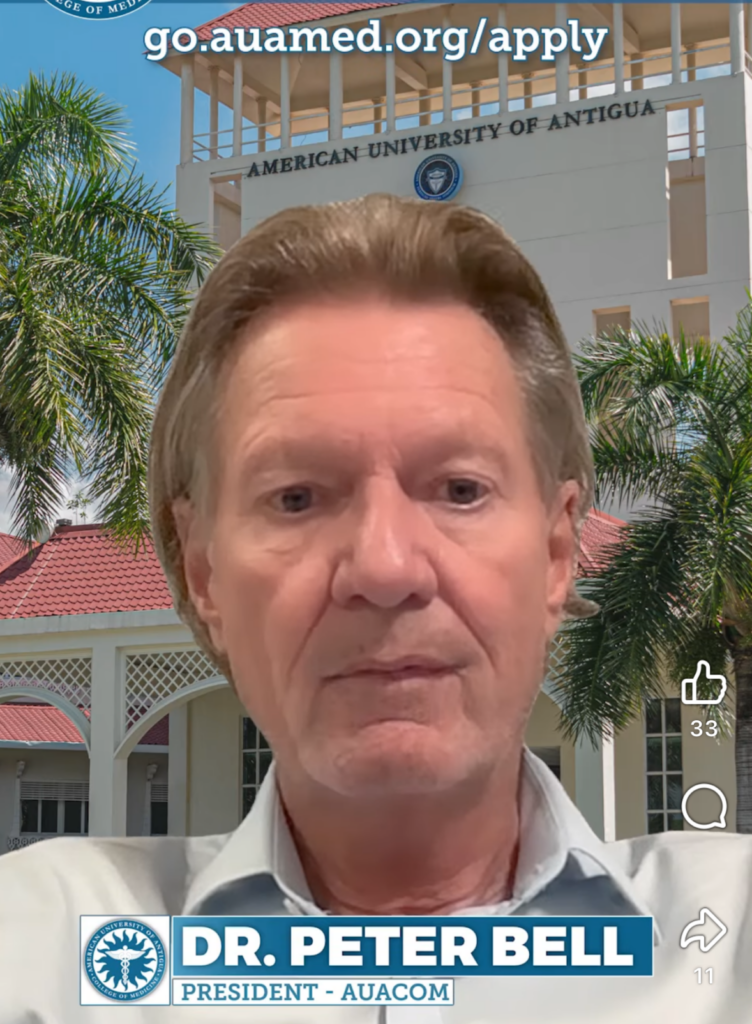
    Against a backdrop of growing financial strain pushing prospective and current medical students and their families to the brink, the American University of Antigua (AUA) has announced three targeted affordability measures designed to expand access to medical training and ease long-term budget uncertainty. In a formal statement unveiling the new policies, AUA President Dr. Peter Bell outlined the changes, which go into effect immediately for qualifying enrollees.

  • Antigua and Barbuda Sprinters Reach NACAC Finals in Mexico

    Antigua and Barbuda Sprinters Reach NACAC Finals in Mexico

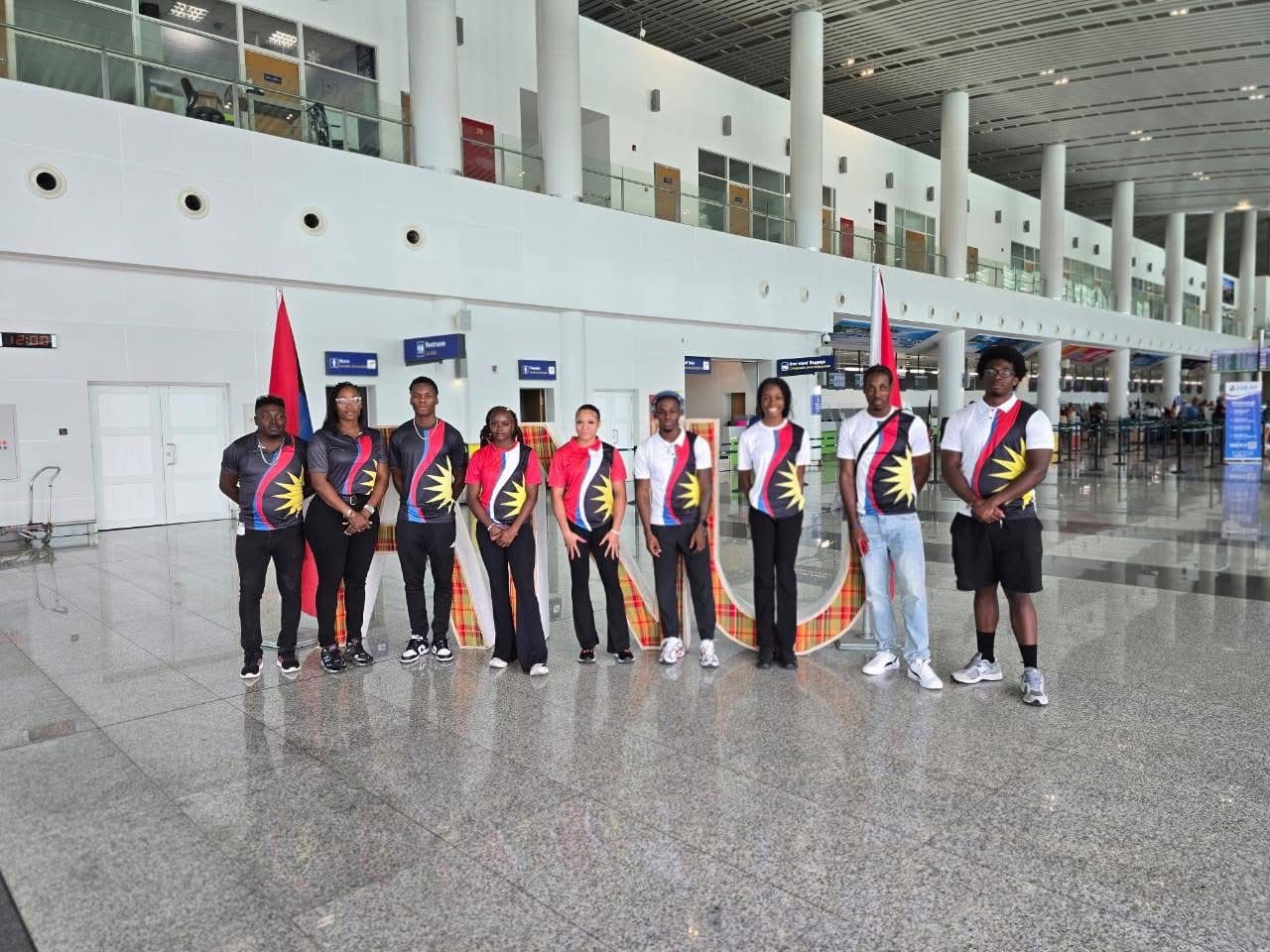
    The North American, Central American and Caribbean (NACAC) Athletics Championships, hosted in Tlaxcala, Mexico, got off to a promising start for the small Caribbean delegation of Antigua and Barbuda, with three of its young sprinters and middle-distance runners securing spots in event finals in the opening rounds of competition.

    First among the advancing athletes was 23-and-under sprinter Geolyna Dowdye, who claimed victory in her women’s 100-meter semifinal with a time of 11.54 seconds to punch her ticket to the final round. In the championship final, Dowdye delivered an even faster performance, crossing the finish line in 11.27 seconds to take fourth place overall.

    In the men’s Under-23 100-meter discipline, Dwayne Fleming also earned a place in the final after a strong showing in his preliminary heat. Fleming clocked 10.40 seconds to secure third position in his heat, enough to advance to the final round. Fellow Antiguan sprinter Kasiya Daley put up a time of 10.62 seconds in Heat 1, but fell short of the cut-off to move on to the next stage.

    The Antigua and Barbuda Athletics Association (ABAA) later shared an update on Fleming’s final performance: the young sprinter had jumped out to an early lead at the 40-meter mark of the final, but began experiencing unexpected physical discomfort midway through the race. The issue derailed his momentum and ultimately kept him from contending for a podium finish.

    Tyra Fenton was the third Antiguan athlete to lock in a final spot in early competition, finishing third in Heat 1 of the girls’ Under-18 400-meter heats with a time of 56.27 seconds. Her final race is scheduled to take place on Saturday.

    Not all Antiguan competitors advanced out of the preliminary rounds, however. Kettia Ambrose finished fifth in Heat 2 of the women’s Under-23 400-meter event with a time of 55.69 seconds, a result that left her just outside of qualification for the final.

    As the multi-day championships progress, the Antigua and Barbuda delegation still has multiple opportunities to earn strong results. Fenton is set to compete in her 400-meter final in the coming days, while Dowdye, Fenton and Daley are all scheduled to participate in the preliminary heats of the 200-meter events. Additionally, Craig Prendergast will contest the men’s Under-23 400-meter hurdles final for the national team.

    In a statement released after the first round of competition, the ABAA extended well wishes to Fleming for a quick recovery from the discomfort he experienced during the 100-meter final. The association also reaffirmed its full ongoing support for the entire Antigua and Barbuda national team for the remainder of the championships.

  • LETTER: The Gruesome Truth of Being Disabled: When Justice Is Delayed, the Poor Pay the Price

    LETTER: The Gruesome Truth of Being Disabled: When Justice Is Delayed, the Poor Pay the Price

    For more than five years, Joshuanette Francis weathered constant uncertainty, endless legal back-and-forth, repeated medical assessments, stalled negotiations, crippling emotional fatigue, and devastating financial strain before headlines announced her legal win at the Industrial Court of Antigua and Barbuda. While most observers saw the ruling as the end of her grueling employment dispute, Francis sees it as the opening of a new battle. Her experience stretches far beyond a single workplace conflict: it exposes the hidden barriers facing low-income, disabled workers fighting to enforce their rights, and the heavy human toll of delayed, exclusionary justice.

    Francis was far from an underperforming employee. Records from her former employer’s own Human Resources team confirmed she was a skilled, dedicated worker, who climbed the ranks from part-time entry-level staff to a full-time Junior Supervisor through consistent effort. Like many young working people in Antigua and Barbuda, Francis held multiple jobs, made constant personal sacrifices, and clung to the belief that hard work would deliver long-term financial stability. There were even nights she slept under the deck at her workplace because commuting home was not logistically or financially possible, all to build a more secure future for herself and her family.

    The case also spotlights systemic flaws in how medical information is handled for disabled workers. Court documents show that additional medical tests were recommended to assess Francis’ condition, but key evaluations were never completed before the company made the decision to terminate her employment. Francis also questions how sensitive details of her medical care were shared with her employer before she herself received the results. For disability rights advocates, these concerns are not unique to one case: they point to broader failures to uphold patient autonomy, and a persistent pattern of sidelining disabled people in decisions that shape their own health and livelihoods.

    The intersection of pregnancy, new motherhood, disability, and legal battle made Francis’ experience exponentially harder. She spent years navigating depression, chronic uncertainty, and emotional exhaustion while balancing the demands of pregnancy, early parenthood, and disability alongside her unresolved legal fight. Mental health experts have long documented that prolonged unemployment, financial instability, and extended legal uncertainty cause severe, long-lasting damage to emotional well-being, and Francis says the unique struggles of women managing overlapping crises deserve far more public attention and support.

    The financial damage of her unfair dismissal extended far beyond the immediate loss of a paycheck. After years of saving, working multiple shifts, and cutting personal expenses, Francis had twice been approved for a mortgage and saved the full EC$12,000 deposit required to purchase her first home. Losing her job meant losing that opportunity forever. While the Industrial Court ultimately awarded her compensation, Francis says no payout can make up for the lost chance at homeownership and the stable future she had hoped to build for her son. “The court award cannot replace the house I never got,” she emphasized.

    In May 2026, the Industrial Court issued a ruling in Francis’ favor, calling her dismissal “harsh, oppressive and wholly contrary to good industrial relations practice” and confirming she had been denied “basic dignity.” While this marked a formal legal victory, it did not bring the closure Francis had spent five years waiting for. Instead, it uncovered a little-discussed flaw in the justice system that leaves many working-class winners with no way to collect on court judgments.

    Contrary to common public assumption, a favorable court ruling does not automatically trigger payment from the losing party. When the employer failed to pay the awarded compensation by the court’s deadline, Francis was told she would have to file a new enforcement application with the Industrial Court, demanding action over the employer’s non-compliance. This new application comes with an additional filing fee of roughly EC$1,500, and will require scheduling a new hearing that could be delayed for months or longer due to overloaded court calendars.

    Even if the court finds the employer in contempt of the original ruling, payment is still not guaranteed. Further enforcement steps, including applications to the High Court, may be required, and every additional step adds new legal costs, more months of waiting, and further emotional drain. Francis argues this gap in the justice system is one of its most damaging weaknesses: a worker who has already spent years proving their case is forced to spend even more money just to enforce a ruling that already confirms their rights.

    Her experience opens a critical public policy question: who can actually afford justice in Antigua and Barbuda today? Large corporations have dedicated legal teams, deep financial reserves, and the capacity to outlast prolonged litigation. Ordinary working people rarely have that privilege. Many have already lost their primary income, are raising children alone, or are already burdened with medical debt related to their disabilities. Every extra filing fee, every lawyer consultation, every additional court appearance adds another insurmountable barrier between working people and the justice the court has already awarded them.

    For disabled workers, these barriers are even steeper. The disability itself is often the smallest part of the struggle; the greatest burden comes from the systemic barriers that surround disabled people. It is the uncertainty of whether employers will value your ability before focusing on your diagnosis. It is the anxiety of wondering if medical decisions will be made with you, rather than about you. It is the impossible task of paying for medical assessments, transportation, and legal fees after losing your job. It is the constant need to prove that a disability does not reduce your value, your intelligence, or your ability to contribute to your community.

    Francis says her case makes clear that disability rights cannot be reduced to physical accessibility accommodations like ramps, accessible restrooms, or reserved parking spots. True disability rights also require equal access to employment, fair treatment in the workplace, patient-centered medical processes, and meaningful access to justice for disabled people who experience discrimination. She notes that while Antigua and Barbuda passed landmark disability legislation in 2017, many of the key protective mechanisms outlined in that law have still not been implemented years later. Stronger institutional protections, she argues, are needed to ensure disabled people receive fair treatment before disputes escalate into years-long legal battles.

    Ultimately, Francis says her fight is no longer just for herself. It is for every working person who cannot afford to keep pushing for justice. For every parent fighting to protect their family’s future. For every disabled person who lives in fear that a diagnosis will derail their dreams. It forces a reckoning over whether justice should depend on a person’s bank account, and whether a court judgment has any real meaning if it remains out of reach for ordinary citizens. Her greatest hope is that by sharing her story, future generations — especially young disabled people — will inherit a society where dignity is guaranteed, justice is accessible to all, and no one is forced to spend years fighting just to have their basic rights recognized.
  • Greene Says Antigua and Barbuda Ready for CHOGM 2026 After National Simulation

    Greene Says Antigua and Barbuda Ready for CHOGM 2026 After National Simulation

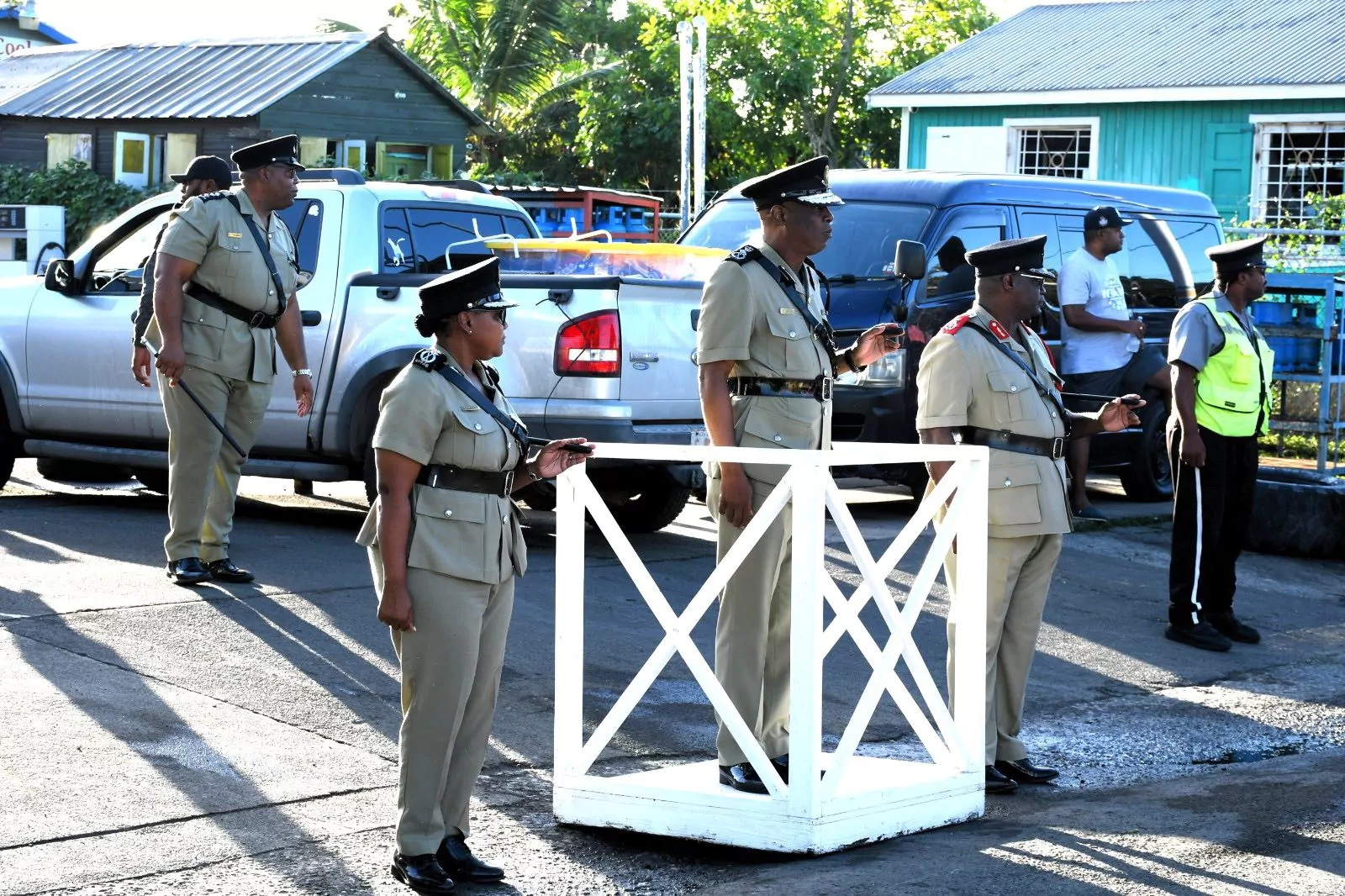
    The twin-island Caribbean nation of Antigua and Barbuda has officially announced it is fully prepared to welcome global leaders for the 2026 Commonwealth Heads of Government Meeting (CHOGM), following the completion of a comprehensive nationwide readiness exercise designed to test the country’s operational capacity for the high-stakes international gathering.

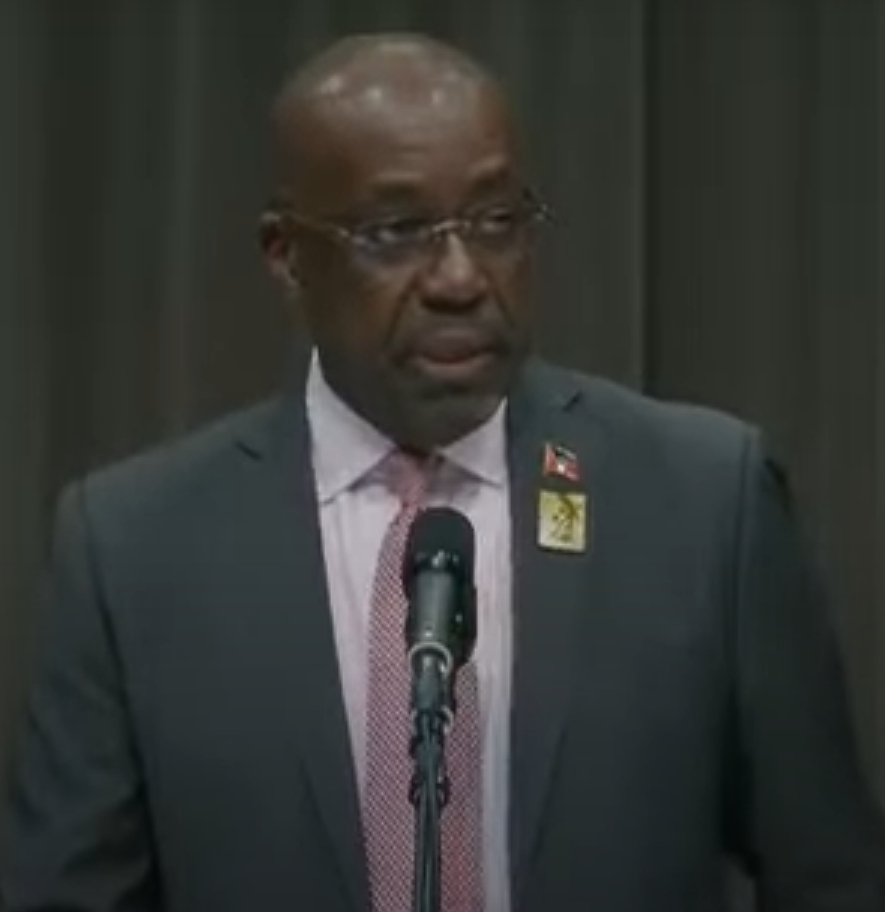
    Foreign Affairs Minister E.P. Chet Greene, the country’s top diplomatic official, confirmed the positive outcome of the simulation while currently on official government travel in Peru. Though he was not present on the ground during the exercise held Friday, Greene remained closely connected to the proceedings, receiving real-time live updates and detailed reports from local government and event coordinating officials throughout the day.

    The large-scale drill was structured to evaluate every critical operational domain required to host a major summit of global leaders, ranging from cross-agency security protocols and rapid emergency response systems to complex logistics coordination and timely public communication frameworks.

    In his remarks following the exercise, Greene characterized the simulation as rigorous, a necessary step in preparation, and ultimately a resounding success. He emphasized that the drill served as tangible proof that Antigua and Barbuda has developed the full capability to pull off a major international event of this scale smoothly and effectively.

    Greene extended his gratitude to residents of Antigua and Barbuda for their understanding and patience during the exercise, which required temporary service disruptions in some areas to accommodate the drill. He also offered specific praise to the collective group of stakeholders involved, highlighting the outstanding professionalism and seamless coordination displayed by law enforcement officers, emergency response teams, dedicated CHOGM planning personnel, and national disaster management agencies. Additionally, he commended local media outlets for their consistent, clear work to keep the general public updated on the exercise’s progress and any related impacts throughout the day.

    The minister stressed that the successful completion of this simulation provides clear confirmation that Antigua and Barbuda has already put in place all the required infrastructure, trained personnel, and operational systems needed to successfully host the gathering of Commonwealth heads of government in 2026. When the summit convenes next year, it will bring together leaders from across the 56-nation Commonwealth bloc to deliberate on a wide range of pressing regional and global policy challenges.

  • Regional Agencies Join Forces to Strengthen Caribbean Response to Hurricanes and Disease Outbreaks

    Regional Agencies Join Forces to Strengthen Caribbean Response to Hurricanes and Disease Outbreaks

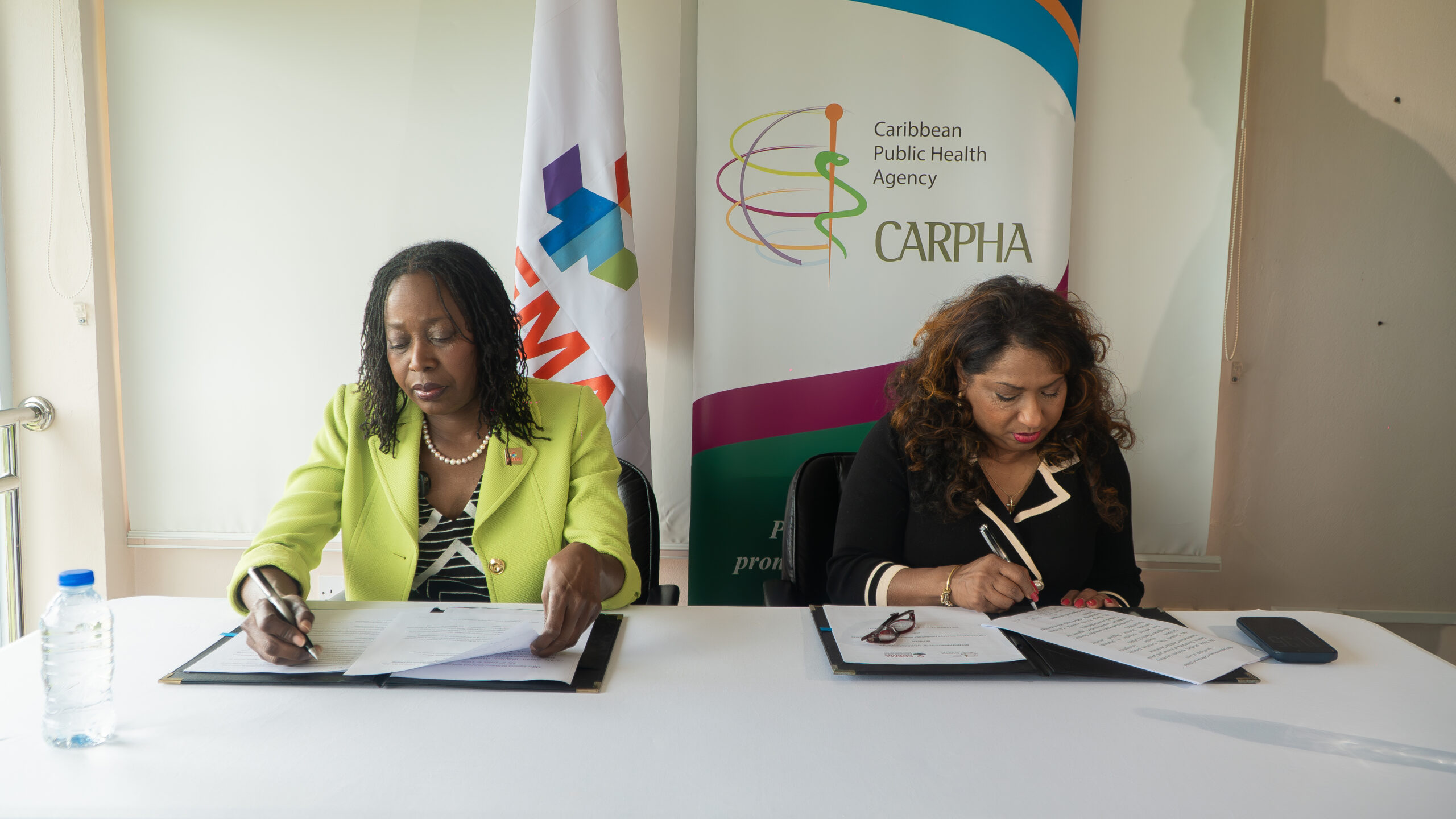
    On July 6, 2026, two key Caribbean Community (CARICOM) institutions—the Caribbean Disaster Emergency Management Agency (CDEMA) and the Caribbean Public Health Agency (CARPHA)—formalized the extension of their long-standing collaborative relationship with the signing of a renewed Memorandum of Understanding (MOU) aimed at strengthening cross-regional coordination for disaster response and public health emergency preparedness. The updated agreement builds on decades of existing cooperation to streamline joint action across the full cycle of crisis management, from prevention and advance preparation to on-the-ground response and long-term post-emergency recovery.

    For years, the two agencies have partnered to support Caribbean nations through a wide range of crises, from powerful tropical hurricanes to large-scale infectious disease outbreaks. Under CDEMA’s existing Regional Response Mechanism (RRM), CARPHA has long contributed specialized public health technical knowledge during regional emergencies, supporting individual member states with critical services including disease surveillance, laboratory testing support, population health assessments, public risk communication, environmental health interventions, and emergency response plan development.

    Two of the most high-profile examples of this successful collaboration played out in recent years, during the regional responses to Hurricane Beryl in 2024 and Hurricane Melissa in 2025. After both storms caused catastrophic damage across multiple Caribbean island nations, CARPHA integrated its health response teams into the CDEMA-led RRM, deploying technical specialists to conduct rapid needs assessments, inspect the safety of emergency shelters and damaged healthcare facilities, expand regional disease monitoring systems, and deliver evidence-based guidance to local national health authorities.

    Speaking at the signing ceremony, CDEMA Executive Director Elizabeth Riley framed the new MOU as a critical response to the region’s evolving risk profile. “The Caribbean’s risk landscape is changing rapidly. Climate change, increasingly intense weather events, public health emergencies, and other emerging threats demand that we move beyond traditional approaches and strengthen collaboration across sectors,” Riley explained. “This MOU between CDEMA and CARPHA reflects our shared recognition that resilience can only be achieved through integrated action and strong regional partnerships.”

    CARPHA Executive Director Dr. Lisa Indar echoed this sentiment, highlighting the inherent interconnectedness of the two agencies’ core mandates. “Health and disaster management are inseparable,” Indar emphasized. “This MOU brings together CARPHA’s public health expertise and CDEMA’s disaster coordination leadership to strengthen regional preparedness, build more resilient health systems, and better protect the people of the Caribbean from increasingly complex threats.”

    CARICOM Assistant Secretary-General Alison Drayton also offered remarks at the event, noting that the renewed partnership embodies the regional bloc’s core commitment to building collective resilience through cross-agency cooperation. “By combining CARPHA’s technical leadership in health security with CDEMA’s expertise in disaster mitigation and emergency management, we are strengthening the regional architecture that protects Caribbean people before, during, and after crises,” Drayton said.

    The renewed MOU expands and formalizes joint work across multiple priority areas, starting with enhanced operational coordination during active regional emergencies that leverages CDEMA’s authority in overall disaster coordination and CARPHA’s specialized public health technical capacity. Key priorities outlined in the agreement include protecting vulnerable affected populations, integrating public health priorities into all levels of regional disaster planning and response, aligning shared operational standards and evidence-based best practices, and delivering joint capacity-building initiatives through targeted training, large-scale crisis simulation exercises, cross-agency technical exchanges, and centralized knowledge sharing to boost the entire region’s resilience capacity.

    Beyond emergency response, the partnership will also strengthen joint advance planning, systemic capacity building, collective resource mobilization, and day-to-day operational coordination. These improvements will position Caribbean nations to more effectively anticipate and address emerging transboundary threats, while strengthening both regional health security and overall disaster resilience across the bloc.

    As the Caribbean continues to face growing, increasingly interconnected risks driven by climate change and shifting global health patterns, the strengthened CDEMA-CARPHA partnership is expected to improve emergency coordination outcomes, protect the region’s most vulnerable populations, reinforce local and regional health system resilience, and further embed public health priorities into core disaster risk management frameworks. Regional leaders frame the new MOU as a landmark step forward in the long-term effort to build a safer, healthier, and more resilient Caribbean for all residents.

    Established in 1991 as the Caribbean Disaster Emergency Response Agency (CDERA) and reorganized into its current form in 2009, CDEMA serves as CARICOM’s regional intergovernmental body focused on comprehensive disaster management across its 20 participating states. Its core mandate centers on an integrated approach to reducing disaster risk, strengthening community-level resilience, and supporting sustainable regional development.

    CARPHA, CARICOM’s dedicated regional public health agency, serves 26 member states by providing strategic leadership, specialized technical expertise, and coordinated collective action to prevent disease, strengthen health systems, and advance regional health security. Through core work including disease surveillance, laboratory services, public health research, capacity building, and emergency preparedness and response, the agency partners with member states and global stakeholders to protect and improve population health outcomes across the Caribbean.

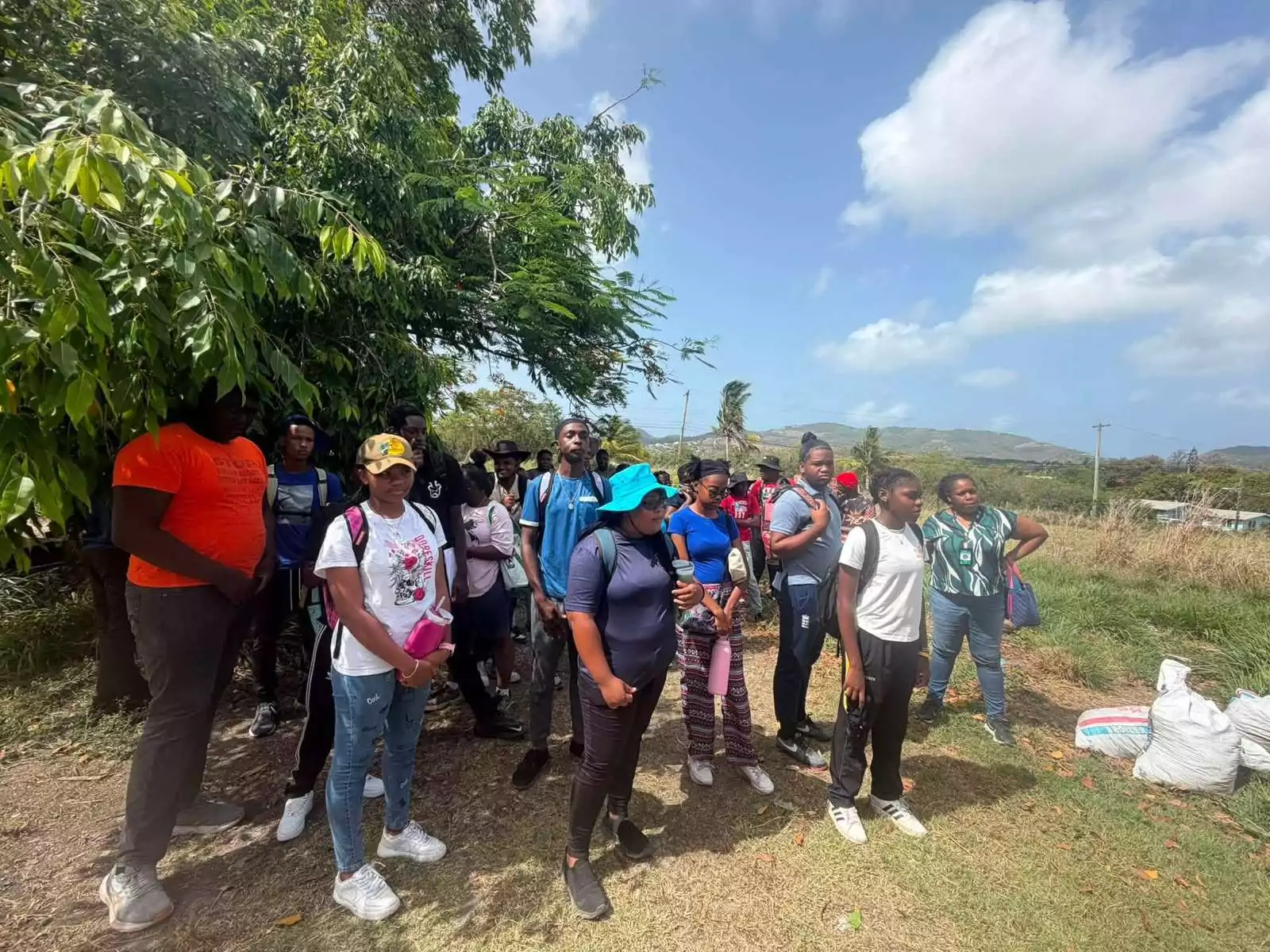
  • Ministry Agriculture Interns Gain Hands-On Poultry Farming Experience

    Ministry Agriculture Interns Gain Hands-On Poultry Farming Experience

    Antigua and Barbuda’s Ministry of Agriculture is pressing forward with its annual Summer Internship Programme this week, delivering hands-on, immersive learning for young participants through guided educational visits to two distinct local farming operations. The 11th day of the program was dedicated entirely to building practical expertise in poultry rearing and avian management, taking interns first to privately owned Pelle Farm, followed by the educational farm facility of All Saints Secondary School.

    Owned by Kelvin Pelle, a former Agricultural Science educator, Pelle Farm introduced interns to a diverse roster of avian species far beyond the common commercial chicken, including rheas, domestic ducks, and rare black chicken breeds. Experienced farm staff walked the group through species-specific protocols for daily care, nutritional needs, and population management, breaking down the unique requirements of raising each type of bird for commercial or small-scale production.

    After concluding their tour of Pelle Farm, the intern cohort traveled to All Saints Secondary School’s on-site farm, where the school’s specialized agricultural education team led an interactive workshop focused on core poultry production concepts and the critical role of pure breed conservation. During this session, participants examined a wide range of poultry, from quail, pheasants, and partridges to commercial layer hens and broiler chickens. They gained clear insight into the key functional differences between lines bred specifically for consistent egg output and those developed for meat production.

    The workshop also covered advanced foundational topics, including selective breeding practices designed to preserve and enhance desirable genetic traits in poultry flocks. Farm instructors demonstrated a simple, longstanding industry technique that allows producers to assess whether a hen is actively laying eggs by measuring the spacing between the bird’s pelvic bones—wider spacing indicates consistent egg production. Interns also learned a key biological fact about layer chickens: the species is photoperiodic, meaning the length of daily daylight directly impacts laying rates, with longer daylight hours typically driving higher egg output.

    Food safety, a critical component of successful poultry production, was another core focus of the day’s learning. The agricultural team clarified a common industry misconception, explaining that washing raw eggs with tap water actually compromises food safety by stripping away the cuticle, the natural protective coating on the egg shell that blocks bacterial infiltration. Instead, producers and handlers should only gently wipe eggs with a dry cloth when dirt needs to be removed, to preserve the shell’s natural defenses.

    Many participants got the rare chance to safely interact with and handle different poultry birds, allowing them to directly observe avian behavior and temperaments first-hand—an opportunity few entry-level learners get in traditional classroom settings.

    In a statement following the day’s visits, the Ministry of Agriculture outlined the core mission of the Summer Internship Programme: to give emerging agricultural professionals exposure to the full breadth of the sector through experiential, practical learning that builds in-demand technical skills and fosters long-term interest in agricultural careers. The program will continue in the coming weeks with additional on-site field visits and targeted training sessions, all aimed at expanding participants’ understanding of agriculture’s outsize role in supporting Antigua and Barbuda’s national economy and strengthening the country’s domestic food security.

  • 10 Killed in Bahamas Plane Crash as Flamingo Air Flights Suspended

    10 Killed in Bahamas Plane Crash as Flamingo Air Flights Suspended

    On a day meant for national celebration, The Bahamas was plunged into grief on Friday when a small passenger aircraft crashed in North Andros, claiming the lives of all 10 people on board. What should have been a joyous observance of the country’s 53rd Independence Day quickly turned into an official national day of mourning after the crash.

    The aircraft involved in the accident was a Bahamian-registered Cessna 402, operated by domestic carrier Flamingo Air. The plane was mid-route between the capital city of Nassau and the island destination of San Andros when it went down. Emergency response teams were dispatched to the crash site immediately, and official investigations into the exact cause of the tragedy are now underway.

    In the immediate aftermath of the crash, Prime Minister Philip Brave Davis initially told reporters that one person had managed to survive the impact. However, that update was later corrected, with Davis confirming that the injured individual had ultimately succumbed to their wounds, bringing the final confirmed death toll to 10. As of the latest official update, the identities of the victims have not been released to the public, pending notification of all next of kin.

    Speaking at an official press conference shortly after the crash, Davis acknowledged the nation’s collective shock and sadness. “We gather beneath a cloud of great sorrow,” he said. “It has become a day of mourning.” The prime minister extended the country’s deepest sympathies to the families and loved ones of those killed, noting, “To every family that has received the devastating news that someone they love will not be coming home, we offer our deepest condolences.”

    Davis emphasized that investigators are still working to piece together the sequence of events that led to the crash. “At this stage, the facts are still being established, and the relevant authorities are working to determine exactly what occurred,” he stated. “The families affected deserve compassion, privacy, and support as the investigation proceeds.”

    In a precautionary move that came shortly after the fatal crash, the Bahamian Ministry of Energy, Utilities and Aviation announced it had suspended Flamingo Air’s Air Operator Certificate, halting all of the airline’s operations while investigators examine the full context of the crash. The suspension was not issued solely in response to the North Andros crash: the ministry confirmed that two separate aviation safety incidents involving Flamingo Air occurred on the same day.

    Earlier Friday, before the fatal crash, another Flamingo Air plane headed for the island of Mayaguana was forced to turn back to Nassau after the pilot reported a mechanical issue of concern. All passengers on that flight got off the plane safely, but the aircraft subsequently caught fire. No injuries were reported in that second incident. To date, officials have not confirmed whether the two separate incidents are linked, and active investigations are continuing for both events.

  • Court Grants Interim Injunction Halting Leeward Islands Cricket Board Elections

    Court Grants Interim Injunction Halting Leeward Islands Cricket Board Elections

    In a last-minute ruling that has thrown regional cricket governance into uncertainty, the High Court of Justice of Antigua and Barbuda has granted an interim injunction blocking the Leeward Islands Cricket Board (LICB) from holding its planned annual general meeting and leadership elections set for July 11. The stay on the vote will remain in effect until the court hears a full legal challenge brought by the Anguilla Cricket Association and Carlisle Powell, president of the Nevis Cricket Association.

    Handing down the decision on July 10, one day before the scheduled vote, Justice Jan Drysdale concluded that the dispute raised substantial legal questions that require full adjudication. The judge further ruled that financial compensation would not be a sufficient remedy if the election went forward before the court could resolve the underlying conflict, ordering that the existing governing structure remain unchanged until a full inter partes hearing can be held.

    At the heart of the claimants’ case are multiple grievances over the LICB’s nomination process. The applicants argue that a nomination for candidate Dr. Hodge was improperly rejected on the grounds that his letter of acceptance was submitted late. They emphasize that at no point prior to the rejection did the LICB indicate that this separate acceptance document would be a mandatory requirement for eligibility. Compounding this issue, the claimants state that neither Dr. Hodge nor a second candidate, Kieron Powell, were notified of any perceived issues with their nomination paperwork, nor were they given the opportunity to fix any deficiencies before the final list of candidates was publicly released on July 9.

    In a further challenge to the election’s legitimacy, the claimants’ affidavit questions the eligibility of incumbent LICB president Enoch Lewis. According to the filing, Lewis has held the presidency for roughly 12 consecutive years, a tenure that far exceeds the two-term limit explicitly written into the LICB’s own governing constitution.

    The applicants warn that allowing the disputed election to proceed would cause permanent harm to the board’s democratic standing and erode public and stakeholder trust in the organization’s leadership. Their requested remedies include a full postponement of the election until the entire nomination process can undergo a formal review, or alternatively, a court order requiring that both Kieron Powell and Dr. Hodge be added to the ballot as valid, nominated candidates.

    Justice Drysdale’s injunction applies broadly to the LICB, its current officers, and all authorized agents, banning any action to convene the AGM, hold the election, or enact any results from the vote until the court issues a new order following the full hearing. Procedural timelines have already been set: respondents in the case have until July 15 to submit a responding affidavit, while the claimants will have until July 16 to file their reply. Formal skeleton legal arguments are due by July 20, and the full inter partes hearing is scheduled to begin at 11 a.m. on July 22.