标签: Antigua and Barbuda

安提瓜和巴布达

  • ECCB Approves Additional EC$25 Million to Boost Regional Food Security

    ECCB Approves Additional EC$25 Million to Boost Regional Food Security

    During its 113th regular meeting hosted in Dominica on July 10, 2026, the Monetary Council of the Eastern Caribbean Central Bank (ECCB) has greenlit an additional EC$25 million grant dedicated to advancing food and nutrition security across the Eastern Caribbean Currency Union (ECCU). This new injection of funding brings the central bank’s total pledged investment for this critical regional initiative to EC$50 million, doubling its original commitment.

    The latest allocation builds on an initial EC$25 million grant approved by the Council back in February 2025, and anchors food and nutrition security as a core pillar of the ECCB’s signature “Big Push” development strategy. The overarching agenda, which centers on accelerating structural economic transformation through coordinated regional collaboration, identifies seven key strategic priorities for the bloc. Beyond food security, these priorities include expanding human capital development, bolstering energy resilience, driving digital transformation, advancing universal financial inclusion and wealth building, growing the sustainable tourism sector, and upgrading regional trade logistics and cross-border connectivity.

    In its official communiqué released following the gathering, the Council emphasized that the expanded funding package is targeted at cutting the ECCU’s heavy reliance on imported food staples, while strengthening the overall shock resilience of the bloc’s national economies. Eastern Caribbean nations have long faced elevated exposure to global food price volatility and supply chain disruptions, risks that have been amplified by recent global crises and climate-related shocks to domestic production.

    “Recognising the strategic importance of food and nutrition security to The Big Push, the Monetary Council approved an additional grant of EC$25 million to support member governments’ ongoing efforts in this strategic priority area,” the communiqué read. The Council further noted that this sustained, increasing investment underscores the institution’s unwavering commitment to building long-term economic resilience across the region, and directly addresses the systemic vulnerability the bloc faces from disruptions to cross-border food supply chains.

    Regional policy leaders frame the investment as a critical step toward advancing food sovereignty, lowering household food costs, and creating more stable, self-sufficient local agricultural sectors across the ECCU’s member states.

  • Minister Michael Joseph Visits Leading Chinese Cardiac Centre to Advance Chest Pain Centre Initiative for Antigua and Barbuda

    Minister Michael Joseph Visits Leading Chinese Cardiac Centre to Advance Chest Pain Centre Initiative for Antigua and Barbuda

    In a strategic move aimed at upgrading the Caribbean nation’s cardiac healthcare infrastructure, Minister Michael Joseph of Antigua and Barbuda has undertaken an official visit to one of China’s preeminent cardiac care centers. The trip forms part of a broader bilateral collaboration to launch and scale a national Chest Pain Centre Initiative, a program designed to cut response times for acute cardiac events and reduce mortality rates from heart disease across Antigua and Barbuda.

    During the visit, Minister Joseph held in-depth discussions with leading Chinese cardiothoracic surgeons, hospital administrators and public health policy advisors. The delegation from Antigua and Barbuda toured the facility’s state-of-the-art emergency chest pain units, observed cutting-edge interventional cardiology procedures, and studied the center’s standardized protocols for rapid diagnosis and treatment of myocardial infarctions and other life-threatening cardiac conditions.

    According to statements from the ministerial delegation, the initiative addresses a growing public health challenge in Antigua and Barbuda, where cardiovascular disease has emerged as one of the leading causes of death in recent years. Currently, the nation lacks specialized, centralized chest pain care facilities, forcing many patients to seek costly treatment abroad or face extended wait times for emergency care. The new initiative aims to address this gap by building local capacity, training domestic medical staff, and establishing a network of accredited chest pain centers across the country’s main islands.

    Chinese officials at the cardiac center expressed commitment to supporting the project, offering opportunities for joint training exchanges, knowledge sharing of best practices, and technical guidance for facility design and protocol development. Both sides noted that the collaboration builds on existing diplomatic and public health partnerships between China and Antigua and Barbuda, demonstrating how targeted international cooperation can deliver tangible improvements to community health outcomes.

    Minister Joseph emphasized that the visit marks a critical milestone in advancing the initiative, with the next steps focusing on drafting a national implementation plan, securing funding commitments, and launching the first round of medical staff training programs in collaboration with the Chinese center. The project is expected to improve access to life-saving cardiac care for all residents of Antigua and Barbuda, reduce the economic burden of out-of-country medical treatment, and strengthen the nation’s overall public health system.

  • Boat carrying tourists capsizes off Vietnam’s Phu Quoc island, killing 15

    Boat carrying tourists capsizes off Vietnam’s Phu Quoc island, killing 15

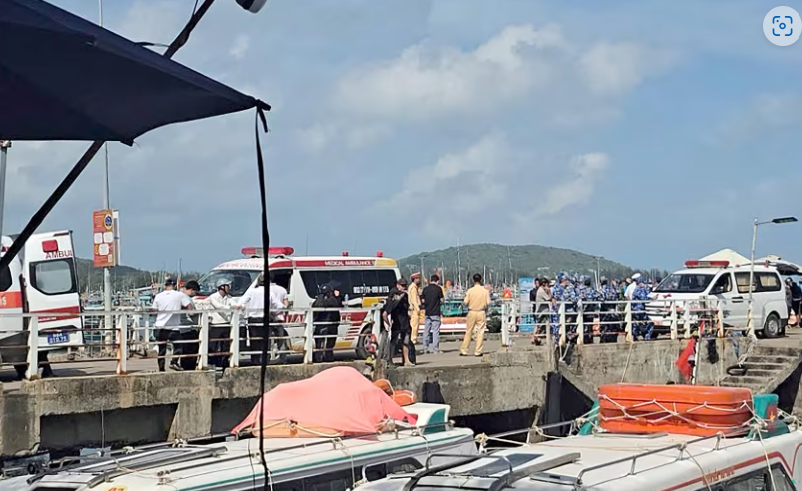
    A devastating maritime accident off the coast of Vietnam’s popular southern resort island of Phu Quoc has left at least 15 Indian tourists dead after a tourist vessel overturned in rough sea conditions on Saturday, Vietnamese online newspaper VnExpress has reported, citing official confirmation from local Vietnamese authorities.

    Of the 36 people on board the vessel when it capsized, 21 people managed to survive the incident. The passenger manifest confirms the boat was carrying 32 Indian tourists, three local crew members, and one on-board attendant, according to the report.

    In the wake of the tragedy, the Embassy of India in Vietnam announced it has activated a full emergency response protocol, dispatching support teams and setting up dedicated emergency assistance centers in both Hanoi and Ho Chi Minh City to coordinate with Vietnamese authorities and provide support to family members of those affected by the incident.

    In an official statement released shortly after the accident, the Indian Embassy noted that precise details surrounding the sequence of events are still being confirmed, as search and rescue operations led by local Vietnamese authorities remain ongoing. The embassy characterized the incident as a profound tragedy.

    Local authorities outline that the boat was en route from the smaller Hon May Rut Island to An Thoi Port when it overturned approximately 400 meters, or 440 yards, off the shore in open waters. VnExpress’s reporting adds that weather conditions in the area at the time of the accident were hazardous, with rough seas and large waves buffeting small vessels in the region.

    Phu Quoc, Vietnam’s largest island, has emerged as one of the Southeast Asian nation’s top tourist draws over the past decade, with a sharp rise in international visitor numbers — including a growing stream of tourists from India — in recent years.

  • Antigua among CARICOM states Weighing Insurance Plan to Protect Hotels, Hospitals from Disasters

    Antigua among CARICOM states Weighing Insurance Plan to Protect Hotels, Hospitals from Disasters

    Against a backdrop of rapidly intensifying climate-driven extreme weather that has sent insurance premiums soaring across island nations, leaders from the Caribbean Community (CARICOM) have taken a decisive step forward by voting to develop a coordinated regional insurance and reinsurance framework. The landmark decision was reached during the 51st Regular Meeting of CARICOM’s Conference of Heads of Government, where regional policymakers prioritized closing the growing protection gap that leaves millions in critical infrastructure underinsured or entirely uninsured.

    Meeting documents from the summit highlight a pressing shared concern: more powerful and frequent hurricanes, amplified by global climate change, have driven up the cost of comprehensive catastrophe coverage to unaffordable levels for both public entities and private businesses across the bloc. Many member states have found themselves locked out of adequate coverage, leaving core sectors vulnerable to crippling financial losses when disasters strike.

    To tackle this growing risk, leaders have agreed to assess the expansion of existing regional catastrophe risk insurance programs. The proposed expansion would extend protection to tourism infrastructure—an economic backbone for most Caribbean nations—especially hotels and resort facilities that draw millions of international visitors annually. It would also cover critical social and economic assets, including hospitals that serve as first responders during public health and climate emergencies. Notably, the framework will also explore adding coverage for losses related to global pandemic events, a response to lessons learned during the COVID-19 crisis that devastated regional tourism.

    Moving forward, CARICOM will convene a dedicated Reinsurance Task Force to advance the coordinated strategy, with the core goals of expanding access to affordable coverage and strengthening the region’s overall financial resilience in the aftermath of disasters. The initiative comes as Caribbean nations, which contribute less than 1% of global greenhouse gas emissions but bear a disproportionate share of climate change’s worst impacts, continue to search for innovative, collective solutions to reduce systemic financial risk while protecting their two most vital sectors: tourism and public healthcare.

  • Global Uncertainty Could Slow Tourism and Economic Growth, ECCB Warns

    Global Uncertainty Could Slow Tourism and Economic Growth, ECCB Warns

    Against a backdrop of shifting global dynamics, the Monetary Council of the Eastern Caribbean Central Bank (ECCB) has sounded a cautious note on the Eastern Caribbean Currency Union’s (ECCU) economic trajectory, highlighting three major external headwinds that threaten to undermine regional expansion and tourism activity in the coming months. The official alert was published in a formal communiqué released Friday, at the conclusion of the Council’s 113th quarterly gathering hosted in Dominica, where senior finance officials from across the member nations gathered to assess the bloc’s current and projected economic health.

    In the official statement, the Council emphasized that persistent global uncertainty has cast a long shadow over the region’s growth outlook. Rising geopolitical friction around the world, wild swings in global crude oil prices, and ongoing unpredictability in international trade flows have combined to create material downside risks that cannot be ignored by regional policymakers. Against this landscape, the Council revised the bloc’s growth projection bias to the downside, warning that a further deterioration of global conditions could cool demand for Caribbean getaways and pull back the pace of overall economic expansion across the ECCU.

    Even as it flagged these external vulnerabilities, the Council struck a balanced tone, pointing to bright spots in the regional economy and ongoing efforts to build long-term stability. The body explicitly welcomed the steady flow of investment into large-scale strategic development projects and cross-regional renewable energy programs, noting that these initiatives are foundational to boosting the region’s ability to withstand external shocks and advance inclusive, sustainable development. It reaffirmed that energy security and resilience remain a top priority for accelerating shared growth, and called for urgent action to speed up the launch and full operationalization of the Caribbean Resilient Renewable Energy Infrastructure Investment Facility, a dedicated financing vehicle designed to support the region’s clean energy transition.

    Council members also reached a consensus on the need to ramp up collective regional action under the ECCB’s flagship “Big Push” development strategy. Expanding the scale and speeding up the pace of coordinated initiatives under this framework, officials agreed, is critical to lifting the ECCU’s long-term global competitiveness and insulating its economies from future external disruptions.

    Notably, the Council acknowledged that the region’s core economic engine — tourism — has continued to outperform expectations despite ongoing global headwinds. Data shared during the meeting showed that total visitor arrivals across the ECCU jumped 9% year-over-year to reach 2.5 million in the first quarter of 2026, while total visitor spending increased by 4% to hit EC$2.8 billion over the same period. The solid growth trend confirms that global traveler demand for the Eastern Caribbean as a top leisure destination remains sustained, even amid broader economic uncertainty.

  • Antigua and Barbuda Awarded to Host CARIFESTA 2029

    Antigua and Barbuda Awarded to Host CARIFESTA 2029

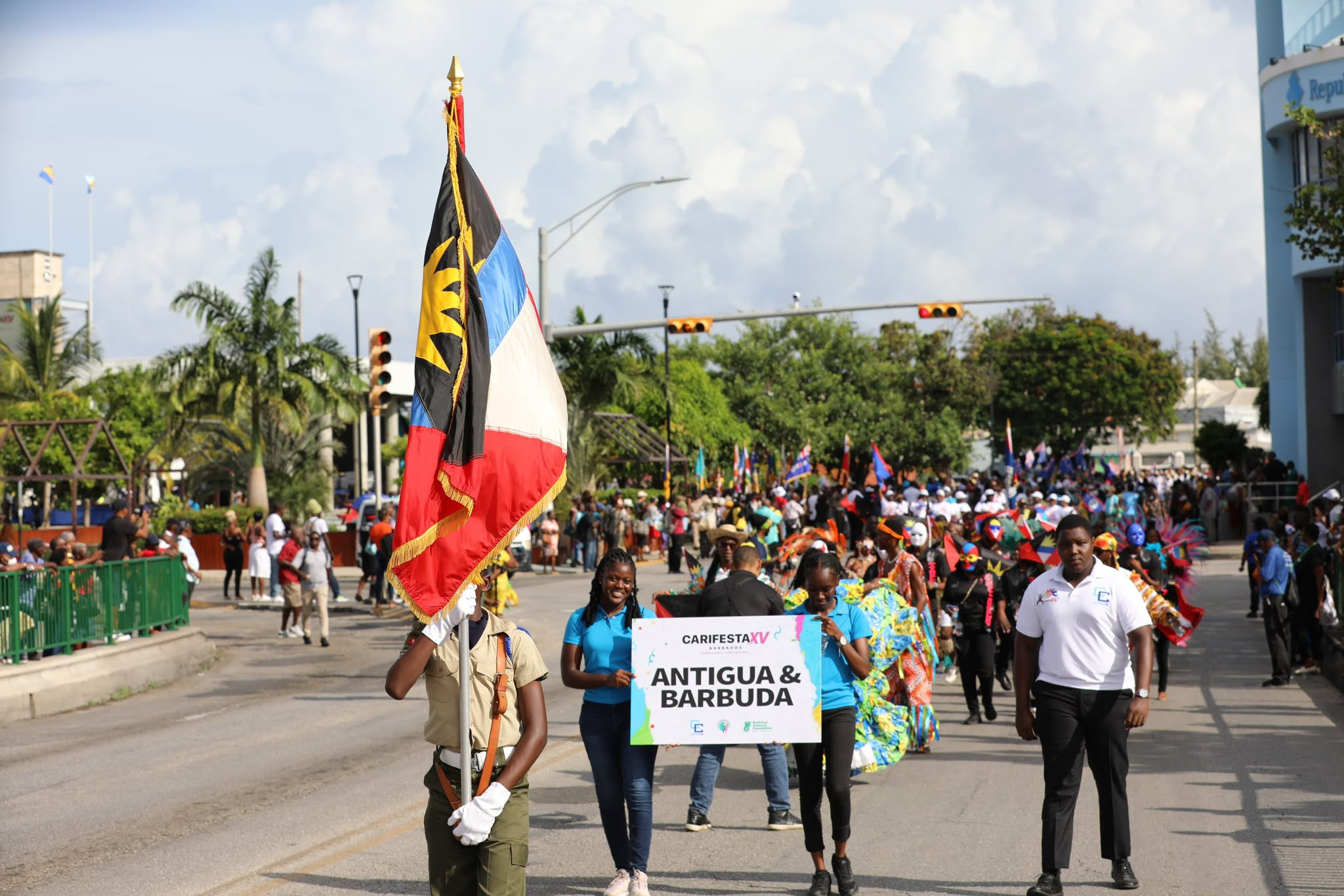
    At the 51st Regular Meeting of the Conference of Heads of Government of the Caribbean Community (CARICOM), regional leaders have made a key decision shaping the future of the Caribbean’s most iconic cultural celebration: Antigua and Barbuda will be the official host of CARIFESTA 2029.

    The confirmation, formally released in the gathering’s closing communiqué, solidifies the twin-island nation’s role as the steward of the Caribbean’s premier festival dedicated to honoring regional arts, cultural identity, and shared heritage. In a concurrent announcement that locks in the festival’s long-term schedule, CARICOM heads also formally accepted Guyana’s bid to host the 2027 edition of the event, locking in the next two installments of the iconic regional gathering.

    Established as the Caribbean Festival of Arts, CARIFESTA serves as a unifying platform that brings together a diverse cross-section of creative talent from across the region. Artists, musicians, theatrical performers, authors, and cultural workers gather for an immersive program spanning visual art exhibitions, open-air concerts, stage productions, literary discussions, and dozens of other showcases of Caribbean creativity. Today, it stands as one of the largest and most anticipated celebrations of creative expression across the Caribbean bloc.

    While the final communiqué did not disclose specific details about Antigua and Barbuda’s proposed programming, venue plans, or budget for the 2029 festival, the early selection grants the nation a multi-year runway to develop and refine every element of the event ahead of its kickoff.

    This latest hosting win comes as Antigua and Barbuda is already deep in preparations for another high-profile international gathering: the Commonwealth Heads of Government Meeting (CHOGM), scheduled to take place in November 2026. That event is projected to bring dozens of global heads of state and thousands of international delegates to the country, marking a major period of increased global attention and international event hosting for the twin-island nation in the coming years.

  • CARICOM to Put Reparations at Centre of CHOGM in Antigua

    CARICOM to Put Reparations at Centre of CHOGM in Antigua

    Caribbean community leaders have taken a decisive step to place demands for reparatory justice for centuries of transatlantic slavery and colonial exploitation at the top of the agenda for the upcoming Commonwealth Heads of Government Meeting (CHOGM), intensifying a years-long regional campaign to hold former colonial powers accountable for lasting harm. The landmark commitment was formally outlined in an official communiqué released at the conclusion of the 51st Regular Meeting of the Caribbean Community (CARICOM) Conference of Heads of Government, which gathered regional leaders in Saint Lucia between July 5 and 8.

    During the four-day summit, CARICOM heads formally approved the “CARICOM Ten Point Plan for Reparations: A Manifesto for the Coming Enlightenment” and threw their collective weight behind a series of coordinated initiatives designed to move the regional reparations movement forward ahead of November’s CHOGM, which will be hosted this year by Antigua and Barbuda. One of the core priorities agreed upon is building a unified, high-profile advocacy push for reparations during the Commonwealth gathering, which will bring together leaders from all member nations—including several European states that built colonial empires across the Caribbean centuries ago.

    Beyond the CHOGM advocacy effort, the regional bloc has committed to deepening its existing collaborative partnership with the African Union on reparations work. Leaders also formally pledged their support for the Third Regional Conference on Reparations, set to take place in Barbados on September 18 and 19, as well as the official unveiling of the Newton Enslaved Burial Ground Memorial, scheduled to open in Barbados alongside the November CHOGM.

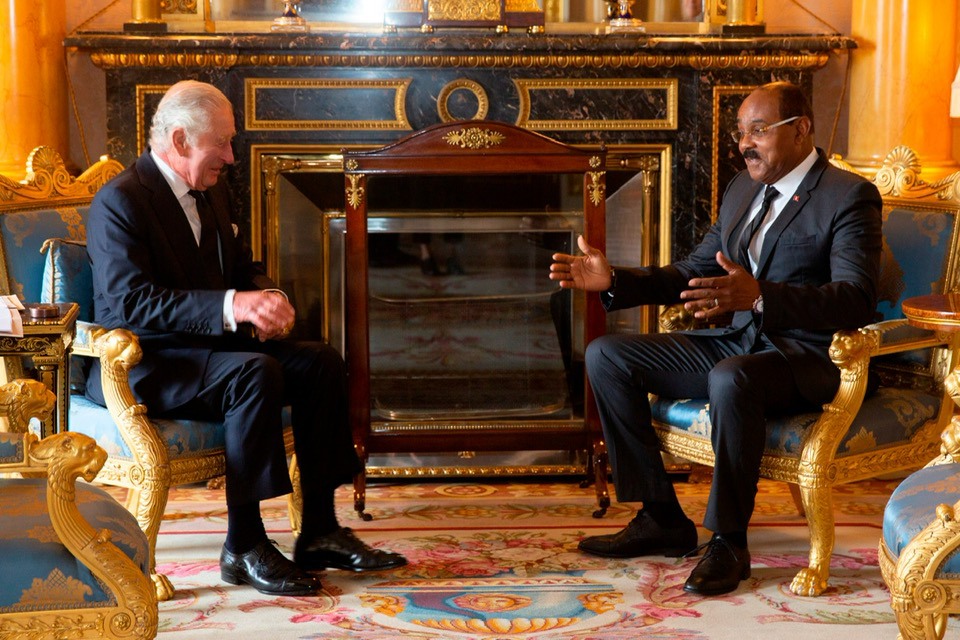
    In a key show of regional solidarity, CARICOM leaders unanimously backed Jamaica’s upcoming official reparations petition to King Charles III, which Jamaican representatives will formally present in London on September 7. This petition is one of many tangible actions that fall under CARICOM’s broader goal of securing full reparatory justice from former colonial powers, pointing to the persistent intergenerational social and economic inequalities that trace their roots directly to the transatlantic slave trade and centuries of colonial rule.

    The agreement transforms the November CHOGM into a defining moment for the Caribbean reparations movement, placing host nation Antigua and Barbuda at the center of one of the most consequential diplomatic campaigns the region has pursued in modern history.

  • Central Bank Plans for Instant Cross-Border Payments Across Caribbean

    Central Bank Plans for Instant Cross-Border Payments Across Caribbean

    The Eastern Caribbean Central Bank (ECCB) is moving forward with transformative plans to revolutionize cross-border electronic transactions across the Caribbean region, after its top governing body received detailed progress updates on two high-priority financial infrastructure initiatives. At the 113th gathering of the ECCB Monetary Council, held Friday in Dominica, members reviewed development milestones for both the CAPSS pilot program and the regional Fast Payment System, marking these projects as central pillars of the bank’s ambitious “Big Push” strategic agenda.

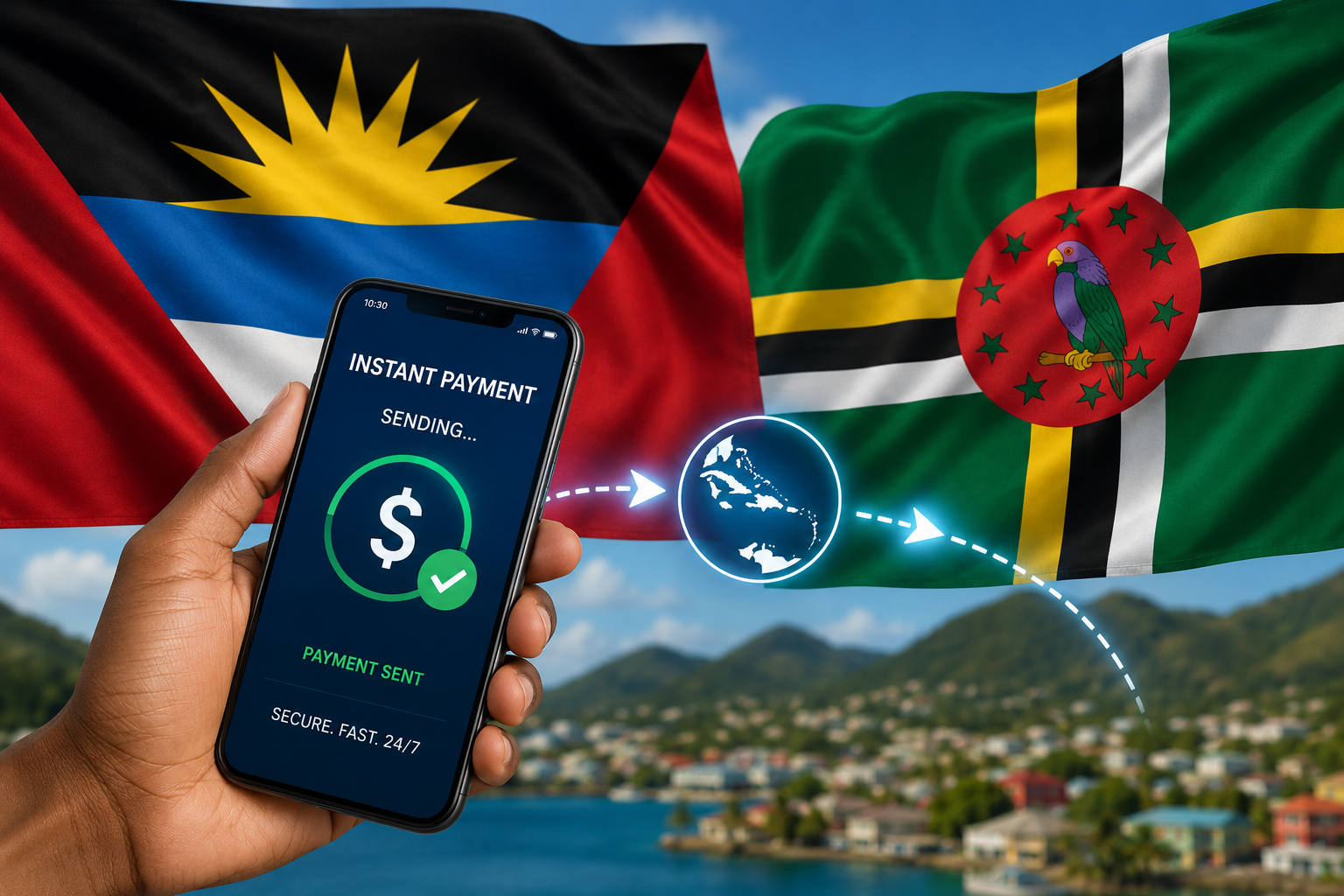
    The CARICOM Payments and Settlement System (CAPSS), the first of the two flagship projects, is designed to introduce instant cross-border payment capabilities that operate directly using participating local currencies. According to an official communiqué released following the meeting, this new framework will cut down on exorbitant transaction fees that have long burdened regional trade and personal remittances, while also reducing the region’s dependence on traditional correspondent banking relationships that have proven volatile and restrictive for many Caribbean financial institutions in recent years.

    Complementing the cross-border CAPSS project is the second initiative, a dedicated Fast Payment System built for the Eastern Caribbean Currency Union (ECCU). Once fully operational, this system will enable round-the-clock real-time electronic transfers for users across the currency union, operating 24 hours a day, seven days a week to meet the growing demand for accessible, on-demand digital payments from both consumers and businesses.

    Members of the Monetary Council emphasized that both initiatives are expected to deliver far-reaching benefits beyond faster transaction speeds. By breaking down longstanding financial barriers between Caribbean nations, the projects will deepen regional financial integration, streamline payment processing efficiency, and expand access to formal financial services for under-served populations across the ECCU, advancing the bank’s goal of inclusive economic growth across the region.

  • Regional CBI Regulator Remains on Schedule for September Launch

    Regional CBI Regulator Remains on Schedule for September Launch

    Against a backdrop of growing international pressure on Eastern Caribbean citizenship by investment (CBI) initiatives, the Eastern Caribbean Central Bank (ECCB)’s Monetary Council has confirmed that the planned regional regulatory body for these programs remains on schedule for a September 2026 operational launch. The official update was published in an official communiqué released at the conclusion of the Council’s 113th quarterly gathering, which was hosted by Dominica this Friday. The meeting brought together finance ministers and territorial premiers from all eight members of the Eastern Caribbean Currency Union (ECCU), who gathered to review the implementation progress of a suite of joint regional policy and development initiatives.

    At the core of the meeting’s discussions was the progress of establishing the Eastern Caribbean Citizenship by Investment Regulatory Authority (ECCIRA), the new centralized body designed to oversee CBI programs across all participating member states. According to the communiqué, ECCIRA will fill a critical governance gap by standardizing regulatory frameworks, boosting transparency, upholding program integrity, and harmonizing oversight practices across the region’s individual national CBI schemes. “The Authority remains on track for launch in September 2026,” the document read, noting that the Council has reaffirmed its full commitment to delivering the new regional entity on the agreed timeline.

    Beyond progress updates on ECCIRA, the Council emphasized the ongoing importance of proactive collaboration and engagement with global stakeholders. This collaborative approach, leaders agreed, will ensure the region’s CBI programs continue to meet the most stringent international regulatory standards, while preserving the strong economic and diplomatic ties that underpin the small open economies of the Eastern Caribbean. For many regional states, CBI programs represent a major source of foreign direct investment, funding critical infrastructure projects, social programs, and economic development initiatives.

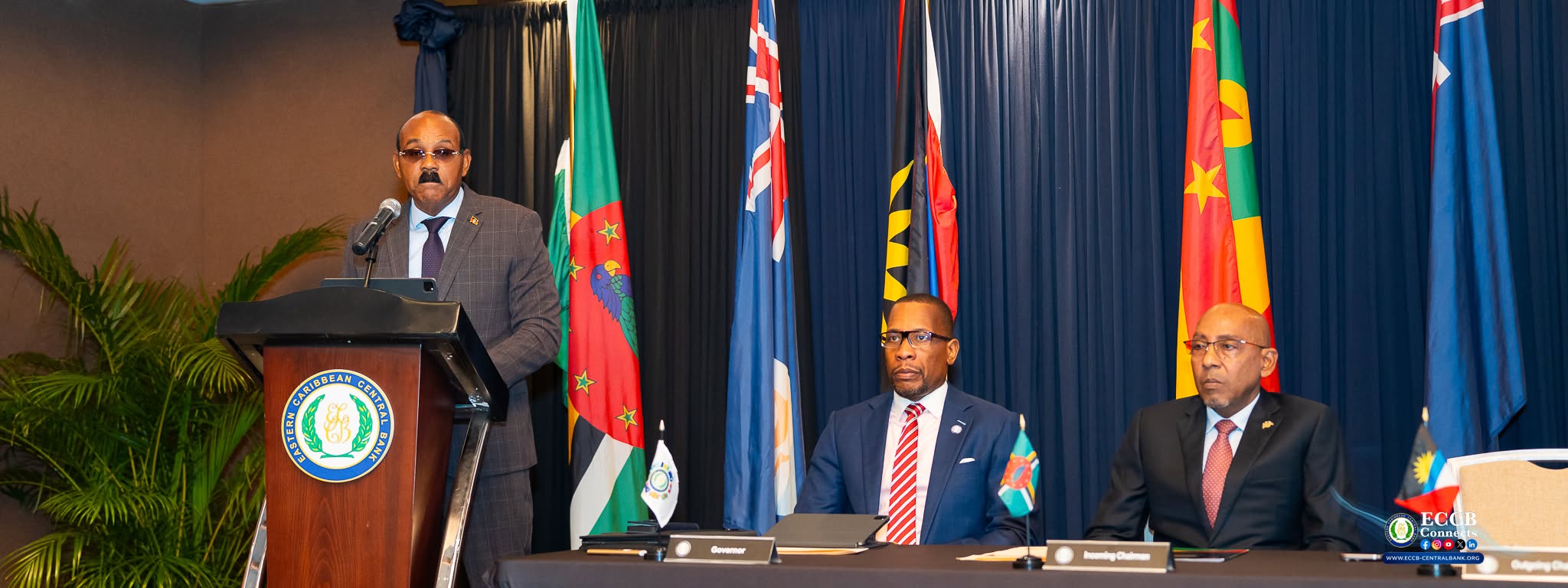
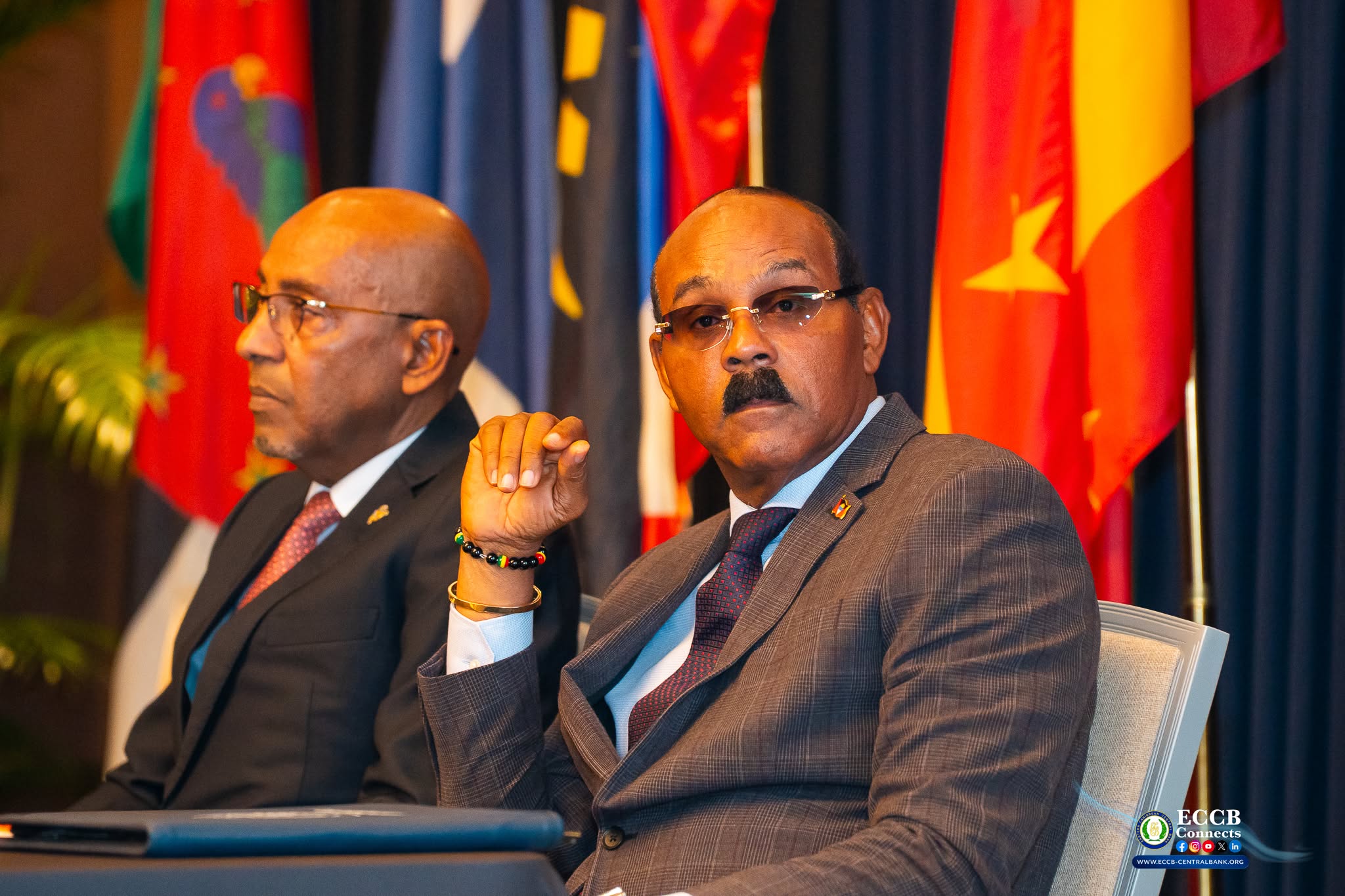
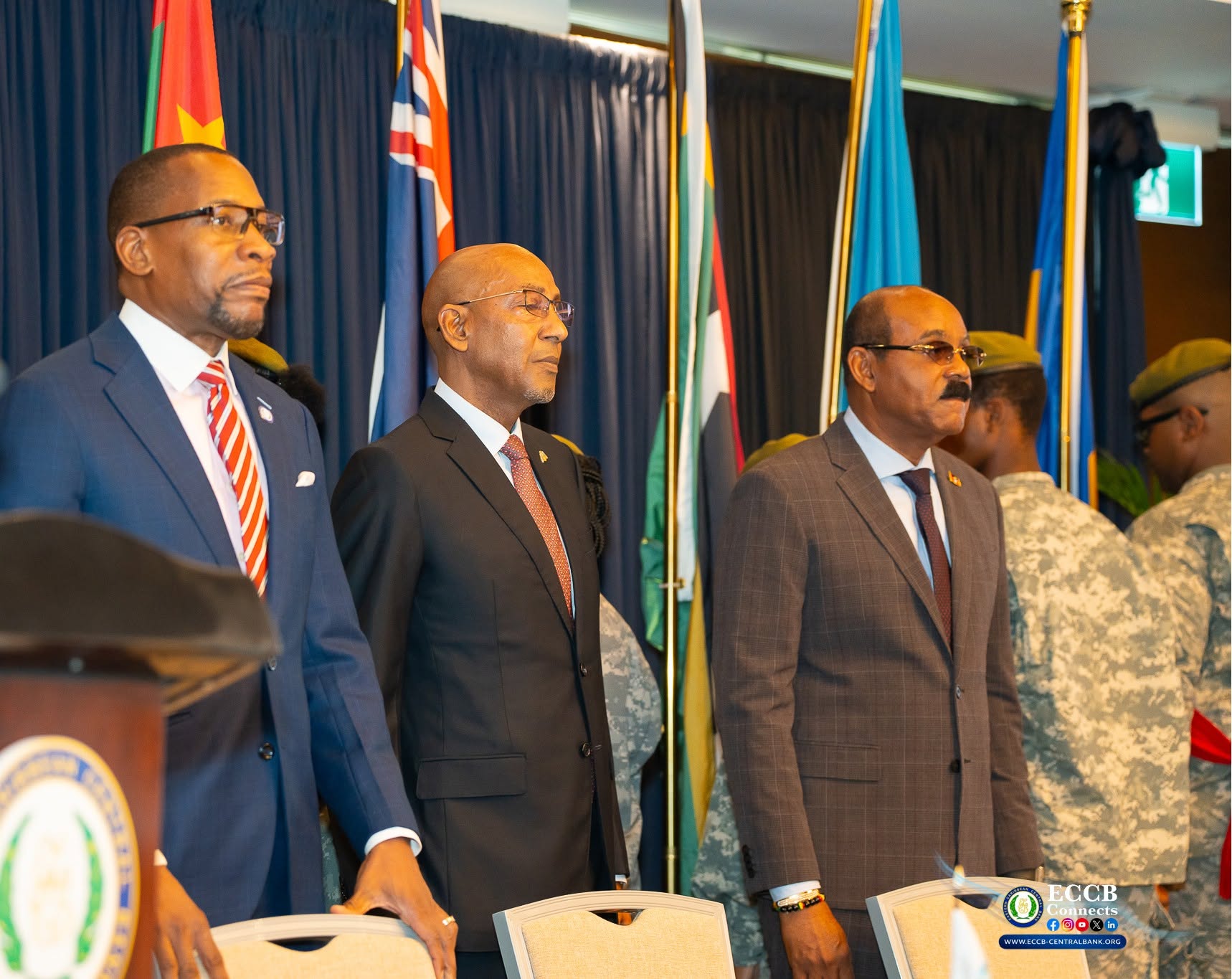
    The confirmation of the 2026 launch comes at a moment when regional governments are facing rising international scrutiny of their CBI schemes. In recent months, the European Parliament and European Council have pushed for member states of the Eastern Caribbean to phase out their citizenship by investment programs entirely, citing concerns over security and compliance. The meeting was attended by all top financial leaders from the ECCU, including Antigua and Barbuda Prime Minister Gaston Browne, who also holds the portfolio of Minister of Finance for his country.

  • PM Browne Backs ‘Big Push’ to Double Eastern Caribbean Economy Within Seven Years

    PM Browne Backs ‘Big Push’ to Double Eastern Caribbean Economy Within Seven Years

    At the 113th gathering of the Eastern Caribbean Central Bank (ECCB) Monetary Council held in Dominica on Thursday, regional leaders have formally backed a bold growth blueprint that aims to double the size of the Eastern Caribbean economy within the next seven years. Antigua and Barbuda Prime Minister Gaston Browne, who made the announcement, confirmed the council has adopted ECCB Governor Timothy Antoine’s “Big Push” initiative, which targets expanding the Eastern Caribbean Currency Union (ECCU)’s combined gross domestic product to roughly EC$50 billion by 2031.

    Far from being just a target for rising output, the initiative frames transformative economic expansion as a core pillar to strengthen the long-term stability of the shared currency union. Browne emphasized that the plan’s success depends on unlocking new streams of investment, nurturing homegrown entrepreneurship, and building sustained domestic wealth generation across member states. He argued that the ECCB has a critical expanded role to play in turning this vision into action: the central bank should develop creative new credit and securities tools to finance growth projects, and allocate a small share of its existing reserves to kickstart investment in renewable energy and other high-priority strategic sectors. This approach, he noted, will help member states cut heavy reliance on imported goods and foreign direct investment, building more self-reliant, resilient regional economies that reinforce the ECCU’s stability over time.

    Alongside endorsing the Big Push framework, the Monetary Council formally approved the ECCB’s 2026–2031 Strategic Plan, which lays out concrete priority areas to deliver on the growth target. The plan centers on advancing food and nutrition security, boosting regional energy resilience, improving cross-border connectivity, streamlining trade and logistics systems, deepening regional financial markets, and expanding inclusive wealth creation for local communities.

    One of the most notable potential projects being evaluated under the new strategy is the launch of OECS Air, a proposed regional carrier designed to close critical connectivity gaps across the bloc. If advanced, the airline would cut travel barriers, make cross-border commerce easier, and give a major boost to the region’s key tourism sector and incoming investment flows.

    The approval of the 7-year growth plan marks a clear shift toward coordinated, ambitious regional action to address long-standing economic vulnerabilities, and sets a concrete target for collective development across the Eastern Caribbean bloc.