标签: Antigua and Barbuda

安提瓜和巴布达

  • IMF reports steady growth and falling debt in Antigua and Barbuda

    IMF reports steady growth and falling debt in Antigua and Barbuda

    The International Monetary Fund (IMF) has released its latest Article IV assessment of Antigua and Barbuda’s economy, confirming solid expansion in 2025 fueled by rising construction output, cooling inflation and a years-long downward trend in public debt. Even as the multilateral institution acknowledges the small island nation’s recent economic gains, it warns that persistent payment arrears and mounting financing pressures remain the most pressing threats to long-term fiscal stability.

    Per the IMF’s projections, Antigua and Barbuda’s real gross domestic product grew by 3% in 2025. The driving force behind this growth was a marked rebound in the construction sector, which was strong enough to offset a unexpected slowdown in the country’s core tourism industry. One key milestone highlighted in the report is the full recovery of national employment levels, which have now returned to the benchmarks seen before the COVID-19 pandemic disrupted global travel and local labor markets.

    Inflation, which has been a major source of economic strain across the Caribbean in recent years, fell dramatically for Antigua and Barbuda in 2025. After averaging more than 6% in 2024, the annual inflation rate dropped to 1.4% last year, a shift that reflects broad stabilization of global and domestic price pressures across key goods and services.

    The country has also made significant progress in reducing its overall public debt burden. From a peak of 101% of GDP in 2020, in the wake of pandemic-related stimulus spending, the public debt-to-GDP ratio is estimated to have fallen to 68% in 2025. The IMF credits this improvement to stronger overall fiscal performance and increased government revenue, particularly the steady inflows generated by the country’s popular Citizenship by Investment (CBI) program.

    Despite these encouraging developments, the IMF has drawn attention to two major lingering vulnerabilities: substantial payment arrears owed to both Paris Club sovereign creditors and domestic suppliers, plus persistent elevated financing needs that continue to drag on the country’s long-term debt sustainability.

    IMF Executive Directors have called on Antigua and Barbuda’s government to implement a “credible and comprehensive strategy” to clear outstanding arrears, strengthen national debt and cash management frameworks, and carve out sustainable fiscal space for investments in climate resilience and critical infrastructure. The island nation is highly vulnerable to the impacts of climate change, including more frequent and severe hurricanes and coastal erosion, making targeted resilience investments a priority for long-term economic survival.

    Directors also acknowledged progress in boosting tax collection and enforcing fiscal discipline, with the country’s primary fiscal balance projected to hit nearly 5% of GDP in 2025. Even so, they urged local authorities to take additional steps to broaden the national tax base, cut back on inefficient tax exemptions, and strengthen oversight of both general public finances and state-owned enterprises, which have historically been a source of fiscal leakage.

    The IMF assessment notes that Antigua and Barbuda’s overall financial system remains stable and well-liquidated, but policymakers are encouraged to pursue additional structural reforms to boost the competitiveness of the tourism sector, strengthen regional and international trade links, and upgrade the skills of the local workforce to support long-term growth.

    Looking ahead, the IMF projects that Antigua and Barbuda will continue to see steady economic expansion in the coming years. However, the institution repeated warnings that the country’s small open island economy remains heavily exposed to outside risks, including ongoing global economic uncertainty, volatile commodity prices, and sudden external economic shocks that could derail growth progress.

  • From US to Singapore, cruise passengers are being monitored for hantavirus

    From US to Singapore, cruise passengers are being monitored for hantavirus

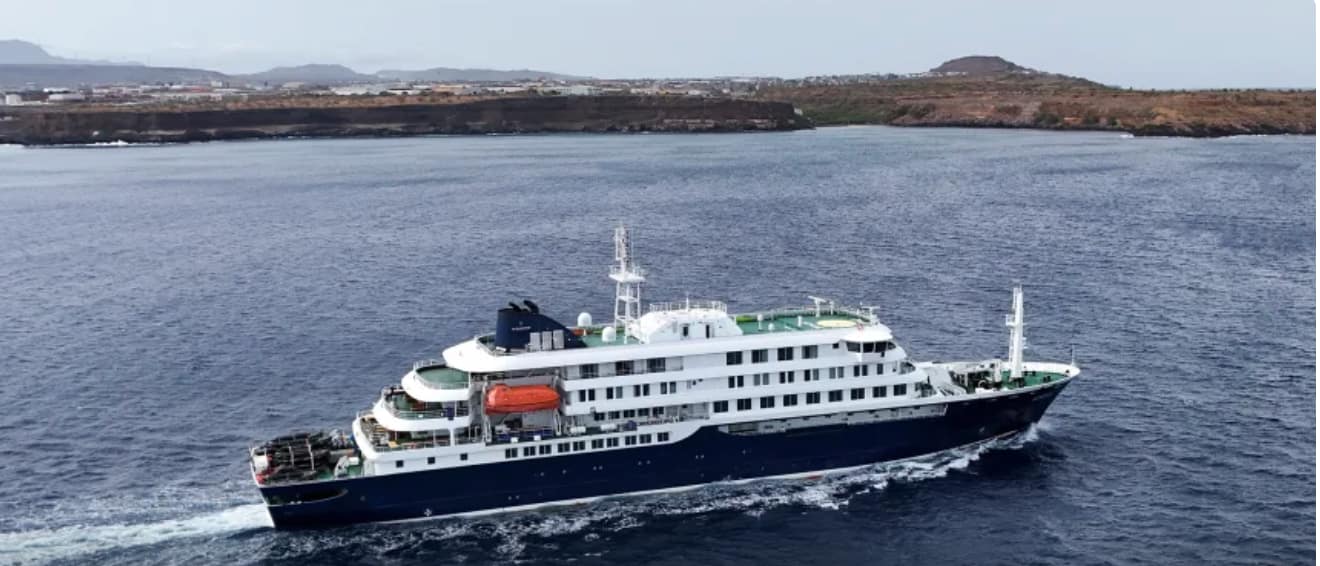
    A hantavirus outbreak linked to the expedition cruise vessel MV Hondius has triggered an international public health response, with the World Health Organization (WHO) confirming five confirmed infections among people connected to the ship and three deaths recorded as of Thursday. Health agencies across more than half a dozen countries are racing to trace contacts and contain the spread of the rare Andes strain of the virus, after passengers and crew dispersed globally before the outbreak was fully detected.

    The first suspected case emerged in mid-April, shortly after the ship departed Argentina on a cruise late last month. South Africa’s Department of Health confirmed the initial patient was a 70-year-old Dutch man who developed sudden symptoms including fever, headache, abdominal pain and diarrhea while on board, and died on the vessel on April 11. Two more fatalities followed: a second Dutch national and a German citizen.

    As of Thursday, 146 people from 23 different countries remain on the MV Hondius under strict precautionary quarantine protocols, according to the ship’s operator, Netherlands-based Oceanwide Expeditions. Roughly 30 passengers disembarked at the remote South Atlantic territory of Saint Helena in late April, and several critically ill patients were airlifted to Europe for urgent medical care earlier this week. The remaining people on board are scheduled to arrive at Tenerife in Spain’s Canary Islands around noon local time Sunday, per updates from Spanish public health authorities. Once they dock, all passengers and crew will be repatriated via chartered flights to their home countries.

    Health systems across multiple nations are now managing active monitoring and treatment for people linked to the outbreak. In the Netherlands, three evacuated patients are currently receiving hospital care: a British national, a 65-year-old German citizen, and a 41-year-old Dutch crew member. Two of the three are in serious condition, while the third, who remains asymptomatic, is also under medical observation as a precaution. Separately, a KLM airline crew member is currently undergoing testing at an Amsterdam hospital after potential exposure to a deceased passenger who died in South Africa. If her test returns positive, she will be the first person infected with the virus outside of the ship’s passenger and crew roster. Infectious disease specialists at Amsterdam University Medical Center expect to receive test results by the end of Thursday.

    In South Africa, the second confirmed hantavirus case – a British passenger who fell ill on April 27 – remains in intensive care at a private Johannesburg hospital, though the WHO reports his condition is improving. Switzerland confirmed one additional positive case Wednesday: a passenger who returned home from the cruise is currently receiving treatment in Zurich. UK health authorities report seven British nationals disembarked at Saint Helena on April 24, two of which are isolating at home as a precaution, while four remain on the island and contact tracers are still locating a seventh who has not yet returned to the United Kingdom. U.S. public health officials are monitoring three repatriated asymptomatic passengers: two in Georgia and one in Arizona, with additional American passengers reported to have returned to Texas and Virginia. Singapore’s Communicable Diseases Agency confirmed two Singaporean men in their 60s who were on the cruise are self-isolating and undergoing testing, one with a mild runny nose and the other with no symptoms.

    The situation has drawn widespread international attention, with many observers drawing comparisons to the early, unmanaged spread of COVID-19, as passengers had already dispersed across the globe before the full scope of the outbreak was understood. Oceanwide Expeditions confirmed Thursday it is working closely with global health authorities to map the full travel history of all passengers and crew who boarded or disembarked the MV Hondius at any stop after March 20.

    Public health officials have stressed that the outbreak is tied to the Andes strain of hantavirus, a rare pathogen that can spread between humans through close prolonged contact, though it does not easily transmit at a population level. While the WHO acknowledges additional cases are likely to emerge in the coming weeks as contact tracing continues, the organization stressed it does not expect a large-scale global epidemic similar to COVID-19, and there is currently no evidence of widespread community transmission risk.

    Investigators are still working to pinpoint the origin of the outbreak, but the WHO is working under the leading hypothesis that the two deceased Dutch passengers were infected before they ever boarded the MV Hondius, during pre-cruise sightseeing in Argentina. WHO Director-General Tedros Adhanom Ghebreyesus told reporters Thursday that the first two infected patients completed a bird-watching tour through Argentina, Chile and Uruguay that included stops at locations where rat species known to carry hantavirus are endemic. Because hantavirus has an incubation period of between one and six weeks before symptoms appear, public health officials explain that patients often become infected weeks before they start showing signs of illness.

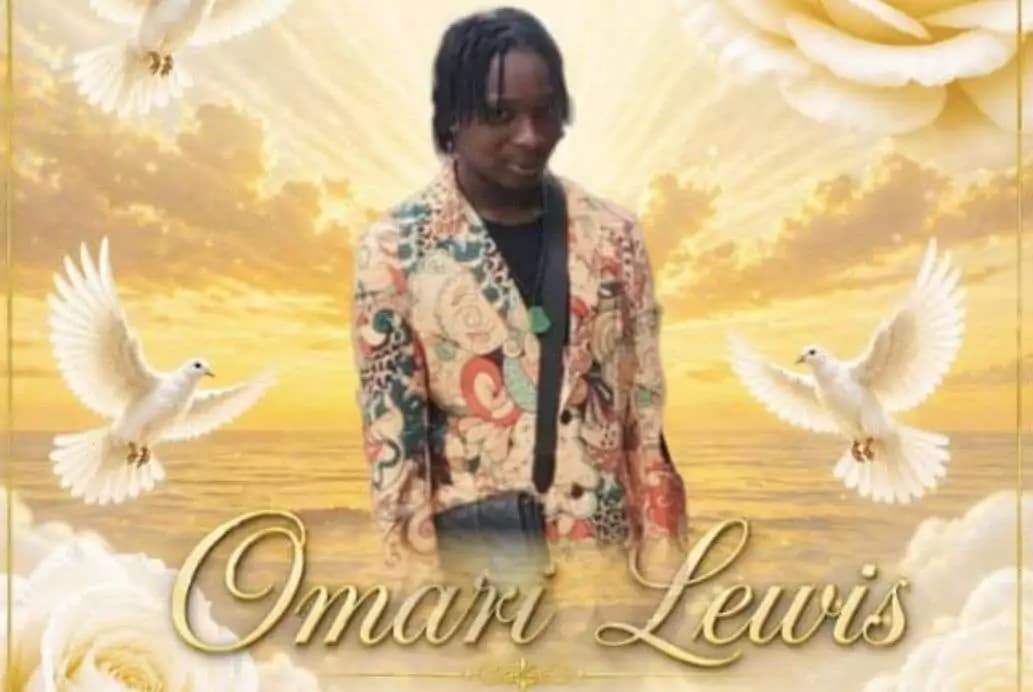
  • Omari Lewis to Be Buried Today as Antigua and Barbuda Mourns Teen’s Death

    Omari Lewis to Be Buried Today as Antigua and Barbuda Mourns Teen’s Death

    The small Caribbean nation of Antigua and Barbuda will come together Thursday as communities, loved ones, and ordinary residents unite to lay to rest 17-year-old Omari Lewis, a promising young life cut short by a fatal shooting in the Villa neighborhood that sent shockwaves across the country earlier this year.

    Lewis’ funeral service is scheduled to begin at 2 p.m. local time at the Beacon Light Nazarene Church, after which he will be formally interred. The teenager was killed on March 26, only a handful of days before he was set to celebrate his 18th birthday — a senseless loss that triggered overwhelming, nationwide grief and pushed long-simmering worries about gun violence and youth involvement in violent crime back to the forefront of national conversation.

    In the weeks following the shooting, messages of condolence and remembrance flooded in from across the island. Classmates, close friends, and extended family have recalled Lewis as a young person brimming with potential, poised to build a bright future. A formal funeral notice released by his family framed his too-short life as “a blessing” and the legacy he left behind as “a treasure” to all who knew him.

    Organizers and community leaders anticipate large crowds will turn out for Thursday’s service, as Antiguans and Barbudans from all walks of life come together to stand in solidarity with Lewis’ grieving family, who are navigating an unthinkable loss.

  • Young Swimmers Shatter Records at Wadadli Invitational

    Young Swimmers Shatter Records at Wadadli Invitational

    Over a three-day competition window spanning Friday to Sunday, Antigua and Barbuda’s most promising young swimming talents gathered at the 10th Wadadli Aquatic Racers Developmental Invitational Swim Meet, where they delivered a series of stunning performances that redefined the country’s youth swimming record books. From seasoned competitors to first-time participants, athletes across all divisions delivered standout results: long-standing national records toppled, hundreds of swimmers hit new personal best times, and the emerging next generation of Antiguan and Barbudan swimmers put clear, widespread improvements in speed and race strategy on full display.

    Many of the meet’s top performers carried forward the momentum they built at the recent CARIFTA swimming competition, where they had already turned heads with strong form. That winning streak translated seamlessly to the invitational, with club teams from across the country claiming multiple record-breaking honors. The Vipers Swim Club saw three of its athletes claim new records: Madison MacMillan secured a new national title in the 50-metre backstroke, while teammate Anya DeGannes set a new age-group benchmark in the 200-metre freestyle. Teammate Alessandro Bazzoni turned in a grueling, consistent performance in the 400-metre individual medley — one of the sport’s most physically demanding events — to take another national age-group record.

    While these impressive feats dominated the list of weekend highlights, it was 14-year-old rising star Isabel Nicholas of the host Wadadli Aquatic Racers who delivered the most spectacular performance of the entire meet. Competing across six different events, Nicholas left her mark in five, breaking five separate national age-group records: 50-metre butterfly, 100-metre butterfly, 100-metre backstroke, 200-metre backstroke, and 200-metre butterfly. Her across-the-board wins, which spanned both sprint and mid-distance events, confirmed her rapid improvement and status as one of the country’s most exciting young swimming prospects.

    For coaches, federation leaders and spectators in attendance, the weekend’s results were not just a collection of new records — they were a clear indicator that Antigua and Barbuda’s youth swimming program is on an upward trajectory. Nelson Molina Fojo, head coach of Wadadli Aquatic Racers, shared that he felt immense pride in every swimmer who competed, regardless of whether they took home a medal or broke a record, noting that the sheer number of new personal bests achieved across the meet was a victory in itself. That positive outlook was echoed by Edith Clashing, President of the Antigua and Barbuda Swimming Federation, who praised the high competitive standard on display throughout the three days. Clashing emphasized that the most encouraging takeaway from the meet was that the vast majority of participating swimmers shaved time off their previous personal bests, a promising sign as the competitive swimming season continues to build momentum. She also added that it was particularly rewarding to watch new, young swimmers get their first taste of competitive action and begin their journey in elite swimming.

  • Antigua and Barbuda Ranked Among CARICOM States With Lowest Maternal Mortality Rate

    Antigua and Barbuda Ranked Among CARICOM States With Lowest Maternal Mortality Rate

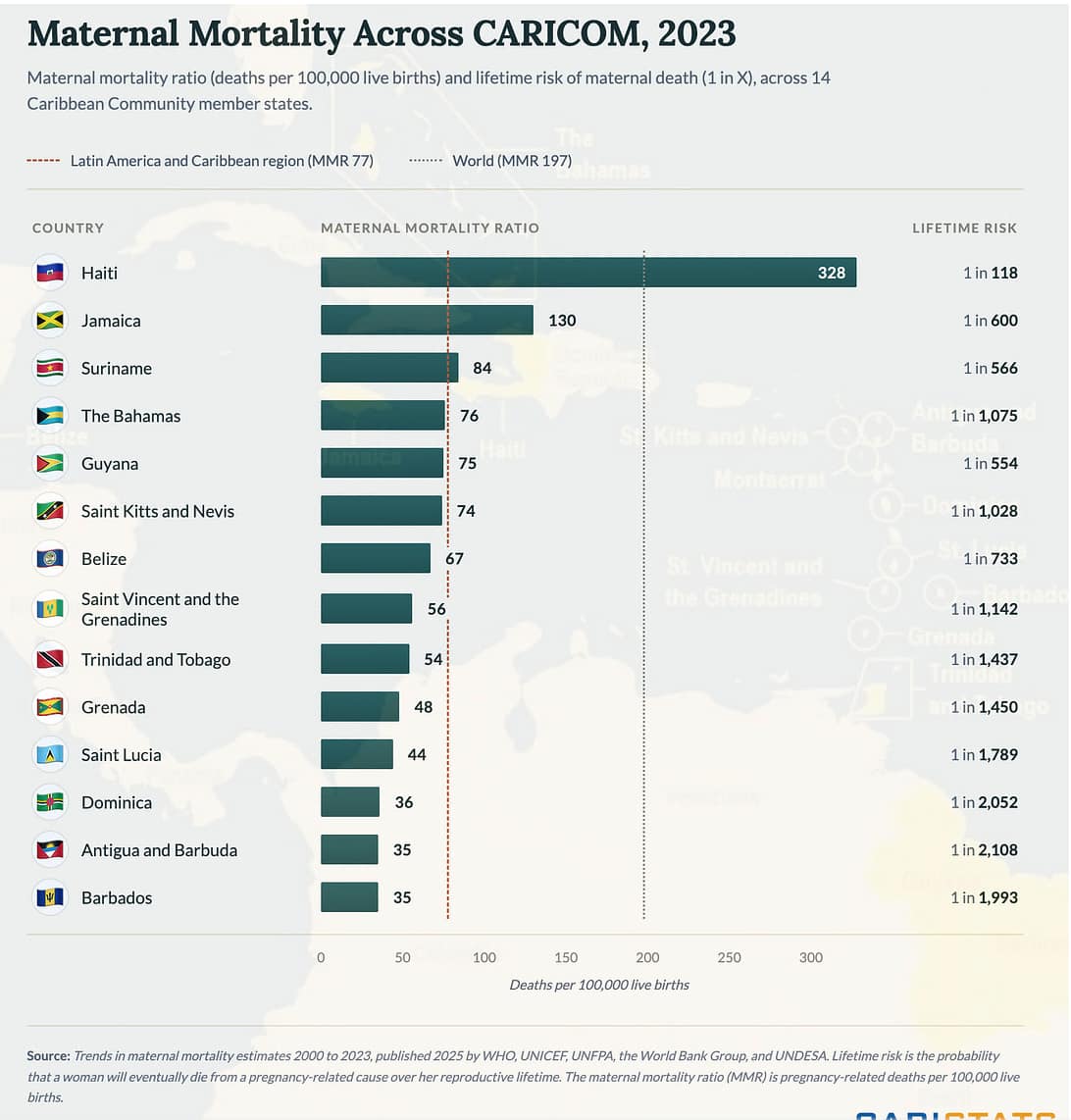
    The latest 2025 joint report from the United Nations, compiled by the World Health Organization, UNICEF, UNFPA, the World Bank Group and UN Department of Economic and Social Affairs, has painted a mixed picture of maternal mortality progress across the 14 CARICOM member states, documenting decades of broad gains but a concerning slowdown in improvements over the last eight years.

    The 2023 estimates included in the report highlight dramatic disparities in lifetime risk of pregnancy-related death across the bloc, which brings together Caribbean nations to foster regional integration and cooperation. At the highest end of risk, Haiti faces a grim lifetime maternal mortality risk of 1 in 118, while Antigua and Barbuda boasts one of the lowest risks in the region at 1 in 2,108. Most CARICOM nations fall between these two extremes, with lifetime risks ranging from 1 in 500 to 1 in 2,100 – a better outcome than the global average lifetime risk of 1 in 272, and on par with the broader Latin America and Caribbean regional average of 1 in 789.

    When tracking change across the 23-year period from 2000 to 2023, progress has been far from uniform across the bloc. Five nations – Suriname, Guyana, Saint Kitts and Nevis, Saint Lucia, and Dominica – have achieved remarkable gains, cutting their maternal mortality rates by 40% or more since 2000. Haiti and several other CARICOM nations have also recorded net reductions over the full 23-year timeline. However, the report identifies three notable outliers: Jamaica, The Bahamas, and Grenada, all of which saw higher maternal mortality levels in 2023 than they recorded in 2000.

    Beyond the uneven national results, the data confirms a clear slowdown in maternal mortality reduction across the region over the most recent eight-year period, mirroring a broader trend across Latin America and the Caribbean as a whole. Between 2000 and 2023, Latin America and the Caribbean recorded the smallest overall reduction in maternal mortality of any world region, at just 16.8%.

    Even amid these challenges, the report notes a key bright spot: eight out of the 14 measured CARICOM countries have already hit the United Nations Sustainable Development Goal target for maternal mortality, which calls for fewer than 70 maternal deaths per 100,000 live births by 2030.

  • Twelve Newly Elected ABLP Representatives Sworn In as Prime Minister Browne Calls for Excellence, Unity and National Renewal

    Twelve Newly Elected ABLP Representatives Sworn In as Prime Minister Browne Calls for Excellence, Unity and National Renewal

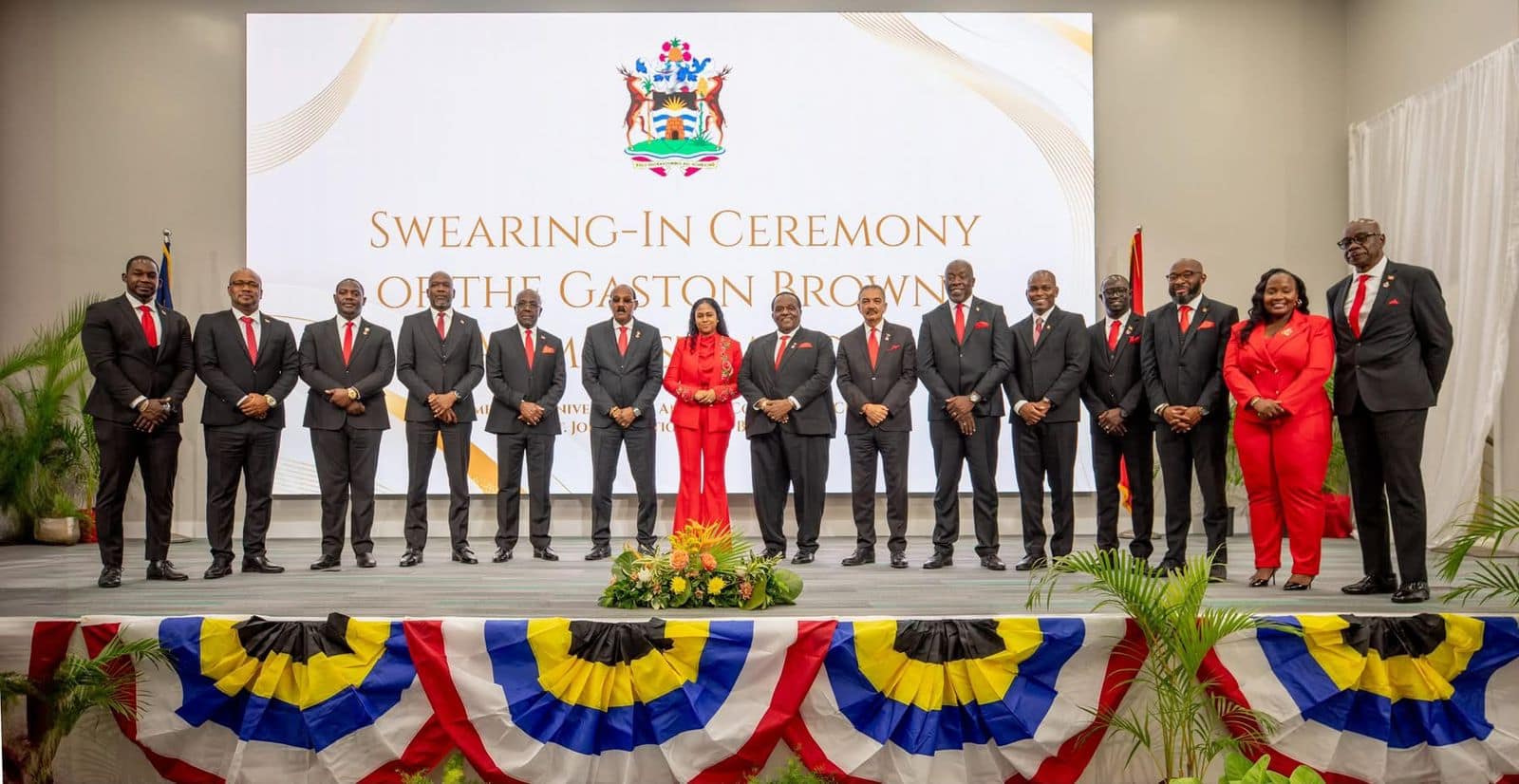
    On a celebratory Tuesday ceremony steeped in national identity and a collective vow to serve the public, 12 freshly elected members of the Antigua and Barbuda Labour Party (ABLP) formally took office to begin their legislative terms. Among the group of incoming parliamentarians, three earned promotion to cabinet-level roles, completing their oaths of office as official Ministers of State. The public event drew hundreds of local residents from across both islands, marking a defining turning point for the nation’s governance just weeks after ABLP secured a resounding win in the 2023 General Elections. The decisive outcome of the vote handed Prime Minister the Hon. Gaston Browne’s administration a strong popular mandate to advance its policy agenda for the coming term. The ceremony blended formal constitutional tradition with widespread public celebration, as attendees gathered to witness the peaceful transition of legislative power and reaffirm shared confidence in the new government’s ability to deliver on campaign promises.

  • Antigua and Barbuda Eligible for Up to €80,000 in New Caribbean Plastic Waste Grants

    Antigua and Barbuda Eligible for Up to €80,000 in New Caribbean Plastic Waste Grants

    Small island developing states across the Caribbean are among the regions most vulnerable to the growing global plastic pollution crisis, with fragile coastal and marine ecosystems bearing the brunt of unmanaged plastic waste leakage. To address this urgent environmental challenge while advancing inclusive green economic growth, a new community-centered funding initiative, the Sustainable Small Grants Programme, has been launched to support locally led solutions that cut plastic pollution and build robust circular economy systems across five participating Eastern Caribbean nations.

    ### Core Mission and Strategic Objectives
    The initiative is designed to deliver both environmental and social impact, with six clear core goals guiding its work. First, it seeks to drastically cut the volume of plastic waste that leaks into Caribbean land, coastal and marine environments. Second, it aims to scale up circular economy systems centered on reuse, recycling and material recovery. Third, the programme prioritizes economic empowerment for marginalized groups including women, young people and micro, small and medium-sized enterprises (MSMEs) through green economic opportunities. Additional objectives include strengthening local waste management infrastructure, supporting scalable community-designed environmental solutions, and improving sustainable production and material recovery practices across the region.

    ### Thematic and Geographic Scope
    All projects funded through the programme must align with at least one of seven key thematic focus areas: plastic waste reduction and prevention at source, building formal recycling and reuse systems, developing sustainable circular economy business models, community-led waste collection and management, sustainable material recovery and processing, local green entrepreneurship, and the expansion of inclusive green value chains.

    Geographically, the initiative is open to projects based in five eligible Caribbean island states: Antigua and Barbuda, Grenada, Saint Lucia, St. Kitts and Nevis, and St. Vincent and the Grenadines. Funding allocations are distributed equally across each of the five participating nations to ensure equitable access to resources across the region.

    ### Funding Structure and Timeline
    The programme operates with a total combined budget of €400,000. Individual projects can apply for grants ranging from €30,000 to €80,000, depending on project scope and needs. All funded projects will have a maximum implementation period of 12 months, and all project activities must be fully completed no later than 1 August 2027.

    ### Eligibility Requirements for Applicants
    To qualify for funding, applicants must be legally registered entities based in one of the five eligible countries. Eligible entities include community-based organizations, civil society organizations (CSOs), MSMEs and small enterprises, and local implementation partners with a proven track record of relevant environmental or development work.

    Additional requirements for all applicants include a commitment to including women and youth in project leadership roles, the implementation of robust monitoring and evaluation frameworks to track impact, a limit of one application per organization, and a valid institutional bank account with multiple signatories for fund disbursement.

    ### Project Requirements and Priority Areas
    All funded projects are required to center their work on widely recyclable plastic types including polyethylene terephthalate (PET), high-density polyethylene (HDPE) and polypropylene (PP). Projects targeting complex composite plastics are only approved if viable local processing solutions already exist. All proposals must demonstrate compatibility with existing local waste management systems, outline clear and viable recycling or reuse pathways for collected materials, establish or strengthen local and regional markets for recycled plastic products, and prove long-term economic and operational sustainability.

    The programme prioritizes three broad categories of interventions. Upstream and midstream solutions including source reduction, reuse systems, product redesign and material circularity initiatives top the priority list. Downstream solutions including recycling infrastructure development, formal waste collection and sorting systems, and resource recovery processing are also heavily prioritized. Finally, community empowerment-focused projects, including women-led green enterprises, youth-led environmental action, and MSME participation in circular economy value chains, receive additional priority consideration during the review process.

    ### Expected Impact
    By the end of the implementation period, funded projects are expected to deliver measurable progress across six key outcome areas: reduced plastic pollution in targeted local communities, strengthened local recycling and reuse infrastructure, the creation of sustainable green livelihoods for local residents, increased adoption of circular economy practices across the region, improved public environmental awareness and community participation in waste management, and the development of replicable, scalable community-led waste management models that can be adopted across other small island states.

    ### Why This Initiative Fills a Critical Gap
    This programme responds to a unique set of challenges facing small island developing states in the Caribbean, where plastic pollution threatens critical tourism and fishing industries while damaging irreplaceable marine ecosystems that support local livelihoods. By centering community leadership rather than top-down external solutions, the programme builds local capacity while addressing pressing environmental needs. It also advances inclusive green growth by intentionally centering groups that are often excluded from economic opportunities in the environmental sector, strengthening local circular economy infrastructure, promoting sustainable resource use, and encouraging community-led innovation that can be scaled across the region and beyond.

    ### Common Application Pitfalls and Tips for Success
    Programme administrators have outlined common mistakes that applicants should avoid when drafting proposals, including submitting projects with no clear recycling pathways for collected plastic, focusing on non-recyclable or complex composite materials without existing local processing solutions, failing to demonstrate economic viability or clear market linkages for recycled products, excluding women and youth from leadership roles, lacking measurable environmental outcome targets, and proposing projects incompatible with existing local waste management systems.

    To build a competitive application, administrators advise applicants to focus on practical, locally appropriate plastic reduction or recycling systems, demonstrate clear existing local market demand for recycled materials, center community participation and local ownership of the project, explicitly highlight women and youth-led components, prove clear financial and operational feasibility, and align all project activities closely with core circular economy principles.

    ### Key Frequently Asked Questions
    – What is the Sustainable Small Grants Programme? It is a targeted funding initiative supporting community-led plastic waste reduction and circular economy projects across five participating Caribbean island states.
    – What is the range of funding available per project? Grants range from €30,000 to €80,000.
    – Which countries are eligible to participate? The five eligible nations are Antigua and Barbuda, Grenada, Saint Lucia, St. Kitts and Nevis, and St. Vincent and the Grenadines.
    – What is the maximum project duration? Projects can run up to 12 months, with all work required to be completed by 1 August 2027.
    – What types of plastic does the programme prioritize? Projects targeting PET, HDPE and PP plastics are prioritized.
    – Who is eligible to apply? Legally registered community groups, CSOs and MSMEs based in eligible countries can submit proposals.
    – Can an organization submit more than one application? No, only one application per organization is permitted.
  • Antigua and Barbuda Joins Regional Push Against Mercury in Skin-Lightening Products

    Antigua and Barbuda Joins Regional Push Against Mercury in Skin-Lightening Products

    Widespread global use of harmful skin-lightening products laced with mercury has spurred the World Health Organization (WHO) to roll out a groundbreaking new behavioural insights toolkit, designed to help nations tackle the root causes of this dangerous public health trend and advance global efforts to eliminate toxic mercury-containing cosmetics.

    Developed as a core component of WHO’s multi-country initiative to eradicate mercury-infused skin-lightening goods, the toolkit equips public health authorities with structured resources to unpack the social, cultural and personal drivers that lead communities to use these products. The data and insights gathered through the framework are critical to crafting targeted, context-appropriate policies and interventions that reduce consumer demand for goods linked to severe health and environmental harm.

    Skin-lightening practices remain common across dozens of countries worldwide. While these products work by suppressing the body’s production of melanin, the pigment that gives skin its color, a large share of over-the-counter options contain hazardous mercury, a chemical WHO has ranked among the top 10 substances posing the greatest threat to global public health. Even low-dose exposure to mercury can trigger permanent neurological damage, and it carries particularly severe risks for fetal development and young children’s growth. Beyond human health, mercury also inflicts lasting environmental damage: when product residue is washed off during daily use, it enters wastewater systems, accumulates in soil, waterways and ecosystems, and persists in the environment without breaking down.

    Global momentum to eliminate mercury-containing cosmetics has grown in recent years, aligned with obligations under the Minamata Convention on Mercury, the international treaty designed to protect human and environmental health from mercury pollution. Convention parties have increasingly recognized that regulatory action alone cannot solve the problem; understanding the behavioural drivers of consumer demand is essential to effective prevention. This growing consensus is formalized in the 2025 Libreville Commitment, signed in Gabon, which requires nations to integrate behavioural science approaches into national strategies to eliminate mercury-containing skin-lightening products.

    Between 2022 and 2026, pilot projects implemented in Gabon, Jamaica and Sri Lanka with funding from the GEF-UNEP partnership generated key lessons for national-scale implementation. The trials underscored the urgent need for targeted workforce capacity-building, iterative tool testing and adaptation, audience segmentation to address different user groups, efficient resource allocation, and strengthened national data analysis systems.

    A standout feature of the new toolkit is a customizable user journey mapping template, which helps public health stakeholders visualize the full cycle of how consumers first encounter skin-lightening products, begin regular use, and eventually adopt the practice as a long-term habit. By building on existing research to map context-specific user journeys, officials can identify high-impact intervention points where public health messaging and policy will resonate most effectively. This framework shifts action away from one-size-fits-all generic solutions toward targeted, strategic interventions that align with real-world behavioural patterns, allowing nations to prioritize limited resources for maximum impact. The first published user journey, focused on women’s experiences with skin-lightening products, draws on evidence from a 2026 global systematic review of skin whitening practices led by researcher Williams et al.

    “Understanding the complex set of social, cultural and economic influences that lead people to voluntarily use skin-lightening products has to be the first critical step in designing effective interventions and policies to end these harmful practices,” explained Elena Altieri, Global Lead for Behavioural Insights at WHO headquarters. “Behavioural insights and user journey mapping show us exactly where, when and how to intervene most effectively. This toolkit gives researchers a standardized, evidence-based approach while still enabling them to generate context-specific insights that work for their national populations.”

    The toolkit was officially launched on February 25, 2026, in Panama City during a regional workshop focused on mercury elimination for the Americas and Caribbean. The launch event brought together senior representatives from ministries of health and environment across the region, including delegations from Antigua and Barbuda, The Bahamas, Barbados, the Dominican Republic, Guyana, Mexico, Saint Vincent and the Grenadines, and Trinidad and Tobago, alongside other public and private sector stakeholders.

    In addition to the user journey mapping framework, the full toolkit includes qualitative and quantitative data collection instruments, clear ethical guidance for conducting behavioural research with vulnerable communities, and practical actionable recommendations for translating insights into policy. It is built on empirical evidence from behavioural studies conducted across 43 countries, as well as on-the-ground implementation lessons from the recent pilot projects, making it a tested, adaptable resource for nations of any income level grappling with harmful skin-lightening practices.

  • CHOGM 2026 Social Media Correspondents Announced

    CHOGM 2026 Social Media Correspondents Announced

    The countdown to the 2026 Commonwealth Heads of Government Meeting (CHOGM) has hit a new milestone, with four young emerging journalists from Antigua and Barbuda announced as official youth correspondents for the landmark gathering. The selected reporters – Janet Simon, Gabrielle Hamlet, Lutrell John, and Joshua Edwards – beat dozens of other applicants to earn the role, chosen after a rigorous, multi-stage adjudication process overseen by a joint panel from the Commonwealth Secretariat and the CHOGM 2026 Taskforce.

    To make the shortlist, candidates had to meet a strict set of eligibility and skill requirements. All applicants were required to be active members or alumni of recognized youth leadership organizations across Antigua and Barbuda, such as the Antigua and Barbuda National Youth Ambassador Programme, the CARICOM Youth Ambassador Programme, or the National Youth Parliament. Candidates who had held senior student leadership roles, including Head Boy, Head Girl, or school prefect, were also eligible to apply. Beyond institutional affiliation, applicants had to demonstrate advanced proficiency in both written and spoken English, a solid grasp of narrative news storytelling, and end-to-end digital content creation skills. This included having access to professional HD recording equipment, editing capabilities, and a working understanding of core production elements like lighting, audio design, and shot framing. The selection panel also prioritized candidates who already had a demonstrated, active interest in the core thematic priorities that anchor CHOGM’s 2026 agenda, including climate change action, gender equity, civil society empowerment, broad social issues, youth development, and sports.

    Following final deliberations, the four selected correspondents stood out for the exceptional range of strengths they bring to the role. Selection panel co-lead Sharifa George highlighted that the group impressed adjudicators with their sharp critical thinking, consistent professionalism, and genuine, deep-rooted passion for their coverage focus areas. “We are proud to have put forward these young individuals to the panel for selection,” George said in an official statement after the announcement. “They demonstrated intelligence, professionalism, and a passion for their areas of interest, and impressed the panel with their individual talents.”

    As official youth correspondents, the four journalists will be tasked with capturing unfolding key developments across the 2026 CHOGM meeting. Their core mandate will be to elevate underrepresented youth perspectives, highlight the event’s core priority themes, and deliver a fresh, authentic narrative of the CHOGM experience that resonates with younger, digital-first audiences. The CHOGM 2026 Secretariat has formally congratulated all four selected correspondents, noting that the organization is eager to see their work shape a dynamic, accessible digital story for this major global gathering.

  • Food Vendors in Barbuda Receive Safety Training Ahead of Caribana

    Food Vendors in Barbuda Receive Safety Training Ahead of Caribana

    As one of Antigua and Barbuda’s most anticipated annual cultural festivals gears up to draw crowds of locals and visitors alike, public health authorities on the island of Barbuda have taken proactive steps to safeguard attendee wellbeing through a targeted food safety training program for local food vendors.

    The collaborative effort brings together two key public health entities: Barbuda’s national Central Board of Health and the island’s own Public Health Department, both of which have identified preventable foodborne illness as a top priority during the high-traffic festival season. With dozens of food vendors expected to serve thousands of attendees over the course of Caribana celebrations, officials note that a single gap in safe food handling could lead to widespread illness that disrupts the event and endangers public health.

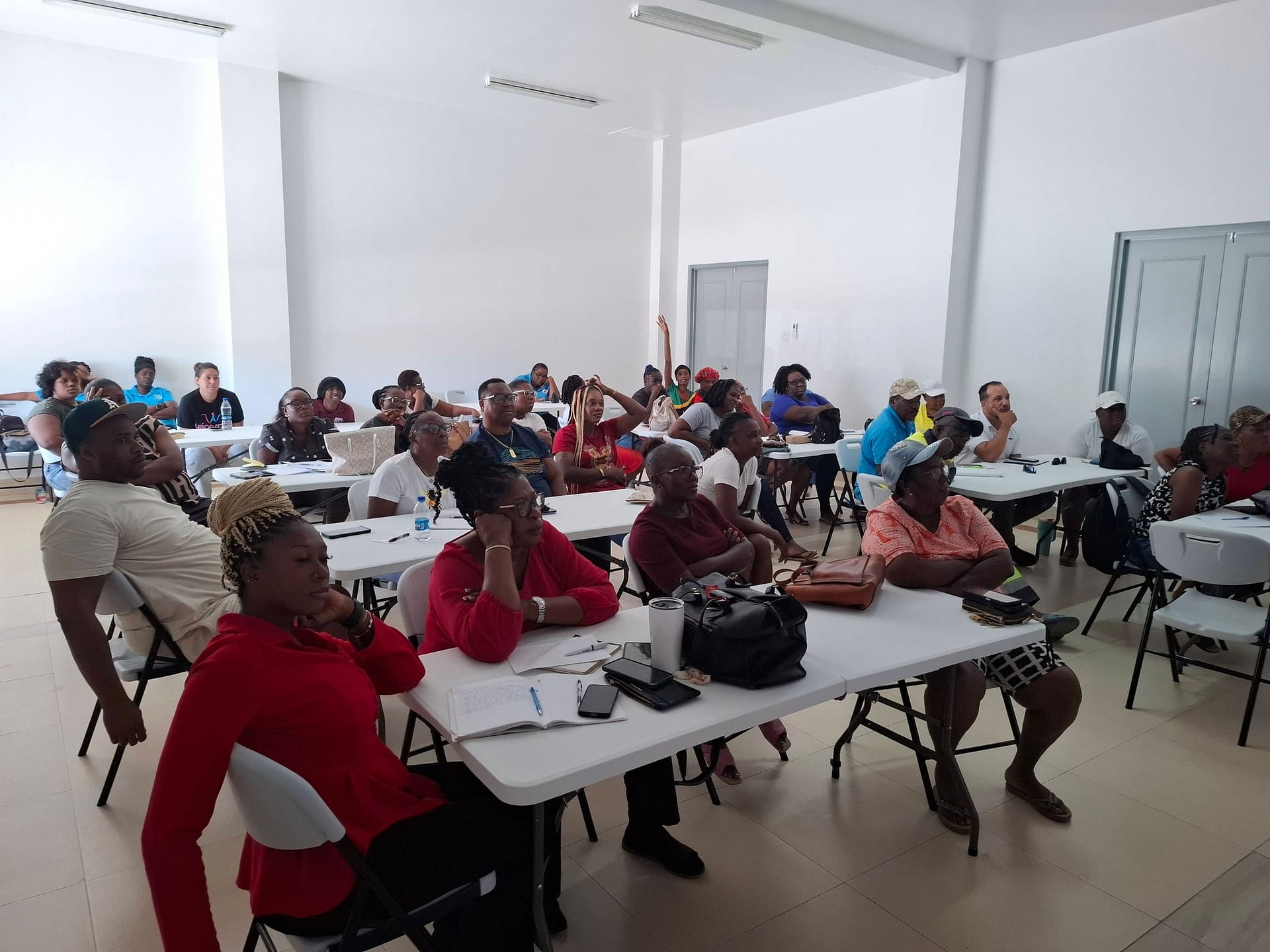
    The full-day interactive training session was structured to equip both new and veteran food vendors with practical, actionable knowledge aligned with international and local public health standards. Core curriculum covered foundational food safety pillars: hygienic personal practices for food handlers, correct cross-contamination prevention through separation of raw and ready-to-eat products, appropriate cold and dry storage protocols, and critical temperature monitoring for cooking and holding prepared foods.

    A key focus of the session was reinforcing the World Health Organization’s widely recognized “Five Keys to Safer Food” framework, which breaks down best practices into five accessible rules: maintain clean surfaces and hand hygiene, separate raw and cooked foods to avoid cross-contamination, cook foods to the recommended internal temperature, keep perishable foods at safe cold or hot holding temperatures, and source only safe, potable water and unspoiled raw ingredients.

    More than 30 food vendors participated in the hands-on session, which moved beyond rote lectures to include open discussion forums and scenario-based learning exercises. These interactive activities let vendors work through common festival-day challenges, from managing sudden power outages that affect refrigeration to handling large crowds that speed up service timelines. Attendees also had dedicated time to ask public health inspectors specific questions about their individual operations and clarify the legal responsibilities vendors hold to protect consumer health.

    During the closing of the session, authorities emphasized a critical regulatory requirement: all food vendors operating at Caribana must hold a valid, up-to-date Food Safety Badge issued directly by the Barbuda Public Health Department. This official credential serves as proof that a vendor has completed all mandatory training and meets the minimum standards to legally serve food to the public, helping organizers and consumers easily verify compliant operations.

    Looking ahead to the start of festivities, both the Barbuda Public Health Department and the Barbuda Council are issuing a joint reminder to all participating vendors to adhere closely to the trained guidelines. Officials note that rigorous adherence to food safety rules not only protects attendees from preventable illness, but also supports the long-term success of Caribana by maintaining a positive, safe experience for all guests. In a formal statement following the training, the department reiterated the collective responsibility of all stakeholders: “Food safety is everyone’s business.”