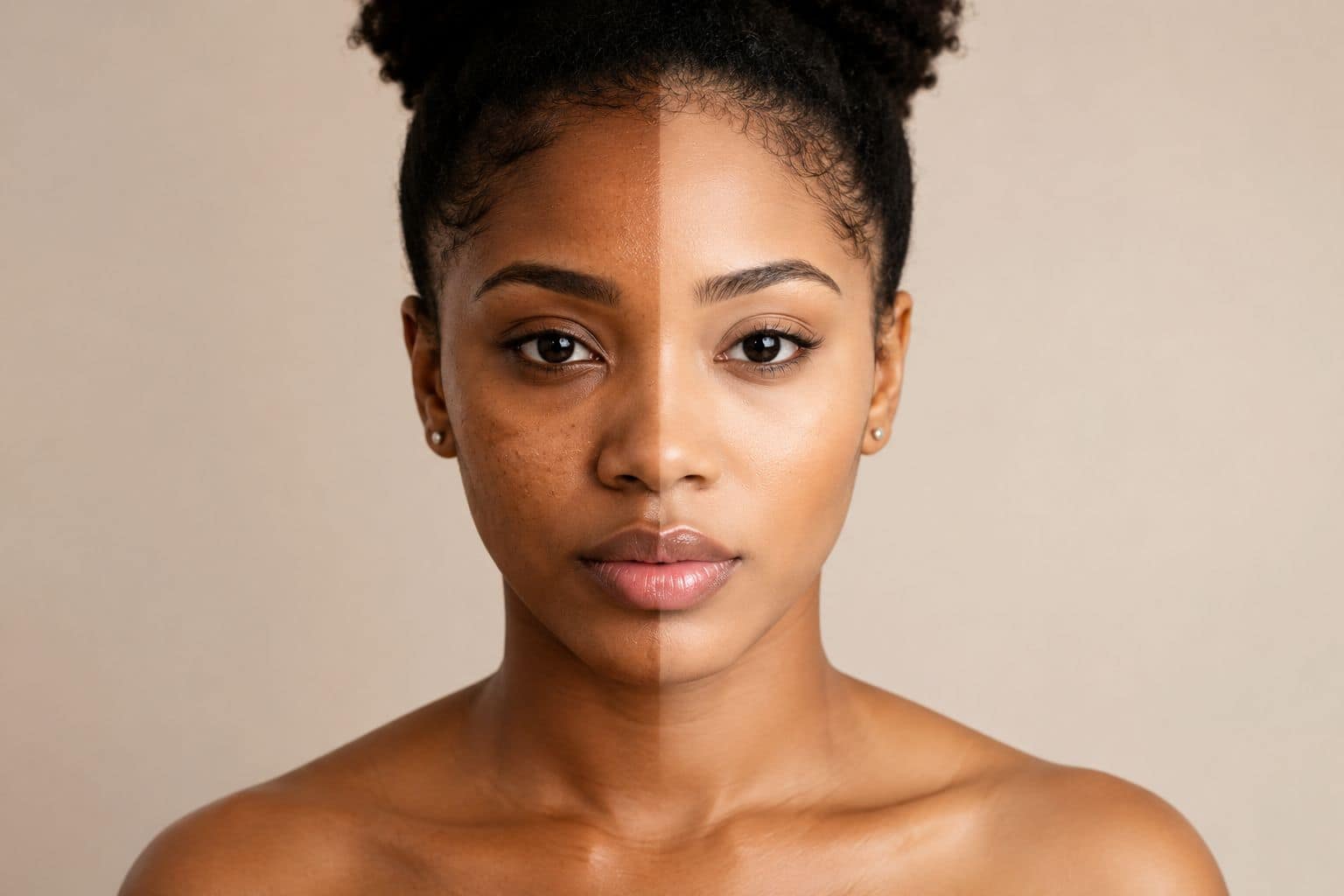
Widespread global use of harmful skin-lightening products laced with mercury has spurred the World Health Organization (WHO) to roll out a groundbreaking new behavioural insights toolkit, designed to help nations tackle the root causes of this dangerous public health trend and advance global efforts to eliminate toxic mercury-containing cosmetics.
Developed as a core component of WHO’s multi-country initiative to eradicate mercury-infused skin-lightening goods, the toolkit equips public health authorities with structured resources to unpack the social, cultural and personal drivers that lead communities to use these products. The data and insights gathered through the framework are critical to crafting targeted, context-appropriate policies and interventions that reduce consumer demand for goods linked to severe health and environmental harm.
Skin-lightening practices remain common across dozens of countries worldwide. While these products work by suppressing the body’s production of melanin, the pigment that gives skin its color, a large share of over-the-counter options contain hazardous mercury, a chemical WHO has ranked among the top 10 substances posing the greatest threat to global public health. Even low-dose exposure to mercury can trigger permanent neurological damage, and it carries particularly severe risks for fetal development and young children’s growth. Beyond human health, mercury also inflicts lasting environmental damage: when product residue is washed off during daily use, it enters wastewater systems, accumulates in soil, waterways and ecosystems, and persists in the environment without breaking down.
Global momentum to eliminate mercury-containing cosmetics has grown in recent years, aligned with obligations under the Minamata Convention on Mercury, the international treaty designed to protect human and environmental health from mercury pollution. Convention parties have increasingly recognized that regulatory action alone cannot solve the problem; understanding the behavioural drivers of consumer demand is essential to effective prevention. This growing consensus is formalized in the 2025 Libreville Commitment, signed in Gabon, which requires nations to integrate behavioural science approaches into national strategies to eliminate mercury-containing skin-lightening products.
Between 2022 and 2026, pilot projects implemented in Gabon, Jamaica and Sri Lanka with funding from the GEF-UNEP partnership generated key lessons for national-scale implementation. The trials underscored the urgent need for targeted workforce capacity-building, iterative tool testing and adaptation, audience segmentation to address different user groups, efficient resource allocation, and strengthened national data analysis systems.
A standout feature of the new toolkit is a customizable user journey mapping template, which helps public health stakeholders visualize the full cycle of how consumers first encounter skin-lightening products, begin regular use, and eventually adopt the practice as a long-term habit. By building on existing research to map context-specific user journeys, officials can identify high-impact intervention points where public health messaging and policy will resonate most effectively. This framework shifts action away from one-size-fits-all generic solutions toward targeted, strategic interventions that align with real-world behavioural patterns, allowing nations to prioritize limited resources for maximum impact. The first published user journey, focused on women’s experiences with skin-lightening products, draws on evidence from a 2026 global systematic review of skin whitening practices led by researcher Williams et al.
“Understanding the complex set of social, cultural and economic influences that lead people to voluntarily use skin-lightening products has to be the first critical step in designing effective interventions and policies to end these harmful practices,” explained Elena Altieri, Global Lead for Behavioural Insights at WHO headquarters. “Behavioural insights and user journey mapping show us exactly where, when and how to intervene most effectively. This toolkit gives researchers a standardized, evidence-based approach while still enabling them to generate context-specific insights that work for their national populations.”
The toolkit was officially launched on February 25, 2026, in Panama City during a regional workshop focused on mercury elimination for the Americas and Caribbean. The launch event brought together senior representatives from ministries of health and environment across the region, including delegations from Antigua and Barbuda, The Bahamas, Barbados, the Dominican Republic, Guyana, Mexico, Saint Vincent and the Grenadines, and Trinidad and Tobago, alongside other public and private sector stakeholders.
In addition to the user journey mapping framework, the full toolkit includes qualitative and quantitative data collection instruments, clear ethical guidance for conducting behavioural research with vulnerable communities, and practical actionable recommendations for translating insights into policy. It is built on empirical evidence from behavioural studies conducted across 43 countries, as well as on-the-ground implementation lessons from the recent pilot projects, making it a tested, adaptable resource for nations of any income level grappling with harmful skin-lightening practices.