标签: Antigua and Barbuda

安提瓜和巴布达

  • PHOTOS: Supporters Rally Behind Their Candidates on Nomination Day

    PHOTOS: Supporters Rally Behind Their Candidates on Nomination Day

    The air crackled with palpable energy as thousands of ardent supporters descended upon nomination centers nationwide, transforming the formal commencement of the electoral process into a vibrant spectacle of democratic participation. The day, typically a procedural formality, was instead marked by a groundswell of public engagement, with citizens from all walks of life turning out in force to champion their chosen candidates.

    From the early hours, key nomination venues were awash with a sea of colors, flags, and campaign paraphernalia, each group creating a cacophony of cheers, slogans, and music that underscored the high stakes of the impending electoral battle. The scenes were not confined to urban centers; in rural constituencies and suburban towns, a similar fervor was evident, demonstrating the widespread political awakening among the electorate.

    Analysts observed that the massive turnout signifies more than mere loyalty; it reflects a deeply invested citizenry keen on shaping the political landscape. The demonstrations of support serve as a critical barometer for campaign momentum, providing an early glimpse into the organizational strength and grassroots appeal of each contender. This public display, often meticulously organized yet spontaneous in its enthusiasm, is a pivotal psychological battle, setting the tone for the rigorous campaign period ahead. The event successfully transitioned the election from a theoretical contest to a tangible, people-driven movement, highlighting the robust health of the democratic process.

  • WATCH: “Who Vex Loss!” Trinidad Prime Minister doubles down on support for US, attacks CARICOM over Venezuela, Cuba

    WATCH: “Who Vex Loss!” Trinidad Prime Minister doubles down on support for US, attacks CARICOM over Venezuela, Cuba

    In a striking departure from regional consensus, Trinidad and Tobago’s Prime Minister Keith Rowley has publicly reinforced his nation’s strategic partnership with the United States while delivering pointed criticism toward CARICOM members regarding their positions on Venezuela and Cuba. The political leader’s defiant stance, captured in a viral video clip where he exclaimed “Who Vex Loss!” (a local expression meaning those who are upset will lose), signals a significant fracture within the Caribbean community’s traditionally unified diplomatic front.

    The Prime Minister’s comments emerge amid escalating geopolitical tensions in the Caribbean basin, where Venezuela’s contested elections and ongoing political crisis have created diplomatic divisions throughout the Western Hemisphere. While many CARICOM members have maintained a more neutral or critical stance toward U.S. sanctions and policies regarding Venezuela, Trinidad has notably broken ranks to pursue closer alignment with Washington.

    Rowley justified his position by emphasizing Trinidad and Tobago’s national interests, particularly regarding energy security and economic cooperation with the United States. His administration has argued that maintaining strong relations with the U.S. provides substantial benefits for the twin-island nation, including investment opportunities and security cooperation that might otherwise be jeopardized by adopting positions contrary to American foreign policy objectives.

    The Prime Minister’s criticism specifically targeted CARICOM’s collective approach to Venezuela, suggesting that some member states prioritize ideological alignment over practical national interests. This unusual public rebuke of regional allies highlights the challenging balancing act Caribbean nations face as they navigate complex international relations between global powers and neighboring states.

    Analysts suggest Trinidad’s position is particularly influenced by its maritime border with Venezuela and shared energy resources in the Gulf of Paria, creating unique economic and security considerations that differ from other Caribbean nations. The government’s stance has sparked domestic debate, with opposition figures and regional analysts questioning whether Trinidad’s alignment might undermine Caribbean unity and the region’s collective bargaining power on the international stage.

  • Millions in Building Materials Being Distributed to Needy Households Across Antigua

    Millions in Building Materials Being Distributed to Needy Households Across Antigua

    The Antiguan government’s Housing Assistance Programme for Improvement (HAPI) has commenced its operational phase with the inaugural delivery of construction materials to a qualifying homeowner in English Harbour. This landmark distribution occurred on Friday, marking the tangible start of a national initiative designed to enhance living conditions for vulnerable citizens.

    Minister of Social and Urban Transformation, Rodan Turner, personally oversaw the logistical operations from the central storage facility, supervising the loading and dispatch of lumber. Concurrently, St. Paul’s Member of Parliament, E. P. Chet Greene, was present in the community to witness the delivery firsthand and engage with the recipient.

    The first beneficiary, Mrs. Sebastian, has been formally recognized as meeting the program’s criteria, which prioritizes assistance for senior citizens, individuals with disabilities, and households confronting significant financial challenges. In an emotional response, Mrs. Sebastian expressed profound gratitude, stating, ‘I extend my deepest thanks to Mr. Greene for his advocacy with the government. Without this assistance, I lacked the necessary funds to undertake these critical repairs for my family, including my children and grandchildren. My trust in his commitment has been fulfilled.’

    MP Greene characterized the initiative as arguably the administration’s most crucial social welfare intervention to date. He emphasized its targeted approach, noting, ‘This program stands as one of the most impressive and vital undertakings by the government, directly addressing the pressing needs of our most vulnerable populations.’

    Minister Turner confirmed that his ministry is implementing rigorous monitoring protocols throughout the distribution chain to guarantee efficient and transparent delivery of materials to all approved applicants. This effort forms a key component of a larger governmental strategy aimed at systematically upgrading substandard housing in economically disadvantaged communities across the nation.

    Government officials have announced that this delivery is the first of many, with subsequent distributions planned as the program expands its reach islandwide in the coming weeks.

  • Photo of the Day: Summit of Smiles! Browne and Persad-Bissessar Strike a Cordial Note

    Photo of the Day: Summit of Smiles! Browne and Persad-Bissessar Strike a Cordial Note

    In a notable display of diplomatic cordiality, the Prime Ministers of Antigua and Barbuda and Trinidad and Tobago were observed engaging in a warm exchange during the CARICOM Heads of Government Meeting in St. Kitts and Nevis. Prime Minister Gaston Browne of Antigua and Barbuda greeted Prime Minister Kamla Persad-Bissessar of Trinidad and Tobago on the sidelines of the regional gathering, presenting a stark contrast to their previously documented strained interactions.

    This encounter between the two Caribbean leaders marks a significant departure from their history of sharp public exchanges and political disagreements that have characterized their relationship in recent years. The meeting occurred within the formal context of the CARICOM summit, a premier forum for addressing regional integration and multilateral cooperation among Caribbean nations.

    The visibly amicable interaction suggests a potential diplomatic reconciliation between the neighboring Eastern Caribbean states, potentially paving the way for improved bilateral relations. Regional observers noted the body language and demeanor between the leaders indicated a mutual willingness to move beyond past disagreements for the benefit of regional harmony and cooperation.

    This development occurs against the backdrop of ongoing CARICOM discussions addressing critical regional issues including trade facilitation, climate resilience strategies, and collective security measures that require unified regional approaches and collaborative implementation across member states.

  • Rubio flies into the Caribbean for talks with leaders unsettled by Trump policies

    Rubio flies into the Caribbean for talks with leaders unsettled by Trump policies

    U.S. Secretary of State Marco Rubio arrived in St. Kitts and Nevis on Wednesday for high-stakes discussions with Caribbean Community (CARICOM) leaders, who are expressing deep unease over the Trump administration’s recent foreign policy maneuvers in the region. The diplomatic engagement follows a series of aggressive actions, including the military operation that captured Venezuela’s former leader Nicolás Maduro on drug trafficking charges, intensified counter-narcotics tactics, and increased pressure on Cuba.

    CARICOM leaders, representing the 15-nation bloc, are convening amid what St. Vincent and the Grenadines Prime Minister Godwin Friday described as ‘challenging times from inside and out.’ The gathering occurs against the backdrop of what President Trump has framed as a restoration of ‘American security and dominance in the Western Hemisphere’ through a modern interpretation of the Monroe Doctrine.

    Regional concerns extend beyond Venezuela to include U.S. demands that Caribbean nations accept third-country deportees, reject Cuban medical missions, and reconsider relationships with China. St. Kitts and Nevis Prime Minister Terrance Drew, serving as CARICOM chair, emphasized that the region ‘stands at a decisive hour’ with global order shifting, supply chains uncertain, and climate shocks intensifying.

    Jamaican Prime Minister Andrew Holness highlighted the particular urgency of Cuba’s humanitarian situation, warning that ‘a prolonged crisis in Cuba will not remain confined to Cuba’ but would affect migration, security, and economic stability throughout the Caribbean basin. He called for constructive dialogue between Cuba and the U.S. aimed at de-escalation and stability.

    While Trinidad and Tobago’s Prime Minister Kamla Persad-Bissessar praised U.S. counter-narcotics operations that have killed at least 151 people in drug interdiction strikes since September, other leaders emphasized the need for mutual respect and rules-based international order. Bahamian Foreign Minister Fred Mitchell stated expectations for ‘full discussion on the nature of the relationship with the U.S.’ during the meetings.

    The summit will also address broader regional issues including security, reparations, climate change financing, and economic integration, even as Cuba’s deteriorating situation—exacerbated by the U.S. embargo that hinders hurricane recovery efforts—dominates the agenda.

  • HAPI Coordinator Hails Arrival of Largest-Ever Shipment of Building Materials

    HAPI Coordinator Hails Arrival of Largest-Ever Shipment of Building Materials

    The Home Assistance Programme for the Indigent (HAPI) has achieved a significant milestone with the arrival of its largest-ever construction materials shipment, marking a pivotal moment in the program’s expansion efforts. This substantial delivery, comprising eleven truckloads of lumber and galvanized materials, enables the initiative to dramatically scale its operations from individual projects to simultaneously constructing five homes.

    Prime Minister Gaston Browne characterized this delivery as “the single largest amount of building material to be imported in the country at any given point,” emphasizing that this represents merely the beginning of ongoing annual procurement efforts. The massive shipment arrives as HAPI transitions from its original repair-focused model to including complete new home construction for structures deemed beyond rehabilitation.

    Programme Coordinator Inspector Veldon Raggette revealed that 111 homes have been completed since the program’s inception, with three currently underway. The selection process prioritizes need rather than application order, with households containing more children receiving accelerated consideration. “It goes by priority,” Raggette explained. “The more children involved, the quicker HAPI gets activated.”

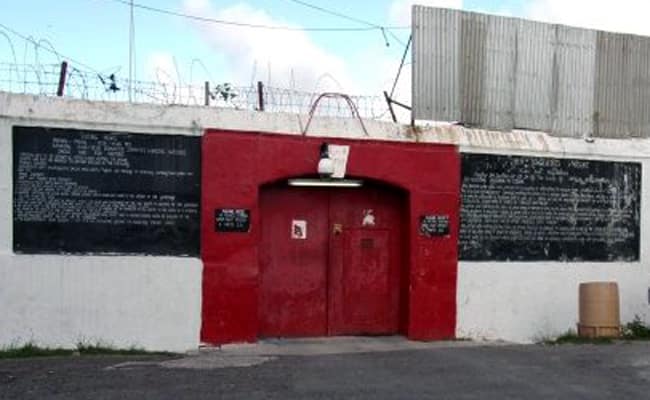
    A distinctive aspect of the program involves its workforce composition, which primarily consists of inmates from His Majesty’s Prison working alongside volunteers. Raggette described this collaboration as “two second chances” – providing prisoners with skill development opportunities while simultaneously offering vulnerable families improved living conditions.

    Beyond physical construction, HAPI incorporates comprehensive social support through partnership with the Social Protection Board. Raggette emphasized the importance of counseling services, noting that without proper support, “it’s just a new building to be destroyed in two, three years.”

    The program requires applicants to either own their property or provide notarized permission from landowners. Constructed homes meet reinforced structural standards designed to withstand hurricane conditions, with Raggette asserting they build “the strongest wooden house in Antigua and Barbuda” through bolting, strapping, and clipping techniques.

    With identified needs across communities including Five Islands, Grays Farm and Villa, HAPI continues its expansion with Raggette affirming: “HAPI is here to stay.” Families living in unsafe conditions are encouraged to apply through the Social Protection Board.

  • Antigua and Barbuda Launches Clean Seed Sweet Potato Initiative

    Antigua and Barbuda Launches Clean Seed Sweet Potato Initiative

    Antigua and Barbuda has embarked on a transformative agricultural initiative with the inaugural convening of its Clean Seed Sweet Potato Committee this week. This landmark assembly represents a critical advancement for the nation’s root crop industry, operating under the regional Next Generation Sweet Potato Project framework.

    The newly formed committee brings together a coalition of technical experts from the Ministry of Agriculture, private sector representatives, and specialists from the Caribbean Agriculture Research and Development Institute (CARDI). Their primary mission is to establish a comprehensive clean seed system that will guarantee local farmers reliable access to certified disease-free planting materials. This foundational work is projected to significantly increase agricultural productivity, bolster national food security measures, and enhance climate resilience within the farming sector.

    During the inaugural session, committee members meticulously defined project objectives, delineated organizational responsibilities, and formulated strategic approaches for expanding domestic clean seed production capabilities. The nation has already assembled a diverse genetic portfolio comprising six distinct sweet potato varieties—Black Rock, Hurricane, King Crown, Mandela, Catch Me, and Big Red. These specimens will undergo advanced tissue culture processing through the United States Department of Agriculture (USDA) to ensure complete pathogen elimination.

    The committee has established a framework for regular meetings to monitor implementation progress, coordinate specialized training programs, and facilitate knowledge exchange among stakeholders. This ongoing oversight mechanism ensures that project benefits will effectively reach agricultural producers and communities across the nation.

    This four-year regional initiative is implemented by the Inter-American Institute for Cooperation on Agriculture (IICA) with substantial funding from multiple international partners including the Food and Agriculture Organization (FAO), the International Treaty on Plant Genetic Resources for Food and Agriculture, and the European Union. The project simultaneously operates in Antigua and Barbuda, Jamaica, and St. Lucia, representing a coordinated effort to modernize root crop agriculture and establish sustainable food systems throughout the Caribbean region.

  • From today the UK is enforcing its ETA requirement for countries that don’t require a visa

    From today the UK is enforcing its ETA requirement for countries that don’t require a visa

    The United Kingdom has initiated a significant border security transformation by enforcing its Electronic Travel Authorisation (ETA) requirement for visitors from 85 visa-exempt nations. Effective February 25th, travelers must secure the £16 digital permit before departure or face denied boarding, according to the UK Interior Ministry.

    The ETA system, initially introduced in 2023 and expanded to include European visitors last April, now enters its mandatory enforcement phase. Airlines have been instructed to verify ETA documentation prior to boarding, marking a substantial shift from the previously lenient implementation.

    British and Irish citizens, including dual nationals, along with individuals possessing UK residency rights, remain exempt from the new requirement. The policy represents Britain’s latest move toward digitized border controls since its formal departure from the European Union in 2020.

    Migration Minister Mike Tapp characterized the ETA program as “a vital part of our work to strengthen the UK’s border security,” emphasizing its role in creating “a more efficient and modern service that works for both visitors and the British public.”

    The UK’s implementation of digital border measures coincides with the European Union’s rollout of its own post-Brexit Entry/Exit System (EES) for UK nationals entering the bloc. While the EU system eliminates manual passport stamping in favor of digital records, it has already generated traveler complaints about airport delays and industry concerns about potential disruptions during peak travel periods.

  • Prime Minister Browne in Saint Kitts and Nevis for CARICOM Meeting

    Prime Minister Browne in Saint Kitts and Nevis for CARICOM Meeting

    BASSETERRE, Saint Kitts and Nevis – Caribbean leaders gathered for a landmark regional summit this week, marking the 50th Regular Meeting of the CARICOM Conference of Heads of Government from February 24-27, 2026. The high-level assembly, chaired by Saint Kitts and Nevis Prime Minister Dr. Terrance Drew, brings together regional dignitaries including Antigua and Barbuda’s Prime Minister Gaston Browne and his delegation.

    Prime Minister Browne’s contingent features Dr. Clarence Henry, Antigua and Barbuda’s Ambassador to CARICOM, alongside Senior Foreign Service Officer Kurt Williams. The conference occurs during a period of significant regional importance, with leaders addressing pressing economic, security, and geopolitical concerns affecting member states.

    The Haitian crisis dominates summit discussions as the nation enters a critical governance phase. CARICOM leaders are receiving comprehensive briefings on stabilization efforts, including the implementation of a sustainable transitional governance framework. The Eminent Persons Group’s diplomatic initiatives to foster consensus among Haitian stakeholders feature prominently in deliberations. Security considerations, particularly the deployment of the UN-authorized Gang Suppression Force, form a crucial component of the strategy to restore order and create conditions conducive to credible elections.

    Beyond immediate security concerns, the conference agenda encompasses broader regional development initiatives. Dr. George Elombi, President and Chairman of Afreximbank, is engaging with leaders to strengthen CARICOM-Africa partnerships. These discussions aim to enhance trade relationships, accelerate investment flows, and improve access to development financing mechanisms following the Second CARICOM-Africa Summit.

    Additional priority areas include advancing the CARICOM Single Market and Economy (CSME) framework, addressing climate change financing challenges, improving regional transportation infrastructure, ensuring food security, managing external trade relations, pursuing reparations dialogues, and reforming the Community’s governance and financial architecture.

  • Antigua And Barbuda Takes Antigua Carnival 2026 To The Caribbean Stimulating Regional Demand

    Antigua And Barbuda Takes Antigua Carnival 2026 To The Caribbean Stimulating Regional Demand

    The twin-island nation of Antigua and Barbuda has announced its selection as host destination for the prestigious Antigua Carnival 2026, marking a significant development in Caribbean cultural tourism strategy. This decision positions the islands at the forefront of regional economic stimulation through cultural exchange and entertainment infrastructure development.

    The Caribbean Carnival, traditionally celebrated across numerous islands, represents one of the region’s most vibrant cultural exports. Antigua’s successful bid to host the 2026 edition demonstrates growing confidence in the nation’s event management capabilities and tourism infrastructure. Government officials emphasized this event will serve as a catalyst for intra-regional travel while showcasing Caribbean cultural unity to international audiences.

    Tourism analysts project substantial economic benefits extending beyond Antigua’s shores, with neighboring islands expected to experience increased visitor traffic and ancillary tourism revenue. The hosting arrangement includes coordinated transportation initiatives and multi-destination vacation packages designed to distribute economic gains across participating Caribbean nations.

    Event organizers revealed plans for an expanded carnival format featuring traditional mas bands, calypso competitions, and pan orchestra performances from across the Caribbean basin. This regional approach aims to highlight cultural diversity while creating unprecedented collaboration opportunities for artists, performers, and hospitality providers throughout the Eastern Caribbean chain.

    The 2026 carnival is strategically scheduled during the traditional summer festival period, allowing maximum participation from diaspora communities and international visitors. Tourism authorities anticipate record-breaking attendance figures that could establish new benchmarks for regional cultural events.