标签: Antigua and Barbuda

安提瓜和巴布达

  • ABCAS Advances School of Agriculture Transformation Ahead of September Opening

    ABCAS Advances School of Agriculture Transformation Ahead of September Opening

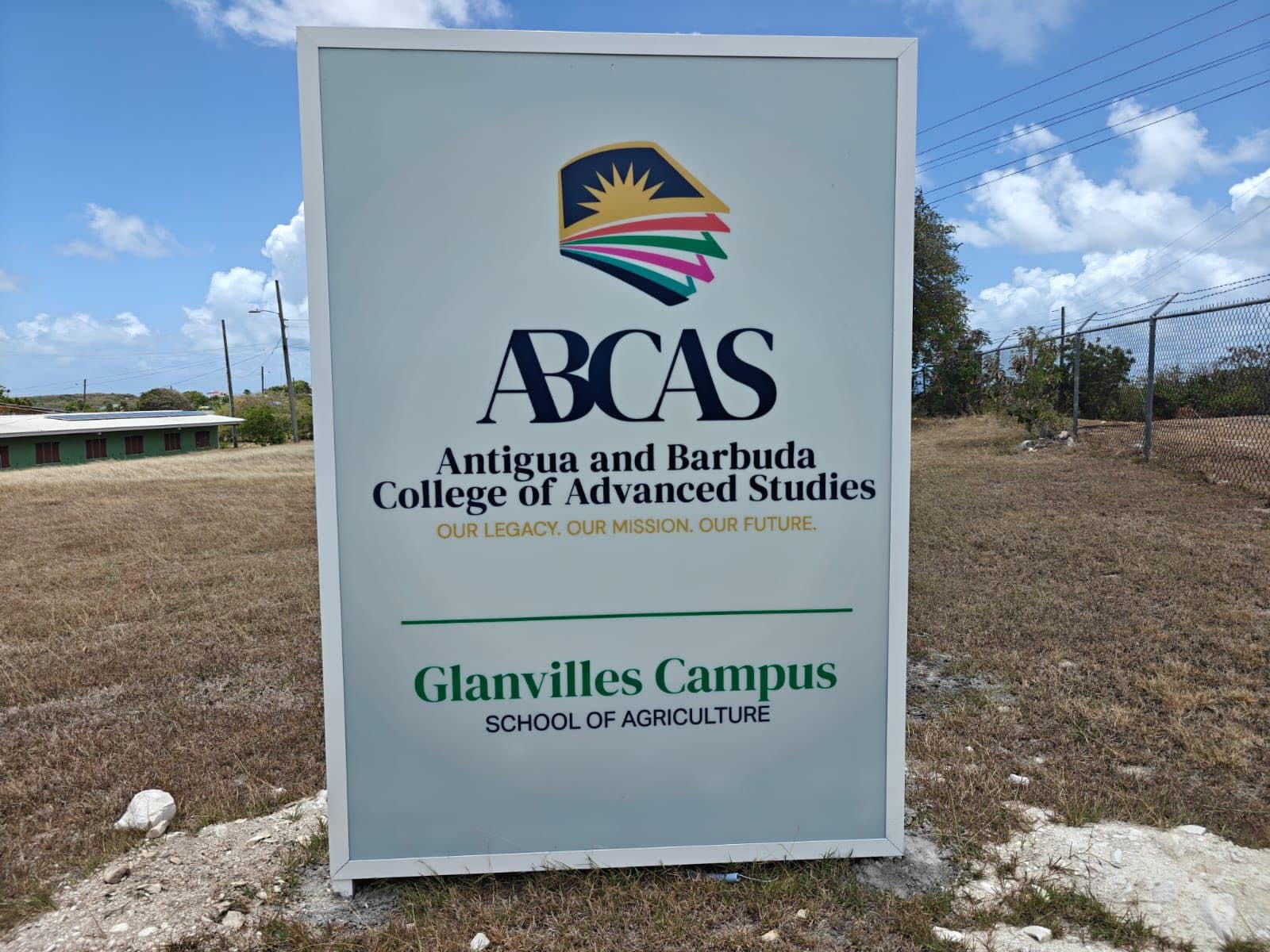
    In a scheduled Cabinet meeting held Wednesday, senior leadership from the Antigua and Barbuda College of Advanced Studies (ABCAS) delivered a detailed progress update to government officials on the multi-phase refurbishment and institutional restructuring of the country’s new School of Agriculture, being developed at the site of the decommissioned Glanvilles Secondary School.

    The initiative, which is on track to welcome its first cohort of students for the 2026 September academic term, aims to convert the underused former secondary campus into a fully modernized, industry-leading agricultural training hub that aligns with the nation’s long-term food security goals. ABCAS’s head outlined the full scope of infrastructure upgrades underway, covering core learning and operational spaces alongside specialized agricultural support facilities. Currently active construction and renovation work includes the refurbishment of six general classrooms and the campus auditorium, installation of impact-resistant security louvre windows, structural repairs to hurricane-rated shutters, application of durable epoxy flooring, and initial outfitting for a dedicated food science laboratory and on-site storage areas.

    Additional planned and ongoing upgrades go beyond basic infrastructure to support advanced scientific training: the project includes a full refurbishment of an existing chemistry laboratory and the construction of a new state-of-the-art biology laboratory, both fitted with upgraded water, gas, and electrical systems to meet modern research and teaching standards. Broader campus improvements include a full electrical system overhaul, installation of energy-efficient LED lighting across all buildings, repairs and upgrades to aging roofing and drainage systems, full exterior and interior painting, and the addition of extra air conditioning units and specialized ventilation infrastructure for laboratory spaces to ensure safety and functionality.

    Beyond classroom and lab upgrades, the project includes agricultural-specific external development: plans are in place to construct two purpose-built poultry demonstration pens to give students hands-on experience with commercial small livestock production. The master plan also calls for a full reconfiguration of several existing campus buildings to house dedicated student support services, additional research labs, modern conference facilities, improved staff amenities, a full student cafeteria, and expanded climate-controlled storage for agricultural supplies and research samples.

    Following the presentation, Cabinet members issued public commendation for the work completed to date, praising ABCAS leadership, faculty, technical construction teams, and participating students for their commitment to advancing accessible, high-quality agricultural education and strengthening national food sovereignty. Officials emphasized that the ongoing development of the School of Agriculture is a core component of the national government’s broader strategy to expand technical and vocational education opportunities across the country, encourage greater youth engagement in the agricultural sector, and boost national economic and climate resilience by increasing the volume of locally produced food. Cabinet also confirmed it is fully satisfied with the current pace of work and reaffirmed its unwavering financial and policy support for the project to ensure it is fully completed in advance of the first academic term in 2026.

  • Childbirth Services to Return to Barbuda After Nearly a Decade

    Childbirth Services to Return to Barbuda After Nearly a Decade

    Nearly a decade after Category 5 Hurricane Irma ripped through the Caribbean and upended everyday life on the small island of Barbuda, local officials are moving forward with long-awaited plans to bring critical maternity care back to the island’s Hannah Thomas Hospital. The policy initiative was formally announced this Thursday at a post-Cabinet press briefing by Maurice Merchant, Director General of Communications, following a detailed presentation to the government body from Health Minister Michael Joseph.

    When Irma made landfall in 2017, it flattened much of Barbuda’s critical infrastructure, including the island’s only public hospital’s maternity ward. In the years since the storm, all expectant residents of Barbuda have been required to travel across the water to Antigua, the larger sister island of the Antigua and Barbuda nation, to give birth at the Sir Lester Bird Medical Centre. For many low-income families and people without consistent access to cross-island transportation, this requirement has created significant financial, logistical and emotional barriers to prenatal and obstetric care.

    As Merchant explained, the move to rebuild and reopen the Hannah Thomas Hospital maternity department is a core component of the administration’s broader agenda to expand equitable access to essential healthcare for Barbudans. “The restoration of maternity services there forms part of government’s broader commitment to ensuring that residents of the sister island have greater access to essential healthcare services closer to home,” Merchant said during the briefing.

    Maternity care is not the only service set for an upgrade at the facility. Cabinet has also signed off on additional improvement projects, including the launch of on-site laboratory testing services. The new lab will boost the hospital’s diagnostic capacity and eliminate the current requirement for Barbudans to make the trip to Antigua for routine blood work and other common medical screenings.

    To further streamline care for island residents, the Ministry of Health will partner with the Ministry of Information Technology to roll out a new centralized pre-booking system. The platform will allow Barbuda residents to schedule appointments for specialized diagnostic services, including MRIs and X-rays, at Antiguan facilities before they travel, cutting down on wait times and logistical confusion for off-island care.

    When pressed about whether the long-term restoration plan includes capacity to treat high-risk pregnancies on Barbuda, Merchant confirmed that accommodating all types of childbirth is the ultimate end goal. “That is part of the plan to ensure that all matters in relation to childbirth can be dealt with on Barbuda,” he said.

  • Antigua to Screen 10,000 Students Under Expanded Eye Care Programme

    Antigua to Screen 10,000 Students Under Expanded Eye Care Programme

    Antigua and Barbuda is rolling out a major expansion of its national eye care initiative this year, bringing accessible vision services to thousands of residents across the country. The multi-faceted program combines free surgical interventions for adults and widespread vision screenings for school-aged students, addressing unmet eye health needs through a network of regional and international collaborations.

    Details of the scaled-up effort were shared publicly by Director General of Communications Maurice Merchant during an official post-Cabinet media briefing held on Thursday. Merchant told reporters that Cabinet recently received a detailed update from Health Minister Michael Joseph, who outlined how new and existing partnerships with regional health institutions and global non-profits are enabling the expansion of local ophthalmological services.

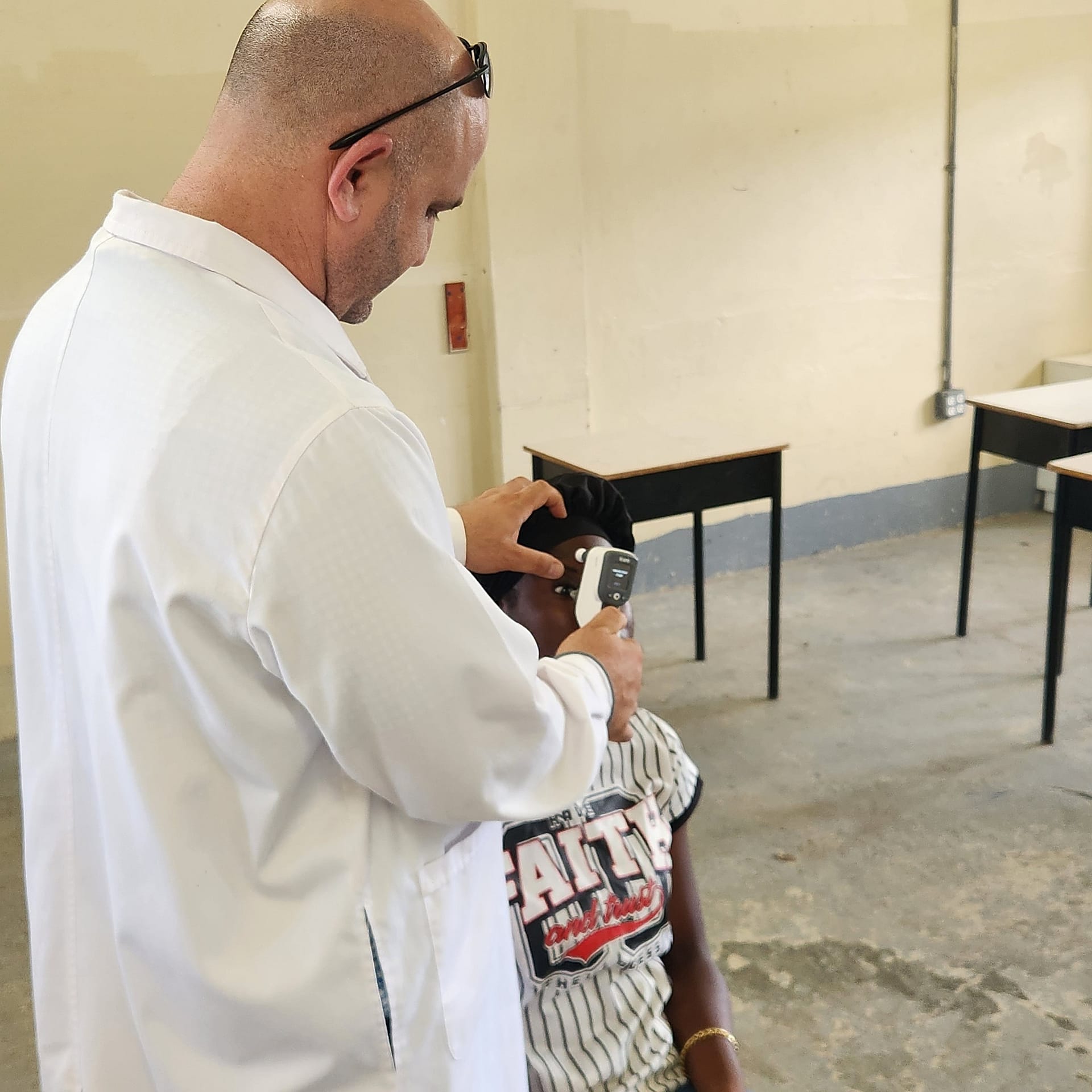
    At the heart of the surgical component of the program is a long-standing collaborative partnership between Antigua and Barbuda’s Sir Lester Bird Medical Centre, the local Medical Benefits Scheme, and the Trinidad Eye Hospital. Merchant confirmed that a team of specialized ophthalmic doctors from the Trinidad-based institution is already on the ground in Antigua and Barbuda, performing procedures and delivering a range of essential eye care services to local patients. This year’s medical mission is projected to complete more than 400 free eye surgeries for people living with a wide array of vision-impairing conditions, many of whom would otherwise face barriers to accessing costly specialized care.

    In a new addition to the national program, organizers have added a nationwide school-based vision screening campaign designed to catch undiagnosed vision problems in young people at the earliest possible stage. In total, 10,000 students across Antigua will receive comprehensive eye exams: 6,000 enrolled in primary schools and an additional 4,000 attending secondary schools. Early detection of visual impairments is a critical public health goal, as untreated vision issues often create barriers to learning and can hold back academic progress. The screening initiative aims to connect students who need care with prompt treatment and corrective support, ultimately boosting long-term educational outcomes for young people across the nation.

    Complementing the surgical and screening components of the program is a donation of free corrective eyewear arranged through the Prime Minister’s Vision Initiative, another collaborative effort with international non-governmental organizations focused on global eye health, including Restoring Vision and Vision Spring. Merchant announced that the first shipment of donated eyeglasses is scheduled to arrive in the country between the end of this week and the beginning of next, ensuring that patients and students who need corrective lenses will have access to them at no cost.

  • U.S. Warns of Travel Disruptions and Enhanced Ebola Checks for Incoming Passengers

    U.S. Warns of Travel Disruptions and Enhanced Ebola Checks for Incoming Passengers

    In two consecutive official alerts issued earlier this year, U.S. federal agencies have rolled out new public health restrictions for incoming travelers and upgraded security warnings for American citizens traveling or residing overseas.

    The most recent public health update, published by U.S. authorities on May 21, 2026, introduces mandatory enhanced Ebola screening for all eligible travelers entering the United States who have visited three central African nations in the three weeks prior to their arrival. This rule applies not only to foreign travelers but also to U.S. citizens and lawful permanent residents (LPRs) who have been present in the Democratic Republic of the Congo, Uganda, or South Sudan. All covered travelers are required to enter the country exclusively through Washington Dulles International Airport (IAD), where the U.S. Centers for Disease Control and Prevention (CDC) and the Department of Homeland Security’s (DHS) Customs and Border Protection (CBP) will conduct the heightened public health checks. The alert notes that the new entry requirement is a direct response to an ongoing Ebola outbreak in the region, and advises travelers to prepare for potential last-minute flight changes or cancellations that may disrupt travel plans.

    A separate security alert, issued by the U.S. Department of State on March 22, 2026, calls for increased vigilance among all American citizens located around the globe, with a particular warning for those in the Middle East. The Department of State warns that U.S. diplomatic facilities and interests have been targeted in attacks both within and outside the Middle East, and that pro-Iran groups may carry out additional strikes against U.S. assets, U.S.-affiliated locations, and American citizens across the world. The alert also notes that intermittent airspace closures in affected regions are likely to cause widespread travel disruptions for international travelers.

    Both alerts outline clear steps for affected individuals to stay updated on changing conditions. Travelers bound for the U.S. are encouraged to review the full DHS alert on enhanced Ebola screening, check consular information for the outbreak, confirm their flight itinerary and entry route directly with their airline, and enroll in the State Department’s Smart Traveler Enrollment Program (STEP) to receive real-time safety updates. For U.S. citizens overseas, the State Department advises following all guidance issued by the nearest U.S. embassy or consulate, enrolling in STEP through the official portal step.state.gov, subscribing to the U.S. Department of State Security Updates channel on WhatsApp for immediate alerts, and reviewing the latest Travel Advisory and destination-specific information on the official travel.state.gov website before planning any international trips.

  • Free Eyeglasses Shipment Arriving Under Prime Minister’s Vision Initiative

    Free Eyeglasses Shipment Arriving Under Prime Minister’s Vision Initiative

    In a major push to eliminate preventable and correctable vision impairment across the twin-island nation, a delivery of donated free eyeglasses is on track to reach Antigua and Barbuda in the coming days. This shipment forms a core component of the Prime Minister’s Vision Initiative, an ongoing public health program rolled out by the national government to expand accessible eye care for all residents.

    Maurice Merchant, the country’s Director General of Communications, shared the latest update during a post-Cabinet media briefing held Thursday. He confirmed that the national initiative is implemented in close collaboration with two global non-profits focused on vision health: Restoring Vision and Vision Spring. This cross-sector partnership is part of a broader expansion of eye care services led by Antigua and Barbuda’s Ministry of Health, which has brought on board both regional and international stakeholders to scale impact.

    The announcement of the incoming shipment followed a formal progress presentation to Cabinet by Health Minister Michael Joseph. During the presentation, Joseph also highlighted parallel work underway by a visiting specialist team from the Trinidad Eye Hospital, which is currently providing advanced ophthalmological services across Antigua and Barbuda. According to Merchant, this visiting surgical mission is projected to complete more than 400 life-changing eye procedures this year for local patients living with a range of vision-impairing conditions.

    A key long-term goal of the Prime Minister’s Vision Initiative is to build a network of community-focused “blind-free zone” centers across Antigua and Barbuda. These local hubs will bring vision screening and corrective care directly to community members, eliminating barriers to access for rural and underserved populations. Beyond community-based care, the program has also extended its reach into the national education system, with plans to conduct comprehensive vision screenings for 10,000 students total: 6,000 primary school pupils and 4,000 secondary school students.

    Merchant emphasized that the government prioritizes early vision screening and intervention as a critical public health and education investment. Timely diagnosis and corrective care do not only improve long-term vision outcomes for young people – they also directly support stronger educational performance, ensuring that students with treatable vision issues can fully participate in learning and reach their academic potential.

  • UWI Games 2026 Kick Off with Parade, Performances, and Flame Lighting

    UWI Games 2026 Kick Off with Parade, Performances, and Flame Lighting

    One of the Caribbean’s most anticipated inter-campus sporting traditions is making a triumphant return this month, as The University of the West Indies (UWI) prepares to kick off the 2026 UWI Games with a live-streamed opening ceremony this Friday, May 22.

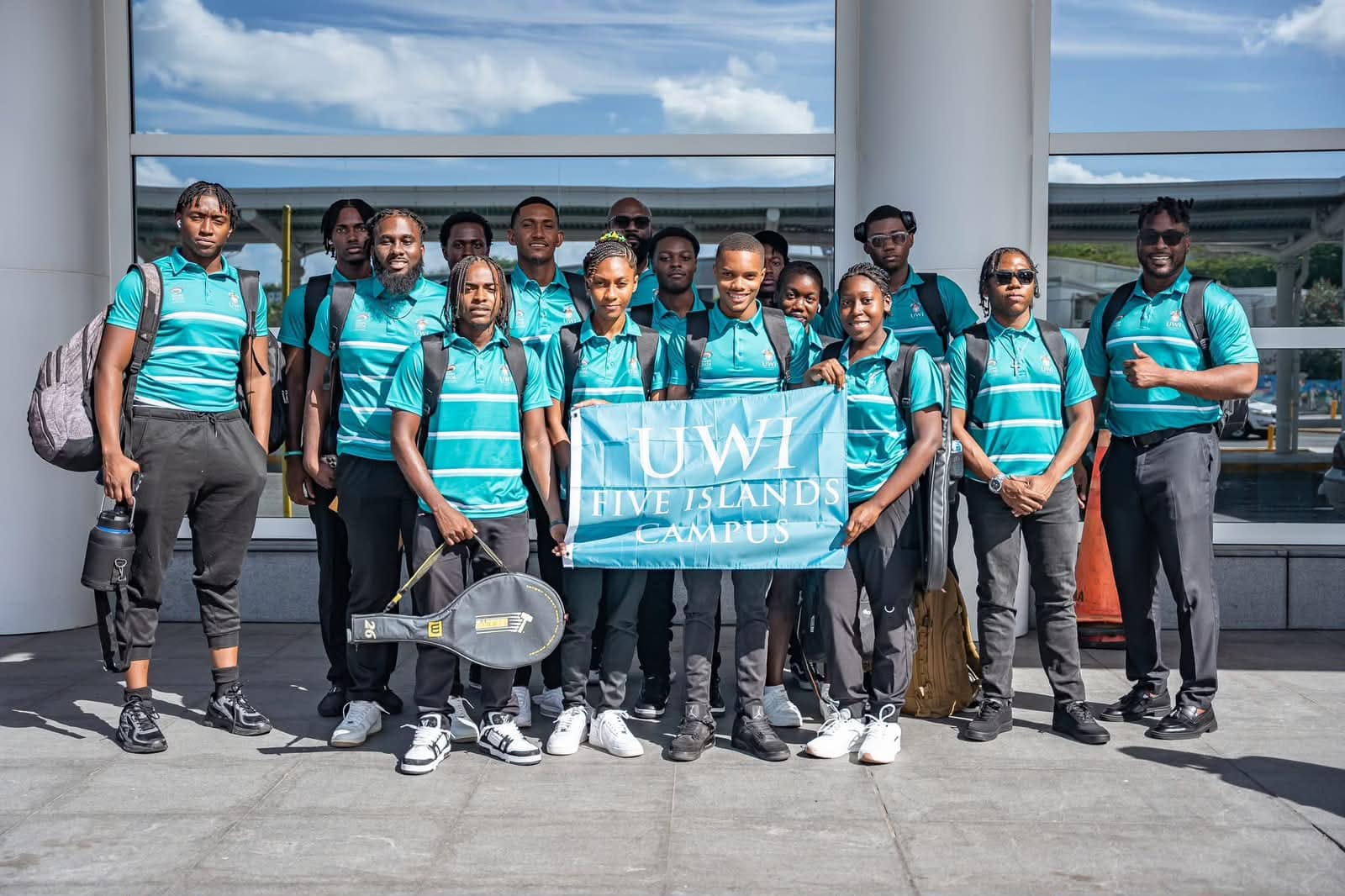
    After a years-long break from the iconic event, organizers have revived the competition with renewed momentum, drawing over 575 student athletes and official delegates from 17 countries across UWI’s five regional campuses. Rooted in a university tradition that dates back to the 1960s, the 2026 iteration runs from May 21 to 29, bringing nine days of competitive action across 10 different sporting disciplines centered on the core values of athleticism, cross-campus friendship, and collective Caribbean regional pride.

    The 90-minute opening ceremony will be broadcast live from the UWI Sport and Physical Education Centre located on the university’s St. Augustine Campus, and will be accessible to viewers across the Caribbean and around the globe via UWItv, multiple streaming platforms, and the official UWI Games YouTube channel. Scheduled to start at 5:30 PM Jamaica/EST (6:30 PM Eastern Caribbean/AST), the ceremony will feature a full lineup of celebratory events including the traditional Parade of Athletes, vibrant local cultural performances, formal addresses from university leadership, and the ceremonial lighting of the UWI Games Flame, which marks the official start of all competition.

    Held under the unifying theme “Reunited. Reignited. Ready.”, the 2026 Games emphasize UWI’s long-standing commitment to nurturing regional athletic talent and strengthening Caribbean solidarity through sport. The event’s legacy has already produced a host of elite athletes, including multiple Olympians and world champions who are UWI alumni.

    Vice-Chancellor Professor Sir Hilary Beckles highlighted the unique significance of this year’s return, noting that the revival of the UWI Games coincides with the 10th anniversary of UWI’s Faculty of Sport. “The UWI Games are the heartbeat of the UWI student experience,” Beckles stated. He added that the Faculty of Sport has served as the central organizing body for all university athletic programs, while also advancing academic instruction and sports research across the institution’s campuses.

    Audiences can access the live broadcast and find full event updates through the official UWI Games website at www.sta.uwi.edu/uwigames.

  • OPINION: Selective Outrage

    OPINION: Selective Outrage

    Selective outrage is one of the most telling cultural markers a society can display. Unlike unfiltered anger, which reveals what issues genuinely harm communities, targeted, selective outrage exposes which groups people consider acceptable to suffer in silence. This stark double standard was laid bare during a casual conversation at an Antiguan supermarket recently, sparking a broader, long-uncomfortable conversation about accountability, gender equality, and the need for mandatory DNA paternity testing at birth.

    Two women waiting near a supermarket security guard were caught up in a furious discussion of a recent horrific allegation: a local man accused of raping a 13-year-old girl. Their anger was unbridled, visceral, and deeply personal, and on this point, widespread public agreement aligns with their fury. Any person who abuses a child deserves the full weight of legal punishment and unreserved societal condemnation; no civilized community can tolerate child predators.

    But when a simple question cut into the conversation — what consequences should women who commit paternity fraud face? — the fiery moral outrage evaporated instantly. Instead of firm calls for accountability, there was only awkward silence, shifting feet, and uncomfortable muttering. After a long pause, one woman finally conceded: “Yeah… them women wicked too.” That one small word “too” exposes the entire fractured moral framework modern society has built around gender and responsibility.

    When a man commits an act of sexual violence that destroys a child’s life, the public rightly demands harsh justice. But when a woman knowingly misrepresents paternity, cons an innocent man into years of emotional and financial investment, robs a child of their right to know their biological identity, and even weaponizes the court system against the misled man? Suddenly, society pivots to vague, gentle equivocation. The righteous fury vanishes.

    This double standard exists because modern culture has been structured around one unspoken rule: men are held to total accountability, while women are granted broad exemption from consequences for gendered deception. An innocent man can lose 18 years of income, ruin his mental health, damage his prospects for future relationships with his own biological children, and see his reputation destroyed all because of a deliberate lie — and still, most people will dismiss the harm as a “mistake,” a “misunderstanding,” or a private “woman’s issue” no one else should meddle in. Imagine saying the same casual dismissal to a rape victim: “Well, these things happen.” No one would dare utter that. Yet that is exactly the line misled paternity fraud victims hear every single time they speak up about their harm.

    After the supermarket conversation, an elderly local woman who sensed the author’s distress stopped to talk. When asked directly what she thought of mandatory DNA testing for all newborns in Antigua, she answered without a single moment of hesitation: yes. She did not rely on viral internet slogans, ideological talking points, or partisan gender rhetoric — she spoke from decades of lived observation, and from personal experience.

    She contrasted the stable traditional values she grew up with against modern relationship norms, describing a shifting culture where loyalty is no longer expected, accountability is up for negotiation, and transactional relationships are normalized. She painted a picture of women treating men as rotating emotional and financial ATMs, one for paying bills, one for fun, one for security, one for companionship. But her commentary quickly turned personal: her own son, separated from his wife after years of marriage, has paid thousands in child support for years, while the whole family quietly questions whether the child is biologically his. He wants a paternity test, but the child’s mother has refused to allow one.

    That one story encapsulates the entire crisis. If paternity is already certain, what is there to fear from verification? It is a question society has danced around for decades, and it reaches far beyond the online gender wars that dominate social media. Increasingly, older, traditional women — who are not part of online manosphere or feminist movements — are seeing this harm firsthand. They watch their sons, brothers, nephews, and friends trapped in emotional limbo, where even asking for proof of paternity is labeled an untrustworthy betrayal. And many of these women are arriving at the same quiet conclusion: the truth should not require anyone’s permission to come out.

    The most striking line from the conversation was the elderly woman’s quiet admission: “I feel sorry for the men in Antigua.” That line carries extra weight because it did not come from an angry online pundit or a bitter ex-partner. It came from a lifelong Antiguan woman who has watched the country’s social fabric fray from stability into uncertainty.

    This is where the conversation becomes urgent: mandatory DNA testing at birth is not an anti-woman policy. It is a pro-truth policy. Hospitals already verify every newborn’s blood type, screen for congenital health conditions, confirm identity, and log vaccinations because certainty matters for public order and individual well-being. Yet the single most life-altering legal and emotional commitment a man can make — fatherhood — is still almost entirely built on nothing but trust. That is a systemic failure.

    If paternity DNA testing were automatic for every birth, the benefits are clear: honest women lose absolutely nothing, children gain the permanent security of knowing their biological identity, innocent men are protected from lifelong deception, biological fathers are held to the accountability they deserve, family courts get clear accurate evidence to work from, and emotional manipulation drops dramatically overnight. The only thing that disappears is deception. That is precisely why the idea makes so many people uncomfortable: it would expose how many modern relationships are held together not by truth, but by convenient, socially protected silence.

    None of this diminishes the unspeakable harm of child abuse. The rape of a minor is an unforgivable evil, and it must always be treated as such. But society can no longer pretend that justice only matters when men are the perpetrators. Real equality cannot mean equal rights for women but unequal accountability between genders. You cannot scream “believe all women” while simultaneously refusing any verification of paternity claims. You cannot demand that men step up and accept full responsibility for fatherhood, while treating female paternity deception as a socially acceptable, protected secret. And you absolutely cannot build a healthy, just society on a foundation of selective morality.

    The truth should never be labeled offensive. DNA does not hate women. A test kit is not misogyny. Factual certainty is not sexism. If Antigua is truly committed to protecting families, protecting children, and upholding equal justice for all, mandatory newborn paternity DNA testing should not be a controversial proposal. It should already be the law.

    To that honest elderly woman outside the supermarket: thank you for speaking unvarnished truth. That kind of candor is vanishingly rare today, when so many people prefer to stay safely inside ideological echo chambers where truth is filtered through social approval. She spoke plainly, without fear of backlash, and regardless of whether people agree with her conclusion, modern society desperately needs more of that kind of honesty.
  • US Embassy Advises Americans to exercise “normal caution” in updated travel advisory on Antigua and Barbuda

    US Embassy Advises Americans to exercise “normal caution” in updated travel advisory on Antigua and Barbuda

    In an official public notice released on May 20, 2026, the U.S. Embassy based in Barbados, which maintains consular jurisdiction over Antigua and Barbuda, Dominica, Grenada, St. Kitts and Nevis, St. Lucia, and St. Vincent and the Grenadines, has issued a revised travel advisory for U.S. citizens planning trips to Antigua and Barbuda. The advisory opens with a clear assessment of the island nation, noting that overall, Antigua and Barbuda remains a safe travel destination for international visitors from the United States.

    Despite the general positive safety assessment, the advisory highlights one key recurring risk that all travelers must prepare for: the regular annual threat of hurricanes that impacts the Eastern Caribbean region, including Antigua and Barbuda. The embassy strongly advises all prospective travelers to review the State Department’s dedicated public resources covering weather patterns and natural disaster preparedness specifically for Antigua and Barbuda before finalizing travel plans.

    To help travelers proactively prepare for safe and seamless trips, U.S. diplomatic officials encourage all U.S. citizens to consult the comprehensive travel guidance published for the country, which outlines key steps to mitigate common travel risks. For those who do confirm travel plans to Antigua and Barbuda, the embassy outlines several critical actions visitors should take to protect themselves during their stay.

    Foremost among these recommendations is enrollment in the Smart Traveler Enrollment Program, better known as STEP, the U.S. State Department’s official traveler registration system. By enrolling in STEP, travelers will receive real-time updates and safety alerts directly from the nearest U.S. embassy or consulate. The program also enables diplomatic staff to quickly locate and contact travelers, or their designated emergency contacts, in the event of a crisis, natural disaster, or other unforeseen emergency.

    Beyond STEP enrollment, the advisory outlines additional key preparation steps. Travelers are urged to review the latest Country Security Report for the Eastern Caribbean subregion, which provides up-to-date context on local security conditions. They should also check the most recent travel health guidance published for Antigua and Barbuda to understand any current public health protocols or risks.

    Whether traveling to the islands for the first time or returning as a frequent visitor, the embassy recommends all U.S. citizens use the official International Travel Checklist published by the State Department to organize their pre-trip preparations. Finally, diplomatic officials advise all travelers to reach out to their chosen travel insurance provider well in advance of departure to confirm that their policy includes coverage for emergency medical evacuation, comprehensive medical insurance, and trip cancellation protection in the event plans need to be altered due to unforeseen circumstances.

  • Appeal Court Overturns EC$176,500 Award Against Digicel

    Appeal Court Overturns EC$176,500 Award Against Digicel

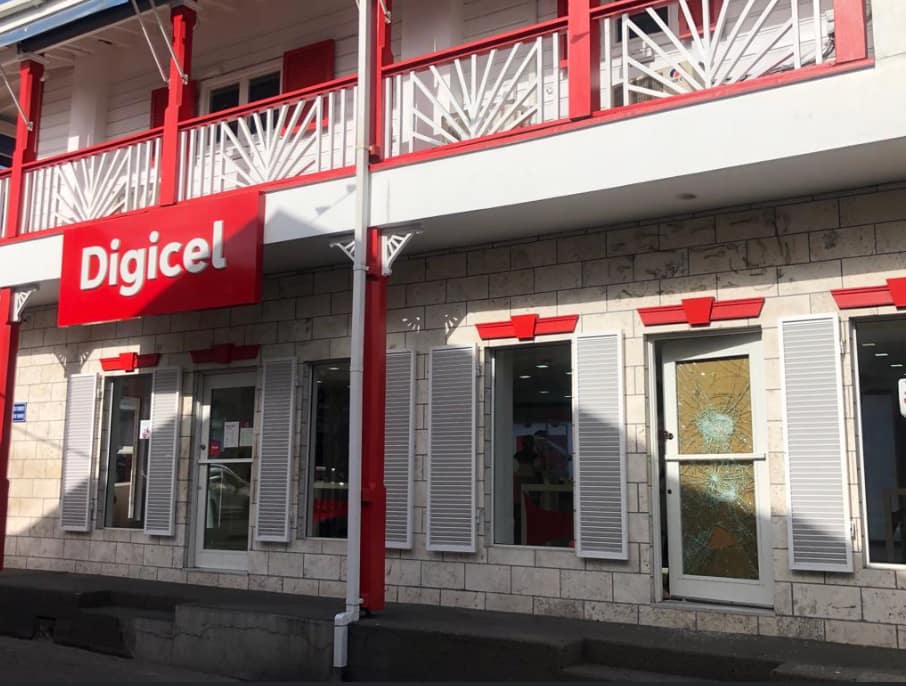
    A key appellate court has thrown out a previous multi-thousand dollar compensation award against regional telecommunications giant Digicel, ruling the company was unjustly denied a fundamental right to a fair legal process in the original employment dispute. On 19 May, the Eastern Caribbean Court of Appeal officially vacated the September 2023 ruling from the lower Industrial Court, which had ordered Digicel to pay former employee Karl Skepple a total of EC$176,500 in compensation for alleged unfair dismissal. The appellate judges have now ordered that the entire dispute be reheard by a newly assembled Industrial Court tribunal.

    The case stretches back nearly a decade, to August 2015, when Digicel terminated Skepple’s employment following an internal disciplinary investigation. The company moved to dismiss Skepple after substantiating allegations that he had made unwanted inappropriate sexual advances toward a fellow member of staff. Six years after his termination, in 2016, Skepple launched a formal legal claim against Digicel at the Industrial Court, arguing his dismissal was unlawful and unfair.

    In the original 2023 proceeding, the Industrial Court moved forward with its full hearing and ultimately ruled in Skepple’s favor despite the complete absence of any legal representation for Digicel or any company representative to present the firm’s side of the case. The tribunal subsequently granted the former employee the EC$176,500 award, which covered both lost earnings and damages for unfair dismissal.

    Digicel immediately challenged the ruling on appeal, arguing that the original Industrial Court tribunal had violated the company’s constitutionally protected right to a fair hearing. The telecom firm’s legal team explained that counsel had requested an adjournment of the original hearing due to an unresolvable scheduling conflict with a separate ongoing matter in the High Court, noting that Digicel’s attorney had only received five full days’ advance notice of the Industrial Court hearing date. That request for an adjournment was rejected by the original tribunal.

    After reviewing the appeal, appellate judges concluded that the lower Industrial Court had improperly handled the adjournment request: rather than conducting a full assessment of the merits of Digicel’s reasoning for seeking a delay, the tribunal improperly centered its decision solely on whether Skepple’s legal team consented to the adjournment.

    While the appellate court did publicly criticize Digicel for its own procedural missteps in the case, specifically repeated delays in filing required witness statements, judges emphasized that these shortcomings did not forfeit the company’s core legal rights to cross-examine opposing witnesses and present formal legal arguments to the tribunal. In its written judgment, the Court of Appeal underscored that “The right to legal representation and the right to be heard are fundamental entitlements.”

    With the original ruling now fully set aside, the entire dispute will return to the Industrial Court for a complete new hearing before a different panel of tribunal members, allowing both parties to fully present their cases in line with constitutional fair hearing requirements.

  • Florida Man Seeks Help Finding Former Antigua Classmate From NYC Technical College

    Florida Man Seeks Help Finding Former Antigua Classmate From NYC Technical College

    Decades after walking across the graduation stage together, a former New York City Technical College student is turning to the public for urgent help reconnecting with a long-lost classmate. Gosnel Waugh, who goes by the nickname Gus, is searching for Winston, a friend from his college days who hails from the Caribbean nation of Antigua.

    The pair attended the same Brooklyn-based technical institution and graduated together in the 1990s, but over the years, contact between the two former classmates faded. Now, Waugh is reaching out to community members, fellow alumni, and anyone with information to help him get back in touch with Winston urgently, though he has not shared the specific reason for his request.

    Waugh has extended his gratitude in advance for any leads or assistance the public can provide in his search. Alumni networks from the 1990s cohort at the college and community groups connected to Antiguan communities in New York are being urged to check their records and connections to help facilitate this reunion.