
As the dual-island nation of Antigua and Barbuda pursues comprehensive upgrades to its aging water infrastructure to achieve a consistent 24-hour water supply for all residents, Public Utilities Minister Melford Nicholas is urging households across the country to add personal water storage tanks as a practical short-term mitigation for unavoidable service disruptions. Speaking on Pointe FM’s current affairs program *Taking Stock* Tuesday evening, Nicholas outlined that storing at least three days of personal water reserve can shield homeowners from the temporary interruptions that come hand-in-hand with large-scale public works projects across the island. In a memorable framing of the guidance, Nicholas noted that every resident – from remote hamlets to major towns across both islands – can effectively “inoculate” themselves against the inconvenience of sudden supply cuts while the government overhauls the national network. Most ongoing service interruptions stem from the Antigua Public Utilities Authority (APUA)’s ongoing work to replace outmoded, rupture-prone legacy pipeline infrastructure with new high-density polyethylene pipes across the island’s transmission and distribution networks, Nicholas explained. Contrary to a common misconception, the minister emphasized that household storage does not require a high-cost, elaborate custom system. Standard rubber storage tanks ranging from 600 to 850 gallons provide enough reserve to cover a typical household’s needs for a full three-day outage, he noted. Even simple, low-cost plumbing modifications can be added to automatically refill the personal tank once mainline service is restored, creating an uninterrupted supply that automatically switches to stored water during mainline cuts. Nicholas added that dozens of households have already adopted this solution, with many reporting they no longer notice when mainline service is interrupted. He shared an anecdote from a constituent who told him she “doesn’t know when the water is off” because her automated refill tank system keeps her household supplied continuously without disruption. The public utilities chief acknowledged that periodic outages, especially those occurring on weekends, have sparked widespread frustration among residents across the nation. But he emphasized the government’s long-term commitment to stabilizing the entire national water network through a multi-pronged strategy that includes expanded water production capacity, upgraded transmission infrastructure, and new large-scale public storage facilities. Under current national plans, Antigua and Barbuda will add 16 million gallons of new public storage capacity, while continuing to replace leaky, broken legacy pipelines and roll out a cutting-edge SCADA digital monitoring system that gives utility managers far greater precision and control over water distribution across the islands. Nicholas also issued a clear note of realism: the full infrastructure transformation will take years to complete, slowed by ongoing challenges including tight financing constraints, global supply chain delays that have pushed back delivery of specialized materials and equipment, and the need for custom technical work that cannot be rushed. Even as long-term upgrades progress, Nicholas reaffirmed that personal household water storage remains the most accessible, practical short-term solution for residents to avoid the inconvenience of temporary service disruptions.“
标签: Antigua and Barbuda
安提瓜和巴布达
-
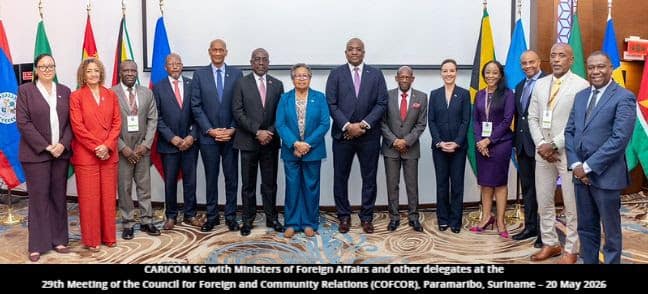
FM Chet Greene Attends CARICOM Foreign Ministers Meeting in Suriname
As the 15-nation Caribbean bloc CARICOM navigates a turbulent landscape of evolving global and hemispheric shifts, its top leader is sounding the call for deeper coordination among member states to project a unified, influential voice on the international stage.
On Wednesday, May 20, 2026, CARICOM Secretary-General Dr. Carla Barnett delivered opening remarks to foreign affairs ministers gathered in Paramaribo, Suriname, for the 29th Meeting of the Council for Foreign and Community Relations (COFCOR), emphasizing that collective action is not a choice for the bloc’s small island and coastal nations—it is a non-negotiable necessity.
Barnett framed the current global moment as one defined by rapid systemic shifts that reshape regional economies, cross-border trade partnerships and core foreign policy priorities for every CARICOM member. She reminded attending delegates that policy decisions emerging from COFCOR and other CARICOM governing bodies carry direct, tangible impacts on the economic prosperity and social well-being of the bloc’s 16 million citizens, pushing for outcomes that will reinforce the entire community’s long-term resilience amid uncertainty.
Against this backdrop of shifting global dynamics, Barnett outlined the bloc’s ongoing diplomatic strategy: strengthening long-standing partnerships with traditional allies while expanding diplomatic outreach to new global partners. During the 29th COFCOR meeting, CARICOM delegates are scheduled to hold targeted discussions with representatives from Japan, Singapore and the United Arab Emirates, focusing on areas of mutual strategic and economic interest.
Looking forward to the remainder of 2026, the Secretary-General stressed the critical need for coordinated, bloc-wide preparation for a packed slate of high-stakes global diplomatic gatherings that will shape outcomes on CARICOM’s top priority issues. These key issues include advancing reparatory justice for colonial-era harms, stabilizing the ongoing crisis in Haiti, addressing the accelerating impacts of climate change, securing equitable access to climate finance for vulnerable small states, and upholding global peace and security. The upcoming major events include the Commonwealth Heads of Government Meeting set to be hosted in Antigua and Barbuda, the annual United Nations General Assembly, the Organization of American States General Assembly, and the UN Climate Change Conference (COP31).
“One of our Caribbean Community’s greatest strengths is our ability to project a united voice,” Barnett told attendees, noting that this collective unity is the only tool that allows small developing states to meaningfully shape global decision-making processes that directly impact their futures. While she acknowledged the inherent challenges of balancing individual national priorities with shared regional goals, Barnett reaffirmed that cross-member coordination remains an essential foundation for CARICOM’s success. “None of our small nations can effectively confront these challenges in isolation. Working together is therefore not an option, it is an imperative,” she added.
Founded in 1973 via the Treaty of Chaguaramas—revised in 2001 to establish a regional single market and economy—CARICOM counts 15 full member states and six associate members, with a total population of roughly 16 million people, 60 percent of whom are under the age of 30. The bloc organizes its work around four core pillars: economic integration, coordinated foreign policy, human and social development, and cross-border security cooperation. Widely recognized as one of the most successful regional integration projects in the developing world, CARICOM aims to build an inclusive, resilient, and competitive global bloc that guarantees human rights, social justice, and equal opportunity for all citizens to thrive and share in shared prosperity. The CARICOM Secretariat, the organization’s central administrative body, is headquartered in Georgetown, Guyana.
-

Antigua and Barbuda Marks World Hypertension Day With Call for Early Detection and Better Blood Pressure Control
The twin-island nation of Antigua and Barbuda has officially joined the global observation of World Hypertension Day, with public health leaders and medical professionals across the country issuing a urgent collective call to prioritize early screening and sustained, effective control of high blood pressure.
This annual awareness event, which centers on addressing one of the most prevalent preventable chronic conditions globally, has brought renewed attention to the silent public health threat that hypertension poses in Antigua and Barbuda. Local health authorities point out that high blood pressure often shows no obvious visible symptoms in its early stages, yet it is a leading risk factor for life-threatening conditions including stroke, heart attack, kidney failure and long-term cardiovascular damage that disproportionately impacts working-age and older populations across the Caribbean.
During a series of community outreach and education events held to mark the day, public health teams hosted free blood pressure testing clinics in neighborhood centers, rural clinics and public marketplaces across both Antigua and Barbuda. These events were designed to remove barriers to access for residents who may not regularly seek preventive care, providing not only free screenings but also tailored guidance on lifestyle adjustments, including balanced diet, regular physical activity, reduced sodium intake and stress management, that can help prevent or manage elevated blood pressure. Health officials also emphasized that for people already diagnosed with hypertension, consistent adherence to prescribed medication and regular check-ups with healthcare providers is critical to keeping the condition under control and avoiding severe complications.
In official statements marking the day, Antigua and Barbuda’s Ministry of Health highlighted that expanding access to routine blood pressure screenings across primary care facilities is a key part of the government’s ongoing public health strategy, aimed at reducing national rates of preventable cardiovascular disease and improving overall population health outcomes. The ministry also noted that community awareness initiatives like the events held for World Hypertension Day play a vital role in encouraging residents to take proactive steps to monitor their blood pressure, address risk factors early, and engage with the healthcare system before the condition progresses to a dangerous stage. Public health advocates added that tackling hypertension requires a whole-society approach, with workplaces, community organizations and families all playing a part in promoting healthy habits and encouraging regular check-ups to keep the condition in check.
-
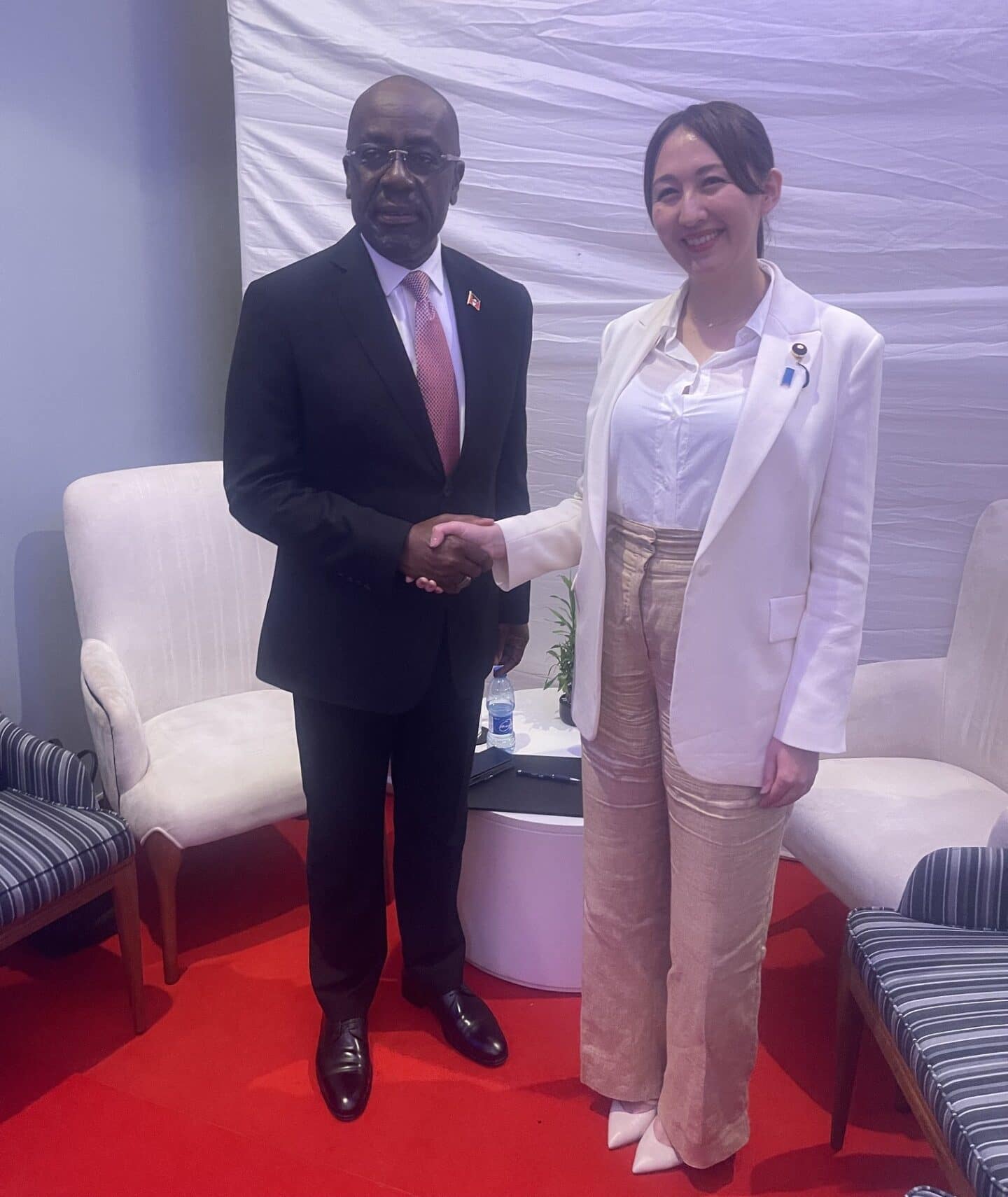
Antigua and Barbuda and Japan engage in bilateral talks at the 29th Meeting of the COFCOR
Against the backdrop of growing diplomatic engagement between Caribbean nations and Asian global powers, senior diplomatic representatives from Antigua and Barbuda and Japan convened for targeted bilateral talks on Wednesday, May 20, 2026. The discussions took place on the margins of the 29th Council for Foreign and Community Relations (COFCOR) gathering, hosted this year in Paramaribo, the capital of the Republic of Suriname.
Leading the delegations were two senior officials: E.P. Chet Greene, Antigua and Barbuda’s Minister of Foreign Affairs, Trade and Immigration, and Eri Arfiya, Parliamentary Vice-Minister for Foreign Affairs of Japan. The meeting centered on advancing mutual cooperation and aligning shared priorities across a range of regional and global issues.
Opening the formal dialogue, Vice-Minister Arfiya extended formal congratulations to Minister Greene on the Antigua and Barbuda Labour Party’s (ABLP) recent victory in the country’s general election, securing the party’s renewed mandate to govern. She also expressed gratitude for Greene’s high-profile visit to Japan during the 2025 Osaka Expo, an official engagement that she noted had significantly strengthened the bonds of solidarity between the two nations.
In his response, Minister Greene commended the longstanding positive diplomatic relations between the two countries. He also thanked Japan for its consistent, sustained support to the Caribbean Community (CARICOM) across four critical policy areas: climate change adaptation, disaster risk reduction, reform of the global financial architecture, and advancing inclusive sustainable development across the Caribbean region.
Greene used the bilateral meeting as an opportunity to formally request Japanese support for transportation logistics ahead of the upcoming Commonwealth Heads of Government Meeting (CHOGM). Vice-Minister Arfiya indicated that the request received favorable consideration from the Japanese delegation, moving it forward in the official review process.
A key topic of long-term strategic discussion was the potential for Antigua and Barbuda to establish a permanent diplomatic mission in Tokyo. Both sides agreed to revisit the proposal once Antigua and Barbuda completes the required feasibility studies to assess the practical and financial viability of the new mission.
Beyond bilateral priorities, the two officials reaffirmed their shared commitment to core global principles: mutual respect for democracy, national sovereignty, and adherence to international law. They also exchanged views on ongoing negotiations surrounding United Nations Security Council (UNSC) reform, and conducted a review of existing Japanese development projects currently underway across Antigua and Barbuda.
-
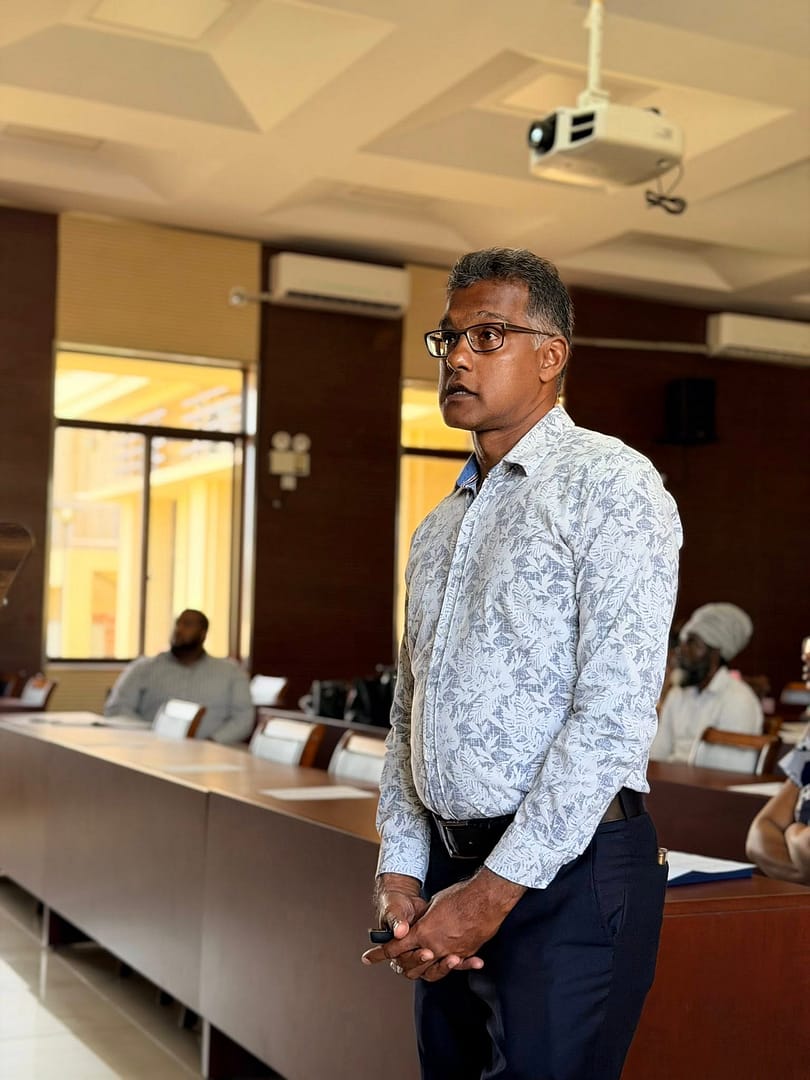
Antigua and Barbuda Explores Turning Waste Into Energy
The twin-island Caribbean nation of Antigua and Barbuda has launched an exploratory push to convert accumulated waste into usable electricity, marking a bold step toward solving two pressing national challenges at once: growing solid waste management pressures and a heavy reliance on costly imported fossil fuels.
For years, the small island developing state has grappled with limited landfill space, as rapid tourism growth and population expansion have pushed existing waste disposal sites close to maximum capacity. At the same time, the country’s energy sector has long depended on imported oil and gas, leaving electricity prices volatile and national budgets strained by global energy market fluctuations. Officials in Antigua and Barbuda argue that a waste-to-energy system could simultaneously shrink the volume of waste going to landfills by up to 90% through incineration and generate baseload power to reduce the country’s import dependency.
Early-stage discussions are currently underway between national government agencies, international development partners, and private sector infrastructure firms to assess the technical feasibility, financial viability, and environmental impact of building a full-scale waste-to-energy facility. Project backers note that unlike many renewable energy sources such as solar and wind, which are intermittent, waste-to-energy produces consistent power around the clock, making it a valuable complement to Antigua and Barbuda’s ongoing transition to cleaner energy. The government has also emphasized that any developed facility will meet strict international emissions standards to minimize air quality risks for local communities.
Critics of the proposal, however, have raised concerns about the potential for greenhouse gas emissions from incineration, as well as the high upfront capital costs of constructing such a facility. Some local environmental groups have instead advocated for scaling up recycling and waste reduction programs as a cheaper, more environmentally friendly alternative. Despite these debates, the government remains committed to moving forward with feasibility studies, with preliminary findings expected to be released within the next 12 months to guide future policy decisions.
-
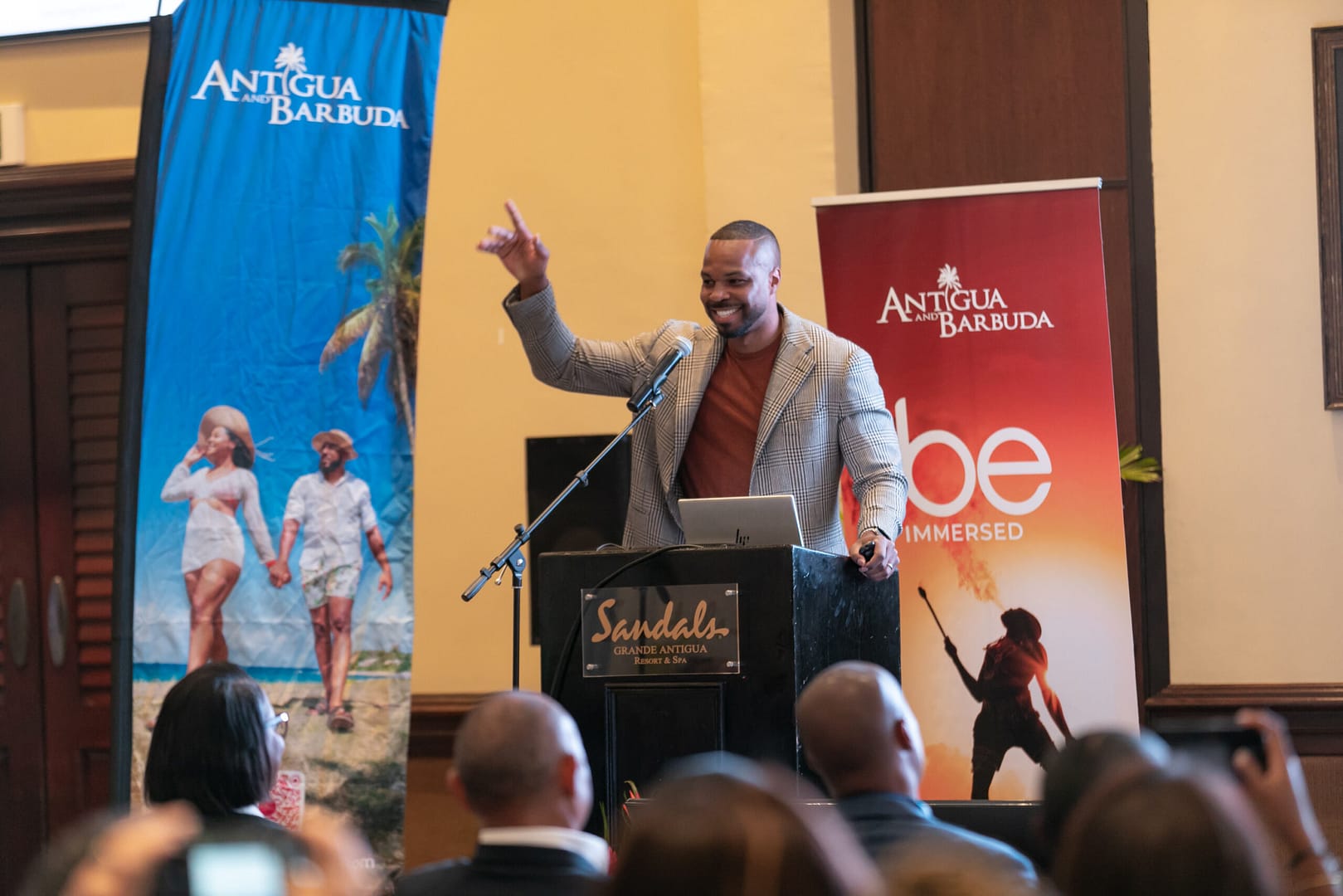
Travel Forum in Antigua Identifies Key Priorities Shaping Future of Regional Tourism
Against the backdrop of a global tourism landscape still reshaping itself in the wake of pandemic-era disruptions and shifting traveler expectations, stakeholders from across the Caribbean gathered in Antigua for a landmark regional travel forum designed to map out a sustainable, inclusive path forward for the sector.
Attendees at the invitation-only event brought a diverse range of perspectives to the table, including national tourism boards, independent hospitality operators, climate action advocates, transportation infrastructure specialists, and local community tourism organizers. Over two days of panel discussions, breakout working sessions, and cross-stakeholder negotiations, the group coalesced around a set of core priorities that will guide regional collaboration in the coming years.
Top of the agenda was climate resilience, a non-negotiable priority for small island developing states across the Caribbean that face growing threats from sea-level rise, more intense hurricane seasons, and coral reef degradation that erodes the natural draw for millions of international visitors each year. Forum participants agreed that coordinated investment in nature-based infrastructure—including mangrove restoration, sustainable coastal development, and renewable energy transition for hotels and resorts—must be a core funding focus moving forward.
A second key priority centered on expanding inclusive economic growth that benefits local communities, rather than only large international hospitality chains. Participants highlighted the need to streamline access to microgrants and training for small, locally owned tourism businesses, including homestay operators, cultural tour guides, and craft artisans, to help them compete in a global market increasingly dominated by large online booking platforms.
Third, the forum identified digital transformation as a critical pillar for the region’s future. Delegates called for coordinated investment in upgrading digital connectivity across remote island destinations, as well as collective marketing campaigns targeted at niche traveler segments, including eco-tourists, remote work nomads, and cultural heritage travelers, to reduce the region’s historical reliance on mass package tourism.
Regional tourism leaders emphasized that the consensus reached at the Antigua forum marks a clear break from past approaches, where individual island nations often competed against one another for visitor market share. Instead, the new framework prioritizes collective action to address shared challenges, from climate risk to global economic volatility that can disrupt travel demand. Closing the forum, Antigua’s Minister of Tourism outlined plans to create a working group that will turn these priority statements into actionable regional projects, with the first funding proposals set to be presented to international development banks by the end of the calendar year.
Many attendees noted that the forum’s timing could not be more critical. As international travel volumes have now returned to pre-pandemic levels across most of the Caribbean, leaders have a narrow window to reshape the sector before the next wave of growth locks in older, less sustainable models. The priorities identified in Antigua are expected to shape not only regional policy but also how billions in global climate and development funding are allocated to Caribbean tourism over the next decade.
-

Amplify Summit Elevates Caribbean’s Digital Vision
MIAMI, FLORIDA – May 20, 2026 – The second annual Amplify Summit, hosted by leading Caribbean telecommunications provider Liberty Caribbean, has drawn to a close with a resounding, unified call from cross-sector leaders for urgent, coordinated action to accelerate regional digital transformation and reinforce long-term resilience and competitiveness across the Caribbean.
Bringing together senior government officials, regulatory bodies, tech innovators, private sector executives, and regional development stakeholders under the overarching theme “Elevating the Caribbean’s Digital Future”, the summit convened dozens of influential regional and international voices to map out tangible, actionable strategies to advance the Caribbean’s digital agenda. Over the course of the event, participants delved into practical solutions targeting core priorities: expanding universal access to reliable connectivity, upgrading foundational digital infrastructure, scaling homegrown innovation, nurturing local digital talent, and driving inclusive, sustainable economic growth across the region’s diverse island economies.
Discussions centered on the most pressing issues that will shape the Caribbean’s trajectory in the coming decade, including responsible artificial intelligence adoption, robust cybersecurity frameworks, updated digital policy regulation, climate-resilient digital infrastructure, workforce upskilling, cloud infrastructure transformation, and the digital modernization of two of the region’s most critical sectors: tourism and public administration.
Inge Smidts, Chief Executive Officer of Liberty Caribbean, opened the leadership segment of the summit by challenging regional decision-makers to move beyond exploratory dialogue and deliver coordinated, large-scale execution. “The Caribbean has never been lacking in talent, inherent resilience, or collective ambition. What we need right now is aligned priorities, decisive action, and the courage to build for the long-term future,” Smidts said. “Digital transformation is no longer an optional upgrade for the region. It is a fundamental pillar of sustained economic growth, national resilience, and global competitiveness. Amplify was not created just to bring leaders together to exchange ideas – it was built to accelerate practical solutions that deliver real, meaningful impact for our people and our economies.”
Balan Nair, President and Chief Executive Officer of Liberty Latin America, Liberty Caribbean’s parent company, emphasized that transformative progress depends on intentional collaboration between the public sector and private industry. “The Caribbean stands at a pivotal crossroads right now, where technology can become a powerful engine of expanded opportunity, greater social inclusion, and accelerated innovation,” Nair noted. “Unlocking the region’s full digital potential will require lasting cross-sector partnership, long-term committed investment, and a shared commitment to building secure, resilient, future-ready digital ecosystems. The conversations held at this year’s Amplify Summit reinforced that the Caribbean has both the capability and the bold leadership needed to move forward with confidence.”
Senator The Honourable Jonathan Reid, Minister of Innovation, Industry, Science, and Technology for the Government of Barbados, underscored that the region cannot afford delay, and called for aligned policy frameworks across Caribbean nations. “The pace of global digital transformation will not slow down to wait for the Caribbean,” Reid stressed. “We must therefore ensure that our policy frameworks, our education systems, and our digital infrastructure are all aligned to prepare our people and our economies for the digital future. What we need right now is coordinated regional action that empowers innovation, while guaranteeing no community is left behind in the digital era.”
Dr. Ernest Hilaire, Deputy Prime Minister of Saint Lucia, highlighted that for small island developing states like those across the Caribbean, digital transformation is far more than a modernization project – it is a core strategy for economic survival and growth. “For small island developing states, digital transformation is not simply about updating systems; it is about building resilience, advancing long-term sustainability, and unlocking new economic opportunity,” Dr. Hilaire explained. “The Caribbean has a once-in-a-generation opportunity to position itself as a globally competitive innovation hub, powered by our creativity, our people, and cross-sector collaboration. But achieving that vision will require bold leadership and meaningful, sustained partnerships across every sector of our economies.”
Throughout the summit’s panel discussions and breakout working sessions, speakers and attendees repeatedly emphasized that basic connectivity access is no longer enough to meet the region’s needs. Instead, they argued, the Caribbean must prioritize building end-to-end digital ecosystems that can support local entrepreneurship, improve access and efficiency in public services, drive innovation across existing industries, and strengthen national resilience during economic, climate, and public health crises. The event also consistently reinforced the critical need for targeted investment in local talent development, to ensure Caribbean workers and entrepreneurs have the cutting-edge digital skills required to fully participate in and benefit from the rapidly evolving global digital economy.
The 2026 Amplify Summit featured contributions and participation from a wide range of partner organizations, including multiple Caribbean national governments, IDB Invest, Guardian Holdings Limited, Sagicor Bank, Amazon Web Services, SpaceX, Sierra AI, Amdocs, regional academic leaders, and senior Liberty Caribbean executives.
### About Liberty Caribbean
Operated by Liberty Latin America and formerly known as C&W Communications, Liberty Caribbean is the Caribbean’s leading communications and technology provider, with operations in more than 20 regional markets. The company delivers broadband, mobile, video, and voice services to residential consumers through its consumer brands Flow and BTC. Via its B2B division Liberty Business, the firm also provides enterprise-grade connectivity, cloud infrastructure, cybersecurity, and data center services to private businesses and government agencies, supporting economic growth in an increasingly digital global economy. With a regional legacy spanning more than 150 years, Liberty Caribbean remains deeply anchored in the Caribbean, delivering robust networks, personalized local support, and tailored solutions designed to meet the unique needs of regional people and communities. -

Flow Antigua : Latest winner in Flow’s riddim and rewards 2.0 campaign Eric Henry
Flow Antigua, one of the region’s leading telecommunications providers, has announced that local resident Eric Henry is the newest big winner of the company’s highly popular Riddim and Rewards 2.0 promotion. The second iteration of the campaign, which has captured widespread attention across the island’s entertainment and consumer communities, is designed to reward loyal Flow customers while celebrating Antigua and Barbuda’s rich musical and cultural heritage.
Since launching Riddim and Rewards 2.0, Flow has rolled out a steady schedule of prize draws and special giveaways, creating constant excitement among participants. The campaign blends the island’s iconic Caribbean riddim culture with tangible consumer rewards, turning ordinary customer engagement into a opportunity to win a range of valuable prizes. For this latest draw, Henry beat out thousands of other participating customers to claim his winning title, marking another milestone in the promotion’s successful run.
Local community members have praised Flow for continuing the Riddim and Rewards initiative into its second season, noting that the campaign not only gives back to loyal subscribers but also shines a spotlight on Antigua’s vibrant cultural identity. Industry observers add that promotions like this help strengthen Flow’s connection to the local community while driving ongoing customer engagement in the competitive regional telecom market. Flow has confirmed that more prize draws and winner announcements are planned in the coming weeks as the Riddim and Rewards 2.0 campaign continues across Antigua.
-
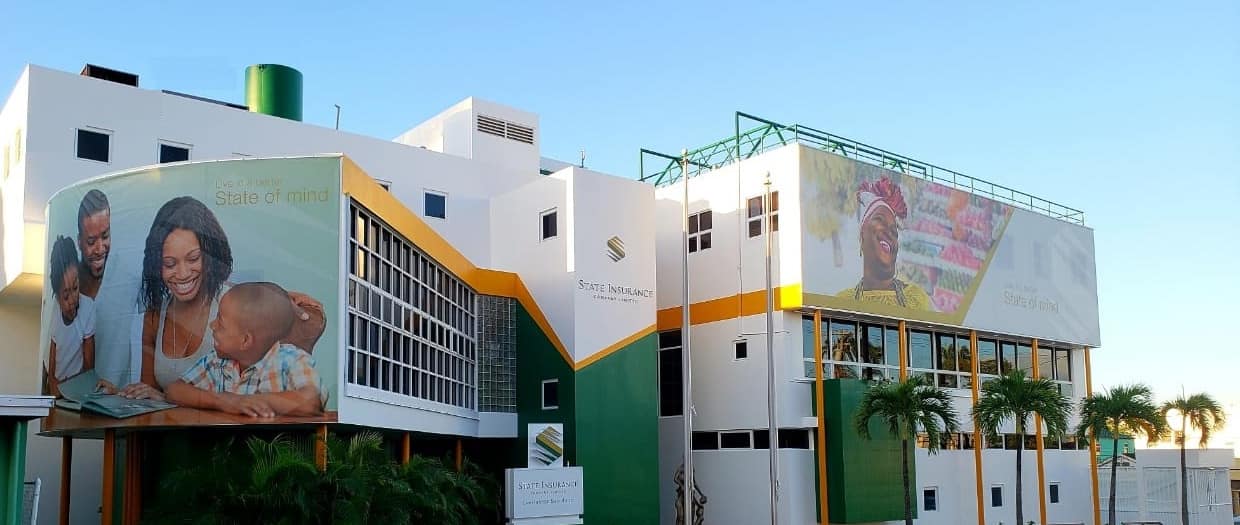
Janice Hodge Awarded Nearly EC$500,000 in Unfair Dismissal Case Against State Insurance
A former senior leader at a state-owned Caribbean insurance provider has secured a landmark legal victory after an industrial tribunal ruled her 2023 termination was unlawful, ordering the company to payout nearly half a million Eastern Caribbean dollars in combined compensation and damages. Janice Hodge, who previously served as the insurer’s executive manager, launched the unfair dismissal claim following her ouster, which came after the company was forced to issue a $9.8 million restatement of its official financial statements. Company leadership had pinned the financial discrepancy on errors that occurred under Hodge’s supervision, but the Industrial Court’s ruling thoroughly rejected that narrative.
In its full judgment, the court found that Hodge’s dismissal directly violated core natural justice principles. A key failing highlighted by the court was that State Insurance never clearly articulated the specific misconduct that Hodge was accused of committing, leaving the former executive without a fair opportunity to defend herself against the allegations. Beyond that, the tribunal concluded that the massive financial restatement was overwhelmingly driven by long-standing problems with outdated internal software and legacy operational systems, not any personal wrongdoing on Hodge’s part.
The court also issued sharp criticism of the company’s inconsistent application of disciplinary rules, noting that disciplinary standards were applied unevenly across staff, a practice that undermines the fairness of workplace accountability processes. In an important warning for public and state-owned entities across the region, the tribunal cautioned against making public statements that name individual employees in connection with unproven misconduct allegations before full due process has been completed. Such practices, the court emphasized, cause irreversible damage to personal reputations before an individual has the chance to clear their name.
Hodge was awarded damages across multiple categories, including pay in lieu of notice, compensation for verified financial losses stemming from her unlawful termination, exemplary damages to address the unreasonable conduct of the employer, and coverage of her full legal costs. The court granted State Insurance permission to pay the total sum in scheduled instalments, with the full payment required to be completed by June 2026.
-
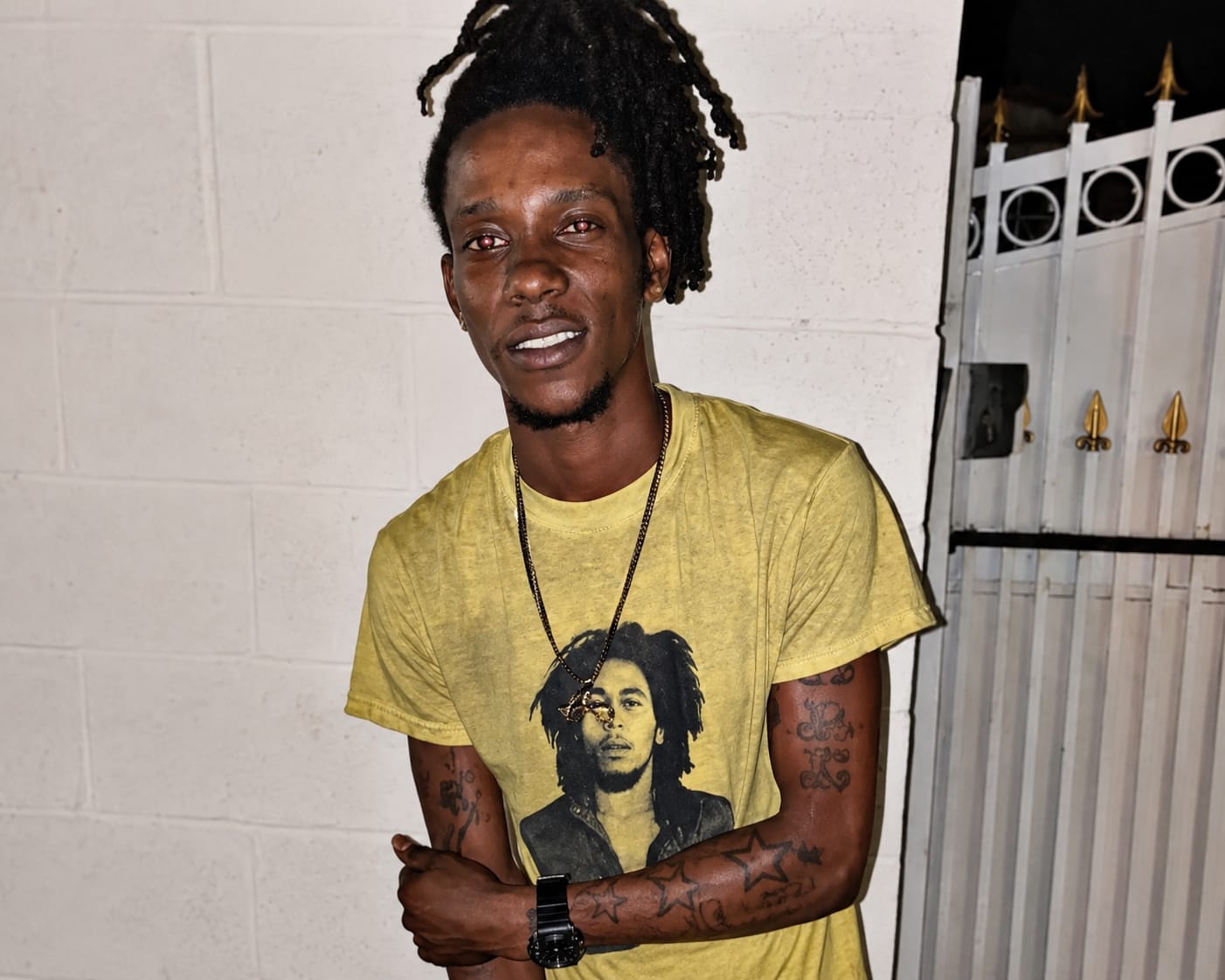
Daquan George Sentenced to Four Years After Police Seize Large Ammunition Cache
A resident of Sutherlands has received a four-year prison term after law enforcement officers discovered a substantial stockpile of ammunition and gun-related components at his property during a search carried out last year. Daquan George, who never held a valid firearms license, entered guilty pleas to two separate charges: unlawful possession of a firearm and illegal possession of ammunition.
Handing down the ruling, Justice John Spencer ordered that the four-year sentence for the ammunition possession offense would run at the same time as a two-year term connected to the firearm and magazine possession charges, resulting in a total active custodial sentence of four years.
The search operation that uncovered the illegal items was carried out on July 31, 2025, by officers from the specialist Guns and Gangs Suppression Unit. During the search of George’s residence, investigators found 140 rounds of ammunition in a range of different calibers, six detachable firearm magazines, and a disguised pen gun, all hidden inside a bag stored in a washroom.
George immediately acknowledged that the contraband belonged to him, and told investigators how he came to possess the prohibited items. He stated that he had discovered the bag several weeks prior to the search, while walking along a commonly used pedestrian shortcut. According to his statement to law enforcement, George initially intended to sell the contents of the bag for profit, but ultimately changed his mind and planned to dispose of the items before he was arrested, he told officers.