标签: Antigua and Barbuda

安提瓜和巴布达

  • Tourism Authority Promotes Charmaine Spencer To Chief Marketing Officer and Shermain Jeremy To Regional Tourism Director

    Tourism Authority Promotes Charmaine Spencer To Chief Marketing Officer and Shermain Jeremy To Regional Tourism Director

    The regional tourism authority has announced a pair of high-impact executive promotions that strengthen its leadership team as the organization works to accelerate post-pandemic tourism recovery and expand market reach. Charmaine Spencer has been elevated to the position of Chief Marketing Officer, while Shermain Jeremy will step into the role of Regional Tourism Director, according to an official statement released by the authority this week.

    Both promotions come at a critical juncture for the region’s tourism sector, which has been working to rebuild visitor volumes and diversify its audience base after years of global travel disruption. Industry observers note that the internal appointments signal the organization’s confidence in the experience and strategic vision of both long-standing team members.

    In her new role as Chief Marketing Officer, Spencer will oversee all global marketing strategies, brand development initiatives, and digital outreach campaigns designed to attract key visitor segments from emerging and established source markets. She brings years of hands-on experience in tourism marketing and audience engagement to the C-suite, having previously led multiple successful destination promotion campaigns that delivered double-digit growth in visitor inquiries for the authority.

    Jeremy, meanwhile, will take on end-to-end responsibility for coordinating regional tourism operations, aligning the work of local tourism boards, hospitality stakeholders, and community partners to deliver cohesive visitor experiences. Her remit will also include developing sustainable tourism frameworks that support local livelihoods while preserving the region’s natural and cultural heritage.

    A spokesperson for the tourism authority noted that both leaders have deep roots in the region and a proven track record of delivering results that benefit both the sector and local communities. The appointments are expected to be formally effective starting next month, with a transition plan already in place to ensure continuity across all ongoing tourism development projects.

  • $7,000 Reward Offered for Safe Return of Missing Dog Velvet Before Midnight

    $7,000 Reward Offered for Safe Return of Missing Dog Velvet Before Midnight

    A distraught family in Antigua is extending a $7,000 cash reward to any member of the public who can provide credible information that helps them recover their missing canine companion, Velvet, safe and unharmed. To qualify for the full payout, the dog must be returned to the family by midnight tonight, according to the official public appeal. Velvet is far more than just a pet to the household: the owners describe her as a core member of their family, emphasizing that she is deeply cherished by everyone in the home and her absence has left a painful gap. The family has issued a heartfelt plea to local communities and social media users to help them track Velvet’s location and bring her back to her familiar home. Any person who has seen the dog or has details about where she may be staying is asked to reach out immediately to the family through two dedicated contact lines: 785-5103 and 723-5377. Since the appeal was first posted, it has spread rapidly across social platforms and local community groups, with hundreds of users sharing the call for information as the family and their supporters ramp up their search efforts ahead of the midnight deadline.

  • Government Opens Consultation on Barbuda Road and Wharf Rehabilitation Works

    Government Opens Consultation on Barbuda Road and Wharf Rehabilitation Works

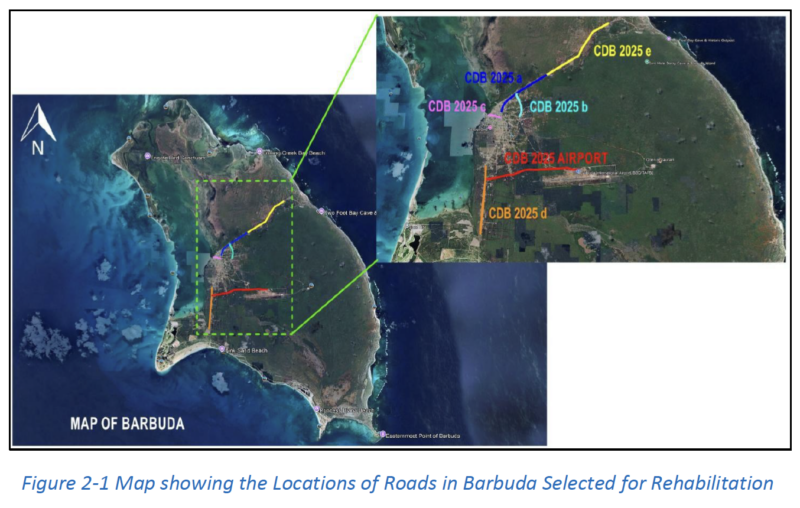
    Antigua and Barbuda’s government has launched a public consultation period for a transformative 12.6-kilometer road rehabilitation initiative on the island of Barbuda, releasing all required planning, engineering and environmental assessments to invite input from residents and industry stakeholders ahead of construction. The project, which forms a core part of the national post-Hurricane Irma recovery program, is backed by financing from the Caribbean Development Bank and falls under the country’s Hurricane Irma Rehabilitation and Reconstruction Loan framework.

    The Ministry of Housing and Works has made a full suite of planning documents available for public review, including a comprehensive Environmental and Social Management Plan, an initial engineering inception report, a corridor characterization and priority ranking analysis, and a groundbreaking social and gender sensitisation study. Upgrades are targeted at six high-priority road corridors across the island, spanning key routes that serve critical public and economic infrastructure: sections of River Road, the Codrington Wharf access zone, routes connecting to Sir McChesney George Secondary School, the Green Barbuda Solar Hybrid Power Station, and Burton-Nibbs International Airport. These routes were selected specifically for their outsize role in supporting daily transportation, emergency response operations, community access to services, and long-term economic growth for the island.

    Environmental assessors have categorized the project as a Category B development, meaning all potential negative environmental and social impacts are predicted to be geographically limited and fully manageable through targeted mitigation strategies. The initial environmental review identified a set of key risks that will require continuous monitoring throughout the construction phase, including potential contamination of local groundwater reserves, excess water consumption during works, risks to community health and safety, occupational hazards for construction crews, and potential harm to sensitive marine and coastal ecosystems surrounding the protected Codrington Lagoon. To address these concerns, project planners have pre-approved a series of protective measures: targeted erosion control infrastructure, expanded and upgraded drainage networks, ongoing third-party environmental monitoring, formalized waste management protocols, and specific protocols to protect any unknown archaeological or cultural resources that may be uncovered during excavation.

    A key priority integrated into the project design is a comprehensive set of climate resilience upgrades, developed to address Barbuda’s long-standing geographic vulnerabilities. The proposed road design uses reinforced concrete pavement engineered to withstand severe flooding, alongside larger, upgraded culverts, a fully redesigned island-wide drainage system, and pre-construction geophysical surveys to map and fill underground voids before heavy building works begin. These changes are designed to resolve persistent challenges tied to Barbuda’s flat terrain, naturally poor drainage, and ongoing high risk of storm-related flooding as climate change increases the frequency of extreme weather events in the Caribbean.

    The corridor characterization report positions the road upgrades as a foundational piece of Barbuda’s broader long-term development strategy. The document notes that the island is poised to see a wave of new private and public investment in coming years, including expanded tourism infrastructure, expansion of Burton-Nibbs International Airport, construction of a new combined cargo and tourism port, new residential housing developments, and additional renewable energy projects. Improved, more resilient road networks will be critical to supporting this growth while also making daily travel easier for residents and cutting response times for emergency services during crises.

    The accompanying gender sensitisation study also highlights a long-standing equity gap in Antigua and Barbuda’s construction sector: official employment data shows just 138 women working in construction across the country, compared to more than 3,400 men. The study’s findings will be used to help government agencies and private contractors implement policies that advance gender equality and social inclusion across all future infrastructure projects on the island.

    Once construction gets underway, the full build-out is expected to take between 18 and 24 months to complete. Following the conclusion of construction, a mandatory 12-month monitoring period will be held to assess the performance of the new drainage systems and resolve any remaining unforeseen environmental impacts. Government officials have emphasized that public input is a core part of the project development process, and are encouraging all residents and interested stakeholders to review the full set of released documents and submit comments, concerns, or recommendations to help refine the project’s final design and implementation plan before works break ground. All full documents are available for review via the official website of Antigua and Barbuda’s Department of Environment.

  • UK’s BBC Master Chef filmed in Antigua and Barbuda

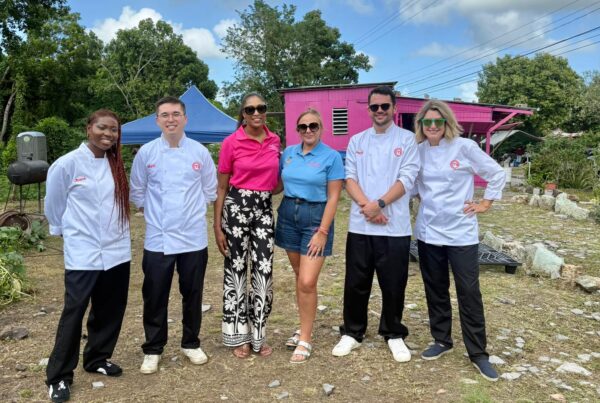
    UK’s BBC Master Chef filmed in Antigua and Barbuda

    One of the world’s most beloved culinary competition series, BBC MasterChef, shone a bright spotlight on the twin-island nation of Antigua and Barbuda this week, featuring the Caribbean destination in a standout Finals Week episode that reached millions of viewers across the United Kingdom and international audiences.

    Broadcast on BBC One and the network’s streaming platform BBC iPlayer on Wednesday, June 3, the special episode followed the competition’s four remaining finalists as they journeyed to the islands for an immersive culinary adventure designed to highlight Antigua and Barbuda’s deep-rooted food heritage, skilled local culinary talent, vibrant cultural traditions, and breathtakingly iconic landmarks.

    Over the course of the episode, contestants took on three distinct challenges spread across the two islands, each designed to showcase a different side of the destination’s culinary identity. The first challenge unfolded at Nelson’s Dockyard, the world’s only continuously operating Georgian-era dockyard and a designated UNESCO World Heritage Site. There, local Executive Chef Maurine Bowers walked the finalists through the process of crafting traditional Antiguan meals for 20 local diners, giving viewers around the globe an introduction to the authentic, bold flavors and time-honored cooking customs that define the islands.

    From there, the competition moved to the elegant Jumby Bay Estate House, where celebrated Antiguan chef Eustace Cabral Jr. pushed contestants to replicate dishes rooted in modern Caribbean cuisine. The challenge emphasized the use of fresh, locally sourced island ingredients and innovative modern cooking techniques, highlighting the evolution of Antigua and Barbuda’s food scene beyond traditional recipes.

    For their ultimate test, the finalists were tasked with creating a custom, one-of-a-kind dining experience that drew inspiration from their time exploring the islands. The special meal was served to a roster of distinguished invited guests, including Antigua and Barbuda’s legendary cricketer Sir Vivian Richards, Deputy Governor-General Sir Clare Roberts KCN, KC, and Colin C. James, CEO of the Antigua and Barbuda Tourism Authority.

    Cherrie Osborne, Director of Tourism for the UK and Europe at the Antigua and Barbuda Tourism Authority, shared her enthusiasm for the partnership, noting that the opportunity to feature the islands on one of the most widely watched and respected cooking programs in the world was an invaluable win for the destination. “MasterChef gave us a powerful global platform to showcase our one-of-a-kind cuisine, culture, and heritage, letting audiences see the warmth and authenticity that make our islands so special,” Osborne explained.

    The high-profile broadcast comes directly on the heels of the successful conclusion of Antigua and Barbuda’s annual Culinary Month, and it further solidifies the nation’s growing reputation as one of the Caribbean’s top must-visit destinations for food-focused travelers. The MasterChef feature is part of the tourism authority’s long-term strategic plan to secure high-impact international exposure for the twin islands, with a specific goal of highlighting the wide range of unique experiences available beyond the nation’s already world-famous white-sand beaches.

    Beyond its new culinary spotlight, Antigua and Barbuda offers a packed calendar of annual signature events, including the Antigua Racing Cup, Antigua Sailing Week, Antigua Classic Yacht Regatta, the annual Antigua Carnival — widely celebrated as the Caribbean’s Greatest Summer Festival — and Antigua and Barbuda Art Week. Barbuda, the smaller, quieter sister island of Antigua, sits just 27 miles northeast of its larger counterpart, a short 15-minute flight from Antigua’s main airport. Famous as a low-key celebrity getaway, Barbuda boasts an untouched 11-mile stretch of iconic pink sand beach and is home to the Western Hemisphere’s largest Frigate Bird Sanctuary.

  • Apostle Says Resurrection Is a Fact, Not Just a Matter of Faith

    Apostle Says Resurrection Is a Fact, Not Just a Matter of Faith

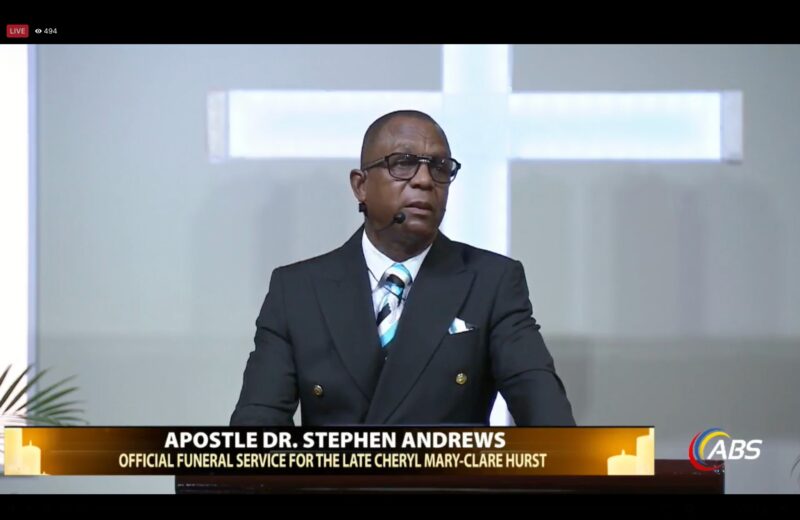
    A prominent Christian religious leader, Apostle Dr. Stephen Andrews, has delivered a forceful argument for the historical authenticity of Jesus Christ’s resurrection during the funeral service of former Senator Cheryl Mary-Clare Hurst, framing the core Christian doctrine as an established fact rather than a purely symbolic article of faith. As the central spiritual component of the service held at SJPC House of Restoration Ministries, Andrews anchored his sermon to Apostle Paul’s framing of death as “the last enemy,” arguing that the power of death was permanently broken through Jesus’ rising from the dead.

    Speaking directly to mourners gathered to honor the former senator’s life and legacy, Andrews laid out three lines of evidence he says confirm the resurrection as a historical event: the biblical account of Jesus appearing to more than 500 individual followers after his crucifixion, the well-documented empty tomb in Jerusalem, and the radical transformation of Apostle Paul, who converted from a violent persecutor of early Christians to one of the faith’s most impactful foundational leaders after encountering the risen Christ. “The scripture emphasizes the fact that through Christ, this enemy has been defeated, stripped of its power, and will one day be utterly destroyed,” Andrews stated, urging attendees to cling to the hope of eternal life beyond physical death.

    Andrews’ unapologetic stance reignites one of the longest-running debates in religious and academic scholarship, touching on Christianity’s most central theological claim. While the overwhelming majority of secular and religious historians agree that Jesus of Nazareth was a real historical figure who was crucified by Roman authorities in Jerusalem, a large share of secular scholars reject the argument that existing evidence confirms a bodily resurrection. Critics of the historicity of the resurrection note that the four Gospel accounts were written decades after Jesus’ death, contain minor discrepancies in narrative details, and cannot be corroborated by independent external sources. Some argue that the reported appearances of Jesus were likely subjective visions or shared spiritual experiences among early followers, rather than evidence of a physical return from death.

    A separate line of academic reasoning holds that historical methodology is inherently ill-equipped to verify supernatural events. Scholars in this camp argue that historians can confirm that early Christian communities believed Jesus rose from the dead, but cannot draw definitive conclusions about whether a miracle occurred.

    Andrews pushed back against this widespread skepticism, reiterating that the event was witnessed by hundreds of people and remains the unshakable foundation of Christian confidence in eternal life. “The enemy is defeated because of the resurrection of Jesus,” he emphasized.

    The sermon served as a thoughtful shift from tributes celebrating Hurst’s life of public service to a broader reflection on mortality, faith, and the Christian promise of life after death. For believers in attendance, Andrews’ message brought comfort and reassurance that physical death is not the end of human existence. For critics and skeptics, the address once again highlighted a debate that has persisted for nearly 2,000 years: whether the resurrection of Jesus should be understood as a matter of faith, a provable historical event, or a combination of both.

  • Saharan dust affecting Air Quality in Antigua and the Caribbean Sea

    Saharan dust affecting Air Quality in Antigua and the Caribbean Sea

    A new wave of mineral dust carried thousands of miles from the Sahara Desert has driven air quality across the dual-island nation of Antigua and Barbuda into the moderate range, triggering official health warnings that sensitive population groups could face adverse impacts through at least Thursday night. This event marks the 10th significant Saharan dust intrusion recorded in the country this year, underscoring a recurring seasonal pattern that impacts the Caribbean region annually.

    The Antigua and Barbuda Meteorological Service confirmed that concentrations of fine particulate matter tied to the airborne dust pushed the nation’s Air Quality Index (AQI) to between 51 and 70, prompting the activation of an Air Pollution Alert Level II. While the overall air quality remains within the acceptable range for the general public, elevated dust levels create tangible risks for vulnerable groups, officials emphasized.

    Authorities have identified people living with chronic respiratory or cardiovascular conditions, senior citizens, and young children as the most vulnerable to the negative health effects of the fine dust particles. Even among the general population, a small subset of unusually sensitive people, including those with asthma, may experience moderate respiratory discomfort and related health concerns under current conditions.

    In line with public health guidance, local officials are urging active children and adults, as well as anyone with pre-existing respiratory conditions, to cut back on extended strenuous outdoor activity until dust concentrations dissipate and air quality improves. Residents are also encouraged to follow official updates from the Meteorological Service and other trusted government information channels to stay informed of changing air quality conditions and revised forecasts.

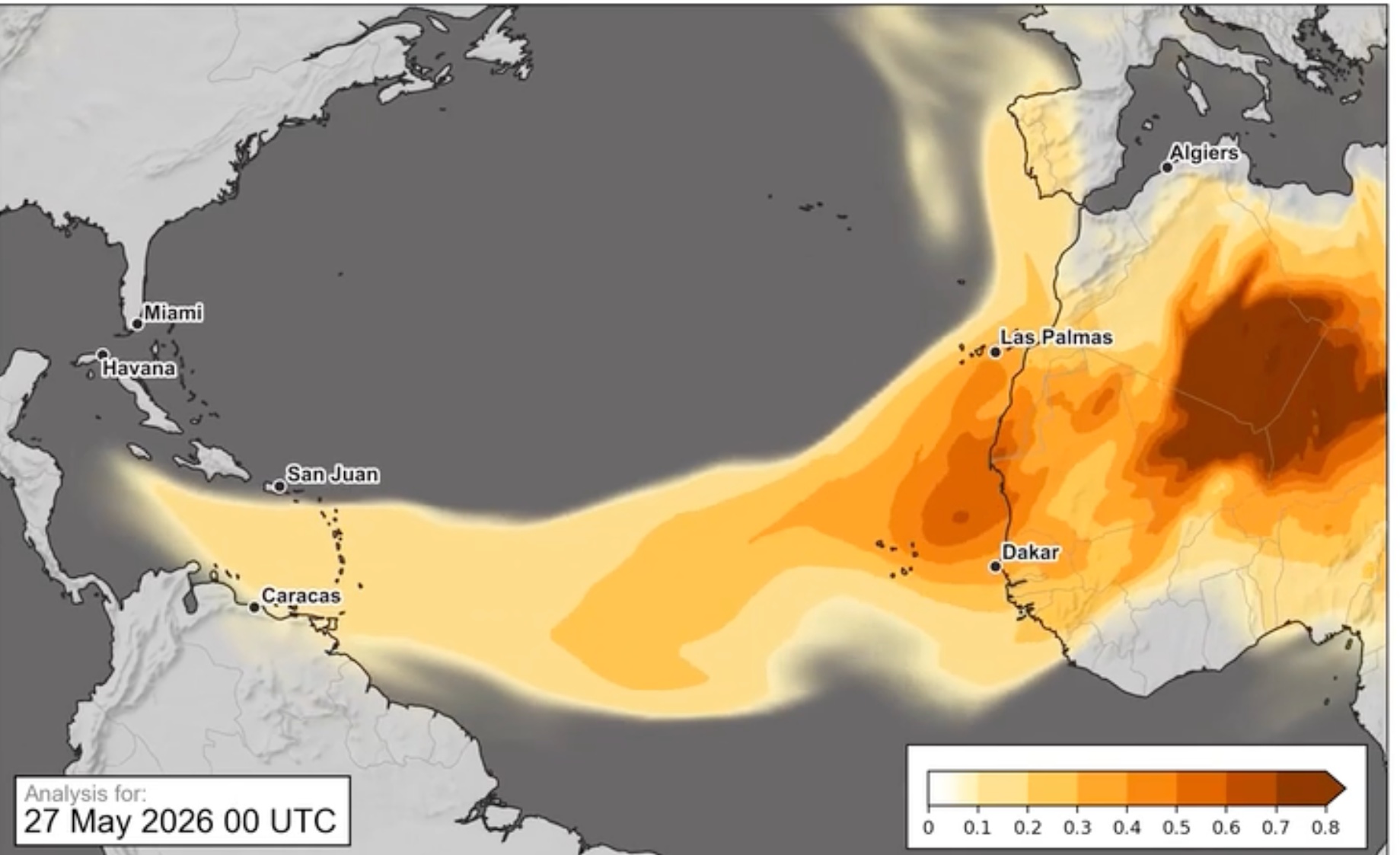
    This latest surge forms part of a much larger Saharan dust plume that has been traversing the entire Atlantic Ocean since early June. Data collected by the European Union’s Copernicus Atmosphere Monitoring Service tracked the massive cloud stretching from the arid west coast of Africa all the way to the Caribbean basin earlier this month. Before reaching Antigua and Barbuda, the plume already degraded air quality across Cabo Verde and other Atlantic island nations along its path, matching longstanding forecasts that predicted the dust would spread across most of the North Atlantic before reaching Caribbean waters.

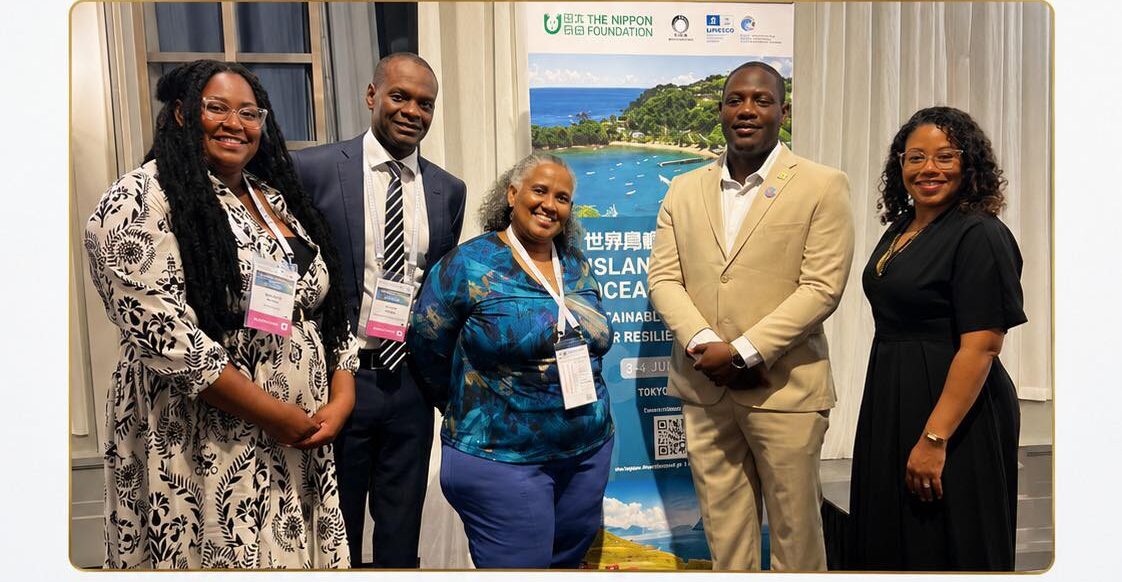
  • Antigua And Barbuda Participates In Island States Ocean Summit In Tokyo

    Antigua And Barbuda Participates In Island States Ocean Summit In Tokyo

    Against a backdrop of growing climate vulnerability for low-lying coastal nations, the 2026 Island States Ocean Summit kicked off on June 3–4 in Tokyo, Japan, gathering global stakeholders around the central mission of turning ambitious ocean sustainability goals into tangible, resilience-building action for island communities. This year’s gathering, themed “Sustainable Ocean Action for Resilient Islands,” brought together a diverse coalition of island state representatives, global development partners, leading marine scientists and representatives of major international organizations, all united by a shared goal: to advance climate-resilient, data-driven ocean planning that meets the unique needs of small island developing states (SIDS).

    Leading Antigua and Barbuda’s high-level delegation to the summit is Honourable Anthony Shamari Smith Jr., the country’s Minister of Agriculture, Lands, Fisheries and the Blue Economy. He is joined by a cross-sectorial team of experts: Climate Ambassador Her Excellency Ruleta Camacho Thomas, Marver Woodley, Senior Operations and Policy Manager at the national Department of the Blue Economy, Dr. Tricia Lovell, Deputy Chief Fisheries Officer, and Dr. Branson Belle from the Centre of Excellence for Oceanography and the Blue Economy at The University of the West Indies Five Islands Campus. The diverse composition of the delegation reflects Antigua and Barbuda’s holistic approach to blue economy governance, bridging policy, science, and climate action.

    During the summit’s opening High-Level Segment, Minister Smith delivered Antigua and Barbuda’s official national statement, grounding the global conversation in the daily reality of SIDS. He emphasized that for Antigua and Barbuda, the ocean is far more than an environmental resource—it underpins every pillar of the national economy, from food security for local communities to the livelihoods of thousands employed in tourism, fisheries, and maritime sectors. Against this context, he laid out the cascading threats that SIDS like Antigua and Barbuda face daily: accelerating sea-level rise that eats away at coastal land, widespread erosion that threatens tourism infrastructure and residential areas, degradation of critical coral reef habitats that buffer storms and support fisheries, rampant marine pollution from plastic runoff and shipping activity, and mounting pressure on finite marine resources that local communities depend on for survival.

    In his address, Minister Smith also outlined the proactive steps Antigua and Barbuda has already taken at the national level to strengthen ocean governance and build long-term resilience. Key initiatives include the ongoing drafting of a landmark national Blue Economy Bill, designed to create a clear legal framework for sustainable ocean use, and continuous work to implement comprehensive Marine Spatial Planning—an approach that maps out competing ocean uses from conservation to shipping to reduce conflict and protect sensitive ecosystems. Both initiatives are designed to support balanced, sustainable management across all key ocean sectors: commercial and small-scale fisheries, tourism, marine conservation, maritime transport, and coastal development.

    Minister Smith went on to reaffirm Antigua and Barbuda’s full commitment to the global 30×30 biodiversity target, which calls for protecting 30% of the world’s land and oceans by 2030. But he also stressed that SIDS cannot meet these global goals alone. He issued a clear call for expanded global access to critical resources for SIDS: advanced ocean science, targeted research support, standardized marine data collection, innovative climate adaptation technology, and sustained technical assistance to help local governments implement their ocean action plans.

    As a newly admitted member of UNESCO’s Intergovernmental Oceanographic Commission, Antigua and Barbuda also expressed strong support for the Summit’s new Sustainable Ocean Planning and Management Strategy, framing it as a valuable, practical framework to advance integrated ocean governance and deepen regional cooperation between island states facing shared climate challenges.

    Beyond the plenary sessions, Minister Smith took part in a High-Level Special Event focused on “Sea Level Rise and International Law,” a gathering dedicated to advancing legal frameworks that protect the sovereign rights and economic interests of SIDS at risk of displacement and territorial loss from rising seas. A core outcome of this year’s summit is the official launch of the new Sustainable Ocean Planning and Management Support Platform, a global initiative designed to scale up technical assistance, improve cross-stakeholder coordination, and strengthen global partnerships to support ocean action in island states. While in Tokyo, Antigua and Barbuda’s delegation has also held a series of bilateral meetings and technical working sessions covering a range of priority issues, from improved ocean governance frameworks to sustainable fisheries management, climate resilience programming, and innovative climate finance for SIDS.

    In closing, Minister Smith reaffirmed Antigua and Barbuda’s long-standing commitment to working hand-in-hand with regional and international partners to advance science-based sustainable ocean management, and build a resilient, inclusive blue economy that will benefit current and future generations of island residents.

  • Vehicle Reported Missing from Cassada Gardens

    Vehicle Reported Missing from Cassada Gardens

    Local law enforcement has issued a public call for information after a privately owned vehicle with registration number A73157 was reported missing from a residential yard in the Cassada Gardens area.

    Details of the incident were first circulated to the public on Thursday, with authorities confirming that the vehicle’s disappearance was discovered earlier that same day. At this stage, investigators have not confirmed the exact circumstances that led to the vehicle going missing, and no suspects have been named or identified in connection with the case.

    Police are urging any member of the public who may have traveled through the Cassada Gardens area recently, noticed the vehicle matching the provided registration number, or has any knowledge of its current location to assist with the ongoing investigation. There are multiple channels available for people to share information: tipsters can either visit their closest local police department in person, or place an anonymous call to one of two dedicated tip lines – 714-5745 or 732-8642.

    Law enforcement emphasized that even small pieces of information could prove critical to recovering the vehicle and resolving the case, and encouraged anyone with relevant details to come forward as soon as possible.

  • OPINION: Paving the way forward: Minister Maria Browne’s impact on national roadworks

    OPINION: Paving the way forward: Minister Maria Browne’s impact on national roadworks

    Across Antigua and Barbuda, a sweeping wave of road rehabilitation and construction projects is reshaping the nation’s transportation landscape, driven by the proactive leadership of Housing Minister Maria Browne. Since taking office, Browne has moved swiftly to deliver on campaign promises, placing critical infrastructure improvement at the top of her administration’s policy agenda.

    The most high-profile of these ongoing projects is the reconstruction of All Saints Road, a key arterial corridor that connects residential neighborhoods and local business districts. When completed, the upgrade is projected to dramatically cut travel times, reduce vehicle wear, and create a safer, smoother driving experience for everyone who relies on the route. Beyond improved mobility, the initiative is expected to catalyze local economic activity by making it easier for businesses to move goods and for customers to access commercial hubs, unlocking new growth potential for the area.

    All Saints Road is not the only project underway. Crews are also advancing substantial upgrades on two other high-traffic routes: Newgate Street and Lauchland Benjamin Drive, both of which serve as critical access points for local communities. Work has also been completed or initiated in dozens of smaller residential and suburban areas, including Collins, Herberts, New Winthropes, Halcyon Heights, and Seaview Farm, spreading the benefits of infrastructure investment across every corner of the nation.

    A key part of the initiative’s success has been the transparent, proactive communication strategy rolled out by the Ministry of Public Works. The department has leveraged multiple media platforms to share regular updates on project timelines, road closures, and progress, keeping the public fully informed every step of the way. This approach represents a marked improvement in both efficiency and professionalism in public communication, demonstrating the government’s commitment to accountability and encouraging ongoing public engagement with local development projects.

    What stands out most to observers is the sustained pace of road work that has been maintained through pre-election, election, and post-election periods. Critics initially voiced skepticism that the infrastructure push could be sustained long-term, arguing that the projects were merely pre-election political posturing. But those doubts have been proven wrong: the momentum of construction and repair work has only accelerated since the election, defying early expectations and underscoring the administration’s genuine commitment to delivering tangible improvements for citizens.

    Browne’s ability to keep this ambitious program on track amid logistical, budgetary, and scheduling challenges is a testament to her strong leadership and the widespread respect she has earned within her ministry. Her hands-on approach and unwavering focus on delivery have turned a long-standing promise of infrastructure improvement into a visible, on-the-ground reality.

    In the end, the nationwide road upgrade initiative is more than just a construction program: it is transforming the physical landscape of Antigua and Barbuda, while also rebuilding public trust in effective governance. Under Browne’s leadership, the current administration has turned infrastructure investment into a source of renewed hope and confidence for communities across the nation, laying the groundwork for long-term inclusive growth.

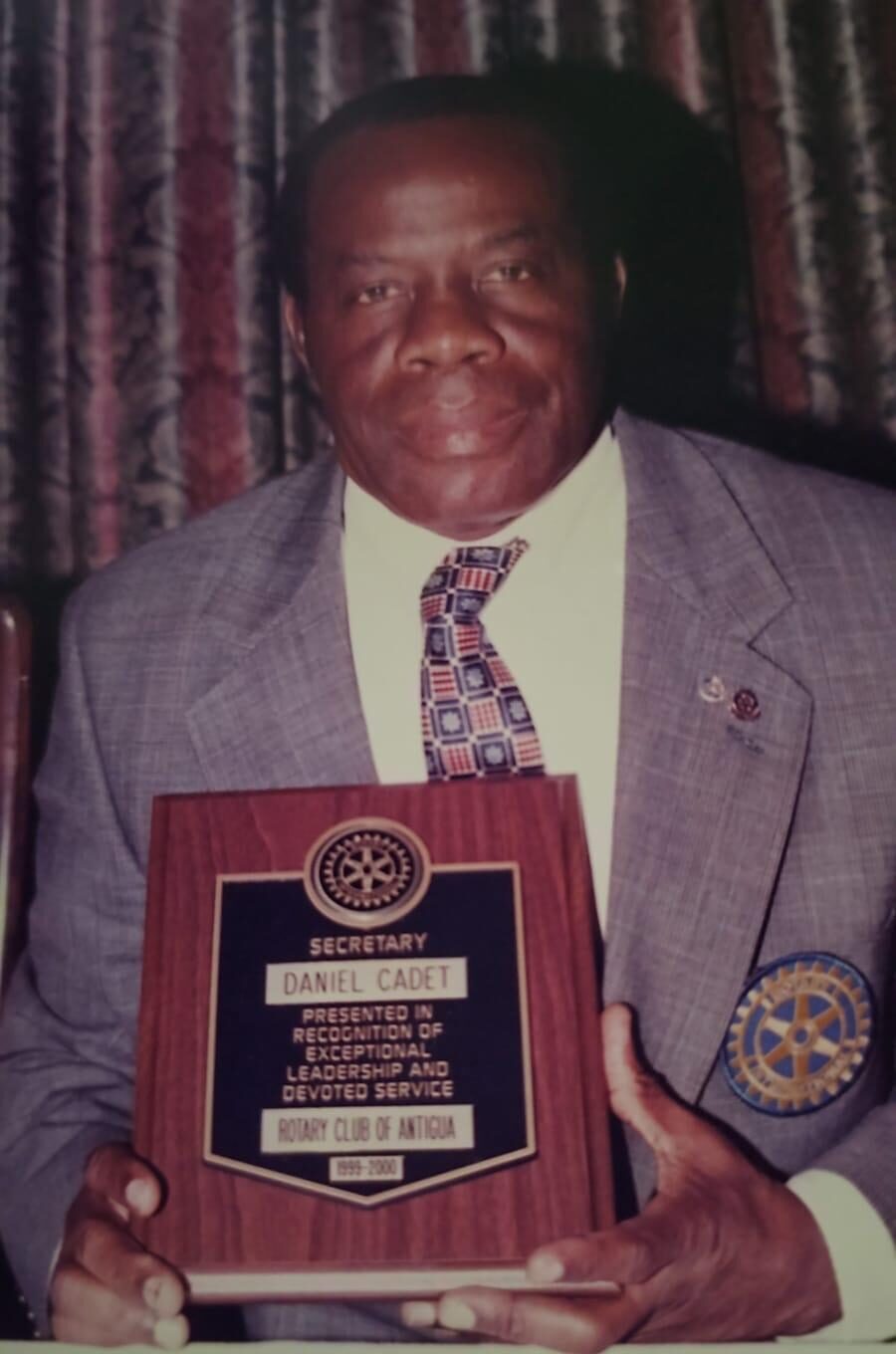
  • He Left Behind Standards, A Tribute to Cousin Daniel Cadet by Dr. Isaac Newton

    He Left Behind Standards, A Tribute to Cousin Daniel Cadet by Dr. Isaac Newton

    Daniel Cadet, a beloved Caribbean tourism leader and family man, grew up rooted in the quiet, grounding rhythms of rural St. Lucia long before he became a well-recognized name in regional hospitality. His childhood home, tucked between rolling, rugged hills and the island’s windswept, stunning coast, taught him foundational lessons that would shape every part of his life: that the land rewards only consistent, patient care, that life is a gift to be cherished rather than a possession to hoard, and that character is forged when no one is watching. From these early origins, three core commitments took root in him: work would always be done with intentional care, every person would be treated with inherent dignity, and integrity would guide his choices even in unobserved moments.

    Long before he stepped into leadership roles, Cadet mastered the art of listening before speaking, extending empathy before correcting others, and embodying excellence before demanding it from anyone else. He never leaned on grand slogans or self-promotion to assert influence; every aspect of his quiet, deliberate life served as a lesson for those around him. He lived by unwavering personal standards, and that consistency spoke far louder than any flashy rhetoric could.

    Over his decades-long career, Cadet served across the Caribbean tourism sector, holding roles in hotel operations, professional training institutions, and industry leadership. In an industry defined by constant change, high turnover, and rapid movement, he emerged as a steady benchmark for reliability and ethical practice. The Antigua and Barbuda Hotel and Tourism Association honored him as a distinguished professional whose work lifted up both individual team members and entire organizational systems. Even that formal recognition, however, fails to capture the full scope of his impact: he did not merely manage hospitality operations; he reshaped how people showed up for their work, their colleagues, and themselves.

    Dr. Isaac Newton, the author of this tribute, first knew Cadet as family, then later worked under him as a young intern at Antigua’s Heritage Hotel as he learned to navigate professional responsibility. Cadet never leaned into heavy-handed authority to assert control; instead, he brought quiet clarity to every situation. When Newton arrived late to a shift one day, there was no public shaming or angry outburst, only a polite but firm correction that reframed timeliness not as a arbitrary rule on a schedule, but as a basic act of respect for teammates and guests. In that moment, Newton learned that lateness is never just about minutes lost—it is a measure of how much we value other people’s time.

    On another occasion, Newton made a critical error during a guest checkout that required an urgent rush to the airport to fix, leaving him bracing for harsh punishment when he returned. Instead of demanding an explanation or doling out criticism, Cadet asked one simple question: What has this taught you about who you want to be? He did not care about rehashing the details of the mistake; he cared about pushing Newton to grow from the experience. In that exchange, Newton grasped a lesson he has carried ever since: Cadet did not judge people by their missteps—he cared more about who they were becoming.

    That same steady, intentional character defined Cadet’s family life just as much as his professional work. He would show up early to help family prepare for incoming storms, not for recognition, but to make sure his loved ones were safe. He stepped into tense family disagreements early, before stubborn pride could harden into permanent rifts. He laughed freely, spoke gently, and corrected mistakes without breaking the spirit of the person on the receiving end. Even when his life became more comfortable and abundant, he never forgot the discipline his upbringing had taught him, framing that discipline not as a restrictive burden, but as a grounding anchor that keeps families whole. He understood a truth that eludes many: strong families do not survive on shared memories alone—they stay strong through consistent, intentional investment in one another.

    Even after Newton launched his own career as a leadership and governance expert, the two stayed in touch, with Cadet offering sharp, honest feedback on Newton’s writing. If a passage was unclear or an argument weak, he never sugarcoated his input—his criticism was always meant to refine, not diminish. During one memorable lunch at a local golf club, Cadet spoke at length about rhythm, patience, timing, and restraint. Newton never took up golf, but he left that conversation with a far more valuable lesson: some moments cannot be rushed, some outcomes will not bend to urgency, and frustration never improves your next step. Cadet was not teaching golf that day—he was teaching how to respond to life’s ups and downs with grace.

    Today, Cadet is gone, but the foundation he built remains unshaken. His influence lives on in the coworkers who refuse cut corners on quality, in the leaders who correct mistakes without humiliating others, in the families who choose calm dialogue over angry reaction, and in every person who picks themselves up after failure without losing their dignity. These are not just static memories stored away in photo albums—they are living practices that continue to unfold in the lives of everyone he touched.

    Many people leave behind famous stories or impressive achievements when they pass. Cousin Daniel Cadet left behind standards. And unlike achievements that fade from memory, standards do not stay in the past—they wait to be lived out again by every new generation that encounters his legacy.

    *Editor’s Note: The author of this tribute, Dr. Isaac Newton, is a leadership strategist and governance expert with degrees from Harvard, Princeton, Columbia, and Oakwood University. He has published the books Face Life Squarely and Intimate Intimacy, co-authored the published Steps to Good Governance, and is working on a forthcoming book titled Daring to Hope. He advises leaders and institutions across the Caribbean on ethical leadership, organizational culture, and transformational change.*