标签: Antigua and Barbuda

安提瓜和巴布达

  • Barbuda Senator Celebrates 20 First-Time Driver’s Licence Registrations

    Barbuda Senator Celebrates 20 First-Time Driver’s Licence Registrations

    One month after launching its local driver licensing operations, the office of Barbuda Senator Kendra Beazer has hit a key early milestone: 20 local residents have successfully secured their first-ever driver’s licences through the new service. In an official statement shared this week, Senator Beazer’s office framed this achievement as more than a procedural win — it is a tangible marker of growing progress and expanding access to opportunity for people across the island of Barbuda.

    To keep the momentum going, the office has issued an open invitation to all residents who have completed the necessary preparation to apply for their driver’s licence to sign up for the next round of processing, aiming to clear more applications and serve more community members in the coming weeks.

    Beyond the licensing initiative, the statement outlines a broader priority for local governance: the Barbuda Council has placed the development of upgraded island-wide road infrastructure at the top of its policy agenda. According to local officials, investing in improved roads will deliver widespread benefits, boosting overall accessibility, enhancing road safety for all users, and lifting the quality of Barbuda’s core public infrastructure.

    Senator Beazer’s office emphasized the critical link between transportation infrastructure and economic and social opportunity, reiterating its call for the Barbuda Council to move forward with the road improvement proposal without delay. The office argued that sustainable, people-centered development should not be held back by bureaucratic hesitation, urging all stakeholders to throw their support behind projects that directly raise the quality of life for Barbuda’s residents.

    “Safe, well-built roads open up access to every essential part of community life: from schools and healthcare facilities to employment centers,” the statement added. “These connections do more than move people from place to place — they keep families connected, strengthen local commercial activity, and help the entire island build greater long-term resilience in the face of future challenges.”

  • UPP Calls General Membership Meeting for June 10

    UPP Calls General Membership Meeting for June 10

    The United Progressive Party (UPP), the main opposition political force in Antigua and Barbuda, has officially called a general gathering of its dues-paying financial members, scheduled to take place on June 10. The official announcement of the meeting was made in a public notice signed by Jamale Pringle, the party’s current political leader. Per the details outlined in the notice, the session is set to kick off at 7 p.m. local time at the Antigua and Barbuda Workers’ Union headquarters, located on Lower Newgate Street. The invitation extended by the party opens the meeting to all financial members representing every constituency branch of the UPP across the country. In the notice, party leadership emphasized that every attending member’s input and participation is highly valued, as the organization continues to advance its core activities and deepen its outreach to its base of supporters across the nation. Notably, no specific agenda items were disclosed to the general public in the released notice. This closed-door membership gathering comes as the UPP carries out a series of internal organizational efforts and pre-planning work ahead of upcoming political activities on the country’s political calendar, as the opposition prepares for future electoral and legislative engagements.

  • Five Islands Campus Claims Three Medals in First-Ever UWI Games Campaign

    Five Islands Campus Claims Three Medals in First-Ever UWI Games Campaign

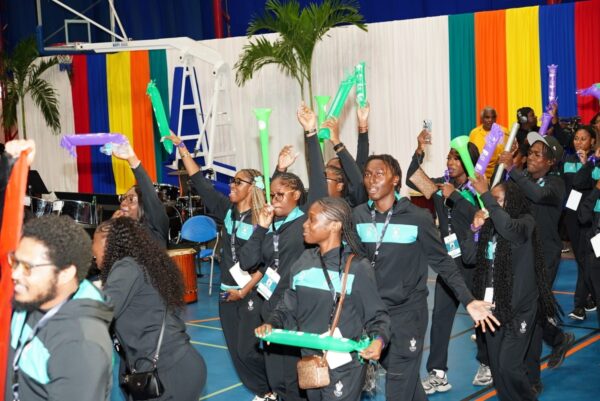
    The 2026 edition of the University of the West Indies (UWI) Games has drawn to a close at the St. Augustine Campus in Trinidad and Tobago, capping off a week of elite regional collegiate athletic competition defined by fierce on-court rivalries and powerful cross-border unity. Defending champions Mona Campus cemented its status as the dominant force in UWI athletics by retaining the overall tournament title, while the Five Islands Campus turned heads with an extraordinary fourth-place finish in its first ever Games appearance.

    Under the tournament theme “Reunited, Reignited, Ready,” the competition brought together hundreds of student-athletes from all of UWI’s geographically scattered campuses, uniting Caribbean communities through shared sporting passion. In their breakthrough debut, the Antigua and Barbuda-based Five Islands Campus amassed three bronze medals and 44 total points, finishing ahead of the UWI Global Campus to announce itself as a legitimate emerging competitor in the regional tournament. The new program claimed bronze in three high-profile team events: men’s basketball, men’s football, and women’s volleyball.

    Mona Campus, the Jamaican flagship campus of the UWI system, delivered a dominant performance across multiple disciplines to defend its title. The campus claimed gold in seven events – including women’s football, women’s basketball, and men’s volleyball, alongside dominant wins in cricket, table tennis, tennis, and track and field – adding five silver and two bronze medals to finish atop the final standings with 136 total points.

    Host campus St. Augustine claimed second place overall with a total of 114 points, earned from four gold, four silver, and five bronze medals. The Trinidadian squad took home top honors in swimming, men’s basketball, men’s football, and hockey. Barbados’ Cave Hill Campus rounded out the top three with 108 points, notching three gold (in women’s netball, women’s hockey, and women’s volleyball), five silver, and four bronze medals. The UWI Global Campus, which fielded its largest contingent in the history of the tournament, finished fifth with 22 points; the campus earned one individual accolade, as Imani Edwards Taylor took home Most Valuable Player honors for table tennis.

    The official closing ceremony, held at the campus’ Sport and Physical Education Centre (SPEC), celebrated both individual athletic excellence and the enduring power of Caribbean regional integration. Attendees watched highlight reels of the week’s most iconic moments, joined a celebratory processional, and gathered for the official medal and award presentation before closing remarks from key institutional and government leaders.

    In her address to competing student-athletes, Professor Rose-Marie Belle Antoine, Pro Vice-Chancellor and Principal of the St. Augustine Campus, emphasized the core values that sport fosters beyond competition. Urging participants to carry the lessons of honor, courage, fairness, reliability, and discipline into all areas of their lives, she noted that lasting athletic success is only earned through merit, consistent hard work, and intentional discipline. She framed the UWI Games as a critical demonstration of regional unity, saying, “We come from different territories, campuses and cultures, we are part of one extraordinary region,” and encouraged students to nurture cross-Caribbean connections long after the tournament concluded. She also extended gratitude to the volunteers, organizers, sponsors, and participating campuses whose collective work made the successful return of the tournament possible.

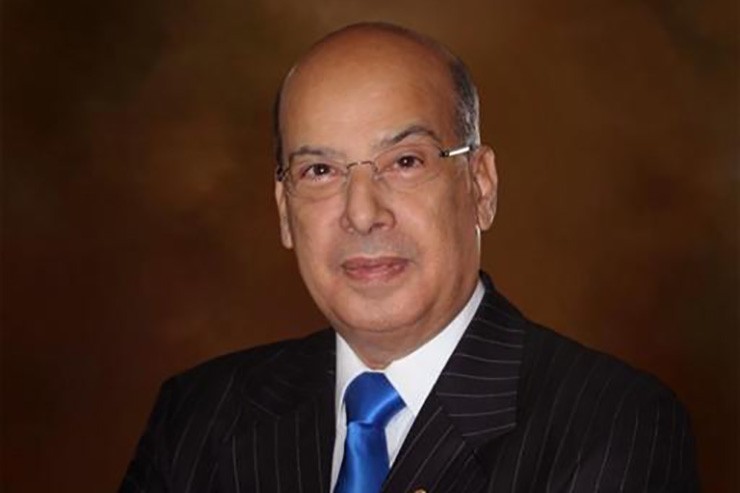
    Speaking on behalf of UWI Vice-Chancellor Sir Hilary Beckles, Mona Campus Principal Professor Densil Williams praised the St. Augustine community for delivering what he called “Caribbean hospitality at its best.” Trinidad and Tobago’s Minister of Tertiary Education and Skills Training, Senator Emeritus Professor Prakash Persad, also addressed the gathering, drawing on his own experience as a school cricketer and martial arts practitioner to emphasize that the tournament’s value extends far beyond medal counts. “It is about growth, connection, and the pursuit of excellence. It is about building character, accepting losses as well as victories,” Persad said. “It is not only useful to produce graduates who are good academically but graduates who are physically strong, mentally resilient, emotionally balanced and socially aware.” He also called for the addition of martial arts to future tournament programs and encouraged students to prioritize sport as a core pillar of personal development.

    The ceremony concluded with the official handover of hosting duties to Cave Hill Campus, which will organize the 2028 UWI Games. Deputy Campus Principal Professor Winston Moore accepted the ceremonial baton from St. Augustine Deputy Principal Professor Derek Chadee, formally marking the start of preparations for the next iteration of the regional competition. Closing celebrations continued with vibrant cultural performances, live music, and an open-air reception, bringing an end to a tournament that showcased top-tier Caribbean collegiate athletics, fostered cross-island camaraderie, and introduced a promising new competitor to the UWI sporting landscape.

  • COMMENTARY: Language is Infrastructure

    COMMENTARY: Language is Infrastructure

    When we talk about critical infrastructure that holds modern communities together, most minds jump to highways, high-speed internet pipelines, power grids, and water treatment systems. These physical and digital frameworks are visible, their failures make headlines, and billions in investment flow into upgrading them every year. Yet one of the most foundational structures shaping every part of daily life, global collaboration, and cultural exchange remains almost entirely overlooked in these conversations: language. This commentary makes the case that language deserves to be framed and understood as infrastructure, because like any other core system, it enables connection, enables access to opportunity, and breaks down when it is not properly maintained and invested in.

    Infrastructure, at its core, is any interconnected system that enables the movement of people, goods, ideas, or services between different groups. Without a shared, functional language system, this movement grinds to a halt. A doctor cannot diagnose a patient if they cannot understand each other’s descriptions of symptoms. A business cannot close an international trade deal if negotiators cannot exchange clear, nuanced terms. A student cannot access knowledge written in an unfamiliar script or vocabulary, cutting them off from educational opportunity that would advance their life and career. Just as a broken bridge stops trucks from delivering food to cities, a gap in shared language stops critical resources from reaching the people who need them.

    This framework becomes even more relevant as the world grows more interconnected through digital communication and migration. Multilingual societies across Europe, North America, and beyond face growing pressure to support multiple language communities, rather than sidelining minority or migrant languages in favor of a single dominant tongue. When governments fail to invest in translation services, bilingual education, and accessibility for non-dominant language speakers, they create systemic barriers that exclude millions from public services, voting rights, and economic participation. This is equivalent to underfunding rural road networks, leaving entire communities cut off from the mainstream.

    Critics may argue that framing language as infrastructure dilutes the meaning of the term, but this perspective misses the core function that both systems serve. Infrastructure does not have to be physical to be critical. Digital infrastructure, like cloud server networks or 5G towers, is widely accepted as critical, even if most people never see the physical hardware. Language operates the same way: it is an invisible system that powers every interaction across public and private life. Neglecting it, like neglecting any other infrastructure, leads to growing inequality, disconnected communities, and missed opportunities for collaboration and progress. Recognizing language as infrastructure is the first step to investing in it more intentionally, building more inclusive connected societies for everyone.

  • OP-ED: The Watchman Has Walked Off the Wall What hurricanes cost a small island and why climate denial in Washington is a sentence passed on us

    OP-ED: The Watchman Has Walked Off the Wall What hurricanes cost a small island and why climate denial in Washington is a sentence passed on us

    As June ushers in the 2026 Atlantic hurricane season, the long-held Caribbean rhyme that guides seasonal preparation still echoes across the archipelago: June too soon, July standby, August a must, September remember, October not yet over. For generations, this rhyme has been more than a folk tradition — it is a survival manual, etched into collective memory by countless storms that have rewritten lives and landscapes.

    I grew up in St. Vincent & The Grenadines, and one story has never left me. In November 1999, Hurricane Lenny defied all seasonal expectations, roaring from the west into a coast generations had considered safe. A friend of mine, Joseph, had just finished seven years of skipping lunches and mending nets to pay off his 30-foot fishing boat. He tied it to shore with three heavy ropes, but by dawn, only the frayed ends of those ropes remained. The boat was gone. Joseph did not cry. He just sat on the beach, where the storm had rearranged the sand into an unrecognizable landscape. A month later, he left for work on a cruise ship out of Miami. In 25 years, he has come home only four times. This is what hurricanes do to small island communities: they do not always kill you, but they yank the life you built out from under your feet, forcing you to live it on someone else’s terms.

    The crisis grew more urgent just last year. In July 2024, Hurricane Beryl became the earliest Category 5 storm ever recorded in the Atlantic, cutting a devastating path through the Grenadines. Ninety percent of Union Island’s housing stock was destroyed, and every roof on the small island of Mayreau was torn off. Three weeks after the storm, I met a woman named Celia there, who had sheltered in a stone church with her two children through the worst of it. When the eye of the storm passed over, her four-year-old son Malachi looked up and asked, “Mummy, is God angry at us?” Celia told him no, but she hid the truth: the church walls were shaking, and the stained glass had shattered into a horizontal rain of colored shards. When they emerged, only one wall of their home was still standing. Pinned to that wall, where their kitchen once stood, was Malachi’s baby photograph. That photo will likely cross oceans before Celia ever sees a cent of payout from the global Loss and Damage fund promised to vulnerable nations.

    This is not just a story of bad weather. The Caribbean has warmed by nearly 2°F since 1980. That number is not an abstract statistic: it is why Beryl reached Category 5 strength in July, months earlier than the historic peak of the season. For Caribbean nations, hurricanes are never just weather events — they are reverse development, erasing decades of progress in a single night. When Hurricane Maria hit Dominica in 2017, it caused damage equal to 226% of the country’s annual GDP. More than two full years of the nation’s collective output was destroyed overnight. Ninety percent of all housing was leveled, the entire power grid was knocked out, and poverty rates were projected to jump to 43%. With no disaster reserve to draw on, Dominica was forced to borrow against its children’s future to rebuild what its people had already paid for once.

    What you will not find in World Bank reports is the human cost of repeated disaster. Maria struck Dominica just two years after Tropical Storm Erika had already gutted much of the island. After Maria, a teacher in Roseau told me of 12-year-old students who had already lost three homes since 2015. Three homes, one childhood. Small island nations are hit again before we can finish rebuilding from the last storm, mortgaging the same schools and clinics twice in a single generation — and paying interest on the debt we did not ask for. We call the constant endurance of this trauma “resilience”, but the truth is, these children are not resilient. They are exhausted. We use the word resilience because the alternative — admitting that we have abandoned them to this fate — is too unbearable to face.

    This year, the U.S. National Oceanic and Atmospheric Administration (NOAA) is forecasting a below-normal hurricane season, and many breathed a sigh of relief. But we in the Caribbean know better. We cannot afford to relax. Every leading forecaster attaches the same critical warning to this outlook: it only takes one storm to destroy a generation. A “quiet” season does not mean no dangerous storms — it just means fewer chances that the deadly storm will miss your island home.

    Who stands watch with us over the Atlantic sky today? That question has a newly devastating answer: the global power that once led climate science and storm forecasting has deliberately walked away from its post. In February 2025, the current U.S. administration revoked the decades-old legal finding that greenhouse gases endanger human health, even as the U.S. National Academies of Sciences confirmed that the evidence of climate harm is stronger than ever. The administration did not even bother to refute the peer-reviewed science — it simply stepped around it. A sitting cabinet secretary openly declared that “CO₂ was never a pollutant.” Imagine that: a politician sitting in a temperature-controlled office in Washington declaring carbon emissions harmless, while the people of Mayreau climb through the rubble of their collapsed homes and shattered lives. That official will never have to bury a neighbor killed by a storm that could have been forecast. They live in a world where the bill for climate change is sent elsewhere: to small islands that contributed almost nothing to global emissions, but are paying nearly the full price.

    This climate denial is not just words — it has tangible, deadly consequences. Washington has already cut hundreds of jobs from the U.S. National Weather Service and proposed slashing funding for the Miami forecasting laboratories that refine Atlantic storm tracking. Experts warn that without this work, hurricane forecasting accuracy could drop by as much as 40%.

    Translate that into the lived reality of a mother in Basseterre, Bridgetown, Castries, Kingstown, Kingston, St Georges or St John’s. That 40% drop in accuracy is the difference between getting your grandmother to safety before the storm hits, and leaving her behind because forecasters said the storm would turn north. That is not a statistical error in a climate model — that is the difference between life and a search party. Storms draw their strength from warm ocean water, heated by the same carbon emissions Washington now declares harmless. The forecast cone that tells a family when to board up their home and evacuate comes out of those Miami labs. When Washington chooses to blind itself to climate science, it blinds us too.

    The Caribbean scholar Lloyd Best once taught us to see our regional economy as a modern plantation: built for the benefit of wealthy global powers, with our survival treated as an afterthought. The tools meant to protect us have always been held in other people’s hands. The United States has now withdrawn from the Paris Agreement, abandoned its seat on the board of the global Loss and Damage Fund, and let its climate pledges evaporate. When the world’s largest historical emitter decides that science is negotiable, we get no vote. We just get the bill and a fresh grave to dig. The colonial mindset did not disappear — it was repackaged as a domestic budget cut, sold to U.S. voters as “putting America first”.

    But the failure is not only Washington’s. Earlier this year, when the Pacific small island nation of Vanuatu brought its landmark International Court of Justice ruling on climate change to the UN General Assembly — asking only that all nations affirm their legal duty to protect vulnerable climate frontlines — one Caribbean nation, Trinidad and Tobago, was absent from the vote. It did not oppose the measure, did not abstain, it simply did not show up, even as a sister island spoke for all small island developing states. We cannot demand global solidarity if we refuse to practice it ourselves.

    This is no time to endure this crisis and then forget it. The U.S. president who rolled back climate protections will hold office for this season and two more, but the damage he has done will not expire when his term ends. A generation of climate-resilient infrastructure and forecasting capacity can be destroyed in one season, and takes a decade to rebuild. Whoever succeeds him will inherit a watchtower with its eyes already put out. When we say the Caribbean cannot wait, we mean it: we are facing three more hurricane seasons with a warning system that has been deliberately starved of funding and authority. Our lives are on the line, and waiting is just wagering our lives to appease political interests in a distant capital. We refuse to wager our lives.

    Lament must become a vow, because despair is just dependency in darker clothing. We are not starting from nothing: we already have a regional disaster agency that responded rapidly to Beryl, an insurance facility that delivers payments within days, and a meteorological institute in Barbados that trains our own forecasters. All that is missing is scale, sustained financing, and the political will to take ownership of our own protection.

    So it is time for us to build it ourselves. Let us build our own independent satellite reception, free from the budget cycles and political whims of foreign governments. Let us build our own regional forecasting centre, free to issue warnings without needing a signature from Miami. Let us create our own regional disaster bond facility, funded by a small levy on the tourism industry that profits from our beautiful beaches, while we bear all the climate risk.

    Let us set clear, binding deadlines: by the 2029 hurricane season, we will have a fully Caribbean-owned, regional forecasting capability. By 2030, we will have a fully regionally capitalized disaster bond mechanism. This work does not need Washington’s permission — it only needs our collective resolve.

    We must build this for the people who actually call this region home: for Celia and Malachi, for the 12-year-old children in Roseau who have lost three homes before they even hit puberty. I think of those families huddled around their radios, straining to hear a voice that can see the storm coming before it hits them. That voice is being deliberately switched off, thousands of miles away in another hemisphere. The watchman has walked off the wall, and called that action freedom. But the wall is still ours. Our children are still behind it. No one is coming to save us. We have to hold it ourselves.
  • Antigua and Barbuda Faces Aging Population Trend as Median Age Hits 35.5

    Antigua and Barbuda Faces Aging Population Trend as Median Age Hits 35.5

    Demographic age structure stands as one of the most powerful determinants of a country’s long-term economic health, influencing everything from labor market capacity to the sustainability of public social programs and the composition of domestic consumer demand. For the Caribbean Community (CARICOM), a 15-member regional bloc, new 2023 demographic estimates from the United Nations Department of Economic and Social Affairs’ World Population Prospects 2024 reveal a stark split in median ages, creating vastly different economic challenges and opportunities across member states.

    At one end of the spectrum, four CARICOM economies retain relatively young demographic profiles, with median ages falling below the global median of 30 years. Haiti, the bloc’s youngest nation, records a median age of just 23.5 years, followed by Guyana at 25.6, Belize at 25.9, and Suriname at 28.1. Persistently higher birth rates in these countries, most notably Haiti and Guyana, have kept populations young even as fertility rates decline across most of the broader region. For these young economies, the central economic challenge is creating enough quality formal employment to absorb a rapidly expanding cohort of working-age people, a hurdle that will define growth and social stability for decades to come.

    On the opposite end of the demographic spectrum, 11 CARICOM member states have already surpassed the global median age, with three nations leading the older end of the distribution. Montserrat, the bloc’s oldest territory, has a median age of 41.5 years, followed closely by Barbados at 38.9 and Trinidad and Tobago at 36.7. This aging trend has been driven by two long-term demographic shifts: decades of falling fertility rates that have reduced the number of young people entering the population, and sustained emigration of working-age residents that shrinks the labor pool over time. For these aging economies, the growing strain is felt acutely in public finance: as the working-age population contracts, the share of older residents relying on public pension systems and healthcare services grows, stretching government budgets and forcing difficult policy trade-offs.

    Between the two clear tiers of young and aging member states, eight nations fall in a middle demographic range, with median ages clustering between 31 and 36 years. Recent regional fertility data suggests this demographic split will shift in the coming decades, with an increasing number of CARICOM economies moving from the young, growing cohort group into the aging, shrinking labor force group over time.

    This analysis was published by CARISTATS, a free regional statistical and analysis platform. The outlet has called for voluntary reader support, noting that users can pledge a future subscription to endorse its work, with no charges incurred until payment systems are formally activated.

  • UWI Researcher Among Experts in Landmark Global Study on Chronic Kidney Disease

    UWI Researcher Among Experts in Landmark Global Study on Chronic Kidney Disease

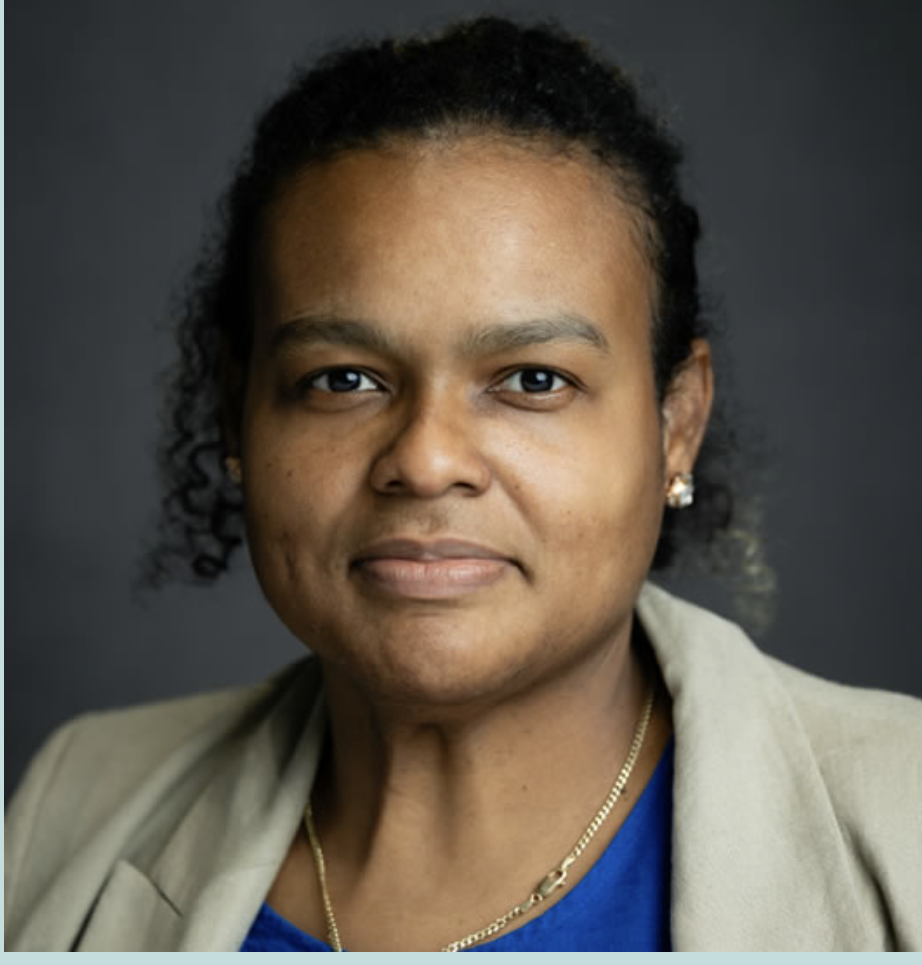
    Chronic kidney disease (CKD) has quietly emerged as one of the fastest-growing public health threats across the globe, and a new landmark research series published in *The Lancet* is sounding the alarm over the need for urgent, coordinated action. Among the leading international experts contributing to this pivotal work is Dr. Lori-Ann Fisher, a consultant nephrologist, intensivist and lecturer based at the Epidemiology Research Unit of the Caribbean Institute for Health Research (CAIHR) at The University of the West Indies (The UWI).

    Led by Dr. Jennifer Lees of the University of Glasgow, the multi-paper series frames CKD as a rapidly escalating global health crisis, and calls for sweeping improvements in three core areas: early diagnosis, preventive care, and accessible treatment. In her commentary on the research, Lees emphasized that CKD remains one of the most underaddressed, high-impact conditions affecting global populations today. “The overriding message from our series of research papers is that there remains a pressing need for attention and resources to be focused on this condition,” Lees noted.

    Current global health data underscores the scale of the problem: CKD is already the ninth leading cause of death worldwide, affecting an estimated 844 million people across all income regions. Projections from the study indicate that without targeted intervention, CKD will climb to become the fifth leading cause of global death by 2040. What makes this burden even more striking is the widespread gap in diagnosis: even as cases rise, CKD remains vastly underdetected, a gap that is particularly acute in low- and middle-income regions such as the Caribbean, where public awareness and routine screening infrastructure remain limited.

    For the Caribbean, the CKD burden carries uniquely severe consequences. Data from the Jamaica Health and Lifestyle Survey shows that roughly 15% of Jamaicans are currently living with CKD, and a large share of those patients are already diagnosed at advanced or high-risk stages of the disease. For Fisher, who has spent years researching CKD epidemiology across the region, the path to better outcomes hinges entirely on earlier detection. In the Caribbean, access to life-saving interventions like kidney transplants and long-term dialysis is severely limited, making early intervention far more critical than in better-resourced regions. “We now have accessible medications that treat kidney disease and reduce progression to kidney failure,” Fisher explained. “In the Caribbean, where access to transplant and dialysis is limited, detecting kidney disease early is crucial to improve outcomes. Investment in strengthening healthcare systems to detect and treat kidney disease is paramount for the health of our nations.”

    One of the core barriers to early detection that the study highlights is CKD’s asymptomatic progression. In early and moderate stages, most patients experience no obvious symptoms, leading to delayed testing and treatment that often only begins once the disease has reached its most severe stages, when organ replacement therapy is already the only viable option. The research confirms that simple, low-cost urine and blood tests can effectively diagnose CKD in its early stages, but routine implementation of these screenings remains inconsistent across most national healthcare systems.

    Fisher’s participation in this landmark global publication is far from an isolated contribution; it reflects The UWI’s decades-long commitment to addressing pressing regional and global health challenges through rigorous research and evidence-based policy advocacy. As a specialist with deep expertise in CKD epidemiology, sickle cell nephropathy, and lupus nephritis in the Caribbean context, Fisher has built a career advancing understanding of CKD prevalence and associated risk factors across Jamaica and the wider Caribbean. She currently also serves as Chair of the International Society of Nephrology (ISN) North America and Caribbean Regional Board, working to amplify the region’s voice in global kidney health priority-setting.

    Now in its 76th year of operation, The UWI has grown from its 1948 founding as a small London-affiliated university college in Jamaica with just 33 medical students into a world-class, globally recognized institution serving nearly 50,000 students across five physical campuses and a global online network. Today, the university’s campuses include Mona in Jamaica, St. Augustine in Trinidad and Tobago, Cave Hill in Barbados, Five Islands in Antigua and Barbuda, and its fully online Global Campus, with additional research and academic partnerships with leading institutions across North America, Latin America, Asia, Africa, and Europe.

    Offering more than 1,000 certificate, diploma, undergraduate and postgraduate degree programs across fields ranging from creative arts and engineering to law, medical sciences, and social policy, The UWI stands as the Caribbean’s leading academic institution, home to the region’s largest concentration of research expertise focused on solving the most critical challenges facing Caribbean and global communities. Since 2018, The UWI has held a consistent place in *Times Higher Education* (THE) annual global university rankings, and it remains the only English-speaking Caribbean institution to be featured across four of THE’s most prestigious ranking categories: the World University Rankings, which evaluate more than 2,000 leading research-focused universities globally; the Golden Age University Rankings for institutions founded between 50 and 80 years ago; the Latin America and Caribbean Rankings; and the Impact Rankings, which assess universities based on their contributions to the United Nations’ Sustainable Development Goals (SDGs). This global recognition has also supported the launch of the university’s International School for Development Justice (ISDJ), a global online graduate business school focused on training the next generation of leaders to advance equitable sustainable development. As an SDG-engaged university consistently ranked among the world’s top institutions for impact, The UWI continues to center pressing public health challenges like CKD at the core of its research mission.

  • Two Antiguan Chefs Featured on BBC MasterChef UK Finals Week

    Two Antiguan Chefs Featured on BBC MasterChef UK Finals Week

    Two standout culinary professionals from Antigua and Barbuda have earned widespread acclaim from the islands’ leading hospitality industry body after bringing local food culture to one of the United Kingdom’s most-watched cooking competition shows. The Antigua and Barbuda Hotels and Tourism Association (ABHTA) has issued official congratulations to Eustace Cabral Jr., head chef at the luxury Jumby Bay Island Resort, and Maurine Bowers of Moon Gate Antigua, following their feature appearance during the high-profile Finals Week of BBC MasterChef UK.

    The landmark episode premiered June 3 on mainstream UK network BBC One, with additional streaming access available on the BBC iPlayer platform, bringing the vibrant flavors and rich culinary heritage of Antigua and Barbuda directly to millions of viewers across the UK and international audiences tuning in from around the globe. The production took the competition on-location to the islands, giving the MasterChef finalists an immersive hands-on experience with Antiguan and Barbudan cooking traditions.

    During their segments, Bowers led the competing finalists through the step-by-step preparation of iconic, generations-old Antiguan dishes against the scenic backdrop of Nelson’s Dockyard, a UNESCO World Heritage site and major tourist draw. For his challenge, Cabral tasked the contestants with replicating his signature modern cuisine, which draws deep inspiration from classic Caribbean flavor profiles, at the elegant Jumby Bay Estate House.

    Beyond their high-profile television appearance, ABHTA highlighted the longstanding contributions both chefs have made to growing the nation’s tourism sector and nurturing the next generation of culinary talent. Both professionals have served as trusted mentors and judges for the Taste of Wadadli Junior Chef Competition, an initiative designed to cultivate young local cooking skill, and they also represent Antigua and Barbuda as active members of the country’s national culinary team.

    The industry association also extended praise to the Antigua and Barbuda Tourism Authority for its work in securing the game-changing opportunity to showcase the islands’ food culture, natural beauty, and homegrown culinary expertise to a global audience on such a respected international platform. ABHTA framed the chefs’ MasterChef feature as both a remarkable personal career milestone for the two culinary leaders and a transformative promotional chance to position Antigua and Barbuda as a world-class must-visit culinary tourism destination.

  • Motorists Advised of Overnight Closure Along All Saints Road Route

    Motorists Advised of Overnight Closure Along All Saints Road Route

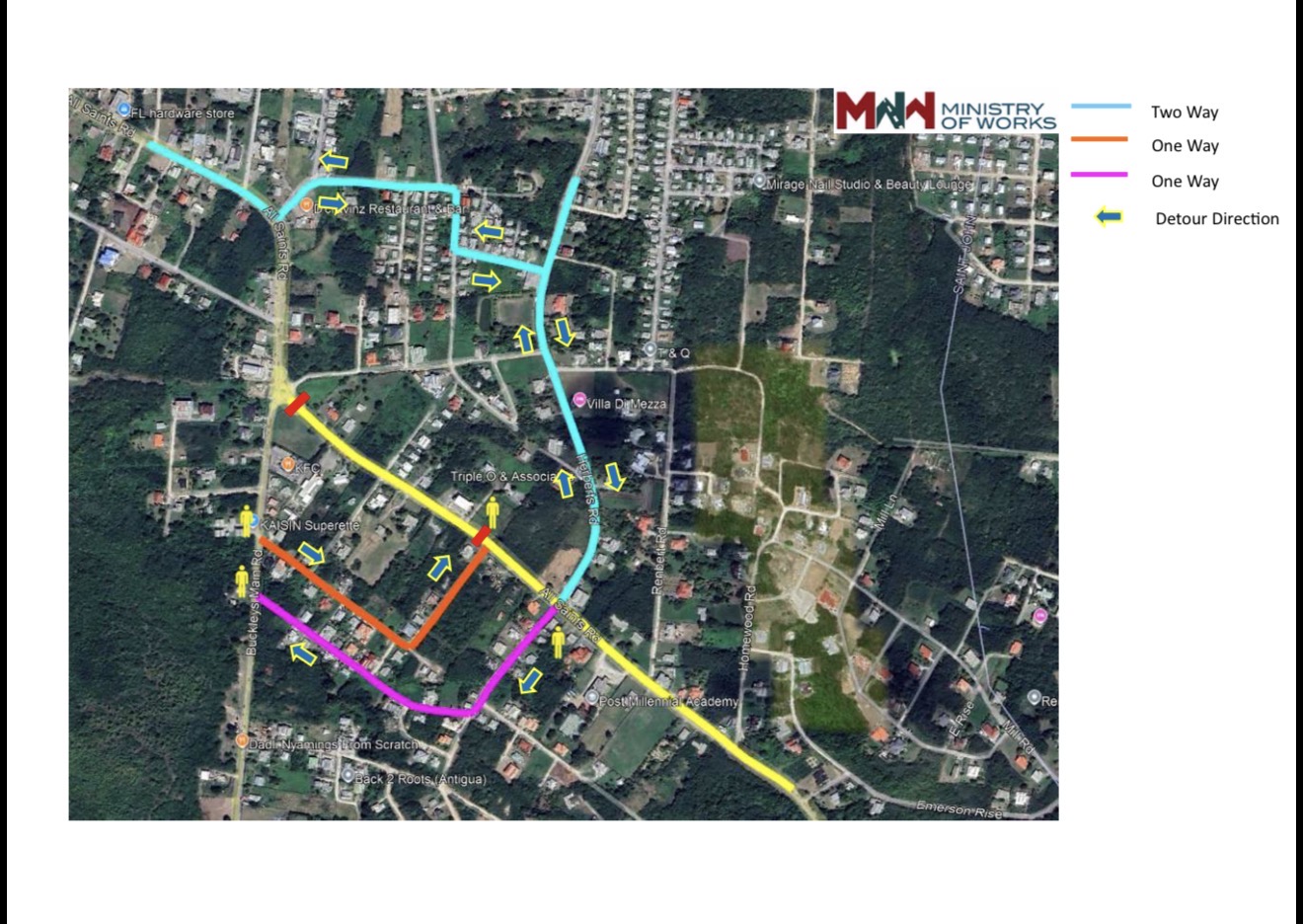
    Commuters and local residents in Antigua and Barbuda are being put on official notice of upcoming major infrastructure upgrades along a key stretch of All Saints Road, with traffic modifications set to take effect next month. The Ministry of Works has confirmed that the intensive construction work will be concentrated between the Buckley Line Roundabout and Herberts Junction, taking place overnight from 7:00 pm on Thursday, June 4, 2026 through to 7:00 am the following day.

    To accommodate the work and keep traffic moving safely, a structured detour plan has been rolled out for both inbound and outbound travel. Regardless of whether drivers are heading into town or out of the urban center, they will be directed to turn left immediately after passing Herberts Junction, where posted route markers will guide them back to the main All Saints Road alignment. Trained flag persons will be stationed at key points along the detour to manage traffic flow and answer driver questions on-site.

    Authorities have highlighted that specific segments of the detour route will operate as temporary one-way zones, with clear markings on an official distributed map and physical signage posted along the route to prevent confusion for commuters traveling in either direction. Local residents who live within the immediate work zone will retain full access to their properties throughout the overnight construction period, and all nearby commercial establishments will remain open for business as usual during the work.

    This overnight construction is part of the broader government-led All Saints Road Project, a major infrastructure initiative aimed at improving the long-term safety and capacity of this critical transportation corridor. With heavy construction equipment operating in close proximity to the detour route, officials are urging all motorists to adhere strictly to posted signs and flag person instructions to avoid accidents. The Ministry of Works has asked all road users and local stakeholders to plan their trips in advance, accounting for potential minor delays during the construction window. Anyone seeking additional information or clarification can contact the Project Implementation Management Unit directly at 562-9173.

  • LETTER: Who Cares About the Future Sustainability of Caribbean Resorts?

    LETTER: Who Cares About the Future Sustainability of Caribbean Resorts?

    The Caribbean region has long stood as one of the world’s most coveted tourism destinations, drawing millions of visitors annually to its sun-drenched coastlines, crystal-clear waters, and vibrant cultural heritage. At the heart of this $30 billion annual industry sit hundreds of large and small resorts, which form the backbone of local economies across dozens of island nations. Yet, as the climate crisis accelerates and global travel patterns evolve, a critical question is gaining increasing urgency: who is taking meaningful action to safeguard the long-term sustainability of these vital economic assets?

    This question, first raised in an open letter from Caribbean tourism industry insiders and environmental advocates, shines a light on a growing gap between stated sustainability commitments and on-the-ground action. Many resort operators have rolled out green marketing initiatives in recent years, from reducing single-use plastics to offering carbon-neutral vacation packages. But critics argue these efforts often amount to little more than surface-level changes, failing to address the core systemic threats that put the entire region’s tourism future at risk.

    The most pressing threat is climate change itself. Caribbean islands are on the frontlines of rising sea levels, more intense tropical storm systems, and coastal erosion that is already eating away at valuable beachfront property. A 2023 study from the Intergovernmental Panel on Climate Change (IPCC) estimates that up to 30% of the Caribbean’s coastal tourism infrastructure could be submerged or rendered uninhabitable by 2050 if current emission rates continue. Despite this stark warning, many resort developers are still pushing forward with new construction projects in low-lying coastal zones, with minimal investment in adaptive infrastructure like sea walls, elevated foundations, or natural mangrove barriers that can buffer against storm damage.

    Beyond climate risks, the region also faces ongoing challenges around resource management. Water scarcity is an increasingly urgent issue on many arid islands, yet large resorts often consume up to 10 times more water per guest than local residents, with little investment in recycling or conservation infrastructure. Similarly, many resorts still struggle with proper waste management, sending thousands of tons of solid waste annually to already overcrowded local landfills, while failing to invest in circular economy practices that could reduce waste generation.

    Local communities, who rely on tourism for more than 50% of GDP in many Caribbean nations, are also calling for greater social sustainability. Many large resort operations are owned by foreign companies, meaning a significant portion of tourism revenue leaves the region rather than circulating through local economies. Critics also point to ongoing issues with inadequate wages for resort workers, limited access to affordable housing for local staff, and the exclusion of small local businesses from resort supply chains.

    So far, responsibility for driving sustainability change has fallen between multiple stakeholders. National governments across the region have often prioritized short-term tourism revenue growth over long-term regulation, citing the need to attract foreign investment and create jobs. International hotel brands have framed their incremental sustainability steps as sufficient, arguing that larger systemic changes would raise costs and make their properties less competitive. Meanwhile, consumers often say they care about sustainability when booking travel, but few are willing to pay the premium that more transformative sustainable practices require.

    The authors of the open letter argue that this fragmented approach is no longer viable. They are calling for a coordinated regional pact that brings together governments, hotel brands, local communities, and multilateral development banks to drive transformative change. Key proposals include mandatory climate risk assessments for all new resort projects, tax incentives for resorts that invest in renewable energy and water conservation, and requirements that resorts source a minimum percentage of their goods and services from local suppliers. They are also calling for billions in climate adaptation funding from wealthy nations, which have contributed the most to global emissions but have done little to help frontline regions like the Caribbean adapt to existing impacts.

    Industry leaders who support the initiative note that investing in sustainability is not just an environmental imperative—it is also a business necessity. A growing number of travelers are prioritizing sustainable destinations, and resorts that can demonstrate genuine sustainability are already seeing higher occupancy rates and can charge premium prices. Furthermore, investing in adaptive infrastructure now can prevent billions of dollars in damage from future storms and sea level rise, protecting jobs and economic stability for generations to come.

    As the Caribbean enters its peak 2024 tourism season, the conversation around resort sustainability is only expected to grow. The question that started as a single open letter has now sparked a regional debate about the future of the Caribbean’s most important industry: whether stakeholders will continue to prioritize short-term profits, or come together to build a resilient, equitable, and sustainable tourism model that can benefit both visitors and local communities for decades to come.