标签: Antigua and Barbuda

安提瓜和巴布达

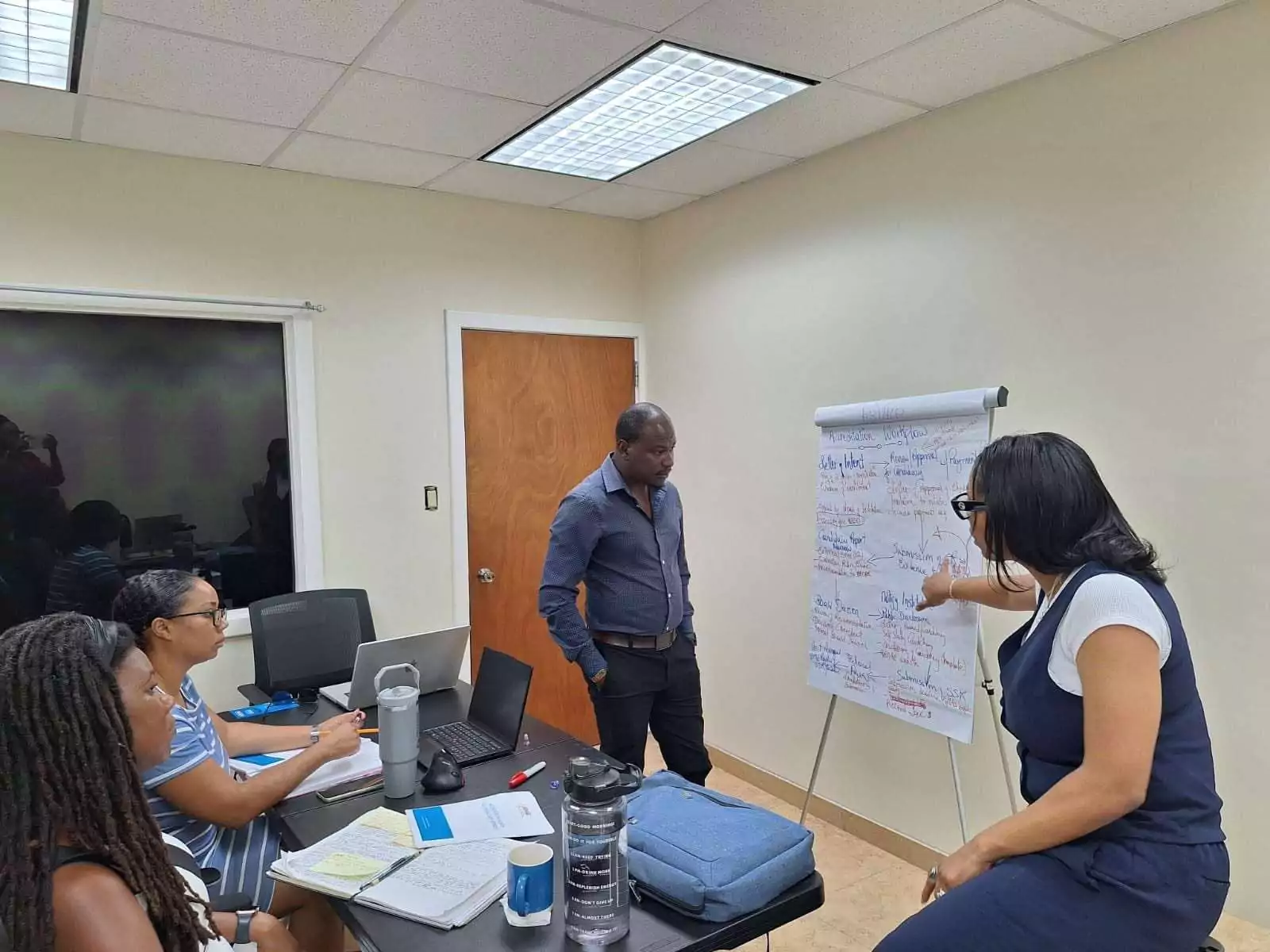
  • UWI Five Islands expands community outreach and academic offerings

    UWI Five Islands expands community outreach and academic offerings

    The University of the West Indies (UWI) Five Islands campus has announced a significant expansion of both its community engagement efforts and academic program portfolio, marking a key milestone in the institution’s growth trajectory in the Caribbean region.

    Long positioned as a regional higher education hub focused on accessible learning, the Five Islands campus has ramped up its community outreach to address pressing local needs. New initiatives include free financial literacy workshops for small business owners across Antigua and Barbuda, STEM outreach programs for underserved secondary school students, and collaborative environmental conservation projects with local coastal protection nonprofits. University leadership notes that these programs are designed to bridge the gap between academic research and community action, bringing institutional resources directly to residents who stand to benefit most.

    Parallel to its community-focused expansion, the campus has added 6 new undergraduate and graduate degree programs aligned with growing regional industry demand. The new offerings include a bachelor’s degree in sustainable tourism management, a master’s program in digital public governance, and certifications in climate resilience planning—fields projected to drive job growth across the Caribbean over the next decade. Campus administration reports that enrollment for the new programs will open for the upcoming fall semester, with need-based scholarships available to support local students.

    Local education stakeholders have welcomed the expansion, noting that the moves will strengthen the campus’s role as a driver of social and economic development for Antigua and Barbuda, while expanding access to world-class UWI education for students across the Eastern Caribbean.

  • “I Owe This Community Everything”: Michael Joseph Sets Out Bold Plan to Transform St. John’s Rural West

    “I Owe This Community Everything”: Michael Joseph Sets Out Bold Plan to Transform St. John’s Rural West

    A local political figure named Michael Joseph has recently announced a bold, ambitious initiative aimed at driving comprehensive transformation across the St. John’s Rural West region. In public comments shared around the plan, Joseph emphasized his deep personal connection to the area, stating openly that he owes all of his growth and opportunities to the local community. The transformative blueprint he has laid out is framed as a reciprocal effort to lift up the district that shaped him, though full details of the plan’s specific priorities, funding mechanisms and implementation timelines have not yet been outlined in the available information.

  • ‘I Was Born and Raised Here’: Newton Makes Personal Case for All Saints East Seat

    ‘I Was Born and Raised Here’: Newton Makes Personal Case for All Saints East Seat

    Weeks ahead of the upcoming general election in Antigua and Barbuda, Antigua and Barbuda Labour Party (ABLP) candidate Lamin Newton has laid out a sweeping policy platform targeting long-standing unmet needs in the competitive constituency of All Saints East and St Luke, positioning himself as a community-rooted candidate focused on tangible delivery over empty campaign rhetoric.

    Appearing on ABS Television’s voter education series “Know Your Candidates”, Newton framed his candidacy around deep personal ties to the district he hopes to represent. “This is a very dear part of my life,” he shared during the interview. “I was born and raised in All Saints… I feel that sense of responsibility that I have to play my part.”

    Infrastructure improvement emerges as the central pillar of Newton’s campaign, with the candidate arguing that the constituency has suffered from more than two decades of systemic neglect that has left roads crumbling and persistent flooding plaguing communities from All Saints through the southern corridor to Old Road.

    As evidence of his ability to deliver ahead of the election, Newton pointed to completed improvement works in the Follies community, where severe flooding once left residents trapped during heavy rain events. After the team he leads redesigned local drainage systems and upgraded adjacent roads, the community no longer faces regular flood disruption. “I gave them my commitment… and today, Follies no longer has the issue of flooding,” he noted, adding that the pre-election work is not a last-minute campaign gimmick, but the first phase of a structured, priority-driven improvement plan.

    Under Newton’s framework, flood-prone areas will be addressed first, followed by upgrades to secondary local roads. He also defended the decision to use concrete for roads in high-risk flood zones, arguing that the material offers far greater long-term resilience than traditional asphalt, delivering better value for public funds over time.

    If elected, Newton has committed to a clear 100-day action plan focused on three core priorities. First, he will immediately advance ongoing road improvement projects across the constituency. Second, he will complete long-awaited upgrades to the John Hughes clinic within three months, and install long-requested air conditioning at the Sweets healthcare facility to improve conditions for both patients and staff. Third, he will launch rehabilitation for neglected sporting and recreational spaces, creating accessible outdoor areas for both youth engagement and senior community gatherings. “People need recreation… people need to be able to have that recreational time,” he explained.

    Beyond early-term infrastructure priorities, Newton has put forward a major affordable housing initiative designed to expand land ownership opportunities for young constituents. Under the plan, 50 acres of existing government-owned land will be subdivided into individual plots and sold at heavily subsidized rates, with a fixed price of $18,000 per plot to ensure accessibility for low and middle-income buyers. The development will be administered through the Central Housing and Planning Authority, with constituency residents given priority access, though plots will also be open to buyers from other districts. The national government will cover the cost of installing core infrastructure — including access roads, electricity connections, and running water — to support the new development.

    Healthcare access is another key cornerstone of Newton’s campaign platform, shaped directly by feedback he gathered during months of door-to-door canvassing, where elderly constituents repeatedly raised concerns about inadequate local care. He has made a “solemn promise” to build a completely new clinic in Old Road within his first year in office, with preliminary design work already completed and funding secured through a mix of public budget allocations and private donor contributions. He also pledged to secure a dedicated ambulance for the All Saints area, noting that international donors have already committed to covering the cost of the vehicle.

    Addressing constituent complaints about inconsistent local water supply, Newton explained that the ongoing disruptions do not stem from insufficient water production, but from challenges related to the national project to replace century-old ageing distribution pipes. He urged residents to remain patient as the upgrade work progresses, noting that the completed project will resolve decades of supply irregularities.

    Newton also highlighted his long-standing personal commitment to education in the constituency, a cause he calls a personal passion. Currently, he funds annual scholarships for 40 students from Irene B. Williams School and All Saints Secondary School, covering the cost of extra tutoring to prepare students for the Caribbean Secondary Education Certificate (CSEC) exams. The initiative was launched in response to declining math scores and widespread demand for more personalized academic support for struggling students.

    Looking beyond social services, Newton emphasized that All Saints East and St Luke plays a critical role in advancing Antigua and Barbuda’s national food security goals, thanks to its expansive agricultural belt and active fishing community based in Old Road. If elected, he plans to boost local food production by supporting smallholder farmers with land clearing, new and expanded water retention infrastructure including dams and ponds, and subsidized fertilizer. He also called for stronger safety regulations for local fishermen, following recent high-profile incidents of missing seafarers in the region.

    Newton is challenging incumbent Jamale Pringle, who won the seat for the opposition in the last general election, making the constituency one of the key competitive races to watch on election day. When asked how he plans to unseat the incumbent, Newton pointed to his grassroots, door-to-door campaign strategy, centered on building direct trust with voters. “It’s all about building relationships with the people… you have to go and knock on every door,” he said. He stressed that his campaign differs from empty traditional campaigns because it is built on results he has already delivered, not just unfulfilled promises. “We’re not here just to talk… we are here to deliver.”

    Newton’s campaign aligns with the ABLP’s broader national election narrative, which focuses on visible local development and targeted constituency-level projects. His message blends a “son of the soil” personal identity with a practical, problem-solving focus on improving core infrastructure, expanding affordable housing, and upgrading public services. Whether this community-focused, delivery-driven approach will resonate enough with voters to flip the seat will be decided when voters head to the polls in the coming weeks, but Newton has made his commitment clear: “These aren’t just election promises. These are promises that we will deliver.”

  • Traffic to Be Diverted as Operation Daybreak Continues

    Traffic to Be Diverted as Operation Daybreak Continues

    Drivers traveling across Antigua and Barbuda are facing planned travel disruptions on two major local roadways on Thursday, as law enforcement continues its scheduled Operation Daybreak, the Royal Police Force of Antigua and Barbuda has confirmed in an official public advisory.

    The affected routes include two high-traffic corridors: a stretch of Sir Sydney Walling Highway running from the Seaview Farm Junction through to the Mount Joy Roundabout, and a section of Old Parham Road linking the communities of Pigotts and Parham. These disruptions are set to kick off at 11:30 a.m. local time, police confirmed in the notice.

    To help motorists navigate the closed sections, law enforcement has outlined official diversion routes that will route through traffic through the Seaview Farm area and Freemans Village. Police have emphasized that all road users should adjust their travel plans ahead of time to account for unexpected hold-ups, and follow all on-site instructions from officers deployed to manage the diverted traffic flow.

    In a statement accompanying the advisory, authorities extended gratitude to the public for their patience and cooperation ahead of the operation. Officials clarified that the temporary traffic adjustments are being implemented to maintain a safe, predictable, and orderly movement of vehicles throughout the duration of Operation Daybreak, balancing the needs of the operation with the ongoing travel requirements of local communities.

  • Baltimore Urges Early Voting, Warns Against UPP Return at St. Philip’s North Campaign Blitz

    Baltimore Urges Early Voting, Warns Against UPP Return at St. Philip’s North Campaign Blitz

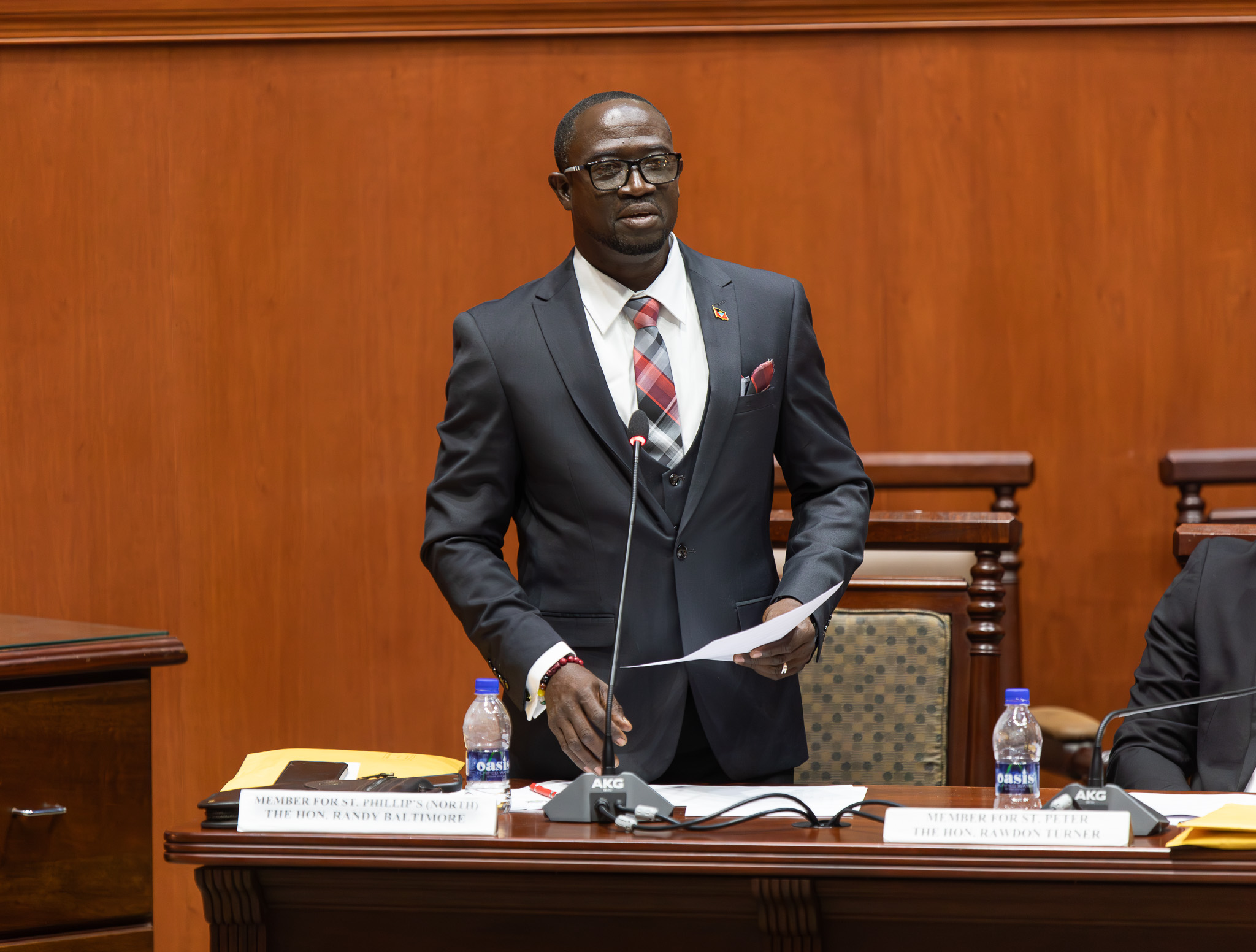
    With critical elections looming for Antigua and Barbuda, Antigua and Barbuda Labour Party (ABLP) candidate Randy Baltimore has ramped up his on-the-ground campaigning, using a recent stop in the St. Philip’s North constituency to urge loyal supporters to cast their ballots early and sharpen his criticism of the rival United Progressive Party (UPP).

    Speaking to packed crowds of voters in Newfield and nearby surrounding communities, Baltimore framed the upcoming election as a defining fork in the road for the twin-island nation. On one side, he argued, sits the path of sustained progress and inclusive growth under the incumbent ABLP; on the other, he claimed, is a return to the economic hardship and instability that marked the UPP’s previous tenure in government.

    “To lock in this progress, we cannot take turnout for granted – every single voter needs to head to the polls as early as possible on election day,” Baltimore told the gathered crowd. He went on to outline concrete steps voters can take to ensure a strong showing for the ABLP, reminding constituents to retrieve their official voter identification cards ahead of time and organize carpooling or other support to help neighbors with limited mobility reach their polling stations.

    Baltimore devoted a large portion of his remarks to touting the sitting government’s track record across key sectors, calling out tangible gains in tourism – the nation’s largest economic driver – as well as expanded educational access and sweeping infrastructure upgrades across the country. “The ABLP has always stood for development, for progress, for national unity, and for building a brighter future for the next generation of Antigua and Barbuda,” he said.

    Turning his attention to the opposition, Baltimore issued a stark warning against returning the UPP to power. Pointing to the party’s previous term in office, he asked assembled voters whether they were willing to roll back the gains the ABLP has delivered over recent years. “We cannot afford to go back to the UPP,” he emphasized.

    Digging into policy differences, Baltimore zeroed in on a high-profile UPP campaign proposal: the elimination of import duties and taxes on incoming vehicles. He challenged the opposition to explain how the policy would be funded, arguing that the lost government revenue would almost certainly force the UPP to bring back the unpopular income tax that was eliminated during the ABLP’s tenure. “When they scrap all those duties and taxes, where will they get the money to keep basic government services running?” he asked.

    Throughout the event, Baltimore repeatedly anchored his campaign to the leadership of incumbent Prime Minister Gaston Browne, arguing that the Browne-led administration has delivered consistent, stable growth across the economy and deserves a new mandate from voters to continue its work. Closing out his remarks, Baltimore extended his appeal beyond St. Philip’s North, urging voters across the entire nation to back the ABLP. He declared that the incumbent party is “stronger than ever” and fully prepared to lead Antigua and Barbuda into a new era of shared national development.

  • UWI Five Islands Honours Top Students with Principal’s List and Honour Roll Recognition

    UWI Five Islands Honours Top Students with Principal’s List and Honour Roll Recognition

    The University of the West Indies (UWI) Five Islands Campus has recently celebrated the exceptional academic achievements of dozens of high-performing students from the first semester of the 2025–2026 academic year, inducting the standout scholars into two prestigious honorary groups: the campus-wide Honour Roll and the selective Principal’s List.

    Held as a hybrid event that allowed both in-person attendance and remote participation for students, family members, and faculty across different locations, the ceremony featured opening remarks from Dr. Camille Samuel, the campus’ Registrar, who spoke on behalf of Principal Professor Justin Robinson. In her address, Dr. Samuel emphasized that these annual awards are far more than just ceremonial recognition—they are a tangible reflection of the institution’s core institutional commitment to centering student success and implementing rigorous, consistent monitoring of every student’s academic progress throughout their program of study.

    “Tonight, we gather not just to hand out certificates, but to formally acknowledge the hard work, late nights, and relentless dedication that have led you to this level of academic excellence,” Dr. Samuel told the assembled honourees. She went on to outline the campus’ ongoing strategic efforts to boost student retention and lift overall academic performance across all disciplines, noting that these honorary inductions are a key marker of how those investments are paying off for driven students.

    The two honorary tiers carry distinct criteria to recognize different levels of sustained achievement. The Honour Roll is awarded to students who earn exceptionally high grade point averages (GPAs) during the most recent semester, rewarding strong performance in a single academic term. In contrast, the Principal’s List is the campus’ highest undergraduate academic honor, reserved exclusively for students who have maintained top-tier academic results across the entirety of their degree program, rewarding consistent excellence rather than just a single strong term.

    In her closing remarks to the honourees, Dr. Samuel encouraged the recognized students to frame this achievement as a foundational milestone rather than a final career or academic destination. She reminded the emerging scholars that the professional world beyond campus does not reward unfulfilled potential—it rewards consistent, intentional execution of skills and knowledge. She closed by urging all award recipients to leverage their academic training and demonstrated discipline to create meaningful, positive change across their local and regional communities after graduation.

  • Using Shadow Skills: Enhance Phone Pictures

    Using Shadow Skills: Enhance Phone Pictures

    In an era where smartphone photography has become one of the most ubiquitous daily activities across the globe, the race to produce standout, high-quality images has never been more competitive. While millions of people snap hundreds of photos every day, only a small fraction manage to achieve that striking, professional-level visual impact that sets great images apart. One underrated technique that is transforming smartphone photography from mundane to memorable is the intentional use of shadows, often called “shadow skills” among photography communities. When mastered, this simple tool can turn a basic snapshot into a compelling, layered visual story that captures attention and emotion.

    Many casual photographers view unintended shadows as a flaw that ruins a shot, often associating deep dark patches with gloomy moods or poor lighting. To understand the science behind shadows: they form when an object blocks a source of light, creating a natural contrast between dark and bright areas across the frame. Professional photographers have long recognized that this contrast is not a mistake — it is a powerful creative tool that adds depth, dimension, and structure to an image, much as intentional structure adds elegance to any performance. Shadows help emphasize the shape of subjects and draw out fine details that might otherwise get lost in flat, even lighting. When harnessed correctly, shadow skills can completely transform the mood and impact of any smartphone photograph.

    For mobile photographers looking to master the art of shadow work, there are several accessible techniques that can be implemented immediately to improve results. The first step is seeking out distinctive lighting that creates compelling shadows. Strong, defined shadows require bold, directional light, and one of the best natural sources of this light comes during the so-called “golden hours” just after sunrise and just before sunset. The low angle of the sun during these windows creates long, warm shadows that add unique character and depth to any shot, a trick that professional photographers have relied on for decades. Even indoors or after dark, unique shadow effects can be created using everyday light sources: table lamps, window light, and even streetlights can produce dynamic, one-of-a-kind shadow patterns. The key is to observe how light moves and shifts across your environment throughout the day, and capitalize on moments when shadows look particularly striking.

    A second core technique is using shadow play to direct the viewer’s attention straight to your main subject. Shadows can act as natural frames or visual pathways that guide the eye exactly where you want it to go. For example, the long shadow of a tree branch can curve across the frame to lead a viewer’s gaze directly to a portrait subject, while the parallel lines of shadow from window blinds can draw attention to a small, meaningful detail in a still life. By experimenting with the placement of shadows relative to your subject, you can make your focal point pop against the background far more effectively than many post-processing edits.

    Third, shadows can be used to create striking textures and patterns that elevate simple scenes. Think of the repeating geometric shadows cast by a fence, the dappled pattern of sunlight through tree leaves, or the grid of shadow from a garden lattice across a wall. Adjusting your shooting angle or moving your subject just slightly can reveal entirely new patterns, turning a boring blank wall into a dynamic, eye-catching background. These repeating shadow patterns add visual rhythm and unique texture to your photos that cannot be replicated with digital filters.

    Fourth, intentional shadow placement allows you to create dramatic bold silhouettes that make for incredibly memorable images. To achieve this effect, simply place your subject between your camera and a strong backlight source — such as a window, open sky, or bright artificial light. This will overexpose the background and leave your subject as a dark, defined outline against the bright backdrop. This technique works beautifully for any subject with a clear, recognizable shape, from people and animals to architectural landmarks and natural objects.

    Finally, black-and-white photography is the perfect medium to highlight the beauty of well-crafted shadows. By removing the distraction of color, black-and-white processing forces viewers to focus entirely on the contrast between light and dark, making shadow work the star of the image. Most modern smartphones come with built-in black-and-white filters and editing tools that allow you to convert your shadow-rich shots to monochrome in seconds, amplifying the dramatic effect.

    To help smartphone photographers capture the best possible shadow shots, there are several simple pro tips that require no extra equipment. First, adjust your exposure manually: almost all smartphone camera apps let you tap and slide to adjust brightness, and lowering exposure slightly keeps bright areas from washing out and helps bring out fine details in shadow areas. Second, change your viewpoint: walking around your subject and shooting from different angles can completely alter the shape and impact of shadows, so don’t be afraid to experiment. Third, keep your lens clean: since shadows highlight fine details, a smudged or dirty lens will soften and blur shadow effects, so a quick wipe before shooting goes a long way. Fourth, use editing tools to enhance your work: apps like Snapseed, Adobe Lightroom, or even your phone’s default editor let you boost shadow contrast and clarity to help shadows pop, just be careful not to over-edit and lose important shadow details. Finally, embrace happy accidents: perfectly placed shadows are nice, but unexpected, unusual shadow shapes or patterns are often what turn an ordinary photo into a unique, striking work of art.

  • Miss St. Lucia Crowned Caribbean Queen; Antigua and Barbuda Delivers Strong Showing

    Miss St. Lucia Crowned Caribbean Queen; Antigua and Barbuda Delivers Strong Showing

    The 2026 Miss St. Maarten Carnival Caribbean Queen Pageant brought together some of the most poised, talented delegates from across the Caribbean region this week, for a glittering night of cultural celebration and competition held at St. Maarten’s iconic Carnival Village. Opening under the event’s vibrant theme “Queens of Sun & Sail,” the annual pageant served as a centerpiece highlight of St. Maarten’s widely anticipated yearly Carnival festivities, designed to uplift regional pride and center the unique cultural expressions of each participating Caribbean territory. After a night of spirited performances showcasing each contestant’s talent, grace, and connection to their heritage, the coveted Caribbean Queen crown was awarded to Emerle Tisson, representing the island nation of St. Lucia. Tisson’s standout performance throughout the competition earned her the top spot among a stacked field of regional delegates. Following Tisson in the final rankings, Kentonea Fortin, contestant from Miss St. Eustatius, claimed the title of first runner-up, while Keisy Quant, the home delegate representing host nation St. Maarten, secured the position of second runner-up. Though Miss Antigua and Barbuda’s representative did not earn a placement among the evening’s top three finalists, pageant organizers and audience observers alike praised the contestant for her confident, energetic stage presence. Competing against dozens of skilled regional delegates, the Miss Antigua and Barbuda delegate represented her home island with unwavering poise, leaving a lasting impression on attendees with her committed, memorable performance. The event wrapped up to widespread acclaim, with organizers noting the success of this year’s competition in bringing Caribbean communities together through shared celebration of culture and womanhood.

  • Power Restored to Belmont #3 Feeder Areas After Crash-Related Outage

    Power Restored to Belmont #3 Feeder Areas After Crash-Related Outage

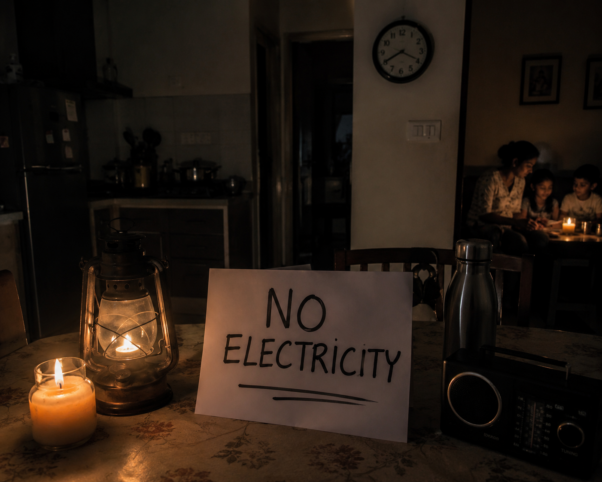
    An unexpected widespread power outage triggered by a vehicular accident that damaged a critical utility infrastructure has been fully resolved, with electricity restored to all affected residential and commercial communities, according to an official update from the Antigua Public Utilities Authority (APUA) Electricity Business Unit.

    The outage originated when the crash compromised a key utility pole, cutting service to all customers connected to the Belmont #3 Feeder. The affected zone spanned a wide geographic area, including segments of All Saints Road west of the local substation, as well as the communities of Briggins, Grays Hill, Whenner Road, Upper Desouza Road, Upper Tindale Road, Belmont, Cashew Hill, Bendals Road, Golden Grove, Nut Grove, Bendals and Bathlodge.

    Almost immediately after receiving reports of the incident, APUA mobilized a team of trained technical crews to the site. The technicians prioritized public safety while carrying out urgent repairs to reverse the damage and bring power back online for impacted users.

    While service has been restored for the vast majority of customers in the affected area, APUA has noted that a small number of users may still experience intermittent power interruptions. Any customer continuing to face service disruptions is encouraged to reach out to the authority’s dedicated fault reporting hotline at 311 to report their issue and request additional assistance.

    In its public statement, the regional utility provider issued a formal apology to all customers inconvenienced by the unplanned outage, and extended gratitude to the community for their understanding and patience during the repair and restoration process.

  • COMMENTARY: Cultivating Community through Art

    COMMENTARY: Cultivating Community through Art

    Art has captivated human imagination for centuries, rooted in a linguistic history stretching back to ancient Rome. The term ‘art’ traces its origins to the Latin word ‘ars’, meaning skill, craft, or creative expression, with its first recorded use appearing in 13th-century European manuscripts. Far more than a niche academic discipline or elite pastime, art is fundamentally a deeply personal reflection of an artist’s perspective, whose meaning is shaped by the unique interpretations of every viewer. This inherent subjectivity is what gives art its enduring intrigue: no two people will ever draw the exact same meaning from a single work, making every encounter with art a new, personal experience. Beyond individual interpretation, art acts as a powerful cross-cultural bridge, capable of connecting people across generations, ethnic divides, and different religious backgrounds. When interpreted within its proper cultural context, art fosters shared dialogue rather than division, embodying a natural neutrality that transcends social and political boundaries.

    In recent decades, education leaders have increasingly recognized art’s transformative role in holistic learning, moving beyond outdated models that framed art as an extracurricular afterthought. The integration of art into core curricula through initiatives like STEAM (Science, Technology, Engineering, the Arts, and Mathematics) education has redefined how students learn, turning creative expression into a tool to drive inquiry, critical thinking, and cross-disciplinary problem-solving. Research and educational practice have shown that this interdisciplinary approach boosts reading proficiency and sharpens cognitive acuity, benefiting students across all subject areas, not just creative pursuits. The United Nations Educational, Scientific and Cultural Organization (UNESCO) reinforces this perspective, noting that art nurtures global creativity, innovation, and cultural diversity, while acting as a catalyst for knowledge sharing, curiosity, and open dialogue. To protect these inherent benefits, UNESCO emphasizes that societies must actively promote and defend artistic freedom; when artists are able to create without constraint, art becomes a foundational building block for more free, peaceful, and inclusive global communities.

    In 2019, UNESCO formalized this global commitment to art by proclaiming April 15 as World Art Day, a global observance designed to celebrate artistic creation, expand access to creative expression, and strengthen the ties between art and society. The date of April 15 was intentionally selected to honor Leonardo da Vinci, one of history’s most iconic creative visionaries, who remains a global symbol of freedom of expression, tolerance, and universal brotherhood. Each year, the observance highlights artists’ indispensable contributions to sustainable development, raises awareness of the diversity of global artistic expressions, and spotlights the critical role of arts education in building inclusive, equitable school systems. For 2026, World Art Day has adopted the theme “A Garden of Expression: Cultivating Community Through Art”, which frames art as a collective, growing practice: just as a garden flourishes when tended by a whole community, art thrives when it is shared and nurtured collectively, fostering connection, unity, and shared cultural belonging among groups of people with common purpose.

    Celebrating World Art Day is accessible to everyone, regardless of whether one identifies as a professional artist or a casual art enthusiast. One of the most common ways to mark the day is to visit local art exhibitions or museums, many of which host special themed events or offer discounted admission to welcome new audiences. For those inclined toward hands-on participation, World Art Day is the perfect opportunity to explore personal creativity, whether that means experimenting with painting, drawing, sculpture, photography, or any other medium that sparks curiosity. Even first-time creators often find the process of making art to be deeply fulfilling, as iconic American artist Georgia O’Keeffe once captured: “I found I could say things with color and shapes that I couldn’t say any other way – things I had no words for.” For those looking to learn and connect, local art studios and community centers frequently host special workshops and classes for World Art Day, giving attendees the chance to build new creative skills, refine existing techniques, and build connections with other creators in their local area.

    As societies continue to grapple with division and polarization, the case for greater public investment in art and arts education grows ever stronger. When we prioritize art—whether in our schools, our communities, or our public policy—we don’t just support creators; we nurture the qualities that help peaceful, free societies flourish: curiosity, creativity, dialogue, and belonging.