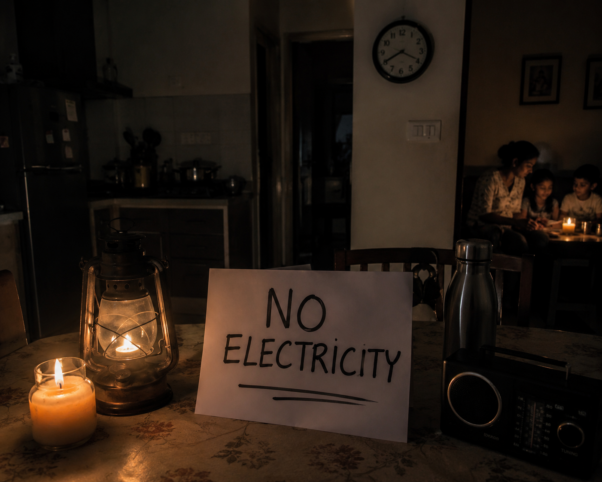
As energy security and affordable energy have become top global development priorities, the world faces stark, uneven gaps in meeting the United Nations’ Sustainable Development Goal 7 (SDG 7): universal access to affordable, reliable, sustainable and modern energy by 2030. The 2026 edition of *Tracking SDG 7: The Energy Progress Report*, which includes newly released 2023 and 2024 data, outlines both promising advances in sustainable energy and alarming setbacks that put the 2030 target at severe risk without urgent systemic action.
According to the report, more than 655 million people across the globe still live without any access to electricity, while two billion people rely on toxic, polluting fuels and outdated technologies for daily cooking — a hazard that causes an estimated 3 million premature deaths annually from household air pollution. The burden of these energy gaps falls disproportionately on Sub-Saharan Africa, where more than 560 million people lack electricity and 970 million do not have access to clean cooking infrastructure. While most regions of the world are on a trajectory to approach universal energy access, progress in electrification across Sub-Saharan Africa has slowed sharply, and the report finds the region must triple its current pace of expansion to hit the 2030 SDG 7 target. The gap in rural Sub-Saharan Africa has grown substantially, from 376 million unserved people in 2010 to 447 million in 2024, and projections indicate the number of people in the region lacking clean cooking access will hit 1 billion by 2027.
Against these sobering gaps, the report does highlight encouraging momentum in several key areas of sustainable energy transition. Renewable energy continued its rapid global expansion, now accounting for more than 30% of total global electricity consumption. Per capita renewable energy generation capacity hit a new global record of 544 watts — enough to power an average household refrigerator. International public financial flows directed to clean energy projects in developing countries saw a slight uptick, rising from $24.4 billion in 2023 to $24.6 billion in 2024. Global energy efficiency improvements also continued, bringing global energy intensity down to 3.76 megajoules per U.S. dollar of GDP.
Despite these gains, the report warns that overall progress remains far too slow to meet 2030 targets, and deep structural inequities persist across regions and income groups. For 2024, the global electricity access rate stagnated at 92%, with annual growth half the average rate recorded over the previous decade. Clean cooking access remains the largest unmet energy challenge, with a stark urban-rural divide: 89% of urban residents have access to clean cooking solutions, compared to just 56% of rural populations. If current trends hold, 1.8 billion people will still rely on polluting fuels like wood, charcoal, kerosene and coal for cooking by 2030.
Per capita renewable energy capacity also reflects massive global inequality: low-income countries average just 33.6 watts per person, compared to 1,224 watts per person in high-income nations. While renewables lead growth in electricity generation, their penetration in heating and transport remains severely limited. Progress on energy efficiency has also slowed, dropping from 2.4% annual improvement in 2022 to just 1.5% in 2023 — far below the pace needed to align with SDG 7 targets, widening the gap between climate and energy ambition and on-the-ground implementation.
Financing remains one of the most persistent barriers to progress, particularly for the world’s poorest nations. International public clean energy financing to least developed countries fell 11% between 2023 and 2024, dropping to just $3.7 billion. Even when energy infrastructure is built, affordability blocks widespread access: millions of low-income households cannot cover connection fees, wiring costs or ongoing basic energy service charges even when grids reach their communities. The report also notes that 80% of international public clean energy financing in 2024 came in the form of debt-based instruments, a problematic structure at a time when many developing nations face crippling debt burdens and rising interest rates. Grants accounted for just 13% of total financing, while equity financing and risk guarantees made up only 2% and 5% respectively.
In response to these challenges, the report frames accelerated deployment of domestic renewable energy as a dual solution: it strengthens both energy security and affordability, while advancing long-term climate and sustainable development goals. Distributed renewable solutions, including off-grid solar systems and small-scale mini-grids, have already emerged as cost-effective pathways to expand electricity access, currently serving hundreds of millions of people across low- and middle-income countries. For clean cooking, renewable alternatives like electric stoves, bioethanol and biogas are gaining traction as scalable options that diversify accessible clean cooking pathways for unserved communities.
To get back on track for SDG 7 by 2030, the report outlines core cross-cutting priorities: stronger political leadership, improved coordination across government sectors, and targeted focus on the low-income countries and marginalized communities most at risk of being left behind. Clear, consistent policy frameworks and sustained implementation, the report argues, are critical to diversifying national energy mixes, scaling renewable energy, reducing dependence on fossil fuel imports, and building macroeconomic resilience against global energy market and supply chain disruptions. Targeted subsidies, creative local financing mechanisms, and prioritization of the lowest-cost electrification solutions will be essential to ensure low-income households are not locked out of access.
Francesco La Camera, Director-General of the International Renewable Energy Agency (IRENA), one of the report’s lead organizations, emphasized that recent global energy shocks have underscored the value of rapid renewable energy deployment. “Countries with strong renewable energy capacity are better positioned to withstand economic and supply disruptions,” La Camera noted. “Accelerating the deployment of cost-competitive domestic renewables must now be central to strengthening both energy security and economic resilience, while pursuing SDG 7. To achieve this, the international community must prioritise affordable and tailored financial support, particularly for least developed countries facing the greatest barriers to access.”
The report will be officially presented to global policymakers at a special launch event on 8 July 2026, following an in-depth review of SDG 7 progress at the UN High-Level Political Forum on Sustainable Development in New York, the global body that oversees progress on all Sustainable Development Goals. IRENA, an intergovernmental agency leading global cooperation on the renewable energy transition, counts 172 member states with 13 additional countries in the process of accession. The agency provides technical expertise, capacity building, investment facilitation and coordination for global partnerships to advance climate action, sustainable development, universal energy access and resilient economies.