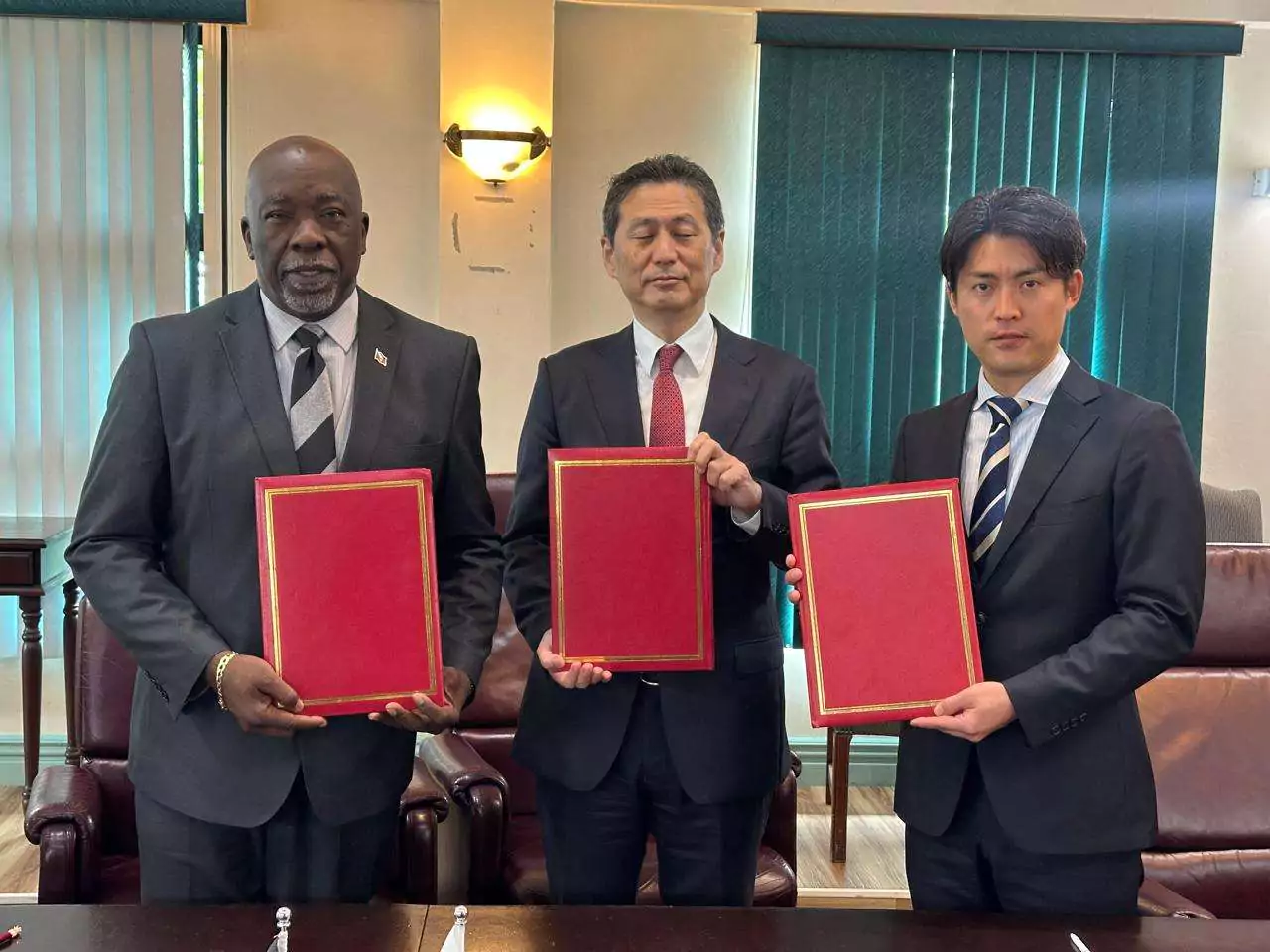
The twin-island Caribbean nation of Antigua and Barbuda has finalized a strategic partnership agreement with the Water and Wastewater Technology Organization (WATO), marking a major step forward in the country’s efforts to strengthen long-term water security amid growing climate pressures. The collaboration centers on rolling out distributed household-level water recycling systems across both populated islands, a solution designed to reduce reliance on overstretched freshwater aquifers and costly reverse osmosis desalination operations that currently meet most of the nation’s urban demand.
As a small island developing state, Antigua and Barbuda has long ranked among the world’s most water-scarce countries, with prolonged drought events worsening in frequency and intensity due to regional climate change. Existing water infrastructure, built decades ago, struggles to keep up with growing demand from both the permanent residential population and the country’s key tourism sector, which draws millions of visitors annually. This has forced the government to implement costly, unpopular water rationing measures during dry seasons that disrupt both daily life and economic activity.
Under the terms of the new agreement, WATO will provide technical expertise, modular system design support, and initial capacity building for local construction and maintenance teams. The organization will also help Antigua and Barbuda secure international climate financing to cover the upfront capital costs of widespread deployment, making the systems accessible to low and middle-income households that would otherwise struggle to afford the upgrade. Pilot installations are scheduled to launch within the next six months in community housing developments on Antigua, with full national rollout planned over the next five years.
Once fully deployed, the household recycling systems will capture and treat greywater from sinks, showers, and laundry for reuse in garden irrigation, toilet flushing, and other non-potable applications. Government analysts project that the initiative will cut residential freshwater demand by as much as 40%, freeing up existing supplies for potable use and reducing the strain on national water infrastructure during peak drought periods. The project is also expected to deliver broader economic benefits, including lower average household water bills and reduced government spending on energy-intensive desalination operations.
Environmental advocates have welcomed the agreement as a progressive model for small island nations grappling with climate-driven water scarcity, noting that decentralized recycling solutions are often more cost-effective and resilient than large-scale centralized infrastructure projects. Officials from Antigua and Barbuda’s Ministry of Water and Energy say the partnership aligns with the country’s updated National Climate Action Plan, which prioritizes nature-based and innovative technological solutions to build climate resilience across all sectors of the economy.