标签: Antigua and Barbuda

安提瓜和巴布达

  • Dr. Jodi Bianca Callwood Becomes First Antiguan SMART Scholar to Earn PhD in Bioinformatics and Computational Biology

    Dr. Jodi Bianca Callwood Becomes First Antiguan SMART Scholar to Earn PhD in Bioinformatics and Computational Biology

    A trailblazing academic milestone has put Antigua and the Caribbean on the map in the cutting-edge field of bioinformatics, as Dr. Jodi Bianca Callwood has officially graduated with a Doctor of Philosophy in Bioinformatics and Computational Biology from Iowa State University. The historic achievement marks one of the first times a scholar from Antigua has reached the pinnacle of doctoral study in this specialized, high-growth discipline. Adding another layer of significance to her success, Dr. Callwood also counts herself among a small group of Black women to complete a PhD in this field at Iowa State University, opening doors for underrepresented scholars who will follow in her footsteps.

    Born into a family with deep roots in Antiguan community life, Dr. Callwood is the daughter of Carlene Spencer-Callwood from Glanvilles Village, and the granddaughter of the late Cortwright “Dex” Spencer of Potters Village and the late respected educator Audrey Spencer. Her work focuses on the intersection of plant science, computational modeling and genetic analysis, a subfield that merges three core disciplines—traditional biology, advanced computer science, and large-scale data analytics—to unpack the complex genetic systems that govern plant growth and function. Research in this space is a critical driver of global progress, underpinning breakthroughs in crop yield optimization, strengthening global food security frameworks, and boosting the natural environment’s ability to adapt to climate change.

    Dr. Callwood’s path to this historic achievement is a study in consistent perseverance and self-directed determination. She began formal primary education at the age of five, but transitioned to homeschooling just two years later. That tailored learning environment allowed her to accelerate her academic progress through targeted, dedicated instruction, far outpacing the curriculum of traditional grade-level schooling. At 13, she re-entered the formal education system, where she quickly discovered and nurtured a deep, abiding passion for science and mathematics that would shape her entire academic career.

    Her impressive academic resume traces a steady upward trajectory of achievement: she earned a Bachelor of Science in Bioengineering from Walla Walla University, completed a competitive summer research internship at Cornell University, and went on to obtain a Master of Science from Delaware State University before beginning her doctoral work at Iowa State. A testament to her standing as a rising STEM leader, she completed her PhD as a member of the prestigious SMART Scholarship program, allowing her to graduate entirely free of student debt, a rare and notable accomplishment for early-career scholars.

    Outside of her groundbreaking academic work, Dr. Callwood maintains a diverse set of interests and accomplishments: she is an experienced competitive swimmer, holds certification as a professional lifeguard, and is an avid gamer. Following her graduation, she has already accepted a civilian research position with the United States Navy, where she will apply her specialized expertise to advance cutting-edge scientific research and contribute to public national service. Notably, academic excellence runs in her family: her brother Julian is currently in the final stages of completing his own PhD, marking another extraordinary achievement for the Callwood family.

    Across Antigua and the broader Caribbean regional community, congratulations have poured in for Dr. Callwood’s landmark success. Community leaders and educators across the region point to her journey as a powerful source of inspiration for young people, particularly young women and scholars from underrepresented backgrounds, who aspire to build careers in the advanced computational and life sciences. Her success breaks new ground for Caribbean scholars in STEM, proving that scholars from small island nations can compete and excel at the highest levels of global academia.

  • Rawdon Turner Opens PARES Community Centre in Pares Village

    Rawdon Turner Opens PARES Community Centre in Pares Village

    On a recent milestone event for community advancement in St. Peter, Antigua and Barbuda Labour Party (ABLP) constituency candidate Rawdon Turner has unveiled the newly constructed Pares Village Community Centre, framing the facility as a core pillar of his campaign and policy agenda focused on investing in young people and long-term local growth.

    During the opening ceremony, Turner highlighted a touching, candid moment from the gathering to underscore the mission driving his work. Pointing to a young girl who stood beside him at the event, he remarked, “That smile beside me—that’s the future. That’s the reason behind every long day, every tough decision, every step forward.”

    Designed to meet the evolving needs of Pares Village residents, the new community centre is tailored to prioritize youth programming and inclusive local gatherings. It will offer a dedicated, accessible space for after-school activities, youth workshops, community events, and recreational opportunities that were previously limited for local families.

    Turner emphasized that his work representing the St. Peter constituency is rooted in delivering intergenerational benefit, rather than short-term political gains. “The true measure of leadership is not what we achieve for ourselves, but what we create for those who come after us,” he explained, framing the community centre as just one component of a broader vision for sustained local improvement.

    Closing his remarks, Turner reaffirmed his unwavering commitment to continuing development work across St. Peter, tying his mission back to the young people he aims to serve. “For her. For every child like her. I will keep working,” he said.

  • LETTER: Leadership Rooted In Service And Presence

    LETTER: Leadership Rooted In Service And Presence

    Across every sector of modern society, from local community organizations to national governments, the debate over what makes for truly effective leadership continues to divide observers and practitioners alike. In this contributed opinion piece, the author makes a clear, forceful case that the strongest, most enduring leadership is not built on personal ambition or hierarchical power—it is rooted in two non-negotiable pillars: a commitment to serving the public good and consistent, visible presence among the people a leader is elected or appointed to represent.

    Too often, the author notes, contemporary leaders prioritize photo opportunities over genuine engagement, and policy drafting behind closed doors over listening to the on-the-ground concerns of the constituents they serve. This disconnect, the piece argues, erodes public trust over time, leaving communities feeling disenfranchised and disillusioned with political and institutional leadership. When leaders remove themselves from daily interactions with the people they lead, they lose touch with the real-world impacts of their decisions, leading to policies that fail to address actual needs.

    By contrast, the author outlines how leadership that centers service as its core mission, and prioritizes regular, in-person (or accessible virtual) presence, creates lasting bonds of trust. Leaders who show up to community meetings, listen to opposing viewpoints without defensiveness, and prioritize collective benefit over personal political gain build stronger, more cohesive communities. This approach, the piece contends, does more than solve immediate problems—it reinforces the legitimacy of leadership institutions themselves for future generations.

    The letter concludes by calling on current and aspiring leaders at all levels to reorient their approach around these two foundational principles, arguing that this shift is the only sustainable path to reversing declining public trust and building more equitable, responsive governance.

  • OAS to Deploy Electoral Observation Mission to Antigua and Barbuda for 2026 General Elections

    OAS to Deploy Electoral Observation Mission to Antigua and Barbuda for 2026 General Elections

    As Antigua and Barbuda gears up for its 2026 General Elections on April 30, the Organization of American States (OAS) has finalized preparations to deploy its fifth independent Electoral Observation Mission (EOM) to the twin-island nation, scheduled to begin field work days ahead of polling day on April 23. This year’s international observation effort is being led by Maricarmen Plata, a former OAS Secretary for Access to Rights and Equity, and brings together 17 seasoned election experts and observers drawn from 11 different countries across the globe.

    Unlike broad, unfocused monitoring efforts, the 2026 mission has outlined clear priority areas for its assessment, centering on five core components of the electoral process. Observers will examine the operational efficiency of electoral organizing bodies, the security and functionality of digital and analog electoral technology systems, the independence and fairness of electoral judicial bodies, the transparency of political campaign financing, and barriers or enablers of equal political participation for women. These targeted focus areas are designed to deliver a nuanced, actionable assessment of the election’s integrity.

    In the week leading up to the April 30 vote, Plata and her full team will hold a series of consultations with a broad cross-section of national stakeholders to collect input from all sides of the political spectrum. These meetings will include sitting government officials, independent electoral commission leaders, representatives from all major and minor registered political parties, competing election candidates, and civil society and grassroots organization leaders. The goal of these pre-election discussions is to capture diverse perspectives on the pre-voting climate and identify potential points of concern before polls open.

    On Election Day itself, observers will be deployed to polling stations across the country to monitor every phase of the voting process, from the opening of polling locations in the early morning, through in-person and absentee voting activities, all the way to the final tabulation of results and their official transmission to national electoral authorities. This end-to-end monitoring allows the mission to spot irregularities or procedural issues that may arise on voting day.

    After the conclusion of the election, the OAS EOM will publish a public First Report that lays out all of its on-the-ground observations and includes targeted recommendations to strengthen Antigua and Barbuda’s democratic institutions and electoral frameworks moving forward. The entire deployment of the mission is made possible through financial contributions from a coalition of international donors, including the governments of Colombia, the Dominican Republic, Peru, South Korea, and the United States.

  • Political Parties Told to Clear Campaign Material From Polling Areas Ahead of Vote

    Political Parties Told to Clear Campaign Material From Polling Areas Ahead of Vote

    As the Caribbean nation of Antigua and Barbuda counts down to its April 30 general election, the top official of the country’s independent electoral body has laid out critical pre-voting requirements for political parties and voters alike, as organizers ramp up efforts to deliver a free, fair and credible democratic process.

    Arthur Thomas, chairman of the Antigua and Barbuda Electoral Commission, used a recent national address to issue a formal order requiring all political parties to clear all campaign materials from every polling division ahead of Election Day. Thomas emphasized that voting spaces must remain strictly neutral environments, completely free from any form of undue voter influence that could undermine the integrity of the ballot.

    “I also take this opportunity to remind all political parties of their legal and civic obligations to remove political paraphernalia from polling divisions ahead of Election Day,” Thomas stated in the address. “The polling environment must remain neutral, orderly and free from undue influence.”

    This directive comes as the Electoral Commission enters the final stretch of preparations for the high-stakes national vote, with administrative officials working around the clock to resolve logistical details and lay the groundwork for a smooth, transparent voting process. Beyond requirements for political groups, Thomas also issued a urgent reminder to eligible voters: only citizens with a valid voter identification card will be allowed to cast a ballot, and anyone who has not yet replaced their outdated ID must complete the process immediately.

    “If you have not yet replaced your voter’s ID card, you must do so immediately,” Thomas said. “Let me be clear: No elector can be permitted to vote without a valid voter identification card.”

    To support voters in meeting this requirement, the commission has already implemented a series of accessibility adjustments: extended operating hours for ID service centers, additional trained staff to process applications, and extra resources deployed across the country to speed up the replacement workflow. Despite these accommodations, Thomas stressed that the onus now falls on individual voters to take prompt action to avoid being turned away from the polls on April 30.

    In addition to addressing logistical preparations, the commission chairman made a public appeal to all citizens to maintain peaceful, orderly conduct throughout Election Day. He called on voters to respect election officials, on-site security personnel, and fellow citizens who support opposing political parties, framing these basic standards of conduct as non-negotiable for a trusted election outcome.

    “Order, compliance and mutual respect are not optional. They are essential to the credibility of the outcome,” Thomas noted.

    Framing free, competitive elections as the foundational cornerstone of any healthy democracy, Thomas urged all eligible Antigua and Barbudan citizens to participate in the electoral process “responsibly, peacefully and lawfully.” He closed by noting that upholding the country’s longstanding democratic traditions is a collective responsibility that falls on every participant, from political party leaders to ordinary voting citizens.

  • Clarification on the Temporary Closure of the Grays Farm Dental Clinic

    Clarification on the Temporary Closure of the Grays Farm Dental Clinic

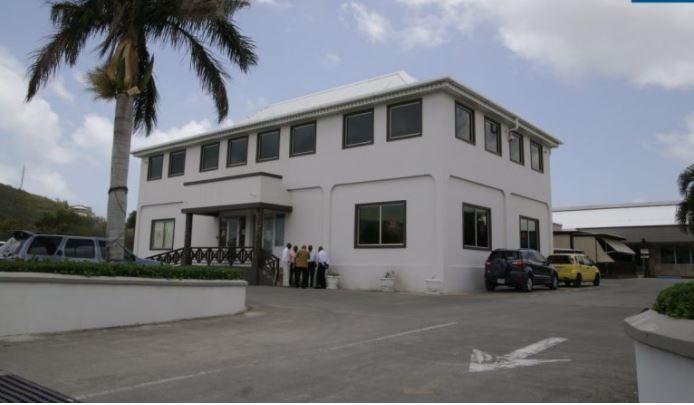
    Antigua’s Ministry of Health, Wellness, Environment and Civil Service Affairs has released an official statement to clear up public confusion surrounding the ongoing temporary shutdown of the Grays Farm Dental Clinic. The initial notice announcing the clinic’s temporary closure was first distributed publicly in October 2025, framed as a measure to carry out targeted facility upgrades requested by Dr. Derek Marshall, Head of the national Dental Department. These planned works were originally positioned as part of the government’s regular routine maintenance programs, designed to uphold rigorous service standards across all public healthcare facilities across the country.

    After joint preliminary inspections were carried out by specialists from the Ministry of Works and the Ministry of Health’s technical team, officials quickly determined that the range of required repairs and upgrades was far broader than initial projections had suggested. A series of unanticipated structural and operational deficiencies were uncovered during the assessment, requiring far more extensive intervention than planned to bring the clinic fully in line with national safety and quality benchmarks for patient care. As a result, the clinic has remained closed while authorities coordinate the expanded scope of work.

    In its statement, the ministry stressed that local residents who rely on the Grays Farm Dental Clinic for routine and emergency dental care have not been left without access to treatment. Administrative teams have already put in place alternative care arrangements to guarantee service continuity, advising all patients from the closed clinic to access equivalent services at the Villa Polyclinic, which has adjusted its scheduling and capacity to accommodate the additional patient load.

    While formal requests for the required upgrades have been submitted to the Ministry of Works, the health ministry confirmed that on-site construction has not yet gotten underway. The delay stems from competing national infrastructure priorities, as multiple other public facilities across the country require urgent major repairs that have taken precedence in resource allocation.

    The ministry was firm in pushing back against suggestions that the extended closure stems from government neglect of public healthcare. Officials emphasized that keeping the facility closed longer is a deliberate, patient-centered choice: the goal is to ensure that when Grays Farm Dental Clinic reopens, it not only meets the original required operational standards, but surpasses them. The ultimate objective of the project is to deliver a safer, more efficient, and more comfortable care environment for both patients receiving treatment and clinical staff delivering services.

    In closing, the ministry expressed its gratitude for the patience and understanding of the local public as it works to deliver long-term, sustainable upgrades to the nation’s public healthcare infrastructure.

  • ABEC’s Chairman Pre-Election Day Address

    ABEC’s Chairman Pre-Election Day Address

    In the lead-up to the highly anticipated April 30 general election in Antigua and Barbuda, the chairman of the country’s Electoral Commission has issued a critical, time-sensitive warning to all registered voters: anyone without a valid, updated voter identification card will be barred from casting a ballot on polling day.

    Speaking in a national address from St. John’s, the commission head delivered a firm message to the electorate, emphasizing that there will be no exceptions to the new identification rule. “If you have not yet replaced your voter’s ID card, you must do so immediately,” he stated, reinforcing that “No elector can be permitted to vote without a valid voter identification card.”

    To help voters meet this mandatory requirement, the Electoral Commission has already implemented a series of adaptive measures to streamline the ID replacement process. Operating hours for commission offices have been extended across the country, additional trained staff have been brought on to handle increased demand, and extra resources have been deployed to local processing centers to cut down on wait times. Even with these institutional adjustments, however, the chairman stressed that the onus now falls on individual voters to take action and complete their ID updates well before election day.

    Beyond the identification mandate, the commission leader also outlined key expectations for all participants in the electoral process, calling for disciplined, peaceful conduct across the board. He emphasized that meaningful democratic participation goes hand in hand with respect for the rule of law and fellow stakeholders, outlining four core pillars of respectful engagement: “Respect the electoral process and its rules. Respect opposing political parties and their supporters. Respect the election officials … and respect the security personnel.” The chairman made clear that order, compliance, and mutual respect are not optional suggestions, but non-negotiable requirements for the poll.

    In a specific directive to competing political parties, he reminded campaign teams of their legal obligation to remove all campaign materials, posters, and promotional paraphernalia from all polling divisions before voting opens. The chairman noted that strict neutrality is a foundational requirement for polling stations, and all efforts must be made to keep voting areas free from any form of undue influence on voters.

    Framing free and fair general elections as the cornerstone of Antigua and Barbuda’s democratic system, the chairman closed his address by urging all eligible citizens to honor the country’s long-standing democratic traditions by preparing to cast their votes in a responsible, peaceful, and lawful manner on April 30.

  • Matthew Says Land Shortage Limits Housing Expansion in St John’s Rural South

    Matthew Says Land Shortage Limits Housing Expansion in St John’s Rural South

    The persistent lack of available government-controlled land has cemented housing as the most urgent unmet challenge for constituents in St John’s Rural South, according to Antigua Barbuda Labour Party (ABLP) candidate and incumbent Education Minister Daryll Matthew. Speaking during a recent interview on ABS Television’s weekly candidate-focused segment “Know Your Candidates”, Matthew detailed the unique geographic and structural barriers that set this dense urban constituency apart from other regions when it comes to advancing large-scale housing development.

    Unlike many rural and suburban constituencies across the country, St John’s Rural South has essentially no undeveloped government-owned land available to repurpose for new residential construction. The vast majority of parcels in the area are held by private owners, with existing development packed tightly across the constituency. Matthew added that a large share of the current housing stock is not only extremely compact and low-density but also significantly deteriorated, with many structures falling into disrepair after years of neglect.

    Given these hard constraints, regional and national government officials have shifted their focus away from building entirely new residential communities and toward upgrading the existing housing that already exists in the constituency. A key pillar of this ongoing work is the national government’s HAPI home repair program, which provides subsidized construction materials to eligible homeowners looking to complete critical repairs and renovations to their properties. Matthew noted that dozens of local residents have already been able to leverage the program to fix structural damage, update outdated systems, and dramatically improve their overall quality of life.

    Beyond targeted home improvements, the government has also ramped up efforts to clear dangerous abandoned structures from the constituency. Matthew confirmed that local teams have already completed a substantial number of demolitions of derelict, unoccupied properties that posed safety hazards to neighboring residents and dragged down local property values.

    Looking toward the future if he retains his seat in the upcoming election, Matthew outlined several long-term strategies currently under consideration to expand housing access in the region. With space at a premium, one of the most promising proposals is to rezone underused parcels for higher-density residential development, specifically condominium-style complexes that can house more families on the same amount of land than low-rise single-family developments. Matthew added that the government is also moving forward with plans to inventory and repurpose long-abandoned private properties that have sat unused for decades, clearing them and returning them to the open real estate market to increase available inventory.

    Many of these new developments, Matthew explained, will help ease overcrowding in the existing housing stock by giving local residents the option to move into newer, larger homes within the region. For residents who are able to access land in other, less developed parts of the country, moving outside the constituency also opens up much-needed housing space for families that remain.

    In closing, Matthew emphasized that there is no single silver bullet to solve St John’s Rural South’s housing challenges, given the constituency’s unique combination of dense development and limited available land. He argued that a holistic approach combining targeted home repair support, targeted redevelopment of blighted existing sites, and smarter, more efficient land use policies will be required to meaningfully expand access to safe, affordable housing for all constituents.

  • Public Urged to Get Moving as MBS Launches ‘Sneakers on the Move 2026’ Wellness Campaign

    Public Urged to Get Moving as MBS Launches ‘Sneakers on the Move 2026’ Wellness Campaign

    Public health officials in Antigua and Barbuda have launched a new community-focused wellness initiative designed to get more people moving, boost mental well-being, and spread knowledge of healthy stress-coping practices. Organized by the island nation’s Medical Benefits Scheme (MBS), the ‘Sneakers on the Move 2026’ campaign centers on accessible, engaging activities that welcome people of all ages to prioritize their physical and emotional health.

    The campaign features three interconnected flagship events spread across April and May to cater to different segments of the population. First, the Move for Mental Wellness School Tour will visit educational institutions across the country across three windows: April 21 to 28, and an additional stop on May 11. The tour is designed to connect directly with students and school staff, introducing actionable habits that support long-term well-being in academic and daily life.

    Following the school tour, the nationwide Wear Your Sneakers Week will run from May 5 to 8, encouraging all members of the public to tie up their athletic shoes and incorporate extra movement into their daily routines, whether that means walking to work, taking a midday hike, or playing recreational sports with friends and family. The campaign will cap off its lineup with the Sweat to the Beat Street Jam on May 7, a community-centered open event that combines physical activity with live music to make exercise a fun, social experience for attendees.

    In a public statement announcing the initiative, MBS emphasized that the campaign was intentionally designed to engage students, education workers, and the broader Antigua and Barbuda public through visible, hands-on activities that make adopting healthier lifestyles feel approachable rather than intimidating. The scheme framed the initiative as a key part of its ongoing work to support population-wide physical and mental health outcomes, noting that regular physical activity is one of the most accessible tools for improving overall quality of life.

    Organizers are encouraging community members to share their participation in the campaign on social media using the official hashtags #SneakersOnTheMove and #MedicalBenefitsScheme to help spread the word about the initiative’s goals across Antigua and Barbuda.

  • Liberty Caribbean Champions Women and Girls in Building Caribbean’s AI Future

    Liberty Caribbean Champions Women and Girls in Building Caribbean’s AI Future

    As the Caribbean region marks International Telecommunication Union’s (ITU) 2024 International Girls in ICT Day, which carries the theme “AI for Development: Girls Shaping the Digital Future”, leading regional telecommunications provider Liberty Caribbean has issued a urgent call for collective, accelerated action to address widespread gaps in artificial intelligence access, adoption and technical capacity across Caribbean communities.

    Organized annually by the ITU, this year’s global observance sets out a clear mandate: to inspire and equip more women and girls to build careers in information and communication technology (ICT), with a specific focus on fast-growing AI-powered emerging fields. The push for greater female representation in these sectors is rooted in a broader goal of building truly inclusive, sustainable socio-economic development across the globe, and small island regions like the Caribbean are no exception.

    In her remarks for the observance, Liberty Caribbean Chief Executive Officer Inge Smidts stressed that closing the Caribbean’s AI gap must move from a long-term planning goal to an immediate regional development priority. “AI must become a regional development priority to unlock new possibilities across our economies. This cannot be something we observe from the sidelines,” Smidts said.

    She emphasized that meaningful progress does not happen through passive interest: it demands intentional, cross-border collaborative action to move the region from casual curiosity about AI to large-scale, practical deployment across industries. “Countries that apply AI responsibly and ensure inclusive participation in their transformation efforts will be best positioned to grow and create opportunity,” she added.

    Smidts went on to note that as digital technology increasingly becomes the backbone of global economic decision-making, future prosperity for Caribbean nations will hinge on how effectively regional stakeholders turn widespread digital access into measurable productivity gains. “We must build this future intentionally, with full representation of our societies at the centre, ensuring that women, girls, and underserved communities are not only included, but empowered to lead, innovate, and shape the direction of that growth,” she said.

    As a leading regional connectivity provider, Liberty Caribbean — which operates consumer brands Flow and BTC, along with B2B service provider Liberty Business — has already laid groundwork for this regional shift through consistent, long-term investment in resilient, future-proof digital networks and cloud-based platforms. Beyond infrastructure, the company is rolling out targeted initiatives to upskill regional workforces, promote ethical, responsible AI innovation, and ensure that broader AI adoption delivers tangible, measurable benefits for residential customers, local communities, and national economies across the region.

    Internally, the company has already begun integrating AI-powered automation into its core operations, a move designed to boost back-office efficiency and deliver a more seamless, responsive experience for its customer base across more than 20 Caribbean markets.

    Sashagay Middleton, a B2B Sales Account Executive based in Antigua and Barbuda, framed the shift as a deeply local issue, noting that digital technology is no longer a distant future concept but an integral part of daily life across the Caribbean. “Technology is no longer something that belongs to a distant future, it’s part of how we live, work and connect every day in Antigua and Barbuda,” Middleton said. “As we mark International Girls in ICT Day, we are reminded of how important it is to encourage girls to see themselves as creators of technology, including AI, not just consumers. When girls are empowered digitally, the entire country benefits.”

    Through ongoing investments in universal connectivity, accessible digital skills training, and inclusive talent development pathways, Liberty Caribbean is working to ensure that future Caribbean innovation is led by homegrown talent — including the women and girls who will shape the sector’s next chapter.

    A 150-year-old regional institution, Liberty Caribbean (formerly C&W Communications, now operated by Liberty Latin America) provides broadband, mobile, video and voice services to residential customers across more than 20 Caribbean markets via its Flow and BTC brands, while its Liberty Business division delivers enterprise-grade connectivity, cloud infrastructure, cybersecurity and data center services to private businesses and government agencies across the region, supporting long-term digital economic growth.