标签: Antigua and Barbuda

安提瓜和巴布达

  • Burning Flames frontman recovering in hospital after health scare

    Burning Flames frontman recovering in hospital after health scare

    The music world is awaiting updates on beloved Burning Flames band leader Sir Clarence “Oungku” Edwards, who is currently in recovery at Antigua’s Sir Lester Bird Medical Centre. The iconic performer was admitted to the facility this Tuesday after an unexpected medical event prompted urgent care.

    In a small sign of reassurance to fans, a photograph of Edwards has circulated alongside announcements of his hospitalization, capturing the frontman with a characteristic smile from his hospital bed. The warm image has offered a glimmer of comfort to followers who have shared well wishes across social media platforms since news of his admission broke.

    As of the latest updates, medical officials and representatives for the musician have not released any additional information about what led to his admission, nor have they shared specifics about the severity of Edwards’ condition or a projected timeline for his discharge. Fans and community members across the region continue to send messages of support, hopeful for a full and speedy recovery for the celebrated band leader.

  • Ministry of Agriculture Doubles Summer Internship Programme in 2026

    Ministry of Agriculture Doubles Summer Internship Programme in 2026

    Antigua and Barbuda’s Ministry of Agriculture has marked a major milestone for its youth development initiative, welcoming the largest cohort of summer interns in the program’s history in just its second year of operation.

    Following the overwhelming success of the inaugural 2025 internship program, the ministry has more than doubled its intake capacity, growing from 15 positions last summer to over 30 openings for 2026. This rapid expansion is not a random adjustment: it directly responds to surging student interest in agricultural careers, while advancing the ministry’s long-standing mission to deliver high-impact, real-world work experience that nurtures emerging talent for both the agricultural sector and public service.

    Diversity is a defining feature of this year’s cohort, with participants drawn from 10 secondary and post-secondary institutions spanning both Antigua and Barbuda. Represented schools include Antigua Girls’ High School, Princess Margaret Secondary School, Pares Secondary School, Jennings Secondary School, Clare Hall Secondary School, Ottos Comprehensive School, All Saints Secondary School, Sir Novelle Richards Academy, Barbuda’s Sir McChesney George Secondary School, and the Antigua & Barbuda College of Advanced Studies (ABCAS), bringing together young people from diverse communities across the twin-island nation.

    One particularly encouraging sign of the program’s early success is the return of seven interns who participated in the 2025 cohort. Their choice to rejoin the program speaks volumes about the transformative positive experience they gained a year prior, and underscores how the internship delivers tangible value: building hands-on technical skills, boosting professional confidence, and helping young people clarify long-term career pathways in agriculture and public work.

    Over the course of the summer, interns will dive into a full schedule of immersive, practical activities designed to introduce them to every corner of the national agricultural sector. A core component of the program will be guided visits to working farms and agricultural facilities across Antigua, giving students on-the-ground insight into daily operations, modern farming practices, and supply chain management. These hands-on experiences are designed to do more than build skills: they aim to foster a deeper public appreciation for agriculture, while helping young people understand the sector’s foundational role in driving Antigua and Barbuda’s national economic and social development.

    Ministry leadership has emphasized its pride in the program’s explosive growth in just two years. By doubling participant numbers and expanding outreach to include schools from more communities across both islands, the institution has reaffirmed its commitment to investing in Antigua and Barbuda’s youth, and cultivating the next generation of leaders who will steer the nation’s agricultural future and public service sector.

    In closing, the Ministry of Agriculture extended a warm official welcome to all new and returning interns, extending its well wishes for an educational, rewarding, and successful summer as the group embarks on this professional development journey.

  • Eastern Caribbean Central Bank Records EC$121.6 Million Profit

    Eastern Caribbean Central Bank Records EC$121.6 Million Profit

    Against a backdrop of persistent global economic headwinds, geopolitical friction and shifting trade frameworks that have strained small open economies worldwide, the Eastern Caribbean Central Bank (ECCB) has delivered a resilient financial performance for the 12-month period ending March 31, 2026, according to its recently published 2025-2026 Annual Report. The regional central bank recorded a net profit of EC$121.6 million for the fiscal year, alongside a notable jump in foreign reserve assets that has reinforced both the stability of the Eastern Caribbean dollar and the ECCB’s strong underlying financial position.

    Full breakdown of the bank’s balance sheet shows total assets expanded year-over-year to EC$6.68 billion, up from EC$6.14 billion in the prior fiscal cycle. The bulk of this growth came from a EC$503.5 million increase in foreign reserve assets, while domestic assets contributed a more modest EC$40.8 million rise. By the end of the reporting period, total foreign currency reserves hit the EC$6 billion mark, climbing from roughly EC$5.5 billion 12 months earlier. This reserve growth allowed the ECCB to maintain a 97% backing ratio for the Eastern Caribbean dollar, continuing to underpin the long-standing fixed exchange rate of EC$2.70 per U.S. dollar.

    While the institution remained solidly profitable, the 2025-2026 net profit marked a 3.7% (EC$4.7 million) decline from the previous year’s EC$126.3 million earnings. The report notes that higher operating income, fueled by stronger net interest returns and increased earnings from foreign reserve holdings, was partially offset by rising operating expenses, leading to the slight dip in annual profit.

    Total equity of the ECCB also saw robust growth over the fiscal year, rising 7.8% (EC$37.5 million) to reach EC$520.5 million, up from EC$483 million in 2024-2025. This increase included a EC$25.3 million transfer from annual profit to the bank’s general reserve, alongside a EC$12.2 million expansion in other reserves, which incorporates valuation gains linked to the ECCB’s defined benefit pension plan.

    The strong financial performance of the central bank aligns with steady underlying growth across the Eastern Caribbean Currency Union (ECCU), which expanded by an estimated 2.5% in 2025. That growth was driven by a rebound in tourism and sustained large-scale infrastructure investment across the region. Inflationary pressures moderated in the second half of the year, while the regional banking system retained its resilience, boasting strong capital buffers, abundant liquidity and gradually improving asset quality.

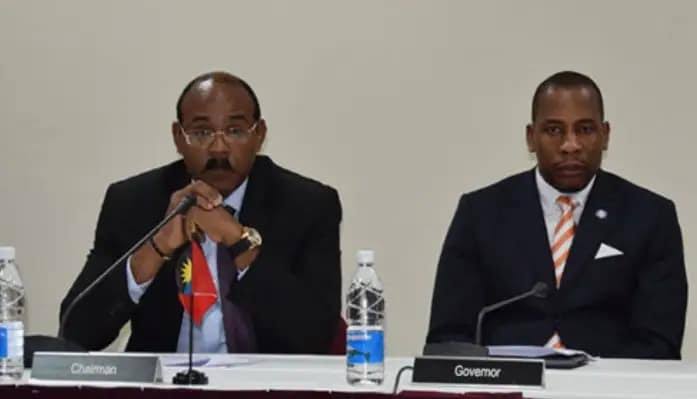
    In his foreword to the annual report, ECCB Governor Timothy Antoine emphasized the institution’s unwavering commitment to upholding monetary and financial stability at a time of heightened global volatility. Antoine noted that evolving trade policies, shifting geopolitical alliances and ongoing cross-border tensions have underscored the critical need for prudent macroeconomic governance and coordinated regional cooperation for the ECCU. Looking ahead, the governor reaffirmed the ECCB’s mandate to preserve monetary stability while advancing three core priorities: expanding financial inclusion, accelerating digital transformation, and fostering sustainable long-term economic growth across the union’s eight member states.

    Beyond its annual financial results, the report outlines the ECCB’s bold new 2026-2031 Strategic Plan, branded *“The Big Push: Collective Action for Shared Prosperity in the ECCU.”* The ambitious five-year framework sets a long-term target to double the size of the ECCU’s overall economy over the next decade, with targeted investments and policy support focused on seven key pillars: strengthening food security, expanding access to affordable renewable energy, improving digital and physical connectivity, deepening regional financial markets, investing in human capital development, accelerating digital transformation across the bloc, and building a more diversified, resilient tourism sector.

  • Eight Years On, Carlisle Bay Robbery Suspect Still at Large

    Eight Years On, Carlisle Bay Robbery Suspect Still at Large

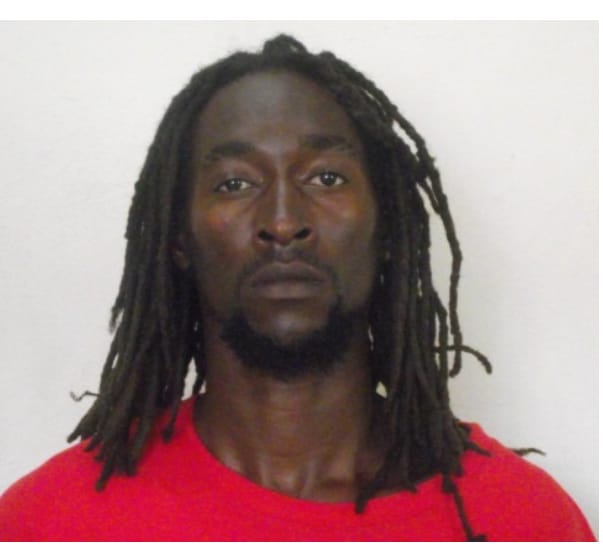
    It has been eight years since a brazen heist shook the exclusive Carlisle Bay Resort in Antigua and Barbuda, and law enforcement officials are still actively searching for the man they accuse of masterminding the multimillion-dollar theft. Anthony “Thug Life” Govia, the alleged ringleader of the scheme that stole more than 98,000 Eastern Caribbean dollars from the luxury property, remains at large eight years after the 30 June 2018 incident, topping the country’s most wanted list.

    Investigators have pieced together that the plot was a joint conspiracy between Govia and Kathy-Ann Isaac, a long-tenured accounts clerk who had served the resort for 14 years. Initially, the robbery was staged to look like the work of a lone armed intruder. The story that unfolded from security camera footage told a different truth: two insiders had first withdrawn cash from the resort’s on-site safe, before a masked gunman entered the location and fled with the stolen funds. For a time, Isaac was counted among the victims of the crime, with investigators suspecting no internal involvement at first. That changed as the case deepened, and police ultimately brought conspiracy charges against her. She entered a guilty plea in 2019, and was handed a 30-month prison sentence the following year, a penalty she has already fully completed.

    Govia, by contrast, is believed to have fled Antigua within days of the robbery pulling off, and no arrest has ever been made in his case. As the eighth anniversary of the heist approaches, local police have renewed their public appeal for any tips or information that could lead to his capture. Officials have issued a clear warning to the public: anyone found knowingly aiding Govia by providing shelter or assistance will face criminal prosecution themselves.

    The unsolved Carlisle Bay Resort robbery retains its status as one of the most high-profile unresolved theft investigations in Antigua and Barbuda’s recent history, with authorities stressing that the manhunt for the alleged mastermind remains an active priority for the force.

  • Minister Welcomes Preliminary Findings on Regional Conservation Initiative

    Minister Welcomes Preliminary Findings on Regional Conservation Initiative

    A regional initiative to embed cross-party political commitment to environmental conservation across the Eastern Caribbean is moving forward in Antigua and Barbuda, after researchers from the University of the West Indies Five Islands Campus (UWI FIC) delivered the program’s preliminary findings to senior national government officials this week.

    Led by the International Conservation Caucus Foundation (ICCF), the Advancing Conservation in the Eastern Caribbean Programme was created to address growing climate and biodiversity risks across the small island developing states of the region by building sustained parliamentary support for conservation action. The initiative’s core model supports participating nations to establish inclusive, cross-party parliamentary conservation caucuses that embed environmental stewardship into formal legislative and policy processes.

    To date, three regional nations – Saint Lucia, Grenada, and Suriname – have already fully completed the program and launched their own non-partisan parliamentary conservation caucuses. Antigua and Barbuda is now on track to become the fourth participating country, following bilateral consultations between the UWI FIC research team and key local stakeholders. A national validation workshop to finalize the next steps for the country’s caucus is scheduled for July 22 at Antigua and Barbuda’s Department of Environment.

    The UWI FIC delegation that presented the preliminary findings included Dr. Branson Belle, Executive Director of the institution’s Centre of Excellence for Oceanography and Blue Economy, and marine and conservation researcher Dr. Christopher Waters. The findings were shared with Hon. Michael Joseph, Antigua and Barbuda’s Minister of Health, Wellness, Environment and Civil Service Affairs, and Jaabari Reynolds, Biodiversity Focal Point at the national Department of Environment.

    To ensure broad buy-in from all segments of national life, the upcoming July validation workshop will be split into two separate sessions designed to accommodate input from a wide range of groups. The structure aligns with the program’s emphasis on a “Whole of Society” approach to conservation and sustainable development, which brings together actors across public and private sectors to tackle shared environmental challenges.

    Minister Joseph welcomed the initiative, emphasizing that collective, coordinated action is the only effective way to confront the accelerating impacts of climate change across small island states. “The effects of climate change are far-reaching and touch every aspect of our lives. Addressing these challenges requires a coordinated Whole of Society approach that brings together government, civil society, the private sector, academia and our communities,” Joseph stated in remarks following the presentation.

    He added that cross-sector initiatives like the ICCF program play a critical role in strengthening national conservation commitments, while nurturing innovative solutions and building long-term climate resilience for current and future generations.

    When fully rolled out across the region, the program is expected to create a standardized framework for deeper parliamentary engagement in environmental policy-making, and strengthen cross-border collaboration to advance shared goals for biodiversity protection and climate resilience across the Eastern Caribbean.

  • CARICOM To Address Issues Faced By Rastafarians

    CARICOM To Address Issues Faced By Rastafarians

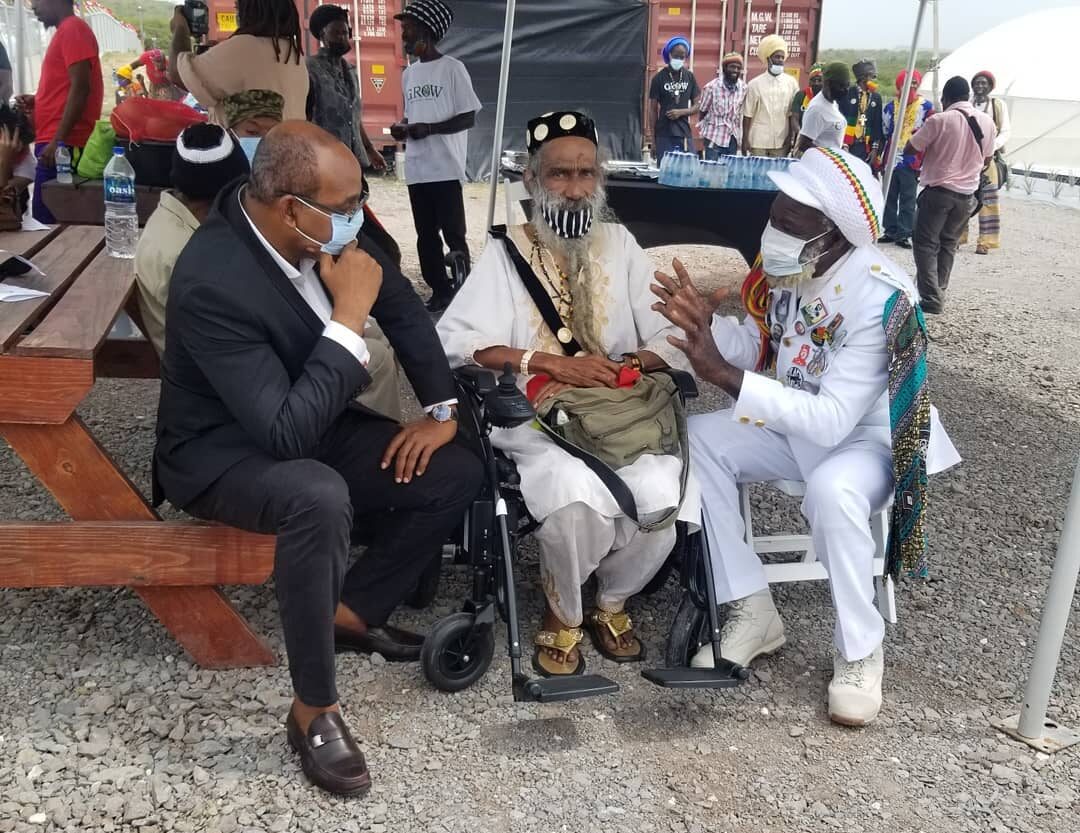
    The Caribbean Community (CARICOM) has announced plans to convene a multi-stakeholder gathering focused on advancing equal rights for Rastafarian communities across the region, responding to decades of systemic exclusion that have impacted the group both locally and globally.

    The landmark decision emerged from the 42nd Inter-Sessional Meeting of CARICOM’s Conference of Heads of Government, held on May 8, 2026. During closed deliberations, regional leaders confirmed that widespread disparities persist for Rastafarians in core areas of public life, from access to education and formal employment to equitable participation in community governance. Leaders reaffirmed their collective commitment to securing full legal and social recognition of Rastafarians as equal members of Caribbean society, prioritizing the protection of their fundamental human rights.

    To drive coordinated action, member states have approved the formation of a special regional committee, with delegations from five nations: Barbados, Jamaica, St Kitts and Nevis, Saint Vincent and the Grenadines, and Trinidad and Tobago. The panel will lead ongoing conversations around policy reform to address challenges facing Rastafarian communities at both the regional and international levels.

    Leaders also highlighted a series of progressive national actions already implemented across member states to redress historical injustices against the Rastafarian community. These steps include formal public apologies for state-sponsored discrimination, targeted land grant programs for Rastafarian families, and updated labor legislation that prohibits workplace bias based on religious and cultural identity. Regional leaders framed these existing national initiatives as blueprints for building a unified, region-wide strategy that can scale successful interventions across all CARICOM member states.

    Founded in 1973 through the signing of the Treaty of Chaguaramas, CARICOM has grown to become one of the most successful examples of regional integration in the developing world. A 2001 revision of the founding treaty established the bloc’s single market and economy, expanding cross-border cooperation to drive shared economic growth. Today, the bloc counts 15 full member states and six associate members, serving a combined population of roughly 16 million people, 60 percent of whom are under the age of 30. CARICOM’s core mission is organized around four central pillars: economic integration, coordinated foreign policy, human and social development, and cross-border security cooperation. Headquartered in Georgetown, Guyana, the CARICOM Secretariat serves as the bloc’s central administrative body, working to advance a shared vision of an inclusive, resilient, and competitive regional community where all citizens can access equal opportunity, enjoy guaranteed human rights and social justice, and contribute to shared cultural and economic prosperity.

  • Sir Lester Bird Medical Centre Launches First Leadership Development Programme

    Sir Lester Bird Medical Centre Launches First Leadership Development Programme

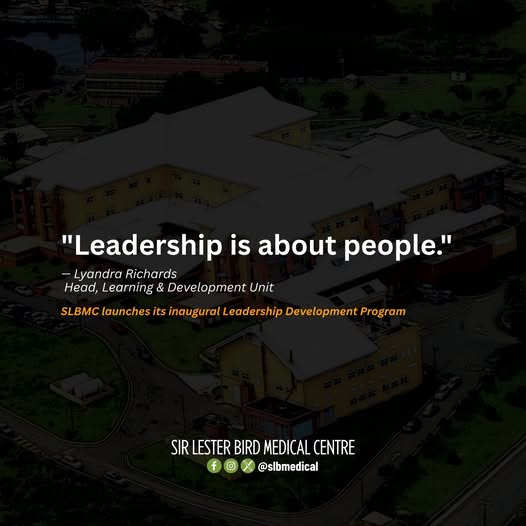
    In a landmark move aimed at strengthening healthcare governance and nurturing the next generation of medical leaders, the Sir Lester Bird Medical Centre has launched its first-ever comprehensive leadership development programme. Designed to address growing gaps in managerial and strategic expertise across Antigua and Barbuda’s public healthcare system, the initiative marks a significant turning point for the island nation’s flagship medical facility.

    The programme, which was developed in consultation with regional healthcare management experts, targets mid-level and senior clinical and administrative staff at the centre. Over the course of six months, participants will engage in a structured curriculum that combines hands-on practical training, mentorship from veteran healthcare leaders, and interactive workshops focused on key competencies. Key modules include crisis resource management, patient-centered care strategy, cross-departmental team collaboration, financial stewardship for medical facilities, and adaptive leadership in evolving public health landscapes.

    Hospital administrators note that the launch comes amid a broader push to upgrade the country’s healthcare infrastructure and improve service delivery outcomes. For years, the Sir Lester Bird Medical Centre, which serves as the primary referral hospital for Antigua and Barbuda, has faced challenges related to transitioning leadership as long-tenured senior staff prepare for retirement. This new programme is intended to create a structured pipeline of trained leaders who can step into critical roles seamlessly, avoiding disruptions to patient care.

    “This is more than just a training course – it’s an investment in the future of healthcare for all Antiguans and Barbudans,” said the hospital’s Chief Executive Officer in a press briefing ahead of the programme’s launch. “We’ve seen firsthand how strong, empathetic leadership directly impacts patient satisfaction and clinical outcomes. By equipping our talented staff with the strategic skills they need to lead, we’re building a stronger, more resilient healthcare system for generations to come.”

    Initial feedback from the first cohort of 25 participants has been overwhelmingly positive, with many noting that the programme fills a long-unmet need for professional development focused specifically on healthcare leadership in the region. Organizers plan to expand the initiative to include junior staff in future iterations, with the goal of fostering a culture of continuous leadership growth across the entire facility. The programme’s progress and outcomes will be evaluated at the conclusion of the six-month curriculum, with findings shared with other regional healthcare facilities looking to implement similar development schemes.

  • ABWU Deputy General Secretary Chester Hughes Graduates with Law Degree in the United Kingdom

    ABWU Deputy General Secretary Chester Hughes Graduates with Law Degree in the United Kingdom

    A senior labor leader from Antigua and Barbuda has marked a major career and academic milestone, wrapping up years of rigorous combined work and study to graduate with top honors from a leading UK higher education institution. Chester Hughes, Deputy General Secretary of the Antigua and Barbuda Workers’ Union (ABWU), crossed the graduation stage on Tuesday to collect his Bachelor of Laws with Upper Second-Class Honours from Arden University, based in the United Kingdom.

    Following the official ceremony, Hughes gathered with close family and friends to celebrate the achievement, which caps off years of intentional late nights, early mornings, and careful prioritization that let him complete his degree while continuing to hold one of the union’s most senior executive leadership roles. Unlike traditional full-time students, Hughes balanced the heavy workload of labor advocacy, union leadership, and personal responsibilities alongside his academic requirements, a challenge that he says shaped his entire learning journey.

    In reflecting on the years he spent working toward the degree, Hughes emphasized that the experience was as demanding as it was transformative. He described the program as both “challenging and rewarding,” noting that successfully juggling competing demands from his career, coursework, and personal life relied on consistent discipline, unwavering resilience, and relentless determination. Many modules introduced him to entirely new legal frameworks and concepts that felt overwhelming at the start, but he worked steadily through each subject, gradually expanding his legal knowledge, deepening his nuanced understanding of the field, and building confidence in his new skills. For Hughes, this entire academic journey has equipped him with irreplaceable expertise and perspective that he plans to bring back to his work advocating for workers, leaving him eager to step into the next phase of his career with clear purpose and renewed enthusiasm.

    The ABWU has formally extended its warmest congratulations to Hughes on the groundbreaking achievement. Union leadership emphasized that Hughes’ successful completion of the degree while continuing to serve working people is a powerful testament to his core commitment to both personal growth and the advancement of the global labor movement, which he advances through intentional education and values-based leadership. The organization’s entire Executive Council, administrative staff, and rank-and-file membership share the collective belief that this new academic credential will amplify Hughes’ ability to serve workers across Antigua and Barbuda with exceptional distinction, especially in core priority areas including labor legislation, industrial relationship management, collective bargaining negotiation, and advancing systemic social justice for working communities.

    Looking ahead, Hughes will continue his legal training later this year: he plans to depart Antigua and Barbuda over the coming summer to enroll in the required Bar Training Course, a critical prerequisite for practicing law that marks the next key phase of his combined legal and labor career. The ABWU has expressed full confidence in Hughes and extended well wishes for his upcoming training, noting that all his academic and professional work is rooted in a commitment to advancing justice for the working class. Beyond celebrating one leader’s achievement, the union highlighted that Hughes’ accomplishment is a source of tremendous organizational pride, and serves as a motivating example for working people across Antigua and Barbuda to prioritize lifelong learning and pursue ongoing professional excellence regardless of existing career and personal responsibilities.

  • Sen. Chester Hughes Graduates with Law Degree from Arden University

    Sen. Chester Hughes Graduates with Law Degree from Arden University

    A senior leader of Antigua and Barbuda’s largest trade union has marked a major career and academic milestone, graduating with honors from a prominent British higher education institution to better defend workers’ rights in an increasingly complex labor landscape.

    Chester Hughes, who serves as Deputy General Secretary of the Antigua and Barbuda Workers’ Union (ABWU) and holds a Senate seat in the country’s legislature, completed his Bachelor of Laws with Honors (LLB Hons) at Arden University in the United Kingdom, earning the distinguished classification of Upper Second-Class Honours. The ABWU made the formal announcement of Hughes’ achievement earlier this week, framing the graduation as a key step forward in his ongoing development as both a scholar and a labor leader.

    Hughes pursued the degree while balancing a demanding full-time role at the union, a feat that required rigorous time management and personal sacrifice. To accommodate his professional duties, he rearranged his schedule to fit early-morning classes and dedicated late-night hours to coursework and exam preparation. Because the program centered on the United Kingdom’s legal framework, he invested extra hours in independent research and targeted study to fully master the specialized curriculum.

    In comments shared ahead of the announcement, Hughes explained that his decision to pursue legal training was rooted in shifting dynamics in industrial relations across the region. As more companies retain legal representation to advocate for their interests in labor disputes, trade unions must evolve their own capabilities to avoid being at a disadvantage when fighting for their members’ rights, he argued.

    “This degree is intended to elevate my capacity as a trade unionist in Antigua and Barbuda, particularly as the landscape of industrial relations evolves,” Hughes explained. “With an increasing number of lawyers representing companies in labor matters, unions must adapt to these changing times to effectively advocate for their members.”

    Looking ahead, Hughes has laid out clear next steps to translate his academic achievement into practical advocacy for working people. He plans to travel to the United Kingdom next to complete required bar training, before returning to the Caribbean to finish the conversion process that will allow him to be admitted to the bar in Antigua and Barbuda, as well as across member states of the Organization of Eastern Caribbean States (OECS).

    Beyond his own career, Hughes also hopes his achievement will inspire fellow labor organizers across the region to prioritize ongoing professional development through education. He emphasized that his ultimate goal is to use his new legal expertise to deliver stronger representation and more effective support for working people across Antigua and Barbuda.

  • Antigua and Barbuda Names 16 for 2026 ANOCES Track & Field Championships

    Antigua and Barbuda Names 16 for 2026 ANOCES Track & Field Championships

    Ahead of the highly anticipated 2026 ANOCES Track and Field Championships scheduled to take place in St. Kitts from July 4 to 5, 2026, Antigua and Barbuda has finalized a competitive 16-athlete roster that will carry the nation’s flag at the regional sporting event. This championship participation comes as part of a broader regional development initiative backed by Panam Sports, which has partnered with the Association of National Olympic Committees of the Eastern Caribbean (ANOCES) and local National Olympic Committees to elevate competitive sports across the Organization of Eastern Caribbean States (OECS). The collaboration extends beyond track and field, with targeted support for five key disciplines: swimming, table tennis, 3×3 basketball, athletics, and beach volleyball, all aimed at strengthening grassroots and elite sporting ecosystems across the region. The Antigua and Barbuda track and field delegation features a mix of decorated veteran competitors and rising young talents who have already proven their skill at regional competitions. Headlined by national 100m and 200m champion Geolyna Dowdye, the women’s squad also includes CARIFTA silver medal javelin thrower Zonique Charles, sprinters Soniya Jones, 400m specialists Kettia Ambrose and Shenika Bentick. On the men’s side, the roster boasts CARIFTA bronze medal javelin thrower Maliek Francis, alongside sprinters Jalen Dyett and Kadeem Campbell, 400m runners Cleon Joseph and Dion Shaw, 400m hurdler Craig Prendrgast, 100m standout Amori Jules, long jumper Terrance Thomas, shot putter Christopher Johnson, and 1500m runners Shawn-ze Joseph and Devon James. In addition to individual events across sprints, middle-distance races, jumps, throws and hurdles, Antigua and Barbuda will also field teams for three relay competitions: the mixed 4×400m relay, men’s 4×100m relay, and women’s 4×100m relay, bringing additional opportunities for podium finishes. In an official statement marking the team announcement, Cliff Williams, Secretary General of the Antigua and Barbuda National Olympic Committee (ABNOC) and sitting ANOCES Board Member, expressed gratitude for the ongoing institutional support that makes this regional competition participation possible. “We are grateful to Panam Sports and ANOCES for their continued support of regional programmes that strengthen competition across the OECS, and to the Antigua and Barbuda Athletics Association for their leadership in assembling this team, and the ABNOC, who lead this charge,” Williams said. “I wish our athletes every success and encourage all Antiguans and Barbudans to rally behind them as they compete with pride on behalf of our nation.” Beyond official team delegation duties, Williams will also take on additional responsibilities during the St. Kitts event, participating in planning discussions for future ANOCES competitions and attending the organization’s upcoming congress. The 16-member athletic delegation will be led by veteran sporting officials Heather Samuel-Daley, Kesswin Anthony, and former elite sprinter Daniel Bailey, who will guide the team through preparations and competition in St. Kitts.