标签: Antigua and Barbuda

安提瓜和巴布达

  • ABRSC Announces Winners of 2026 Essay Competition

    ABRSC Announces Winners of 2026 Essay Competition

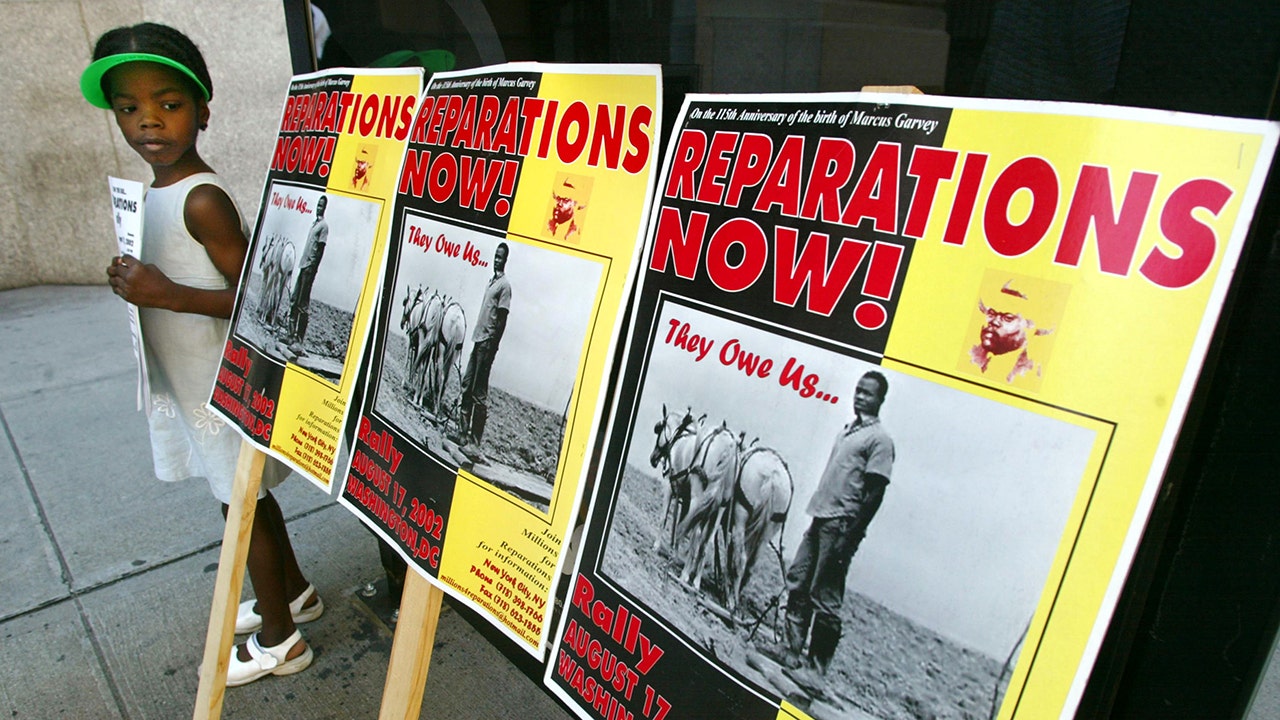
    A long-running initiative to deepen public understanding of historical injustice and reparatory action in Antigua and Barbuda has reached its latest milestone, with the Antigua and Barbuda Reparations Support Commission (ABRSC) officially announcing the winners of its highly anticipated 2026 national essay competition. This year’s contest centered on the timely, thought-provoking theme “Reparatory Justice: Reflection and Projection,” drawing submissions from a diverse cross-section of learners across the country’s education system.

    Unlike many academic competitions that limit participation to a single educational tier, the 2026 essay contest opened its doors to entrants across four distinct groups: primary school students, secondary school students, learners at the Antigua and Barbuda College of Advanced Studies (ABCAS), and undergraduate and graduate students at the University of the West Indies Five Islands Campus. Organizers reported that the range and quality of submissions far exceeded expectations, with entries showcasing exceptional creativity, rigorous scholarly research, and a nuanced, mature grasp of the complex topic of reparatory justice.

    Dr. Lenworth Johnson, the coordinator tasked with overseeing the 2026 competition, offered high praise for all participants who took the time to develop and submit their work. In remarks following the judging process, Johnson highlighted that every top-placed essay met and exceeded the competition’s four core judging standards: clarity of argument, depth of historical awareness, logical structural organization, and command of language. “These essays were far more than academic exercises,” Johnson noted. “They were imaginative, deeply insightful pieces, enriched with vivid personal and contextual imagery that brought the topic of reparatory justice to life for readers.”

    Winners were selected across two primary competitive categories to match the different educational levels of participants. In the university student category, Elena Etinoff claimed the top prize, followed by Neilisha Maragh in second place and Makkedah Lawrence in third. For the combined category of ABCAS learners and secondary school students, Shemika David of Clare Hall Secondary School took first place, with Uriah Francis from ABCAS’s Dr. Alister Francis Campus earning second place and Ariana Goodluck of ABCAS’s Eustace Hill Campus securing third place.

    In addition to public recognition, all winners received a combination of cash prizes and educational books. For university category winners, first place takes home EC$600, second place receives EC$400, third place gets EC$250, and all three top finishers receive a curated collection of books focused on Caribbean and African history. For the ABCAS/secondary school category, first place earns EC$500, second place gets EC$300, third place receives EC$150, paired with the same set of educational books.

    On behalf of the full commission, Chair H.E. Dorbrene O’Marde extended warm congratulations to every winner, as well as sincere gratitude to all participants and partnering educational institutions that supported the competition. The ABRSC emphasized that the essay competition is a core part of its broader mission to advance public education, encourage critical thinking, and build widespread awareness of reparatory justice and the shared history of African Caribbean people across Antigua and Barbuda. Commission members noted they hope the contest will continue to inspire new generations of learners to engage with this critical national and regional topic in years to come.

  • Regional Banks Remain Well Capitalized Despite Global Uncertainty

    Regional Banks Remain Well Capitalized Despite Global Uncertainty

    Across global financial markets, ongoing volatility and geopolitical disruptions have cast a shadow of uncertainty over nearly every segment of the banking sector in recent months. Market analysts and regulators have closely monitored smaller regional players, which are often seen as more vulnerable to external shocks than their large systemically important multinational competitors. Despite these widespread concerns, multiple recent industry assessments and regulatory stress tests confirm that regional banks have maintained robust capital positions that meet and in many cases exceed regulatory requirements.

    Capital adequacy is a core metric that measures a bank’s ability to absorb unexpected losses, and strong capital buffers are widely recognized as the first line of defense against market downturns. Over the past several years, following the lessons of previous banking crises, most regional institutions have proactively built up their capital reserves, adjusted their lending portfolios to reduce risk exposure, and strengthened their liquidity management practices. These preparatory measures have positioned them well to navigate the current period of global uncertainty, which includes rising interest rate volatility, inflationary pressures, and shifting cross-border capital flows.

    Industry leaders note that while regional banks may face headwinds from slowing local lending demand and increased funding costs in some markets, their strong capitalization means they do not face systemic solvency risks. Regulators across major economies have also echoed this assessment, pointing out that the banking system as a whole is far more resilient than it was in previous periods of global stress. Investors and consumers can take confidence from the fact that regional banks, which play a critical role in supporting local small businesses, consumer lending, and community economic development, remain on solid financial footing.

  • EIA Clears Way for Pearns Point Luxury Villa, Cites Coastal Risks That Can Be Managed

    EIA Clears Way for Pearns Point Luxury Villa, Cites Coastal Risks That Can Be Managed

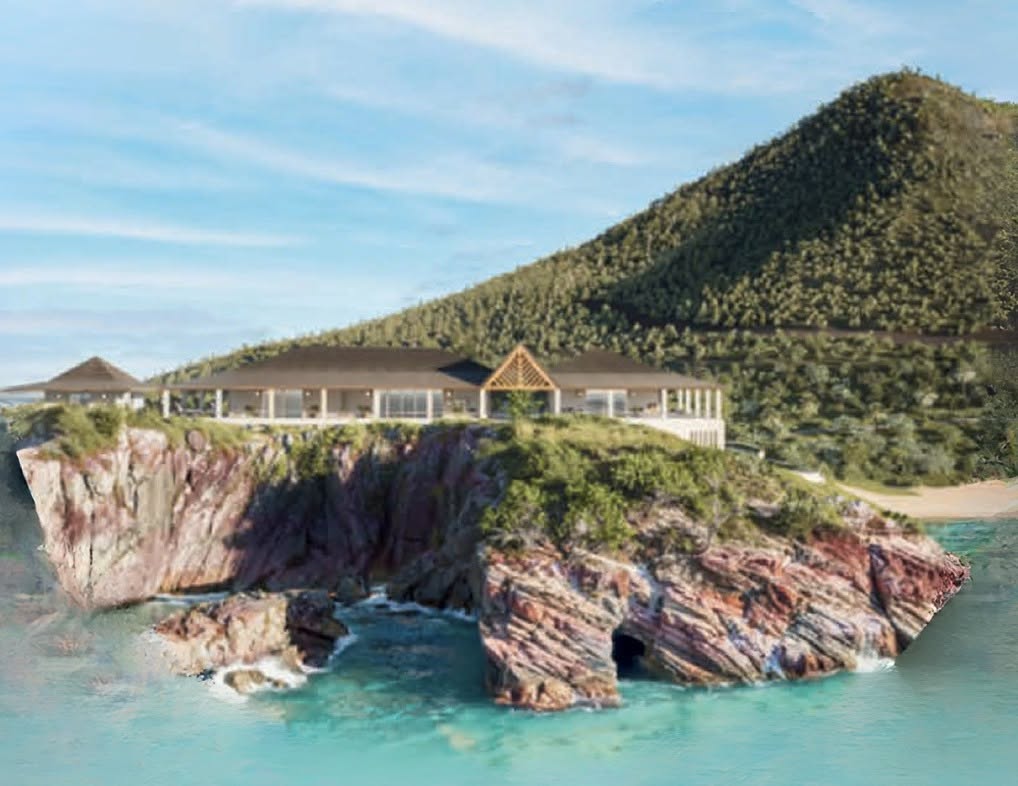
    A newly finalized Environmental Impact Assessment (EIA) has determined that a proposed multi-million-dollar luxury private villa project at Antigua and Barbuda’s Pearns Point can move forward without causing major long-term damage to local ecosystems or community interests, provided developers adhere to a robust set of engineering and environmental protection requirements.

    The 538-page study, commissioned by project owner Ariadine Ltd. and conducted by independent environmental consultancy EcoUrban Planning Ltd., evaluates the feasibility of constructing a three-storey private residence across two parcels of land, Lots 32 and 33, on a 6.69-acre rocky headland overlooking the Caribbean Sea. The approved in-principle project may later add complementary amenities including a spa, separate guest suite, and dedicated pool house. Water supply for the property will draw from local groundwater reserves, supplemented by an on-site reverse osmosis desalination plant, while all wastewater will be treated in an on-site facility and reused for landscape irrigation where regulatory approval is granted.

    While the Development Control Authority has already granted preliminary approval for the development, the island’s Department of Environment mandated a full EIA due to the site’s sensitive coastal position, as well as plans for on-site water treatment and desalination infrastructure. The assessment addressed a wide range of stakeholder concerns, from required coastal building setbacks and long-term geological stability to drainage management and ongoing environmental stewardship.

    The EIA notes that the headland’s dramatic coastal position is both the project’s primary selling point and its most significant engineering challenge. Geological surveys confirmed that the headland’s underlying volcanic bedrock is generally structurally sound for construction, with no major underground voids detected beneath the proposed villa footprint. However, investigators did find localized weathering, fractured rock formations, and natural cave systems along the site’s cliff edges that require careful excavation practices and mandatory setbacks from the cliff face to prevent instability.

    Coastal hazard resilience was a core focus of the assessment. Pearns Point is exposed to high-energy Atlantic and Caribbean wave systems, and recent tropical storms have already accelerated beach erosion and caused periodic flooding on the narrow tombolo that connects the development headland to the Antiguan mainland. Computer climate modeling shows that extreme hurricane-driven storm surges and large wave events could temporarily submerge this low-lying access route, cutting off access to the property even though the villa itself is sited at a sufficiently high elevation to avoid inundation.

    Consultants concluded that these natural risks can be mitigated to acceptable levels through targeted climate-resilient design. Key requirements include maintaining mandatory cliff-edge setbacks of 8 to 10 meters, elevating all habitable living spaces to at least 3 meters above mean sea level, building drainage infrastructure engineered to handle 100-year rainfall events, and integrating permeable surfaces, vegetated drainage swales, and natural water management features across the property. The EIA also recommends annual structural inspections of cliff faces, drainage systems, and shoreline conditions, with full updated hazard assessments conducted every 5 to 10 years to account for accelerating climate change and sea-level rise.

    Stormwater management emerged as a critical design priority, as natural surface topography on the headland directs runoff toward the tombolo and access road. Without properly designed drainage infrastructure, construction activity could worsen existing localized flooding, accelerate erosion, and increase sediment runoff into adjacent nearshore marine habitats. The assessment requires developers to implement a comprehensive Drainage Master Plan, regrade low-lying areas where necessary, and install engineered drainage networks to safely divert runoff during heavy rain events.

    Baseline marine surveys found that nearshore habitats around Pearns Point are currently in generally healthy condition, with extensive seagrass beds dominated by turtle grass, manatee grass, and Halophila stipulacea growing on sandy nearshore substrates. Since the project includes no in-water construction and all treated wastewater will be recycled for irrigation, consultants confirmed that impacts to marine ecosystems will remain negligible as long as erosion controls, wastewater management protocols, and runoff protection measures are strictly maintained throughout construction and operation.

    On land, ecological sensitivity within the proposed development footprint was found to be relatively low. The site supports native coastal vegetation, including three isolated button mangrove trees, with observed wildlife consisting primarily of native seabirds and invasive mongooses. To reduce on-site ecological harm, the EIA recommends minimizing unnecessary vegetation clearing, installing preemptive erosion controls, securing all construction waste to prevent it from reaching coastal areas, and using turtle-friendly exterior lighting to avoid disrupting nesting sea turtle behavior.

    Temporary construction-related impacts are expected, including increased dust, noise, local traffic, and minor disruptions to neighboring properties and adjacent coastal areas. However, the assessment frames these impacts as localized, short-term, and fully manageable through standard best construction practices, including active dust suppression, phased vegetation clearing, preemptive erosion controls, proper drainage design, and routine third-party environmental inspections.

    Long-term operational impacts are projected to be minimal, with the primary ongoing risks tied to regular maintenance of the wastewater treatment system, desalination plant, and drainage infrastructure. The EIA notes these risks can be effectively managed through consistent scheduled maintenance and ongoing compliance with local environmental regulations.

    The assessment also addressed public concerns around beach access at Pearns Point. While all beaches in Antigua and Barbuda are legally public, the report acknowledges that historic informal access routes currently cross privately held land within the development area. It clarifies that the Development Control Authority holds formal responsibility for establishing permanent public beach access routes in the area, and any official pathway should balance public access rights with the legal interests of private property owners.

    In its final conclusion, the EIA confirms the Ariadine Villa project is compatible with the surrounding coastal environment and can proceed without significant long-term environmental or social harm, provided all recommended protection and resilience measures are fully implemented. In addition to setback and drainage requirements, core recommendations include protecting existing marine habitats, retaining natural vegetation buffers, avoiding coastal engineering works that disrupt natural sediment movement, and integrating climate-resilient design that can withstand increasingly severe storm activity driven by climate change.
  • Sir Lester Bird Medical Centre Nurses Undergo Medication Safety Refresher Training

    Sir Lester Bird Medical Centre Nurses Undergo Medication Safety Refresher Training

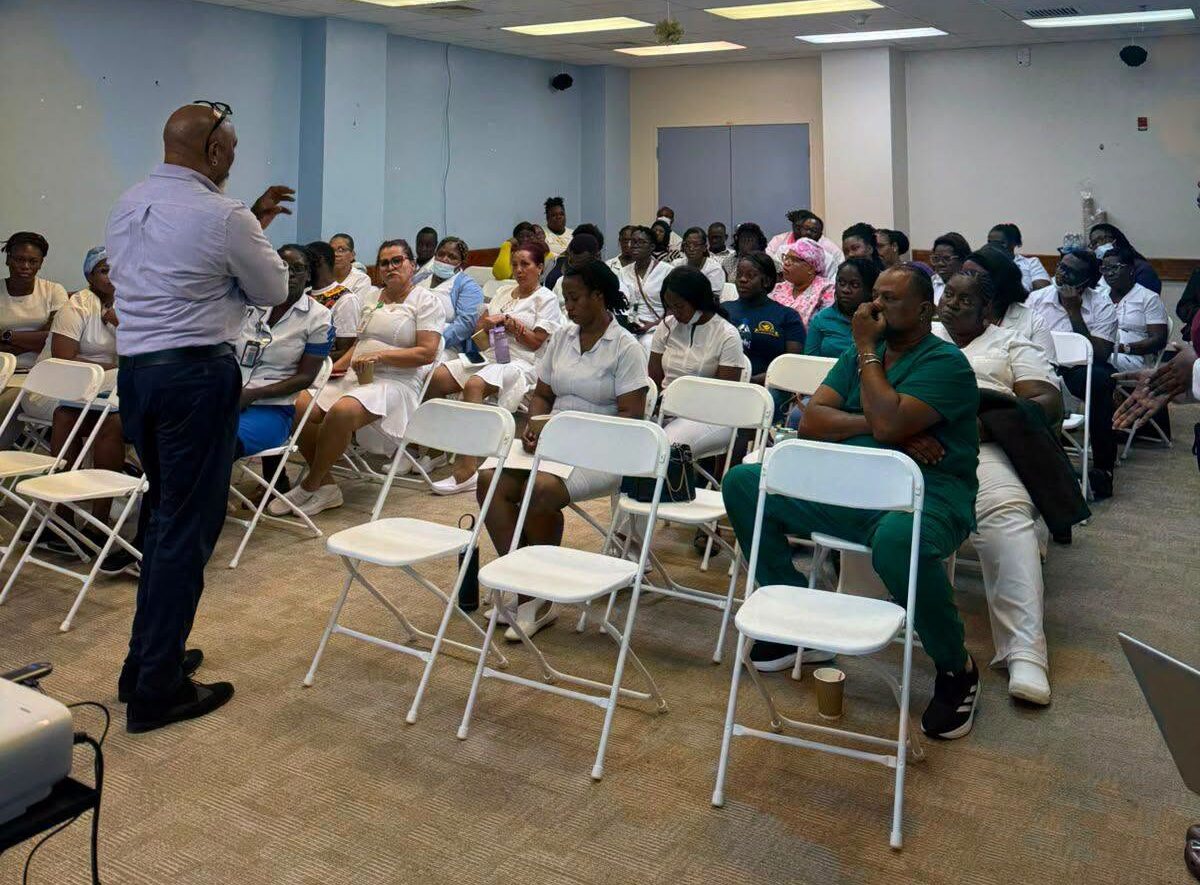
    Frontline nursing teams at Antigua’s Sir Lester Bird Medical Centre have completed a targeted medication safety refresher training, a new initiative focused on elevating patient care standards through upskilled clinical practice. Designed to reinforce evidence-based best practices that are often overlooked in the fast pace of daily hospital work, the program moved beyond standard rote learning to prioritize hands-on, interactive engagement with the material.

    Organizers structured the curriculum around real clinical scenarios that participating nurses have actually encountered in their shifts, creating space for open discussion, problem-solving, and knowledge-sharing among veteran and newer nursing staff alike. This case-based approach allowed attendees to test their understanding of safety protocols, ask targeted questions, and walk through decision-making processes in low-stakes, collaborative settings, rather than relying on passive lectures.

    The training was co-developed and led by two internal hospital teams: the facility’s experienced Pharmacy department, which brings on-the-ground expertise in medication dosage, dispensing, and risk mitigation, and a senior Clinical Educator from the hospital’s Learning and Development Unit, who specialized in adult professional education for clinical staff. This cross-department collaboration ensured the training balanced practical, day-to-day clinical needs with established professional development framework.

    Hospital administration officials noted that this training is not a one-off event, but part of a sustained, institution-wide commitment to ongoing professional learning for all clinical care staff. The overarching goals of these continuous education efforts are threefold: reducing preventable medication errors, embedding a culture of patient safety across every department, and supporting staff in growing their skills throughout their careers, all to uphold the medical centre’s high standards of clinical care.

    In a statement highlighting the importance of this work, the medical centre reaffirmed that continuous upskilling is not optional for safe medication management—every step of the medication process, from ordering to administration, carries implications for patient outcomes. To anchor this commitment, the institution emphasized two core guiding principles: “every dose matters” and “every patient matters”, framing medication safety as a foundational responsibility that touches every patient interaction.

  • PAHO launches US$24 million appeal to support health response following devastating earthquakes in Venezuela

    PAHO launches US$24 million appeal to support health response following devastating earthquakes in Venezuela

    In the wake of two devastating back-to-back earthquakes that rocked north-central Venezuela on June 24, the Pan American Health Organization (PAHO) has launched a $24 million emergency fundraising appeal to fund six months of urgent health interventions and early health system recovery in the hardest-hit regions of the country.

    The twin tremors, measured at magnitudes 7.2 and 7.5, left a trail of widespread destruction that ranks among the most severe natural disasters to impact Venezuela in decades. As of official government updates from June 29, the disaster has claimed more than 1,943 lives and left over 10,500 people injured. The quakes struck already vulnerable densely populated urban areas grappling with pre-existing humanitarian crises, leveling or severely damaging hundreds of health facilities along with critical national infrastructure including power grids, water systems, transportation networks, and telecommunications services.

    In the immediate aftermath of the disaster, search and rescue operations are still ongoing, but the public health emergency has entered a new, more complex phase. Local hospitals are already operating drastically over capacity to treat a surge of trauma patients, while critical shortages of essential medications, surgical supplies, laboratory reagents, and life-saving medical equipment have put continuous care delivery at severe risk. Beyond immediate physical injuries, public health risks are projected to escalate rapidly in the coming weeks: damaged health infrastructure, mass population displacement, overcrowded emergency shelters, interrupted routine vaccination campaigns, and compromised water and sanitation systems have drastically increased the likelihood of outbreaks of vaccine-preventable and other communicable diseases. At the same time, the psychological toll of the disaster on affected communities and frontline health workers continues to grow.

    The $24 million appeal will allocate funding to six core priority areas over the next six months, designed to address both immediate life-saving needs and long-term health system recovery. These priorities include: delivering emergency trauma, surgical, and critical care to impacted patients; restoring the functional capacity and safety of damaged essential health services; procuring and distributing life-saving essential medications, vaccines, laboratory supplies, and medical equipment; preventing disease outbreaks through enhanced surveillance, expanded vaccination campaigns, laboratory system strengthening, infection prevention and control protocols, water and sanitation interventions, and vector control; expanding access to mental health and psychosocial support to protect the wellbeing of affected populations; and strengthening cross-sector health coordination, emergency management capacity, and the transition from immediate response to early recovery.

    The appeal targets direct support for approximately 700,000 residents in the most severely affected municipalities, while also bolstering referral hospitals and regional health services that serve millions more people whose access to routine and emergency care has been disrupted by the disaster.

    “While search and rescue efforts continue, the health emergency is entering a new phase,” explained PAHO Director Dr. Jarbas Barbosa. “Thousands of injured people require ongoing care, hospitals remain under enormous pressure, and the risk of disease outbreaks is increasing. This appeal will help save lives today while supporting the recovery of essential health services for the months ahead.” Dr. Barbosa further emphasized the critical urgency of the funding, noting, “Investing in health now will not only help save lives but also prevent secondary public health emergencies that could prolong the humanitarian impact of this disaster. We call on governments, development partners, international financial institutions, philanthropic organizations and the private sector to support this appeal and stand in solidarity with the people of Venezuela.”

    Since the earthquakes struck, PAHO has already mobilized a coordinated on-the-ground response in close partnership with Venezuela’s Ministry of Health, national Civil Protection agencies, United Nations partners, and regional Health Cluster members. The organization activated its full Incident Management System and Regional Response Team immediately after the disaster, deployed specialized emergency response experts to the impacted regions, completed rapid needs assessments of priority hospitals, and coordinated the deployment of international Emergency Medical Teams to reinforce local care capacity. PAHO has also already shipped emergency supplies from its regional Strategic Reserve based in Panama, including trauma care kits, essential medications, and emergency medical equipment, while supporting urgent procurement efforts for additional vaccines, medications, laboratory supplies, and other critical health commodities.

    Founded in 1902 as the world’s oldest international public health agency, PAHO works with all countries across the Americas to improve population health and quality of life. It acts as the World Health Organization’s Regional Office for the Americas and serves as the specialized health agency of the Inter-American System (OAS).

  • World Bank Appoints Achim Fock as Division Director for the Caribbean

    World Bank Appoints Achim Fock as Division Director for the Caribbean

    The World Bank has revealed a key leadership appointment for its regional work in the Caribbean, announcing Wednesday that Achim Fock will take up the post of Division Director for the Caribbean region. In this senior leadership role, Fock will steer the global development institution’s strategic partnerships and active project portfolio across all Caribbean nations, with oversight over a broad portfolio of initiatives including development lending, data-driven analytical work, policy advisory services, and targeted trust fund programs. All of these efforts are focused on advancing inclusive, sustainable, and shock-resistant development across the small and vulnerable economies of the region. Fock brings a quarter-century of hands-on experience within the World Bank’s global network to his new role, giving him deep institutional knowledge of the bank’s operating models and development priorities. Most recently, he served as Country Manager for Zambia, where he led portfolio oversight and direct engagement with national government stakeholders and development partners. Prior to his posting in Southern Africa, Fock held the role of Operations Manager for four major Southeast Asian economies: Brunei, Malaysia, the Philippines, and Thailand. He also previously served as Operations Manager for Vietnam, and has held senior leadership roles including Manager of the Development Effectiveness Unit for the South Asia region. Early in his World Bank tenure, Fock worked as a Senior Economist, delivering policy and economic analysis across multiple countries across Africa, East Asia, and Eastern Europe, building a global perspective on diverse development challenges. In his new position, Fock will take ownership of all the World Bank’s regional programming across the Caribbean. Core priorities will include expanding and strengthening collaborative partnerships with national governments, local civil society organizations, and private sector actors across the region. He will also lead the bank’s support to Caribbean nations as they navigate a complex set of interconnected development challenges. These pressing priorities include expanding job creation and driving inclusive growth in key economic sectors, supporting a just and affordable energy transition to meet global climate commitments, and building comprehensive 360-degree resilience across the region. Key resilience-focused efforts will include expanding investment in disaster risk preparedness and accessible disaster risk financing, delivering climate-resilient infrastructure, and strengthening broad economic resilience to withstand global shocks and climate impacts. Fock holds an impressive academic background aligned with his development work: he earned a PhD in Agricultural Economics, two master’s degrees in Agricultural Science and Agricultural Economics respectively, and a postgraduate diploma focused on European Integration and International Economics.

  • Three-year-old rescued and taken to hospital six days after Venezuela quake

    Three-year-old rescued and taken to hospital six days after Venezuela quake

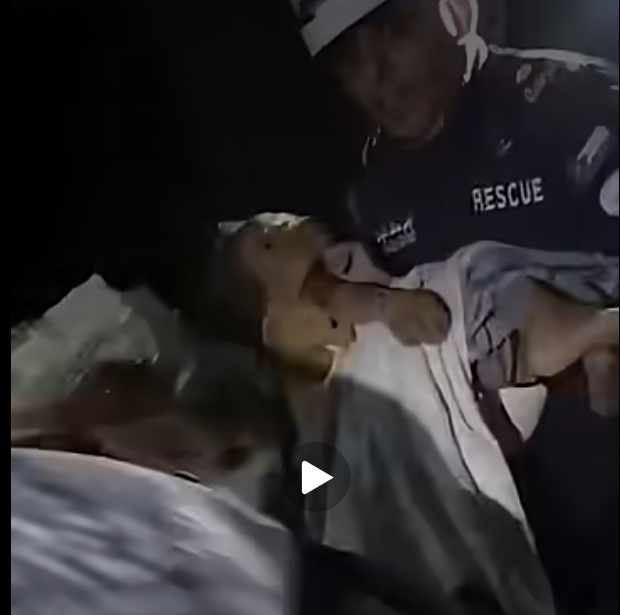
    A remarkable story of survival has emerged from the wreckage of a recent earthquake in Venezuela, where rescue teams have pulled a three-year-old child alive from collapsed structures six full days after the seismic event struck. The young survivor was immediately airlifted by emergency responders to a nearby medical facility for urgent assessment and treatment, leaving both rescue workers and the local community stunned by the extraordinary outcome.

    The earthquake, which hit the South American nation recently, caused widespread destruction across affected regions, toppling buildings, displacing hundreds of residents and cutting off critical infrastructure access for first responders. For six straight days, search and rescue teams worked around the clock, sifting through tons of concrete and debris in the hopes of finding any remaining survivors trapped beneath the ruins—an effort that many thought would only yield recovery of victims, not living people.

    Local health officials have not yet released detailed information about the child’s condition, but initial reports from emergency crews confirm the toddler was responsive when found, marking one of the most uplifting moments in the aftermath of the natural disaster. Rescue team leaders have praised the tenacity of their crews, who refused to abandon the search even as the window for finding surviving survivors narrowed dramatically after the first 72 hours, the typical critical period for earthquake rescue operations.

    The international disaster response community has been monitoring the situation in Venezuela closely, with multiple organizations offering logistical support and additional resources to assist with search, rescue and recovery efforts. This unexpected miracle has given a glimmer of hope to a nation grappling with the aftermath of the quake, which has already claimed an untold number of lives and left many more homeless.

  • Pierre Takes CARICOM Chair, Pledges to Bring Regional Body Closer to the People

    Pierre Takes CARICOM Chair, Pledges to Bring Regional Body Closer to the People

    GEORGETOWN, GUYANA – 30 June 2026: With just hours remaining before he formally assumes the rotating leadership of the Caribbean Community (CARICOM), incoming Chair and Prime Minister of Saint Lucia Hon. Philip J. Pierre has laid out his vision for a people-centered six-month term, emphasizing collective action and tangible benefits for Caribbean citizens.

    Pierre will officially take over the chairmanship on 1 July 2026, and will hold the post through the end of December 2026. In his pre-assumption statement released by the CARICOM Secretariat, headquartered in Turkeyen, Greater Georgetown, Pierre framed his acceptance of the role as a commitment rooted in service to the Caribbean region’s 16 million residents.

    “CARICOM has always been built on a simple but powerful belief: that our countries can achieve more together than we ever could alone,” Pierre said, noting that this founding principle remains just as relevant today amid a period of profound global shifts. As Caribbean nations adapt their economies to new global realities and work to address evolving social challenges, Pierre argued that cross-border cooperation, innovation, and shared purpose are non-negotiable for progress.

    At the core of his incoming agenda is a focus on answering a critical question on the minds of ordinary residents across the region: How can CARICOM deliver more visible, meaningful improvements to everyday life? This question, Pierre stressed, will guide every policy and initiative pursued during his term.

    First on his priority list is strengthening regional solidarity. “The Caribbean is strongest when we work together, speak with purpose, and respect the voices and contributions of every Member State,” he noted, pointing to the region’s rich diversity of cultures, languages, and traditions as one of its greatest competitive and collaborative assets, not a barrier to unity.

    Pierre also highlighted the interconnected nature of development and public safety, pledging to advance collective work to build safer, more secure communities where all residents have the space to live, work, learn, and thrive with dignity. For the regional bloc, he emphasized, success can only be measured by whether ordinary people actually feel the benefits of integration in their daily lives. “Integration that our people cannot feel will not last,” he said.

    Looking ahead to his six-month tenure, Pierre called for collective action to build a CARICOM that is more united, inclusive, resilient, and future-ready, framing the next chapter of the bloc’s work as a journey “from resilience to renewal and revival.”

    Established in 1973 via the Treaty of Chaguaramas and revised in 2001 to launch a single market and economy, CARICOM stands as one of the most successful examples of regional integration in the developing world. The bloc comprises 15 full Member States and six Associate Members, with 60% of its combined population under the age of 30. Its work is organized around four core pillars: economic integration, coordinated foreign policy, human and social development, and security cooperation, with the overarching goal of building a unified, competitive global bloc where all citizens can access opportunity, enjoy guaranteed human rights and social justice, and share in shared economic, social, and cultural prosperity.

  • IMPORTANT NOTICE: Immigration Amnesty 2026

    IMPORTANT NOTICE: Immigration Amnesty 2026

    The Government of Antigua and Barbuda, through the Ministry of Immigration led by Honourable Minister E.P Chet Greene and the national Department of Immigration, has officially announced the launch of the 2026 Immigration Amnesty Programme, authorized under the recently passed Immigration and Passport (Amendment) Act, 2026. This three-month initiative is designed to create a formal pathway for long-term residents with unresolved immigration status issues to bring their documentation into compliance with local law.

    The amnesty initiative will run for exactly three months, opening for applications on Wednesday, July 1, 2026, and closing all submissions at the end of the day on Wednesday, September 30, 2026. Eligibility for the program is restricted to two core groups of residents: individuals who have maintained continuous residence in Antigua and Barbuda for a minimum of four years, and who currently face gaps, errors, or formal irregularities in their official immigration standing during that residency period.

    To complete an application, eligible candidates must prepare a set of required documentation to submit alongside their formal request. This includes one passport-sized biometric photograph, a filled-out Amnesty Application Form (which will be provided directly by the Department of Immigration on the day an applicant submits their materials), and official police clearance records from every country or territory where the applicant has lived over the past four years. In terms of administrative costs, applicants are required to pay a non-refundable processing fee of 500 Eastern Caribbean dollars, plus an additional 150 Eastern Caribbean dollar fee for formal change of status processing. Immigration officials have urged all candidates to double-check their materials before submission, noting that incomplete applications will either face significant processing delays or be rejected outright until all missing requirements are fulfilled.

    All applications are accepted exclusively at Antigua and Barbuda’s Immigration Headquarters, during a designated submission window of 2:00 p.m. to 4:00 p.m. from Monday to Friday. To streamline the process and avoid crowding or disorder, all submissions will be handled on a first-come, first-served basis, with a formal numbered queue system in place to manage applicant flow.

    For members of the public seeking general information outside of application submission hours, two dedicated enquiry channels are available. The first is a permanent Amnesty Information Desk located at the main entrance of Immigration Headquarters, and the second is a dedicated phone line staffed during regular business hours from 8:30 a.m. to 4:00 p.m. Additional guidance, program updates, and information on any unlisted supplementary requirements will be provided directly to applicants once they lodge their formal applications at headquarters.

    Officials have emphasized a key clarification for all potential applicants: meeting the program’s basic eligibility requirements does not guarantee final approval of status regularization. Every submission will undergo an individual assessment based on criteria laid out in the Immigration and Passport (Amendment) Act, 2026, and all other relevant national immigration laws and policies. In a closing statement, the Department of Immigration encouraged all individuals who meet the eligibility criteria to take advantage of this limited-time opportunity to resolve their immigration status before the program closes in September 2026.

  • Alexander Whittaker Leads 2026 National Road Race Champions

    Alexander Whittaker Leads 2026 National Road Race Champions

    The 2026 edition of Antigua and Barbuda’s National Road Race wrapped up Sunday, with local cyclist Alexander Whittaker earning the prestigious national champion title at the Top Ranking Ltd Individual Road Race. Though overall race victory went to Grenadian visitor Abbiel Fleming, who crossed the finish line after an intense 2 hours 37 minutes and 51 seconds of racing, Whittaker claimed national honours as the highest-ranked domestic competitor from Antigua and Barbuda.

    The one-day event did not just crown the elite senior men’s national champion, with titles awarded across a wide range of age and skill divisions to accommodate riders of all backgrounds. In the masters categories, which cater to experienced veteran competitors, Jason Adams secured the top spot on the podium in the Masters A division, while Vaughn Gomes took home the championship jersey in the closely contested Masters B category. Up-and-coming amateur competitor Tiger Tyson outpaced rivals to claim victory in the Sports Class division.

    Youth competitors also took centre stage during the event, showcasing the depth of emerging cycling talent across Antigua and Barbuda. In the juvenile ranks, Elite Thomas delivered a standout performance to win the division title, while D’Jani Richards earned the national champion crown in the cadet category. After hours of competitive racing across all divisions, event organizers brought the day to a close by extending recognition to every rider who participated, praising their dedication, athleticism and commitment throughout the challenging race.