标签: Antigua and Barbuda

安提瓜和巴布达

  • Government Advances Plan to Transform Darkwood Beach into Public Park

    Government Advances Plan to Transform Darkwood Beach into Public Park

    At a post-Cabinet press briefing held on Thursday, Director General of Communications Maurice Merchant publicly introduced a new government-led initiative to reimagine and redevelop Darkwood Beach, a landmark coastal site counted among the nation’s most valued natural assets. The project forms a key component of the administration’s wider national development agenda, with Cabinet receiving a formal progress update during its recent deliberations.

    The core mission of the redevelopment is two-fold: to safeguard the beach’s unique natural ecosystem and scenic character, while upgrading public infrastructure to deliver better recreational experiences for both local residents and international visitors. Under the plan, Darkwood Beach will be transformed into a dedicated public park that balances conservation with improved accessibility and amenities. Merchant confirmed that Cabinet discussed the Darkwood Beach proposal alongside separate redevelopment plans for the nearby Perry Bay-Keeling Point region, but stressed that each initiative will advance through independent regulatory and planning workflows to avoid delays or misalignment.

    As planning moves forward, concept designs for the Darkwood Beach project will be submitted to the full Cabinet for review and approval at key milestones. A central priority for the government is ensuring all development work adheres to strict environmentally responsible standards. To embed this commitment, Cabinet has issued a formal directive requiring a comprehensive Environmental Impact Assessment (EIA) to be completed before any construction work can begin. According to Merchant, this assessment will shape every stage of the planning process, ensuring that environmental protection is fully integrated into the project’s final blueprints. The environmental review will also guide design adjustments to preserve the beach’s unique natural features throughout all phases of construction and redevelopment.

    At the time of the briefing, no specific timeline for construction start or completion was released, nor were detailed specifications of the planned new recreational amenities made public. Merchant framed the initiative as a reflection of the government’s balanced approach to national development: prioritizing the preservation of critical public green and coastal spaces, while investing in infrastructure that boosts quality of life for citizens and supports the nation’s tourism sector.

  • Antigua and Barbuda Police to Intensify Crackdown on Illegal Ski Masks

    Antigua and Barbuda Police to Intensify Crackdown on Illegal Ski Masks

    The twin-island Caribbean nation of Antigua and Barbuda is rolling out an aggressive new law enforcement initiative targeting the rising trend of young people wearing ski masks in public spaces, a practice that has been prohibited under existing national legislation for years. The new crackdown was formally unveiled by Director General of Communications Maurice Merchant during a post-Cabinet press briefing held on Thursday, where he outlined that both the national Cabinet and Police Administration have grown increasingly alarmed by the steady uptick in unauthorised ski mask use across the country’s streets.

    The discussion over the emerging trend made its way to Wednesday’s weekly Cabinet meeting after ministers personally observed the growing popularity of ski masks as a fashion item among the nation’s youth. “As you travel through communities and walk along public thoroughfares in Antigua and Barbuda, it is impossible to miss the growing number of people wearing ski masks for no clear reason,” Merchant told reporters. “For many of our young people, this appears to simply be a new, controversial fashion statement.”

    Under Antigua and Barbuda’s existing laws, ski masks are classified as illegal apparel for public wear, with only narrow exceptions granted for workers who require the protective face covering to carry out their job duties. Construction workers, for example, are permitted to wear ski masks during active work shifts, but this exemption does not extend to wearing the garment in public spaces outside of working hours. “We want to make this clear to parents and the general public: ski masks are banned from public wear across Antigua and Barbuda,” Merchant emphasized.

    To enforce the long-standing ban, law enforcement officers have received formal orders to launch what Merchant described as a “rigorous campaign” aimed at eliminating unauthorised ski mask use from the nation’s public spaces. Under the new initiative, officers will confiscate any ski masks that are being worn in violation of the law. “If an individual is found wearing a prohibited ski mask in public, officers will take the item directly from their possession,” Merchant explained. He added that anyone who resists this enforcement action will face additional action from police, as local law grants officers authority to take all necessary steps to ensure compliance with the ban.

    Alongside the discussion of the ski mask ban, Cabinet members also addressed a recent uptick in street jewellery snatching incidents across the country. Prime Minister Gaston Browne pushed for harsher legal consequences for offenders, arguing that current penalties amount to little more than a “slap on the wrist” that fails to deter criminal activity. No new formal policy changes or legislative amendments were announced during this week’s briefing, however. The new ski mask enforcement campaign is set to get underway immediately, as authorities work to crack down on face coverings that they argue can enable criminal activity and address mounting public safety concerns across the nation.

  • Antigua and Barbuda Records Lowest Urban Population in CARICOM

    Antigua and Barbuda Records Lowest Urban Population in CARICOM

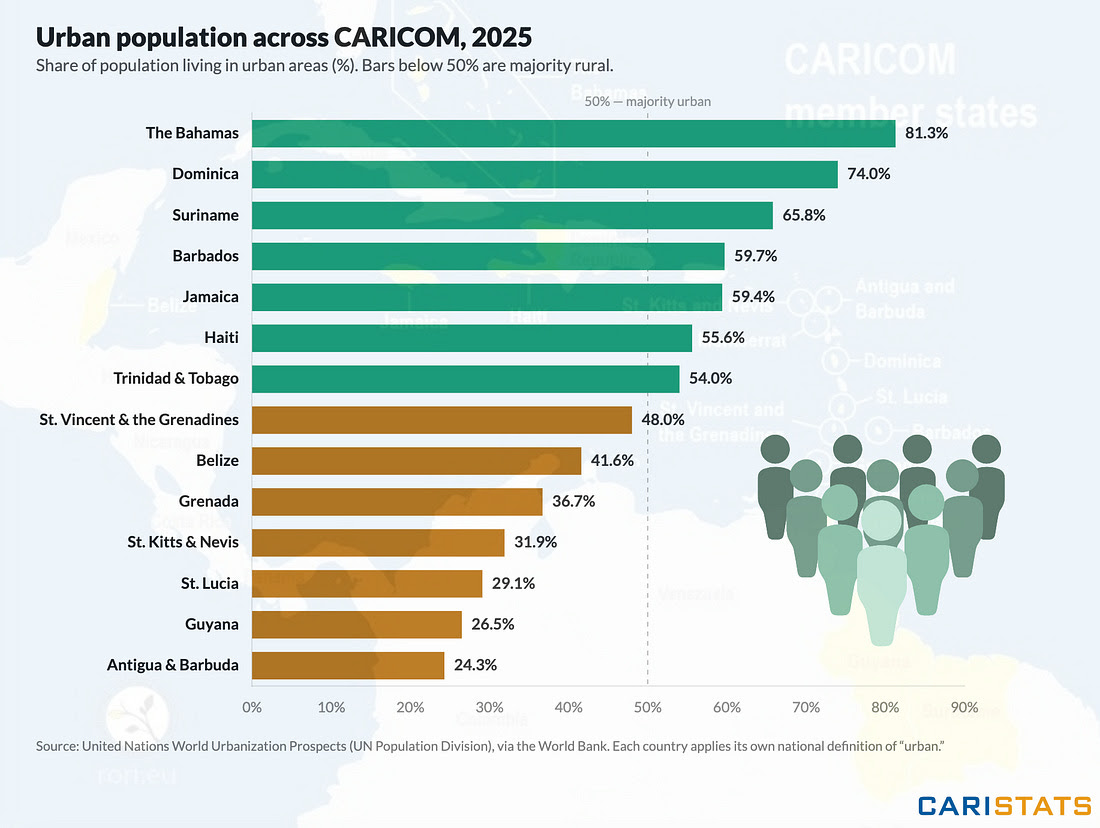
    A recent analysis published by the Caribbean Community (CARICOM) Statistics Agency CARISTATS has uncovered striking variation in urban population shares across the bloc’s 14 member states, challenging common assumptions that economic development correlates directly with higher urbanization rates.

    According to 2025 population estimates drawn from the United Nations World Urbanization Prospects dataset, managed by the UN Population Division and accessed via the World Bank, urban population shares across member states span from a low of 24.3% in Antigua and Barbuda to a high of 81.3% in The Bahamas. This puts Antigua and Barbuda at the bottom of the regional ranking for urban population share.

    Counter to widespread expectations, the data confirms that a country’s level of economic development does not align with its degree of urbanization. Several small, high-income CARICOM economies actually rank among the most rural in the bloc. Beyond Antigua and Barbuda, Saint Lucia reports just 29.1% of its population living in urban areas, while Saint Kitts and Nevis registers 31.9% urban population. These nations join the lower-income South American member state Guyana, which counts only 26.5% of its residents as urban, at the lower end of the regional ranking.

    On the opposite end of the spectrum, The Bahamas leads the region in urban concentration, followed closely by Dominica at 74% and Suriname at 65.8%. In most of these highly urban member states, the vast majority of the population is clustered around a single capital city or along developed coastal belts.

    CARISTATS researchers note that much of this wide variation stems not from actual differences in population density, but from divergent national definitions of what qualifies as an “urban” area. Each CARICOM member state sets its own criteria for classifying urban settlements, basing the designation on factors such as minimum settlement population size, administrative status as a town or city, or the dominant type of economic activity in the area. This means that even tightly packed residential development on a small compact Caribbean island can still be officially classified as rural under a country’s own national guidelines.

    Overall, the report concludes that for a majority of CARICOM’s population, most residents still reside in areas classified as rural by their national governments, a reality that diverges from the region’s popularly held image as predominantly urbanized.

  • OPINION: The Pitch Is the Map

    OPINION: The Pitch Is the Map

    Long before the opening kickoff of the 2026 FIFA World Cup, the broadcast cameras already begin their quiet work of cartography. As lenses pan across team lineups, they lay bare a truth that political rhetoric and fortified border walls have long tried to hide: the modern concept of nationhood can no longer be defined by racial purity, and global power no longer revolves around a single dominant pole. On the green grass of this tournament, hosted across North America, the most unflinching map of the 21st century is drawn with every pass, every tackle and every goal.

  • School Honours Irene B. Lady Williams for a Lifetime of Service to Education and Community

    School Honours Irene B. Lady Williams for a Lifetime of Service to Education and Community

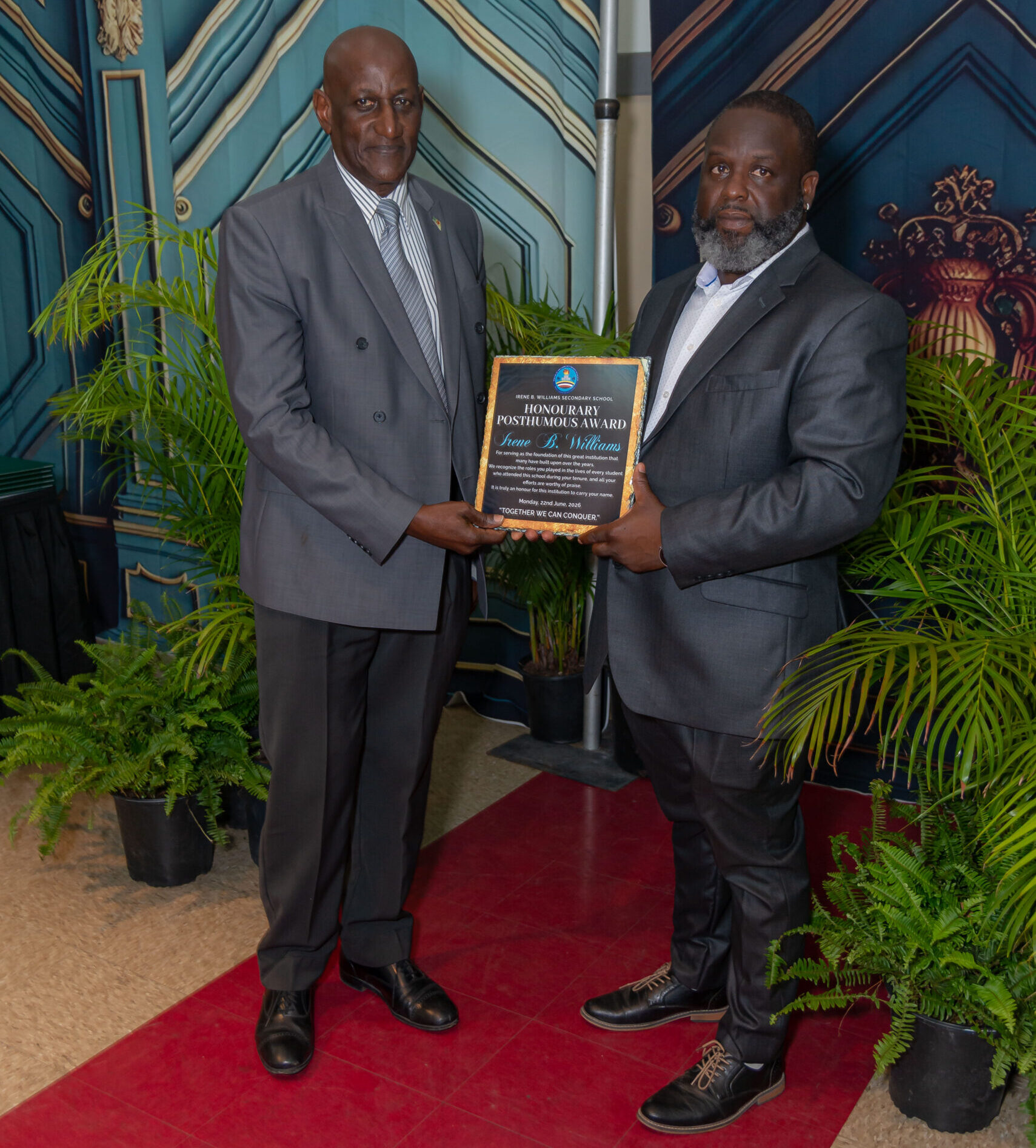
    On June 22, 2026, the Irene B. Williams Secondary School in Antigua and Barbuda honored one of the nation’s most beloved trailblazers in education and community development: Irene B. Lady Williams, bestowing an Honorary Posthumous Award to recognize her extraordinary contributions to learning, public life and national progress.

    The ceremony paid tribute to a woman whose vision, steady leadership, and unshakable commitment shaped countless generations of Antiguans and Barbudans, and whose life’s work continues to motivate every student who walks the halls of the campus that carries her name. The award’s official citation framed Lady Williams as the very foundation on which the school was built, highlighting her immeasurable impact on national education and emphasizing that the institution considers itself privileged to bear her legacy.

    His Excellency The Rt. Hon. Sir Rodney Williams, Governor-General of Antigua and Barbuda and Lady Williams’ son, could not attend the event due to scheduled overseas official duties. Deputy Governor-General Sir Clare K. Roberts stood in for the Governor-General, while Ewart Lee Williams, Lady Williams’ youngest son, accepted the honor on behalf of the entire Williams family. For the family, the award was far more than a ceremonial gesture: it was a deeply moving confirmation that Lady Williams’ decades of selfless service are still cherished and remembered by the school community and the nation she dedicated her life to.

    Born into an era of limited opportunity for women in education, Lady Williams’ 40-plus year career in education began at just 15 years old, made possible by her exceptional academic talent. After graduating from the Antigua Teachers’ Training College, she took up a teaching post in neighboring Montserrat before returning to her home country, where she served at multiple government primary schools including Swetes, All Saints, and Liberta. She eventually returned to Swetes Government School as its principal, leading the institution with tremendous distinction. That campus would eventually grow into the Irene B. Williams Secondary School, a permanent monument to her life’s work.

    Beyond her role as an educator, Lady Williams earned a reputation as a firm but caring disciplinarian, lifelong life coach, and dedicated humanitarian. She held firm to the belief that education was the single most powerful pathway to social and economic opportunity, and devoted every part of her life to ensuring that no child was denied the chance to succeed. She often went above and beyond the walls of the classroom: she would seek out children working long hours in local agricultural fields, meet with their parents to emphasize education’s importance, and persuade families to send their children back to school. Many of those young people grew to become successful professionals, educators, public servants, and community leaders, all of whom credit Lady Williams with altering the course of their lives for the better.

    Her service extended far beyond education. Affectionately nicknamed the “Village Nurse,” Lady Williams provided basic care to hundreds of local families, treating minor injuries and ailments when formal medical care was hard to access, while offering compassionate advice to all who sought her help. Local parents trusted her not just with minor medical care for their children, but for the moral guidance and disciplined upbringing that she was known for providing.

    A devout Christian, Lady Williams also poured her energy into the spiritual and social development of her community. She founded a Women’s Fellowship, a community support group, a church choir, and a village community choir. She taught home economics and culinary skills to young women, served as her parish’s Red Cross representative, and organized community initiatives like village garden competitions to strengthen family and community bonds.

    Lady Williams also held an unwavering commitment to justice and personal accountability. She never shied away from confronting young men who fathered children but refused to provide financial or emotional support, convinced that personal responsibility was the bedrock of strong families and strong communities. Her firm but empathetic approach earned her widespread respect, and led to tangible positive change in the lives of everyone she counseled.

    Renowned for her honesty, integrity, compassion, and boundless love for her community, Lady Williams led by example. Her strength of character and unwavering dedication to service won her the admiration of everyone who met her, and her outsized influence in Swetes Village earned her the affectionate title of de facto Mayor of Swetes, a reflection of the deep respect the community held for her.

    Speaking after the ceremony, Ewart Lee Williams expressed profound gratitude to Principal Ursula Willock, the school’s staff, current students, alumni, and the entire school community for their work to honor and preserve Lady Williams’ extraordinary legacy. He also extended the family’s thanks to Sir Clare K. Roberts for standing in for the Governor-General during his official overseas trip.

    Today, the award stands not just as a recognition of one woman’s extraordinary achievements, which transformed thousands of lives across Antigua and Barbuda. It also serves as a powerful reminder that true greatness is measured not by formal titles or public honors, but by a lifetime of devotion to lifting up others. For every student who passes through the school’s gates, the name on the building is more than just an institutional label: it is a permanent tribute to a remarkable woman who dedicated her life to educating, inspiring, and uplifting generations, and whose legacy continues to shape the future of Antigua and Barbuda. Under the leadership of Principal Willock, the school remains committed to upholding Lady Williams’ values by nurturing academic excellence, strong moral character, and a commitment to community service among every cohort of students.


  • Minister Joseph Highlights Food, Soil and Environment as Pillars of Preventive Healthcare

    Minister Joseph Highlights Food, Soil and Environment as Pillars of Preventive Healthcare

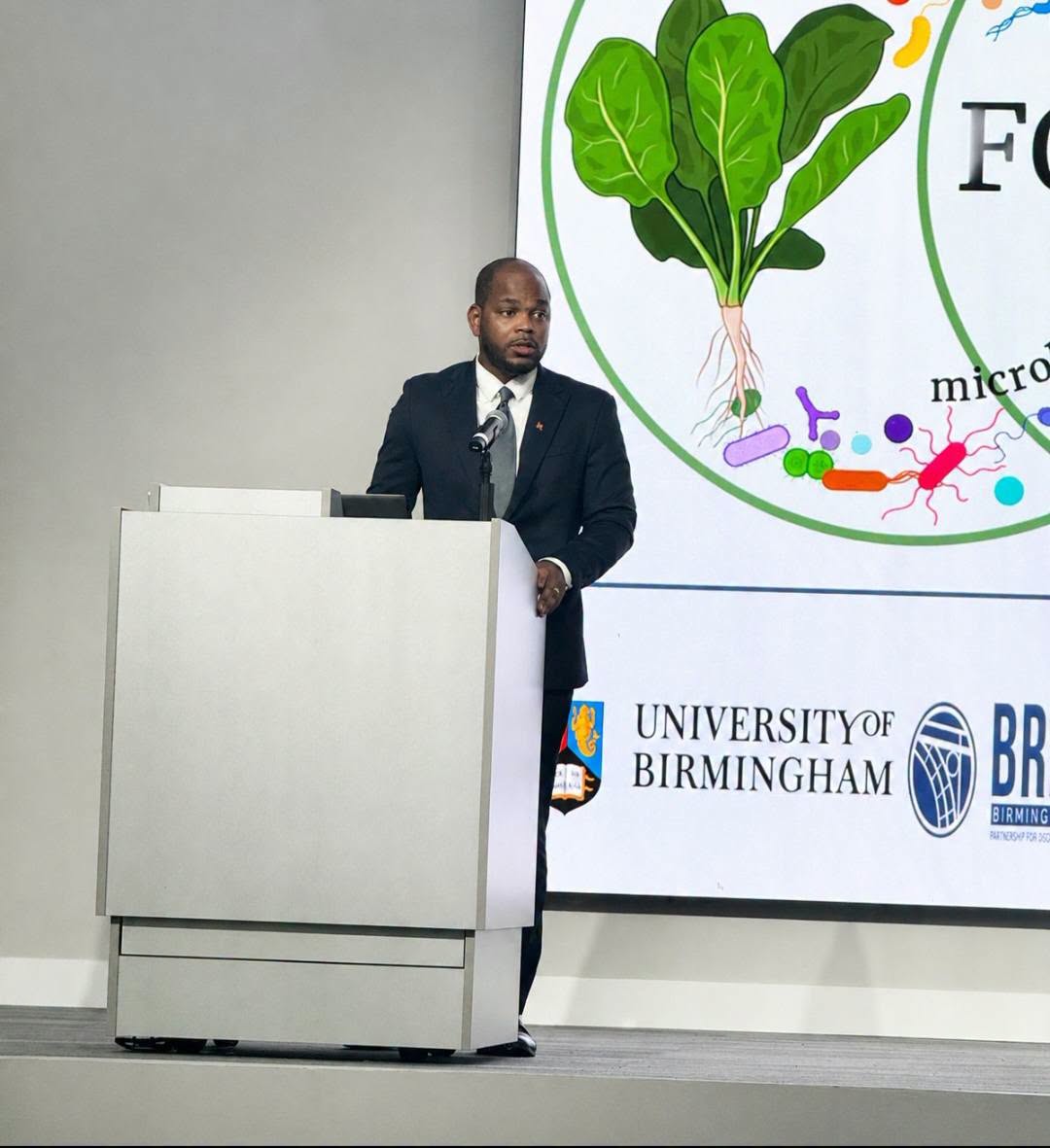
    At the official opening of a groundbreaking public health workshop titled “Food as Medicine, Soil as Health: Cultivating Health from the Ground Up,” Honorable Michael Joseph, Minister of Health, Wellness, Environment and Civil Service Affairs of Antigua and Barbuda, has highlighted the deeply interconnected relationship between food systems, environmental health and proactive disease prevention, calling for a cross-sector, integrated framework to advance national public health outcomes.

    Hosted by the American University of Antigua (AUA) College of Medicine, in strategic partnership with the University of Illinois and the University of Birmingham, the workshop gathers a diverse cohort of stakeholders spanning academic researchers, frontline healthcare providers, public policy makers, education specialists and community organizers. Together, attendees are exploring the underrecognized causal links between soil health, dietary nutrition and long-term human well-being, a topic that has gained growing global attention amid rising rates of chronic disease and climate-driven environmental disruption.

    In his opening address to participants, Minister Joseph praised the three collaborating academic institutions for bringing together experts across multiple disconnected disciplines to tackle a core public health challenge that is often overlooked in traditional healthcare policy. Drawing on his decades of professional experience as a practicing pharmacist, the minister emphasized that while pharmaceutical interventions remain critical for treating existing illness, preventive care must always serve as the foundational cornerstone of a effective, sustainable national healthcare system.

    “Our health does not start when we walk through a doctor’s office door or check into a hospital,” Minister Joseph told attendees. “It starts long before that, in the quality of the soil where our food grows, the clean water that nourishes our crops, and the healthy environment that sustains every part of our food system.”

    Expanding on this framing, he noted that one of the most enduring lessons from global public health practice is that prevention is always far more effective and equitable than treatment. “While medicines are irreplaceable for managing illness, they can never take the place of consistent healthy living, balanced nutrient-dense diets, and proactive measures to stop disease before it develops,” he explained. “In fact, the most powerful health prescription we can offer is rooted in the daily choices each of us makes about the food we put on our plates.”

    Minister Joseph also pointed out the natural synergy between his overlapping ministerial portfolios for public health and environmental management, noting that healthy human populations can only thrive when supported by healthy, resilient natural ecosystems. “Nutritious food crops can only grow from healthy soil. Clean water is the backbone of sustainable agriculture. Biodiversity creates food systems that can withstand shocks like drought and pest outbreaks. Responsible environmental stewardship protects the very natural resources that our collective health depends on,” he said. “When we invest in protecting our environment, we are directly investing in the long-term health of both current generations and those who will come after us.”

    The minister further noted that pressing global challenges—including accelerating climate change, widespread food insecurity, and the rapidly growing global burden of non-communicable diseases such as diabetes and heart disease—make clear that health outcomes are shaped by far more than just the healthcare sector. Agriculture, education, environmental policy, and community development all play critical roles in determining how healthy a population is, he argued.

    Minister Joseph reaffirmed the Government of Antigua and Barbuda’s unwavering commitment to advancing four core priorities: strengthening preventive public health infrastructure, promoting accessible healthy lifestyle choices for all citizens, supporting sustainable environmental management practices, and nurturing cross-sector partnerships that develop evidence-based solutions to improve national health. He encouraged attending experts to bring their full expertise to the workshop’s discussions, collaborate to explore innovative new frameworks that shift the national focus from reactive treatment of illness to proactive cultivation of long-term wellness.

    “The path to building a healthier nation does not run only through our hospitals and clinics,” he said. “It runs through our family farms, our community gardens, our classrooms, our local neighborhoods, and the natural environment that surrounds every one of us.”

    After delivering his address, Minister Joseph officially declared the workshop open, expressing strong confidence that the ongoing collaboration between academic institutions, frontline healthcare providers, environmental science experts, and government agencies will deliver meaningful, actionable insights that help build healthier, more sustainable communities across Antigua and Barbuda for years to come.

  • Senator Shaquan O’Neil Donates Medical Supplies and Equipment to SLBMC

    Senator Shaquan O’Neil Donates Medical Supplies and Equipment to SLBMC

    In a generous move to strengthen local healthcare services, Senator Shaquan O’Neil has delivered a targeted donation of essential supplies to the Saint Lucia Better Mental Health Centre (SLBMC), reinforcing his long-term commitment to boosting care access for the surrounding community. During a short handover ceremony, the senator, known for his active engagement in local public welfare, reaffirmed that his support for the hospital and the region’s residents will extend beyond this single contribution to ongoing partnership.

    The donation package includes two key categories of materials: hygiene and cleaning products that address immediate operational needs across the facility, plus digital display screens that will serve the hospital’s system-wide public health education and staff training initiatives. These supplies fill critical gaps that the institution has faced as it works to upgrade its services for patients and visitors alike.

    Honourable Michael Joseph, the country’s Minister of Health, Wellness, The Environment and Civic Affairs, publicly acknowledged the senator’s contribution, extending his sincere gratitude and praising O’Neil’s consistent efforts to lift up local healthcare institutions. For its part, SLBMC leadership welcomed the donation amid the hospital’s ongoing push to elevate service quality and improve overall patient experiences. The facility’s Medical Director shared her excitement over the contribution, emphasizing that private and community partnerships are indispensable to helping public hospitals grow and better serve their populations.

    Hospital officials noted that the new supplies will directly improve daily care delivery at SLBMC, creating cleaner, safer environments for patients and expanding the institution’s capacity to educate both the public and clinical staff. The impact of O’Neil’s donation is expected to be felt by hundreds of patients and community members accessing the center’s services in the coming months.

  • Customs Revenue Climbs to Record EC$573M as Collections Continue Upward Trend

    Customs Revenue Climbs to Record EC$573M as Collections Continue Upward Trend

    The twin-island nation of Antigua and Barbuda has marked a major fiscal milestone, with its Customs and Excise Division notching four straight years of rising revenue and hitting an all-time annual high in 2025, according to an official government announcement. Director General of Communications Maurice Merchant shared the positive update during the country’s weekly post-Cabinet media briefing Thursday, noting that strong growth has carried over into the first half of 2026, outperforming 2025’s midyear results.

    The revenue figures were presented to Cabinet by senior leadership from the Ministry of Finance, including the Financial Secretary, Budget Director, Deputy Financial Secretary, Treasury representatives and the Comptroller of Customs. Officials outlined three core drivers behind the sustained upward trend: higher rates of regulatory compliance among importers and traders, ramped-up enforcement efforts to curb revenue leakage, and a broad-based expansion of economic activity across the country.

    Analysis of the historical data released by the government shows steady acceleration of growth over the four-year period. In 2022, total customs collections came in at EC$392 million, edging up 2.5% to EC$402 million in 2023. The following year saw a dramatic 25% surge that pushed collections to EC$502 million, followed by another 14% increase in 2025 to reach the new record of EC$573 million. That cumulative growth amounts to a 46% increase in annual customs revenue over just four years.

    This positive momentum has not slowed as the country enters 2026. Between January and June of this year, the Customs and Excise Division pulled in EC$276.85 million, which surpasses the EC$255.37 million collected in the first half of 2025. June alone contributed EC$35.97 million to the year-to-date total, a performance that significantly boosted the division’s half-year results.

    Following the presentation, Cabinet issued formal commendation to the Comptroller of Customs and Excise and all department staff, recognizing their ongoing commitment to modernizing revenue administration and lifting compliance standards across the board. Merchant emphasized that the consistent growth in customs collections has directly strengthened the government’s fiscal position, allowing it to meet all existing financial commitments while upholding strict fiscal discipline.

    “The sustained improvement in customs collection has strengthened the government’s ability to meet its financial obligations while maintaining fiscal discipline and supporting national development priorities,” Merchant stated, summarizing Cabinet’s takeaways from the report.

    The customs revenue update was part of a broader fiscal review presented to the Cabinet, which also covered key topics including overall government expenditure, progress on external debt reduction, and domestic fuel pricing. Finance officials told ministers that stronger-than-expected revenue performance has given the government expanded fiscal flexibility to advance its policy agenda. That flexibility is supporting the delivery of major infrastructure projects, funding public healthcare and education services, and maintaining other core public commitments, all while the government continues to pursue prudent long-term fiscal management.

  • Antigua and Barbuda Cuts China Debt by More Than Half, Cabinet Told

    Antigua and Barbuda Cuts China Debt by More Than Half, Cabinet Told

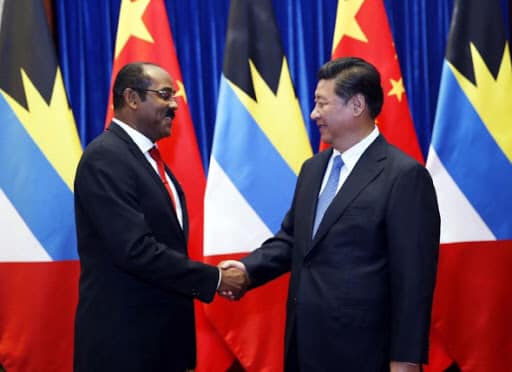
    In a landmark achievement for its national debt reduction strategy, the Caribbean nation of Antigua and Barbuda has slashed its outstanding outstanding loan obligations to China from over $300 million to roughly $120 million, the country’s Director General of Communications Maurice Merchant announced Thursday during the weekly post-Cabinet press briefing.

    The debt update was included as a core component of the second-quarter fiscal performance report delivered to the Cabinet by senior finance ministry officials, who outlined the full context of the country’s evolving external debt portfolio. According to Merchant, the dramatic reduction in Chinese-backed debt directly reflects the success of the current administration’s deliberate fiscal management framework, backed by consistent post-recovery economic expansion, improved domestic revenue collection, and a disciplined commitment to meeting all scheduled debt repayments on time.

    Merchant emphasized that the steep decline in outstanding Chinese-funded loans stands as one of the most meaningful milestones in the country’s ongoing public debt management program. The original Chinese financing supported many of Antigua and Barbuda’s largest and most transformative public infrastructure projects over recent decades, breaking down to $80 million allocated for the expansion of VC Bird International Airport, $20 million for the construction of the Sir Lester Bird Medical Centre, $55 million for national road infrastructure upgrades, and additional funding for the fifth berth development at the St. John’s Port redevelopment initiative.

    In one of the most notable milestones from the debt reduction drive, the full loan for the Sir Lester Bird Medical Centre has now been completely repaid, a development Cabinet members received with high satisfaction. “Members further noted with great satisfaction that the loan associated with the Sir Lester Bird Medical Centre has been fully liquidated, representing another important milestone in the government’s debt reduction programme,” Merchant told reporters.

    Cabinet collectively attributes the progress in lowering Chinese debt to intentional, prudent fiscal stewardship and the administration’s longstanding commitment to honoring its financial obligations in a timely manner. Finance officials told ministers that stronger customs revenue collections and broad improvements in overall government income have given the country the flexibility to aggressively pay down debt while still maintaining full funding for critical public services and ongoing capital development projects.

    Beyond the immediate win of lower outstanding debt, the reduction of the country’s external debt burden is expected to strengthen Antigua and Barbuda’s overall fiscal position by opening up new fiscal space for future targeted investments. Ministers concluded that the lighter debt load will boost the country’s broader economic resilience, create more room to finance urgent national development priorities, and reinforce the country’s stable macroeconomic standing for long-term growth.

    The debt announcement was just one section of the broader mid-year fiscal review delivered by finance ministry officials. The report also covered other key fiscal developments, including continued growth in customs revenue, ongoing progress in expenditure controls, and the government’s decision to keep domestic fuel prices unchanged even as global international energy costs climb.