博客

  • Gunmen abduct senior security official in Haiti’s capital

    Gunmen abduct senior security official in Haiti’s capital

    Haiti’s already fragile security landscape has been jolted by the high-profile abduction of one of the country’s top law enforcement and defense officials, multiple sources confirm. James Boyard, who holds three critical roles — cabinet director for Haiti’s Ministry of Defense, inspector general of the Haitian National Police, and a leading security analyst — was taken captive by armed assailants this week, an anonymous source with direct knowledge of the incident told the Associated Press Saturday.

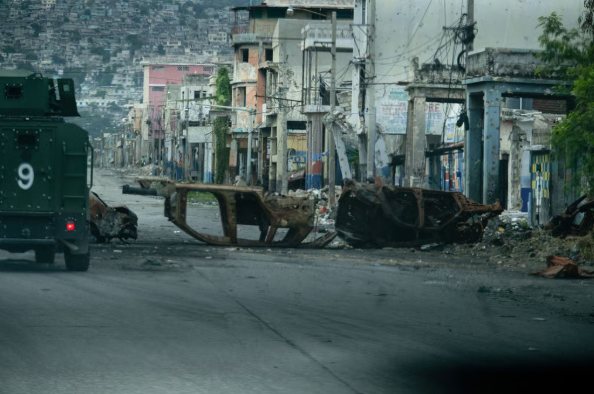
    The kidnapping marks the most high-ranking official abduction in the gang-plagued Caribbean nation in recent memory. Local reporting indicates Boyard was seized on Thursday in Bourdon, a neighborhood in the capital Port-au-Prince long regarded as one of the few relatively secure areas in the city. Currently, an estimated 70% of Port-au-Prince falls under the control of Viv Ansanm, a powerful unified gang coalition that the United States formally designated as a foreign terrorist organization in May 2025.

    A trained political scientist, Boyard has been at the center of two of Haiti’s most critical national security efforts: leading initiatives to rebuild the country’s national armed forces and conducting institutional assessments of the Haitian National Police to guide long-overdue reform. As of Saturday, no group had claimed responsibility for the abduction, and there was no public confirmation of whether the kidnappers have demanded a ransom payment.

    Diego Da Rin, a senior analyst with the International Crisis Group, pointed out that a senior official of Boyard’s standing would typically be assigned a significant personal security detail. This, he argued, suggests the kidnapping was carefully planned and likely involved insider collaboration from someone within Boyard’s own security team.

    Da Rin added that kidnappings are increasingly encroaching on the pockets of Port-au-Prince that were once considered safe havens from gang activity. He detailed common tactics used by assailants, including gang members disguising themselves in police uniforms to stop drivers under the guise of official law enforcement operations.

    The analyst noted that gangs have increasingly shifted their targeting strategy in recent months, focusing on public officials and individuals with dual nationality. This shift, he explained, serves two key gang objectives: securing larger ransom payments to fund their operations, and applying political pressure to discourage Haitian police from launching offensive operations against gang-controlled territories where kidnapping victims are often held.

    In recent weeks, Haitian security forces have launched a crackdown on Village de Dieu, a stronghold controlled by the 5 Segond gang led by Johnson Andre — widely known by his alias “Izo,” one of the most powerful gang leaders in the country. Da Rin confirmed that gangs have recently been transferring many kidnapping victims to this contested territory.

    High-profile abductions in Haiti have previously targeted foreign missionaries and local Haitian journalists. Latest UN data on kidnapping trends in the country shows that 267 abductions were reported between December 2025 and February 2026, the majority of which involved male victims. For the full year of 2025, 1,268 kidnappings were recorded, representing a nearly 40% drop from the 2,058 cases reported in 2024.

  • Wijnerman na IMF-beoordeling: Stabiliteit bereikt, maar werk is nog niet af

    Wijnerman na IMF-beoordeling: Stabiliteit bereikt, maar werk is nog niet af

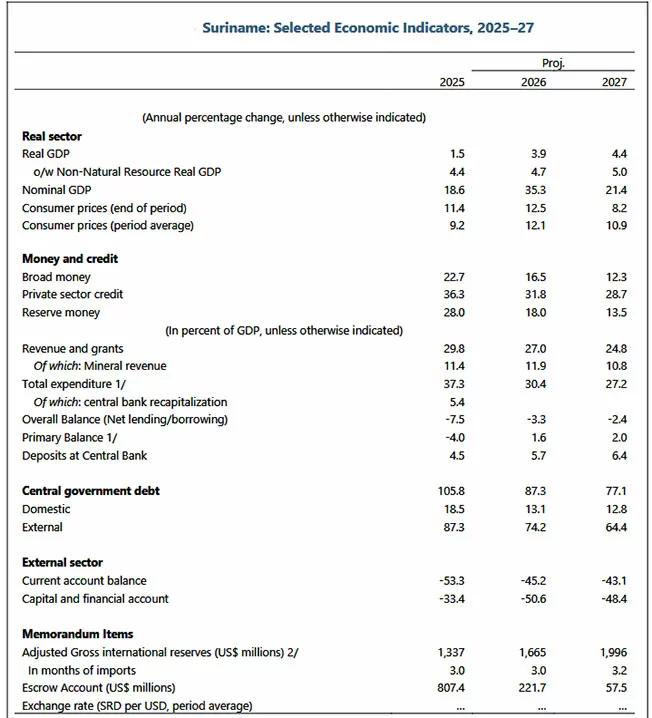
    Suriname’s Minister of Finance and Planning Adeline Wijnerman has reacted positively to a new International Monetary Fund assessment that confirms the South American nation’s economy has continued to stabilize in recent months, while issuing a sharp warning that the country must remain vigilant against global headwinds and ramp up domestic production to insulate its economy from future shocks.\n\nIn an official statement released via the Communications Service of Suriname, Wijnerman emphasized that the IMF’s latest report validates that the structural economic reforms implemented by the administration over the past several years are now delivering tangible results. Key indicators have shown notable improvement: inflation has fallen significantly, the national exchange rate has held relatively steady, and business and consumer confidence in the economy has grown gradually.\n\nDespite these encouraging gains, the minister stressed that current stability does not guarantee long-term, sustainable economic growth. “Things are good right now, but we should not celebrate prematurely or simply cross our fingers and hope for improvement,” Wijnerman said, cautioning against overconfidence.\n\nShe pointed out that Suriname’s economy remains highly sensitive to shifting international developments, which continue to put broad pressure on the global economy amid ongoing geopolitical tensions, volatile commodity prices and widespread uncertainty across global financial markets. On top of external risks, domestic factors including ongoing wage negotiations and shifting domestic price trends can also impact inflation and exchange rate stability, adding further layers of vulnerability.\n\nOne of the most persistent weak points in Suriname’s economy, Wijnerman noted, is its heavy reliance on imported goods, with fuel imports in particular placing consistent strain on public finances. To shield consumers from skyrocketing global oil prices, the government has implemented a fuel price cap, but this policy comes at a cost: it forces the state to forgo revenue that could otherwise be allocated to critical public infrastructure and economic development investments.\n\nTo address this dependence, Wijnerman is pushing for accelerated development of domestic productive sectors, most notably agriculture and rice cultivation. Suriname holds significant untapped potential to expand local production, create new formal jobs for its population and cut its import exposure, the minister argued. She pointed to recent activity at the nation’s agricultural trade fair as evidence of the growing opportunities available in the domestic agricultural sector.\n\nWijnerman clarified that building out these sectors is not a responsibility for the government alone; private entrepreneurs and domestic and foreign investors will play a central role in driving growth. The government’s core task is to put the right enabling conditions in place, while she acknowledged that securing affordable access to financing remains one of the biggest hurdles for local producers looking to scale operations.\n\nLooking ahead to projected oil and gas revenues that Suriname expects to collect in coming years, Wijnerman warned against the pitfalls of overreliance on the extractive sector. “We cannot afford to simply wait around for oil money to come in,” she said. “We need to build up other sectors right now, so we have a strong foundation to grow from when oil production eventually declines.”\n\nIn line with this vision, the minister highlighted that tourism, agriculture, and a broad range of other non-extractive entrepreneurial sectors must play key roles in Suriname’s future economic growth. Long-term resilience for the Surinamese economy depends on consistent, intentional economic diversification, she concluded.

  • New visa requirement announced for Saint Lucia travel to Ireland

    New visa requirement announced for Saint Lucia travel to Ireland

    Starting Monday, June 15, 2026, all travelers holding citizenship of Saint Lucia, Saint Kitts and Nevis, and Nicaragua will be required to hold a valid visa to enter Ireland, marking the latest round of adjustments to the country’s immigration control framework. The new regulation applies even to holders of diplomatic and service passports, and will also introduce a mandatory transit visa requirement for travelers from these three countries passing through Irish airports or border checkpoints en route to a final destination in another country.

    In an official statement released by Ireland’s Department of Justice, Home Affairs and Migration, Migration Minister Colm Brophy framed the policy shift as a carefully considered step toward broader regulatory alignment across Europe. “This is a carefully considered decision that brings Ireland more closely in line with the approach taken in the United Kingdom and across Europe,” Brophy noted, emphasizing that the update forms part of ongoing, routine adjustments to Ireland’s entry rules that are regularly reassessed to meet evolving security and immigration management needs.

    Brophy clarified that the core goal of the change is to strike a careful balance between upholding robust, effective immigration controls and preserving access for legitimate travelers seeking to enter Ireland for tourism, employment, study, or family reunification purposes. He also acknowledged that the sudden policy shift could create disruptions for travelers who have already finalized and booked travel plans ahead of the rule change, announcing that a targeted transitional arrangement will be put in place to mitigate this impact.

    This update builds on a series of recent changes to Ireland’s visa regime, including revisions to appeal processes for applicants refused short-stay visas, and a 2024 expansion of visa requirements that added four nations — Eswatini, Lesotho, Nauru, and Trinidad and Tobago — to the list of countries whose citizens require pre-entry visas.

    The transitional window will run from the implementation date of June 15, 2026, through July 14, 2026, and only applies to travelers who booked their trips before the new rule goes into effect. Under this temporary scheme, eligible travelers from the three affected nations can still enter Ireland without a visa, provided they complete their travel within the one-month transitional period and carry all required supporting documentation. This documentation includes a valid passport and official proof from their travel carrier confirming key booking details: the passenger’s full name, flight or transport number, and scheduled date of travel. Irish officials note that this proof may be requested by either transport carriers during check-in or immigration officers upon arrival in the country.

    All travelers using the transitional arrangement will still be subject to standard full immigration checks upon entry, and officials stressed that any bookings made after June 15, 2026, will not qualify for the exemption, even if the travel itself is scheduled before the transitional window closes on July 14. Travelers who already hold a valid Irish Residence Permit are exempt from the new visa requirement entirely, and will not need to apply for a separate entry visa.

    Irish immigration authorities have issued a formal advisory to all affected passengers, urging them to review official government guidance on immigration and entry requirements before finalizing any new travel plans or altering existing bookings to avoid unexpected issues at the border.

  • Future Caribbean Launches Regional AI Buildathon

    Future Caribbean Launches Regional AI Buildathon

    The Caribbean region is set to host a groundbreaking new regional initiative that leverages artificial intelligence to address pressing local and global challenges, with applications now open for the first-ever Future Caribbean Artificial Intelligence Buildathon.

    Conceived as a collaborative platform that unites cross-sector innovators across the Caribbean, the buildathon brings together a diverse range of participants: startup founders, software developers, academic AI researchers, post-secondary students, and independent technology innovators. Unlike traditional hackathons that focus on rapid prototype development over a short period, this regional program is tailored to cultivate AI-powered solutions that directly respond to the unique challenges Caribbean communities face, while also contributing insights to global problem-solving efforts.

    At its core, the initiative pursues two overarching goals. First, it seeks to elevate the Caribbean’s global profile as a competitive, relevant hub for cutting-edge technological innovation, breaking the long-held misconception that meaningful advanced tech development is concentrated exclusively in North America, Europe, and East Asia. Second, it aims to unlock tangible local opportunities: nurturing emerging tech talent, supporting new technology-focused entrepreneurship ventures, and driving inclusive, sustainable economic growth rooted in digital innovation across the region.

    Aspiring participants have until July 3, 2026 to submit their applications, with no restrictions placed on cross-island or cross-border teams that bring together diverse skills and perspectives from across the Caribbean region. Organizers have confirmed that additional details about program structure, judging criteria, and benefits for winning teams are available in the full official press release, which can be accessed by refreshing the event page or downloading the document via the official download link provided on the event announcement.

    For a region that has long grappled with brain drain of local tech talent and limited investment in advanced digital innovation, the Future Caribbean AI Buildathon marks a notable step toward repositioning the Caribbean as an active contributor to the global AI ecosystem, rather than just a passive consumer of technology developed elsewhere.

  • Brazen Daylight Shooting in Downtown Belize City

    Brazen Daylight Shooting in Downtown Belize City

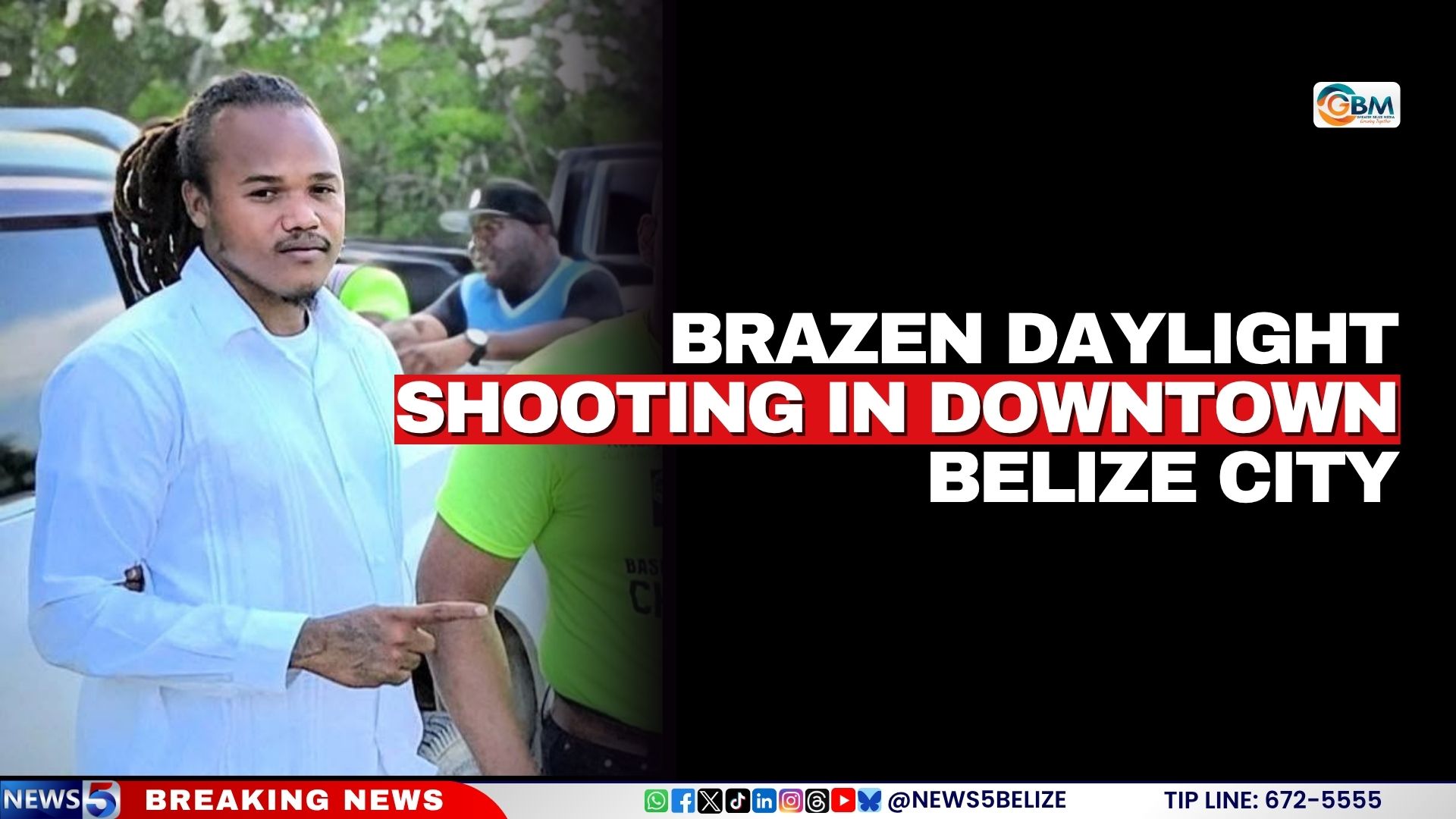
    On the morning of June 13, 2026, a bold daylight shooting shattered the routine of downtown Belize City, leaving local resident Kiffer McKenzie injured and the local community in shock. The incident unfolded just after 10 a.m. at the intersection of Albert and Orange Streets, where gunfire suddenly erupted in the busy city center.

    After being struck by gunshots, McKenzie, who was behind the wheel of a vehicle, lost control shortly after leaving the intersection. His car traveled a short distance before colliding with a parked vehicle directly in front of the Belize Bank Business Centre, a prominent commercial location in the area.

    First responding police officers quickly arrived at the crash site to secure the area. They immediately extracted McKenzie from his damaged vehicle and rushed him by emergency transport to Karl Heusner Memorial Hospital, the country’s main public medical facility. As of initial reports following the shooting, no updated information has been released regarding McKenzie’s current medical condition, leaving loved ones and community members waiting anxiously for updates.

    News of the shooting has drawn an outpouring of reaction from across Belize’s law enforcement and community development circles. Douglas Hyde, National Youth Program Coordinator for the Belize Police Department, shared his personal connection to McKenzie in a heartfelt social media post that quickly spread across local platforms.

    Hyde expressed deep shock and sorrow over the attack, revealing that he had only just recently put forward McKenzie’s name for a key new position. “This is really sad, sad,” Hyde wrote. “I just called your name to the Director of the Major Crimes Unit (LIU) for us to bring Kiffer McKenzie on as a Program Coordinator in LIU’s new restructuring.”

    Hyde went on to describe McKenzie as a passionate community advocate who was deeply committed to expanding recreational opportunities for young people in Majestic Alley and nearby neighborhoods. He recalled that McKenzie was consistently proactive in pushing for more youth sports programming, and always made a point to connect with him to advance that work. “You are one of the guys who highly respected me and anywhere you saw me you would hail ‘Mr. Doug we need to do more sports,’” Hyde added.

    The daytime shooting in a busy central commercial district has reignited local discussions about public safety in Belize City, where violent crime has remained a persistent community concern. As police launch an investigation into the attack, no suspects have been named publicly, and no motive has been confirmed as of this update.

  • Jael Joseph searches for 14 year old girl who confided in her that she wanted to end her own life

    Jael Joseph searches for 14 year old girl who confided in her that she wanted to end her own life

    A well-known Dominican media entrepreneur, Jael Joseph, has launched a frantic, public appeal for a 14-year-old girl who reached out to her via Facebook Messenger to reveal her plan to end her own life, begging Joseph to pass the news on to her mother. Joseph shared the entire harrowing encounter in a Facebook Live broadcast streamed to her followers on Wednesday, revealing that the teen chose to contact her specifically because her mother is an avid fan of Joseph’s work.

    As she recounted the distressing conversation, Joseph paused repeatedly to hold back tears, explaining that the teenager refused to share her full name or any other identifying contact information during their chat. During their interaction, Joseph said she immediately pleaded with the girl to reconsider her plan, affirmed her care for the teen, and offered to connect her with a psychiatrist friend who could provide free, confidential mental health support.

    To protect the teenager’s privacy, Joseph has chosen to withhold certain details of the conversation that have not been made public. What has been confirmed is that the initial outreach happened entirely through Facebook Messenger’s call feature, meaning Joseph has no phone number or other direct way to reach the girl on her end. As of the time this report was published, Joseph has not received any new communication from the teen.

    In an interview with local outlet DNO, Joseph admitted that the encounter has weighed on her so heavily that she has not been able to sleep since the conversation. She added that the situation hits especially close to home, as she is the mother of a 14-year-old son, which deepened her connection to and concern for the unidentified girl.

    Beyond her public appeal, Joseph has continued private, behind-the-scenes efforts to track down the teenager through available digital channels. She emphasized in both her live video and her conversation with DNO that the public appeal is not an attempt to gain media attention; she would rather not be involved in the situation at all, but simply cannot rest until she confirms the girl is unharmed and safe.

    Ordinarily, Joseph keeps her direct messaging disabled for non-contacts to avoid an overwhelming volume of incoming messages, but she has temporarily reopened her social media inboxes to monitor for any updates from the teen or anyone who may know her identity. Since she shared the appeal publicly, Joseph has been flooded with thousands of messages and calls from well-wishers and community members. While she expressed gratitude for the outpouring of support, she asked the public to prioritize sharing only information that could help locate the 14-year-old, and to show respect for the sensitivity of the situation.

    To wrap up the public post, the report includes a public health note: any person or loved one struggling with suicidal thoughts or mental health distress is urged to reach out for professional support. A full, child-friendly directory of accessible mental health resources available across Dominica is hosted online by Healthy Caribbean at the following link: https://www.healthycaribbean.org/wp-content/uploads/2026/01/Dominica-Directory.pdf.

  • Jael Joseph searches for 14 year old girl who confided to her that she wanted to end her own life

    Jael Joseph searches for 14 year old girl who confided to her that she wanted to end her own life

    A distressing public appeal has captured the attention of social media users across Dominica, after prominent local media entrepreneur Jael Joseph shared an urgent plea for an anonymous 14-year-old girl who contacted her to say she planned to end her own life. The incident was first revealed by Joseph during a live broadcast on Facebook on Tuesday, where she recounted the unsettling interaction that has deeply impacted her in the days since.

    During the broadcast, Joseph spoke through tears as she detailed the conversation the teenager initiated with her via Facebook Messenger. The 14-year-old told Joseph she intended to take her life, and asked Joseph to pass that information along to her mother, but refused to share her full name or any identifying details that would allow for immediate intervention. To protect the girl’s privacy where possible, Joseph has intentionally chosen not to release certain limited details she received during the exchange.

    Joseph told local news outlet DNO that she has been unable to sleep since the conversation, as the gravity of the situation has weighed heavily on her. She added that the interaction hits particularly close to home: her own son is the same age as the anonymous teen, a connection that has deepened her concern for the girl’s safety.

    Since sharing the story, Joseph has launched both public and private efforts to track down the teenager, urging her to reach out again to get the help she needs. She has offered to connect the girl with a trusted psychiatrist who can provide specialized mental health care, and emphasized that her public appeal is not a bid for media attention. Instead, Joseph said she would prefer to have never been involved in the situation at all, and that her only goal is to confirm the 14-year-old is unharmed and safe.

    To widen the search, Joseph has temporarily adjusted her social media privacy settings to keep an open line for any updates related to the teen. In the days since her public post, Joseph has been flooded with messages and calls from community members offering help. While she expressed gratitude for the outpouring of support, she asked the public to focus their outreach on sharing actionable information that could help locate the teen, to avoid overwhelming her communications.

    As of the time this report was published, Joseph has not received any new communication from the 14-year-old. In response to the incident, this story also shares a public resource directory of child-friendly mental health services available across Dominica, hosted by Healthy Caribbean, accessible at https://www.healthycaribbean.org/wp-content/uploads/2026/01/Dominica-Directory.pdf. Mental health advocates urge anyone who is struggling with suicidal thoughts or knows someone in crisis to reach out to a qualified professional immediately for support.

  • Unbuilt Projects Must Go Back for Approval, Says Hol Chan

    Unbuilt Projects Must Go Back for Approval, Says Hol Chan

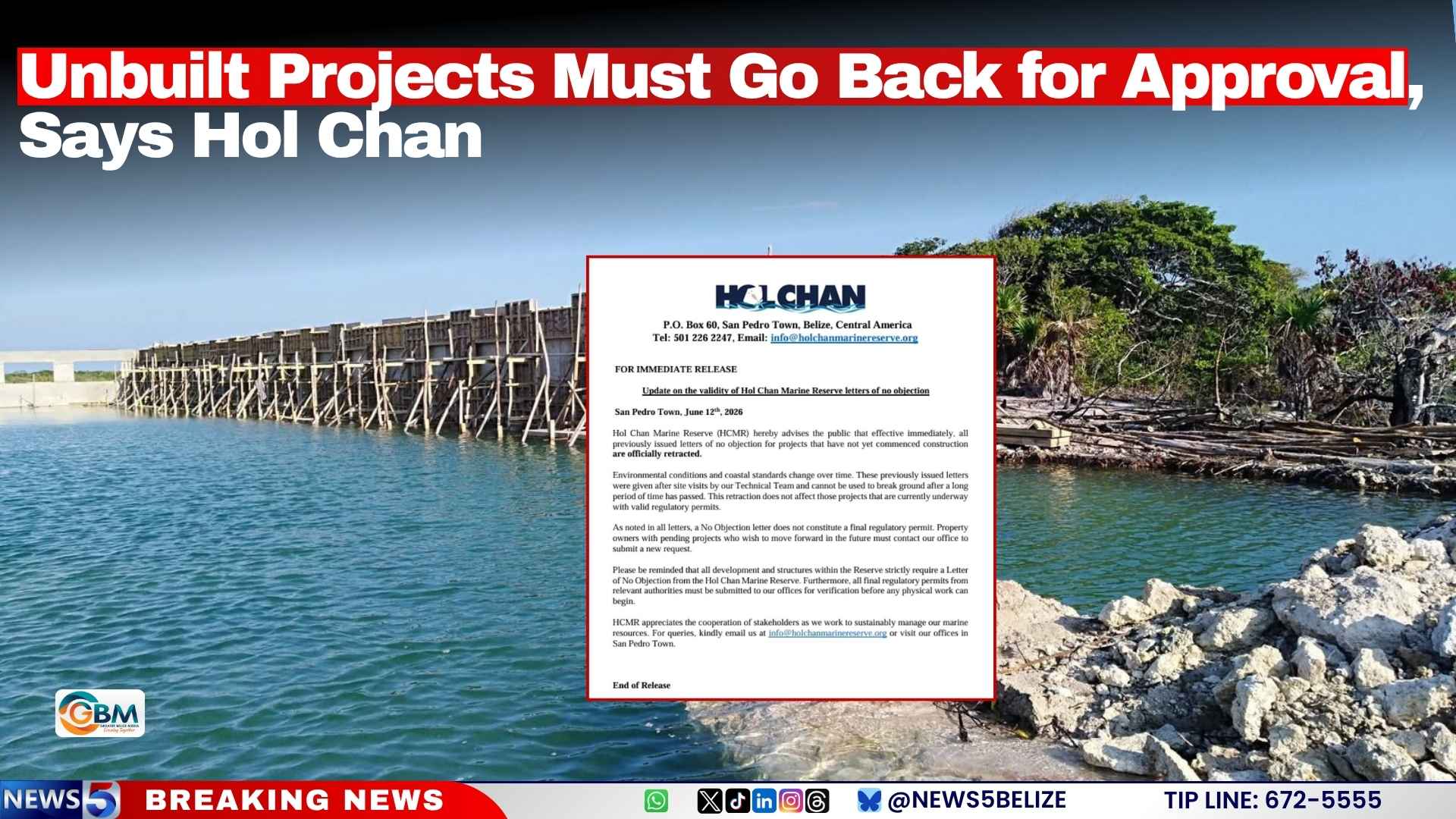
    In a significant policy shift aimed at protecting Belize’s vulnerable coastal and marine ecosystems, the management of Hol Chan Marine Reserve announced Friday that it has immediately withdrawn all previously issued “letters of no objection” for unbuilt development projects within its protected boundaries. The new rule does not apply to developments already under construction that hold all valid, up-to-date regulatory permits, the agency clarified in its official notice.

    Hol Chan officials explained the reasoning behind the retraction: environmental conditions along the reserve’s coastlines and regional coastal development standards evolve over time. Approvals granted based on outdated environmental assessments from years prior no longer align with current ecological realities, particularly for projects that have remained stalled for an extended period after initial approval. Going forward, any developer seeking to restart a previously approved but unstarted development will be required to submit an entirely new application for review before any ground can be broken.

    The agency also took the opportunity to remind stakeholders of the regulatory structure for development in the protected reserve: a letter of no objection from Hol Chan is never a final construction approval. Any construction within the reserve’s boundaries requires both formal sign-off from reserve management and valid permits from other relevant government regulatory bodies before work can commence.

    This policy update comes just three weeks after Belize’s national government enacted a sweeping six-month moratorium on approving and constructing buildings over 45 feet tall or three stories in four nearby coastal communities. That moratorium does not formally extend to the territory of Hol Chan Marine Reserve, but the reserve’s new move aligns with growing calls for more cautious development in sensitive protected areas. The national Cabinet’s decision to implement the moratorium followed sustained advocacy from national and international environmental groups, which have pushed for a full pause on new development approvals in all protected areas and ecologically sensitive habitats until full, inclusive community consultations can be completed.

  • COMMENTARY: Banked, But for How Long?

    COMMENTARY: Banked, But for How Long?

    For millions of households across the world, having money held in bank accounts has long been viewed as the gold standard of financial safety: liquid, insured, and free from the wild swings of stock and property markets that have sunk countless investments during downturns. But as global economic headwinds intensify, from persistent inflation eating into real returns to rising interest rates increasing pressure on bank balance sheets, a growing chorus of financial analysts are asking a pressing question that would have seemed unthinkable a decade ago: your money is banked today, but how long will that security last?

    The post-2008 financial crisis landscape brought sweeping regulatory reforms designed to shore up bank stability and prevent the kind of bank runs that devastated communities during the Great Depression. Deposit insurance schemes in most developed economies now cover up to hundreds of thousands of dollars per account, giving everyday savers a reason to sleep easy. Yet recent events have laid bare new vulnerabilities that regulators did not fully anticipate. In 2023, the rapid collapse of three mid-sized U.S. regional banks, driven in large part by unrealized bond losses as interest rates spiked, triggered the first broad panic over deposit security in nearly 15 years. Even though regulators moved quickly to backstop all deposits, the event exposed how quickly confidence can erode in the digital age, where social media rumors and instant wire transfers can turn a small concern into a full-blown run in 48 hours or less.

    Inflation adds a second, more insidious layer of risk. Even when deposits are fully protected, savers are losing purchasing power year after year if their savings accounts pay interest rates that lag behind rising consumer prices. For low and middle-income households that keep most of their wealth in checking and savings accounts, this silent erosion gradually eats away at emergency funds that took years to build. While some banks have started offering higher-yield savings products in response to rising central bank rates, many large commercial banks have been slow to pass those gains onto retail customers, leaving ordinary savers footing the bill for tighter monetary policy.

    Looking ahead, the path forward remains uncertain. On one hand, regulatory safeguards put in place after recent bank failures have strengthened the system overall, and most major banks maintain far higher capital reserves than they did before 2008. On the other hand, persistent geopolitical tension, ongoing inflationary pressure, and the growing risk of a global recession could put new stress on smaller and mid-sized financial institutions that hold a disproportionate share of consumer deposits. For everyday savers, the current moment calls for cautious evaluation rather than panic: understanding deposit insurance limits, diversifying holdings where possible, and staying informed about the financial health of their banking partners is the best way to protect the savings they have worked so hard to build.

  • Family raises fears after Dennery contractor’s death

    Family raises fears after Dennery contractor’s death

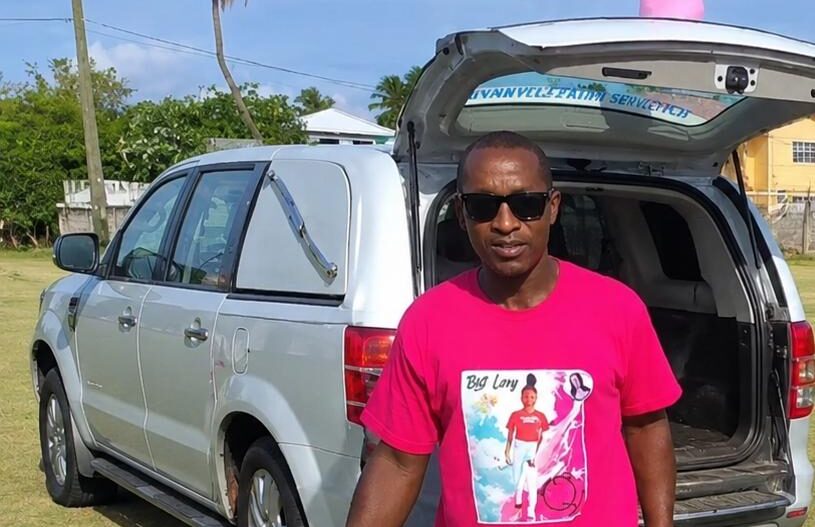
    A suspicious death in the coastal community of Dennery has sparked fear and uncertainty, as local law enforcement continue to probe the passing of 52-year-old Marinus Annibaffa, a local construction contractor from Gadette. Annibaffa’s body was discovered shortly after 7:30 a.m., prompting officers from the Richfond Police Station to launch a full investigation into the circumstances of his death.

    What makes the case particularly troubling for Annibaffa’s family and the wider community is the timing: his death comes just one month after the family that hired him went public with escalating threats and harassment tied to a long-running land conflict. The project at the center of the dispute is a new permanent home being built by an 18-year-old man for his mother, a property where the family says they have resided for more than 32 years.

    According to the teen, tensions began to surge almost immediately after construction broke ground. He insists Annibaffa had no conflicts with anyone in the community prior to taking on this build, but hostility grew steadily once work got underway. “Since I decided to make my house for my mother, it was a lot of problem, a lot of threats saying that if we build a house there, we’re going to be in problem,” he explained in an interview after the contractor’s death.

    Annibaffa, who served as the lead contractor for the project, was last seen working on the property this past Saturday, when local residents gathered to assist with the construction effort. The teen told reporters the unfinished home has already been vandalized twice, and that individuals linked to the opposing side of the dispute have openly hinted at their responsibility for the damage. He added that he has been the target of multiple threats since construction began, and despite filing formal reports about these intimidation attempts with local authorities, he said no meaningful action has been taken to resolve the conflict, leaving his family feeling abandoned and frustrated.

    Family members remembered Annibaffa as a quiet, hardworking, and peaceful member of the community who kept to himself and focused on his work. A distraught female relative of the teen highlighted that the full scope of problems began the moment construction on the new home started, with constant threatening language and aggressive intimidation plaguing the project from day one. She expressed her firm belief that Annibaffa’s death is directly tied to the ongoing land conflict, which centers on two core points of disagreement: opponents’ claims that the family has no right to build on the land, and a proposed public road that would cut through the area.

    Calling the entire situation devastating, she noted “This is a young boy trying to do something for his mother. That’s very sad.”

    As of the latest update, law enforcement officials have not confirmed whether they suspect foul play in Annibaffa’s death, nor have they verified any connection between the fatality and the long-simmering land dispute. The investigation remains active and ongoing, with authorities yet to release any additional details on potential leads or persons of interest.