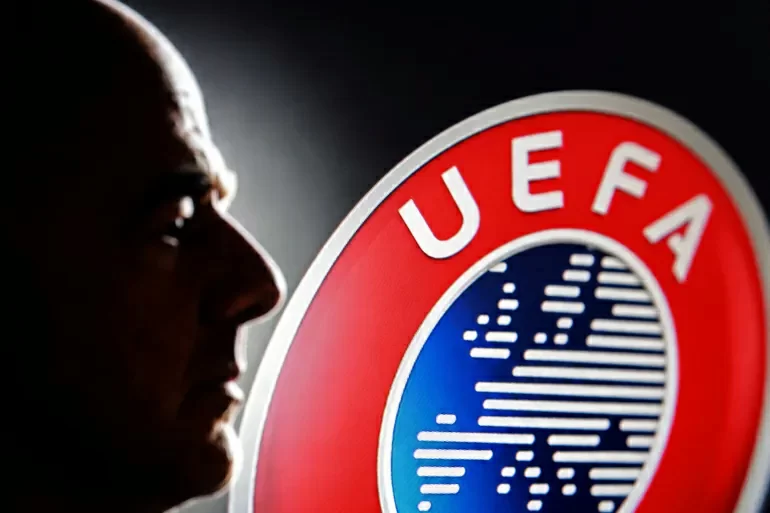
On Friday, FIFA President Gianni Infantino made a sudden announcement that he was pulling back his highly controversial proposal to sell a minority stake in the FIFA World Cup and other top FIFA tournaments to private investors. This landmark reversal comes after a fierce wave of criticism from football’s governing bodies across the globe, led by the European Football Association (UEFA) and the Asian Football Confederation (AFC), alongside widespread pushback from dozens of football stakeholders inside and outside the sport.
In an official statement, Infantino acknowledged that the initiative, branded as the FIFA Future Enterprise (FFE) project, had sown deep division across the international football community. “After carefully weighing all perspectives, it has become clear that this project has created division that, regardless of its level of support, runs counter to our original goals,” he said.
Under the original FFE framework, FIFA planned to launch a new commercial subsidiary that would manage operations for the World Cup and all other FIFA-run international tournaments. Private investors would have been invited to purchase approximately 20% of the subsidiary’s outstanding shares, a funding round that analysts projected would raise roughly $4.2 billion, valuing the entire entity at $20 billion.
The plan sparked immediate disbelief and outrage across global football. As the most powerful regional confederation, UEFA took an uncompromising stance against the proposal, announcing just one day before Infantino’s reversal that the body had lost all confidence in both the FIFA president and the current FIFA governing board. UEFA went as far as threatening a full boycott of all FIFA competitions if the stake sale moved forward. Core criticisms centered on the proposal’s complete lack of transparency, its rushed development timeline, and widespread anger that such a landmark decision was being negotiated behind closed doors without any meaningful consultation with member confederations and other key stakeholders.
The AFC echoed UEFA’s condemnation, calling the top-down approach to rolling out the plan “completely unacceptable” and emphasizing that any decision impacting the future of global football must be rooted in full transparency and collaborative governance.
Pressure on Infantino built rapidly in the days leading up to the reversal, as more regional confederations, political leaders, and influential football organizations lined up to oppose the plan. Two senior FIFA officials resigned from their posts in protest, with one publicly denouncing the proposal as a bad deal for the sport. Criticism also mounted from leaders within FIFA’s own internal administration.
While Infantino has long held a broad base of support across global football, particularly from African confederations, his position as president is now considered fragile. FIFA’s presidential election, scheduled for March 2027, is now widely viewed as a critical turning point where Infantino’s leadership could face a serious challenge. The 56-year-old incumbent is seeking a fourth term in office, and high-profile potential challengers already include AFC President Sheikh Salman bin Ebrahim Al Khalifa, a past rival to Infantino, and Nasser Al-Khelaifi, Paris Saint-Germain chairman and an influential UEFA executive.
UEFA issued a response to the plan’s withdrawal on Saturday, welcoming the reversal but making clear that trust in Infantino has been severely damaged. “We cannot continue to tolerate secret plans pushed through at breakneck speed by unaccountable actors that bring the future of our game into question,” the confederation said in a statement. “We must identify those responsible and hold them to account.”
UEFA further emphasized that global football is not for sale, arguing that FIFA’s existing financial resources should be redirected toward growing the sport across developing regions, rather than selling off “the family silver” to private commercial interests.
The FFE proposal represented a major break from the longstanding traditional model through which FIFA has financed and governed its flagship tournaments. While private investment in club football has become standard across European club leagues, the idea of selling even a partial stake in the World Cup — the most iconic event in global sport — to private commercial entities triggered widespread resistance. Fans and federations alike have raised concerns that an increased focus on private profit would overshadow the sport’s core values, erode competitive integrity, and undermine the interests of smaller, developing national federations.
Though the controversial plan has been pulled from the table, UEFA warned that the withdrawal only marks the first step in repairing broken trust in FIFA’s governance. The coming months will be decisive for Infantino’s future as president, as the global football community pushes for greater transparency, collaborative decision-making, and respect for established governance frameworks. The 2027 presidential election, which is now expected to bring a serious challenge to Infantino’s leadership, is already being framed as a turning point that will define the future direction of world football’s governing body.