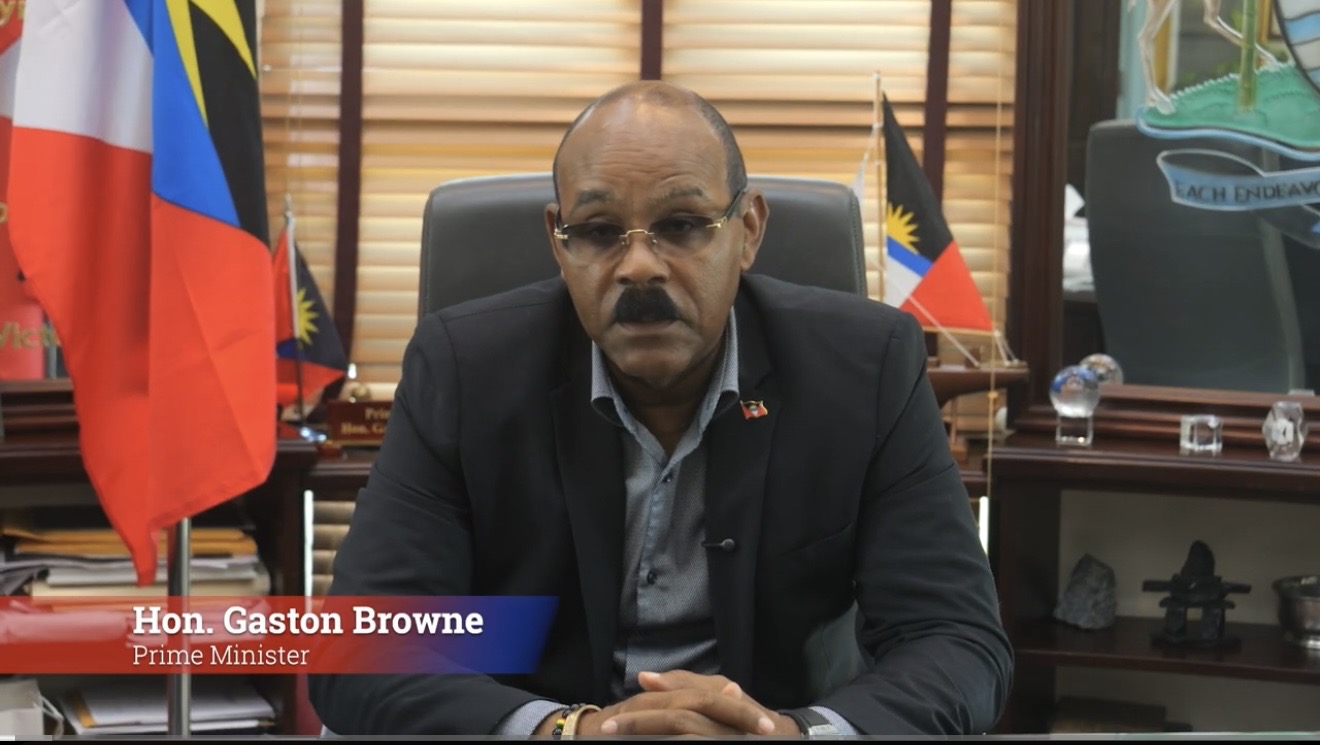
On Emancipation Day, Antigua and Barbuda Prime Minister Gaston Browne delivered a bold rebuke of global power dynamics, warning that powerful global economies are leveraging asymmetric political and economic leverage to box in the policy autonomy of small, developing nations — a practice he frames as a modern form of “economic recolonization.”
Browne centered his address on the persistent, systemic inequities that continue to marginalize Black-led developing states within the existing international economic order. Decades after formal decolonization, he argued, lopsided power balances are still routinely used to block sovereign policy decisions, stifle developmental innovation, and narrow the sustainable growth pathways available to small island nations.
The prime minister traced the roots of today’s yawning global economic gaps back to centuries of chattel slavery and colonial exploitation. Nations that amassed enormous wealth from the forced labor of enslaved African people entered the modern global economy with massive accumulated capital, Browne explained, while former colonial territories were left with deep structural disadvantages that have persisted long after they gained formal political independence.
Against this historical context, Browne reiterated the longstanding call from Caribbean nations for reparatory justice. He pushed back against common misframings of reparations, emphasizing that the movement does not seek charity, nor does it aim to assign blame to current generations for crimes of the past. Instead, Browne argued, reparations are a targeted effort to redress the intergenerational harm of slavery and colonialism.
He outlined that reparatory investments should flow into priority sectors that address ongoing structural gaps: public education, universal healthcare, technological development, climate resilience, and domestic institutional capacity building. Beyond direct reparations, Browne also called for urgent global debt reform, as well as more equitable access to international financing mechanisms and global trade markets for small developing states. “Repair is not about revisiting the past,” he said. “It’s about creating a more just and equitable future.”
Browne walked through Antigua and Barbuda’s centuries-long journey from chattel slavery to full sovereignty, marking key milestones: formal emancipation from slavery in 1834, the rise of the national trade union movement that fought for worker rights, the achievement of universal suffrage, associated statehood in 1967, and full political independence in 1981. Even after 1834 abolished the legal institution of slavery, he noted, exploitative systems persisted: discriminatory labor laws and restrictive electoral rules kept economic and political power concentrated in the hands of a small privileged elite, extending exploitation for generations.
That legacy means the work of emancipation remains unfinished, Browne argued. True independence, he said, requires that formal political freedom be paired with widespread economic opportunity, equitable social justice, and universal respect for human dignity for all citizens.
Closing his address, Browne reaffirmed Antigua and Barbuda’s commitment to defending its national sovereignty, strengthening domestic democratic institutions, and advocating for a reformed global order where all countries — regardless of geographic size or economic power — receive equal treatment and respect. He urged Antigua and Barbudan citizens to stand firm against coercive, discriminatory practices perpetuated by powerful nations, and to maintain optimism amid the significant economic and geopolitical challenges the country faces.