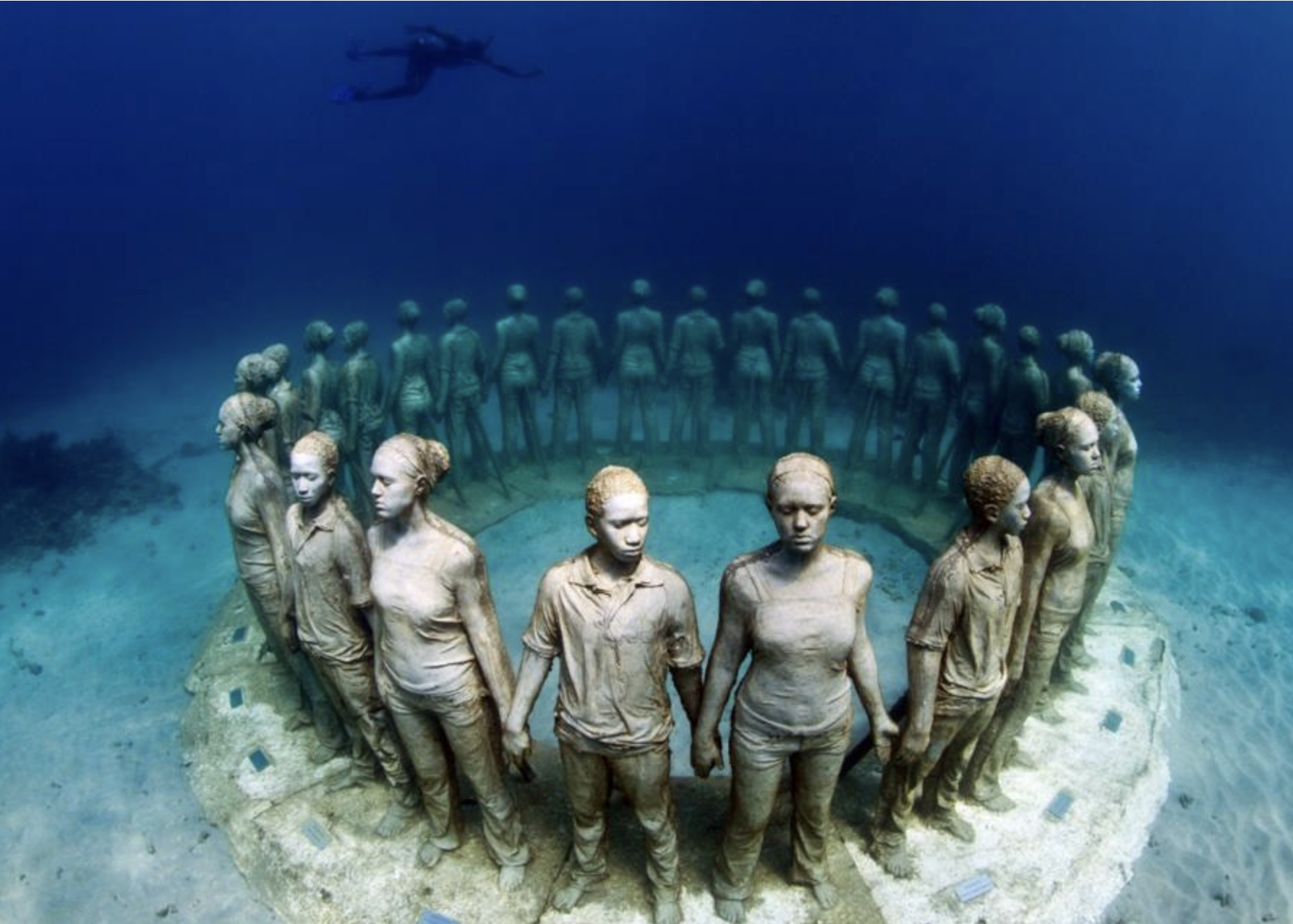
On 1 August 1834, the British Empire’s Slavery Abolition Act formally came into force across most of its Caribbean territories, bringing a legal end to a centuries-old system of chattel slavery that exploited millions of African people. But contrary to long-standing myths that frame emancipation as a generous reform granted by European lawmakers, the end of institutionalized slavery was anything but a top-down benevolent gift. It was the hard-won outcome of decades of relentless resistance, open rebellion, and unbreakable determination from the enslaved people who refused to accept a system built on their dehumanization.
For generations, the colonial-era historical narrative centered British parliamentarians as the heroes of abolition. But a fuller, more accurate record highlights that widespread and persistent resistance from enslaved communities made the institution of slavery increasingly ungovernable and economically unsustainable. From Julien Fédon’s 1795 uprising in Grenada and Cuffy’s 1763 Berbice revolt in Guyana, to Bussa’s 1816 rebellion in Barbados and Samuel Sharpe’s 1831 Baptist War in Jamaica, organized acts of defiance destabilized slave power across every corner of the British Caribbean, forcing ruling elites to confront the fact that the system could not persist.
Even after the 1834 Act took effect, full freedom remained out of reach for most formerly enslaved people. The British government installed the Apprenticeship System, a transitional arrangement that forced the newly freed to continue working without pay for their former enslavers for an additional four to six years. Full legal emancipation was only achieved four years later, on 1 August 1838.
Today, Emancipation Day stands as a foundational marker of collective Caribbean identity, marked by national and local ceremonies, ancestral tributes, and vibrant cultural events across the region. Trinidad and Tobago made history in 1985 as the first Caribbean nation to declare 1 August a formal national public holiday. Jamaica combines Emancipation Day with its Independence Day celebrations in a combined observance called Emancipendence, while Barbados hosts commemorations at the Bussa Emancipation Statue alongside its annual Crop Over festival. Grenada and other Caribbean nations mark the occasion with emancipation walks, traditional libation ceremonies, and community-led acts of remembrance for the lives lost to slavery.
But framing Emancipation Day as nothing more than a cultural celebration overlooks its critical, underdiscussed economic realities that continue to shape the region today. The 1833 Slavery Abolition Act, which paved the way for the 1834 ban, set aside £20 million – a sum equal to 40% of the entire British national budget at the time, worth more than £20 billion in 2024 – to compensate 46,000 enslavers for the loss of their so-called “property” (the enslaved people they owned). By contrast, the 800,000 formerly enslaved Africans who had been exploited for centuries received nothing: no financial compensation, no grants of land, no access to capital to build new lives. The massive public debt the British government took on to pay enslavers was only fully paid off by British taxpayers in 2015, a group that included generations of West Indian immigrants who moved to the UK after World War II.
Against all odds, the newly freed Caribbean people built the foundations of independent, self-reliant communities from almost nothing. They pooled small, individual savings through traditional informal collective credit systems like the susu or box hand to buy abandoned or underused plantation land, establishing self-governing Free Villages across Jamaica, Guyana, and Barbados. They built independent schools, churches, and local agricultural markets, laying the groundwork for the modern Caribbean civil society that exists today. This history of resilience remains a core reference point for contemporary debates over reparatory justice and inclusive regional economic development.
In the decades since emancipation, the struggle for full freedom has evolved from securing basic legal rights to a coordinated global push for transformative economic justice, led by the CARICOM Reparations Commission and its landmark 10-Point Plan for Reparatory Justice. Unlike framing reparations as solely direct cash payments to descendants of enslaved people, the plan prioritizes systemic investment in public goods: education, public health infrastructure, sovereign debt relief, and broad-based economic development to address the intergenerational harms of slavery and colonialism that persist today.
CARICOM’s advocacy has shifted the global conversation from vague historical acknowledgment to tangible, concrete action. In recent years, the Dutch government issued a formal public apology for its role in the transatlantic slave trade and established a €200 million fund to address the ongoing legacy of slavery. Individual descendants of prominent slave-owning families – including the Trevelyan family with estates in Grenada and the Gladstone family with holdings in Guyana – have issued public apologies and funded regional educational initiatives. Major institutions have also begun to act: the University of Glasgow launched a £20 million research and partnership initiative with the University of the West Indies, and the Church of England has established a £100 million impact investment fund to address historical harms from slavery.
Today, the fight for full economic emancipation requires confronting modern forms of structural dependency that continue to hold Caribbean small island developing states (SIDS) back. SIDS contribute less than 1% of global greenhouse gas emissions, yet they bear the worst impacts of climate change, from devastating hurricanes to rising sea levels that erode coastlines and threaten food security. This reality has placed climate finance and sovereign debt reform at the center of the modern reparations movement. For Grenada in particular, commemorating emancipation means more than holding an annual day of remembrance. It calls on current generations to honor the legacy of resistance by renewing efforts to expand economic opportunity, build regional climate resilience, and deliver on the promise of full freedom that the original abolition fighters began nearly 200 years ago.