博客

  • Bajans mixed on BiMPay as opinions shape early response

    Bajans mixed on BiMPay as opinions shape early response

    Just days after Barbados’ latest digital payment infrastructure BiMPay made its official debut, public opinion across the island has fractured sharply, with residents debating whether the platform will redefine the future of commercial transactions or remains a confusing service that many have yet to fully grasp. While early adopters have already praised the platform for its unmatched convenience in cross-bank instant money transfers, a significant share of the public is taking a wait-and-see approach. Many of these observers question whether the tool aligns with their unique daily needs, while advocates warn that marginalized and vulnerable populations must not be sidelined as the country transitions to more digital financial services.

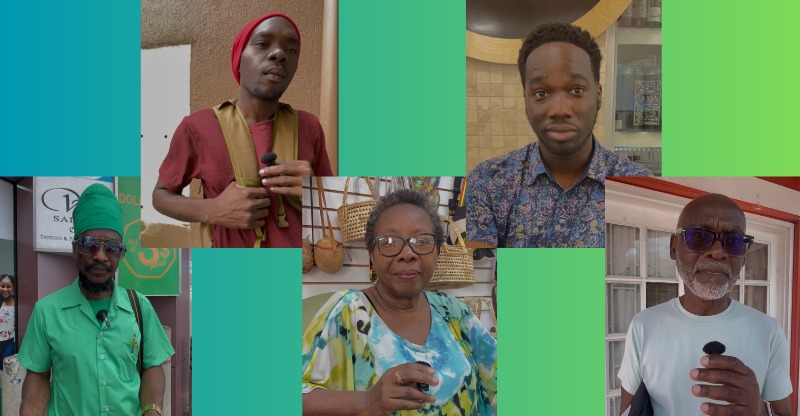
    Katelia Murrell is among the first users fully won over by BiMPay’s functionality, saying it resolves a longstanding hassle she encountered regularly when sending money. “It’s noticeably more convenient for people like me who need to send funds to contacts that don’t share the same bank provider,” Murrell explained. She already tested the platform just one day after it launched, noting that “I used it once literally last night, and it was honestly incredibly straightforward to use.”

    What left the strongest impression on Murrell was the unprecedented processing speed. “The platform said it would take 10 seconds, but I swear the transfer went through even faster than that,” she said. “When we tested the reverse transaction, where the recipient sent money back to me via the platform’s QR code feature, everything worked perfectly without any glitches.”

    For self-employed worker Shaquille Hewitt, BiMPay offers a promising solution to the constant frustrations he faces when receiving customer payments. “As someone who works for themselves, it’s always been a headache dealing with cross-bank transfers or checks drawn on institutions other than my own,” Hewitt said. “I’m optimistic this platform will streamline that whole process and make it far less stressful.”

    Other residents welcome the government’s push for digital financial innovation but have emphasized that policymakers must prioritize inclusion as Barbados expands its digital transaction ecosystem. “There need to be alternative options for people who can’t use BiMPay, especially older adults who don’t have digital literacy or people who don’t own a compatible smartphone,” said Holford Walrond. “Everyone needs to be able to access their money easily, that’s my main concern. Even though I support what the government is trying to do, keeping choice available to consumers is absolutely essential. If the government sees this as the right path forward for Barbados, that’s fine, they’re making a good effort to modernize our financial system. But I still firmly believe people should get to choose how they manage their money.”

    Rico Simpson, who has already completed the sign-up process and is preparing to activate his account, says BiMPay clears key hurdles that limit existing digital payment services. “I already signed up for BiMPay, I just haven’t activated it yet,” Simpson said. “I chose to join because I see it as a really convenient way to send transfers, similar to CIBC First Pay, but with much more flexibility. With that existing service, you have to be a CIBC customer and have your cell number linked to the account to use it. But with BiMPay, you don’t even need a traditional bank account number to use it — you can hold all your funds directly in the BiMPay app itself, which I think is a big advantage.”

    For Joseph Cummins, the main barrier to adoption is not opposition to digital innovation, but a lack of clear personal understanding of how the service would work for him. “It’s hard for me to wrap my head around it right now because I haven’t gotten the chance to dive into the details yet,” Cummins said. “The information is out there, but I need to do my own research to figure out how it fits into my own financial life, especially how it interacts with the banking services I already use to manage my money.”

    Even so, Cummins acknowledges that BiMPay carries meaningful broader benefits for Barbados’ financial inclusion. “People who operate outside the traditional formal banking system will get an opportunity to join the formal financial ecosystem and use that access to improve their lives,” he noted. Still, he remains unsure whether the platform will lead him to change his own long-standing money management habits. “I keep wondering how it will affect me at my age, since I’m pretty set in my ways and only really use my current bank for things like paying bills. The big question for me is: does this actually impact my daily life? Will it make sense for me to change my habits to start using it? Right now, that’s still unclear to me.”

    At Bridgetown’s Pelican Village craft hub, Sandra Padmore, owner of souvenir business Nafai Creations, says her customer base makes her decision to adopt BiMPay far from straightforward. “I’m still thinking it over, I haven’t tried it out yet,” Padmore said. “My main question is that my shop caters almost entirely to tourists. If BiMPay is mostly built for local users, I’m not sure it makes sense for me to adopt it. We barely get local customers coming through these souvenir shops, so that’s got me a bit confused. Most tourists pay with credit or debit cards anyway, and I already have a card terminal set up. I just need more clarity on how this would benefit my business specifically.”

    Barbados Prime Minister Mia Mottley has emphasized that BiMPay was designed specifically to serve small business owners and informal vendors, creating a faster, more inclusive system for sending and receiving payments across the island. But on the streets of Bridgetown, as vendors and everyday residents weigh whether to add the new platform to their financial tools, the debate has less to do with the technology itself and more to do with core tradeoffs: convenience against long-held familiarity, innovation against broad accessibility, and whether a system billed as the future of payments can actually work for every single Barbadian.
  • Construction worker charged with possession of 23 AK-47 assault rifles

    Construction worker charged with possession of 23 AK-47 assault rifles

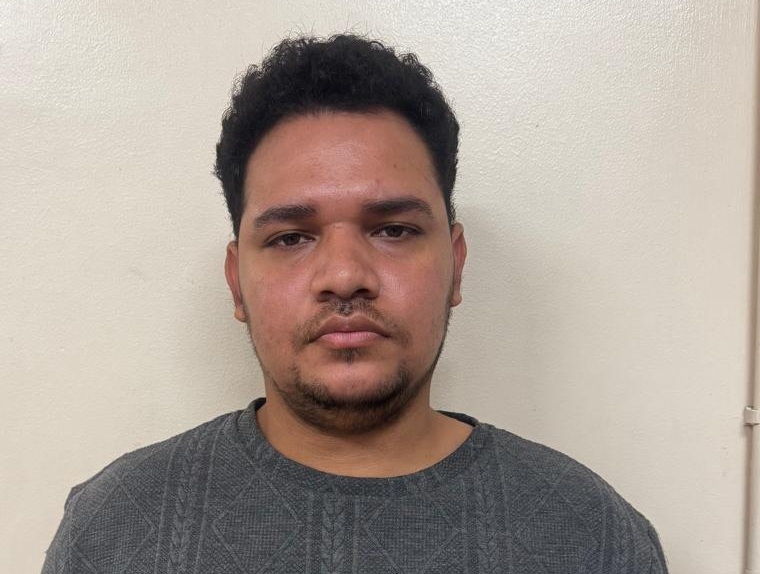
    In a major illegal firearms crackdown in Guyana, a 27-year-old Venezuelan construction worker has been remanded to custody following his Monday arraignment in connection with one of the largest illegal weapons seizures the country has seen in recent weeks. The Guyana Police Force confirmed that Jonathan David Gans, who resides in Great Diamond on the East Bank of Demerara, appeared before Magistrate Rondell Weever at the Wales Magistrate’s Court on 15 June 2026 to face two criminal charges: unlawful possession of unlicensed firearms and unlawful possession of unlicensed ammunition.

    Gans was first taken into law enforcement custody on 11 June during a targeted operation in Schoonard, West Bank Demerara, where authorities recovered 23 illegally trafficked AK-47 assault rifles and more than 500 rounds of ammunition. After the charges were formally read in court, Gans entered a plea of not guilty to both counts. Magistrate Weever subsequently ordered Gans held in prison ahead of his next court appearance, which has been scheduled for 14 July 2026.

    The investigation into the illegal weapons cache remains active, and authorities have confirmed progress in tracking down additional co-conspirators. In a development on 14 June, a second person of interest identified as Randy Jagdeo turned himself in to police voluntarily as part of the ongoing probe. Law enforcement officials are still actively searching for a third suspect, Orlando Gabriel, who is also wanted on charges of illegal firearms possession in connection with the Schoonard seizure.

    This bust marks the second major recovery of illegally trafficked AK-47 rifles in Guyana in less than a month. Just three weeks prior, on 22 May, law enforcement officials discovered 10 unlicensed AK-47 rifles during a separate operation in the Berbice region of the country. The back-to-back large-scale arms seizures have drawn renewed attention to cross-border weapons trafficking challenges facing the South American nation.

  • COMMENTARY: Elderly Abuse Awareness Day

    COMMENTARY: Elderly Abuse Awareness Day

    Elder abuse remains one of the world’s most underrecognized human rights violations, flying under the radar in communities across every continent with far too few systemic responses to address its widespread harm. New data from the World Health Organization (WHO) underscores the staggering scale of this crisis: one in every six people aged 60 and older experiences some form of abuse, translating to nearly 141 million older adults impacted globally. Public health and human rights experts warn the true number is almost certainly far higher, as most cases of abuse, neglect and violence against older people go unreported, making this one of the most underdocumented violations of fundamental rights today.

  • Arthur Smith stun West Terrace in NSC, BICO football competition

    Arthur Smith stun West Terrace in NSC, BICO football competition

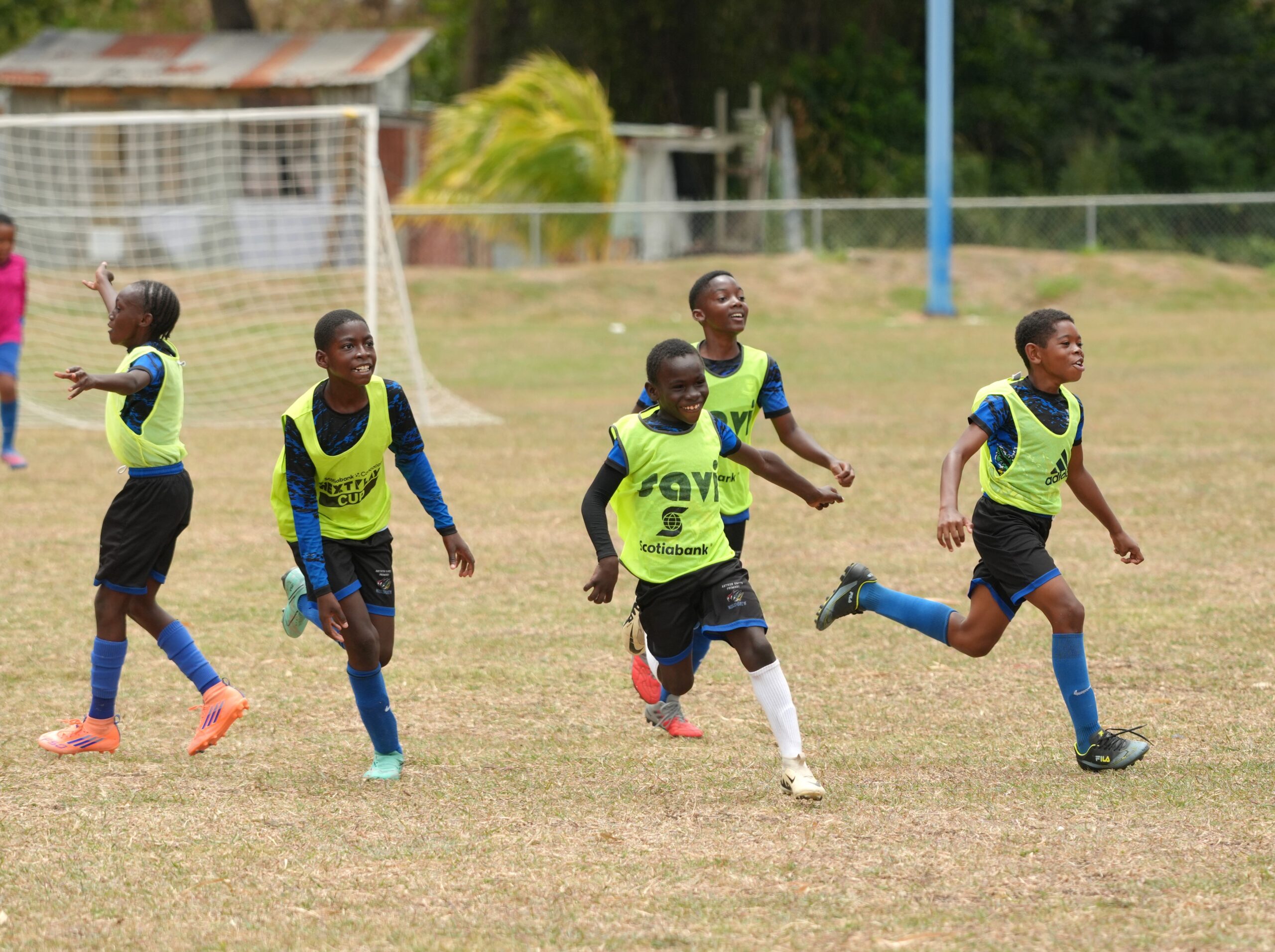
    The National Sports Council BICO Primary Schools Football Competition delivered a dramatic round of quarterfinal matches this week, headlined by a stunning upset that saw defending champions West Terrace Primary crash out of the tournament at the hands of 2025 runners-up Arthur Smith Primary.

    Played out before a buzzing crowd at the Greens pitch in St George, the highly anticipated clash ended in a decisive 2-0 win for Arthur Smith. The breakthrough came from a clinical strike by forward Giovanni Edwards, before a late own goal sealed the defending champions’ fate, sending Arthur Smith through to the tournament’s final four.

    The day’s second quarterfinal fixture saw Milton Lynch Primary book their own semifinal spot with a narrow 1-0 victory over St Stephen’s Primary. The only goal of the tightly contested game came from Yashiro Brown, who found the back of the net in the decisive moment of the match. Milton Lynch’s goalkeeper Demetri Hope was captured celebrating the hard-earned win in post-match photos, credited to photographer ZM.

    Two of the day’s fixtures went the distance, requiring penalty shootouts to separate evenly matched sides. The first was a battle between St Cyprians Primary and Wesley Hall Primary, which ended level at one goal apiece after full-time regulation. Christian Reid put St Cyprians on the scoreboard in regulation, while Zidane Hinds equalized for Wesley Hall to force penalties. St Cyprians held their nerve from the spot, converting four of their attempts to secure a 4-2 shootout win and a place in the next round.

    The final quarterfinal tie between hosts St George Primary and Deacons Primary was another hard-fought contest that could not be decided in regulation or extra time. Armani Herbert opened the scoring for St George, before Emilio Morgan equalized for Deacons to make the score 1-1 after 90 minutes plus added extra time. No further goals were scored in extra time, sending the tie to penalties, where St George held on to secure a 3-1 shootout victory.

    With the quarterfinals now complete, the semifinal matchups have been set for Thursday at the Wildey Technical Centre. St Cyprians will face off against Milton Lynch in the first semi, while Arthur Smith will take on surprise package St George Primary as the four remaining schools compete for a spot in the tournament final.

  • Food security push hinges on private investment, Munro-Knight says

    Food security push hinges on private investment, Munro-Knight says

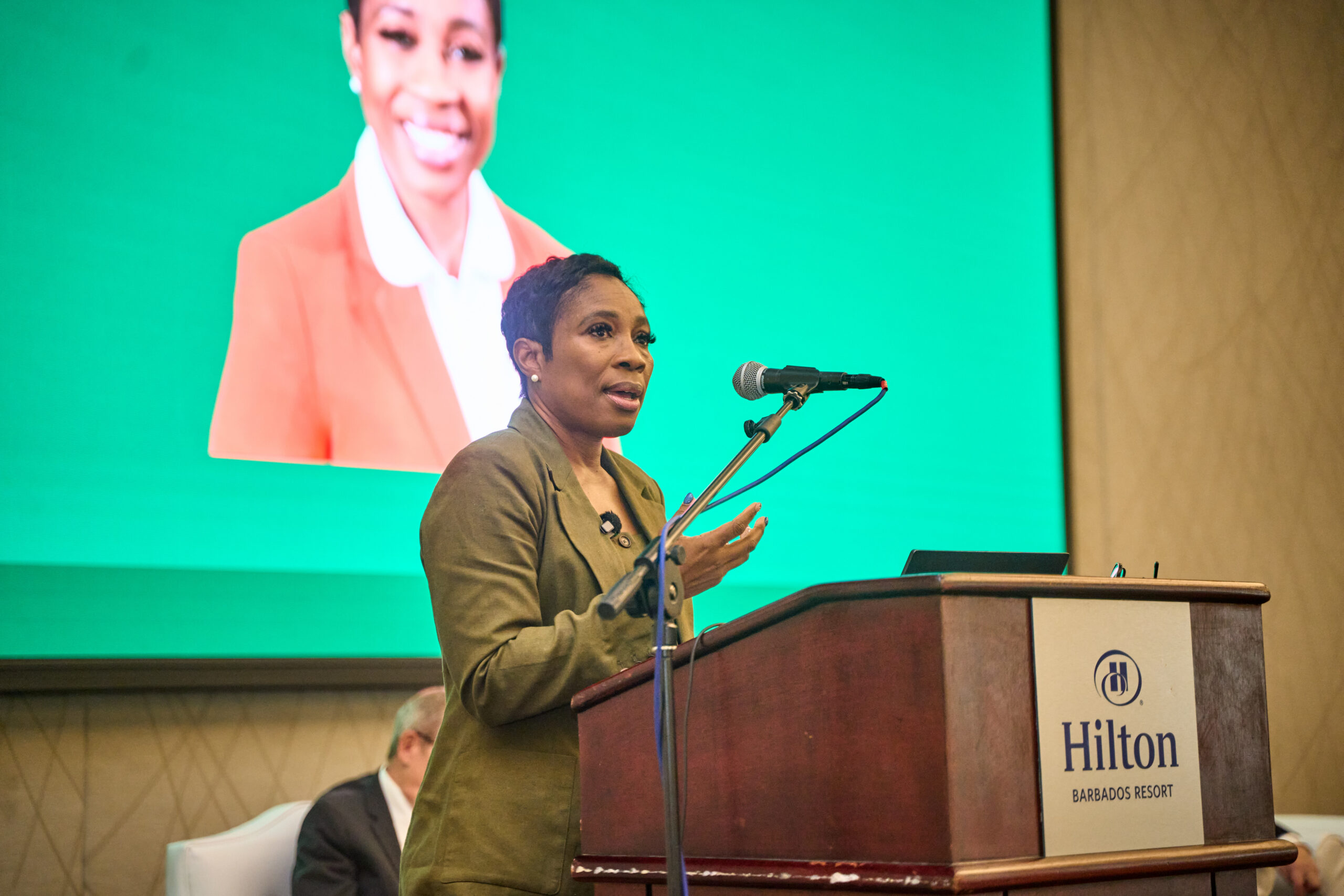
    As the Caribbean grapples with a rapidly expanding food import bill that drains critical economic resources, regional leaders are calling for transformative, large-scale private investment to reverse deepening import dependence and kickstart long-term economic restructuring. In a keynote address at the opening of the Regional Food Systems Investment Forum held at Barbados’ Hilton Resort, Barbados’ Agriculture Minister Dr. Shantal Munro-Knight emphasized that incremental, small-bore changes will never deliver the systemic shift the region urgently needs.

    Decades of growing reliance on foreign-sourced food has left the Caribbean with a staggering import burden, a trend Dr. Munro-Knight highlighted as a clear wake-up call for an ambitious, investment-centered overhaul of regional food systems. She tied this call to the Caribbean Community (CARICOM)’s landmark 25 by 25 target – an initiative designed to cut the region’s food import bill by 25% by 2025, later expanded with additional goals – noting that the framework was born from a shared recognition that food security demands bold, unified action.

    Official data underscores the severity of the challenge: over a recent three-year period, total Caribbean food and agricultural imports hit $13.76 billion, a sum equal to roughly 5% of the region’s entire annual gross domestic product. “That’s not small, that’s not insignificant,” Dr. Munro-Knight told attendees, stressing that the current trajectory is economically unsustainable for small island developing states across the region.

    A core part of the minister’s message was a call to reframe how the public and investors view Caribbean agriculture. For too long, she argued, the sector has been reduced to small-scale production and subsistence farming, but it must now be repositioned as a modern, high-potential economic sector packed with lucrative investment opportunities. “The dialogue around food systems has moved beyond just production,” she explained. “What we have come here to talk about today is a conversation that revolves around one of the most significant economic and development opportunities that the Caribbean has to offer.”

    Unlike narrow traditional farming frameworks, modern regional food systems span an entire value chain: from logistics and agro-processing to cold storage infrastructure, digital innovation and agricultural technology. Dr. Munro-Knight pointed out that expanding investment across these interconnected segments not only creates strong returns for private investors but also directly strengthens the region’s long-term food security. “When we think about food systems, we have to break out of that traditional frame,” she said. “We can challenge ourselves, and we can look at the big investable opportunities that are there.”

    Drawing a parallel to the landmark Bridgetown Initiative, which has reshaped global conversations around climate financing, Dr. Munro-Knight outlined the critical role governments must play in unlocking private capital for food system development. She emphasized that governments are meant to act as catalytic partners, working to “crowd in private capital” rather than bearing the entire burden of investment themselves.

    But for private investment to flow at the needed scale, the minister stressed that investors require stable, transparent governance. “Capital needs surety. It needs governments that have clear policies, clear pathways, frameworks, that are transparent and data-driven,” she said.

    Dr. Munro-Knight also highlighted technological innovation as a game-changing lever for cutting import dependence. She noted that targeted investment in tech-driven agriculture and modern farming solutions could improve the region’s food production balance by up to 15%, a major gain toward meeting the 25 by 25 target.

    In Barbados, this commitment to transformation is already taking shape through the national Strategic Crop Escalation and Production Plan, which prioritizes expanding domestic output of 15 high-demand staple crops. The minister also spotlighted the proposed Barbados-Guyana Food Terminal as a flagship example of the large-scale investment opportunities available. The $25 million infrastructure project, she explained, will leverage Barbados’ strategic geographic location to build a regional logistics hub, strengthen cross-island food distribution networks, and support broader efforts to build a more resilient, self-sufficient Caribbean food system.

  • What Led to the Fatal Caye Caulker Confrontation?

    What Led to the Fatal Caye Caulker Confrontation?

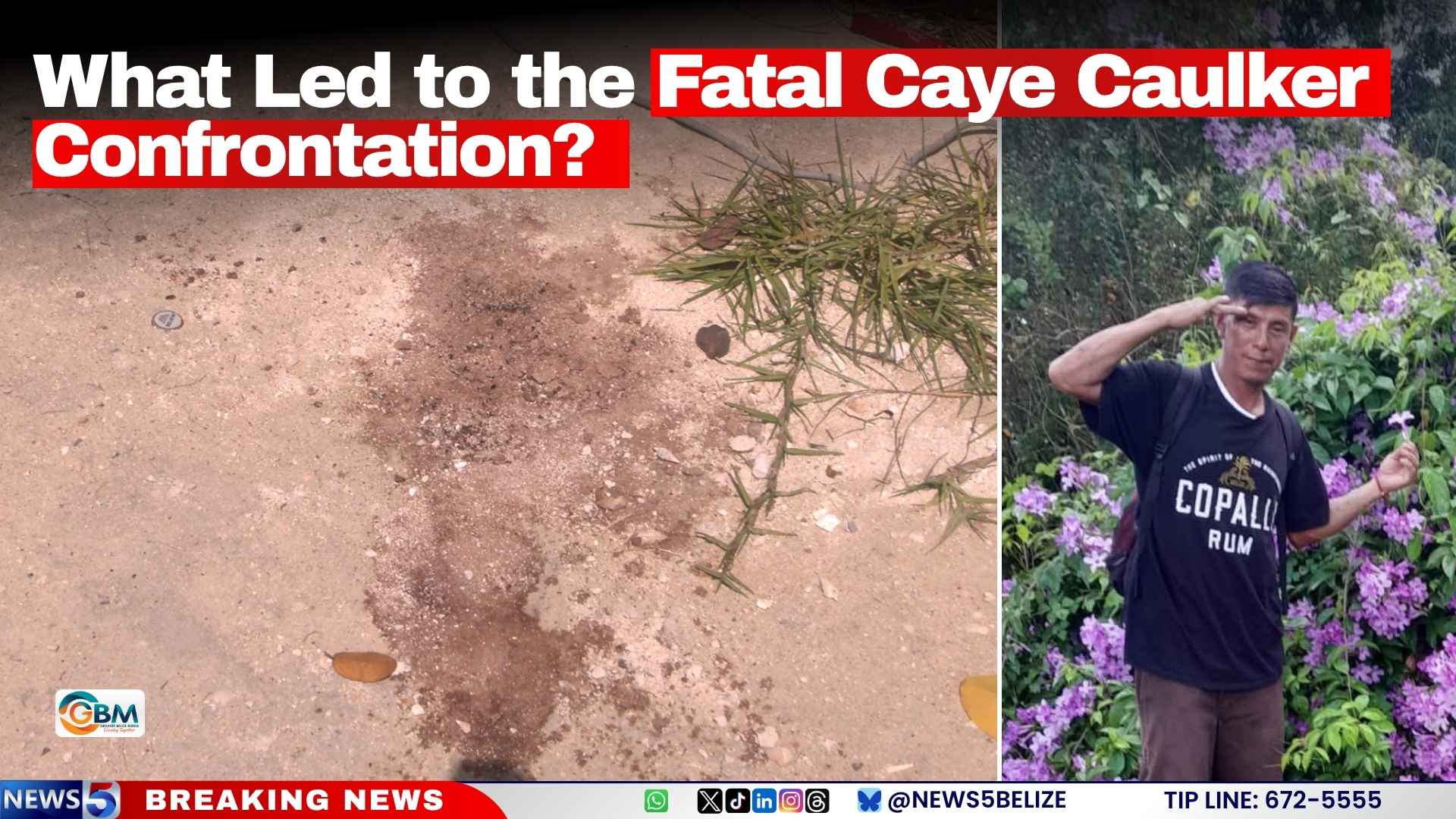
    On a quiet Saturday night on the popular island of Caye Caulker, a brutal and senseless killing has thrown a local family into grief and sparked calls for full transparency and justice. The victim, identified as 58-year-old Oscar Flota, a construction worker originally from Orange Walk, died after being assaulted multiple times with a shovel in what eyewitnesses have described as a violent public confrontation.

    Flota’s family is still reeling from the sudden, devastating loss, with his niece Mariel Moh telling local reporters that the tragedy came completely out of the blue. “None of us ever imagined something this horrific could happen to him,” Moh said in an interview. “The brutal nature of his death has left our entire family in shock. We are still struggling to process what happened.”

    Early statements from law enforcement to the family suggest the fatal attack grew out of a verbal dispute or misunderstanding between Flota and the attacker or attackers. But as of this report, the family says they have yet to receive a clear, official explanation of the incident, leaving them with more questions than answers. Unconfirmed reports circulating among relatives also indicate the confrontation may have involved people Flota knew personally, but those details have not been verified by police.

    Flota had been living on Caye Caulker for an extended period alongside one of his three sons, working in local construction to support his family. Relatives remember him as a loving, dedicated provider who prioritized his family above all else. “He never turned away from any of us when we needed him,” Moh recalled. “He was always happy, always smiling, and he could make anyone laugh. He was such a fun, good person.”

    Moh also pushed back against early unsubstantiated rumors that alcohol consumption contributed to the confrontation. “Even when he had been drinking, he was never an aggressive or confrontational person,” she said. “That’s just not who Oscar was.”

    As investigators continue to piece together the events leading up to Flota’s death, his family remains firm in their demand for a full, thorough investigation and justice for their loved one.

  • Derde helft WK 2026: België en Egypte niet verder dan een gelijkspel: 1-1

    Derde helft WK 2026: België en Egypte niet verder dan een gelijkspel: 1-1

    Group G’s international football clash between Belgium and Egypt at Seattle’s Stadium ended in a hard-fought 1-1 draw on Wednesday, with both sides creating a raft of clear-cut chances but failing to land a late winner that would have secured all three points. The fixture was overseen by Brazilian referee Ramon Abatti, and unfolded as a tightly contested battle across 90 minutes that kept spectators on edge until the final whistle.

    After a slow, cautious opening phase where both teams tested each other’s defensive shape, the match picked up momentum rapidly as both sides pushed forward in search of an early breakthrough. For long stretches, the game was concentrated in the midfield, with neither defense willing to cede ground, though dangerous forays into the opponent’s penalty area came at regular intervals for both sides.

    Egypt broke the deadlock shortly before the first hydration break, and held onto their 1-0 advantage deep into the second half. The first effort of note came from Belgium’s star playmaker Kevin De Bruyne, but his shot drifted wide of the target, leaving Egyptian goalkeeper Mostafa Shobeir untested. In the 20th minute, Emam Ashour put Egypt ahead with a powerful, precise strike from outside the penalty area that beat Belgium’s Thibaut Courtois, putting the African side in front.

    Belgium threw everything forward in search of an equalizer, and thought they had leveled in the 31st minute when Youri Tielemans latched onto a perfectly delivered cross, only to miss the target with his effort. Just three minutes later, Mostafa Ziko had a golden chance to double Egypt’s lead, but Courtois pulled off a last-gasp save to keep the deficit at one for his side. Minutes later, Leandro Trossard found himself unmarked in a dangerous position but failed to make contact with the cross, wasting another big opportunity for the Red Devils.

    In first-half stoppage time, Charles de Ketelaere teed up Jeremy Doku, but the Belgian winger dragged his uncontrolled effort over the crossbar. On the stroke of halftime, Courtois made a costly mistake when he came off his line to claim a cross but completely missed the ball, but no Egyptian striker was on hand to tap the ball into the empty net, and the sides went into the break with Egypt holding a narrow 1-0 lead.

    The second half opened with another good chance for Egypt, but Belgium’s defense scrambled to block the effort and prevent the African side from extending their lead. Doku proved to be a constant threat for Egypt’s full-backs, who were forced to foul the pacey winger repeatedly to stop his runs. From one such resulting free kick in a dangerous area, De Bruyne’s strike crashed off the goalpost, leaving Belgium still trailing.

    Shortly after that near miss, Ashour had a clear chance to double Egypt’s lead, but somehow poked his effort well wide of the target, much to the frustration of his side. Tielemans came close to leveling the score with a well-struck volley that whistled just past the post, and De Bruyne later had a golden chance to bring Belgium level, but his shot lacked power and was easily saved by Shobeir.

    Belgium’s pressure grew after substitute Romelu Lukaku entered the game, and his physical presence stretched Egypt’s defense. The equalizer finally came in the 66th minute, when Egypt defender Mohamed Hany turned the ball past his own goalkeeper to level the score at 1-1.

    Eight minutes before full time, Belgium had a chance to take the lead for the first time in the match, but Shobeir made a key save to keep the scores level. Both sides traded half-chances in the closing minutes of the fixture, but neither could find a late winning goal. When the final whistle blew, the two sides were forced to share the points, leaving Group G’s standings tight ahead of the remaining group stage fixtures.

  • Jahciba Shoy Goes on Trial for Murder of Syrian Businessman Roudi Shmaly

    Jahciba Shoy Goes on Trial for Murder of Syrian Businessman Roudi Shmaly

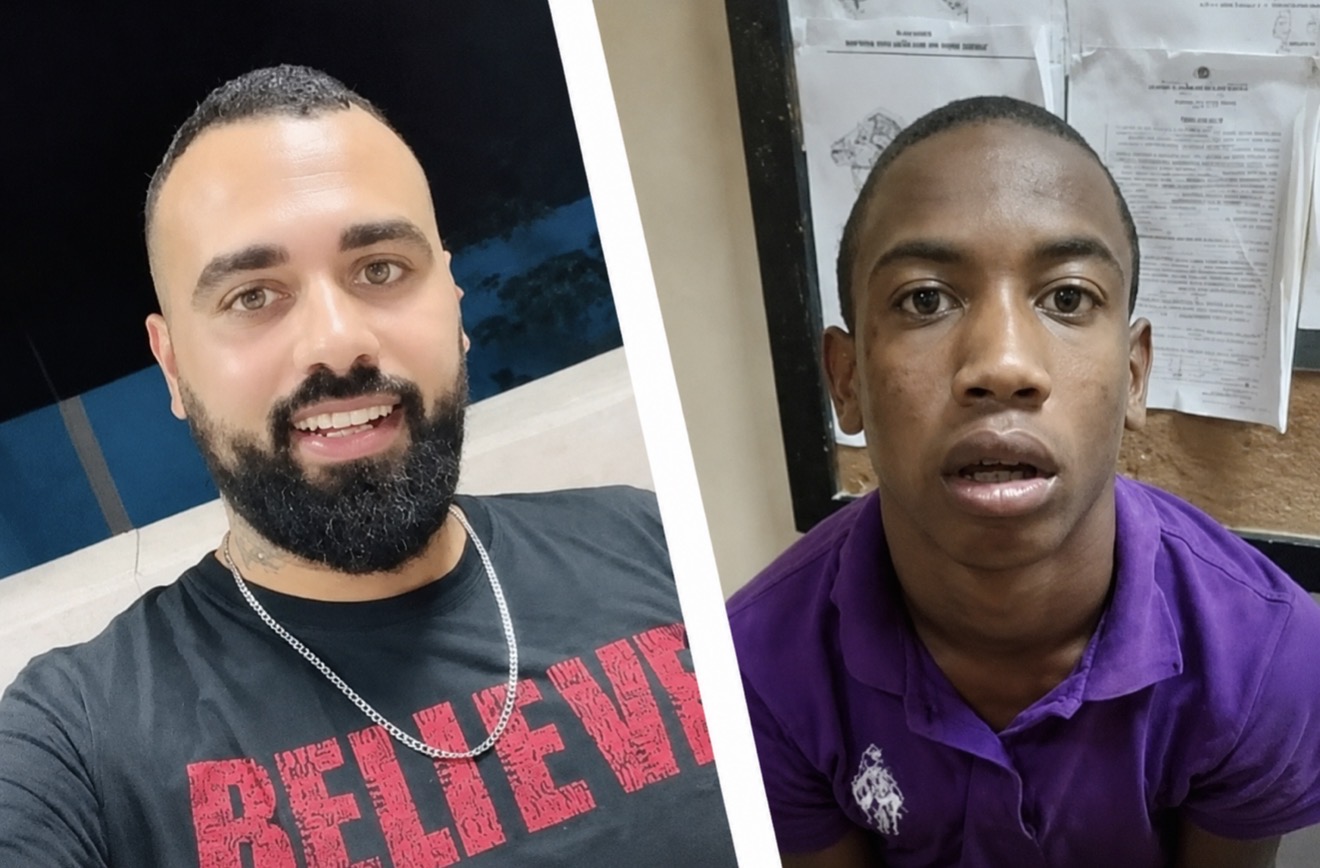
    The High Court has officially opened proceedings this week in the high-profile murder case of Jahciba Shoy, who stands accused in the May 2023 fatal shooting of Syrian businessman Roudi Shmaly. The case traces back to a violent incident that unfolded at the Pick ’n Mix Mart located on Desouza Road, where Shmaly was killed in a shooting that prosecutors say was tied to a simultaneous robbery. Shoy faces two serious charges: one count of murder and a second count of aggravated robbery, both originating from the same May 2023 event. Since he was taken into police custody immediately after the shooting, the defendant has been held without bail in correctional custody, a status that has remained unchanged throughout the pre-trial process. To mount his defense, Shoy has been appointed legal representation by experienced criminal defense attorney Wendel Alexander, who has begun presenting the defense’s position in the opening days of the trial. Over the course of the coming week, the court is scheduled to hear testimony from witnesses, receive physical evidence from both the prosecution and the defense teams, and move through the core stages of the trial process as the justice system works to reach a verdict in the killing. Legal observers note that the trial will proceed according to standard criminal procedure, with both sides given full opportunity to make their cases before the judge and jury.

  • Plane that went missing en route to Tobago found

    Plane that went missing en route to Tobago found

    KINGSTOWN, St. Vincent — Authorities from St. Vincent and the Grenadines announced Monday that the Dominican-registered aircraft that vanished over the Southern Caribbean during a flight to Tobago over the weekend has been successfully located, with all people on board confirmed alive. Deputy Prime Minister and National Security Minister St. Clair Leacock shared the update during a public radio interview, confirming that coordinated search efforts by international, regional, and local security agencies led to the discovery of the twin-engine plane. However, he declined to disclose the exact site where the aircraft was found.

    According to an official statement released by the Ministry of Tourism, Civil Aviation and Sustainable Development, the aircraft, a Beechcraft B58T or 58P Pressurized Baron registered as HI-1145, departed Argyle International Airport in St. Vincent at 11:52 a.m. local time this past Friday. Two people were on board when the plane took off, and it was scheduled to complete its 65-minute flight and land at ANR Robinson International Airport in Tobago shortly after departure.

    Leacock told radio listeners that he had maintained constant communication with local police leadership and key regional security bodies throughout the search operation. These partners included the Barbados-headquartered Regional Security System (RSS) and the Implementation Agency for Crime and Security (Impacs), a security arm of the Caribbean Community (Caricom) based in Trinidad. He confirmed that authorities have already compiled identifying information on the people connected to the missing flight, but stated that “I cannot share all of the information that we have on it.”

    The senior official explained that disclosing sensitive operational details at this stage could put ongoing investigative work by participating agencies at risk. He added that intelligence and security teams are continuing to closely monitor the situation to determine next steps. Notably, Leacock emphasized that authorities are prioritizing the people on the aircraft rather than the plane itself, noting “aircraft don’t fly [by] itself — [it is] the people who fly in that aircraft” that are the central focus of the ongoing operation, as officials work to determine an appropriate course of action moving forward.

    Before all contact with the plane was lost, it was being tracked via the popular public flight monitoring platform Flightradar24. Data from the site showed the aircraft was operating under visual flight rules, cruising at an altitude of 4,025 feet with a ground speed of 142 knots. Tracking signals cut off abruptly mid-flight over the Southern Caribbean Sea, with the last known signal placing the aircraft in the vicinity of Grenadian or Venezuelan territorial waters.

  • CRFM pays tribute to Dr Shelly-Ann Cox

    CRFM pays tribute to Dr Shelly-Ann Cox

    The Caribbean’s regional fisheries sector is in mourning this week following the unexpected death of Dr Shelly-Ann Cox, Barbados’ long-serving Chief Fisheries Officer, who leaves behind a decades-long legacy of advancing sustainable marine management and supporting fishing communities across the region.

    In an official statement released after the news of her passing, the Secretariat of the Caribbean Regional Fisheries Mechanism (CRFM) expressed deep sorrow at the sudden loss of one of the sector’s most respected voices. The organization highlighted that Dr Cox earned widespread admiration across the Caribbean and beyond for her exceptional expertise, steadfast leadership, and unwavering commitment to the sustainable growth of fisheries and aquaculture.

    Throughout her distinguished career, Dr Cox dedicated her professional life to serving not only her home nation of Barbados but the entire Caribbean region. As Chief Fisheries Officer, she played an instrumental role in advancing three core pillars of responsible marine stewardship: rolling out evidence-based sustainable fisheries management frameworks, building greater economic and social resilience among vulnerable fishing communities, and pushing for collaborative, long-term protection of the region’s shared marine resources. She was also a key driving force behind deeper regional cooperation on priority issues affecting both wild capture fisheries and the fast-growing aquaculture sector.

    Dr Cox’s impact extended far beyond Barbados’ territorial waters. Through her consistent active participation in regional initiatives and close collaborative work with the CRFM and other regional partner organizations, she helped shape transformative policies and programs that have strengthened regional fisheries governance, improved regional food and nutrition security, and lifted the livelihoods of thousands of small-scale fisherfolk and fish processing workers across the Caribbean. Her insights and perspective were consistently sought out in high-level regional policy discussions, and her relentless advocacy for sustainable sector development has created a lasting legacy that will continue to benefit Caribbean communities for generations to come.

    The CRFM closed its statement by extending heartfelt condolences to Dr Cox’s family, her colleagues at Barbados’ Fisheries Division, and all fisherfolk and fishing communities across Barbados. “During this time of profound loss, our thoughts and prayers remain with her loved ones, her team at the Fisheries Division, and the people of Barbados’ fishing communities, who have lost a dedicated advocate and unwavering champion,” the statement read. “We hope they find comfort in the extraordinary impact Dr Cox achieved during her lifetime, and in the countless lives she touched through her public service. We stand with the people of Barbados in mourning her passing, and in celebrating a life entirely devoted to advancing the Caribbean fisheries sector and the wellbeing of all Caribbean people.”