博客

  • High-Tech Light Show Honors Michael Ashcroft’s Legacy

    High-Tech Light Show Honors Michael Ashcroft’s Legacy

    On a clear Friday evening in 2026, the dark coastal sky over Belize City was reimagined as a dynamic, glowing canvas, as 1,000 synchronized drones took flight to honor an extraordinary legacy. This cutting-edge aerial spectacle, which capped off with a thunderous, vivid fireworks display, was organized to mark eight decades of deep connection between Lord Michael Ashcroft and the Central American nation of Belize.

    Choreographed to tell a sweeping narrative of Ashcroft’s long-standing involvement with Belize, the drone formation shifted continuously across the horizon, painting the night with intricate patterns that mapped out his far-reaching impact across multiple sectors. From his pioneering contributions to Belize’s business landscape to his transformative investments in education, his influence on the country’s political development, and his far-reaching philanthropic initiatives that have improved lives across the nation, every chapter of his 80-year association was brought to life through bright, moving animations.

    The event gathered hundreds of onlookers across Belize City, who turned out to watch the one-of-a-kind tribute that blended modern entertainment technology with public celebration. This display is not just a celebration of a single individual’s decades of connection to Belize; it also stands as an example of how cutting-edge drone art can be used to preserve and honor personal and national legacy for new generations. This report is adapted from a transcribed evening television news broadcast originally released by the local outlet.

  • Gymnastics Emerging and Last Seconds Victory In NEBL!

    Gymnastics Emerging and Last Seconds Victory In NEBL!

    On this episode of Sports Monday, sports fans across Belize were treated to a weekend packed with competitive thrills, alongside a deeper look at a rapidly rising new sport that is taking root across the country.

    While traditional favorites like basketball, football and volleyball have long dominated the Belizean sports landscape, a new generation of young athletes is building a gymnastics community from scratch, with origins that stretch back to the COVID-19 pandemic. When public health restrictions forced dance studios across the nation to close their doors, local dance instructors pivoted to meet shifting recreational demands, creating an unexpected opening for the sport.

    Susen Bedran, president of the Gymnastics Federation of Belize, explained that the movement grew organically from small, lockdown-era beginnings. When one young student struggled with online ballet classes and expressed interest in gymnastics, local coaches connected her with a Guatemalan-based coach for virtual training. Word spread quickly among local young people, and before long, multiple children were asking to join the emerging program. Seizing the moment, Bedran and her partner Rita Acevedo converted an existing dance studio into a dedicated gymnastics training space, opening the program to the public. In their first week, they attracted 60 young participants, a turnout that far exceeded early expectations.

    Today, the SeSa training gym brings together gymnasts of all age groups and skill levels, united by a shared passion for the sport of flips, tumbles, and balance work. For many of these young athletes, gymnastics offers far more than physical activity: it builds resilience, discipline, and joy. Level 4 gymnast Selene Bedran says her long-term goal is to earn a spot competing on a college gymnastics team, while Level 2 athlete Ze’Naiya Blades values the sport’s unique balance of structure and fun, noting she has learned to laugh off missteps like falls during practice. Fellow Level 2 competitor Aliyah Aguilar says falling during a routine leaves her disappointed, but it also motivates her to improve for her next attempt. For higher-level gymnast Opal Bridgeman, the sport is flexible enough to fit every goal: athletes can compete at high levels if they choose, or simply train for fun without the pressure of competition. As a still-developing sport in Belize, every gymnast gets to help shape its future in the country.

    Beyond the rise of Belizean gymnastics, this past weekend delivered high-stakes action in the National Elite Basketball League (NEBL) semi-final playoffs, with two matchups that went down to the final seconds. The Cayo Western Ballaz evened their series against the Running Rebels on their home court, pulling out a 70-66 win with a decisive push in the final minute. Over at the Civic, game one between the Defenders and their opponent was not decided until the closing seconds, with the Defenders securing a narrow 85-84 win. The stage is now set for a critical close-out game Friday at the Civic, followed by a do-or-die match-up Saturday in Orange Walk.

    In weekend softball action, the Wolfpack men’s and women’s teams turned in dominant performances Friday. The Beacons opened Saturday play with a lopsided 15-0 shutout victory over Willows Bank, while Biscayne’s men’s team notched a historic win for rural squads, beating the city-based Guardian Bombers. On Sunday, the Belize Bank Bulldogs women’s team extended their ongoing winning streak. Fans can look forward to eight more match-ups this coming weekend at the Sandhill Community field.

    Finally, in cycling, the annual Father’s Day Extravaganza Criterium wrapped up Sunday with multiple podium finishes for local riders. Jyven Gonzalez of Legion of Los Angeles took the top spot in the Open Elite division, while his team mate Jaylen Briceno claimed the Under-23 title. Byron Pope won the general Masters category, and Brandon Cattouse took first place in the 40+ Masters division. On the women’s side, Patricia Chavarria earned the Open Women’s championship crown.

    Signing off from this week’s round-up, reporter Shane Williams left fans with a reminder: friendly competition brings communities together, and for sports lovers across Belize, the game is a way of life. So keep playing, Belize.

  • Chile : Complaint filed for child trafficking from Haiti

    Chile : Complaint filed for child trafficking from Haiti

    A shocking alleged child trafficking scheme involving unaccompanied Haitian minors has triggered a formal criminal complaint in Chile, pulling back the curtain on a complex cross-border criminal operation that authorities have spent months probing. On June 15, 2026, Frank Sauerbaum, head of Chile’s National Migration Service (SERMIG), submitted the official complaint to the Central-North Metropolitan Regional Prosecutor’s Office, launching a full criminal probe into suspicious movements of Haitian children on charter flights between January and October 2025.

    The complaint is backed by six dossiers of technical evidence compiled during joint audits conducted by SERMIG, the Comptroller General of the Republic and Chile’s Investigative Police, following months of coordinated investigation into irregular migration patterns involving minor arrivals. Investigations have so far uncovered that at least 12 individuals—both Chilean citizens and foreign nationals—repeatedly entered Chile posing as authorized chaperones for groups of Haitian children and adolescents, with group sizes ranging from just 2 minors up to 18.

    What makes the case particularly alarming is that none of the accused chaperones share any familial or blood ties to the minors they escorted into the country. Further, authorities confirm none of these individuals held the mandatory legal authorization required under Article 28 of Chile’s Immigration and Foreigners Law. This blatant violation of existing regulations directly undermines the fundamental rights and best interests of the children involved, and authorities say the activity meets the legal definition of migrant smuggling under Article 411 bis of Chile’s Penal Code.

    The complaint does not only target the alleged chaperones. It names multiple potential parties that may share criminal responsibility, including the commercial airlines that operated the charter flights, the travel agencies that arranged the trips, and any other third party found to have participated in or facilitated the scheme.

    Complicating the investigation further, between January and April 2025, many of the irregular flights were framed as official family reunification travel. As of the complaint filing, ongoing probes have failed to locate several of the minors who entered Chile under this false pretext, raising urgent questions about how the original travel authorizations for these trips were granted in the first place. Prosecutors are now expected to launch a full, expanded investigation to map the full scope of the alleged trafficking network, identify all co-conspirators, and trace the current whereabouts of the missing children.

  • Grass fires to spread faster as heat, winds intensify, fire chief warns

    Grass fires to spread faster as heat, winds intensify, fire chief warns

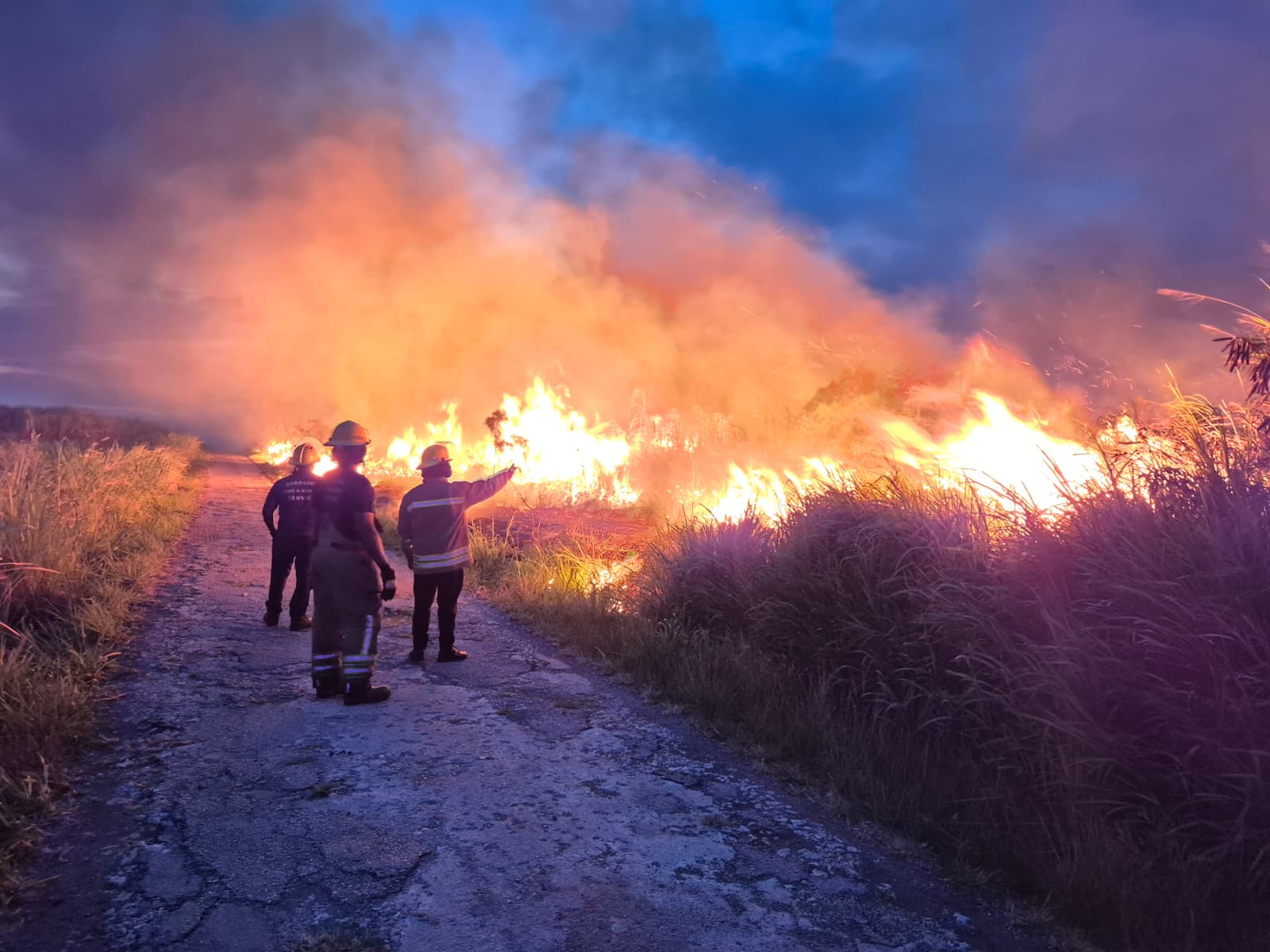
    Barbados’ top fire official has issued an urgent public warning, as a combination of soaring temperatures and sustained strong winds is projected to supercharge the spread and intensity of grass fires across the island, stretching emergency resources to their limit and putting residential property, livestock and community public health at severe risk.

    Chief Fire Officer Errol Maynard delivered the caution on Monday, explaining that rising seasonal heat has already dried out vegetation across the country, creating tinder-like conditions that will make any accidental or intentional blaze far more destructive than normal. He emphasized that most of these fires are not sparked by the heat itself, but by human activity — and the current climate conditions simply turn small, controlled burns into unmanageable disasters in minutes.

    “I am not convinced that the fires are starting because the place is hot. The fires are starting because people light these fires,” Maynard told local outlet Barbados TODAY. “What will happen is that the intensity of the fire, because the place is hotter, it is dry, so you will get a lot more grass fires during this period. It is hot and brown, so the intensity of the fire will increase, and the high winds that you are getting in recent times, the rate of the spread of the fire will also increase.”

    The growing number of wildfires does not just threaten communities — it places extraordinary strain on the fire service’s personnel and equipment, Maynard explained. Even with robust training and specialized gear, firefighters are still vulnerable to heat exhaustion and fatigue when responding to multiple blazes in extreme high temperatures, stretching their ability to recover between calls. The department has already recorded multiple cases of private property being damaged when wind-carried burning embers sparked secondary fires on residential land.

    Maynard highlighted far-reaching consequences for daily community life, with smoke from large blazes creating public health hazards for residents who are forced to inhale toxic fumes. Multiple schools across northern and eastern parishes of Barbados, including in St. Philip, have already been forced to close for multiple days, disrupting students’ learning and causing extended missed instruction. Just recently, a blaze in St. Lucy killed several grazing sheep and destroyed large patches of grass that local farmers relied on as feed for their livestock, threatening small-scale agricultural livelihoods.

    In a stern appeal to local residents, Maynard stressed that ordinary people hold the key to reducing the risk of a catastrophic fire season. Even small open burns intended to clear land for gardening or kill rodents can quickly spiral out of control under current conditions. “When you light fires…because the place is really dry, the embers may blow far away, go into a dry field, burn it, and you might not even know that you spread the fire, or you caused a fire,” he said. “The other thing is, because the wind is high, and you are not skilled to do it, when you light a fire, it can easily get out of control, and that can cause significant problems for other people.”

    Against this growing risk, Maynard confirmed that the Barbados Fire Service has had heat mitigation strategies in place for decades, as officials have observed rising average temperatures year over year dating back to the early 2000s. The department has already adjusted its operations to reduce unnecessary heat exposure for personnel: traditional daytime training activities have been shifted to cooler early morning or evening hours, and recruitment practical assessments now take place when temperatures are lower, with lectures scheduled for the hottest parts of the day.

    All fire stations across the island have been outfitted with ice machines to provide constant access to cool drinking water, and fire trucks now carry ice-cold beverages for crews responding to extended calls. When firefighters work on a blaze for a prolonged period, the department has formal rehabilitation protocols to bring them in for cooling and refreshment before rotating them back to duty. Maynard added that while the service works to minimize heat stress, all crews still follow strict personal protective equipment protocols. When not working in the hottest active fire zones, firefighters are permitted to remove layers of gear to cool down, balancing safety with heat management.

    “We generally look to the best practices in the industry,” Maynard said. “In all that doing, we still have to make sure they are safe. Fire officers understand, based on their training, that they are in the heat.”


  • Derde helft WK 2026: Saudi-Arabië verrast, Uruguay knokt zich terug naar 1-1

    Derde helft WK 2026: Saudi-Arabië verrast, Uruguay knokt zich terug naar 1-1

    Group H’s 2026 World Cup clash between Saudi Arabia and Uruguay delivered a tense, unpredictable battle at Miami Stadium on June 15, ending in a well-matched 1-1 draw that leaves all four teams in the group level on one point after matchday one.

    From the opening whistle, Uruguay asserted their dominance in possession, forcing Saudi Arabia to rely on rapid counterattacks to threaten the opposition goal. Just six minutes in, Maxi Araujo tested Saudi Arabian goalkeeper Mohammed Al Owais with a crisp strike from just outside the penalty area, which Al Owais saved spectacularly. The resulting corner found Matias Viña’s head, but the effort failed to trouble the Saudi goal. On the sidelines, the moment carried extra weight for Uruguayan goalkeeper Fernando Muslera, who was playing in his fifth consecutive World Cup while celebrating his 40th birthday – an extraordinary milestone for any elite athlete, and one that went largely untested in the opening half-hour as play stayed quiet in the final third.

    Chances remained scarce before the hydration break, with only a single shot on target from Uruguay and a very low expected goals score across both sides. The tension began to climb around the 30-minute mark, when Saudi Arabia failed to clear a defensive cross, allowing Federico Viñas to connect with a header that Al Owais was able to push away. Ten minutes before halftime, a Musab Al Juwayr free kick created danger for Uruguay, with Muslera tipping a powerful strike from Abdulelah Al Amri over the crossbar.

    Shortly after, the underdogs made their breakthrough. A quick corner from Hassan Al Tambakti slipped through Muslera’s hands, and Al Amri reacted first to head the ball into the empty net in the 41st minute, putting Saudi Arabia 1-0 up going into halftime. The goal marked a historic first for Saudi Arabia: it was the first time the nation had held a halftime lead at a World Cup since 1994, and the first opening goal the side had ever scored across their previous 16 World Cup matches.

    Uruguay came out of the halftime break with increased intensity, pushing hard for an equalizer. Substitute Agustín Canobbio created immediate danger with a low cross that was cleared just before it crossed the goal line. A 51st-minute corner nearly found the back of the net, with Viñas’ header drifting just wide of the post. The South American side consistently threatened from set pieces, but Saudi Arabia held a tight, organized defensive shape that blocked repeated attempts on goal.

    Uruguay came within inches of leveling the score in the 60th minute, when Manuel Ugarte’s long-range powerful strike hit the goalpost. As Saudi Arabia sat deeper to protect their lead, they gave Uruguay increasing space to control the ball, and mustered no shots on target in the second half, mirroring their first-half output.

    In the 74th minute, Nicolas de la Cruz entered the match for Ugarte, and Uruguay almost scored from a defensive miscommunication that resulted in a near own-goal, though the ball rolled into the side netting. The equalizer finally came in the 80th minute: after Al Owais saved Viñas’ header, the rebound fell to Maxi Araujo, who slotted the ball calmly into the net to level the score at 1-1. Araujo was substituted just minutes later, and new introduction Brian Rodriguez almost snatched a winner with an 84th-minute long-range strike that drifted just wide of the goal.

    Saudi Arabia had one late chance to steal all three points when Saud Abdulhamid had a shot on goal in the 87th minute, but his effort also missed the target. Seven minutes of stoppage time brought one more key save from Al Owais, who turned away a strike from Federico Valverde to keep the score level.

    When the final whistle blew, both sides had to settle for a single point. The draw was a creditable result for Saudi Arabia, who defended stubbornly against sustained Uruguay pressure after claiming a historic first-half lead. For Uruguay, the late equalizer was a fair reward for their long spells of possession and attacking pressure, but the side will likely feel they could have claimed all three points after dominating large stretches of the game. With Spain also drawing to Cape Verde earlier in the day, all four teams in Group H now sit equal on one point after the first round of group stage matches, setting up an intensely competitive race for knockout stage qualification.

  • Governor: BiMPay transactions will remain free

    Governor: BiMPay transactions will remain free

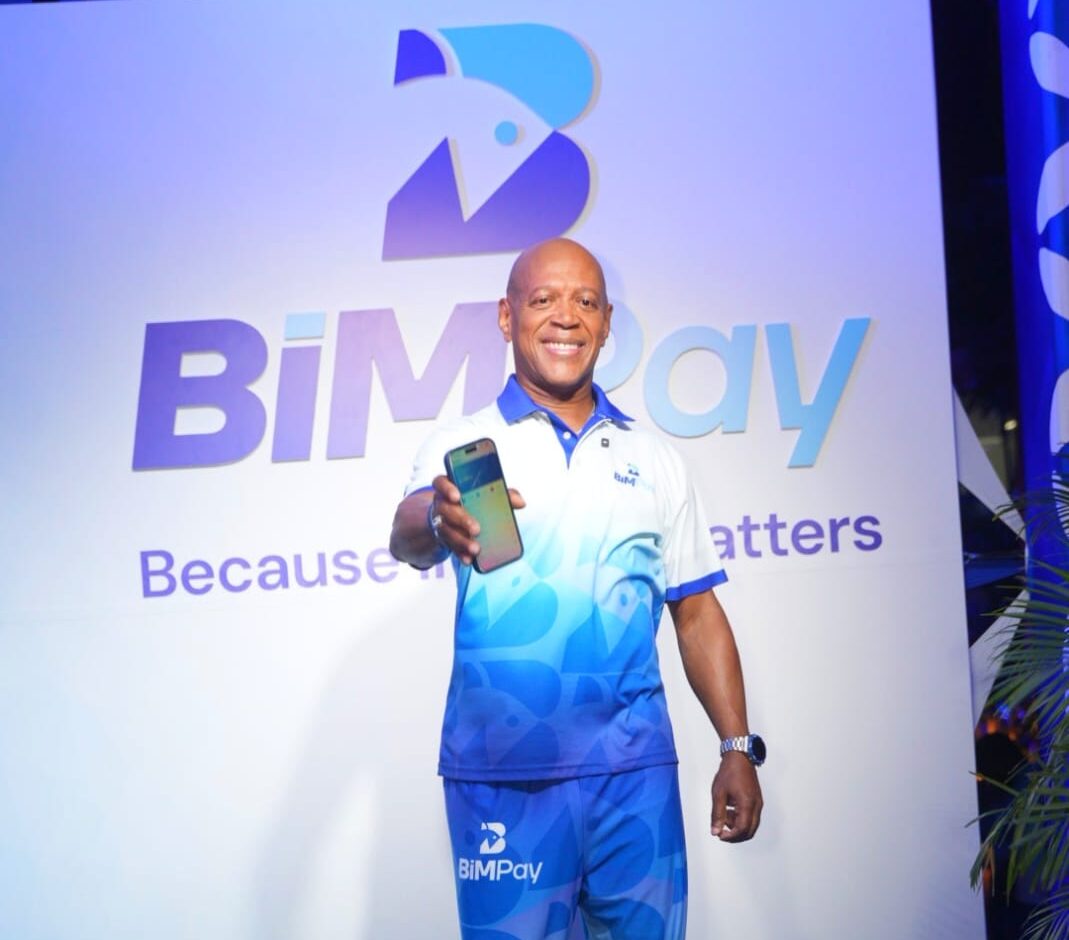
    Against a global backdrop of rapid digital transformation in financial transactions, the Central Bank of Barbados has moved to calm public uncertainty around the future of physical cash, confirming on Monday that the island nation will not implement a mandatory shift to a fully cashless economy. Central Bank Governor Dr. Kevin Greenidge made the clarification during a press briefing addressing the launch of BiMPay, Barbados’ new nationwide instant digital payment system, which went live last Friday.

    Greenidge emphasized that while cash will retain its status as legal tender and remain in permanent circulation, the growing adoption of convenient digital platforms like BiMPay is expected to trigger a gradual, organic decline in cash usage over time. He pointed to successful instant payment infrastructure rollouts across major global markets as a precedent, noting that systems such as Brazil’s Pix, India’s Unified Payments Interface (UPI) and Thailand’s PromptPay all led to a natural reduction in cash reliance without government mandates forcing out physical currency.

    “Where you have a convenient alternative, people naturally shift away from cash,” Greenidge explained. “Look at markets like China, India and Kenya — once scanning QR codes for payment becomes widespread, many merchants prefer digital transactions, and consumers opt for them out of convenience. Today, the average person carries debit cards, credit cards, digital wallets and a small amount of cash; people will naturally choose the option that works best for them, and many will decide cash is bulky and unnecessary, that shift just doesn’t need to be forced.”

    In its first 48 hours of operation, the BiMPay platform processed roughly 20,000 transactions totaling nearly $8 million, marking a strong early uptake of the new infrastructure by Barbadian consumers and businesses.

    Beyond addressing concerns about the future of cash, Greenidge also moved to dispel growing public fears that participating financial institutions would introduce new transaction fees for BiMPay use. The governor stressed that peer-to-peer and consumer-to-business transactions on the platform will remain permanently free, and any bank seeking to implement fees must first secure formal approval from the Central Bank, which he has no intention of granting for these transaction types.

    “Central Bank remains the primary regulator for this payment system, and we have not stepped back from that role,” Greenidge said. “Person-to-person and person-to-business transactions on BiMPay will stay free, that policy is not changing, and no financial institution can alter that without our sign-off.”

    Greenidge also highlighted the transformative potential of BiMPay for small and micro businesses across Barbados, noting that the platform removes cost barriers that have historically locked many small operators out of card-based digital payments. Traditional credit card processing requires expensive point-of-sale terminals that carry ongoing fees, putting that infrastructure out of reach for many small proprietors such as local rum shop owners. With BiMPay, any business can simply download the mobile app and generate a free QR code, allowing customers to scan and pay directly into the merchant’s bank account at no cost.

    “This system saves small businesses money that they would otherwise spend on terminal fees, and it also lets them avoid missed sales from customers who don’t carry enough cash,” Greenidge added. “That accessibility is core to what we want this platform to deliver — inclusive growth that supports small operators across the country.”

  • Future Caribbean launches $140K AI ‘buildathon’ to spur innovation

    Future Caribbean launches $140K AI ‘buildathon’ to spur innovation

    A groundbreaking new initiative is positioning the Caribbean as a central player in the global agentic AI revolution, with non-profit group Future Caribbean launching a $140,000 agentic AI buildathon to cultivate the next generation of Caribbean-founded technology startups.

    The competition was officially unveiled during the Inter-American Development Bank (IDB) Invest Sustainability Week 2026 held in Barbados, marking a key milestone in regional efforts to embed the Caribbean in cutting-edge global tech development. Over a 21-day intensive sprint, 40 selected teams drawn from the Caribbean and across the globe will collaborate to develop open-source agentic AI systems tailored to address the most pressing challenges and unlock untapped economic opportunities across the region.

    Unlike traditional generative AI tools that only respond to user prompts or generate on-demand predictions, agentic AI represents a major evolutionary step in artificial intelligence. These autonomous systems are designed to independently pursue pre-defined goals, take proactive actions, and adapt over time. Each AI agent can perceive surrounding conditions, analyze complex scenarios, map out multi-step workflows, integrate external tools and complementary systems, execute planned actions, and continuously reflect on outcomes to refine its performance.

    The buildathon is structured around 10 key focus tracks aligned with the Caribbean’s core economic and social priorities, spanning financial inclusion, healthcare access, tourism innovation, sustainable food systems, climate risk mitigation, disaster response coordination, and blue economy development. Teams selected to compete will gain access to high-end NVIDIA H200-Class GPU computing power, plus one-on-one mentorship and targeted support from a network of more than 25 experienced regional and international industry advisors.

    Lily Dash, founder of Future Caribbean and co-founder of ACTAI Advisors, explained that the initiative grew out of a core belief that the Caribbean deserves a leading seat at the table shaping the future of global technology. “Future Caribbean started from a conviction: the Caribbean is one of the world’s great opportunity regions. Technology is now the largest driver of economic value creation in the modern global economy. If you have an idea, if you have been building, this is your moment,” Dash said. “The Caribbean should not watch this transformation happen — it should help shape it. Future Caribbean exists to give builders from across the Caribbean and around the world a place to build systems that strengthen the oxygen lines within the region and between the region and global markets.”

    Bill Tai, chairman of ACTAI Global and founding partner of Future Caribbean, emphasized that the rise of agentic AI creates an unprecedented opening for small teams and emerging entrepreneurs in the region. “Agentic AI is creating the biggest wave of opportunity we’ve seen in decades, giving small teams a level of leverage that was previously unimaginable. The Future Caribbean Buildathon is placing the region directly in the path of that wave by connecting innovators, governments, investors, and global partners to build solutions that matter,” Tai said.

    Leaders of partnering development organizations echoed that the buildathon demonstrates the power of cross-sector regional collaboration to drive inclusive tech growth. Leonardo Mazzei, head of environmental and social governance and stakeholder engagement at IDB Invest, noted that the initiative breaks down barriers to turning early ideas into scalable, real-world impact. “By bringing together entrepreneurs, technology leaders, investors, institutions and development partners, the initiative creates new opportunities for talent, ideas and technologies to move from concept to deployment and scale,” Mazzei said.

    Brian Bogart, director of the World Food Programme’s Caribbean Multi-Country Office, added that AI innovation has critical potential to boost climate and food resilience for small island developing states like those across the Caribbean. “I look forward to engaging with teams working on Food Security and Disaster Coordination as they explore practical ideas and potential applications for the Caribbean and other vulnerable regions facing similar challenges,” Bogart said.

    Applications for the competition are open through July 3 on the official Future Caribbean website. The 40 selected competing teams will be announced on July 17, and the 21-day build sprint will run from July 17 to August 7. Competition winners will be named on September 1, with top-performing teams advancing to a Caribbean Investor Showcase and a high-profile investor pitch day at the New York Stock Exchange later that month.

  • BiMPay moves nearly $8m in first weekend despite early issues

    BiMPay moves nearly $8m in first weekend despite early issues

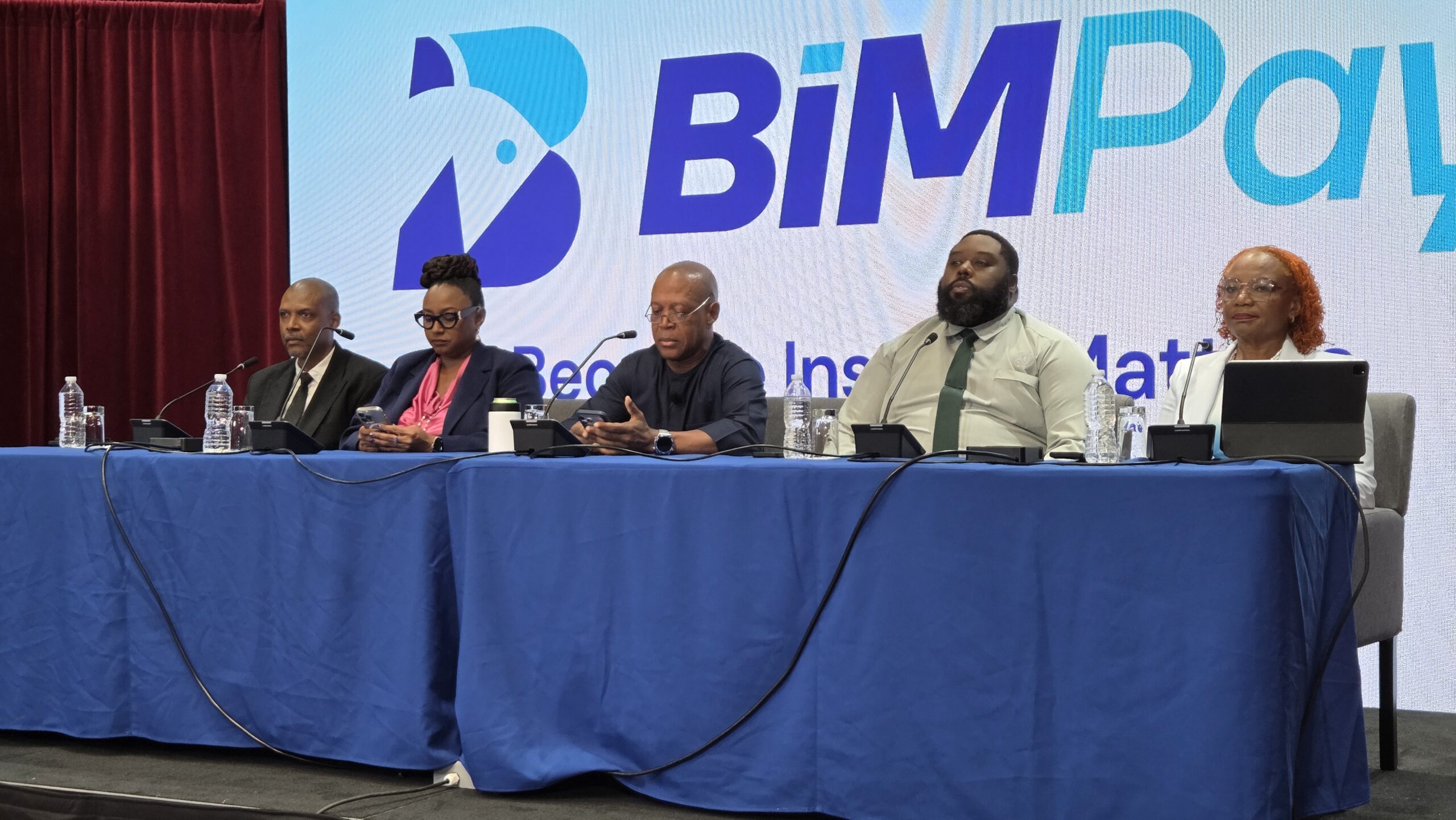
    Barbados’ first national instant payment infrastructure, BiMPay, has delivered a solid performance in its first 48 hours of public operation, Central Bank of Barbados Governor Dr. Kevin Greenidge confirmed in a Monday press briefing held at the bank’s Grand Salle. In the two days since the system went live over the weekend, it has processed more than 20,000 transactions totaling nearly $8 million, with a 99% success rate that puts early performance well above expectations for a newly launched fintech platform.

    Despite the overall strong showing, Greenidge acknowledged that the rollout hit predictable early-stage “teething issues”, most notably widespread registration difficulties reported by hundreds of users on social media just hours after BiMPay launched Saturday. The governor explained that the overwhelming majority of registration blocks stemmed from an unforeseen interaction with Google’s spam protection systems. In the first hour after launch alone, the BiMPay app was downloaded more than 12,000 times, and a large share of those users registered with Gmail accounts. The sudden volume of verification emails sent from BiMPay’s domain triggered Google’s automated anti-spam defenses, which blocked all outgoing verification messages from the platform, leaving users unable to receive the access codes required to complete registration.

    Greenidge noted that prior stress testing ahead of launch could not have predicted this specific outcome, as there was no way to anticipate that such a large majority of early registrants would use Gmail accounts or that Google’s security protocols would flag the verification traffic as malicious. Central Bank teams quickly contacted Google to resolve the issue, and the block was cleared within hours, allowing affected users to complete their registration. Greenidge added that most other early issues have either been fully resolved or are on track to be fixed imminently.

    Of the less than 1% of total transactions that failed in the first two days, Greenidge attributed all problems to minor formatting errors, such as incorrect entry of account or branch numbers, rather than fundamental flaws in the BiMPay infrastructure. “This is an extremely strong success rate for a newly launched system,” Greenidge emphasized. “Nearly 99% of 20,000 transactions worth $8 million went through without a hitch, across all participating financial institutions. The system is working exactly as it was designed to.”

    Another ongoing adjustment involves the process for retrieving BiMPay access tokens from users’ financial institutions. Currently, users must obtain a unique token from their bank to access BiMPay, either via text, email, or their existing online banking portal. Most participating institutions have opted to host token access through their existing banking apps, but not all have placed the BiMPay token link prominently on their homepage as required. The Central Bank has held multiple meetings with chief executives of participating institutions over the past two days to address this, and is working with all providers to add a clearly labeled “BiMPay Token” button or link to their homepage for easy access.

    When pressed for details on the total development and launch cost of BiMPay, Greenidge declined to share a specific figure, but clarified that the project did not draw on taxpayer funds. As an operationally and financially independent institution, the Central Bank of Barbados funds the initiative through its own investment portfolio, rather than government allocations.

    Greenidge framed BiMPay as a critical public good for the Barbadian economy, noting that no single domestic financial institution had the scale to develop and roll out a universal instant payment system on its own, given the country’s small size. The upgrade to the national payments infrastructure, he argued, will strengthen Barbados’ economic standing and position the country to capitalize on upcoming regional and domestic development opportunities.

    Looking ahead to the second phase of BiMPay rollout, which will onboard additional financial institutions and government agencies including the National Insurance and Social Security Service (NISSS), the Central Bank has declined to set a firm launch date. Deputy Governor Michelle Doyle explained that rigorous standardization of payment data formatting across all new participating entities is a non-negotiable prerequisite for expansion. Without aligned data standards, Doyle noted, there is an increased risk of transaction failures that could undermine user trust in the system. The Central Bank will first complete detailed preparatory work with all prospective new partners to ensure full data standardization, and will only announce a launch date once onboarding preparations are fully complete. “We are prioritizing long-term functionality over a fast rollout,” Doyle explained, “to make sure the entire system works seamlessly for all users when we expand.”

  • LIVE: Conversation on the The Liturgy of Domestic Church Life

    LIVE: Conversation on the The Liturgy of Domestic Church Life

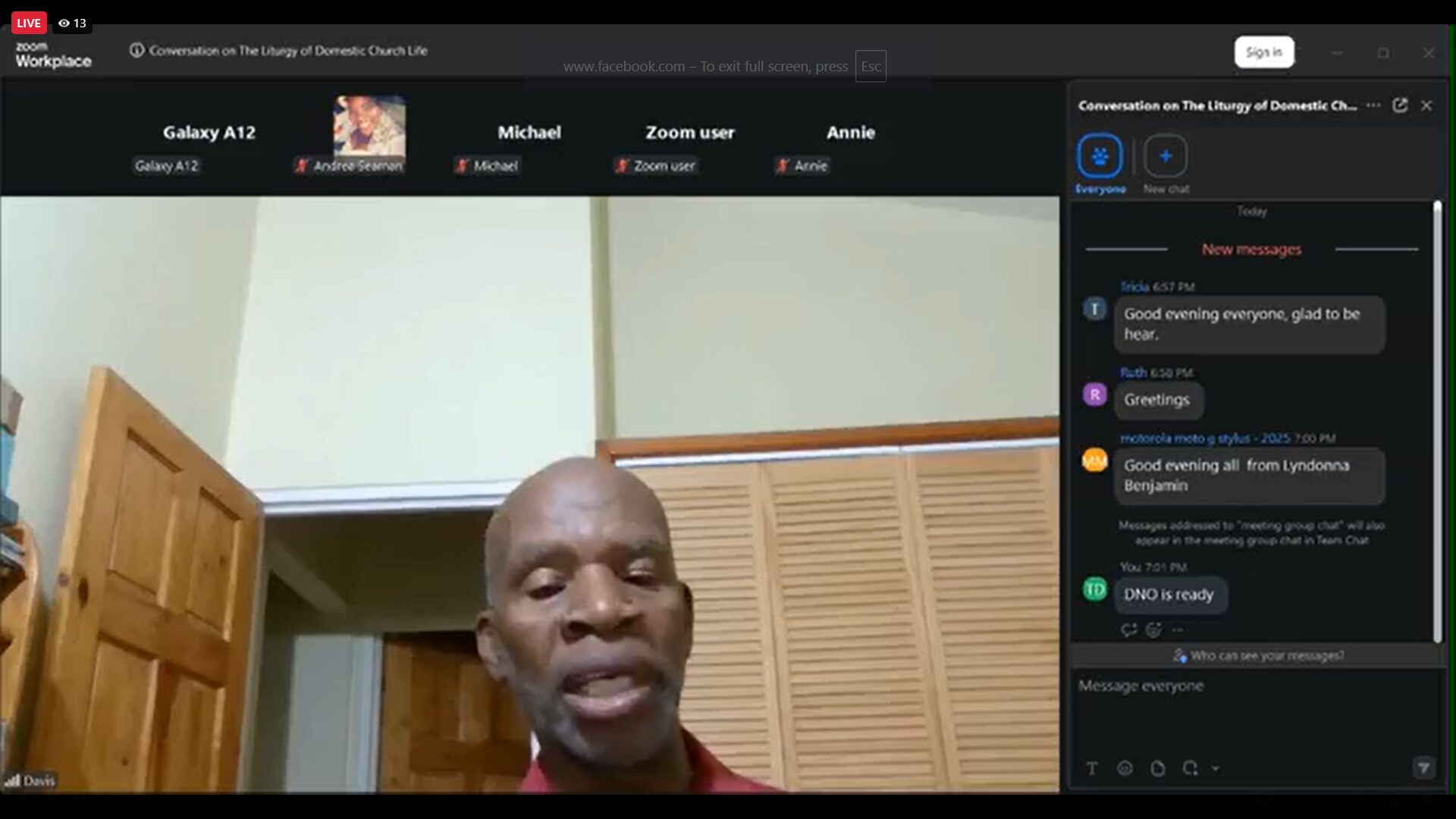
    The current submission for news processing only includes social media sharing buttons, an image link dated June 16, 2026, and no substantive text content of the original news story. Without the core reporting text, background details, key statements, or event context that make up a complete news piece, it is impossible to conduct a full structured rewrite, in-depth analysis, or accurate fact-checking. The provided image link cannot be accessed or parsed to extract relevant news content through text-based processing workflows. For a complete processing task, submitters need to provide the full text of the original news alongside any supporting links or materials.

  • Masterclass waarschuwt: olie-inkomsten alleen garanderen geen welvaart

    Masterclass waarschuwt: olie-inkomsten alleen garanderen geen welvaart

    On June 15, a landmark first masterclass focused on Suriname’s upcoming Savings and Stabilization Fund brought together cross-sector stakeholders in Paramaribo’s Hotel Torarica, with industry and policy experts united in a core message: the fund’s long-term success will depend not on the total volume of incoming oil and gas revenues, but on the quality of its management, transparency, and governance structures.

    Organized jointly by the Youth Education and Leadership Foundation (YELF) and the Suriname Energy Chamber (SEC), the event gathered representatives from government, the private sector, academia, labor unions, and the national energy sector to deliberate on the fund’s critical role in sustainably managing future natural resource revenues for the South American nation, which has emerged as a new oil and gas producer in recent years.

    Opening the masterclass, Minister of Oil, Gas and Environment Patrick Bruinings noted that Suriname is still in the early stages of building its national resource fund framework. While Norway’s widely celebrated sovereign wealth fund is often held up as a global gold standard, Bruinings emphasized that even Norway’s management system evolved gradually over decades, adapting to new research and changing economic conditions, meaning Suriname must build a model suited to its own context through ongoing learning.

    Lead presenters Karel Eckhorst and René Abrahams explained that enacting formal legislation to establish the fund is only the first critical step. Equally important is strengthening the government institutions tasked with implementing the Savings and Stabilization Fund law, most notably the Ministry of Finance and Planning, which will oversee core operations of the fund.

    Experts further stressed that the fund does not operate in isolation; it is an integrated component of Suriname’s broader public finance system. This means strong regulatory frameworks alone are not enough. The nation also needs to modernize its national budget process, build specialized capacity for evidence-based policy development, and ensure active sustained engagement from civil society across all stages of fund management.

    A core design feature of the Surinamese model is a requirement that all fund assets be invested overseas. This structural choice is intended to avoid the disruptive economic impacts that can occur when large volumes of natural resource revenue flood directly into the domestic economy, including rapid currency appreciation and inflation. Returns generated from these international investments will then be allocated to national development priorities through formal budget rules.

    Attendees also left the masterclass with a clear warning: the fund on its own cannot shield Suriname from economic volatility or the common pitfalls of resource dependence. To avoid the so-called “Dutch disease” – a condition where resource booms crowd out growth in other non-resource sectors – the nation must continue prioritizing broad economic diversification. Experts identified investments in micro, small, and medium-sized enterprises, general education, knowledge development, and vocational skills training as essential foundations for long-term inclusive, sustainable growth.

    The masterclass also traced the decades-long origins of Suriname’s national savings fund idea. As early as the 1970s, policy thinker Frank Essed first highlighted the critical importance of prudent management of natural resource revenues for the nation. That vision was later advanced and expanded by figures including Karel Eckhorst and former Staatsolie director Rudolf Elias, leading to the current push for formal establishment of the fund.

    In closing remarks, SEC Chair Orlando Olmberg reaffirmed the fund’s core ultimate purpose: to deliver long-term economic stability and sustained shared prosperity for current and future generations of Surinamese people. Echoing the event’s central message, he warned that no institutional fund can offset the damage of poor governance. “The success of the fund will ultimately not be determined by the size of the assets it manages, but by the quality of the governance that oversees it,” Olmberg stated. For future oil and gas revenues to genuinely advance Suriname’s national development, he added, prudent financial management, full transparency, and broad civil society engagement are irreplaceable non-negotiable conditions.