博客

  • Overheid werkt aan gezamenlijke aanpak voor kwikvrije goudwinning

    Overheid werkt aan gezamenlijke aanpak voor kwikvrije goudwinning

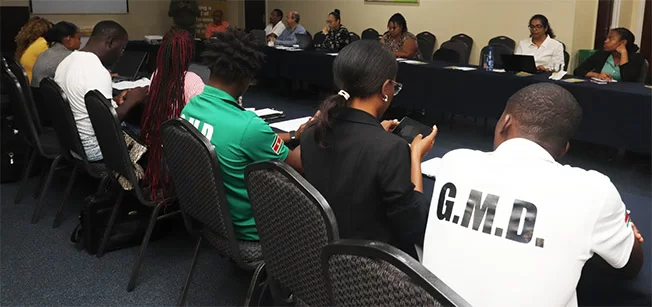
    On June 17, multiple government ministries and public agencies in Suriname gathered to strengthen cross-sector collaboration focused on cutting mercury use in the country’s large artisanal and small-scale gold mining (ASGM) sector. The interdepartmental meeting, held as part of the global planetGOLD Suriname project, centered on co-developing coordinated policy frameworks designed to transition the national gold industry toward a more sustainable, productive, and ecologically responsible model.

    The convening comes amid growing global and national momentum to eliminate mercury use in ASGM, a practice that has long imposed severe costs on both environmental health and human communities across Suriname. Mercury, a toxic heavy metal widely used by small-scale miners to separate gold from ore, poses persistent risks to surrounding ecosystems, contaminates water and soil supplies, and triggers chronic health conditions for miners, their family members, and residents of nearby mining communities.

    Jerrel Pinas, Engagement Specialist for the planetGOLD Suriname project, outlined the initiative’s long-term vision: the total elimination of mercury from the country’s small-scale gold mining sector. Pinas acknowledged that a full phase-out will be a gradual, incremental process, but emphasized that the ongoing project is laying critical foundational infrastructure for lasting sustainable change. “By introducing improved extraction methods and proven mercury-free alternative technologies, we are not only working to reduce environmental harm,” Pinas explained. “We are also creating pathways to higher production yields and better long-term development opportunities for small-scale miners and their families.”

    During the meeting, participating stakeholders received a comprehensive update on the project’s progress to date and held detailed discussions on mechanisms to deepen inter-agency coordination moving forward. Attendees split into working groups to draft concrete proposals to reduce mercury reliance and expand the adoption of sustainable mining practices across the sector.

    Key topics addressed in the working group sessions included the widespread rollout of mercury-free extraction technologies, alignment of national mining practices with international environmental standards, implementation of responsible water management protocols, protection of vulnerable regional ecosystems, reduction of overall mining-related pollution, and targeted efforts to strengthen the economic stability and social position of small-scale artisanal miners.

    Maureen Bottse-Brewster, project director at Suriname’s Ministry of Natural Resources, stressed that a just and successful transition to a sustainable gold sector is only achievable through coordinated action across government departments. “The challenges facing our gold sector cut across multiple policy domains simultaneously,” Bottse-Brewster noted. “That is why cross-ministerial collaboration is absolutely essential. Each ministry brings unique specialized expertise and regulatory authority that can contribute to an equitable, sustainable development of the sector.”

    The recommendations and policy proposals developed during the June 17 meeting will be integrated into the next phases of the planetGOLD Suriname project and will inform the development of future national mining and environmental policy. The broader planetGOLD program is a global international initiative that supports countries around the world in reducing and eliminating mercury use in artisanal and small-scale gold mining. In Suriname, the project is implemented by the Ministry of Natural Resources in partnership with the United Nations Development Programme (UNDP), with core funding provided by the Global Environment Facility.


  • Police launch internal probe on alleged refusal to take report

    Police launch internal probe on alleged refusal to take report

    On Wednesday, June 17, 2026, the Guyana Police Force announced it had opened a formal internal investigation into allegations that officers turned away a member of the public who attempted to file an official police report at multiple stations.

    The incident traces back to a mix-up of checked luggage at Cheddi Jagan International Airport, after which the affected passenger approached police to file a report to enable follow-up action on their case. According to the public complainant, officers at more than one station refused to accept their report, prompting the formal complaint that triggered the inquiry.

    In an official statement, the law enforcement body confirmed that the officers named in the complaint have already been reassigned pending the outcome of the probe. “The ranks identified in the complaint have since been rotated for developmental and administrative purposes while the matter is being reviewed,” the statement read.

    The force’s Office of Professional Responsibility (OPR), the unit tasked with overseeing officer conduct and policy compliance, has been assigned to lead the investigation. OPR has been directed to thoroughly examine all surrounding circumstances of the allegation, and determine whether any of the involved officers violated the force’s official policies, operating procedures, or mandatory professional conduct standards.

    The Guyana Police Force used the announcement to reaffirm its long-standing rules for accepting public reports, clarifying that no individual seeking to file a report should ever be turned away at a police station. The force emphasized that even if an incident falls under the jurisdictional authority of a different police precinct, the station receiving the visitor must still accept and formally document the report before routing it to the correct precinct through established internal police channels.

    In closing, the service reiterated its public commitment to delivering professional, accountable policing, and upholding the principle that all community members seeking police assistance must be treated with courtesy, fairness, and respect.

  • 6 months in jail is nothing, criminal caught in the act says

    6 months in jail is nothing, criminal caught in the act says

    In a startling exchange that has drawn public attention to attitudes toward criminal punishment, a offender who was apprehended in the middle of committing an offense has publicly downplayed his upcoming six-month jail term, claiming the penalty amounts to little more than a minor inconvenience.

    The defendant, whose identity has not been released pending final court proceedings, made the unapologetic remark immediately after a judge handed down the sentence at a local courthouse last week. Multiple witnesses in the courtroom confirmed that when the sentence was announced, the man shrugged off the ruling and told reporters waiting outside the building that six months behind bars would not impact him in any meaningful way.

    Legal analysts say the comment exposes a troubling disconnect between some offenders and the severity of criminal penalties, particularly for repeat offenders who have become accustomed to short stints in correctional facilities. Local law enforcement representatives have also weighed in, noting that comments like this highlight ongoing debates over whether short prison sentences deliver sufficient deterrence to prevent repeat offenses.

    Community advocacy groups have raised further concerns, arguing that the casual attitude displayed by the suspect underscores deeper systemic issues. Many point out that for offenders who cycle in and out of the criminal justice system, short sentences often fail to address the root causes of criminal behavior, from addiction and unemployment to lack of access to social support services, leaving many inmates to reoffend shortly after their release.

    At present, court officials have not issued any formal response to the defendant’s comment. The case is set to conclude in the coming weeks as the offender begins serving his sentence at a nearby minimum-security correctional facility.

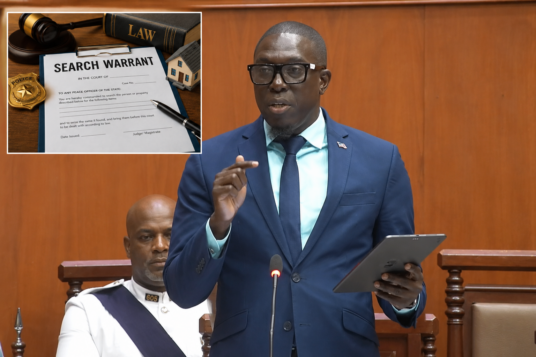
  • Pringle Warns Expanded Search-Warrant Powers Could Affect Individual Rights

    Pringle Warns Expanded Search-Warrant Powers Could Affect Individual Rights

    A heated parliamentary debate has unfolded in Antigua and Barbuda over sweeping updates to the nation’s search warrant legislation, ending with lawmakers greenlighting the bill after a split discussion that pitted public safety priorities against fundamental individual rights protections.

    The contested proposal, formally named the Magistrate’s Court Procedure (Amendment) Bill 2026, aims to reshape the parameters of search and seizure powers for local law enforcement. Key alterations to the existing legal framework include removing the existing restriction that limited search warrants to only specific categories of criminal offenses, permitting warrants to be executed on Sundays, and allowing officers to seize unanticipated evidence connected to unrelated crimes discovered during a legitimate search.

    Opening the opposition’s critique during Tuesday’s debate, Opposition Leader Jamale Pringle acknowledged that law enforcement requires functional, up-to-date tools to combat rising criminal activity. Even so, he raised pointed alarms about the potential for overreach embedded in the broad language of the reforms. Pringle questioned whether opening the door to warrants for any offense, without robust accompanying safeguards, would open the door to unwarranted intrusion into the private lives of ordinary citizens.

    Pringle emphasized that parliamentary leaders have a non-negotiable responsibility to strike a careful, deliberate balance between the state’s duty to protect public safety and the constitutional guarantees of individual privacy and freedom that anchor Antigua and Barbuda’s democratic system. Expanded police powers, he stressed, must always be exercised in full alignment with the civil rights enshrined for all citizens.

    Defending the legislation from the government’s side, Attorney General Sir Steadroy Benjamin framed the amendments as critical, long-overdue updates to modernize the country’s aging criminal justice system. Benjamin argued that the current legislation, crafted decades ago, has become outdated and creates unnecessary legal barriers that limit investigators’ ability to build cases and pursue criminal activity effectively.

    He added that the proposed changes would cut through red tape that has long hampered active investigations, directly boosting law enforcement’s capacity to collect critical evidence needed to secure convictions. Ruling party MPs backed the attorney general’s position, noting that the reforms would not only strengthen police ability to respond rapidly to criminal activity but also ensure that evidence uncovered during lawful searches can be fully and properly utilized in court prosecutions.

    Despite the opposition’s warnings, the bill received final approval from Parliament, granting law enforcement broader authority to obtain and carry out search warrants as part of ongoing criminal probes.

  • Returning nationals should pay for polyclinic drugs, GP – MP says

    Returning nationals should pay for polyclinic drugs, GP – MP says

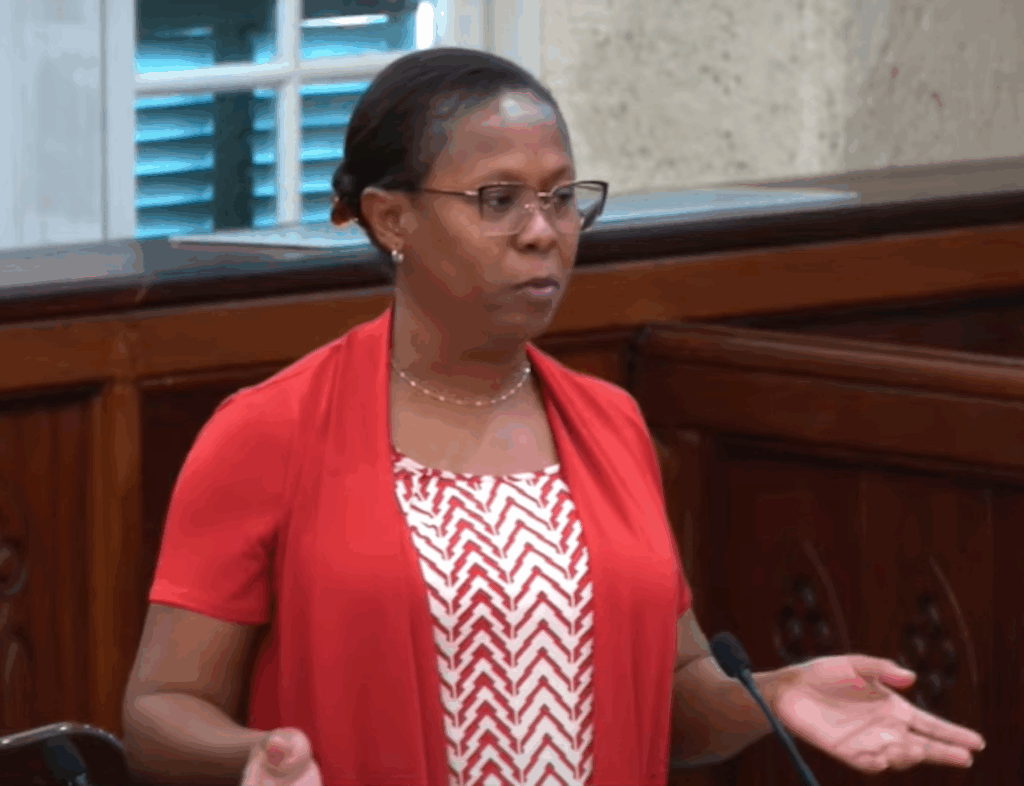
    During Tuesday’s debate on the landmark Barbados Medical Products Bill in the country’s House of Assembly, sitting Member of Parliament and practicing general practitioner Dr. Sonia Browne St Philip put forward a controversial proposal to ease mounting financial pressure on the island nation’s state-funded healthcare system. Her core call: require a subset of returning Barbadian nationals who have not contributed to the country’s national insurance system during their time living abroad to cover partial or full costs of prescription medication received at public polyclinics.

    Dr. Browne argued that the current policy of free medication for all arrivals places an unnecessary, unfair strain on public budgets that could be redirected to other pressing healthcare needs. “It is only fair that those who have never given back to our system contribute a little when they access its services,” she stated, noting that hundreds of patients pass through public polyclinics daily, with a notable share being returning expats who collect overseas pensions and have never paid local national insurance contributions. Many of these individuals, she added, wait for hours to access free medication subsidized by local taxpayers who have spent decades contributing to the national healthcare fund. She emphasized the proposal would include exceptions for vulnerable groups, but said a broad review of the current policy is long overdue.

    Beyond the cost-sharing proposal, Dr. Browne used the debate to highlight two critical unregulated drug issues that she said demand urgent action under the new legislation. First, she called out a thriving illegal trade where unscrupulous individuals purchase low-cost regulated medication in Barbados, then smuggle it to other countries to sell for marked-up profits. She expressed clear expectation that the new bill would grant authorities the power to crack down on this illicit activity, which she said further drains local pharmaceutical supplies and drives up public costs. Second, she raised alarms about unregulated health products sold in Barbados with incomplete or missing packaging labeling, pointing to a recent case that nearly ended in tragedy. A patient she treated presented with severe palpitations and symptoms consistent with an impending heart attack after consuming an unlabeled “energy capsule” — a risk that could have been avoided with proper regulatory oversight. Dr. Browne urged the new Barbados Medical Products Regulatory Authority, which will be established under the bill, to prioritize tightening oversight of these underregulated products to protect public safety.

    Closing her remarks, Dr. Browne paused to pay heartfelt tribute to Janette Jan Lynton, the revered founder of Barbados’ Cancer Support Services, who passed away on Monday night. She remembered Lynton as a transformative figure in local cancer care, who played a pivotal role in supporting the island’s main public care facility, Queen Elizabeth Hospital, by donating critical supplies and funding a dedicated treatment room for thyroid patients undergoing radiotherapy. Lynton, Dr. Browne said, pioneered a holistic approach to cancer care that addressed not just the medical needs of patients, but their psychological and financial needs as well, stepping in to cover medication costs for low-income families and supporting patients through their final days. She also noted Lynton’s work educating both medical professionals and the broader public through annual cancer treatment seminars, which had improved care standards across the island. “There are countless families who have benefited from her compassion and support,” Dr. Browne said, adding that she hoped Lynton’s legacy of service would continue to shape cancer care in Barbados for generations to come.

  • $300 Billion for Iran in Leaked U.S. Peace Proposal

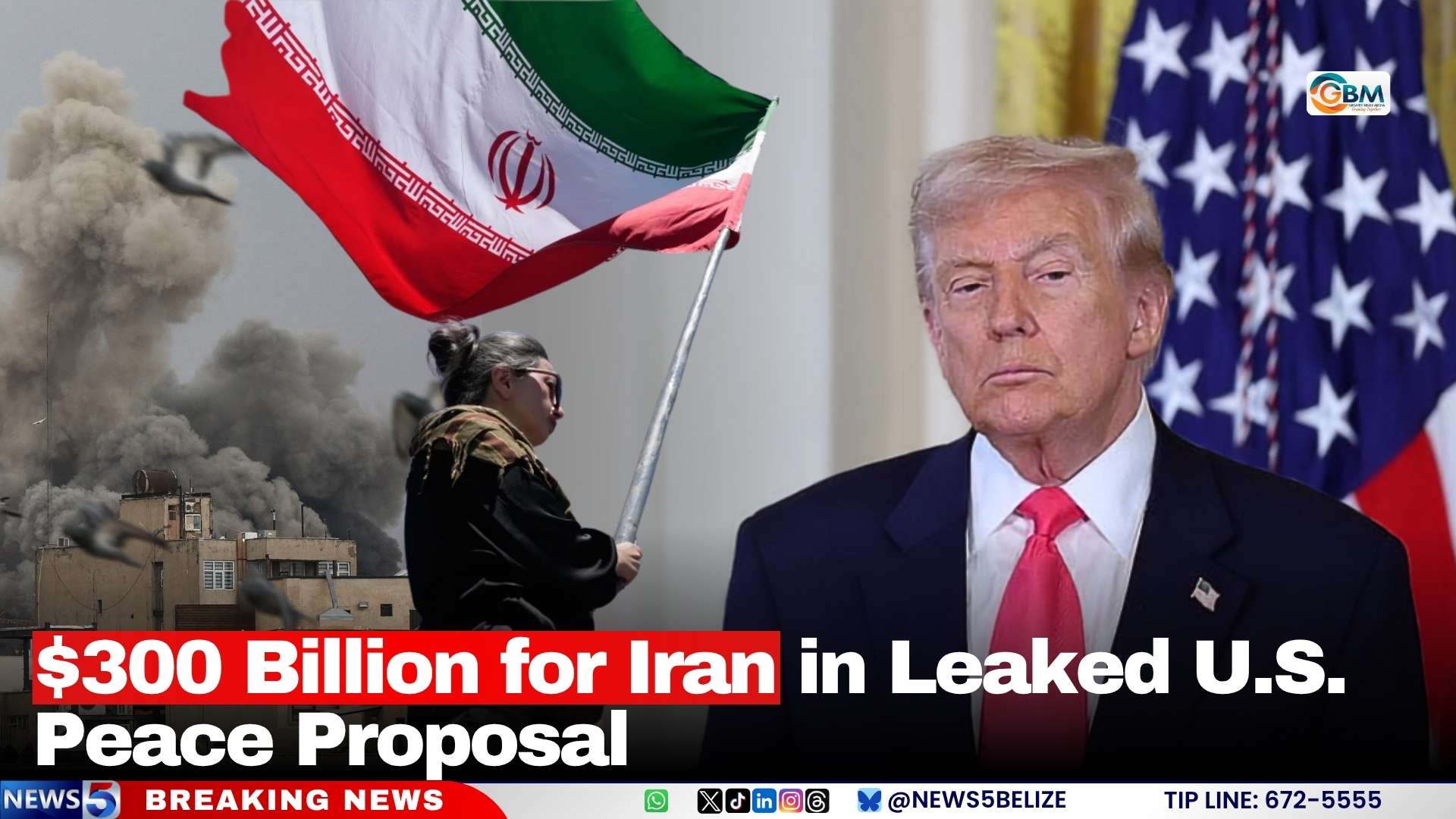
    $300 Billion for Iran in Leaked U.S. Peace Proposal

    As the global community awaits a potential historic breakthrough to end open hostilities between the United States and Iran, leaked details of a proposed preliminary peace agreement have emerged, revealing a sweeping framework that includes $300 billion in reconstruction funding for Iran and a planned signing ceremony in Switzerland this Friday.

    Details of the draft memorandum of understanding were first shared with the Associated Press, outlining core immediate terms that would take effect as soon as the deal is signed. First, all active military hostilities between the two nations would cease immediately. The Strait of Hormuz, one of the world’s most critical energy chokepoints that has been closed throughout the conflict, would be reopened to global commercial shipping. Iran would also regain full, unrestricted access to global oil markets immediately, while broader negotiations over the future of the country’s nuclear program move forward. The framework establishes a binding 60-day negotiating window to work toward a permanent, long-term peace settlement.

    Beyond the ceasefire terms, the leaked draft confirms that Iran would receive a minimum of $300 billion in international funding to support reconstruction of infrastructure and economic capacity damaged during months of open conflict. In exchange, Iran has made a formal commitment to forgo the development of a nuclear weapon, and has agreed to enter into the two-month period of structured talks to negotiate binding limits on its nuclear activities. The framework also attempts to de-escalate linked regional conflict by ending militant activity by Hezbollah in Lebanon, though this provision has already emerged as a major point of potential deadlock: Israeli forces have shown no indication of withdrawing from positions they have taken in the country, leaving the implementation of this portion of the deal in doubt.

    Speaking to reporters on the sidelines of the G7 summit currently underway in France, former President Donald Trump acknowledged that the planned signing is far from a sure thing. He emphasized that the agreement is only a non-binding memorandum of understanding, and stated bluntly that if the final terms do not serve U.S. interests, “we’ll go back to shooting at them, dropping bombs.”

    The proposed deal has already sparked sharp criticism from policy observers and opponents, who have raised alarms that the agreement grants far too many major concessions to Iran up front, particularly the large reconstruction package and immediate lifting of all oil sanctions, without securing ironclad long-term commitments in return. Adding to the uncertainty around the leaked details, the White House has declined to release the full official text of the draft agreement, and multiple anonymous senior U.S. officials have pushed back on the accuracy of the versions of the deal circulating in public media, disputing several key details included in the leak.

  • Caribbean governments, UN launch new framework to advance regional development goals

    Caribbean governments, UN launch new framework to advance regional development goals

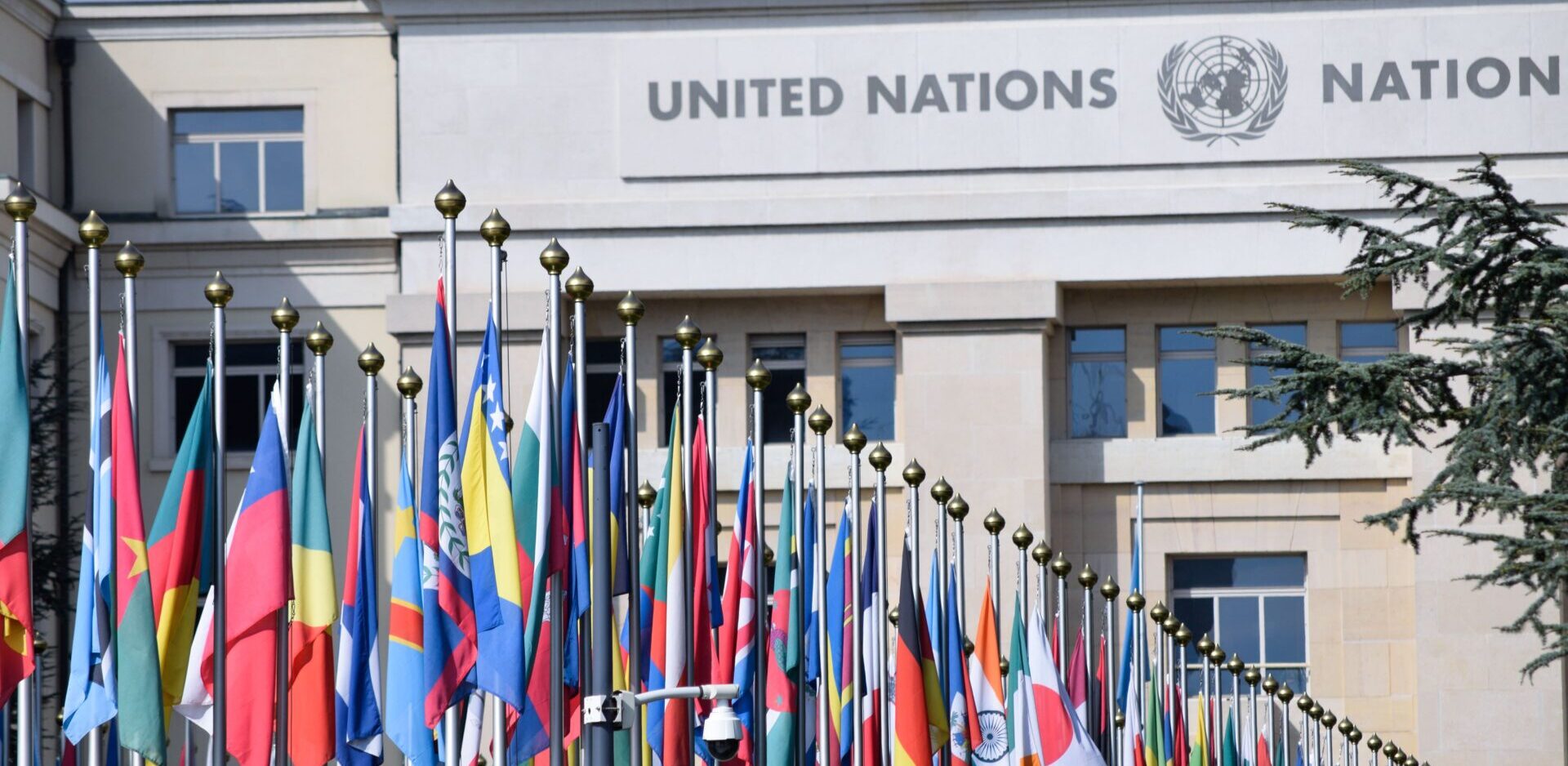
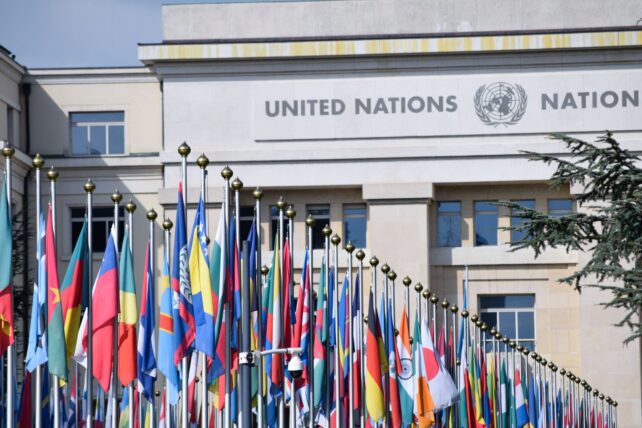
    On June 16, 2026, regional leaders and United Nations officials gathered for the Annual Coordination Meeting of the UN Multi-Country Sustainable Development Cooperation Framework (MSDCF) for the Caribbean, where they formally introduced a groundbreaking five-year cooperation agreement that will reshape sustainable development efforts across English- and Dutch-speaking Caribbean nations. Chaired by Belize and held in a hybrid format that brought together in-person and virtual participants, the gathering served a dual purpose: to review the outcomes and lessons learned from the current 2022-2026 cooperation framework, and to align stakeholders around the priorities of the new 2027-2031 MSDCF, which is designed to accelerate the region’s progress toward the United Nations’ 2030 Sustainable Development Goals (SDGs).

    The meeting, convened under the unifying theme “One Caribbean. One Framework. One Future,” centered on the core principle that shared challenges demand collective regional action. Attendees included national government representatives, UN Resident Coordinators, heads of key UN development agencies, and leaders of regional partner organizations, all of whom emphasized that Caribbean states face overlapping development hurdles that can be addressed more effectively through coordinated support than through isolated national efforts.

    Speaking at the opening session, Raul Salazar, UN Resident Coordinator for Belize and El Salvador and Chair of the MSDCF Regional Steering Committee, outlined the collaborative process that shaped the new framework. Salazar noted that the document was co-designed with Caribbean national governments and local development partners to ensure it directly reflects the unique national priorities and collective regional aspirations of the area. “This Framework is about creating opportunities, strengthening resilience, protecting the most vulnerable, and delivering tangible results in the daily lives of Caribbean citizens,” Salazar told attendees.

    H.E. Oscar Arnold, Chief Executive Officer of Belize’s Ministry of Foreign Affairs and Foreign Trade, echoed this sentiment, highlighting that the initiative is rooted in the on-the-ground experiences and long-term ambitions of Caribbean communities. Arnold emphasized that the new MSDCF stands as a public demonstration of the shared commitment between regional governments and the UN to build a Caribbean that is more resilient to shocks, inclusive of all populations, and economically prosperous for future generations.

    The 2027-2031 framework is structured around two interconnected strategic pillars that address the most pressing development needs of the region. The first pillar, Economic and Ecosystem Resilience, targets three key focus areas: expanding economic diversification to reduce overreliance on vulnerable sectors, expanding access to skills development for workers to compete in emerging global industries, and strengthening the resilience of natural ecosystems that underpin the region’s tourism and livelihoods. The second pillar, Future Ready People and Empowered Communities, focuses on expanding access to integrated public services for marginalized groups and advancing evidence-based crime and violence prevention initiatives to create safer communities across the region. Combined, these two pillars aim to deliver four core outcomes: stronger, more diversified economies, protected and sustainable natural environments, safer and more cohesive communities, and expanded economic and social opportunities for all Caribbean residents.

    Following the official launch of the framework at the coordination meeting, stakeholders announced that the next phase of work will shift to detailed implementation planning, cross-stakeholder coordination, and the translation of broad regional priorities into actionable national development projects that deliver tangible benefits to local communities. The new framework is fully aligned with the global 2030 Agenda for Sustainable Development, providing a clear roadmap for aligned UN and regional action through the end of the coming decade.

    In closing, the meeting concluded with a joint reaffirmation of commitment from both Caribbean governments and the United Nations. Both parties restated their dedication to national ownership of development priorities, deepened regional integration and cooperation, and collective action to advance inclusive sustainable development across the entire Caribbean region, per the official UN Caribbean press release announcing the outcome of the meeting.

  • Caribbean governments, UN launch new framework to advance regional development goals

    Caribbean governments, UN launch new framework to advance regional development goals

    On June 16, 2026, regional leaders and United Nations officials gathered at the Annual Coordination Meeting of the UN MSDCF for the Caribbean — a hybrid session chaired by Belize — to formally unveil a landmark new five-year partnership agreement that will reshape sustainable development action across the Caribbean’s English- and Dutch-speaking nations.

    The agreement, the United Nations Multi-Country Sustainable Development Cooperation Framework (MSDCF) 2027-2031, is designed to streamline coordinated UN support for national and regional development priorities, with the ultimate goal of speeding progress toward the UN’s universal 2030 Sustainable Development Goals (SDGs). The meeting brought together a diverse cohort of stakeholders, including cabinet-level government representatives, UN Resident Coordinators, regional intergovernmental bodies, and UN specialized agencies, who used the convening to reflect on completed and ongoing work under the expiring 2022-2026 framework and align on priorities for the coming five-year cycle.

    In opening remarks to the gathering, Raul Salazar, UN Resident Coordinator for Belize and El Salvador and chair of the MSDCF Regional Steering Committee, underlined that the new framework was forged through extensive cross-stakeholder collaboration. “With Governments and development partners we have worked together to shape a Multi-Country Cooperation Framework that reflects national priorities and regional aspirations,” Salazar told attendees. “This Framework is about creating opportunities, strengthening resilience, protecting the most vulnerable, and delivering tangible results in the daily lives of Caribbean citizens.”

    H.E. Oscar Arnold, Chief Executive Officer of Belize’s Ministry of Foreign Affairs and Foreign Trade, echoed that sentiment, noting that the agreement is rooted in the unique challenges, on-the-ground experiences, and long-term ambitions of Caribbean nations. “The MSDCF has been shaped by the priorities, experiences and aspirations of our countries, and stands as a testament to our collective commitment to build a more resilient, inclusive and prosperous Caribbean,” Arnold said.

    Structured around the unifying theme “One Caribbean. One Framework. One Future.”, the meeting centered conversations on the power of regional collective action. Participants emphasized that small island developing states across the Caribbean share a common set of interconnected development challenges — from climate vulnerability to economic inequality — making aligned action through a single regional framework far more effective than independent national efforts.

    The new 2027-2031 framework is built around two core strategic pillars that address these shared challenges. The first pillar, Economic and Ecosystem Resilience, prioritizes expanding economic diversification to reduce overreliance on vulnerable sectors like tourism, expanding access to skills training for the Caribbean workforce, and strengthening natural ecosystem protection to boost climate and disaster resilience. The second pillar, Future Ready People and Empowered Communities, focuses on expanding equitable access to integrated health, education, and social services, while advancing evidence-based crime and violence prevention efforts across the region. Combined, the two pillars aim to deliver four core outcomes: more robust, diversified local economies, protected and restored natural ecosystems, safer and more cohesive communities, and expanded economic and social opportunity for all Caribbean residents.

    Fully aligned with the UN’s 2030 Agenda for Sustainable Development, the framework’s official launch marks the end of the planning phase and a shift to on-the-ground execution. Going forward, stakeholders will focus on developing national implementation plans, strengthening cross-agency coordination mechanisms, and translating regional priority objectives into tangible, community-level projects across participating nations.

    Closing the meeting, Caribbean government leaders and UN representatives reaffirmed their shared commitment to centering national ownership of development strategies, deepening regional integration, and upholding collective action to advance inclusive, sustainable growth across the Caribbean region.

  • Police inspector on ammunition charge

    Police inspector on ammunition charge

    In a developing law enforcement scandal out of Guyana, a serving senior police inspector has been formally charged with engaging in the unlawful transfer of ammunition, in a case that has drawn attention to internal regulatory oversight within the country’s police force. The accused, Abasola Flatts, an inspector with the Guyana Police Force, entered a plea of not guilty to the charge during his initial court appearance, and has been released from custody ahead of further proceedings after a judge granted him bail set at 150,000 Guyanese dollars.

    Full concrete details about the specifics of the alleged illegal activity have not been released to the public at this early stage of the legal process. What is confirmed by Guyana Police officials is that the charges against Flatts stem from an intelligence-driven law enforcement operation carried out on May 7, 2026. At the time of his connection to the alleged offense, Flatts was stationed with the force’s Regional Police Division 4 ‘A’, and the sting operation was conducted at the Linden Bus Park located in Georgetown, the capital of Guyana.

    Flatts made his first court appearance before Magistrate Fabio Azore at the Georgetown Magistrate’s Court, where the formal charge against him was read aloud in open court. Following the reading of charges and the entry of the not guilty plea, the court has adjourned the matter to June 24, 2026, to allow for the prosecution to complete disclosure of evidence to the defense legal team.

    The update was first published by Demerara Waves Online News, with the most recent revision to the report posted on Wednesday, June 17, 2026, at 13:05 by journalist Denis Chabrol.

  • Arthur becomes the first named storm of the 2026 Atlantic hurricane season

    Arthur becomes the first named storm of the 2026 Atlantic hurricane season

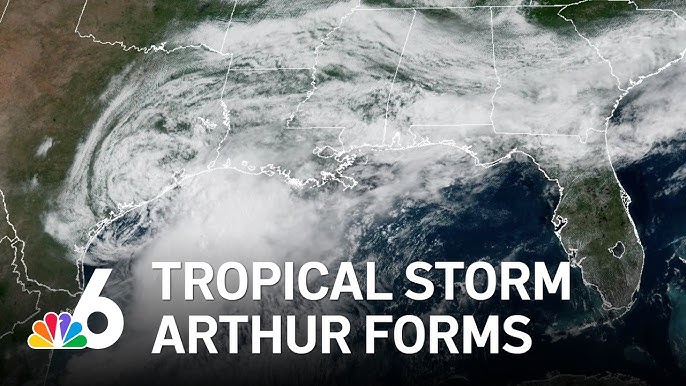
    The 202X Atlantic hurricane season has gotten an early start, with Tropical Storm Arthur officially forming on Wednesday off the Texas Gulf Coast to become the season’s first named tropical system, according to updates from the U.S. National Hurricane Center (NHC).

    Meteorologists logged the storm’s formation roughly 40 miles off the coast of Port O’Connor, Texas, and around 190 miles southwest of Lake Charles, Louisiana. As of initial observations, Arthur is tracking northeastward, packing maximum sustained winds of 40 miles per hour — just hitting the 39 mph threshold required to classify a tropical system as a named tropical storm.

    Forecasters project Arthur will gain little additional intensity as it approaches and potentially makes landfall along the U.S. Gulf Coast. The storm is expected to accelerate through Wednesday, with its center tracking either along the Texas coastline or moving inland before it pushes into southern Louisiana. After turning further inland, the system is predicted to gradually weaken, per NHC projections.

    No matter the exact track Arthur takes, officials have issued urgent warnings that the system will deliver extreme rainfall and widespread flooding across a large swath of the U.S. Southeast, stretching from the major metro area of Houston, Texas, all the way east to Atlanta, Georgia. In official advisory updates, forecasters emphasized the storm is expected to trigger life-threatening flash flooding and damaging wind gusts across multiple parts of the region.

    Public safety officials have activated tropical storm warnings covering the stretch of coast from High Island, Texas, eastward to Morgan City, Louisiana. Under this warning level, tropical storm conditions are confirmed to arrive within the next 12 hours in these zones. A separate tropical storm watch remains in effect for the Texas coast from Sargent to High Island, where tropical storm conditions are possible but not certain within the same 12-hour window.

    Arthur emerged from a tropical disturbance that began organizing earlier this week in the western Gulf of Mexico. Its development comes as coastal communities already in its path have been grappling with repeated rounds of heavy rainfall that have already sparked dangerous flash flooding across several U.S. states.

    The storm is projected to drop a total of 5 to 10 inches of rain across large parts of Texas, Louisiana, Mississippi, Alabama, and the western reaches of Florida’s Panhandle. NHC also warned that storm surge could push coastal water levels as much as 4 feet above normal in typically dry coastal zones, with the exact height depending on the timing of high tide.

    “The deepest inundation will be concentrated along the immediate coast near and to the east of where Arthur makes landfall, where the storm surge will be paired with large, hazardous breaking waves,” the NHC explained in its advisory. The agency added that the system will also create life-threatening surf and rip current conditions along the northwestern Gulf Coast over the next 48 hours, and isolated tornadoes cannot be ruled out across coastal and inland parts of the region.

    The official Atlantic hurricane season runs annually from June 1 through November 30, though the bulk of tropical activity typically peaks between August and October. Ahead of this year’s season, the U.S. National Oceanic and Atmospheric Administration (NOAA) released its latest seasonal outlook, forecasting below-average storm activity. NOAA projects the 202X season will see between 8 and 14 named storms, 3 to 5 of which are expected to strengthen into full hurricanes.