As of August 6, 2026, political pressure on the Briceño administration is growing on multiple fronts, following a high-stakes meeting between the opposition United Democratic Party (UDP) and the National Trade Union Congress of Belize (NTUCB). The two groups have announced plans to coordinate joint opposition over two major controversial issues: the ongoing Ministry of Defense scandal and the controversial proposed acquisition of telecommunications provider Speednet. Now, all eyes are turning to the Belize Chamber of Commerce and Industry (BCCI), one of the nation’s most influential business advocacy groups, to see if it will abandon its long-held preference for behind-the-scenes negotiation and join the growing public protest movement.
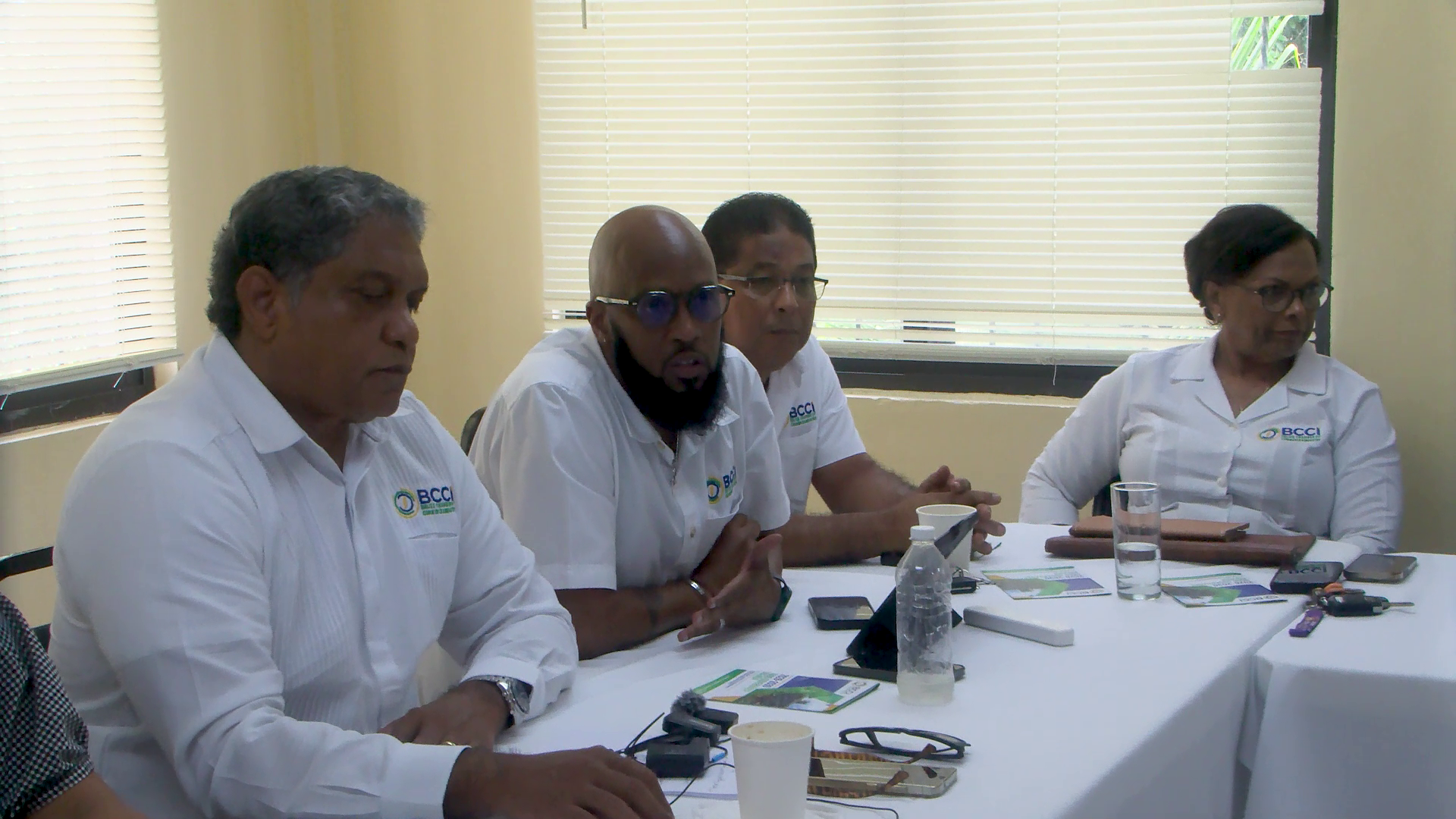
For decades, the BCCI has prioritized formal dialogue, official correspondence, and closed-door engagement with sitting administrations over public, disruptive demonstration. At a Wednesday media roundtable, journalists pressed BCCI leadership on whether the group was prepared to set aside its traditional diplomatic approach and take its policy concerns directly to the streets.
William Neal, an Executive Councilor of the BCCI, explained that leadership has already held extensive internal discussions on the question of public action. He noted that the Chamber has followed all established protocols to engage the administration in good faith, requesting meetings and raising concerns through official channels. In response, however, Neal said the administration has retaliated by removing BCCI representatives from multiple government boards and blocking the organization’s access to critical public information.
Neal emphasized that the BCCI’s push for transparency and a seat at policy tables is not about advancing a partisan agenda, but about securing information that the public has a right to know. He acknowledged that the prospect of public protest has been a central topic of internal debate in recent weeks, as the organization explores ways to raise public awareness of ongoing government actions without having the movement co-opted by partisan politics. Neal noted that the biggest challenge to public action is the immediate tendency to label any opposition as tied to either the UDP or the ruling People’s United Party (PUP), which is why the BCCI has long centered its work on policy rather than partisan positioning.
Giacomo Sanchez, BCCI President, added another layer to the debate, noting that the organization’s membership is nearly evenly split on the question of opposition to the administration’s current policies. This internal divide means that the kind of broad, unified groundswell of support for street protest that movement leaders would hope for is unlikely to materialize. That reality, Sanchez explained, reinforces the BCCI’s long-standing commitment to policy-focused advocacy rather than emotionally driven public demonstration. This news piece is a transcript of an evening television broadcast, with all words transcribed using standard spelling conventions for Kriol-language dialogue when used by speakers.