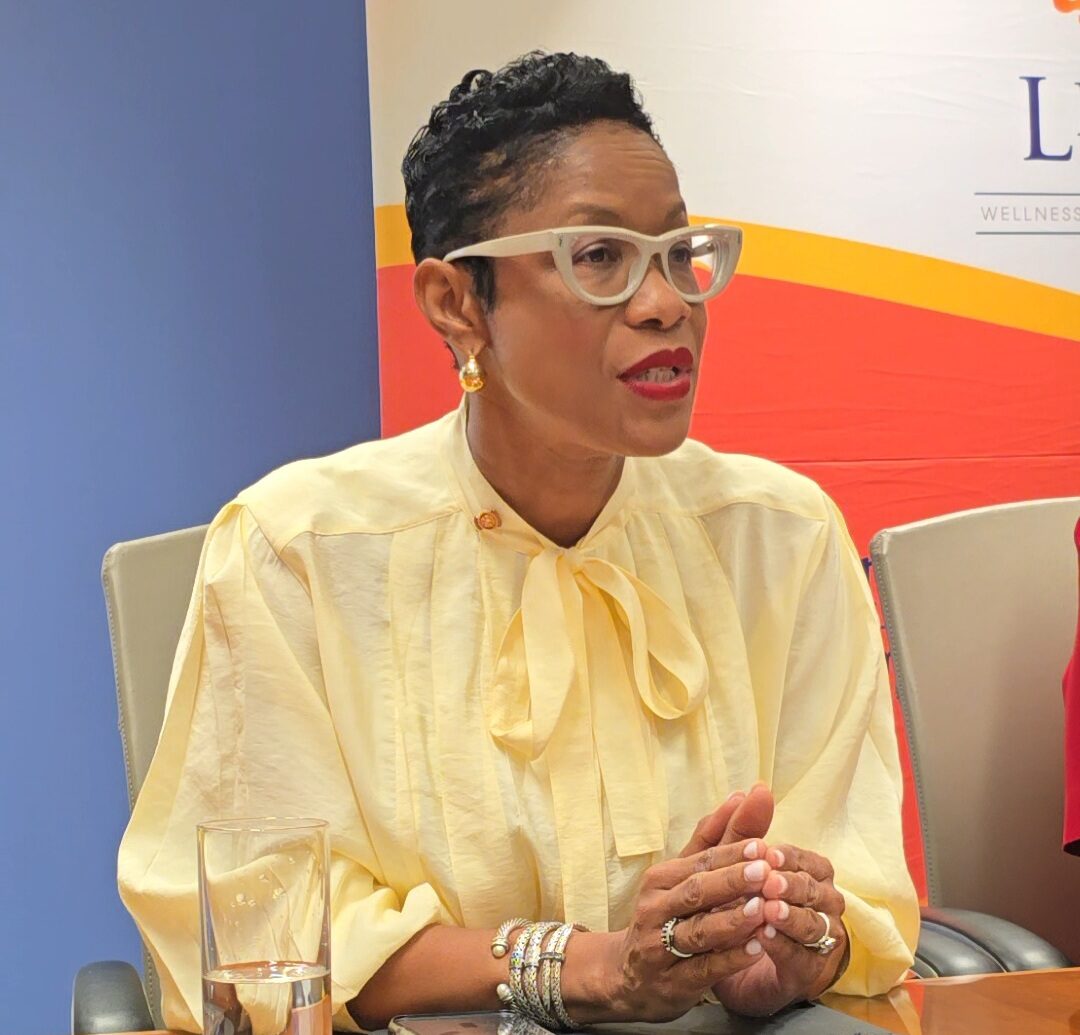
Barbados has enacted a landmark beneficial ownership reform bill that will consolidate existing regulatory data instead of imposing new reporting requirements on local businesses, according to senior government Senator Lisa Cummins. Speaking during Wednesday’s Senate debate, the leader of government business in the chamber framed the new legislation as a transformative step that simultaneously eases regulatory burdens for legitimate enterprises and reinforces the Caribbean nation’s standing as a transparent, credible global financial hub.
Contrary to concerns that the law would require businesses to submit extra paperwork, Cummins clarified that the reform only overhauls how existing beneficial ownership information is collected and organized. For years, relevant data on ultimate business owners has already been gathered by multiple domestic regulators, including the Central Bank of Barbados, the Financial Services Commission, and other sector-specific oversight bodies. This information has long been required as part of routine regulatory processes, from initial license applications and changes in major shareholding structures to ongoing supervisory reviews, fit-and-proper person assessments, and enforcement compliance checks.
Currently, competent domestic authorities already share this collected data with international partners under bilateral and multilateral treaties that Barbados has signed onto. The information already supports a wide range of critical activities, including criminal probes, anti-money laundering operations, terrorist financing investigations, regulatory audits, sanctions enforcement, and other law enforcement initiatives, with the country’s Financial Intelligence Unit leading much of this investigative work, Cummins added.
A key structural change outlined in the legislation is the restructuring of the former International Business Unit, whose duties have been split between two existing and new entities: the Tax Policy Unit under the Ministry of Finance, and the newly created Business Compliance Unit, known as BCOM. Under the new framework, BCOM will be tasked with maintaining a centralized national beneficial ownership register. This single centralized system will allow businesses to submit required information just one time, eliminating the redundant practice of providing identical data to multiple separate regulatory agencies.
“What the legislation actually sets out to do is to simplify and create coherence around the collection of business data for all businesses under the beneficial ownership regime,” Cummins explained. “That unit [BCOM] is now going to take responsibility for collating in a single place all of the information with one single submission by businesses.”
Cummins emphasized that the reform is a critical step to protect Barbados’ financial system and preserve its positive standing with global regulatory partners. “We want to make sure that Barbados cannot be used as a jurisdiction to hide dirty money,” she said. The new law uses a tiered regulatory approach that strengthens necessary safeguards against money laundering and terrorist financing, while cutting unnecessary red tape for law-abiding businesses, she added. This, in turn, will protect Barbadian businesses’ continued access to the global financial system.
The reform positions Barbados as a jurisdiction that proactively modernizes, upgrades, and transforms its international financial sector through consistent, transparent regulatory practice, Cummins told the Senate, capping the debate on the bipartisan-backed reform.