博客

  • Growing old is a gift

    Growing old is a gift

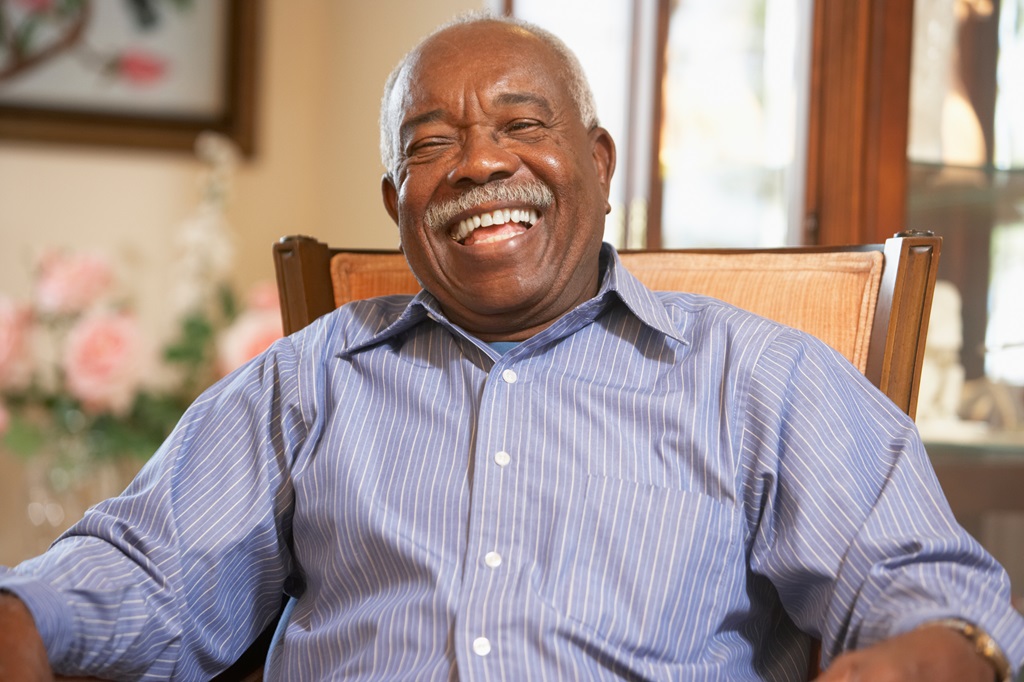
    Scroll through any social media platform in 2024, and you are almost guaranteed to pause on a viral clip of an older adult that stops you mid-scroll and pulls a genuine smile. It might be a silver-haired grandfather sharing off-the-cuff life advice, his eyes crinkling with warmth. Or an 80-year-old grandmother dancing with more energy and rhythm than her grandchildren half her age. Or a retiree who distills a lifetime of learning into one pithy, wiser line than any best-selling self-help book could craft.

    These clips spread like wildfire, shared between friends and tagged in group chats, because they tap into a universal, warm truth: there is a unique, profound joy in watching someone who has lived a full life continue to find delight in small, everyday moments. They remind us, even for just a fleeting minute, that growing old is not a fate to dread—it is a gift that too many people never get the chance to receive.

    This reflection hits especially close to home on Father’s Day, a holiday when we gather to honor the fathers, grandfathers, uncles, and elder male mentors who have shaped who we are. Many of these beloved figures are now in the season of life we define as old age, making it the perfect moment to ask a question that matters to every single one of us: when our turn comes— as it inevitably will for all—how do we want to be treated as we age?

    The reality is, all of us are already growing older. And for Jamaica, this demographic shift is far more than a passing talking point: it is a defining national transition. Right now, the country counts roughly 350,000 residents aged 60 and older, and that number continues to climb steadily. Globally, the United Nations projects the over-60 population will hit 2 billion by 2050. This shift is not the impending crisis many frame it as; in fact, it is a remarkable triumph of modern medicine and social progress that more people than ever get to live long, full lives. But it does demand that we build a society that works for the people who spent their lifetimes building it first.

    One truth we rarely discuss openly is how pervasive loneliness is in older age. Children grow up and move away to build their own lives. Longtime friends and partners pass on. The phone rings less and less each passing year. For far too many seniors, the deepest pain does not come from creaky joints or slower steps—it comes from long, quiet days spent in isolation, feeling forgotten by the very communities and people they dedicated their lives to supporting.

    But this is not an intractable problem. This is a problem we can solve together. Quality medical care is undeniably critical to healthy aging, but aging with dignity requires more than just access to treatment. It requires consistent connection, a sense of purpose, and the simple, foundational assurance that you still matter. It requires a society that chooses to grow kinder, not colder, as its population ages.

    No one pretends that every senior in Jamaica currently receives the care and respect they deserve. Painful stories of neglect and isolation are all too common, and they demand our attention. But rather than only fixate on past failures, it is far more productive to focus on the inclusive future we are building right now—because the solution to loneliness and neglect is a community that shows up for its elders.

    That community-centered spirit is at the heart of new initiatives advancing through Jamaica’s Ministry of Health and Wellness. The ministry is rolling out a new community-based model of geriatric care that brings critical services directly to older people, rather than forcing them to travel to distant hospitals to access support. Pilot specialized geriatric clinics will launch first in St Ann and St Catherine, offering comprehensive health assessments and condition-specific care tailored to older adults. The government is also expanding structured home-based care, where community health aides conduct regular, scheduled check-ins under the supervision of public health nurses, bringing support straight to seniors where they live.

    But the Jamaican government cannot solve this challenge alone, nor should it. This is a national project that demands buy-in from every sector. Minister of Health and Wellness Dr. Chris Tufton is calling on private sector stakeholders and local community groups to reimagine what healthy, connected aging can look like for Jamaica. This could mean senior daycare centers, where working adult children can leave their parents in safe, social company instead of leaving them home alone all day. It could mean community retreats, recreational activities, and intergenerational gathering spaces designed specifically for older adults. These spaces would give seniors a place to come together, share their life stories, and pass down the hard-won wisdom that we already love celebrating in viral social media clips—reminding them they remain a vital, irreplaceable part of Jamaica’s national life.

    Ultimately, the success of these efforts will not be measured by the number of clinics built or programs announced. It will be measured by whether our mothers and fathers, our grandparents and neighbors, can grow old with dignity, independence, and joy.

    So this Father’s Day, as we honor the older men in our lives and every senior who has carried our nation to where it is today, we can make a quiet, collective promise: we will not let them grow old alone, and we will build a Jamaica that grows kinder as it grows older. Because if we are lucky enough to live long enough, each of us will one day be that voice in the video, that elder in the photograph, hoping the world still keeps a warm place for us. How would you want to be treated when your turn comes? Let us treat the seniors who built this country exactly that way today.

    This commentary is by Dr. Chris Tufton, CD, MP, Jamaica’s Minister of Health and Wellness.
  • Assinie Wilson wins first national title

    Assinie Wilson wins first national title

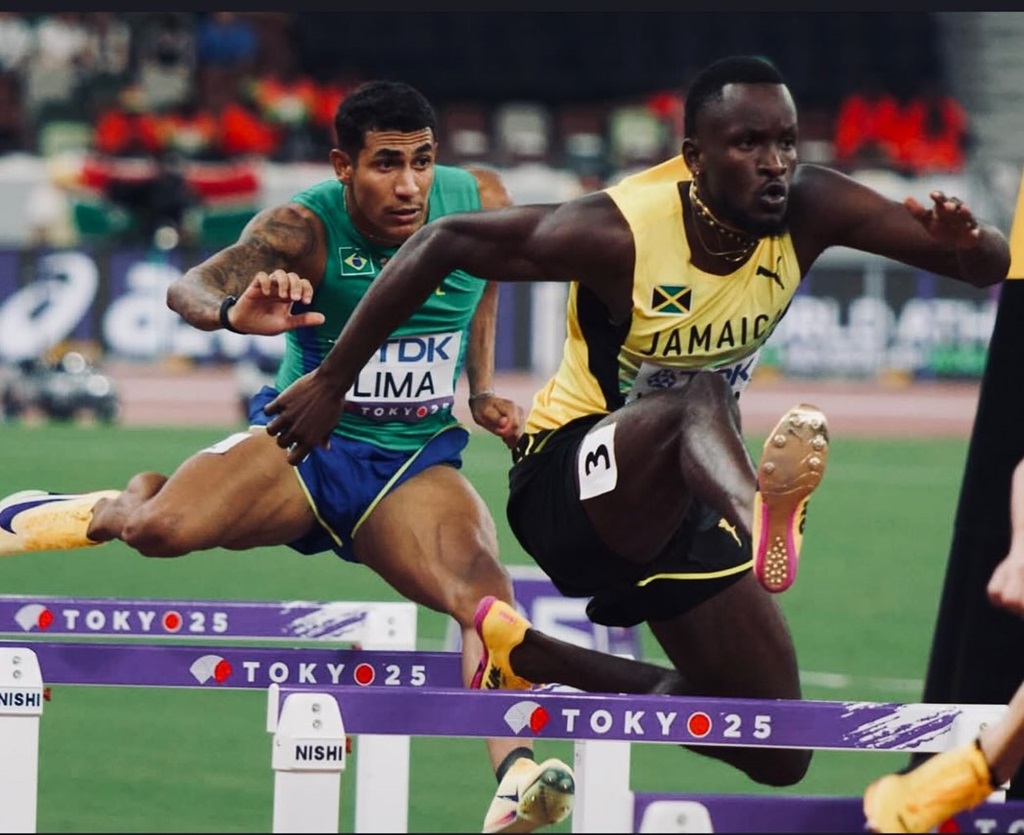
    KINGSTON, Jamaica — In a thrilling display of speed and determination at the Jamaica Athletics Administrative Association (JAAA) National Championships held at Kingston’s iconic National Stadium, 24-year-old hurdler Assinie Wilson secured the most significant victory of his young career so far on Saturday. Crossing the finish line with a winning time of 48.91 seconds, Wilson claimed his first ever Jamaican senior national title and earned an automatic spot on Jamaica’s roster for the 2014 Commonwealth Games, scheduled to take place in Glasgow, Scotland this coming July.

    Coming into the national championships, Wilson entered the competition as the top-ranked men’s 400m intermediate hurdler in Jamaica for the 2014 season, carrying high expectations after finishing as the runner-up at the previous year’s national event. This year’s competition took on a different dynamic, however, with Jamaican national record holder Roshawn Clark absent from the starting line-up, opening a clear path for a new champion to emerge.

    Wilson rose to the occasion, holding off a strong challenge from the rest of the field to cross the line first. Behind the new champion, Romario Stewart of Mico University delivered a standout personal performance, clocking a new lifetime best of 49.43 seconds to claim the second place spot on the podium. Rounding out the top three finishers was Malik James King, who recorded a time of 50.07 seconds to secure the third position.

    Reporting from Kingston, Paul A Reid

  • What causes the intense heat that occurs at dawn and dusk in the Dominican Republic?

    What causes the intense heat that occurs at dawn and dusk in the Dominican Republic?

    Just 24 hours before the 2026 summer season officially gets underway, a oppressive heat dome has parked itself across the Caribbean, bringing life-threatening extreme heat that could push the heat index as high as 43 degrees Celsius in multiple local areas, senior meteorological analyst Jean Suriel has warned.

    This extreme heat event is not occurring in isolation: it is being supercharged by the overlapping influence of three additional atmospheric and climate patterns that are making the dangerous conditions far worse. These include the sixth Saharan dust cloud to reach the Caribbean nation’s territory this season, the ongoing warming impacts of El Niño, and the long-term cumulative warming driven by human-caused climate change.

    Suriel detailed that the dangerous convergence of these multiple factors has created an almost unendurable outdoor and indoor environment for local residents, carrying measurable health risks that disproportionately impact the most vulnerable groups in the population. Young children, elderly adults, and individuals living with chronic pre-existing medical conditions face the greatest threat of heat-related illness during this event.

    To reduce the risk of adverse health outcomes, the meteorological specialist has issued clear public guidance. He urges all residents to maintain consistent hydration throughout the day, skip any unnecessary prolonged activity under direct sunlight between 11 a.m. and 4 p.m. when UV radiation and temperatures peak, and opt for lightweight, breathable clothing that supports natural body cooling. Beyond individual actions, Suriel also called on national and local public authorities to ramp up public heat safety prevention campaigns, and maintain close monitoring of how the ongoing heatwave is disrupting the country’s daily operations and key economic productive activities.

  • Summer officially begins: interesting facts you may not know

    Summer officially begins: interesting facts you may not know

    Calculations from the National Astronomical Observatory confirm that the 2026 summer season in the Northern Hemisphere officially kicked off at 10:24 a.m. local time on June 21, marking the annual summer solstice event. The solstice occurs when the sun reaches its northernmost celestial point, achieving the highest midday altitude in the Northern Hemisphere sky and bringing the longest period of daylight of the entire year. This year’s summer run will span 93 days and 16 hours, closing out on September 23 when autumn officially begins.

    The term “solstice” itself traces its roots to the Latin phrase meaning “sun standing still,” a name inspired by a little-known scientific pattern: for several days surrounding the solstice, the sun’s maximum daily altitude changes very little, creating the illusion that it has stopped moving along the horizon. A key global climate pattern also accompanies the solstice: while the Northern Hemisphere transitions into the warmer, longer-day summer season, the Southern Hemisphere simultaneously reaches its winter solstice and begins the coldest season of the year.

    Beyond the popular cultural associations of summer with coastal getaways and beach vacations, the warmest season offers a host of unique stargazing and astronomical opportunities. On summer’s short, warm nights, several of the solar system’s brightest planets are visible to the naked eye at different times: Mercury, Venus, and Jupiter come into view shortly after the sun sets, while Mars and Saturn can be spotted before dawn breaks. One of the most iconic summer celestial features is the Summer Triangle, a distinct asterism formed by three bright stars—Altair in the Aquila constellation, Deneb in Cygnus, and Vega in Lyra—that stands out clearly against the dark summer sky.

    For 2026, skywatchers have an extra special astronomical event to mark on their calendars: a partial solar eclipse set to occur on August 12. Astronomy experts have highlighted this as one of the most anticipated celestial events of the year, offering a rare chance to observe the moon pass between Earth and the sun and partially obscure the solar disk during the summer months.

  • ‘A masterclass in selfless service’

    ‘A masterclass in selfless service’

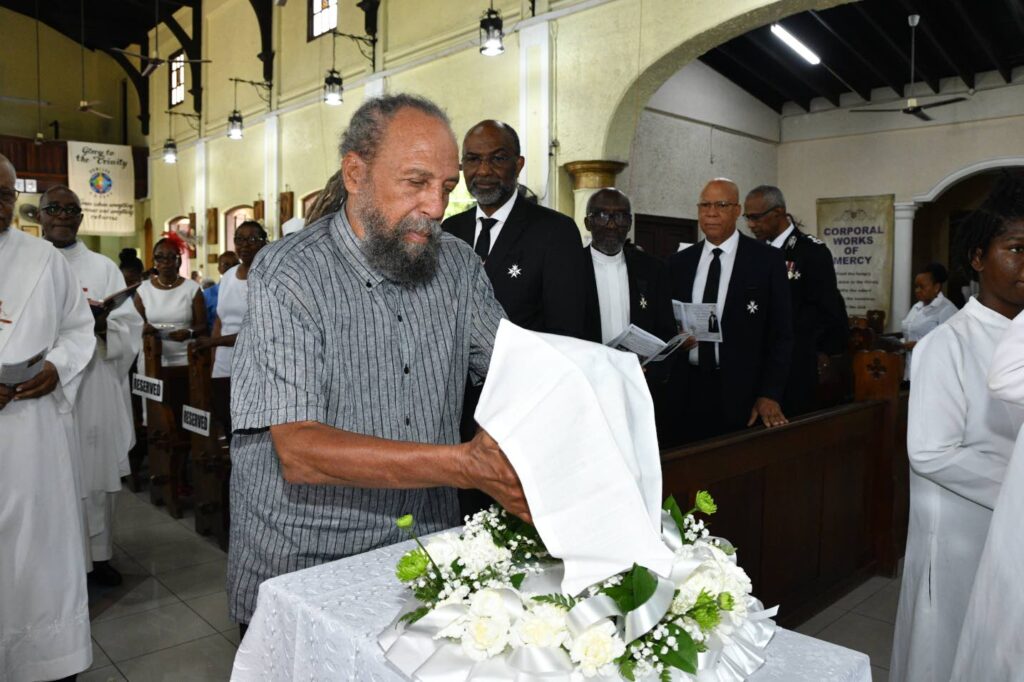
    Dame Marie Clemetson, a pioneering Jamaican nursing leader who made history as the first Jamaican Dame of The Most Venerable Order of the Hospital of St John of Jerusalem and former chief nursing superintendent of St John Ambulance Brigade Jamaica, was laid to rest on Saturday following a life defined by decades of selfless service to public health and community welfare.

    A moving thanksgiving service to honor her legacy was held at Kingston’s Holy Cross Church, where Earl Jarrett, chairman of St John Jamaica, delivered a heartfelt tribute on behalf of the organization, framing Dame Marie’s decades of work as a masterclass in unwavering service, steadfast faith, and radical compassion for vulnerable communities.

    Dame Marie’s distinguished global career in healthcare began in England, where she completed her rigorous professional nursing training. When she returned to her home country of Jamaica, she immediately committed her specialized skills to volunteer work, officially joining the St John Ambulance Brigade’s volunteer corps in 1960. Over the following six decades, she climbed the organization’s ranks through consistent dedication and exceptional leadership, eventually rising to the position of chief nursing superintendent. Jarrett noted that Dame Marie led the brigade with a one-of-a-kind balance of disciplined, evidence-based professionalism and gentle, maternal warmth, mentoring hundreds of new volunteers and first responders who carried her lessons forward through their own service.

    Beyond the St John Ambulance Brigade’s core work of emergency response, Dame Marie identified a critical unmet need in Jamaica’s national healthcare ecosystem: structured, compassionate in-home care for elderly, chronically ill, and socially vulnerable Jamaicans who could not access consistent institutional care. To fill this gap, she pioneered the integration of formalized home nursing care and caregiving training into the brigade’s core services, a transformative shift that reshaped community health across Jamaica. Drawing on St John’s established international training protocols, she developed a accessible, practical curriculum that equipped thousands of ordinary Jamaicans with life-saving caregiving skills, permanently embedding St John Ambulance Brigade as a foundational pillar of grassroots healthcare on the island.

    Jarrett also highlighted Dame Marie’s extraordinary skill as a leader who turned big-picture vision into tangible, lasting change, particularly through her groundbreaking resource mobilization work. One of her most notable achievements was successfully negotiating with international humanitarian organization Food For the Poor to secure a cutting-edge, fully equipped ambulance for the brigade. This vehicle became an essential lifeline for underserved communities across Jamaica, and it endures today as a symbol of Dame Marie’s unyielding determination to ensure that limited resources never became a barrier to saving Jamaican lives.

    Dame Marie’s decades of tireless service earned her historic recognition at the local, regional, and international levels. Her inclusive ecumenical spirit and unwavering advocacy for poor and sick communities across the Caribbean caught global attention in 2015, when Pope Francis awarded her a prestigious papal honor — a rare distinction that made her the first Jamaican to receive the accolade, cementing her status as a global leader in humanitarian care. Her 2019 investiture as the first Dame of the Order of St John in Jamaica marked a historic milestone for the national St John organization, highlighting the outsized impact of her work.

    Today, Dame Marie’s legacy stands as a guiding example for the global St John network, which includes more than 160,000 active volunteers serving across 40 countries. “Dame Marie did not just wear the St John cross; she carried its virtues of devotion and charity in her heart every single day,” Jarrett told attendees at the service. “Her legacy lives on in every ambulance that rolls out to save a life, in every home nurse who gently tends to a patient, and in the enduring spirit of volunteerism at St John Jamaica.”

    In the wake of Dame Marie’s passing, St John Jamaica has extended its deepest condolences to her family, friends, and colleagues, and reaffirmed its commitment to honoring her memory by carrying forward the life-saving community health work she built.

  • SPANISH INQUISITION

    SPANISH INQUISITION

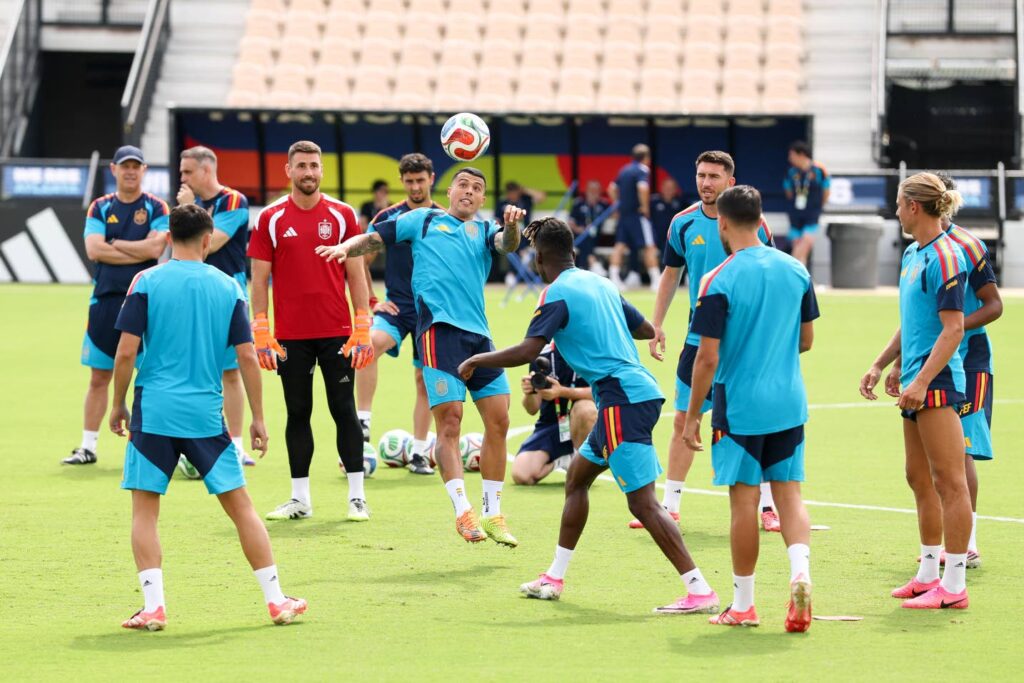
    ATLANTA, GA — In the lead-up to the opening Group H World Cup clash at Atlanta’s cutting-edge Mercedes-Benz Stadium, the face of 18-year-old Lamine Yamal is impossible to miss. Towering billboards featuring the teenage Barcelona winger line the city’s skyscrapers, a clear signal of just how much hype surrounds the young star — and that hype just became necessity for the reigning European champions, who now find themselves pinning their World Cup hopes on his precocious talent. Pre-tournament title favorites Spain stumbled badly out of the gate in their first match, grinding to a lifeless 0-0 draw with World Cup debutants Cape Verde, a result that has sparked widespread questions about the squad’s ability to deliver on their pre-tournament promise.

    Yamal, who missed nearly two months of action with a nagging hamstring injury and was only just returning to full match fitness, was held in reserve by head coach Luis de la Fuente until the final 25 minutes of the clash. Even in that limited playing time, and despite failing to break the deadlock, his introduction immediately shifted the dynamic of the match. For the 68,000 fans packed into the stadium, most of whom had turned out to catch a glimpse of one of the game’s brightest young stars, Yamal’s arrival finally gave the crowd something to cheer for. Spain’s slow, methodical passing attack, which had struggled to create any clear chances against a compact Cape Verde defense, finally gained a cutting edge: Yamal’s ability to run at defenders stretched the opposition’s backline and opened up space for his teammates.

    “Lamine is undoubtedly a special player,” said Spanish midfielder Mikel Merino after the final whistle. “He has great ability to beat his man and disrupt the opposition’s defensive shape. Given Lamine’s quality, he can influence any game at any moment.”

    Yamal catapulted to global stardom just two years ago, when he turned in a series of stunning performances as a 16-year-old to help Spain claim the Euro 2024 title. Alongside Nico Williams, the explosive winger on the opposite flank, Yamal formed one of the most dangerous attacking duels in international football, blending blistering speed, close control, and consistent goal threat that tore through opposition defenses at the Euros. But like Yamal, Williams has also battled injury issues this season, and he only saw action in the final minutes of stoppage time against Cape Verde.

    Without both wingers’ elite one-on-one ability to unlock packed defenses, Spain slipped back into the familiar pattern of World Cup underperformance that has plagued the side since they lifted their only World Cup trophy in 2010. In the 16 years since that triumph, La Roja have won just three of their 12 World Cup matches, with a recurring tendency to dominate possession without turning that control into goals. Against Cape Verde, ranked 67th in the FIFA world rankings, that trend held: Spain controlled the ball for most of the 90 minutes but failed to register a single goal, echoing their toothless displays against Japan and Morocco at the 2022 World Cup, where they accumulated over 2,500 passes before finally finding the back of the net.

    “Lamine showed exactly what he’s capable of the moment he stepped onto the pitch,” de la Fuente told reporters after the match. “He forced the opposition to change their approach, but that was the amount of playing time we felt was right for him given his recent injury.”

    The Spain manager has urged fans and pundits alike not to panic following the opening draw, pointing to the side’s impressive 32-game unbeaten streak in competitive matches that stretches back more than three years. Yamal echoed that calm tone in a post-match social media post, writing, “Don’t have any doubt. We know this is a long competition and the objective is still far off. We will keep working and everything will work out how we want.”

    The expanded 48-team format of this World Cup does give title contenders room to build momentum gradually, and a single win in their remaining two group stage matches against Saudi Arabia and Uruguay would almost certainly be enough to book Spain a spot in the knockout rounds. But the opening clash has made one thing unavoidable: Yamal is central to Spain’s dream of lifting a second World Cup trophy, a reality that has put unexpected pressure on de la Fuente to start the teenager against Saudi Arabia in Atlanta on Sunday — potentially earlier than the manager planned when the tournament began.

    Just days before the tournament kicked off, de la Fuente boasted that his squad’s depth made it the strongest contender in the competition. But after the underwhelming opening draw, La Roja now look heavily reliant on their teenage superstar — and on him staying fit through the grueling, expanded schedule of the weeks ahead.

  • A world of memories

    A world of memories

    For millions of sports fans around the world, major international tournaments like the FIFA World Cup and Olympic Games are defined by the thrill of victory, the agony of defeat, and the unforgettable action unfolding on the pitch or track. For Christopher Williams, a Jamaican business leader and former collegiate footballer, these events have always meant something far deeper: they are the foundation of a deliberate, 15-year family tradition built to heal past wounds and forge unbreakable bonds with his two sons, Zachary and Justin-Paul.

    Raised in humble circumstances without the close, affectionate father-son connection he craved as a child, Williams, chairman and CEO of Different Properties Jamaica Limited and former head of Professional Football Jamaica Limited, made a promise to his own children early on: he would give them the intentional quality time and secure bond he never got to experience growing up. A lifelong lover of football, sports, and his home country Jamaica, Williams turned his long-held passion into the perfect vessel for this promise.

    Fifteen years ago, Christopher and his wife Michelle made a deliberate choice to forgo accumulating material gifts for their boys, and instead opened a dedicated vacation savings account earmarked entirely for shared family experiences: opportunities to travel, laugh, learn, and celebrate together, one major sports event at a time. What started as a small, intentional plan has grown into a cross-continental adventure that has reshaped their family dynamic. To date, the Williams family has attended three FIFA World Cups – Brazil 2014, Qatar 2022, and the ongoing 2026 tournament hosted across the United States, Canada, and Mexico – alongside the Olympic Games, domestic Jamaican Premier League matches, and the 2023 UEFA Champions League final held in Istanbul.

    Looking back on the 15-year journey, Christopher notes the quiet, moving transformation that has unfolded. When the tradition first began, his sons were small children entirely dependent on Christopher and Michelle to plan every detail of their trips, from transportation to accommodation. Today, the roles have shifted: it is Zachary and Justin-Paul who map out itineraries, book rides and hotels, and care for their parents throughout the journey. “It has been really moving for me as a father to watch them get to this level and be in charge of our experiential trips,” Williams shared in an interview with the *Sunday Observer*.

    One beloved ritual has become synonymous with the Williams family’s adventures: the Jamaican flag never gets left behind. No matter if they are heading to a Champions League final or a World Cup opener, the iconic black, green, and gold standard is always the last item checked before they leave for the airport. “The last thing we say to each other before we leave for the airport is, ‘Yo, you pack the flag?’ ” Christopher said with a laugh.

    This small tradition has led to countless unexpected, warm encounters with sports fans from around the world. During the 2026 World Cup’s opening match between hosts Mexico and South Africa at Mexico City’s legendary Estadio Azteca, Zachary and Christopher’s visible Jamaican flag drew crowds of spectators eager to say hello and snap photos. A 15-minute walk around the stadium took nearly twice as long, as the pair stopped again and again to greet new people. “It was maybe a 15-minute walk, and it took us about half an hour because of how many times we had to stop and take pictures,” 19-year-old Zachary recalled. “It was literally insane.”

    For Christopher, attending that opening match at Azteca Stadium carried a personal, emotional weight that went far beyond the final score. He deliberately chose to attend the match because of the stadium’s iconic place in football history: it was here that Diego Maradona, his childhood hero, led Argentina to World Cup victory in 1986. Forty years after that legendary final, standing on the same ground he had only read and dreamed about as a boy, Williams called the moment overwhelming. “Growing up, I dreamt of that Diego Maradona final in 1986 in Azteca when Maradona won the World Cup, and to know that 40 years later in the World Cup we were in that stadium, tears come to your eyes,” he said. “As you’re walking, you’re looking at the pitch, you’re looking at the sun, and you’re just wondering what it was like 40 years ago when Diego won the World Cup, so it was very emotional for me.”

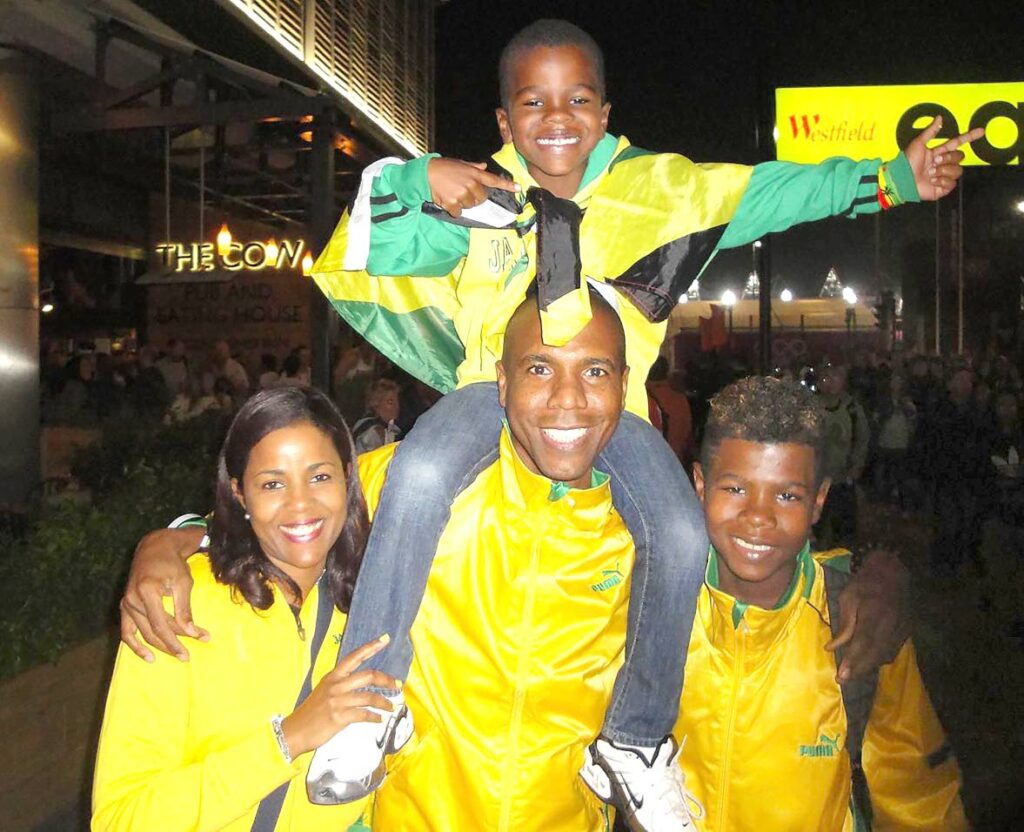
    Each member of the Williams family holds their own treasured memory from the 15 years of adventures. Justin-Paul, 28, who was unable to attend the 2026 Mexico trip, counts the 2012 London Olympics as his most unforgettable experience, when Jamaica made history by sweeping the men’s 100m podium, led by sprint legend Usain Bolt. The entire family showed up decked out in Puma gear, the brand that sponsored Jamaica’s track team, leading event officials to mistake them for official team members. The happy mistake got them access to the field and a prime spot in the reporters’ booth to watch the historic race. “I remember how electric the stadium was before the men’s 100-metre final. Everybody was scrambling to get a good view. Then all that excitement went by in nine seconds. It was unbelievable,” he said.

    For Zachary, who was born in 2006 – itself a World Cup year – the most memorable experience was an exhibition El Clásico match held in Miami, featuring some of the greatest footballers of a generation: Cristiano Ronaldo and Karim Benzema of Real Madrid, and Lionel Messi, Luis Suárez, and Neymar for Barcelona. “I remember almost every second of that game. Hearing the Real Madrid supporters singing before the match and seeing the players warming up right in front of me was surreal. The whole second half I stood on my chair. It was such a good experience,” he said.

    Beyond creating shared memories, the family’s shared love of football has also sparked lighthearted, loving rivalry around the house. A lifelong diehard Manchester United fan, Christopher constantly teases Zachary over his support for rivals Manchester City. The friendly competition also extends to the pitch: Christopher and Zachary play frequent weekend matches, with the elder Williams still eager to prove he has not lost his touch. “Before I retired as a top baller, of course, I would buss up his salad every weekend,” Christopher joked, prompting Zachary to quickly interject “Not every weekend,” drawing peals of laughter from the whole family.

    For all the iconic stadiums he has visited and historic moments he has witnessed, Christopher says fatherhood remains his greatest and most important life achievement. “It’s the last thing I think about at night and the first thing I think about in the morning, how my kids are doing mentally, whether they’re happy, and whether they feel they have a shot at building themselves in life. I don’t want to show them love through presents. I want to show them through my presence and by being there for them as much as possible,” he said.

    That consistent, intentional presence has left a permanent mark on his sons. Zachary spoke openly about the impact of his father’s choice to prioritize shared experiences over work or material gain. “I would just like to tell my dad thank you again for making it such a priority in his life and making the sacrifices necessary. I’m sure it wasn’t easy, but it’s life-changing for me and my brother to be able to have these experiences. I love you, and I appreciate the sacrifices you’ve made,” he said.

    Justin-Paul, who works alongside his father in the real estate industry, added that Christopher has not only been a father but a mentor, peer, and friend, creating a new model of intentional fatherhood that he and Zachary will carry forward to their own families one day. Because Christopher grew up without a positive fatherhood blueprint to follow, he built one from scratch for his sons. “When my brother and I have children we’ll have a blueprint, because he is the blueprint. It is great to have been raised by a king,” Justin-Paul said.

    As Jamaica prepares to celebrate Father’s Day on June 21, Christopher says he hopes his family’s story will serve as a reminder for Jamaican fathers across the island that intentional, positive fatherhood is a powerful, lasting gift. “We just want Jamaica and everybody to know that we are present. We’re not going away. We’re staying in our children’s lives, giving them guidance, encouragement, support, and love,” the father of two said.

  • Absent fathers fuelling juvenile crime, warns correctional chaplain

    Absent fathers fuelling juvenile crime, warns correctional chaplain

    Ahead of the global observance of Father’s Day on June 21, a senior Jamaican correctional services chaplain is sounding a urgent call to action for Jamaican men to embrace active, consistent parental roles, after first-hand conversations with incarcerated juveniles revealed a stark connection between absent fathers and youth offending.

    Reverend Dwayne Nelson, who serves as chaplain for Jamaica’s Department of Correctional Services, shared that nearly 30 percent of the young people he counselled at youth correctional facilities across the island openly linked their incarceration and behavioural struggles to growing up without a present father. His on-the-ground findings align with established regional and international research that confirms children growing up fatherless are 11 times more likely to engage in criminal activity than their peers with involved fathers.

    Over the course of his work, Reverend Nelson has held confidential counselling sessions with around 69 young people aged 13 to 17 held in Jamaican youth correctional institutions. In almost every discussion about the root of their harmful choices and life struggles, the absence of a positive male paternal figure emerged as a core contributing factor.

    “When we talk about their families, they will freely mention their mothers, but when I ask about their fathers, the responses are almost always the same: ‘I don’t have a father,’ ‘My dad isn’t around,’ or ‘He never did what he was supposed to do for me,’” Reverend Nelson explained in an interview with the Jamaica Observer. “One young inmate put it plainly: if his father had been present in his life, he would never have ended up locked up in this place.”

    Many youth living solely with their mothers told the chaplain they committed offences specifically because the father’s financial and emotional void left the family struggling, pushing them to turn to criminal activity to provide for their moms and younger siblings. For boys, without a father to model healthy masculinity and set boundaries, many fell prey to outside negative influences that normalized crime and violence. For girls, the impact follows a different but equally damaging pattern: many said the lack of a father’s love and validation led them to seek approval from older men, often drawing them into harmful relationships and dangerous social circles that led to legal trouble.

    Reverend Nelson emphasized that while countless single mothers work tirelessly to raise their children alone, a mother cannot fully replace the unique role a father plays in a child’s life. He argued that forcing women to take on both parental roles often stretches them too thin, undermining their ability to deliver both the nurturing care they naturally provide and the structured guidance that a father typically brings.

    Beyond calling on biological fathers to show up more consistently for their children, Reverend Nelson is also urging all Jamaican men of strong character and positive values — whether they are fathers themselves or not — to step into mentorship roles for fatherless young people. He notes that vulnerable youth are actively craving male guidance, and consistently respond with openness and gratitude to any man willing to invest time in them.

    “These young people are desperate for a father figure, so they almost never push away positive male attention. They want to hear from men, they long for that guidance,” he told the Sunday Observer. “You can help them channel their pain from abandonment into a drive to build a better life, so that when they have their own children one day, they can be the involved parent they never had. Even when they don’t say it out loud, their actions show how much they appreciate the support: they’ll seek you out to talk, ask for prayer, or want to spend time together. There is still so much hope for these kids.”

    Quoting iconic American evangelist Billy Graham, Reverend Nelson closed by reinforcing the underrecognized value of fathers across society. “A good father is unsung, rarely praised, and often goes unnoticed, but he is one of the most valuable assets any community can have,” he said. “We often give mothers far more visibility and appreciation for their daily work, but fathers play an irreplaceable role in shaping safer, stronger societies. Following the biblical teaching that if you train a child in the right way, they will never stray from it when they grow old, a father’s involvement is one of the most powerful tools we have to deter children from crime and help them unlock their full potential. I urge every father to show up for your kids — your involvement can change not just your child’s life, but transform our entire society for the better.”

  • Week.day clocks it with Aidonia’s Like How Yuh Feel

    Week.day clocks it with Aidonia’s Like How Yuh Feel

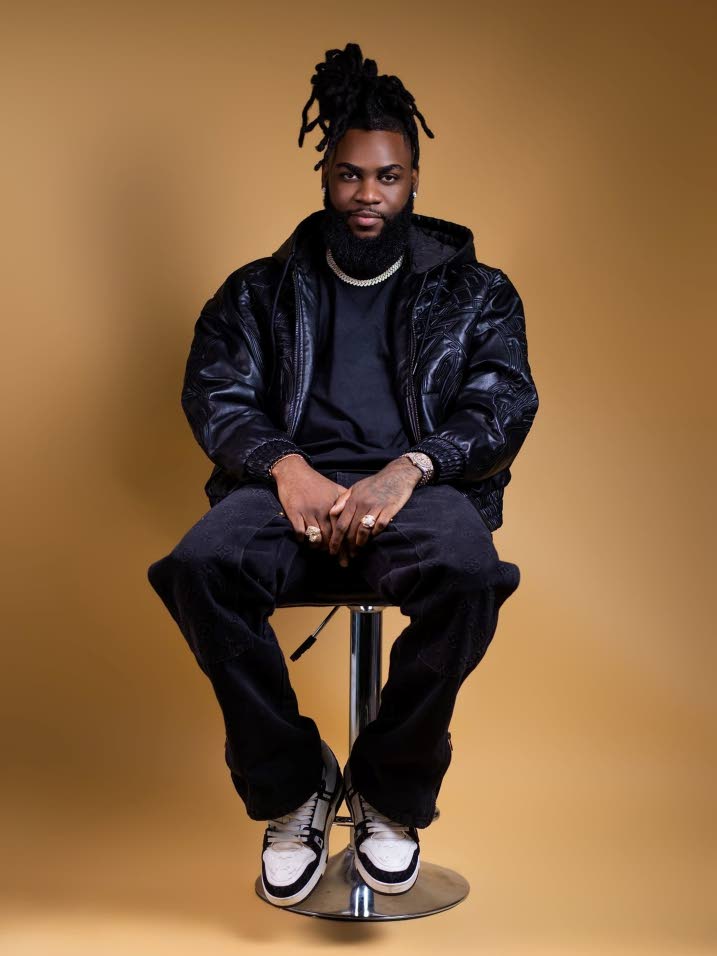
    Rising Jamaican dancehall producer Jahvanie “Week.day” Morrison is celebrating a breakthrough career milestone, as his collaborative track with iconic dancehall artist Aidonia, *Like How Yuh Feel*, continues to dominate streaming platforms and regional music charts across the Caribbean and global dancehall spaces.

    Dropped to digital streaming platforms on May 22, the high-energy collaboration has already racked up more than 1 million combined streams across all major music services, while earning coveted top positions on Apple Music’s regional rankings. The track claimed the number one spot in five Caribbean nations: the Cayman Islands, British Virgin Islands, Grenada, St Kitts, and St Lucia. It also climbed to second place in Antigua, Anguilla, Trinidad and Tobago, and Barbados, and secured a spot at number 12 on Jamaica’s influential Kingston Top 20 chart, a clear sign of its strong resonance with core dancehall audiences in the genre’s birthplace.

    For the young producer, this widespread success comes after years of nurturing a creative partnership with Aidonia, marking the first official public release from the many unreleased projects the pair have crafted together over time.

    “This isn’t my first time collaborating with Aidonia, but it’s the first one we’ve actually put out to the public,” Week.day shared in a recent interview. The producer explained that their working relationship grew organically through overlapping industry connections, particularly through Aidonia’s longstanding partnership with dancehall artist 450. “We kept running into each other at concerts and festivals all over the region, that’s how it all started before we eventually linked up in the studio to work,” he added.

    The collaborative process for *Like How Yuh Feel* was defined by natural creative chemistry and positive energy from start to finish, according to Week.day. After he crafted the song’s signature rhythm, he sent the draft to Aidonia, who quickly shared his conceptual vision for the track. “Working with Aidonia is nothing but good vibes – he’s got such incredible positive energy, and his work ethic is unmatched,” Week.day said. “I built the rhythm, sent it over, and he walked me through his whole idea for the track when we met up at a festival one day. After that, we put in work on the mixing, arrangement, and everything else leading up to the release.”

    As the track continues to gain new traction weeks after its launch, the producer says he remains grateful for the overwhelming warm reception from dancehall fans across the region. “It’s such an amazing feeling to put out music that connects with fans the way this one has,” he said. “Waking up to see it sitting at number one in so many different countries is a feeling I can’t really describe.”

    Looking back on his journey to this breakthrough, Week.day credits consistent creation and intentional patience as the core principles of his approach to production. “My formula is simple: keep creating even when you don’t feel inspired, keep showing up to work, let your real emotions flow into the music, and always be willing to wait for the right moment,” he explained.

    Instead of slowing down after this major win, Week.day is already leaning into the momentum to roll out a slate of new upcoming projects. His next major production project, the *Super Glue* rhythm compilation, already features collaborations with popular rising dancehall acts 450 and Silk Boss, with more big-name artists set to be announced in the coming weeks. He also teased an upcoming collaborative single from emerging artist Jamarii featuring 450, which he says will be a career-defining moment for the young newcomer.

  • Andy Ballentine: Marked for death, destined for greatness

    Andy Ballentine: Marked for death, destined for greatness

    Internationally celebrated Jamaican visual artist Andy Ballentine credits every milestone of his extraordinary career to one unshakable foundation: his faith in God. That spiritual anchor, he says, carried him through one of the most traumatic chapters of his life — a near-death experience that could have broken him, but instead reshaped his path forward.

    “I was looking straight down the barrel of a loaded gun,” Ballentine recalled of the attack, which unfolded at the peak of his early local success while he still resided in Jamaica. The words of his attacker, “It’s you we’ve come for,” still ring in his memory years later. What made the betrayal cut deeper than the threat itself was learning the motive was not random robbery or conflict, but corrosive jealousy from someone he had trusted implicitly. “That betrayal altered every part of how I saw the world,” he reflected.

    Rather than letting anger and resentment consume his art and his life, Ballentine made a transformative choice: he extended forgiveness to the person who targeted him, refocused his creative energy, and set out on a trajectory that would cement his status as one of Jamaica’s most internationally acclaimed contemporary artists.

    Ballentine’s love of creation began long before global accolades found him. As a young boy growing up in Spanish Town, he drew constantly, turning any available surface — pillowcases, home walls, school books, even scrap paper — into his earliest canvases. A pivotal turning point came during his secondary school years at Spanish Town High, when a playful conflict between teachers changed the entire direction of his life.

    Initially, Ballentine had enrolled in woodwork as his ninth-grade vocational subject, but his raw, standout artistic talent did not go unnoticed by the school’s art department faculty. Teachers Miss Cephas and Mr. Winston Pedley, who already recognized his gift, pulled him into the art room one day after class and insisted he join their program. With only four students enrolled in art at the time, the department was eager to nurture his potential. Unwilling to disappoint either department, Ballentine secretly attended both classes for a time — until his woodwork teacher caught him sitting by the art room window on a day he was supposed to be in woodworking class.

    What followed was a good-natured tug-of-war between the two departments, each arguing that Ballentine belonged with them. After a tense back-and-forth, his woodwork teacher finally conceded: “You know what? Keep him.” That decision, Ballentine says, rewrote his future. “Looking back, that moment shaped every part of the artist I am today,” he said.

    Over the following decades, Ballentine’s distinct creative voice earned him steady acclaim across Jamaica. He became known for his bold, emotionally resonant work, which leans into vivid color palettes, meticulous intricate details, and conceptual narratives tied to the human experience. Common themes running through his portfolio include Jamaican cultural identity, personal resilience, and radical transformation, each piece inviting viewers to connect deeply with its underlying message.

    Early career wins set the stage for his global rise: in 2002, he placed in the top 10 of the Jamaica Cultural Development Commission’s national visual arts competition, and took home first place at the St Catherine Art Expo just one year later. In 2007, his alma mater honored him for his artistic excellence and ongoing philanthropic work supporting current students.

    Those early achievements were only a preview of the historic milestones to come. Ballentine made history as the first Jamaican visual artist ever to exhibit at Art Basel Switzerland, the world’s most prestigious international art fair. The breakthrough did not only elevate his own career — it also drew unprecedented global attention to the broader community of Jamaican visual creatives.

    Since that milestone, his work has been showcased across the globe, from New York Art Week to luxury Jamaican resorts including Couples and Swept Away, and even hangs in the office of the Icelandic ambassador to Jamaica. As the featured international artist at the Humanity Art Exhibition in Hollywood, Florida, held in celebration of Women’s History Month, Ballentine donated two original works to local public officials and received an award for artistic excellence.

    In 2026, Ballentine notched another historic first: he became the first Jamaican fine visual artist to participate as an official featured artist at New York Fashion Week. For his groundbreaking presentation, he fused fine art and high fashion in his celebrated collection *Revelation*, transforming original canvas works into wearable couture while creating a live painting in front of the audience. The innovative showcase wowed attendees, proving fine art can extend far beyond traditional gallery walls to blend seamlessly with the global fashion industry.

    Recognition for Ballentine’s work has extended beyond the art world into public life. In April 2026, the City of Miramar, Florida, awarded Ballentine its highest civic honor: the Key to the City, alongside an official proclamation naming April 10 as Andy Ballentine Day, in honor of his artistic contributions and community service. The city of North Lauderdale had issued a similar proclamation recognizing his impact on art and community development the year prior. A 2025 performance at the Queen Mode Awards Gala also made headlines, where he completed a live painting of 25 crowned queens in just 18 minutes, setting a new benchmark for live fine art performance.

    Even with global fame and cross-industry acclaim, Ballentine has never lost sight of his Jamaican roots or his commitment to lifting up the next generation of creatives. A graduate of both Spanish Town High and the Edna Manley College of the Visual and Performing Arts, he regularly mentors emerging young artists, supports youth arts initiatives across Jamaica, and advocates for greater access to opportunities for local creatives.

    His core message to young people growing up in underserved communities like the one that raised him is simple: where you come from does not determine where you can go. His own life is living proof of that truth. From a child drawing on neighborhood walls, to surviving a targeted assassination attempt rooted in betrayal, to making history on the world’s biggest art and fashion stages, Andy Ballentine’s journey is one of extraordinary resilience.

    Through every triumph and every trial, Ballentine says one constant has guided him. “It is only because of God,” he affirms.