博客

  • Stokes to return as England captain for 3rd New Zealand Test – McCullum

    Stokes to return as England captain for 3rd New Zealand Test – McCullum

    LONDON — Just one week out from cricket’s most high-stakes encounter of the England-New Zealand Test series, head coach Brendon McCullum has confirmed that star all-rounder Ben Stokes will reclaim his position as captain for the series-deciding third Test at Trent Bridge, Nottingham.

    Stokes was forced to sit out England’s lopsided 253-run second Test defeat at the Oval earlier this week, after he violated the team’s agreed curfew in the wake of England’s opening series victory at Lord’s earlier this month. Though benched for the international clash, the 35-year-old was cleared to represent his domestic side Durham, and turned in an eye-catching 95-run innings against Northamptonshire in the County Championship on Saturday.

    Early Sunday, before the start of domestic play, both Stokes and fast bowler Gus Atkinson — the Surrey seaman also dropped from the England squad for his role in the curfew violation — were withdrawn from their respective domestic matches. The move immediately sparked speculation of an impending international recall, which McCullum confirmed to reporters at the Oval on Sunday afternoon.

    “Ben will be back. He’ll be back and he’ll be captain,” said McCullum, a former New Zealand national captain himself. “I think everyone is excited about that, especially after seeing him hit some form for Durham. I’ve been speaking to Ben every single day since we had the incident and my assessment was that I was worried about him. To see him go out there and play some cricket and look like he was enjoying himself is really positive.”

    Hours after McCullum’s announcement, the England and Wales Cricket Board (ECB) officially confirmed both Stokes and Atkinson had been named in the 15-man squad for the third Test. However, the governing body also made clear that the pair had breached contractual rules requiring all England players to uphold strict standards of conduct at all times, acting in the best interests of English cricket. Both players received formal written warnings for their violation of team rules.

    The ECB also released the findings of its full disciplinary investigation into the curfew breach, which ultimately led to a violent altercation at a London nightclub involving Saracens rugby player Totoa Auvaa. According to the ECB’s official statement, Auvaa was the aggressor who attacked Atkinson, and an England team security officer sustained injuries during the clash.

    Crucially, the investigation cleared both Stokes and Atkinson of any wrongdoing connected to the confrontation. The ECB confirmed that “no blame should be attached to the players for violent conduct at the nightclub. Stokes was not involved in the altercation and did not witness either incident. The evidence the ECB has seen demonstrates that Atkinson was the victim of unprovoked attacks and did not retaliate on either occasion.” A separate review by England’s independent Cricket Regulator reached the same conclusion, finding the pair did nothing to provoke the incident.

    The announcement also addressed ongoing speculation surrounding a reported rift between McCullum and Stokes in the wake of England’s underwhelming 4-1 Ashes series defeat in Australia back in January, when questions emerged about whether the successful leadership partnership could continue. The pair have worked together as captain and head coach since 2022, delivering a number of historic upset victories for the national side alongside underperforming runs in major tournaments.

    When asked if the pair could still continue their leadership partnership effectively, McCullum pushed back on claims of tension. “We’ve worked together intimately for four years, we’ve achieved some cool things and we’ve let ourselves down in other things. We have robust conversations all the way through and that’s to be expected when you’re in positions of leadership. There’s mutual respect there. I’ve been very clear and very supportive of Ben throughout and particularly this week as well. I anticipate we’ll be able to work together really well with the week coming and I’m sure both of us still have that same vision for this cricket team.”

  • Christmas The Double Salary will be tax-free without a salary cap, according to Law 30-26

    Christmas The Double Salary will be tax-free without a salary cap, according to Law 30-26

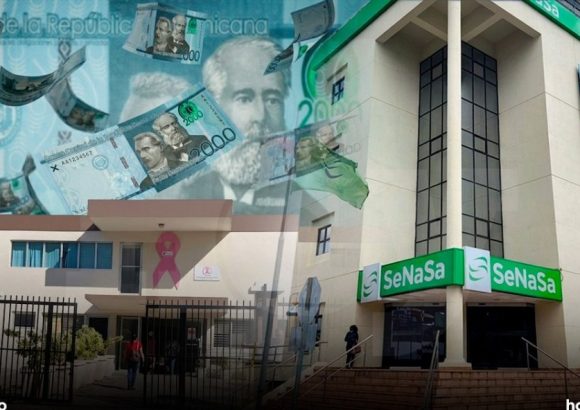
    In a landmark legislative move that will deliver direct financial relief to working people across the country, the National Congress has formally passed Law 30-26, legislation that codifies permanent full tax exemption for the 13th-month salary, more commonly known as the annual Christmas bonus.

    Unlike prior regulatory frameworks that imposed partial taxation on bonuses exceeding five times the national minimum wage, the new law makes clear that every worker will receive their full bonus amount with zero tax deductions, no matter how large the bonus payment is. To embed this protection in existing labor regulation, Law 30-26 adds a clarifying paragraph to Article 222 of the national Labor Code, explicitly reaffirming that the Christmas bonus tax exemption applies regardless of any salary cap.

    Rogelio Hernández, a prominent labor law attorney, broke down the regulatory history that contextualizes this new legislation. He explained that before the passage of Law 204-97 in 1997, any portion of a Christmas bonus that surpassed five times the minimum wage was classified as a taxable supplementary benefit, requiring workers to pay income tax on that excess amount. While Law 204-97 first established full exemption for Christmas bonuses, the new Law 30-26 removes lingering regulatory ambiguity by formally reaffirming and entrenching this policy in binding statute.

    “Now, under Law 30-26, the entire Christmas bonus is exempt, regardless of the amount. Whether a worker earns RD$500,000 or RD$1,000,000, they will receive the full amount as a Christmas bonus,” Hernández confirmed.

    Beyond the Christmas bonus tax exemption, Law 30-26 includes a broad package of fiscal reforms designed to strengthen national fiscal discipline and buffer the domestic economy against ongoing global economic instability. Key additional provisions include flexible payment plans for taxpayers, generous discounts for early tax payments, a nationwide tax amnesty program running through December 2026, and updated adjusted tax brackets for both individual earners and legal business entities. Critics had previously warned that outdated indexing of income tax brackets would push more workers into higher tax brackets and force increased tax payments, a concern that the new legislation addresses through its updated rate structure.

    The elimination of any partial taxation on Christmas bonuses puts an end to the long-standing issue of double taxation on worker compensation, a reform that labor advocates have championed for years to ensure working people retain the full benefit of their annual holiday pay.

  • The use of public force was necessary to remove the former president of the Cibao Oncology Center.

    The use of public force was necessary to remove the former president of the Cibao Oncology Center.

    What began as a legitimate 2018 appointment to lead the Cibao Regional Cancer Institute (IORC) ended in a forced expulsion seven years later, after the former leader refused to step down following the end of his two-year term and now faces criminal charges for diverting public funds meant for vulnerable low-income cancer patients.

    Héctor Antonio Lora Cruceta was formally named president of both IORC’s Board of Directors and its governing Board of Trustees on October 9, 2018, with a statutory term limit of just two years. When his tenure expired in 2020, Lora Cruceta refused to cede power, clinging to his position for an additional five years beyond his legal mandate. By October 2025, governing body officials had exhausted all administrative avenues to remove him, prompting the Board of Trustees to call an Extraordinary General Assembly on October 6 that year. During the meeting, members voted unanimously to install a new, legitimate Board of Directors led by Dr. Iván Alexis Mercader Mateo.

    Rather than comply with the democratic decision of the board, Lora Cruceta — who stands accused of heading a criminal network that siphoned off millions of pesos in funding for low-income cancer care — launched a barrage of legal appeals to block the transfer of power. His obstruction dragged on for weeks, until authorities launched Operation Oncol4, arresting Lora Cruceta and his remaining allied board members and initiating criminal proceedings against the group.

    Even after the unanimous vote to replace his leadership, Lora Cruceta and four other former board members — including his ex-wife Dilcia Vargas Sánchez, Thelma Sadi Rodríguez Báez, and Yanet Rodríguez — continued their efforts to reverse the outcome of the Extraordinary General Assembly. On October 23, 2025, the group filed a lawsuit seeking to invalidate the October 6 assembly, falsely claiming they still held legal authority to represent the institute. One week later, they filed a second civil suit to suspend the assembly’s results and request court-ordered asset sequestration of the board.

    In the most damaging act of obstruction, on November 7, the ousted former leaders used an official bailiff’s order to block the transfer of the Cibaeño Cancer Foundation’s financial securities to major local banking institutions including BHD Bank, Banco de Reservas, and the La Altagracia Cooperative, as well as to other authorized entities. This action severely disrupted the day-to-day operations of the non-profit cancer institute, which relies on consistent access to its funds to deliver care to vulnerable patients.

    It was not until October 15, 2025, that the legitimate new leadership was able to access the institute’s facilities. After repeated attempts to negotiate a voluntary transfer failed and Lora Cruceta and his allies refused to vacate the Board of Trustees’ premises, officials were forced to request intervention from state security forces to physically remove the illegal incumbents. Court documents supporting the use of coercive measures note that this intervention was unavoidable: up to that point, the ousted former leadership had actively blocked the legitimately elected October 6 board — comprising Mercader Mateo, Dr. Naly Antonia Cruz Ventura, Nicolás Edmundo de Jesús Guillén Guzmán, Edilma Inés Rodríguez Vargas, and Radhamés José Rosado Sánchez — from taking up their official posts and beginning their work.

  • The basic food basket has risen 534 pesos, representing 1.1% so far this year

    The basic food basket has risen 534 pesos, representing 1.1% so far this year

    Fresh official economic data from the Central Bank of the Dominican Republic (BCRD) confirms that both the cost of the national basic family food basket and overall inflation have maintained steady upward trajectories through the first five months of 2026, placing growing financial strain on household budgets across the country.

    By the end of May 2026, the average cost of the basic family food basket hit 49,268.36 Dominican pesos. This marks a 1.1% cumulative increase since the start of the year, equal to a 534.08 peso rise from the January 2026 average of 48,734.28 pesos. Price hikes have been observed across all income quintiles, with the highest-income fifth quintile recording the largest absolute increase at 1,378.43 additional pesos. Lower income brackets saw smaller but still notable increases: the lowest first quintile rose by 182.56 pesos, the second by 293.27 pesos, the third by 428.64 pesos, and the fourth by 529.15 pesos.

    Inflationary pressure has also not been evenly distributed across the Dominican Republic’s regions. Between January and May 2026, the East region experienced the steepest rise in basic food basket costs at 681.43 pesos, followed by the North region with a 591.94 peso increase and the Ozama region at 552.34 pesos. The South region saw the most moderate growth, with an overall increase of just 265.58 pesos.

    Overall national inflation has consistently outpaced the BCRD’s official target range of 4.0% ± 1.0% through the first five months of the year. Starting at 4.98% in January, inflation rose to 5.11% in April before climbing an additional 0.24 percentage points to 5.35% in May. Beyond food costs, rising prices for essential services and transportation have compounded increases to the overall cost of living.

    In the services sector alone, monthly inflation hit 0.42% in May 2026, driven largely by higher prices for personal care services. Year-over-year, services inflation reached 6.6% through May when compared to the same period in 2025. When breaking down inflation drivers across sectors, transportation recorded the largest cumulative price increase in the first five months of 2026 at 2.16%, making it the top contributor to overall national inflation. It was followed by services at 0.42%, restaurants and hotels at 0.41%, and health care at 0.36%.

    Not all sectors saw price growth, however. Five categories recorded modest price decreases through May 2026: recreation and culture (-0.98%), food and non-alcoholic beverages (-0.58%), communications (-0.16%), clothing (-0.10%), and furniture (-0.04%).

    Overall, the sustained upward trend in core living costs and above-target inflation has eroded Dominican households’ purchasing power through the first half of 2026, creating ongoing financial challenges for families covering daily basic needs.

  • Summer arrives with high temperatures and rain: Indomet explains what will happen today

    Summer arrives with high temperatures and rain: Indomet explains what will happen today

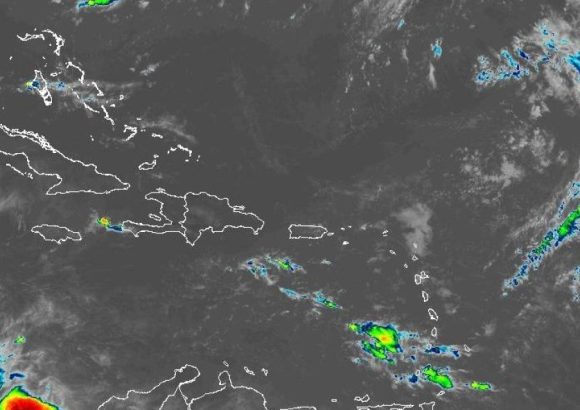
    The Dominican Republic’s national weather authority, the Dominican Institute of Meteorology (Indomet), has released a detailed forecast for this Sunday, outlining a day of shifting weather conditions driven by two key atmospheric factors: a passing tropical wave and lingering Saharan dust. According to the agency’s official update, Sunday morning will be dominated by a muted, grayish, opaque sky across the country, a visual effect caused by high concentrations of wind-carried Saharan dust particles lingering in the upper atmosphere. As the day progresses, the approaching tropical wave will trigger dramatic weather shifts in the afternoon, bringing heavy downpours, sudden thunderstorms, and gusty wind conditions to a wide swathe of national territory. Hard-hit areas will include the capital metropolitan region of Greater Santo Domingo, as well as the eastern and central provinces of La Altagracia, El Seibo, La Romana, Hato Mayor, San Pedro de Macorís, Monte Plata, San Cristóbal, Monseñor Nouel, and Sánchez Ramírez, with adjacent localities also expected to see severe weather activity. Beyond the immediate daily forecast, Indomet also reminded the public that June 21 marks the official start of summer in the Northern Hemisphere – the astronomical event that brings the longest period of daylight and shortest night of the calendar year. Compounding the weather conditions, Indomet confirmed that unusually high temperatures will persist across most of the Dominican Republic, driven by both the seasonal shift to summer and the insulating effect of lingering Saharan dust in the atmosphere. To help residents avoid heat-related illness, the institute has issued public health guidance, urging people across the country to maintain consistent hydration, wear loose, light-colored lightweight clothing that reflects sunlight, and limit prolonged exposure to direct sunlight, particularly during the peak heating window between 11:00 a.m. and 4:00 p.m.

  • Nigerian twins Taiwo and Kehinde marry identical pair with same names

    Nigerian twins Taiwo and Kehinde marry identical pair with same names

    In a celebration that has captured public imagination across Nigeria, two sets of identical and fraternal twins exchanged vows in a perfectly symmetrical joint wedding in Ibadan, the capital of Oyo State in southwestern Nigeria, leaving attendees and onlookers stunned by its one-of-a-kind charm.

    The event, held over two days, blended deep Yoruba cultural tradition with modern celebration, and every detail was designed to highlight the unique bond between the four participants. Twin sisters Taiwo and Kehinde Adediran, identical twins, walked down the church aisle arm-in-arm with their father to marry twin brothers Taiwo and Kehinde Oguntoye, fraternal twins. Both brides wore matching white gowns, while both grooms sported identical tailored suits paired with matching bow ties. A cohort of twin children served as page boys and flower girls, large promotional posters displayed the two couples sharing identical first names, and the official wedding hashtag #TwinningInLove2026 left no question about the event’s singular theme.

    When the processional began, guests stood from their seats en masse, holding aloft smartphones to capture the once-in-a-lifetime moment, a scene that drew curious crowds of passersby outside the church venue. “Twins marrying twins, really? This is my first time seeing this!” one onlooker shouted, as crowds clustered around the newlyweds for post-ceremony photos.

    For everyone in attendance, the perfectly matched union — with Taiwo Adediran marrying Taiwo Oguntoye and Kehinde Adediran marrying Kehinde Oguntoye — felt almost too serendipitous to be true. Following the ceremony, Taiwo Oguntoye spoke with reporters, his face glowing with joy. “We have always wanted to marry together and to marry twins,” he said. “And by the special grace of God, it happened. I am so happy to marry the love of my life!”

    Both sets of twins are native to Ibadan, a region that has gained widespread recognition for its unusually high twin birth rate, a demographic quirk that has shaped local cultural attitudes around multiple births. The Oguntoye brothers have built their public careers around elevating and celebrating twin culture: active in regional tourism and cultural outreach, they founded Twins World Creations and launched the Twin Tourism initiative to showcase the region’s unique twin heritage to the world.

    The couples’ love story stretches back years, beginning when a professor at the University of Ibadan introduced the brothers to the Adediran sisters. The four quickly built a close friendship, but when the Oguntoyes proposed moving the relationship beyond friendship to romantic courtship, the sisters turned them down. “We said no, we don’t want to date twins!” bride Kehinde Adediran shared with a laugh. The pair of twin pairs drifted apart, until the brothers reached out to reconnect years later. This time, the sisters agreed to give the relationship a chance.

    The event was rooted firmly in Yoruba cultural tradition, where twins have long held a unique, honored place in community life. Following longstanding naming customs, the first-born twin of any gender pair is traditionally named Taiwo, while the second-born receives the name Kehinde — a convention that created the unusual shared names for the marrying couples. It is also common in Yoruba culture for twins to wear matching outfits from childhood, often coordinating everything from shoes to jewelry to small accessories, a custom that shaped every part of the wedding weekend.

    The celebrations kicked off on Friday with a traditional Yoruba engagement ceremony, where both couples wore coordinated red formal outfits as relatives danced around stacks of ceremonial gifts presented by the grooms’ family to the brides’ family. The gifts included everything from staple food items like yams and bottled drinks to textiles and new luggage. Wedding portraits were carefully staged to highlight the similarities between the sibling pairs, all of whom are in their early 40s, and guests paused repeatedly throughout the day to compare the matching features and mannerisms of the twins.

    On Saturday, the celebration moved from the church ceremony to a sprawling, lively Yoruba owambe reception, a large, festive community gathering. When the newlywed couples made their grand entrance, smoke machines filled the venue entryway and flashing lights cut through the haze as guests cheered and lifted their phones to capture the moment. Dozens of other twins were in attendance among the hundreds of guests, adding to the unique atmosphere of the day.

    “I’ve always wished to marry a twin as well,” shared Kehinde Akanji, a 26-year-old friend of the grooms who attended the event alongside his own twin brother. “It’s our first time seeing something like this.” For Dupe Aduroja Giwa, the Alaga (traditional master of ceremonies for Yoruba weddings) who led the engagement ceremony, decades of officiating weddings had never prepared her for an event like this. “Twins from the same family marrying twins from the same family?” she said. “I have never seen this in my life. It is a privilege to be part of it.”

    As attendees and social media observers have noted, it is not every day that one Taiwo marries another Taiwo, and one Kehinde marries another Kehinde — a historic union that honors twin heritage and Yoruba culture all at once.

  • Jamaican ‘side hustles’ get $ 1 billion fund:  First Union initiative expected to benefit thousands

    Jamaican ‘side hustles’ get $ 1 billion fund: First Union initiative expected to benefit thousands

    KINGSTON, Jamaica — In a landmark move to address Jamaica’s growing demand for accessible small business financing, First Union Financial Company Limited has unveiled a J$1 billion dedicated initiative aimed at lifting up thousands of working Jamaicans pursuing side businesses and budding entrepreneurs across the island.

    Named the Employees’ Side-Hustle and Entrepreneur Micro Loan Revolving Fund Programme, the new initiative is crafted to remove the most persistent barrier holding back income-generating ventures across Jamaica: limited access to affordable capital. By opening up financing to individuals looking to launch new side projects, scale existing small operations, or solidify their business foundations, the fund targets three core long-term goals: expanding financial independence for Jamaican households, increasing rates of local business ownership, and driving sustained, inclusive economic growth across the country, the company outlined in an official statement.

    Jonalisa Brooks, Group General Manager of First Union Financial, explained that the program was directly shaped by shifting labor and economic trends across Jamaica. In recent years, the country has seen a sharp rise in full-time employees launching supplementary side businesses to boost their household income, a trend that created an unmet need for targeted financial support.

    “We have watched a significant shift unfold: more and more Jamaicans are balancing full-time roles while building their own small business ventures on the side,” Brooks shared. “Countless people across the country are searching for actionable ways to add to their income, provide more stability for their families, and build a more secure financial future. We saw a clear gap: there was no dedicated financing program built specifically to support these ambitions, so we built one.”

    Beyond supporting new side-hustle launches, the initiative also delivers much-needed working capital to established small business owners who are ready to scale their operations and grow their impact. Brooks emphasized that access to affordable capital has long been the single biggest challenge facing small and micro enterprise owners across Jamaica, and the fund is designed to directly close that gap.

    “For emerging and established small business owners alike, limited access to financing remains the top barrier to growth,” Brooks noted. “Through this revolving fund, we are delivering practical, accessible funding solutions that meet entrepreneurs where they are. Our commitment to serving the people of Jamaica — working employees and aspiring business owners alike — has never been stronger.”

    Qualified applicants will be able to access loans of up to J$2.5 million to support a broad range of viable income-generating activities. Eligible sectors include retail and wholesale trade, agriculture and agro-processing, local manufacturing, transportation and logistics, professional services, import and distribution, technology and digital businesses, along with other vetted profitable ventures.

    A key innovative feature of the program is its revolving fund structure, which creates a self-sustaining model of financing for future generations of Jamaican entrepreneurs. As current borrowers repay their loans, those funds are cycled back into the pool to issue new loans, ensuring that capital remains available to support new business founders long into the future.

    Brooks emphasized that the launch comes at a critical juncture for Jamaica’s economic recovery and long-term development, noting that many of the country’s most successful, industry-leading businesses started as small side projects run by hardworking founders. “Thousands of Jamaicans have the talent, the drive, and the game-changing ideas to build thriving, successful enterprises — but too often, they are held back simply because they can’t access the capital they need to get off the ground or grow,” she said. “This fund is built to unlock that untapped potential.”

    “Jamaica needs more entrepreneurs, more local business owners, and more local job creators,” Brooks added. “By investing in hardworking people who are ready to invest in themselves and their ideas, we are building stronger local communities, more resilient small businesses, and ultimately a stronger, more prosperous Jamaican economy.”

    First Union Financial is now encouraging all interested eligible Jamaicans to learn more about the program, reach out to company offices for detailed information on eligibility criteria and application processes, and take advantage of the new financing opportunity.

  • Million dollar mango market hit by middle east war

    Million dollar mango market hit by middle east war

    Under the blistering heat of southern Pakistan’s famed mango-growing region, farm workers perch precariously on thick tree branches, moving quickly to pluck ripe golden fruit and drop it into canvas sacks held by colleagues on the dusty ground below. It is peak mango season, but a sharp, unforeseen disruption tied to the ongoing Middle East crisis has upended the entire supply chain, leaving thousands of farmers and traders facing crippling financial losses this year. Pakistan, which has stepped in to mediate talks between conflict parties, has watched its agriculture-dependent economy get dragged into the crossfire of regional instability, with disastrous consequences for the country’s most iconic export crop.

    The annual mango harvest in Sindh province, the heart of Pakistan’s mango industry, kicked off in June. A preliminary ceasefire deal between warring parties announced by Pakistani mediators this week came far too late to salvage the 2024 export season, which wraps up in September. Traders and industry leaders confirm that total exports are on track to drop by at least 30% compared to last year, driven by plummeting demand in key regional markets and a four-fold surge in international shipping costs.

    In Tando Allahyar, the core of Pakistan’s mango cultivation belt, orchard manager Mohammad Shakeel oversees fields of the premium Sindhri variety – a golden-skinned mango celebrated across South Asia for its rich, sweet flavor and juicy pulp, named for the province where it thrives. Today, Shakeel says he is staring down losses so severe that many independent contractors have walked away from harvest contracts entirely, abandoning their advance deposits rather than risking further debt. “So many losses have been incurred, the contractors have even left their advance money,” he told AFP in an interview on the orchard floor.

    Pakistan is the world’s fourth-largest mango exporter, growing more than two dozen commercial varieties that normally generate roughly $110 million in annual export revenue. The “king of fruits,” as it is known across South Asia, is not just an economic staple but a cultural icon for the country. The current crisis lays bare the deep geopolitical vulnerability of Pakistan’s economy, which relies heavily on an agricultural sector already grappling with growing climate disruptions ranging from extreme heatwaves to catastrophic flooding.

    Waheed Ahmed, Chief Patron of the All Pakistan Fruit and Vegetable Exporter Association, explains that nearly 80% of Pakistan’s mango exports go to markets in the Gulf region, Iran, and neighboring Afghanistan – all areas that have been gripped by escalating conflict and political instability in recent months. “The border to Afghanistan is closed, there is war in Iran… there is war in the entire Middle East,” Ahmed noted. He projects that total mango exports will fall from around 110,000 tonnes last season to just 80,000 tonnes this year, a 27% drop that aligns with trader forecasts of a 30% decline in export revenue.

    While Ahmed welcomes the preliminary US-Iran ceasefire announced this week, the agreement came too late to reverse the damage to this year’s harvest, and long-term uncertainty remains for future seasons. “The main challenges still remain,” he said. Persistent conflict along Pakistan’s western border with Afghanistan has already frozen cross-border trade, leaving hundreds of loaded trucks stranded at closed crossings for months. Meanwhile, escalating tensions around the Strait of Hormuz – the world’s busiest maritime oil trade route – have driven up global energy prices, pushing shipping costs to unprecedented levels. Last year, Ahmed says, a 25-tonne container of mangoes cost roughly $1,400 to ship to key Gulf markets. This year, that same container costs between $6,000 and $7,000, a more than 300% increase that prices most exporters out of the international market.

    Any hopes that flooding the domestic market with cheap, surplus mangoes would offset lost export earnings have quickly been dashed by broader economic pressures spurred by the regional conflict. Pakistan’s inflation rate jumped from 5.5% in the pre-conflict July-February period to 10% in the three months after hostilities escalated, according to official government data. Soaring prices for basic goods including bread, fuel, and housing have left working-class Pakistani households unable to afford even the deeply discounted mangoes now available in local markets.

    At a bustling open-air market in Karachi, Pakistan’s largest and most economically diverse city, customer Muhammad Ashad examined stacks of plump, cheap mangoes priced at 200 Pakistani rupees (roughly $0.72) per kilogram – exactly half the price he paid last year. “Mangoes are very cheap this time compared to the last few years… because our export has stopped,” he explained. “I am seeing everywhere that there are very good mangoes, but people are still not able to buy them.”

    Shakeel, the orchard manager, says the dynamic creates a lose-lose situation for producers and consumers alike. Local prices are at rock bottom, but millions of households cannot afford to purchase the fruit even at half the 2023 price. “In the local market, the price is low. But not everyone can afford to buy mangoes. Look at the state of the country: expenses are rising… income is low. Should they buy their bread first or our mangoes?” he asked. For Pakistan’s $110 million mango industry, the 2024 harvest will go down as a cautionary tale of how regional geopolitical instability can quickly unravel the livelihoods of millions of people working in one of the country’s most important agricultural sectors.

  • Puerto Plata Dominican Republic Navy assists 4 people of different nationalities in Atlantic waters

    Puerto Plata Dominican Republic Navy assists 4 people of different nationalities in Atlantic waters

    In a coordinated early-morning rescue operation on Saturday, June 20, the Dominican Republic Navy safely extracted four stranded mariners from disabled recreational watercraft off the country’s northern Caribbean coast, following an urgent distress alert relayed by an international commercial cargo ship. The group of travelers, holding citizenship from the United States, the Bahamas, and the Dominican Republic, had set out from the Turks and Caicos Islands bound for Ocean World, a popular marine attraction in Puerto Plata, traveling aboard one small recreational boat and three personal jet skis before their vessels developed critical navigation issues that left them adrift in open water.

    After the recreational craft lost propulsion and became stranded, the crew of the Liberian-flagged merchant tanker STOLT ACER first located the group at their reported geographic coordinates, then issued an urgent request for additional assistance to Dominican maritime authorities. Promptly activating established international maritime search-and-rescue protocols, Dominican naval command dispatched surface vessels to the distress site to complete the transfer of the four stranded travelers from the merchant ship to Navy rescue craft.

    Naval personnel safely brought all four survivors ashore at the Ocean World facility in Puerto Plata, where they were immediately transferred to the Dominican National Emergency and Security System 9-1-1 for routine preventive medical check-ups. None of the rescued travelers reported serious injuries following the incident.

    Following the successful operation, Dominican Navy leadership highlighted that the mission underscores the service’s ongoing commitment to protecting human life in maritime areas under the country’s jurisdiction, maintaining constant surveillance of territorial waters, and upholding global maritime safety standards for all seafarers, regardless of nationality or vessel type.

  • Who was Francesca Valentino, the Italian tourist who died in the Bayahibe fire?

    Who was Francesca Valentino, the Italian tourist who died in the Bayahibe fire?

    Last Friday, a destructive blaze tore through the Viva Wyndham Dominicus Beach hotel, a popular resort destination located in the Dominican Republic’s coastal town of Bayahibe, leaving one fatality: 45-year-old Italian national Francesca Valentino, a mother of two who was on the island visiting family. Authorities have officially confirmed that Valentino, who was scheduled to celebrate her 46th birthday this coming July, passed away due to life-threatening complications caused by smoke inhalation from the fire.

    The rapid spread of the fire triggered an emergency evacuation protocol that displaced more than 1,700 registered guests staying at the beachfront property. Following the evacuation order, local emergency teams and resort management coordinated to relocate all displaced guests to alternative accommodation, including a collection of nearby hotels and Viva Wyndham Dominicus Palace, the resort brand’s adjacent sister property that has continued operating without any disruptions since the incident.

    Early findings from ongoing investigative work point to two key factors that allowed the flames to spread across the property at an accelerated pace: strong regional wind conditions on the day of the fire, and the high flammability of the resort’s thatched roofing. At present, a dedicated technical investigative commission is still conducting detailed examinations to pinpoint the exact origin and root cause of the blaze.

    In an official statement released following the tragedy, representatives of the Viva Wyndham hotel complex extended their deepest, sincere condolences to Valentino’s grieving family. The statement also reaffirmed the resort’s longstanding commitment that the safety and security of all guests and staff members remains its uncompromised top priority.