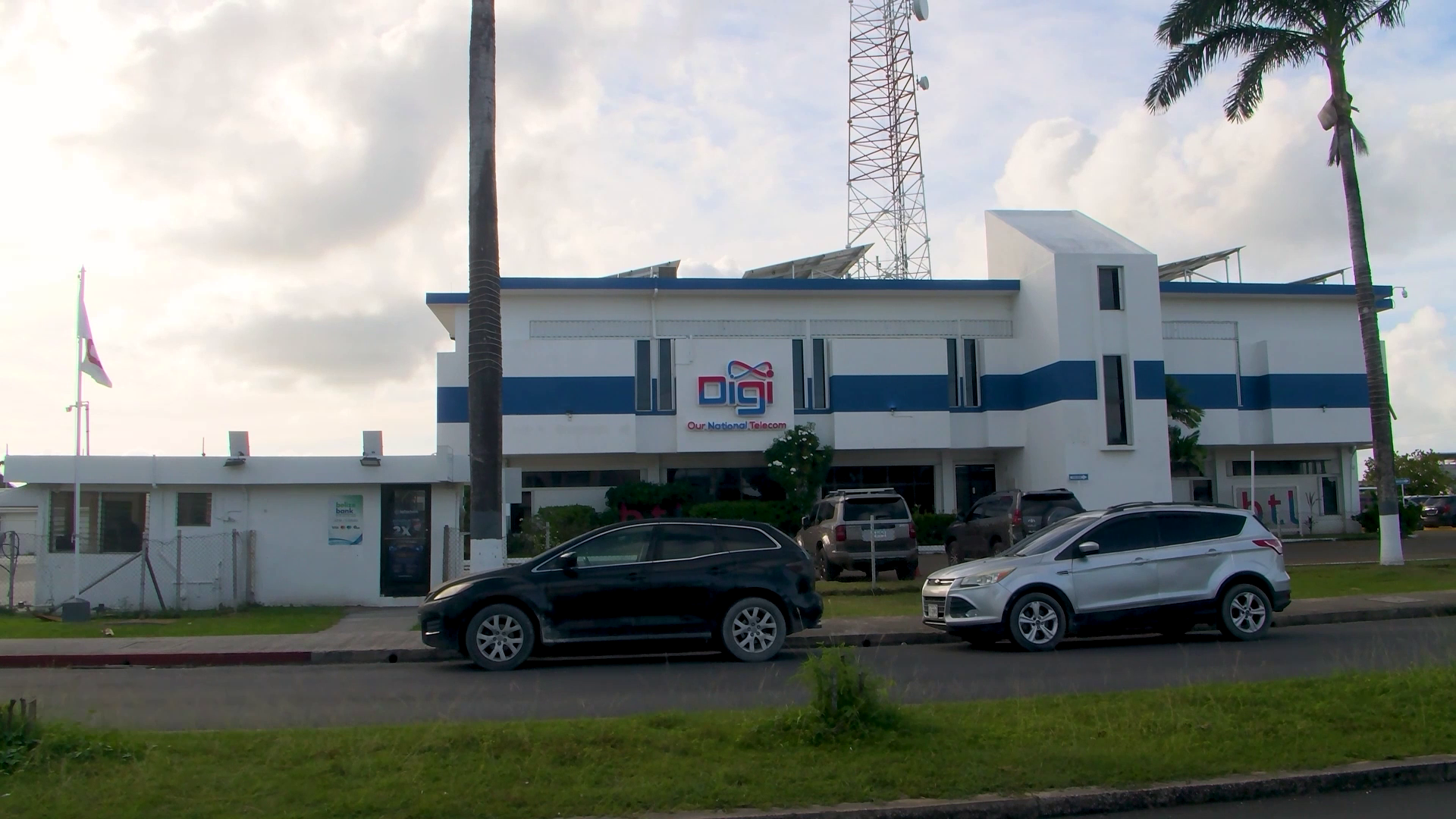
As the proposed consolidation between Belize Telemedia Limited (BTL) and Speednet moves forward, growing concerns over the potential creation of a national telecommunications monopoly have become the central point of debate for the deal. In a direct response to these widespread worries, BTL Chairman Markhelm Lizarraga has pushed back against claims that the merger would eliminate competition and lock out new market entrants, offering a detailed explanation of why the consolidated entity would not function as an unregulated monopoly.
Lizarraga emphasized that Belizean existing regulatory framework already includes provisions for open market access through what is known as an MVLO (Mobile Virtual Network Operator) structure. Under this system, any entrepreneur or organization seeking to launch a new telephone service can leverage BTL’s existing network infrastructure, which already has excess capacity to support additional providers. This means new brands can enter the market fully under their own identity, using BTL’s backbone to deliver services without needing to build their own nationwide network from scratch.
Addressing questions around whether BTL would exercise undue control over new entrants, Lizarraga clarified that while services run on the national infrastructure managed by BTL, this does not equate to full control over independent operators. Beyond the voice telecommunications market, he also noted that consumers in Belize already enjoy multiple options for internet connectivity outside of BTL and Speednet. The country already hosts a range of competing data service providers across the nation, giving consumers choice for one of the most in-demand communications services today.
Lizarraga’s stance aligns with comments made earlier this year by Belize’s Minister of Public Utilities, Michel Chebat, who also rejected the likelihood of the merger resulting in a monopoly when questioned on the topic. This report is a transcript of an evening television news segment that originally aired on August 11, 2026.