博客

  • ‘Absolutely insane’

    ‘Absolutely insane’

    Thirty-three years ago, a young Jamaican girl growing up between extended family in St James’ rural communities could scarcely have imagined that one day her work would grace the pages of *Vogue* and *The New York Times*, and that she would bring elite global brands’ boldest creative visions to life. Today, that girl — Traci Rhynie, a New York-based executive producer — has built a career shaping events and immersive experiences for household names spanning Netflix, Nike, Spotify, Estée Lauder, Tom Ford, and Victoria Beckham. But even as she climbs the ranks of the global creative industry, she has never strayed from the core values instilled in her during her island childhood.

    Rhynie’s childhood unfolded against the quiet rhythm of rural Jamaica, while her parents worked overseas. Raised by a sprawling network of aunts, cousins, and extended family, she built deep, lasting bonds that anchored her early years. Looking back, she laughs that as a child, she bristled at the simple, farm-centered lifestyle that felt alien to what she had known. But as she grew, she came to recognize those years as the foundation of the resilience and gratitude that would carry her through every challenge ahead.

    When Rhynie finally joined her parents in the United States, she stepped into a bittersweet new chapter. Like countless first-generation immigrant youth, she navigated the delicate balancing act of adapting to a new culture while holding fast to her Jamaican identity. That awkward, often challenging transition would ultimately forge the quiet confidence and unshakable determination that later propelled her career forward.

    Ironically, event production — the field that would earn Rhynie international acclaim — was never part of her original plan. Enrolled at New York’s Fashion Institute of Technology to study fashion merchandising, she stumbled unexpectedly on a deep passion for event production and experiential marketing. What began as a passing interest in fashion bloomed into a career centered on turning abstract creative concepts into unforgettable, immersive experiences for audiences around the world.

    Over the last decade, Rhynie has led high-stakes projects for leading brands across fashion, beauty, and entertainment, with her work featured in top-tier publications from *Harper’s Bazaar* and *Essence* to *People Magazine* and *The New York Times*. Even now, she admits that her success feels surreal. “For a girl coming from Jamaica, this is absolutely insane,” she says.

    Just as her career began to gain momentum, Rhynie faced the hardest fight of her life. At 25, a lump on her neck led to months of testing and biopsies, and ultimately a diagnosis of stage 2B Hodgkin’s lymphoma. “I remember when they told me I was like, ‘No way God is going to put me through this thing,’” she recalled, the memory still sharp.

    What followed was a grueling gauntlet of surgery, chemotherapy, and endless uncertainty that forced the 25-year-old to confront questions no young person expects to face. But even in her darkest moments, her faith became an unbreakable anchor. “God had me, man. That’s all faith,” she said of the harrowing experience.

    That battle rewrote Rhynie’s perspective on life and purpose. During treatment, she watched other patients — including young children — fight their own brutal battles with cancer, and realized her struggle was not hers alone. Instead of letting her diagnosis define her, she chose to find purpose in her pain, shifting her mindset from asking “why me” to wondering how her journey could lift up others facing similar hardship.

    Years later, Rhynie is cancer-free, a victory she counts as one of the greatest blessings of her life. That blessing was soon followed by one of the proudest professional milestones of her career: not long after her recovery, she was tapped to executive produce Rodarte’s iconic New York Fashion Week show, an ambitious production that staged a runway presentation in a cemetery with backstage operations hosted at a historic church across the street.

    The unconventional concept demanded months of meticulous coordination and problem-solving, and Rhynie embraced every challenge. On the day of the show, light rain began to fall mid-presentation. What could have derailed the entire production instead amplified its haunting, dramatic tone, creating an unforgettable moment of unexpected beauty that still resonates with attendees and the creative team today.

    For Rhynie, the successful show was far more than a professional win — it was a deeply personal triumph. “I didn’t think I was going to be able to even come out of cancer, but to be able to do that after cancer…that meant the most to me,” she explained. The experience cemented a lesson she still carries with her: every obstacle can become a stepping stone to greater purpose.

    Today, as an accomplished executive producer, director, and business development leader, Rhynie continues to craft immersive experiences for global audiences while advocating for better representation and more opportunities for immigrants and people of color in industries where they have long faced systemic barriers. Through every project and every achievement, she remains rooted in the lessons she learned growing up in Jamaica: treat everyone with respect, and cherish every opportunity that comes your way.

    For Rhynie, success has never been just about climbing the career ladder. It is about lifting as you climb, opening doors for others who come after you, and staying true to the roots that made her. To young Jamaicans with big dreams of their own, her message is uncomplicated: “Go for your dreams, no matter what age you are. Don’t let anyone stop you from accomplishing those dreams.”

    From a small girl with big dreams in rural Jamaica to a leader shaping global creative experiences, Rhynie’s story is a powerful testament to what talent, resilience, faith, and determination can make possible. When asked how she hopes to be remembered, her answer has nothing to do with awards or career milestones. “As someone that is very kind, very strong, and thankful, by the grace of God,” she says. It is a legacy she builds one day, one project, one act of faith at a time.
  • Iran ceasefire deal confirms military might doesn’t work

    Iran ceasefire deal confirms military might doesn’t work

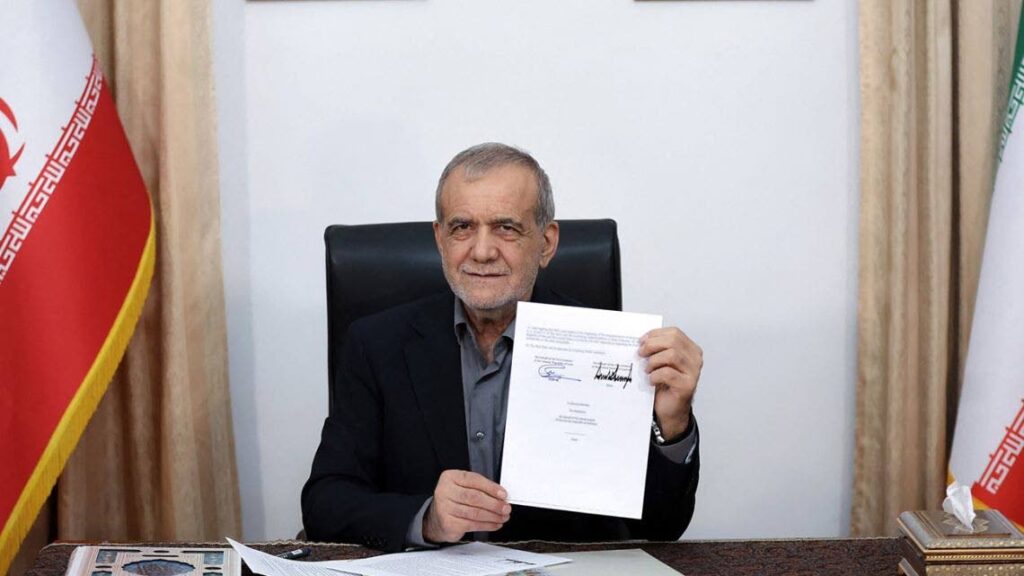
    Four months after former US President Donald Trump and Israeli Prime Minister Benjamin Netanyahu launched a full-scale military campaign against Iran with sweeping maximalist goals, a 14-point preliminary memorandum of understanding (MoU) signed June 17 has formally ended the devastating conflict, leaving the core ambitions of the US-Israeli coalition in tatters and marking a defining turning point in Persian Gulf geopolitics.

    At the outbreak of hostilities on February 28, the two leaders laid out unambiguous, far-reaching war aims: the total elimination of Iran’s nuclear and ballistic missile programs, the forced end of Tehran’s support for regional allied groups including Hezbollah, the Houthis and Hamas, and a complete regime change in Iran. Today, the text of the ceasefire agreement stands in stark contradiction to the bombastic, overconfident rhetoric that launched the war.

    Few international analysts predicted the outcome now unfolding, notes Arshin Adib-Moghaddam, professor of global thought and comparative philosophies and co-director of the Centre for AI Futures at SOAS University of London, who authored this analysis. Adib-Moghaddam counts himself among the small group that foresaw this result: as early as 2012, he publicly warned that no military campaign could succeed in curbing Iran’s nuclear program, adding that US officials already knew this fact and had explicitly warned Israel of the same outcome.

    In the opening weeks of the conflict, after waves of intense airstrikes targeted more than 900 locations across Iran, both Trump and Netanyahu repeatedly claimed the Islamic Republic’s military infrastructure had been irreparably broken. Trump repeatedly insisted victory was imminent, falsely asserting that Iran had “nothing left in a military sense.” He promised that US forces would “destroy their missiles and raze their missile industry to the ground” completely, and called on the Iranian public to rise up against their government, framing the conflict as a path to guaranteed regime change. Netanyahu echoed these claims, positioning the war as a once-in-a-generation opportunity to forcibly redraw the Middle East’s geopolitical landscape to suit Israeli and Western interests.

    But on-the-ground developments and declassified intelligence quickly exposed these claims as baseless hubris. While Iran sustained heavy structural damage to infrastructure, the country retained its full strategic depth, adapted quickly by dispersing critical military equipment, and launched sustained retaliatory missile and drone strikes across the region against coalition assets. Far from collapsing the Iranian government, the external attack unified the population and strengthened the country’s state institutions, hardening public and elite resistance to foreign coercion.

    The terms of the signed MoU make clear that Washington ultimately entered negotiations with Tehran as an equal sovereign power, not a victor dictating surrender terms to a defeated enemy. On three core pillars, the agreement directly reverses the original war aims of the US-Israeli coalition.

    First, the framework legally binds the United States to respect Iran’s full territorial integrity and to abstain from any interference in Iran’s internal affairs. For an administration that spent months demanding regime change, this clause serves as a formal legal recognition of the Islamic Republic’s legitimacy and permanence, echoing the 1981 Algiers Accords, in which the US committed to non-intervention and the unfreezing of Iranian assets in exchange for the release of American hostages held after the 1979 revolution. Facing the reality of an intact, fully functional Iranian government, Trump dramatically reversed his rhetoric at the recent G7 summit, claiming “I never cared about regime change” and describing Iran’s negotiation team as “rational, strong, and smart.”

    Second, the MoU requires the immediate lifting of the US naval blockade on Iran, the implementation of emergency US Treasury waivers to allow the full resumption of Iranian crude oil exports, the unfreezing of up to $100 billion in Iranian assets that had been restricted under US sanctions, and the creation of a $300 billion international reconstruction fund to support Iran’s post-war economic recovery. This outcome confirms what long-term analysis of Iranian resilience has repeatedly shown: economic blockades and pressure campaigns ultimately fail when paired with Iran’s asymmetrical regional deterrence capabilities. As Adib-Moghaddam argued as early as 2011 on Al Jazeera, sanctions, coercive diplomacy and even full-scale war cannot break Iran: Iranian society is deeply connected globally, and its state and economy are far more agile than Western policymakers have consistently assumed. Tehran’s long-stated threat to close the Strait of Hormuz, the world’s most critical energy chokepoint, also proved a far more potent deterrent than US and Israeli leaders were willing to acknowledge.

    Most notably, the MoU is striking for what it omits entirely. There is no requirement for Iran to dismantle its ballistic missile program, and no clause mandating that Iran sever its ties to regional allied groups. The ceasefire also explicitly applies to “all fronts,” requiring an end to hostilities in Lebanon – a major concession that puts Netanyahu in a difficult position, as he has previously vowed to maintain an Israeli security zone in southern Lebanon.

    For the global order, this agreement marks a profound structural shift in Middle Eastern politics. By launching a high-intensity military campaign and failing to achieve even one of their core stated goals – neither destroying Iran’s core military capabilities nor toppling its government – the US and Israel have inadvertently demonstrated the clear limits of Western military power in the region. No amount of propaganda from pro-war lobbying groups or opposition factions can alter this on-the-ground reality.

    The world is rapidly shifting toward a more distributed non-polar order, one that has moved beyond the post-Cold War Western-dominated system. The US-Iran MoU will stand as a historic marker: a moment when the rhetoric of unchallenged superpower power gave way to the practical necessity of diplomatic negotiation and accommodation with a sovereign, resilient state. Adib-Moghaddam notes that this long-predicted shift is now a concrete reality, and hopes regional and global policymakers will finally learn the lessons of this ill-fated war.

  • Trump Threatens Iran as High-Stakes Nuclear Talks Begin in Switzerland

    Trump Threatens Iran as High-Stakes Nuclear Talks Begin in Switzerland

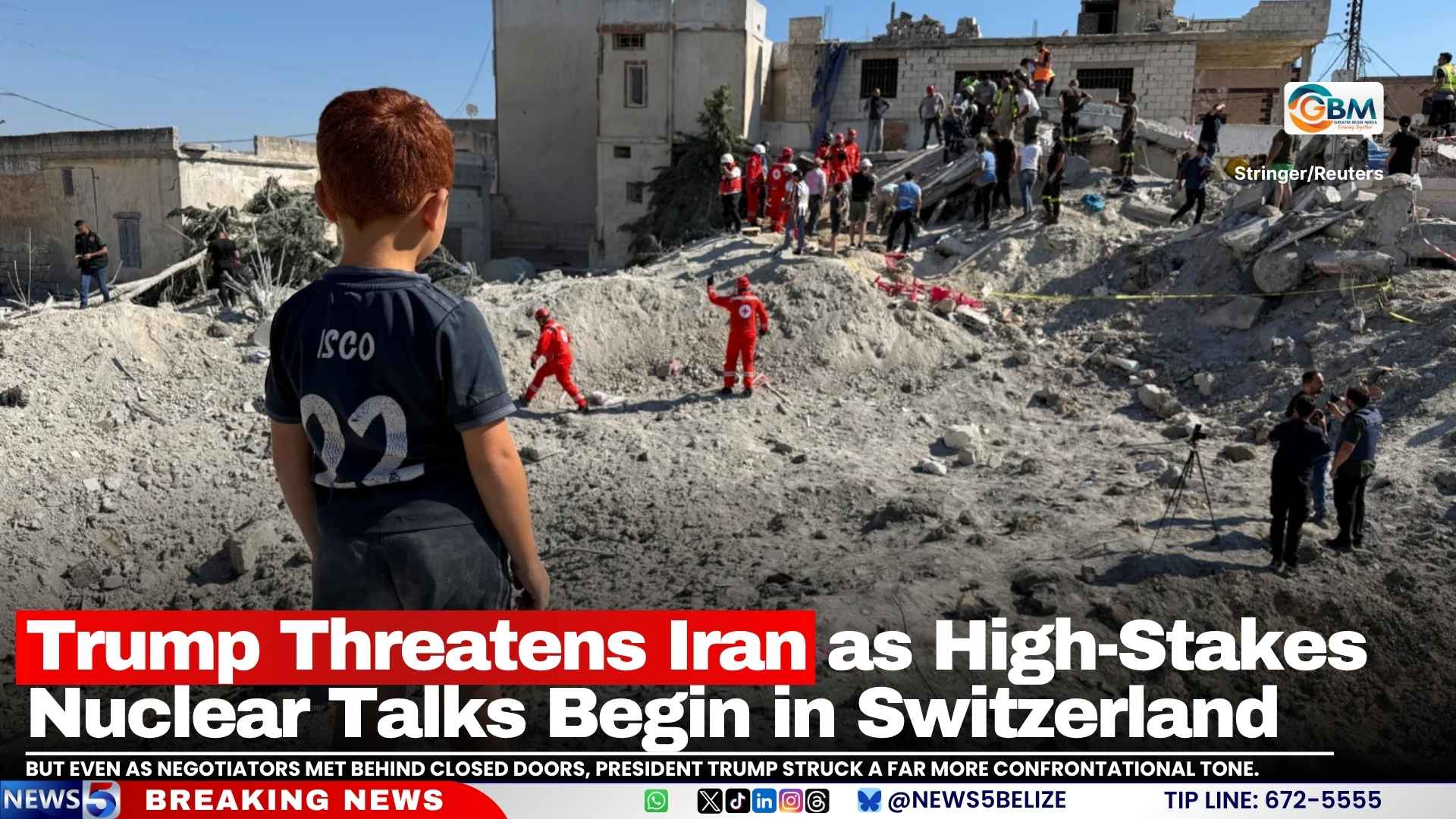
    On June 21, 2026, long-awaited high-stakes negotiations between the United States and Iran kicked off in Switzerland, bringing fresh hope and deep uncertainty to the Middle East’s most intractable diplomatic standoff. But just as negotiators sat down behind closed doors, a stark public split between U.S. diplomatic messaging and presidential rhetoric threw the process into question, as former President Donald Trump issued a series of aggressive threats against Tehran that cast a shadow over the opening talks.

    The discussions, which follow a preliminary memorandum of understanding signed by both sides last week, are being led on the American side by Vice President JD Vance, with senior Iranian national security officials representing Tehran. Unlike the informal exploratory talks held in recent months, this round has been framed by negotiators as the first phase of substantive final agreement negotiations, with three core priorities dominating the agenda. The first and most high-profile is Iran’s contested nuclear program, which has been a flashpoint for international tension for more than two decades. The two remaining flashpoints are the ongoing violent conflict in Lebanon involving Iran-backed militant group Hezbollah, and the future security and governance of the Strait of Hormuz — the narrow strategic waterway that carries roughly 20% of the world’s daily oil trade, making it one of the most critical global energy chokepoints.

    Diplomats with direct knowledge of the initial proceedings told reporters that both sides have entered what they characterized as an “open dialogue,” working to map out the structural framework for a binding final agreement that could resolve decades of bilateral hostility. Ahead of the official start of negotiations, Vance struck a measured, pragmatic tone, outlining the Trump administration’s core conditions for a normalized relationship. “The United States stands ready to improve bilateral relations with Iran if Tehran abandons its role as a driver of regional instability and gives up all ambitions to develop a nuclear weapon,” Vance said in his opening public remarks.

    But any momentum from the opening of talks was quickly undermined by Trump’s comments during a Friday interview with Fox News, where the president adopted a far more belligerent stance toward Iran. The president threatened that the U.S. would resume direct military action against the country if negotiators failed to reach a satisfactory final agreement, and went a step further by suggesting the U.S. could seize direct control of the Strait of Hormuz in the event of a collapsed deal. “We may take over the Strait if we have to,” Trump told the network. “If they don’t make a deal, we’ll collect tolls” from commercial vessels passing through the waterway.

    Trump doubled down on the threat in comments directed specifically at the Iranian negotiating team, warning that if Iran followed through on its recent pledge to close the strategic waterway, “you won’t have a country.”

    The president’s aggressive rhetoric came in direct response to an announcement from Iranian officials made one day before the talks opened. On Saturday, Iranian leaders said they would move to close the Strait of Hormuz in retaliation for what they call repeated Israeli violations of a fragile ceasefire agreement in Lebanon, and for what they say are ongoing failures by the United States to uphold the commitments it made in last week’s preliminary memorandum.

  • Antigua and Barbuda expresses support for BVI’s aspirations for greater self determination

    Antigua and Barbuda expresses support for BVI’s aspirations for greater self determination

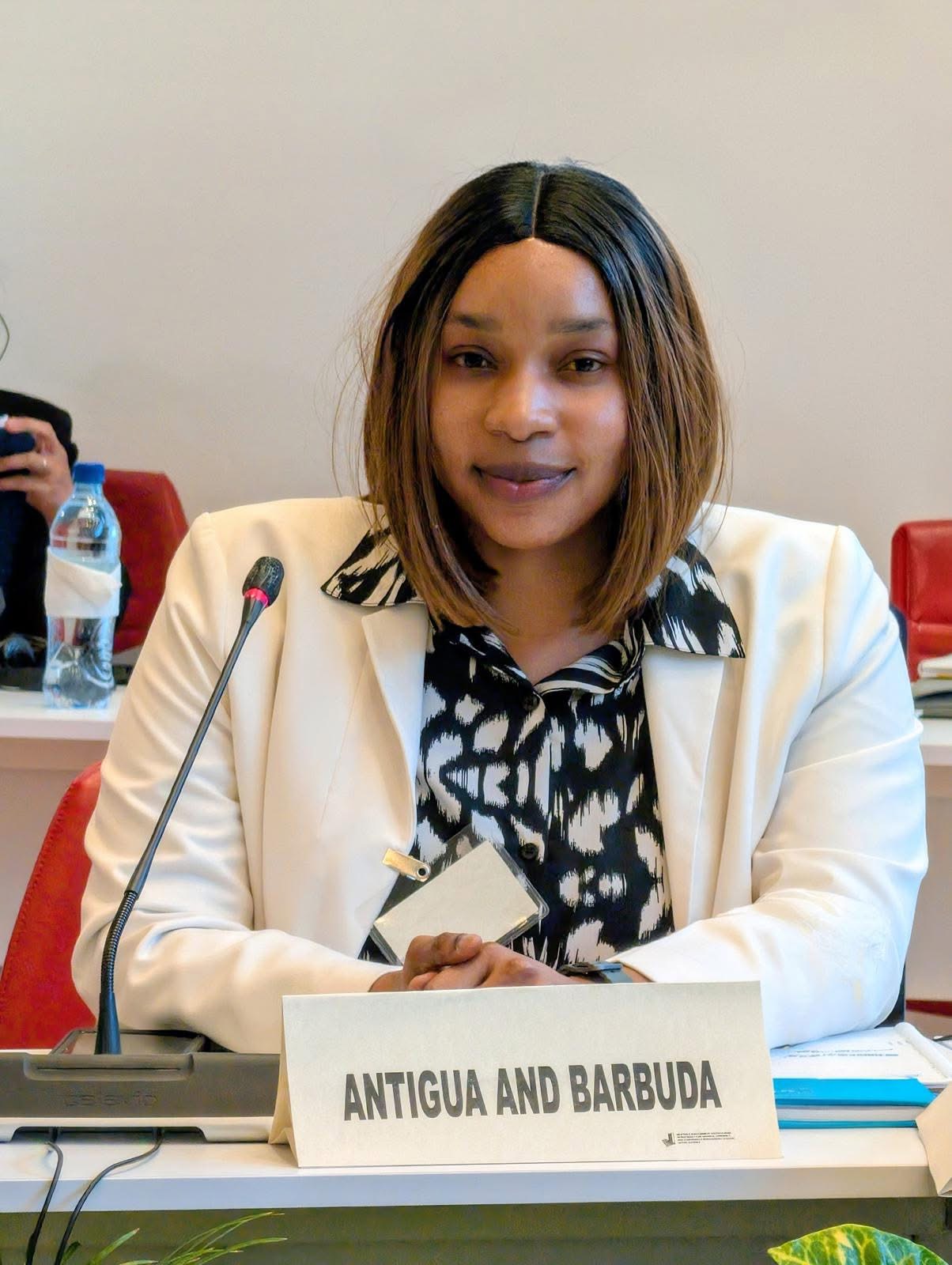
    MANAGUA, NICARAGUA – In a recent gathering focused on advancing global decolonization goals, representatives from Antigua and Barbuda have publicly reaffirmed their longstanding solidarity with the Government and people of the British Virgin Islands (BVI) as the territory pushes forward its pursuit of full political self-determination. For nearly a quarter of a century, Antigua and Barbuda has leveraged its position within a key United Nations body – the Special Committee on the Situation with Regard to the Implementation of the Declaration on the Granting of Independence to Colonial Countries and Peoples – to champion the cause of political independence for multiple non-self-governing territories across the Caribbean, including the BVI. This work aligns with the United Nations’ ongoing framework of the Fourth International Decade for the Eradication of Colonialism, a global initiative dedicated to ending colonial rule worldwide. The Special Committee convened its annual Caribbean Regional Seminar in Nicaragua this year, a key gathering that brings together regional stakeholders, envoys, and representatives to advance the decolonization agenda. During the seminar, BVI Special Envoy Benito Wheatley presented a comprehensive update on the territory’s upcoming constitutional negotiation process with the United Kingdom, the current administering power for the BVI. Representing Antigua and Barbuda at the Central American seminar was Dr. Jerri-Anne Jeremy, Second Officer of Antigua and Barbuda’s Permanent Mission based in New York. In her address to assembled delegates, Dr. Jeremy explained that Antigua and Barbuda’s support for the BVI’s self-determination journey is deeply rooted in shared experience: the two nations are bound by overlapping colonial histories, close cultural connections, and generations of familial ties. She emphasized that Antigua and Barbuda’s own transition from a former British colony to an independent sovereign state has given the nation a unique and personal commitment to supporting other territories still working toward full self-governance. “We continue to regard the decolonization process as one of the United Nations’ most important responsibilities, and we reaffirm our full commitment to the core objectives of the Fourth International Decade for the Eradication of Colonialism,” Dr. Jeremy stated during her remarks. Dr. Jeremy also extended formal congratulations to the BVI government on the completion of its landmark legislative reform initiative, widely described as the most sweeping package of governance changes in the territory’s history. She specifically noted that these progressive reforms directly enabled the United Kingdom to lift the previous Order in Council, a controversial regulatory measure that had allowed for the full suspension of the BVI’s constitution and the imposition of direct UK rule over the territory. Dr. Jeremy made clear that while Antigua and Barbuda remains a committed close partner to the United Kingdom, the nation recognizes that constructive collaboration between the administering power and the BVI government is critical to the continued strengthening of democratic governance institutions within the territory. Beyond the constitutional reform process, Dr. Jeremy highlighted the BVI’s growing leadership footprint across regional and international multilateral bodies, noting that the territory already holds prominent positions in the Economic Commission for Latin America and the Caribbean (ECLAC), the Caribbean Development and Cooperation Committee, the Regional Conference on South-South Cooperation, and the BVI-UN Sustainable Development Forum. “These collective achievements clearly demonstrate the territory’s growing institutional maturity and its expanding capacity to participate meaningfully and effectively in both regional and global affairs,” Dr. Jeremy observed. Antigua and Barbuda has been an active member of the UN Special Committee on decolonization for 23 years, with the nation’s former Permanent Representative to the United Nations, Dr. Walton Webson, once serving as chair of the committee. In addition to the BVI, five other remaining Caribbean non-self-governing territories fall within the scope of the committee’s regional work.

  • NCF revives return of Large Mas’ to Crop Over

    NCF revives return of Large Mas’ to Crop Over

    After 15 years absent from Barbados’ iconic national Crop Over Festival, the grand tradition of large-scale masquerade costumes is poised for a vibrant comeback, spearheaded by the National Cultural Foundation (NCF) through a targeted new revitalization initiative.

    Large masquerade, or “Large Mas’”, was last showcased competitively as part of the festival’s Kings and Queens of the Bands competition, which was held alongside the popular Cohobblopot show until its cancellation in 2009. Back then, the long-running event was discontinued amid growing concerns over declining participant numbers and a perceived drop in the quality of large costumes entering the competition. Rather than immediately reviving the cutthroat competitive format, the NCF took a collaborative, inclusive approach to rebuilding the tradition from the ground up. The organization put out an open call for costume concept proposals across six carefully curated thematic areas, inviting designers and creative teams of all backgrounds to submit their ideas.

    The call for submissions, accompanied by official Terms of Reference circulated in May, drew an enthusiastic response: 19 distinct proposals were received from 14 different designers and collectives, spanning a wide range of ages and professional experience levels. Every submission reflected a deep, shared passion for the Large Mas’ art form and its irreplaceable role in Barbados’ most celebrated cultural festival. To evaluate the proposals, the NCF assembled an expert panel of three former chief judges of the Kadooment parade, the closing event of Crop Over: Omowale Stewart, Joan Cuffy, and Khalil Goodman. After rigorous assessment across the six thematic categories, the panel selected one winning concept for each theme to move into full production.

    Carol Roberts, Chief Executive Officer of the NCF, emphasized that the initiative centers the deep cultural value and untapped creative potential that Large Mas’ brings to the Crop Over Festival. “The six themes selected for the design of these costumes celebrate our history, our heritage and the spirit of the festival,” Roberts explained. “Each designer has been challenged to produce a costume that reflects their unique perspective, sustainability and innovation. I am truly looking forward to the end results of this initiative.”

    To build on the renewed public and creative interest in Large Mas’, the NCF also partnered with the Pinelands Creative Workshop to host a specialized Wire Bending Workshop held between May 21 and 26. The hands-on training session was led by Valentine Jerry, a veteran Trinidadian carnival arts educator based at the Carnival Yard Campus of the University of the West Indies Trinidad and Tobago. The workshop gave emerging and practicing designers direct, practical training in the core technical skills required to build structurally sound, elaborate large masquerade costumes, strengthening local capacity in the cultural creative sector.

    Andrea Wells, Chief Cultural Officer of Barbados, framed the initiative as a long-awaited return to one of Crop Over’s most impressive showcases of creative skill and imagination. “The 2026 Large Mas Project is a return to a showcase of some of our designers’ most exciting challenges of the season,” Wells noted. “The six designers selected represent three generations of masquerade practice, so we’re looking forward to their output in this project.”

    The six selected winning designs span themes central to Barbadian identity, history, and culture: King of Crop Over Trevor Chase designed *Keeper of the Canes*; Neil Stanley, a former Queen of Crop Over, created *Queen of Crop Over*; Harding Gordon Ashby submitted *Harding’s Fiery March Kaiso; Kaiso, Kaiso Emancipation*; Troy Burgess’ concept is titled *Rise of the Ancestors*; and the team of Wayne Smith and Adrian Burnett designed *Continuum: Folklore to Future* to mark Barbados’ 60th anniversary of independence.

    The NCF describes the 2026 Large Mas Project as a critical first step toward encouraging broader creative participation in the tradition, while honoring the artistry, centuries-long history, and dramatic spectacle that have been integral to the Crop Over Festival for generations. Beyond reviving a beloved cultural practice, the foundation’s core goals include supporting both established veteran designers and emerging new talent, strengthening technical skills across the local creative community, and ensuring that future generations of Barbadians can experience the unmatched grandeur and cultural significance of Large Mas’ in Barbados.

  • WISH Mourns the Death of 19-Year-Old Zowie Tomlinson and Calls on the Nation to Prioritise Youth Mental Health

    WISH Mourns the Death of 19-Year-Old Zowie Tomlinson and Calls on the Nation to Prioritise Youth Mental Health

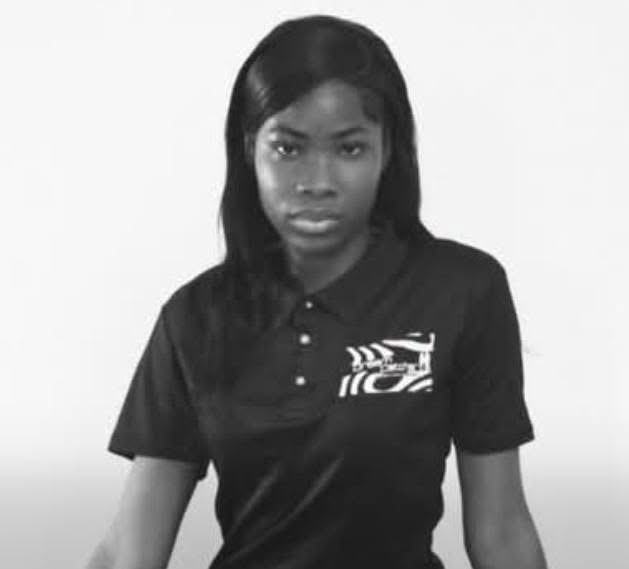
    On June 21, 2026, a devastating loss has sparked a urgent national call for mental health reform in Antigua and Barbuda, after local mental health non-profit WISH (The Wadadli Initiative for Self-care and Healing) confirmed the death of 19-year-old Zowie Tomlinson, a resident of the Parham community.

    Tomlinson’s body was recovered from waters near Devil’s Bridge early Sunday morning, following a hours-long joint search and rescue operation carried out overnight by the Antigua and Barbuda Royal Police Force and the Antigua and Barbuda Defence Force Coast Guard. The young woman’s passing has left her family, friends, and local community in mourning, and prompted WISH to issue a stark wake-up call to the entire nation.

    In an official public statement released immediately following the recovery, WISH founder Chaneil Imhoff expressed the organization’s profound grief over the tragic death. “Zowie was somebody’s daughter, somebody’s friend, somebody’s neighbour. Nineteen years is no age to feel that there is no way forward,” Imhoff said. “We grieve with her family today, and we grieve as a country that has not yet done enough to ensure that our young people can access mental health support when they need it most.”

    Beyond extending sincere condolences to everyone affected by Tomlinson’s death, WISH also reached out directly to vulnerable young people across the country who may be struggling with unaddressed mental distress. The organization emphasized that no one has to carry pain alone, and that feelings of hopelessness are not permanent, urging anyone in crisis to reach out for available support.

    Founded to transform mental health discourse and care across Antigua and Barbuda, WISH’s core mission is to break long-standing cultural silence around mental illness, shatter harmful stigmas that prevent people from seeking help, and drive systemic change through public education and policy advocacy. In the wake of this tragedy, the organization has reaffirmed its commitment to advocating for long-term, accessible, culturally appropriate mental health services that meet the needs of all citizens, particularly young people.

    For WISH, Tomlinson’s passing is not just another tragedy to be mourned and forgotten. It is a urgent, non-negotiable call to action for national leaders, communities, and individual citizens to finally prioritize youth mental health as a critical public issue. More information about WISH’s ongoing work and available mental health resources for Antigua and Barbuda residents can be found on the organization’s official website, wish-wadadli.org.

  • Pringle Urges Greater Appreciation for Fathers in Father’s Day Message

    Pringle Urges Greater Appreciation for Fathers in Father’s Day Message

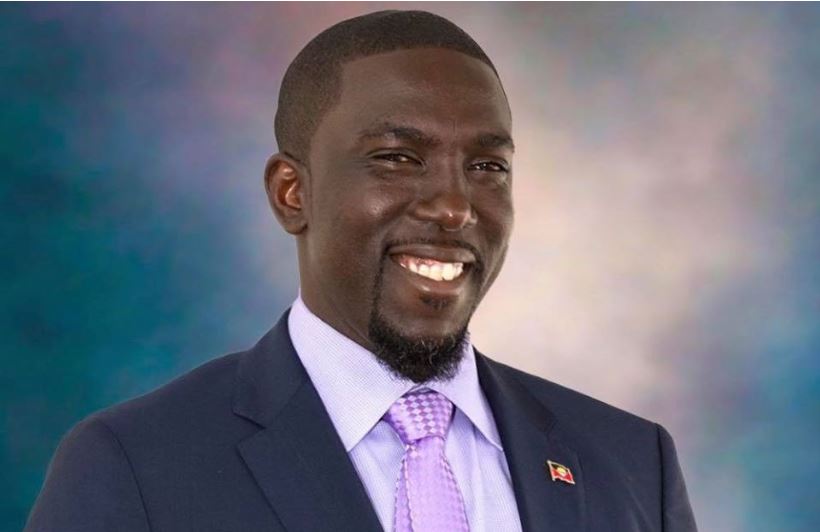
    As Father’s Day is observed across Antigua and Barbuda, Opposition Leader Jamale Pringle has issued a heartfelt appeal to families nationwide, calling on them to step up and give the nation’s fathers the appreciation and affection that many of them currently go without. In his official holiday address, Pringle pushed for a meaningful shift in how paternal contributions are acknowledged, asking both children and adult family members to intentionally honor fathers for the quiet, steady work they put into lifting their households and local communities. “It is my sincere hope that families in every corner of this nation will take the time to pay tribute, show genuine gratitude, and share the love that so many fathers crave – but all too often, do not receive in the full measure that they have earned,” Pringle shared in his statement. Beyond his call for greater appreciation, Pringle also offered public praise for fathers who take an active role in nurturing their children and stepping into clear leadership positions within their family units. “I want to use this opportunity to commend all the dads who are stepping up to the plate, guiding their families down the right path, and leading from the front,” he said. Pringle also highlighted the far-reaching influence that fathers hold across the country, noting that their example extends far beyond their own four walls. In addition to serving as foundational role models for their own children, Pringle emphasized that fathers set critical standards of behavior and responsibility for young men growing up in communities across Antigua and Barbuda. “You are an example not only to your own offspring, but to the young males in our communities,” he added. Closing out his address, Pringle extended warm, sincere Father’s Day greetings to every father across the twin-island nation, wrapping up his call for greater recognition with a message of well-wear for the holiday.

  • Fort James Renaissance Park to Break Ground by September, Browne Says

    Fort James Renaissance Park to Break Ground by September, Browne Says

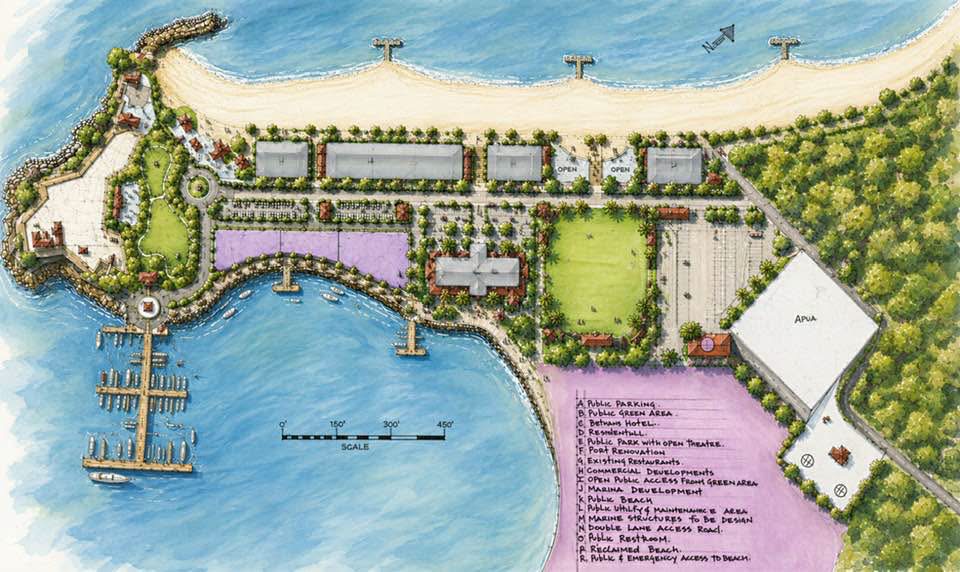
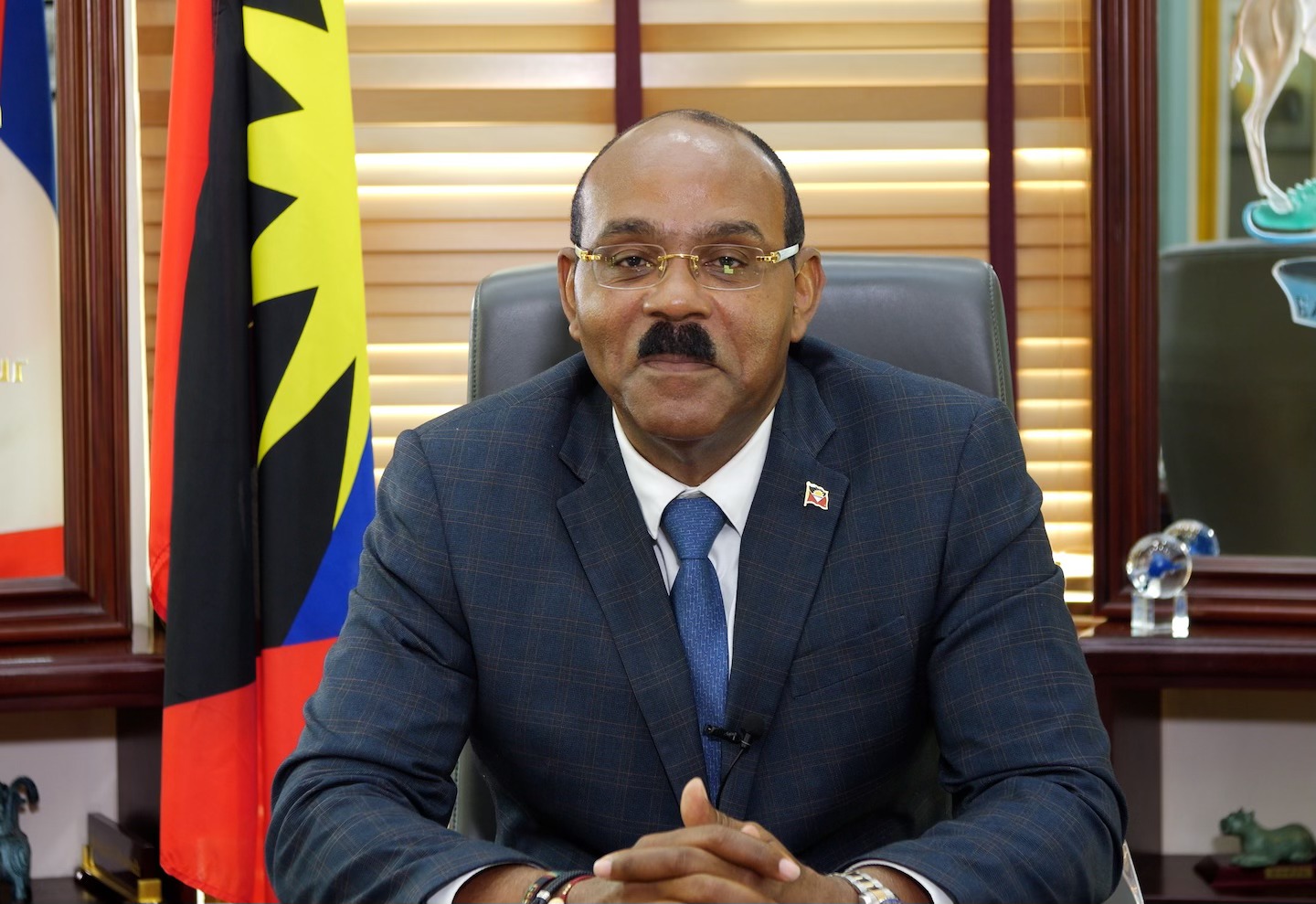
    Antigua and Barbuda’s Prime Minister Gaston Browne confirmed Saturday that construction on the highly anticipated Fort James Renaissance Park will break ground by September, marking a key milestone in the government’s push to expand and diversify the nation’s tourism sector. Speaking during the locally broadcast Browne and Browne radio program, Browne revealed the $5 million in seed funding for the transformative project has been sourced directly from funds recovered through a recently settled tax dispute with international hospitality brand Sandals Resorts.

    “We have allocated $5 million from the Sandals settlement to begin the Fort James Renaissance project,” Browne stated, noting that contracting processes are already underway, with awards for construction tenders expected to be finalized in the coming months as pre-development preparations move forward.

    The redevelopment blueprint for the historic coastal site extends far beyond basic infrastructure upgrades. Planned works include comprehensive beach restoration and enhancement, new commercial dining spaces, modern public recreational facilities, and targeted environmental improvements across the surrounding area. According to Browne, the core vision for the project is to create a shared, inclusive destination that delivers value for both local residents and international visitors, while protecting the site’s unique historical heritage and natural coastal beauty.

    Beyond the Fort James project, the Prime Minister also outlined two additional coastal tourism initiatives: the planned development of Barnacle Point and a purpose-built artificial reef, which is designed to serve as both a new environmental habitat and an educational eco-attraction. Browne confirmed that all prefabricated reef modules have already been shipped from the United States, with the government targeting a completion date ahead of Antigua and Barbuda’s hosting of the Commonwealth Heads of Government Meeting, scheduled for 2025.

    As one of Antigua and Barbuda’s most iconic historic landmarks, Fort James has long been recognized for its untapped tourism potential, thanks to its prime beachfront location on the western coast and deep cultural and historical significance. The redevelopment project sits at the center of a broader national strategy to move beyond reliance on traditional sun-and-sand tourism, expanding the country’s tourism product offering to encourage longer stays and higher visitor spending.

    Browne added that the government is currently in ongoing discussions with private stakeholders about complementary private investment in the area, with a focus on tourism-related developments that will boost the appeal of the entire western coastline while preserving permanent public access to the beach.

    Government projections indicate the project will deliver widespread economic benefits, creating both short-term construction jobs and long-term operational employment once the park opens, while establishing a new regional recreational hub that serves the entire community.

  • Twee gezochte Brazilianen na internationale samenwerking uitgezet uit Suriname

    Twee gezochte Brazilianen na internationale samenwerking uitgezet uit Suriname

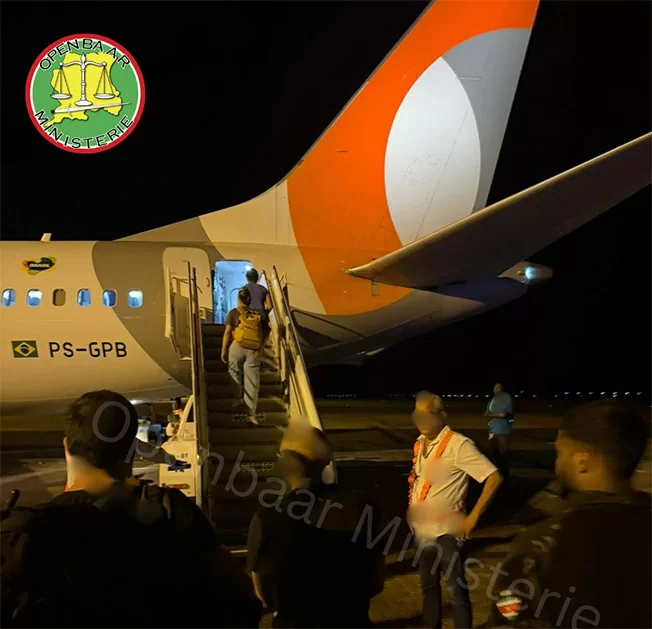
    In a landmark demonstration of cross-border law enforcement cooperation, two Brazilian suspects tied to the notorious Brazilian criminal organization Comando Vermelho (Red Command) have been located, expelled from Suriname, and immediately arrested upon their return to Brazil, authorities confirmed on June 21.

    The joint operation kicked off after Brazil’s Federal Police notified Suriname’s security agencies that the two high-profile fugitives were hiding within Suriname’s borders. Following a coordinated information exchange between the two countries’ law enforcement bodies, Suriname’s Directorate of National Security (DNV) and Justice Intervention Team (JIT) successfully tracked down the pair. Suriname authorities then formally deported the suspects back to Brazil, where Brazil’s Federal Police took them into custody moments after their plane landed.

    The two men are facing a raft of serious criminal charges in Brazil, including involvement in international drug trafficking, illegal firearms trafficking, money laundering, and membership in a designated organized criminal group. This coordinated deportation and arrest is part of Brazil’s ongoing Operation Red Fox, a major investigation targeting a transnational criminal network focused on cross-border illegal activity. According to Brazilian investigative authorities, the suspects were core members of a network dedicated to moving and concealing illicit proceeds from a range of criminal enterprises. The laundered funds were then used to purchase illegal firearms, ammunition, and narcotics to fuel further criminal activity across borders.

    Investigative records show that between 2020 and 2025, more than 153 million Brazilian reals flowed through bank accounts controlled by one of the suspects. Investigators have confirmed that this sum is wildly disproportionate to any documented legal income the suspect has reported, strongly indicating the funds are the proceeds of organized crime.

    Suriname’s Public Prosecutor’s Office has reaffirmed the country’s unwavering commitment to rooting out and combating transnational organized crime. “Suriname will never be a safe haven for international criminals or criminal organizations,” the office stated in an official release, underscoring the country’s dedication to regional security cooperation.

  • OECS Leaders to Begin Meeting in Antigua Today as Browne Assumes Chairmanship

    OECS Leaders to Begin Meeting in Antigua Today as Browne Assumes Chairmanship

    Leaders from across the Eastern Caribbean are convening in Antigua and Barbuda on Friday for the official opening of the 78th Organisation of Eastern Caribbean States (OECS) Authority Meeting, a key diplomatic gathering that will see Antigua and Barbuda’s Prime Minister Gaston Browne take the helm of the subregional bloc. This year’s two-day summit, running June 21 and 22, brings all member heads of government together to tackle the most pressing shared priorities facing the small island nations that make up the organization.

    Agenda items at this year’s meeting cover a broad range of critical policy areas: boosting inclusive economic growth across the region, expanding cross-border trade opportunities, strengthening collective climate change resilience, improving public safety and security, and advancing deeper political and economic integration between member states.

    Browne’s assumption of the one-year chairmanship comes at a landmark moment for the OECS, which is celebrating its 45th year of operation. The bloc’s 45th anniversary theme, “One Vision, One Voice: Navigating Challenges, Shaping Our Future,” sets the tone for Browne’s planned priorities during his tenure. In pre-summit comments, the prime minister has outlined clear goals to strengthen cross-regional collaborative frameworks during his term, with targeted focus on improving interconnected regional transportation networks, expanding affordable and sustainable energy access, unlocking new trade and investment flows, and integrating shared public services to deliver better outcomes for all citizens across OECS member states.