博客

  • Cabarete event 2026: Butterfly Effect promotes Women’s Leadership and Wellness in Dominican Republic

    Cabarete event 2026: Butterfly Effect promotes Women’s Leadership and Wellness in Dominican Republic

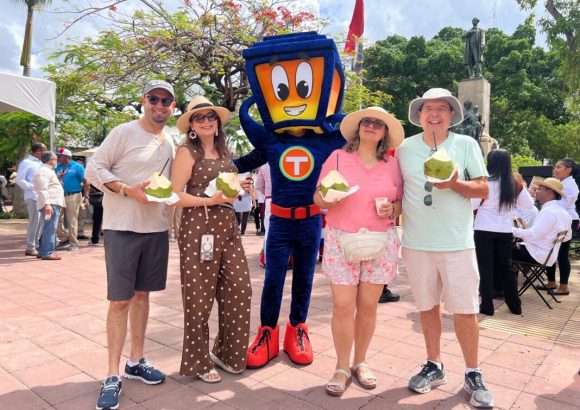
    Puerto Plata, Dominican Republic – One of the Caribbean’s most influential women-focused empowerment initiatives is gearing up for its 18th iteration, with organizers officially announcing that the Cabarete Butterfly Effect will run from July 7 to 11, 2026, under the unifying theme “IGNITE”. The annual gathering brings together women and girls across the Dominican Republic for a multi-day program centered on holistic wellness, leadership development, water sports participation, and collaborative community impact.

    Hosted by the Cabarete Butterfly Effect Board of Directors, the long-running event has steadily cemented Cabarete’s reputation as a regional hub for female empowerment that combines athletic engagement with sustainable, community-focused action. The official launch announcement took place at La Lola Beach Club, where founder and organization president Michelle Bourdeau walked attendees through the event’s ongoing growth trajectory and 2026 plans.
    Bourdeau noted that the 2025 edition hit a major milestone, drawing a record 165 participants that solidified the Cabarete Butterfly Effect’s standing as the Caribbean’s premier event merging female empowerment, wellness, and water sports. “IGNITE represents the spark of potential that lives within every single one of us,” Bourdeau explained. “Our core goal for this 2026 gathering is to help every woman and girl recognize her innate potential, take bold, confident steps toward her goals, and understand the power she holds to create lasting, meaningful change in her community.”

    A highlight new partnership for the 2026 edition sets the stage for expanded community impact: organizers have teamed up with Fundación 4 Estrellas to run a fundraising initiative that will support the foundation’s girls’ swimming program. The program works to expand access to aquatic sports for young girls while boosting critical water safety education across local communities.

    The full week-long schedule of activities blends athletic, educational, wellness, and social opportunities. Attendees can take part in guided Stand-Up Paddle clinics, aqua fitness sessions hosted at Millennium Resort & Spa, yoga instruction led by renowned local instructor Lorena Medina Bournigal, a group catamaran cruise, and optional guided surf lessons at the iconic Playa Encuentro, alongside dedicated workshops focused on personal wellness and leadership growth.

    The event kicks off on Tuesday, July 7, with participant registration and a sponsor showcase to connect attendees with supporting organizations. Wednesday is fully dedicated to immersive wellness activities, while Thursday combines a community-focused beach cleanup with the popular “Women in Leadership Positions” industry conference. Friday will host the scenic group catamaran cruise, and the event will conclude on Saturday, July 11, with a full day of main event activities including group yoga, the signature river paddle crossing, athletic demonstrations by local women athletes, and a closing celebration to wrap up the week.

    Environmental stewardship remains a core pillar of the Cabarete Butterfly Effect initiative, long after the event itself concludes. During the most recent community cleanup held in partnership with local sustainability group Corito Sostenible, participants collected 182 kilograms of plastic waste, 85 kilograms of glass waste, and hundreds of additional kilograms of recyclable materials, demonstrating the event’s consistent commitment to protecting the coastal ecosystems that make its activities possible.

    The 2026 edition of the Cabarete Butterfly Effect has secured support from a roster of national and local partners including Fresh Fruit Dominicana, RealtorDR, Andari Spa, Millennium Resort & Spa, and AMG Comunica, alongside dozens of volunteers, individual sponsors, and local community institutions.

    Organizers have issued an open invitation to all women and girls across the Dominican Republic to join the 2026 experience, which is designed to weave together sport, wellness, leadership development, and sustainability to generate long-term positive social change and empower the next generation of female leaders across the country.
  • Foreign Minister Álvarez emphasizes regional unity at OAS Assembly

    Foreign Minister Álvarez emphasizes regional unity at OAS Assembly

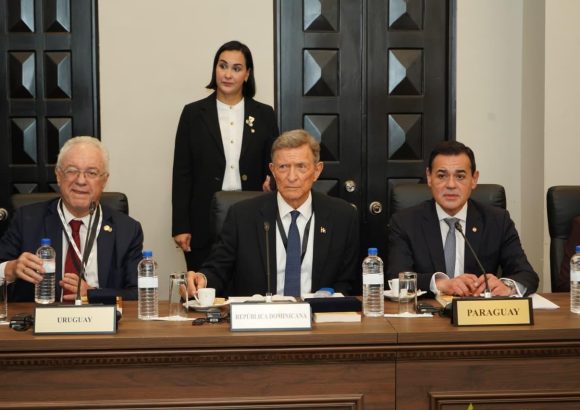
    On the sidelines of the 56th General Assembly of the Organization of American States (OAS) in Panama City, regional leaders and delegates gathered this week to mark 200 years since the historic 1826 Amphictyonic Congress of Panama, a landmark gathering convened by Latin American independence icon Simón Bolívar. Representing Dominican Republic President Luis Abinader, Foreign Minister Roberto Álvarez delivered a keynote address on the head of state’s behalf, reflecting on the gathering’s legacy and outlining a modern vision for hemispheric collaboration.

    In his remarks, Álvarez contextualized the original 1826 congress as a groundbreaking milestone for the newly independent nations of the Americas. At a moment when most regional republics had only recently broken free from colonial rule, Bolívar’s gathering represented the first coordinated large-scale attempt to build permanent, cross-border cooperation frameworks that would support collective stability and growth. Two centuries later, Álvarez argued, that founding vision remains as relevant as ever. Even with revolutionary leaps in digital communications, transportation, and technological access that have connected the hemisphere in ways unthinkable in 1826, forging consistent, durable political consensus across diverse national interests remains one of the Americas’ most persistent, unaddressed challenges.

    “The nations of the Americas advance more when they cooperate than when they isolate themselves,” Álvarez told the assembled delegation. He pushed back against rising unilateral and isolationist trends in global politics, arguing that the only effective response to 21st-century regional and global challenges is deepened multilateral collaboration, not inward-focused retreat. Álvarez called on all governments across the hemisphere to commit to collaborative leadership that pairs long-term strategic vision with tangible, on-the-ground cross-border cooperation to deliver shared gains.

    Hosted by the Panamanian government, the bicentennial commemoration concluded with the formal signing of the Panama Declaration, a joint document that codifies the participating nations’ shared pledges for hemispheric progress. Signatories reaffirmed their core commitments to foundational democratic values, peaceful conflict resolution, universal human rights, adherence to international law, and expanded regional integration. The declaration also outlines shared priorities for collective action, including targeted efforts to reduce systemic poverty and inequality, combat transnational organized crime, mitigate and adapt to the accelerating impacts of climate change, and expand shared prosperity and public well-being for all people across the Americas.

  • Joel Santos highlights benefits of U.S.-Dominican nuclear cooperation agreement

    Joel Santos highlights benefits of U.S.-Dominican nuclear cooperation agreement

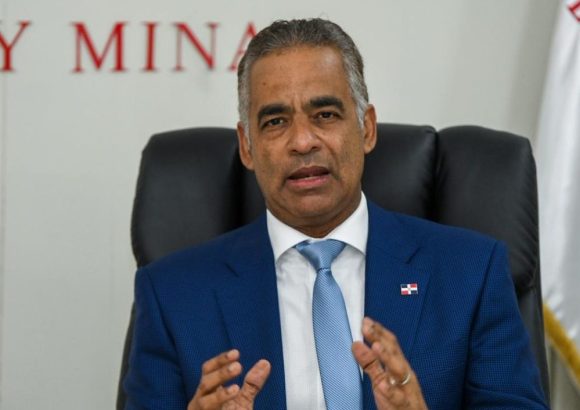
    A new bilateral memorandum of understanding between the Dominican Republic and the United States has opened a new chapter of collaborative development in the peaceful use of nuclear technology, with Dominican Energy and Mines Minister Joel Santos emphasizing the wide-ranging long-term benefits of the agreement. The document was formally signed in Washington D.C. by Santos and U.S. Deputy Secretary of State Christopher Landau, creating a structured framework for cross-border knowledge sharing, technological advancement and institutional capacity building that aligns with global standards for nuclear safety, radiological protection and non-proliferation. Minister Santos pointed out that the partnership is a core milestone advancing the Dominican Republic’s national strategy to diversify its national energy mix and accelerate domestic scientific and technological progress. Under the agreement, the two countries will deepen cooperation across multiple high-impact sectors, including nuclear medicine, radioisotope manufacturing, academic and industrial scientific research, specialized workforce training, and the strengthening of local regulatory and operational capabilities for nuclear technology. Over the past 20 years, the Dominican Republic has made substantial progress in expanding its energy portfolio, Santos noted, with renewable energy sources now contributing nearly 25 percent of the country’s total electricity generation. He explained that advanced nuclear technologies, particularly small modular reactors (SMRs), position nuclear power as a viable future option for delivering consistent, low-carbon electricity to support the nation’s growing energy demand and climate goals. Crucially, Santos clarified that the newly signed agreement does not include any immediate plans for the construction of full-scale nuclear power plants in the Dominican Republic. Beyond energy, the partnership is expected to deliver transformative benefits to the country’s healthcare system, specifically improving access to advanced nuclear medicine techniques, upgrading the quality of cancer diagnosis and treatment, and expanding access to cutting-edge radiopharmaceutical technologies. Additional non-energy applications of the shared nuclear technology span agriculture, where it will support national food security initiatives, as well as water resource management, environmental pollution monitoring, and efficiency improvements for industrial manufacturing processes.

  • Turizoneando 2026 Summer edition brings more than 100 cultural activities to Santo Domingo’s Colonial City

    Turizoneando 2026 Summer edition brings more than 100 cultural activities to Santo Domingo’s Colonial City

    Santo Domingo, Dominican Republic – A major new summer cultural initiative is kicking off this season in one of the Caribbean’s most historically significant urban districts, aiming to draw both local residents and international visitors to explore centuries of heritage alongside a packed lineup of artistic and community events.

    The Dominican Ministry of Tourism, in partnership with the Santo Domingo Tourism Cluster, has officially launched the 2026 summer iteration of *Turizoneando*, a multi-month celebration designed to highlight the intertwined cultural, entertainment, and tourism offerings of Santo Domingo’s iconic Colonial City. The full program of activities will run through August 30, stretching across 11 weeks of ongoing events for attendees of all ages and interests.

    Organizers have planned more than 100 individual events spread across some of the capital’s most storied locations, covering a wide range of programming to suit diverse tastes. Live music acts headline much of the schedule, with performances scheduled from well-known local artists including Aljadaqui, Gabriel Pagán, and Techy Fatule. The lineup also features dedicated jazz showcases, folk music performances that highlight Dominican cultural traditions, and the beloved long-running weekly Sunday gatherings hosted by Bonyé at the historic Ruins of San Francisco.

    Other key venues across the Colonial City will host additional programming: Duarte Park will play host to weekly artisan fairs showcasing local craftspeople and stand-up comedy shows, while five of the district’s established theater venues will run exclusive special performances throughout the 11-week season. For families, the initiative includes a full slate of kid-focused activities designed to introduce younger generations to the area’s history in an engaging, accessible format.

    To encourage deeper exploration of the Colonial City’s historic landmarks, organizers are offering free guided tours along the newly promoted Temple Route, which connects several of the district’s oldest and most architecturally significant historic churches. Participating museums, including the Royal Shipyards Museum, the Cathedral Museum, and the Amber and Larimar museums, will also extend their evening opening hours to give attendees more time to explore their collections after daytime events.

    To remove barriers to attendance, the organizing team has rolled out a suite of visitor-focused perks: a new centralized information platform has launched to help attendees plan their itineraries, and transportation incentives include limited-time discounts on Uber trips to and from the Colonial City for event-goers.

    The initiative made its official debut with an opening concert held at Parque Colón, featuring performances from popular groups Transfusión and Techy Fatule. The launch kicks off what organizers hope will be a transformative summer for the Colonial City’s tourism sector, building local engagement while showcasing the district’s unparalleled historical and artistic wealth to visitors from across the globe.

  • 13 Santiago Monorail trains under assembly in France

    13 Santiago Monorail trains under assembly in France

    The largest urban infrastructure project in the Dominican Republic has hit a key construction milestone, with 13 out of 15 planned monorail trains for the new Santiago Monorail currently taking shape at Alstom’s production facility in Belfort, France. This assembly work brings the long-awaited transit system one major step closer to opening for passenger service.

    Jhael Isa, executive director of the Dominican Republic’s Transport Infrastructure Institute (FITRAM), recently carried out an on-site technical inspection of the Belfort plant to examine the manufacturing and supply chain processes ahead of the trains’ scheduled shipment to Santiago. The first two Innovia 300 model monorail trains already reached the Dominican Republic earlier in 2024, giving local stakeholders an early look at the vehicles that will serve the new line. Each train is configured as a four-car consist with a total maximum capacity of 590 passengers, and it is built with a full suite of accessibility features to serve all riders, including dedicated wheelchair spaces, audible stop announcements, priority seating for disabled and elderly passengers, and real-time digital passenger information displays.

    Designed to transform regional transit connectivity, the Santiago Monorail is projected to move up to 20,000 passengers per hour in each direction. Trains will operate at a top speed of 80 kilometers per hour, with scheduled headways as short as 90 seconds between vehicles to keep wait times low for riders. The assembly work at the Belfort facility is also a showcase for Alstom’s updated production capacity: the trains are being built on a newly launched assembly line, leveraging proprietary transit technology that Alstom gained through its 2021 acquisition of Bombardier Transportation.

    The full monorail network is a 13-kilometer elevated rail corridor that will run between the Cienfuegos and Pekín districts of Santiago. It will include 14 passenger stations plus a central terminal that links directly to the city’s existing cable car transit network, creating an integrated multi-modal system for commuters and travelers across the metropolitan area. When the system enters full operation, it is expected to deliver widespread benefits for the city: it will serve more than 500,000 residents annually, cut down on household transportation costs, reduce crippling street traffic congestion across the city, boost local economic productivity, and lower the environmental impact of urban travel by shifting commuters from gasoline-powered private cars to electric public transit.

    After more than four years of continuous construction work, FITRAM has announced that the entire Santiago Monorail project has reached an overall completion rate of 92.6%. Shipments of the remaining trains from Alstom’s French plant will begin later this year, as the project clears the final milestones ahead of its launch into commercial service.

  • Photos show severe damage at Viva Dominicus Beach after fire in Bayahibe

    Photos show severe damage at Viva Dominicus Beach after fire in Bayahibe

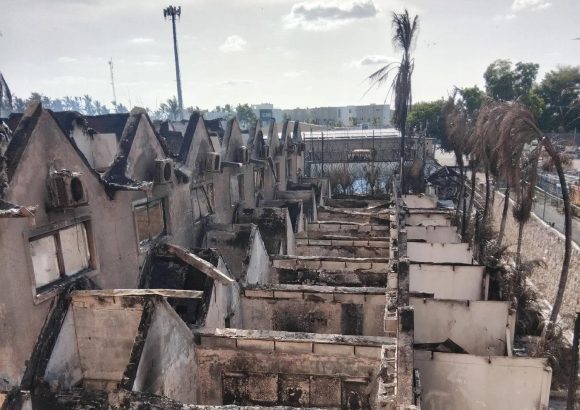
    On June 19, a devastating fire broke out at the Viva Dominicus Beach by Wyndham, a popular beach resort located in Bayahibe, a tourist hub in the Dominican Republic’s La Romana province. What started as a small blaze quickly escalated into a large-scale inferno that left the property heavily damaged, sending shockwaves through the Caribbean nation’s key tourism industry.

    Local outlet Arecoa has published on-the-ground images that lay bare the full extent of destruction at the resort, with core areas including the main reception building reduced to charred rubble. Early assessments of the fire’s rapid spread point to the resort’s thatched roofing material as a major contributing factor: the natural, flammable material allowed flames to jump quickly between connected structures, outpacing initial containment efforts.

    Fortunately, resort management acted swiftly to activate pre-planned emergency protocols as soon as the fire was detected. This quick response enabled the full evacuation of all guests and on-site staff without widespread injury. Following the evacuation, tourism officials and resort operators arranged immediate alternate accommodation for displaced visitors, relocating most guests to the adjacent Viva Wyndham Dominicus Palace — which has continued normal operations throughout the incident — as well as to other partner hotels across Bayahibe and the nearby Miches tourist region.

    Tragically, the incident has already been marked by one confirmed fatality linked to the fire. Local authorities have not yet released details about the victim, and the official cause of death remains pending results from forensic analysis. A specialized technical commission has been assembled to lead a full, systematic investigation into the root cause of the blaze, with preliminary findings expected to be released in the coming weeks as investigations continue.

    As one of the Dominican Republic’s most popular coastal tourist destinations, the fire at Viva Dominicus Beach has dealt a tangible blow to the country’s $7 billion tourism sector, which supports more than half a million local jobs across the island. Industry observers are monitoring the incident closely to assess any longer-term impacts on international visitor confidence ahead of the peak summer travel season.

  • INDEX honors Dominican women leaders at Rhode Island State Capitol forum

    INDEX honors Dominican women leaders at Rhode Island State Capitol forum

    PROVIDENCE, RHODE ISLAND – A landmark gathering centered on Dominican American women’s leadership recently unfolded at the Rhode Island State Capitol, where the Institute of Dominicans Abroad (INDEX) hosted its Second Dominican Leaders Forum under the theme “Pioneering Women”. The event drew a cross-section of stakeholders, including sitting government officials, local community organizers, and members of the large Dominican diaspora based across the United States, united around a single mission: honoring the trailblazing women whose work has expanded Dominican visibility and representation across public office, civic engagement, and professional industries nationwide.

    Helmed by Celinés Toribio, vice minister and executive director of INDEX, the full-day forum centered on the extraordinary, often underrecognized achievements of Dominican women who have overcome systemic barriers to carve out space in leadership roles across the country. Organized panel discussions and breakout sessions covered a range of critical topics, from pathways to entering public service, strategies for boosting Dominican women’s political participation, centering Dominican identity in American public life, and the urgent need to expand equitable representation in rooms where key policy and community decisions are made. Attendees also exchanged ideas for building pipelines that support younger generations of Dominican women to pursue leadership opportunities.

    The forum featured a lineup of prominent speakers, all of whom are themselves Dominican American trailblazers in public office: Grace Díaz, Ana Quezada, Ana Levy, Sabina Matos, and Joseline Peña-Melnyk. Each speaker shared personal anecdotes of navigating bias and breaking glass ceilings, offering actionable advice for emerging leaders. Beyond the discussions, INDEX held a formal recognition ceremony to honor these women for their lasting contributions to political representation, community advocacy, and diaspora empowerment. The ceremony also included recognition for acclaimed Dominican fashion designer Jeanette Limas for her work elevating Dominican talent in the global fashion industry.

    Closing out the event, Rhode Island Governor Dan McKee delivered closing remarks, extending his formal praise to the honorees for their unwavering commitment to public service and community uplift. Forum organizers wrapped the gathering by reinforcing its dual purpose: while the event served as a well-deserved celebration of the ground-breaking work accomplished by Dominican women leaders to date, it also acts as a catalyst for investing in the next generation, equipping young Dominican women to step into leadership roles in their own communities and carry the work forward.

  • Health Ministry strengthens prevention plan for Central American and Caribbean Games 2026

    Health Ministry strengthens prevention plan for Central American and Caribbean Games 2026

    As the Dominican Republic prepares to welcome thousands of athletes, delegates, and sports fans for the 2026 XXV Central American and Caribbean Games in Santo Domingo, the nation’s Ministry of Public Health has rolled out a wide-ranging package of enhanced public health measures to protect every person attending or involved in the major international event. This ambitious preparedness push comes in response to the unique public health risks that accompany mass gatherings of international visitors, requiring coordinated action across multiple government agencies and public health institutions.

    At the core of the new system is upgraded diagnostic and laboratory infrastructure at the Dr. Defilló National Public Health Laboratory. The facility has expanded its testing capacity to rapidly detect a suite of high-priority infectious diseases, including influenza, COVID-19, measles, and pertussis. It has also added permanent genomic surveillance capabilities, allowing health officials to quickly identify emerging viral variants and trace the spread of infectious agents before small outbreaks can become large-scale public health emergencies.

    To strengthen broader epidemiological monitoring across the country, the Ministry has amplified active surveillance operations through its existing National Epidemiological Surveillance System (SINAVE) and General Directorate of Epidemiology (DIGEPI). High-traffic locations, including popular tourist zones, national border crossings, and major transportation hubs, now face continuous monitoring to catch unusual clusters of illness early. Health authorities have also established close cross-sector coordination with agencies overseeing aviation, migration, port operations, and tourism to ensure entry point control measures align fully with World Health Organization international health regulations.

    Vaccination has also taken center stage in prevention efforts. The Ministry is currently conducting a comprehensive review and update of vaccination schedules for all participating athletes, event staff, and residents in host communities, with a particular focus on ensuring high coverage of the MMR vaccine that protects against measles, mumps, and rubella. Public health officials have reminded Dominican citizens that the country has held its official measles-free status since 2001, a critical public health milestone that requires ongoing vigilance and up-to-date immunization to maintain.

    In public remarks outlining the preparedness effort, Dominican Health Minister Víctor Atallah underlined that the nation is fully prepared to host the event with a robust, well-tested surveillance and response framework, a trained public health workforce, and pre-deployed rapid response teams ready to address any emerging health emergency. Atallah noted that safeguarding public health during large-scale international events is not solely the responsibility of government agencies—it requires collective action from the public, event organizers, and participating delegations alike.

    Beyond the immediate goal of holding a safe 2026 Games, the Ministry of Public Health has framed this initiative as a demonstration of the Dominican Republic’s commitment to protecting both local communities and international visitors, reinforcing the country’s reputation as a well-prepared, secure destination for global events and tourism.

  • Environment Ministry battles forest fire in Sierra de Bahoruco amid extreme drought

    Environment Ministry battles forest fire in Sierra de Bahoruco amid extreme drought

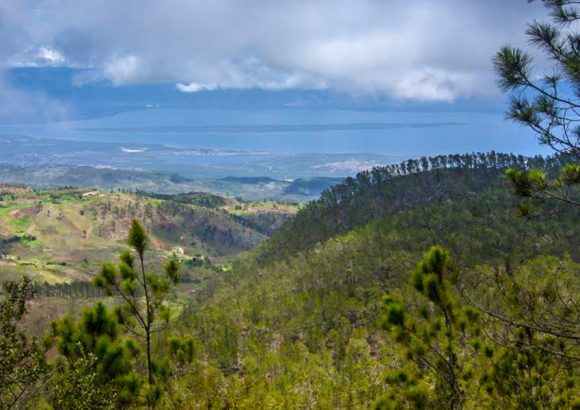
    A destructive wildfire is currently advancing through the El Codo sector of Sierra de Bahoruco National Park, one of the Dominican Republic’s most ecologically critical protected zones, with emergency crews launching an all-out containment operation, the country’s Ministry of Environment and Natural Resources has confirmed. Since the blaze was first detected, forest firefighters assigned to the National Fire Management Program have worked around the clock to bring the fire under control. But extreme, long-running drought across the region combined with gusty high winds have supercharged the fire’s spread, turning what might have been a contained blaze into a major emergency that has stretched initial suppression efforts thin.

    As the severity of the threat to the protected ecosystem grew, Dominican President Luis Abinader greenlit full federal support for all emergency response activities. Under the coordinated government response, the Ministry of Defense and the Dominican Air Force have stepped in to provide critical logistical and on-the-ground operational support, including deploying two aircraft to ferry additional firefighting personnel and heavy equipment directly to the hard-to-reach affected zone.

    Emergency authorities are continuing to mobilize every available firefighting unit across the country, while coordinating with external partners to bring in extra resources that can bolster ground-based containment operations. The entire fire zone remains under 24/7 surveillance as response teams work to assess the full scope of ecological damage caused by the blaze, though restricted access to remote areas and the unpredictable behavior of the fire have slowed comprehensive damage assessments significantly.

    Parallel to the firefighting effort, a formal investigation has been launched to pinpoint the exact origin of the fire. Investigators have noted that natural ignition causes have not been ruled out, pointing to the area’s extremely remote location and record dry conditions that have left vegetation primed to burn. For frontline crews, the immediate priorities remain stopping the fire’s expansion, preserving the unique, biodiverse ecosystem of Sierra de Bahoruco, and upholding strict safety protocols to protect all emergency response personnel.

  • Abinader congratulates Abelardo de la Espriella and reaffirms commitment to strengthening DR–Colombia relations

    Abinader congratulates Abelardo de la Espriella and reaffirms commitment to strengthening DR–Colombia relations

    In the wake of Colombia’s closely contested presidential election, Dominican Republic President Luis Abinader has extended an early greeting to Abelardo de la Espriella, who currently holds a narrow lead in the contest’s preliminary vote counts released by national electoral authorities.

    Abinader shared his message publicly via social media, opening with sincere congratulations to de la Espriella. Beyond extending well wishes, the Dominican leader praised Colombia for carrying out what he framed as a robust, democratic electoral process. He also took the opportunity to reaffirm the Dominican Republic’s longstanding commitment to deepening bilateral ties with the South American nation, stressing that the two countries have enjoyed decades of productive cooperation and warm friendship that will continue into the next presidential term.

    Looking toward future collaboration, Abinader made clear he stands ready to work alongside whoever ultimately claims the Colombian presidency, with the shared goal of advancing mutual development and shared economic prosperity for both nations’ populations. “I wish him the greatest success in the high responsibility that the Colombian people have entrusted to him,” Abinader added in his statement.

    As the race remains unresolved, initial data from Colombia’s National Electoral Registry puts de la Espriella just ahead of his closest competitor, government-backed candidate Iván Cepeda. De la Espriella has captured 49.65% of the counted votes, while Cepeda trails by less than one percentage point at 48.70%. Outgoing Colombian President Gustavo Petro has pushed for the full official vote count to be finalized before any winner is declared, citing reports of potential irregularities at a number of polling stations across the country that require formal investigation.