博客

  • PM Says Reckless Driving Nearly Cost Tahje Browne His Life

    PM Says Reckless Driving Nearly Cost Tahje Browne His Life

    A promising young elite cyclist in Antigua and Barbuda has escaped death after a hit-and-run traffic collision that has prompted the nation’s prime minister to issue a urgent new plea for greater road responsibility among motorists.

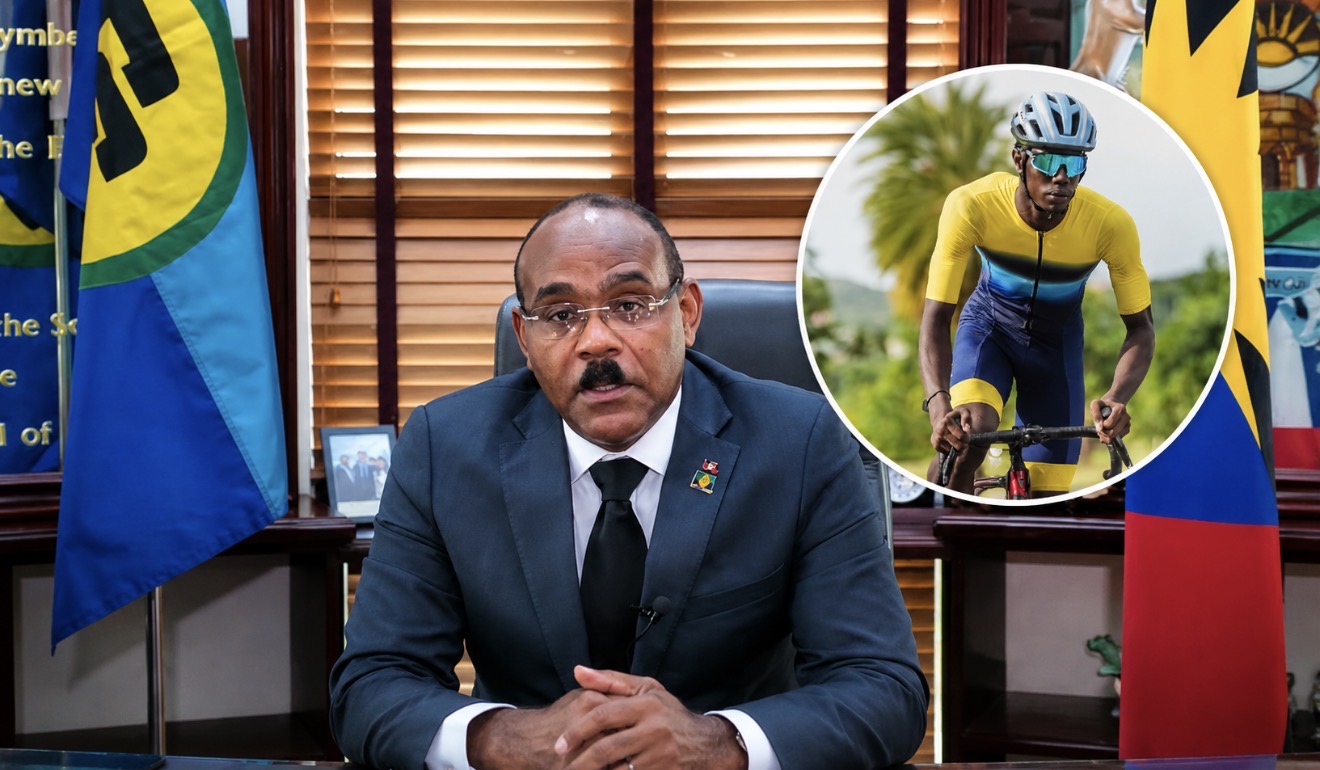
    Prime Minister Gaston Browne confirmed on his weekly ‘Browne and Browne’ radio show Saturday that Tahje Browne, widely recognized as the country’s top competitive cyclist, was struck by a passenger vehicle earlier that same day. The prime minister emphasized that the crash serves as a stark warning about the deadly risks of reckless speeding, noting the incident could very easily have ended in a fatality.

    According to Prime Minister Browne, the vehicle involved reportedly spun out of control before striking the young rider, a sequence of events that makes Tahje’s survival a stroke of extraordinary good fortune. He added that initial medical updates have brought significant relief: the cyclist’s injuries are not classified as life-threatening, though he remains in care.

    One detail of the incident that drew sharp criticism from the prime minister was the motorist’s decision to flee the crash site rather than remain to assist the injured cyclist and cooperate with authorities. Browne labeled the departure unacceptable and called on the driver to turn themselves in to law enforcement immediately to face the investigation.

    Expanding his warning to all road users across the country, Browne used the incident to highlight specific safety concerns he said have circulated for years around Toyota Vitz vehicles. The prime minister stated that many drivers have reported the compact cars become unstable when driven at excessive speeds, a flaw that has led some people to refuse to ride in the models entirely. He urged all operators of Toyota Vitz vehicles to acknowledge their mechanical limitations and never push them beyond safe operating parameters.

    “No one should be speeding on our roads and putting people’s lives at risk,” Browne reiterated in his address, stressing that consistent cautious driving is the only way to prevent preventable tragedies on national highways and local roads.

    The crash has already sent ripples of concern through the country’s small but tight-knit sporting community. Fellow athletes and loyal supporters of the young cyclist have flooded social media and local sports groups with messages of well-wishing, all sharing a united hope for a swift and full recovery for Tahje.

    As of Saturday’s address, official law enforcement investigations into the exact circumstances of the collision remain ongoing.

  • COMMENTARY: Interrogating black fatherhood

    COMMENTARY: Interrogating black fatherhood

    Each Father’s Day, global conversations turn to the irreplaceable role fathers play in nurturing the next generation, but for Black communities across the Americas, one critical conversation remains long overdue: unpacking how centuries of systemic anti-Black oppression distorted the global perception of Black fatherhood, and how we can begin to rewrite that harmful story. As former U.S. President Barack Obama once noted, biological parenthood does not make a man a father—courage, commitment, and consistent care do. This truth carries extra weight when discussing Black fatherhood, a role that has been systematically maligned and undercelebrated for generations.

    One of the most pervasive and harmful myths shaping modern discourse is the false, racism-rooted claim that Black masculinity is inherently toxic, dangerous, and detached from family life. This harmful stereotype has not only skewed public perception—it has had deadly consequences, justifying excessive police violence and the extrajudicial killings of countless Black men at the hands of law enforcement. Too often, public discourse points to high rates of father absence in Black communities as evidence of this supposed failure, ignoring the centuries of systemic trauma that created this reality in the first place.

    To understand the roots of the modern narrative around Black fatherhood, we must trace it back to the transatlantic slave trade and chattel slavery. As historian Libra Hilde, associate professor of History, documents in her groundbreaking work *Slavery, Fatherhood, and Paternal Duty in African American Communities over the Long Nineteenth Century*, even under the brutal constraints of slavery, enslaved Black men were loving, invested fathers who fought tirelessly for their children. Despite systemic barriers that stripped them of legal rights to their families, enslaved Black men provided food and clothing, risked their freedom to purchase family members from enslavers, planned escapes to reunite broken families, and cultivated shared identity for their children in a system designed to erase it. Hilde frames this quiet, consistent care as an act of resistance: by claiming their paternal roles, enslaved men reclaimed power that white enslavers tried to steal.

    That said, the trauma of slavery cannot be understated. Slavery was designed to dehumanize Black people, and a core part of that project was the deliberate emasculation of Black men and the destruction of the Black family unit. Upon arrival in the Americas, enslaved people were routinely separated, with spouses and children sold to different plantations to break communal and familial bonds. Black men were reduced to property, valued only for forced reproduction in the practice of slave breeding, where enslavers forced Black men to mate with enslaved women to increase the enslaver’s capital. Sexual abuse of enslaved Black men was widespread, used as a tool to assert dominance and strip Black men of their autonomy, a topic that remains vastly understudied and overlooked in mainstream historical narratives. Even cultural identity was stolen: African names were replaced with the surnames of slave owners, a legacy that many Black descendants carry to this day. The end result of this deliberate destruction was the normalization of matrifocality—family structures headed by single mothers with fathers absent for extended or permanent periods—a structure that outlasted slavery and persists in many Black communities across the Americas today.

    The term matrifocality was first coined in 1966 by anthropologist Raymond T. Smith during his study of working-class Black Caribbean families in British Guiana, and its prevalence in modern Black communities is no accident. Research consistently shows that children in two-parent nuclear households have better academic outcomes, lower rates of maladaptive behavior, and reduced exposure to poverty than children growing up in father-absent households. The normalization of matrifocality, rooted in slavery’s deliberate attack on Black fatherhood, created a cycle of disadvantage that continues to impact Black communities generations later.

    Today, as we mark Father’s Day, it is past time to reorient this conversation and celebrate the growing number of young Black fathers who are showing up consistently for their children. It is now commonplace to see Black fathers pushing strollers, attending school events, and building deep bonds with their kids—an image that mainstream media has long ignored, but one that deserves far greater celebration. At the same time, we must hold accountable fathers who have stepped back from their commitments, particularly when it comes to meeting child support obligations, and encourage them to prioritize the needs of their children.

    Creating lasting change requires intentional investment across multiple sectors of society. The education system, which has long served to reinforce colonial and racist power structures, must be reformed to support healthy Black masculinity and prepare young Black boys for responsible fatherhood. Currently, many Caribbean curricula still retain colonial biases, and popular culture often reinforces harmful norms that celebrate men having multiple partners. There is an urgent need for decolonization of school curricula across the Americas, as well as investment in mentorship programs, parenting clinics, and co-curricular activities that teach young boys what responsible fatherhood looks like. Faith institutions also have a role to play: for centuries, the Bible was misinterpreted and misused to justify the enslavement of Black people, and religious communities must now lead conversations that honor the dignity of Black fatherhood.

    Governments across the Americas, particularly in the Caribbean, have a responsibility to realign policy and education to support Black families and uplift Black fatherhood. On this Father’s Day, we honor all Black fathers who have shown up for their children against all odds, who have broken cycles of intergenerational trauma, and who work every day to leave a better world for the next generation. Your role is irreplaceable, your work matters, and you deserve to be celebrated.

    In closing, this piece honors author Wayne Campbell’s own father, Fitzroy, echoing the words of Dr. Martin Luther King Jr., who famously spoke of his own father’s courage and integrity: “I have rarely ever met a person more fearless and courageous than my father. The thing that I admire most about my dad is his genuine Christian character. He is a man of real integrity, deeply committed to moral and ethical principles. If I had a problem, I could always call Daddy.”

    Wayne Campbell is an educator and social commentator focused on development policy, culture, and gender issues.

  • Derde helft WK 2026: Dag 11 – Spanje en Iran in actie

    Derde helft WK 2026: Dag 11 – Spanje en Iran in actie

    As the 2026 FIFA World Cup enters its 11th day of group stage action, four eagerly awaited matches are scheduled to take place across North America on Sunday, headlined by defending European champion Spain’s clash with Saudi Arabia. Meanwhile, off-pitch developments, from Iran’s ongoing struggles with U.S. travel restrictions to a superstitious warning for French fans, have added extra layers of drama to the month-long global tournament.

    Defending European champions Spain got off to a rocky start in their World Cup campaign but will step onto the pitch at Atlanta Stadium in Georgia, United States, at 13:00 local time to face Saudi Arabia in Sunday’s marquee fixture. Spain enters the contest as the clear favorite to claim three points in the group stage encounter.

    Following the Spain-Saudi Arabia matchup, Belgium will face Iran at Los Angeles Stadium in California at 16:00 local time. For Iran, this match comes as the side continues to grapple with disruptive travel restrictions that have undermined their rest and recovery throughout the tournament. Per current U.S. rules, Iran is only permitted to enter the U.S. within 24 hours of their match in the country and must return immediately to their training base in Tijuana, Mexico after the final whistle. White House official Andrew Giuliani confirmed that while Washington continues reviewing its travel policies for Iran, existing restrictions remain in place for now, despite Iran’s threat to file an official complaint with FIFA over the unfair arrangements. Iran head coach Amir Ghalenoei has slammed the rules, calling his squad “the most oppressed team at the entire World Cup.” Giuliani noted that a decision on revised travel rules for Iran’s third group match against Egypt in Seattle will be made after Sunday’s clash with Belgium. Iran’s entire World Cup campaign has been overshadowed by geopolitical tensions between the U.S., Israel, and Iran, with the side facing months of uncertainty over whether they would even be allowed to compete before the tournament kicked off.

    The evening session will open with Uruguay taking on Cape Verde at Miami Stadium in Florida at 19:00 local time. While Uruguay is heavily favored to win the fixture, Cape Verde already proved its defensive resilience in the tournament’s opening round, holding defending European champion Spain to an unexpected 0-0 draw, making the contest far from a foregone conclusion. Sunday’s final match will see New Zealand face off against Egypt at BC Place in Vancouver, British Columbia, Canada at 22:00 local time. Egypt, which earned a 0-0 draw against Belgium in its opening fixture, enters the match as the favorite to claim victory. None of the eight teams competing on Sunday will either secure knockout stage qualification or elimination after this round of fixtures.

    Beyond Sunday’s scheduled matches, a number of off-beat and noteworthy stories have emerged from the World Cup host cities and competing squads. Ahead of France’s group stage match against Iraq on Monday, French supporters’ group Irresistibles Français has issued an urgent warning to traveling fans: leave the iconic Rocky Balboa statue in Philadelphia untouched. The warning comes after Ecuador decorated the statue with national team colors ahead of their match, and fans now blame that act for “monumental bad luck” that led to an unfavorable result. “Do not touch Rocky! To all French fans in Philadelphia: we urge you to be extremely cautious,” the group said in an official statement.

    In other team news, Belgium winger Jeremy Doku is facing a difficult scheduling conflict: he is expecting the birth of his first child during the tournament and has expressed a desire to be present for the delivery, a situation that could create tension with the Belgian national team setup.

    Earlier in the tournament, Germany secured its place in the knockout stage after a hard-fought 2-1 victory over Ivory Coast, with substitute striker Denis Undav scoring both goals to secure the win. Curaçao bounced back from a lopsided opening defeat to Germany to earn its first World Cup point, holding Ecuador to a 0-0 draw thanks to a standout clean-sheet performance from goalkeeper Eloy Room. Japan eliminated Tunisia from the tournament with a dominant 4-0 victory, making Tunisia the third team eliminated from the 2026 World Cup following Haiti and Turkey. Tunisia, which became the first African nation to win a World Cup match back in 1978, has never advanced past the group stage in its tournament history. After dropping its first two group stage matches, Tunisia can no longer qualify for the knockout round.

  • Coast Guard Recovers Body of 19-Year-Old Following Overnight Search

    Coast Guard Recovers Body of 19-Year-Old Following Overnight Search

    Authorities in Antigua and Barbuda are probing the tragic death of a 19-year-old woman, whose remains were pulled from the coastal waters near Devil’s Bridge on Sunday, June 21. According to initial preliminary accounts, the young woman is believed to have jumped from the iconic natural bridge formation into the open ocean during the late hours of Saturday night.

    Emergency response teams were dispatched immediately after the incident was reported to local law enforcement. Officers from the Royal Police Force of Antigua and Barbuda joined personnel from the Antigua and Barbuda Defence Force Coast Guard to launch a large-scale coordinated search, covering both the surrounding shoreline and adjacent marine areas. As night fell, harsh environmental conditions and unforeseen operational constraints forced responders to call a temporary halt to the search operation overnight.

    Search efforts resumed at first light on Sunday, and within hours, Coast Guard teams successfully located and recovered the woman’s body from the water, before transferring her remains to land for official processing. Investigating officers have remained at the site to carry out detailed inquiries, working to piece together the full sequence of events that led to the tragedy.

    In an official statement released through the Royal Police Force’s Office of Strategic Communications, the Police Administration extended its heartfelt condolences to the deceased’s family, relatives, and close friends as they navigate this devastating loss. Law enforcement also issued a public request for media and community members to respect the family’s privacy amid the ongoing investigation.

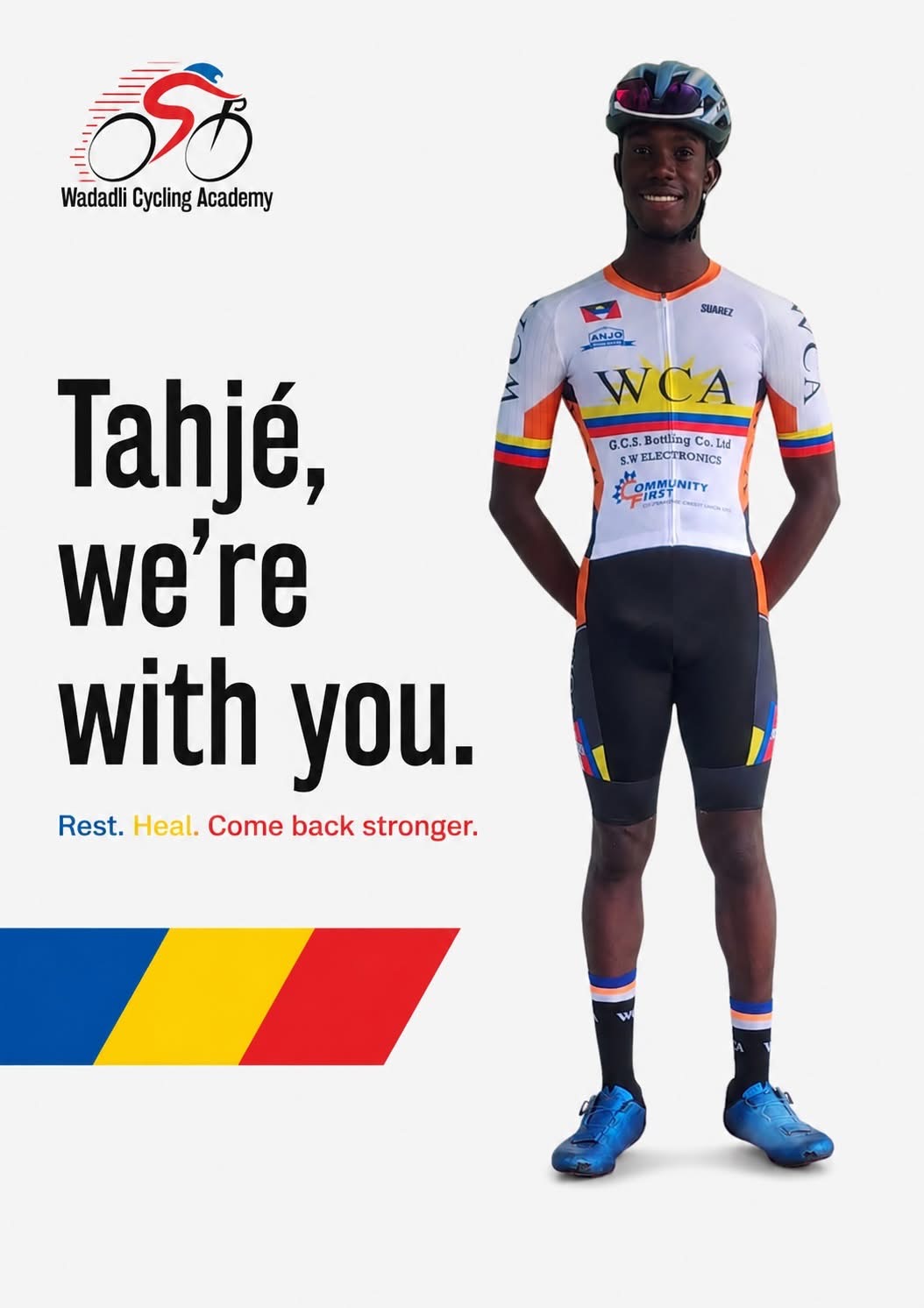
  • Cycling Community Rallies Around Tahjé Browne After Incident

    Cycling Community Rallies Around Tahjé Browne After Incident

    A wave of solidarity has swept through the global cycling community this week, as athletes, fans, and governing bodies rally around elite national cyclist Tahjé Browne following an unspecified incident during a routine Saturday morning training ride.

    The Windward Cycling Academy (WCA), which oversees Browne’s development and competitive career, released an official statement honoring the rider’s legacy of excellence, noting that he has represented the academy, the broader Antiguan and Barbudan cycling network, and the country itself with outstanding distinction throughout his career.

    The organization emphasized that all competitive priorities have been set aside in the wake of the incident, making clear that the entire community’s immediate focus rests entirely on Browne’s physical recovery, emotional healing, and overall well-being. “Right now, the race can wait,” the statement read, centering the athlete’s health above all upcoming competitive goals.

    WCA officials also highlighted Browne’s far-reaching impact on emerging talent in the region, pointing out that his unwavering commitment to cycling has already inspired a generation of young riders to pursue the sport. Officials praised his well-documented determination and resilience, traits that have defined his performance both on the race course and in his personal life off the bike.

    Expressing cautious optimism for his recovery, the academy noted that the same strength that has allowed Browne to overcome competitive and personal obstacles in the past will serve as a foundation for his healing process. “Rest. Heal. Come back stronger,” the statement concluded.

    As of the academy’s latest update, no further details regarding the specific nature of the incident or Browne’s current medical condition have been released to the public. In a closing appeal, WCA has encouraged members of the public across the region and beyond to hold Browne and his family in their thoughts and prayers as he begins his recovery journey.

  • Man Beaten, Robbed and Left Unconscious at West Bus Station

    Man Beaten, Robbed and Left Unconscious at West Bus Station

    A brutal, unprovoked assault and robbery in the early hours of Saturday at Antigua’s West Bus Station has left a local man recovering at home, while reigniting widespread community anxiety over rising violent crime and insufficient public safety measures across high-traffic transit hubs.

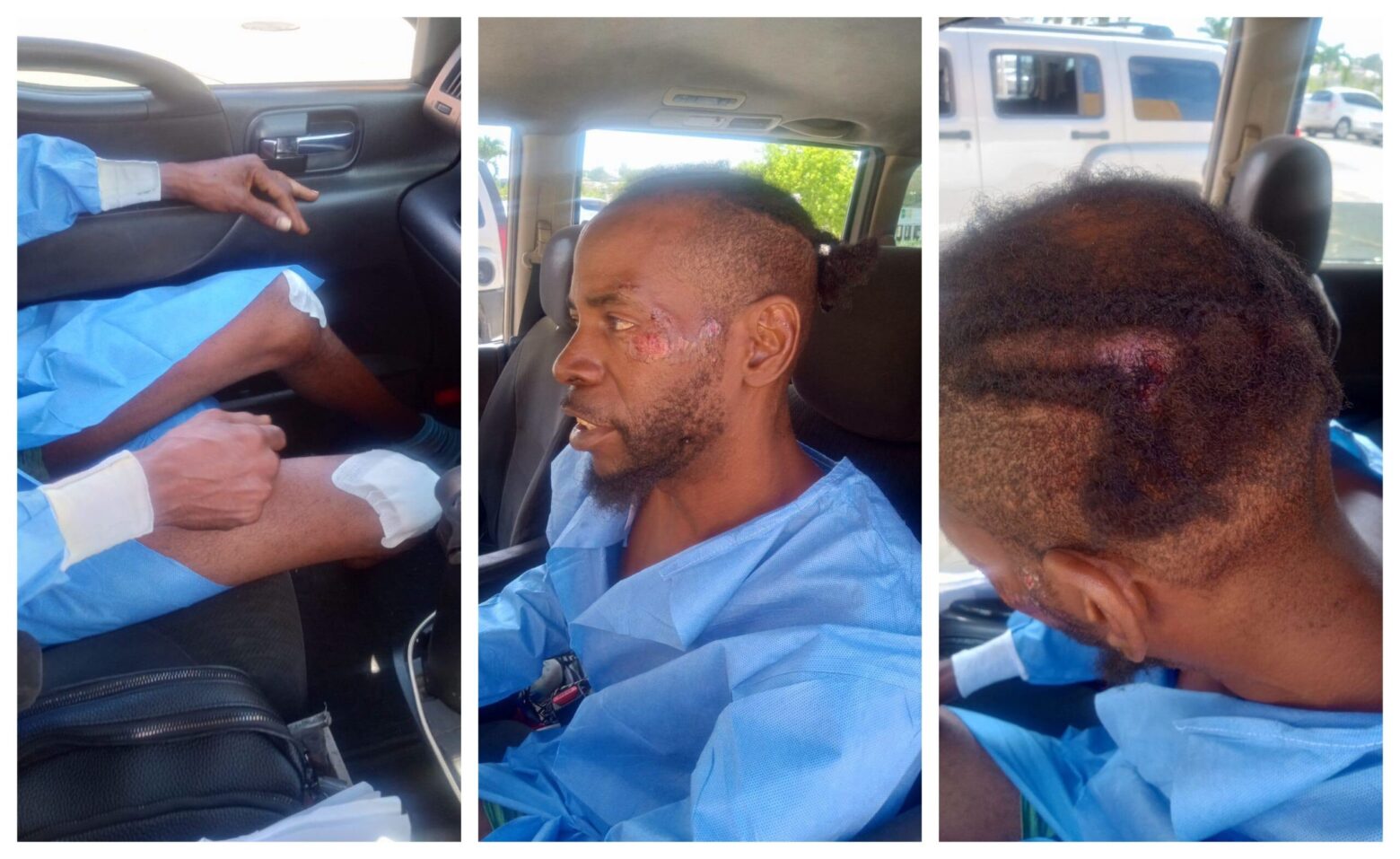
    Details of the shocking attack, shared by a close relative of the victim, outline that the assault unfolded sometime after midnight, when multiple unknown attackers ambushed the man. In a particularly dehumanizing turn, the assailants stole every possession the man carried with him – even stripping him of his outer clothing, including his pants and shoes, leaving him only in his underwear before fleeing the scene. The attackers left the man unconscious from the beating on the concrete floor of the bus station, where he remained undiscovered for hours.

    It was not until a passing member of the public stumbled upon the injured victim that emergency services were notified. Responders rushed the man via ambulance to the territory’s primary healthcare facility, Sir Lester Bird Medical Centre. Once at the hospital, the man regained consciousness, received urgent care for traumatic head injuries sustained during the attack, and was ultimately deemed stable enough for discharge to continue his recovery at home.

    To date, law enforcement officials have not made any arrests in connection with the case. The victim, still recovering from the assault, has been unable to provide detailed identifying information about his attackers to aid the investigation. Police authorities have confirmed that they have launched a formal probe into the incident, though no new updates have been released as of press time.

    The brazen nature of the attack has sent ripples of concern through the local community. The victim’s relatives have spoken publicly about their shock, noting that the violent attack could easily have resulted in a fatal outcome given the severity of the man’s head injuries and the hours he lay untreated. Community organizers and local residents have echoed this worry, pointing to a recent string of violent incidents in public transit areas as evidence that more proactive safety measures are needed to protect residents and commuters.

  • LETTER: Antigua’s athletics need stepping up

    LETTER: Antigua’s athletics need stepping up

    In a recent open letter addressed to sporting authorities and national stakeholders in Antigua and Barbuda, a group of local athletics advocates has sounded the alarm over the steady decline of the country’s track and field program, calling for immediate, targeted action to reverse years of underperformance and stagnation.

    For decades, Antigua and Barbuda has produced talented sprinters and endurance athletes who have competed at the highest international levels, including the Olympic Games and World Athletics Championships. But in recent years, the sector has struggled with a cascade of systemic challenges that have undermined its ability to nurture new talent and compete regionally and globally.

    The letter outlines key gaps holding the sector back: outdated training facilities that lack basic equipment and proper maintenance, insufficient funding for youth development programs, limited access to professional coaching education for emerging trainers, and a broken pipeline that allows talented young athletes to fall through the cracks before they reach elite competition levels. It also notes that without intervention, Antigua and Barbuda risks losing its standing in regional track and field competitions, as neighboring countries invest heavily in their own athletics programs and pull ahead in performance results.

    Advocates argue that revitalizing athletics is not just about winning medals — it is a critical investment in youth development, public health, and national pride. A strong athletics sector provides young people across the country, especially those from underserved communities, with structured opportunities to build discipline, stay active, and pursue professional sports careers that can lift both themselves and their communities.

    The letter calls on the Antigua and Barbuda Ministry of Sports, the national athletics association, and private sector partners to collaborate on a comprehensive revitalization plan. Key proposals include upgrading national training facilities, expanding grassroots youth scouting programs in schools across the country, providing ongoing professional development for local coaches, and securing sustainable long-term funding to support athlete training and competition travel.

    Signatories emphasize that with the right investment and strategic focus, Antigua and Barbuda can reclaim its position as a competitive force in Caribbean athletics and unlock the potential of the next generation of elite track and field athletes. The public call to action has already sparked growing discussion among sporting officials and community leaders, with many signaling willingness to engage in talks to move the plan forward.

  • Van Dijk-Silos lanceert stichting voor leiderschap en nationale ontwikkeling

    Van Dijk-Silos lanceert stichting voor leiderschap en nationale ontwikkeling

    On a Friday in mid-June, prominent Surinamese jurist Jennifer van Dijk-Silos officially launched Stichting Passie voor Land en Volk (Passion for Land and People Foundation), a new independent civil society organization designed to steer Suriname toward equitable, sustainable national development as the country enters a transformative era driven by its emerging oil and gas sector.

    The foundation has outlined five core priorities: cultivating responsible leadership across all sectors, strengthening active civic participation, advancing inclusive nation-building, expanding a progressive local content policy, and building a targeted strategy to leverage the global Surinamese diaspora for national growth. At the launch event, van Dijk-Silos, who serves as the foundation’s chair, emphasized that Suriname stands at a historic crossroads. The projected economic windfall from new hydrocarbon resources should not only boost state revenues but deliver tangible, widespread benefits to every segment of Surinamese society, she argued.

    “The critical question is not how much natural wealth a country holds, but how much of that wealth actually reaches and improves the lives of ordinary people,” van Dijk-Silos stated during her launch address.

    Rejecting the narrow common definition of local content that limits the framework to contract and procurement requirements, van Dijk-Silos called for a much broader, more inclusive approach to the policy. Under her vision, local content should ensure that Surinamese small and medium business owners, local workers, and national knowledge institutions directly capture meaningful gains from the country’s oil and gas expansion. “Local content is fundamentally about how Surinamese people can actively participate in building the economic future of their own nation,” she explained.

    The foundation chair stressed that long-term sustainable development cannot be achieved through natural resource extraction alone. True national prosperity depends on intentional investment in people: through accessible high-quality education, support for domestic entrepreneurship, continuous knowledge development, and the strengthening of inclusive public institutions. “Countries do not become wealthy from natural resources alone – they grow wealthy from investing in their people,” van Dijk-Silos noted.

    A key pillar of the foundation’s work is targeted engagement with the global Surinamese diaspora. With hundreds of thousands of Surinamese migrants living across the globe, the community holds untapped potential in the form of specialized skills, professional experience, capital, and international networks that can accelerate national development, van Dijk-Silos argued. Instead of framing the diaspora as people who left Suriname, the foundation reframes them as Surinamese citizens who have simply expanded their sphere of influence, and invites them to contribute to national progress. “We must see the diaspora not as those who abandoned our country, but as Surinamers who have extended their reach across borders,” she said.

    Structured as an independent cross-sector platform, the foundation will facilitate open dialogue between diverse stakeholders: ordinary citizens, domestic entrepreneurs, young people, civil society groups, academic institutions, and national government. Planned activities include public discussion forums, guest lecture series, leadership training programs, and independent research projects on key national challenges. A top priority for the organization is developing the next generation of ethical, effective young leaders, as van Dijk-Silos argues that sustainable leadership is a non-negotiable foundation for good governance, social stability, and long-term economic growth.

    Beyond economic development, the foundation is committed to advancing inclusive nation-building in Suriname, a country known for its deep cultural, ethnic, and religious diversity. Van Dijk-Silos emphasized that this diversity is not a barrier to national unity, but one of Suriname’s greatest strategic strengths. Instead of centering divisions of origin, religion, or political affiliation, the foundation calls on all Surinamers to embrace shared responsibility for the country’s future. “A strong nation is built on shared values: integrity, respect, solidarity, justice, and active civic responsibility,” she said.

    Closing her launch address, van Dijk-Silos framed the foundation’s creation as more than just the launch of a new civil society organization. It is, she said, an open invitation to all Surinamers – both those living in the country and those part of the global diaspora – to collaborate on building a future where economic growth goes hand in hand with broad social progress, shared national identity, and sustainable, people-centered leadership. “Suriname’s future will not be defined by oil alone,” she concluded. “It will be defined by the quality of our institutions, the resilience of our entrepreneurs, the potential of our people, and our willingness to work together toward a common goal.”

  • ‘Total blackout’

    ‘Total blackout’

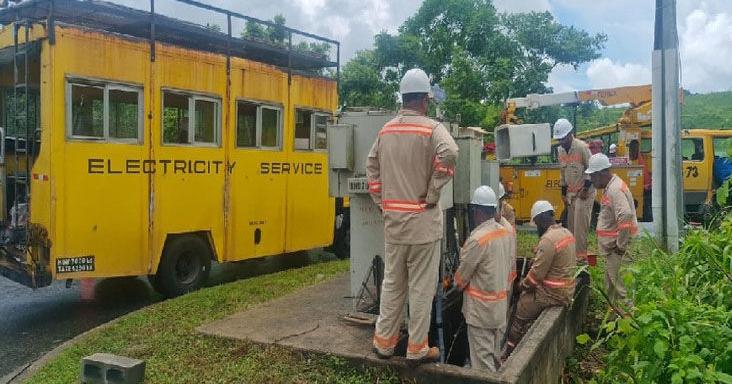
    A deliberate act of cable vandalism in Princes Town, Trinidad and Tobago, left hundreds of residents across multiple local communities without power for nearly a day between Friday and Saturday, marking the second major attack on national electricity infrastructure in less than a month. The sabotage targeted critical high-voltage power infrastructure at the intersection of Seebalack Avenue and Pagee Trace, where perpetrators severed cables connected to a 12,000-volt circuit breaker. The damage also cut four primary high-voltage cables that feed 30 pad-mounted transformers serving the Housing Development Corporation’s (HDC) large-scale Fairfield housing development, triggering a widespread blackout that extended far beyond the development itself.

    The affected areas included the full Fairfield Housing Development, as well as adjacent neighborhoods of Craignish, Indian Walk, Buen Intento, Mathilda and New Grant, leaving approximately 450 residential and commercial customers without power, according to an official statement released Saturday by the Trinidad and Tobago Electricity Commission (T&TEC). T&TEC emergency working crews deployed immediately after the outage was reported, working overnight through Friday and into Saturday to fully repair the damaged distribution hub. Power restoration was rolled out in phases: the first disconnected neighborhoods regained service four hours after crews arrived, the second phase of the Fairfield development had service restored by 11:05 a.m. Saturday, and the first phase of the development was fully reconnected by 12:30 p.m.

    Local and national officials have issued urgent appeals for public assistance to identify and apprehend the perpetrators, warning that vandalism of critical public infrastructure carries severe risks for both the community and the vandals themselves. Dr. Aiyna Ali, Member of Parliament for Princes Town, emphasized that attacks on public utilities disrupt essential services that all residents rely on, and called on anyone with information about the responsible parties to contact Crime Stoppers anonymously at 474-TIPS (8477). “Together, we can help protect our communities and the services we all depend on,” Ali noted.

    T&TEC echoed the appeal, adding a critical safety warning for the public: any tampering with high-voltage power infrastructure carries extreme risk of severe injury or fatal electrocution. The commission advised residents to avoid all unauthorised access to overhead lines, substations and related power equipment, and urged anyone with details of the vandalism to call T&TEC’s anonymous tip line at 474-8467.

    Latchmi Narine, a local government councillor, described the incident as a total blackout that upended daily life across the affected region for hours. Speaking to the *Sunday Express*, Narine pointed out that vandalism against public infrastructure has become an increasingly serious problem across Trinidad and Tobago. She noted that the perpetrators appeared to have prior knowledge of power systems, as they managed to tamper with live high-voltage cables without being electrocuted – a dangerous coincidence that Narine called “really a sad situation for the country.” To prevent future attacks, Narine revealed plans to install permanent security cameras across vulnerable communities to deter potential vandals.

    Many affected residents expressed frustration over the disruption to their daily routines. Kelly Williams, a Fairfield resident, told reporters he was in the middle of watching a World Cup football match when the neighborhood suddenly went dark, after he heard a loud bang that sounded like a transformer explosion. Williams said local rumors indicate the vandals targeted the cables to steal copper wiring, adding that outsiders were almost certainly responsible for the disruption. The outage left him particularly worried about the aquarium fish he keeps for relaxation, which rely on electric-powered filtration systems to survive.

    Another resident, Anton Layne, called for harsh legal action against vandals to deter future attacks. “The authorities need to put strict laws and measures in place against vandalism. When they pick up with them, put them inside and throw away the keys,” Layne said.

    This latest incident is not an isolated one: less than a month prior, on June 10, a would-be vandal suffered severe burn injuries after being electrocuted while attempting to tamper with infrastructure at T&TEC’s Brechin Castle substation. The intruder made contact with a 132-kilovolt breaker, triggering a system-wide voltage dip across large parts of the country at 9:45 a.m. that day. Security camera footage from the substation captured the man being stunned by the shock and falling to the ground, before he recovered, fled the scene and left his tools behind. He was apprehended shortly after the incident and taken for emergency medical treatment for his severe burns. T&TEC noted at the time that the national grid’s protective safety mechanisms worked as designed to prevent widespread outages, and the grid remained stable after the incident. The commission repeated its longstanding public safety warning following the June incident, reminding the public that any interference with power infrastructure carries potentially fatal risks.

  • Public funds demand public accountability

    Public funds demand public accountability

    A long-simmering debate over public funding governance in Trinidad and Tobago’s national football scene has intensified, with Sport and Youth Affairs Minister Phillip Watts reaffirming that transparency, formal accountability, and rigorous financial oversight are non-negotiable requirements for any sporting body that receives taxpayer or public-backed funding.

    The minister’s comments came in response to questions from the *Sunday Express* about growing concerns over the Trinidad and Tobago Football Association (TTFA)’s management of funds allocated for its 2026 FIFA World Cup qualifying campaign. Watts framed the conversation not as an isolated issue targeting the TTFA, but as a matter of core principle that applies to every public-funded sporting entity across the nation.

    “Football holds such profound cultural and social importance for the people of Trinidad and Tobago that we cannot afford to leave any room for doubt about whether it is being managed in a way that prioritizes long-term, sustainable development,” Watts told the outlet. “Whenever questions emerge around governance, accountability, or strategic direction for any national sporting body, those concerns demand serious attention.”

    The controversy centers on a $6.79 million allocation from SporTT, Trinidad and Tobago’s sports development company, earmarked specifically for the TTFA’s World Cup qualifying campaign. To date, the association has not submitted required expenditure documentation for the funds, sparking questions from both regulators and the public. Additional reports have also raised questions about the TTFA’s mounting overall debt, despite receiving large government subventions and private sponsorship ahead of last year’s qualifying matches, with multiple groups including coaches, event vendors and administrative officials reportedly owed millions of dollars in unpaid payments. Another point of contention involves a $3 million sponsorship commitment from the National Gas Company (NGC), which has only released $1.5 million across two tranches, and has reportedly received no formal accounting for the spent funds despite repeated requests.

    TTFA president Kieron Edwards has pushed back against public criticism, arguing that claims of improper or irregular conduct are unfounded. He emphasized that any narrative suggesting misconduct based on delayed disclosure is misleading, noting that information related to the expenditure is reserved for formal review processes, not immediate public release. Edwards added that the TTFA takes its reporting obligations to SporTT extremely seriously, and that association teams are actively working to complete the required documentation. He explained that compiling and verifying comprehensive expenditure records requires a detailed, time-intensive auditing process, which the TTFA is committed to completing accurately and efficiently.

    In his formal responses to the *Sunday Express*’ questions, Watts outlined his clear stance on the situation. When asked whether he was satisfied with the TTFA’s financial compliance, he noted that all compliance matters must be handled with objectivity and rigor, and confirmed he had requested that official review processes be launched to confirm public funds have been properly accounted for and delivered expected public value.

    On questions surrounding the TTFA’s reported unpaid debts, Watts noted that specific details around individual payment obligations are best addressed directly by the TTFA’s leadership, but reaffirmed that transparency and accountability remain mandatory for any organization receiving public support, whether directly or indirectly.

    When asked about his level of confidence in the TTFA’s financial leadership and what guidance he would offer to Edwards and the TTFA executive, Watts said every sporting executive holds a core responsibility to manage their organization’s affairs with prudence, openness, and accountability. His core advice for the association’s leadership: build and maintain robust governance frameworks that earn and retain the trust of all stakeholders.

    On the topic of potential future public funding for the TTFA, Watts clarified that the ministry’s core mandate is to support sustainable sport development across the country, but that all public support must be tied to proper accountability. Any future requests for additional funding will only be considered after a full, clear assessment of past spending, current governance standards, and verified proven need, he said.

    When asked whether an independent audit of the TTFA is needed, Watts said he backs any lawful, appropriate process that can strengthen transparency and reinforce public trust. When concerns around financial management emerge, independent external scrutiny plays a critical role in clarifying outstanding questions and upholding accountability standards, he added.

    Addressing the unresolved NGC sponsorship accounting issue, Watts reaffirmed his core principle: any time public or private funding is allocated to support sport, timely and accurate accounting for how those funds are used is required. Any breakdown in this accountability process is a serious matter that must be resolved through proper, formal channels, he said.

    Watts also acknowledged that ongoing financial instability at the TTFA could have long-term repercussions for the future of football in Trinidad and Tobago. “I am concerned about any financial issues that threaten the long-term stability and growth of our national football,” he said. “Solid financial management is absolutely essential if we want the sport to develop properly, and if athletes, clubs, and all stakeholders are going to trust in our national football system.”