博客

  • Roberto Ángel Salcedo opens CAACI Audiovisual meetings in Dominican Republic

    Roberto Ángel Salcedo opens CAACI Audiovisual meetings in Dominican Republic

    The coastal town of Juan Dolio, Dominican Republic, has become the epicenter of Ibero-American cultural collaboration this week, as the country officially opened two landmark gatherings for regional audiovisual and film governance: the 49th Ordinary Meeting of the Conference of Audiovisual and Cinematographic Authorities of Ibero-America (CAACI) and the 29th Extraordinary Meeting of the IBERMEDIA Program’s Intergovernmental Council. The event draws together senior industry delegates from 22 nations across the Spanish- and Portuguese-speaking region, all aligned to deepen collective progress for the audiovisual and film sector.

    The official opening ceremony was led by Dominican Republic Minister of Culture Roberto Ángel Salcedo, who was joined on stage by key regional and national industry leaders. These included Marianna Vargas Gurilieva, Director General of the Dominican Republic’s Directorate General of Cinema (DGCINE); Luís Chaby Vaz, President of Portugal’s Instituto do Cinema e do Audiovisual and Executive Secretary of CAACI; and Marcio Migliorisi, representing the interim presidency of the IBERMEDIA Intergovernmental Council, a role currently held by Uruguay’s ACAU.

    Across the three-day meeting schedule, which runs from June 23 to 26, participating authorities will work through a packed agenda focused on actionable strategies for deeper regional integration. Key discussion topics include the exchange of evidence-based industry best practices, the co-design of supportive policy frameworks, and the alignment of priorities to drive long-term, sustainable growth for the entire Ibero-American film and audiovisual ecosystem.

    In her opening remarks, Marianna Vargas Gurilieva underscored the Dominican Republic’s expanding footprint in regional cultural cooperation. She noted that hosting delegations from 22 countries underscores the nation’s firm commitment to building a more interconnected, globally competitive regional audiovisual industry. Vargas also emphasized that cross-border knowledge sharing and strategic alliance building are critical to unlocking new professional and creative opportunities for creators and industry workers across the region.

    Luís Chaby Vaz echoed these sentiments, praising the Dominican Republic’s consistent and active engagement in regional cultural governance bodies. He stressed that ongoing collaborative effort remains the single most important factor in strengthening the Ibero-American audiovisual network and delivering shared, inclusive growth for all member nations.

    During the opening proceedings, Minister Salcedo reaffirmed the Dominican government’s long-term commitment to nurturing the domestic film industry. He also used the platform to announce a major new funding initiative under the country’s existing Film Promotion Fund (FONPROCINE): the Support Line for National Premieres in Alternative Spaces. This new program will allocate up to RD$200,000 (Dominican pesos) to as many as four projects each year, with the explicit goal of expanding access to Dominican cinema by screening films in cultural centers, educational institutions, and community venues that fall outside the traditional commercial cinema circuit.

    The initiative is designed to address gaps in domestic film distribution, grow domestic audiences for local content, and strengthen alternative film exhibition networks in partnership with the Dominican Republic’s national Network of Audiovisual Spaces (RESCAD).

    Salcedo also took the opportunity to reflect on the remarkable transformation of the Dominican film sector over the past decade and more, following the passage of the country’s foundational film legislation, Law 108-10. He noted that the industry has evolved from a largely informal, scattered collection of projects into a fast-growing, recognized sector that earns increasing acclaim both at home and on the global stage.

    Beyond internal industry progress, the 2024 CAACI and IBERMEDIA meetings solidify the Dominican Republic’s standing as a leading regional hub for audiovisual cooperation and cross-cultural exchange across the entire Ibero-American community, setting the stage for new collaborative projects and policy progress in the years ahead.

  • Dominican Ministry of Women calls for helpline information in violence reports

    Dominican Ministry of Women calls for helpline information in violence reports

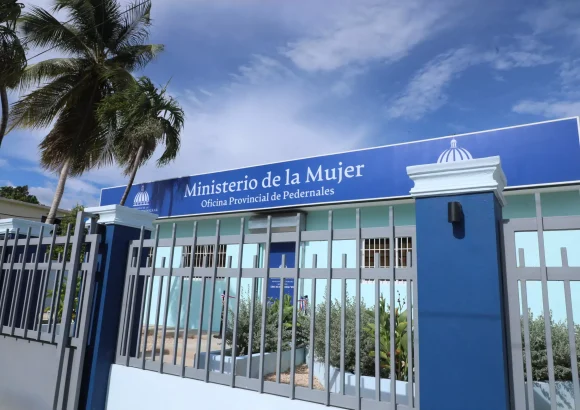
    In a new push to combat gender-based violence, domestic abuse, and femicide across the Dominican Republic, the national Ministry of Women has issued a formal call for all domestic media outlets to embed critical helpline information and support service details into every piece of coverage related to these violent incidents. The initiative frames the inclusion of this information as a core life-saving strategy that extends far beyond basic public awareness.

    Ministry officials argue that traditional journalistic practice, which typically focuses on documenting violent events after they occur, misses a key opportunity to support at-risk people and victims who are actively seeking escape from abusive situations. To address this gap, the institution is urging all forms of gender-based violence related content—from breaking news reports and investigative features to press briefings and broadcast interviews—to prominently display contact information for national support channels that are available to people in need across every region of the country.

    Three core support services have been highlighted for inclusion in media coverage. The first is the Ministry of Women’s own 212 helpline, which operates around the clock to provide free psychological support, legal guidance, and personalized counseling for people affected by abuse. For situations where victims face immediate, life-threatening danger, media are asked to direct audiences to the National Emergency and Security System 9-1-1, which can dispatch rapid intervention. The third key resource is the Public Ministry’s 211 Life Line, a dedicated service that accepts formal complaints of gender-based violence and connects complainants with ongoing assistance throughout the legal and support process.

    Authorities reaffirmed that the Dominican media holds a uniquely powerful social role in addressing violence against women: beyond informing the general public about the scope of the crisis, news organizations can act as a critical bridge between vulnerable people and the life-saving protection services they need to exit abusive situations. The Ministry also extended public gratitude to journalists and media organizations across the country that have already partnered with the initiative, and reiterated its long-term commitment to co-developing new collaborative strategies to tackle gender-based and domestic violence as a shared, cross-societal public priority.

  • OECS seeks expanded trade with Dominican Republic to lower import costs

    OECS seeks expanded trade with Dominican Republic to lower import costs

    Against a backdrop of soaring living costs and strained household budgets across the Eastern Caribbean, the Organisation of Eastern Caribbean States (OECS) is moving forward with a bold plan to deepen bilateral trade relations with the Dominican Republic and Panama. The initiative, which targets relief for cash-strapped consumers, centers on a formal request to temporarily suspend the Common External Tariff (CET), a long-standing trade framework that currently regulates imports into the bloc. This temporary suspension would clear the way for increased imports of staple goods from markets that sit outside the Caribbean Community (CARICOM) integration agreement.

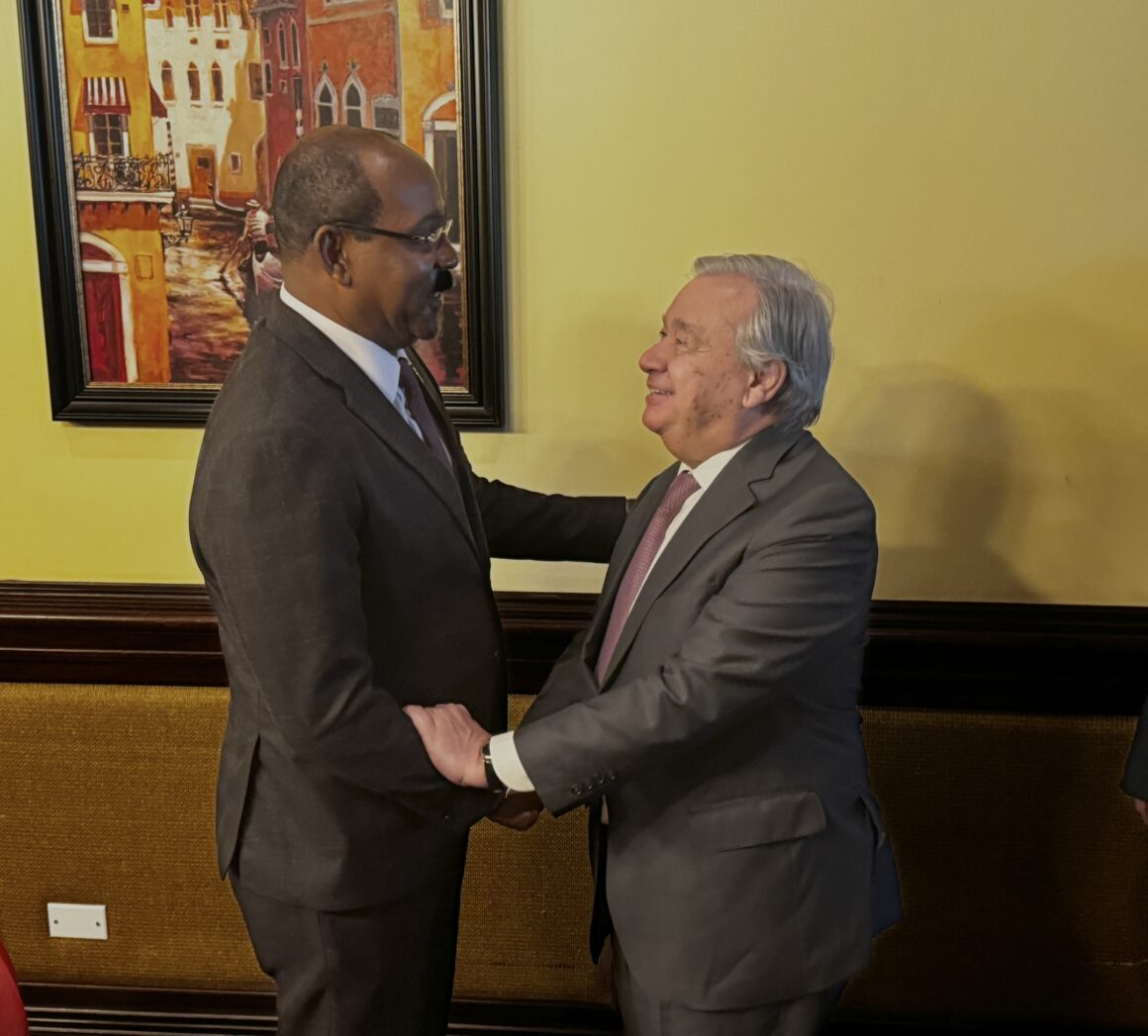
    Speaking to reporters following the conclusion of the annual OECS Summit hosted in Antigua and Barbuda, Antigua and Barbuda’s Prime Minister Gaston Browne laid out the details of the proposal. Browne, who spoke on behalf of the bloc, explained that the core goal of the policy shift is to grant all 11 OECS member states access to lower-cost essential goods and food products at a time when regional inflation has pushed household expenses to multi-year highs.

    Browne emphasized that both Panama and the Dominican Republic bring unique strategic advantages to the proposed trade partnership. Panama, he noted, has already established itself as one of the Western Hemisphere’s most robust and efficient commercial hubs, with extensive logistics networks that can streamline the movement of goods into the Eastern Caribbean. For its part, the Dominican Republic, the Caribbean’s largest economy, has the capacity to emerge as a key supplier of competitively priced food and everyday consumer goods, filling gaps that current supply chains have failed to address.

    The prime minister added that the existing traditional trade routes have long forced Caribbean consumers to pay inflated prices. Many goods pass through multiple intermediaries before reaching regional markets, with each step adding additional costs that are ultimately passed on to shoppers. Direct, expanded trade with nearby regional partners eliminates many of these intermediary markups, creating a far more cost-effective alternative for OECS member states.

    To move the initiative forward, the OECS has already directed its administrative commission to launch a comprehensive feasibility study. The study will specifically map out which products can be sourced at lower price points from the Dominican Republic, providing a clear roadmap for tariff exemptions. The bloc also plans to begin formal consultations with CARICOM leadership in the coming weeks to secure approval for the CET suspension, as the tariff framework falls under CARICOM’s broader trade governance structure.

    If approved, the policy shift is expected to deliver multiple benefits across the Eastern Caribbean. Beyond lowering import costs and easing the burden of high consumer prices for households, the move will also strengthen regional trade integration, expand economic ties between OECS nations and their northern Caribbean neighbors, and improve regional food security by diversifying supply chains for essential staple goods.

  • Dominicans among 13 sentenced for international dog-fighting ring in Colombia

    Dominicans among 13 sentenced for international dog-fighting ring in Colombia

    Colombian law enforcement officials have announced significant convictions in a high-profile cross-border animal cruelty case, with 13 people — including foreign citizens from the Dominican Republic, Ecuador and Venezuela — sentenced to more than two years in federal prison for orchestrating and participating in an unauthorized international dog-fighting tournament on a private farm outside Bogotá.

    Officials from Colombia’s Attorney General’s Office confirmed that all defendants have formally pled guilty to charges of aggravated animal abuse, which includes the intentional killing of animals and infliction of severe bodily harm carried out for financial profit. Investigative records show the brutal event was held on March 14 at a secluded rural estate in the municipality of La Calera, where organizers had pre-constructed a purpose-built fighting ring and set up a dedicated spectator zone complete with food and beverage concessions for paying attendees.

    When law enforcement executed a raid on the property following an anonymous tip, officers recovered the bodies of two dogs that had died from extreme traumatic injuries consistent with dog fighting, and safely removed 12 additional live canines from the site. A post-rescue veterinary assessment found six of the surviving animals suffered lasting physical and psychological trauma linked to long-term abuse and repeated forced participation in organized fights.

    Prosecutors detailed that nine foreign nationals, a majority of whom were from the Dominican Republic, provided the bulk of funding for the event and traveled specifically to Colombia to attend the illegal tournament. Four Colombian citizens were also convicted alongside their foreign co-conspirators, including the ring’s suspected primary organizer and a local veterinarian who facilitated the operation.

    Each defendant received an identical custodial sentence of 31 months and 15 days, ordered to pay a collective fine totaling nearly 50 million Colombian pesos, equal to roughly $14,500 USD, and received a permanent ban on owning or caring for any animals that remains in effect for the full duration of their prison sentences. The convictions mark one of the first high-profile applications of Colombia’s strict new 2025 animal welfare legislation, known as the Ángel Law, which formally banned all organized animal fighting across the country and dramatically increased criminal penalties for all forms of animal cruelty and abuse.

  • Dominican Republic to have more seniors than children by 2050, ONE projects

    Dominican Republic to have more seniors than children by 2050, ONE projects

    New long-term demographic projections released by the Dominican Republic’s National Statistics Office (ONE) paint a clear picture of sweeping population transformation underway in the Caribbean nation, driven by rising life expectancy, plummeting birth rates, and rapid population aging over the coming decades.

    Developed in partnership with the Latin American and Caribbean Demographic Centre (CELADE), which provided specialized technical support for the analysis, the projections outline dramatic shifts in key demographic indicators through the end of the 21st century. According to the study, average life expectancy at birth is on track to jump from 75.7 years in 2026 to 91.5 years by 2100, a gain of more than 15 years that reflects improvements in public health, medical care, and quality of life across the country.

    At the same time, fertility rates will remain well below the 2.1 replacement level required to sustain a stable population without immigration. The report projects that the average number of children per woman will fall from 1.97 in 2026 to roughly 1.7 in the coming decades, a decline that will reshape the country’s age structure dramatically. The national average age is expected to climb from 32.9 years in 2026 to 51.6 years by 2100, making the Dominican Republic’s population one of the oldest in the Latin American and Caribbean region by the end of the century.

    One of the most notable milestones highlighted in the analysis is set to arrive mid-century: by 2050, the Dominican Republic will record more residents aged 65 and older than people under 15, marking the first time this demographic shift has occurred in the nation’s history. The share of seniors in the total population is projected to triple over the next 77 years, rising from 9% today to 17% in 2050 and hitting 36% by 2100. Meanwhile, the proportion of children and young adolescents will continue a steady decline that has been underway for the past two decades.

    Total population size will follow a different trajectory: growth is expected to continue through the 2070s, when the national population will hit a peak before entering a gradual decline that brings it down to roughly 11.9 million inhabitants by 2100. Beyond the core trends of aging and falling fertility, the projections also point to other positive demographic shifts, including a continued drop in adolescent fertility rates and slowing overall population growth.

    Notably, the analysis identifies an ongoing “demographic window of opportunity” that will remain open through roughly 2065, driven by a relatively low dependency ratio – the proportion of non-working age residents that working-age populations must support. ONE officials emphasized that the new projections are far more than an academic exercise: the data will serve as a critical foundation for shaping long-term public policy across sectors, from healthcare and pension systems to housing and education, as the country prepares to address the far-reaching economic and social impacts of its rapidly aging population.

  • Darializa Ávila Chevalier defeats Adriano Espaillat in New York’s Democratic primary

    Darializa Ávila Chevalier defeats Adriano Espaillat in New York’s Democratic primary

    In a stunning upset that has sent ripples through U.S. Democratic politics, first-time candidate Darializa Ávila Chevalier has claimed victory in the Democratic primary for New York’s 13th Congressional District, edging out long-serving incumbent Congressman Adriano Espaillat by a narrow margin. Latest certified election results show Ávila Chevalier secured 49.4% of the total vote, compared to Espaillat’s 46% — a result that upends expectations for a seat long held by one of the Democratic Party’s established Dominican-American leaders.

    The 13th District, which includes majority-Latino neighborhoods like Washington Heights in Upper Manhattan, is one of the nation’s most high-profile constituencies with a majority Dominican-American population. Espaillat, who has represented the district in Congress since 2017, built a reputation as a respected bridge between local Dominican community interests and national Democratic policy, making his defeat one of the most significant incumbent upsets of the 2024 primary cycle.

    At 32 years old, Ávila Chevalier brings a new profile to the race: a Columbia-educated sociologist, Dominican-American born in Miami to immigrant parents and raised in the heart of Washington Heights. She centered her entire campaign around three core pillars: grassroots community-centered representation, sweeping progressive policy reform, and pushing the Democratic Party to elevate younger, less entrenched political voices. Throughout her campaign, she repeatedly emphasized her dual rootedness in both the Dominican community and the New York district she now will represent, framing her connection to the area as a more authentic match for voters than the incumbent’s long tenure in Washington.

    Ávila Chevalier’s win cements her status as one of the fastest-rising stars within the progressive wing of the Democratic Party, and counts as a high-profile victory for the Democratic Socialists of America movement, which backed her campaign. Beyond the local result, the primary contest encapsulates the growing generational and ideological divides roiling the national Democratic Party: it pitted a decades-long incumbent with deep establishment ties against a young, outsider progressive candidate pushing for systemic change, a dynamic that has played out in dozens of primaries across the country in recent election cycles.

    Notably, even with the competitive race between two candidates with very different political profiles, Dominican representation remained the throughline of the entire contest. Both candidates built their campaigns around their deep ties to the Dominican diaspora in New York, meaning the outcome will not break the long tradition of Dominican-American leadership for the district. Instead, it brings a fresh, progressive voice from the community to the national congressional stage, signaling a shift in the priorities of voters in one of New York’s most politically active districts.

  • Executive Air launches regional cargo service

    Executive Air launches regional cargo service

    On June 23, 2026, St. Vincent and the Grenadines’ Argyle International Airport (AIA) announced the official launch of a dedicated regional cargo service operated by regional carrier Executive Air, a development that officials say will transform the island nation’s air logistics ecosystem and unlock new economic opportunities across key industries.

    Widely celebrated as a landmark step for the country’s aviation and trade sectors, the new cargo route network fills a long-standing gap in regional freight connectivity for St. Vincent. Industry and government leaders project the service will lay the groundwork for inclusive, long-term economic growth by streamlining cross-border goods movement for both import and export activity.

    For St. Vincent’s $1 billion-plus tourism and hospitality sector, the service addresses a critical pain point: the ability to quickly and reliably source imported specialty goods ranging from fresh produce to luxury amenities for the island’s resorts, cruise ports and tourist attractions. By cutting down on transit times and reducing supply chain bottlenecks, the new cargo route is expected to lower operational costs for local tourism businesses while improving the visitor experience.

    Beyond supporting imports, the service also opens what AIA officials describe as “massive export pipelines” for local agricultural producers. For decades, smallholder Vincentian farmers have struggled to reach regional and international consumers due to limited affordable freight capacity, forcing many to sell only within local markets and ceding larger revenue opportunities to foreign suppliers. The new Executive Air network will now allow these producers to ship fresh tropical fruits, root vegetables and artisanal agricultural goods to buyers across the Caribbean and neighboring territories quickly, preserving product quality and expanding their customer base dramatically.

    Executive Air’s new cargo network already covers more than 30 destinations across the Caribbean and surrounding regions. The full list of connected points includes Anguilla, Antigua, Aruba, Bequia, Bonaire, Canouan, Carriacou, Curacao, Dominica, the Dominican Republic, Freeport (Bahamas), Grand Cayman, Grenada, Guadeloupe, Guyana (OGL/GEO), Haiti, Jamaica, Martinique, Nevis, Providenciales, San Juan, St. Croix, St. Eustatius, St. Kitts, St. Lucia, St. Maarten, St. Thomas, Tobago, Tortola, Trinidad, and Virgin Gorda, creating an interconnected freight grid that connects St. Vincent to nearly every major market in the region.

    In an official advisory released alongside the launch announcement, AIA management noted that a small number of destinations in the network maintain unique customs, regulatory and handling requirements for incoming freight. To avoid shipment delays or compliance issues, the airport urges all shippers and customers looking to use the new service to coordinate directly with Executive Air’s local office to finalize logistics and confirm destination-specific rules before sending cargo.

    As a small island developing state heavily dependent on trade and tourism, St. Vincent has invested heavily in upgrading Argyle International Airport’s infrastructure since the facility opened, with the new cargo service marking one of the most significant private-sector enhancements to the airport’s capabilities to date. Industry analysts note that improved cargo connectivity not only benefits existing key industries but can also attract new foreign investment in logistics, agro-processing and tourism, supporting long-term economic resilience for the island nation.

  • Serial Arsonist Tracked Down and Jailed!

    Serial Arsonist Tracked Down and Jailed!

    In a major breakthrough for environmental protection in Belize, a serial arsonist who ignited more than 30 blazes inside the protected Five Blues Lake National Park has been captured and sentenced to prison, authorities confirmed this week. The incident, which unfolded in late May, was narrowly stopped before it could spiral into a catastrophic regional wildfire, according to park management officials.

    Rangers from the national park first detected suspicious activity on May 25, when they arrived for a pre-scheduled camping program. Upon entry, they discovered multiple pieces of park property—including visitor camping equipment, recreational kayaks, and other park operational supplies—had been completely destroyed by intentional fire.

    To identify the perpetrator, park management reviewed footage from the park’s network of wildlife monitoring camera traps. The recordings captured a male individual acting suspiciously across multiple zones of the protected area on the same day the equipment was burned.

    Acting on the intelligence gathered from the camera traps, rangers organized an overnight stakeout on May 26. The operation paid off when rangers caught the man in the process of igniting another fire within the park boundaries. A search of his personal backpack recovered several items stolen from the park as well as multiple incendiary materials used to start the dozens of blazes.

    Park co-managers from the Hummingbird Environmental Tour Guide Association (HETA) worked alongside the Association of Protected Areas Management Organisations (APAMO) to transfer the case to Belizean law enforcement authorities immediately after the arrest. The suspect was confirmed to be a Salvadoran national who had entered the country without formal authorization.

    He has already been convicted and sentenced to six months of jail time on charges of illegal entry into Belize, and officials confirmed he is scheduled to face additional criminal charges related to the multiple counts of arson and theft of park property. Rangers emphasized that their quick intervention stopped what could have become a devastating wildfire that would have destroyed critical protected ecosystems and threatened nearby communities.

    Five Blues Lake National Park is one of Belize’s key protected natural areas, hosting hundreds of local and international visitors annually and preserving unique native biodiversity. The park is co-managed by local environmental and tour industry groups alongside national conservation authorities.

  • Antigua and Barbuda Ranked Second in World for Support of UN System

    Antigua and Barbuda Ranked Second in World for Support of UN System

    In a recent global assessment measuring commitment to the United Nations system, the small twin-island nation of Antigua and Barbuda has claimed an impressive second position worldwide, highlighting its consistent and unwavering dedication to multilateral cooperation. The ranking, compiled based on a range of metrics including voting alignment with UN priorities, financial contributions to UN agencies, participation in peacekeeping missions, and engagement with UN-led development initiatives, places Antigua and Barbuda ahead of dozens of larger, more economically powerful nations. For decades, this Caribbean nation has positioned itself as a staunch advocate for the UN’s core mission of maintaining global peace, advancing sustainable development, and upholding international law. As a small island developing state, Antigua and Barbuda has repeatedly leveraged its participation in the UN system to amplify the voices of similarly vulnerable nations, particularly on pressing issues such as climate change adaptation, sea-level rise, and equitable access to global development resources. Observers note that this high ranking reflects not just a formal commitment to the UN, but a deep-seated belief among the nation’s leadership and public that multilateral collaboration is the only effective path to addressing transnational challenges that no country can solve alone. The outcome of the assessment has drawn attention to the outsized role that small nations can play in advancing global governance, challenging the common narrative that only major world powers shape the direction of international institutions. Diplomatic analysts point out that Antigua and Barbuda’s consistent support for the UN system has also helped it build strong diplomatic ties across the global community, strengthening its own position in international negotiations while contributing to the legitimacy and effectiveness of the world body.

  • Monorath vraagt SRD 521 miljoen extra voor versterking veiligheidsdiensten

    Monorath vraagt SRD 521 miljoen extra voor versterking veiligheidsdiensten

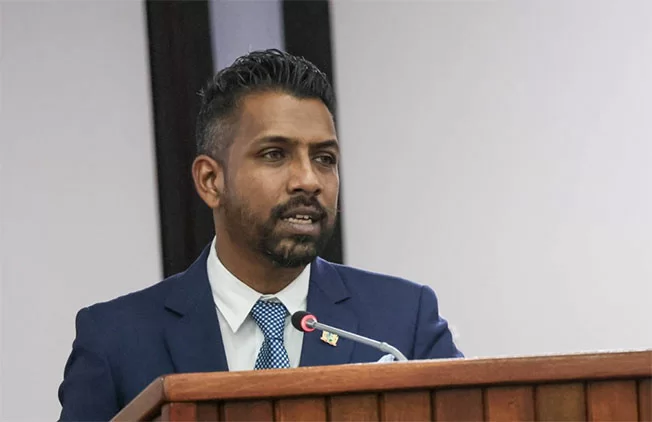
    During 2026 budget deliberations in Suriname’s National Assembly, Minister of Justice and Police Harish Monorath has formally called for a SRD 521 million increase to his ministry’s annual allocation, framing the extra funding as a non-negotiable requirement to strengthen the operational capacity of the country’s security agencies.

    Monorath emphasized that public safety, legal protection, and consistent law enforcement form the foundational pillars of Suriname’s democratic constitutional state. His ministry currently faces mounting, cross-cutting challenges across core portfolios: organized crime reduction, road safety improvement, border security management, and civilian protection, all of which are strained by limited current resources.

    A key pain point laid out by the minister is the extreme imbalance in the ministry’s proposed SRD 5.3 billion baseline 2026 budget, which leaves almost no room for long-term investments in capacity building. Of this total baseline amount, 79% is allocated exclusively to employee wages and salaries, 18% goes to covering routine operational costs, and just 3% remains available to fund policy programs and service development across all security branches.

    “Ninety-seven percent of our entire budget goes to operational running costs. That leaves us with insufficient space to make the critical investments we need to strengthen our corps and services,” Monorath told lawmakers during his budget presentation.

    If approved, the SRD 521 million supplementary budget would be allocated across three key priority areas: SRD 406 million for purchasing new transport vehicles for all security branches, SRD 105 million for firearms and ammunition, and SRD 10 million for new computing infrastructure and expanded digitalization.

    Monorath detailed the critical equipment shortage facing nearly all of the country’s security units. For the Suriname Police Corps alone, an estimated 30 to 40 percent of the current vehicle fleet needs immediate decommissioning due to poor mechanical condition. Other agencies including the national fire department, prison services, and the Security and Assistance Service also face urgent unmet needs for new vehicles and updated operational equipment, he added.

    Beyond equipment gaps, the minister also highlighted persistent structural personnel shortages across the entire security sector. The Suriname Police Corps currently employs roughly 2,700 officers, while the mandated official staffing framework requires a minimum of 3,500 officers, with a long-term target of expanding to approximately 5,000 full-time personnel to meet public demand. To close this staffing gap, the ministry plans to recruit and train around 300 new police officers annually. Other departments, including fire and correctional services, are also targeting workforce expansion and specialized professional training for existing staff.

    Monorath closed by stressing that strategic investments in personnel, equipment, digital infrastructure, and supplies are essential to lifting overall public safety outcomes and boosting the country’s ability to combat criminal activity. He made a direct appeal to the National Assembly to approve the requested budget expansion, noting, “Without these investments, we cannot effectively address the challenges that the ministry currently faces.”