博客

  • Protected Fish Found Skinned Near Trap in San Pedro Waters

    Protected Fish Found Skinned Near Trap in San Pedro Waters

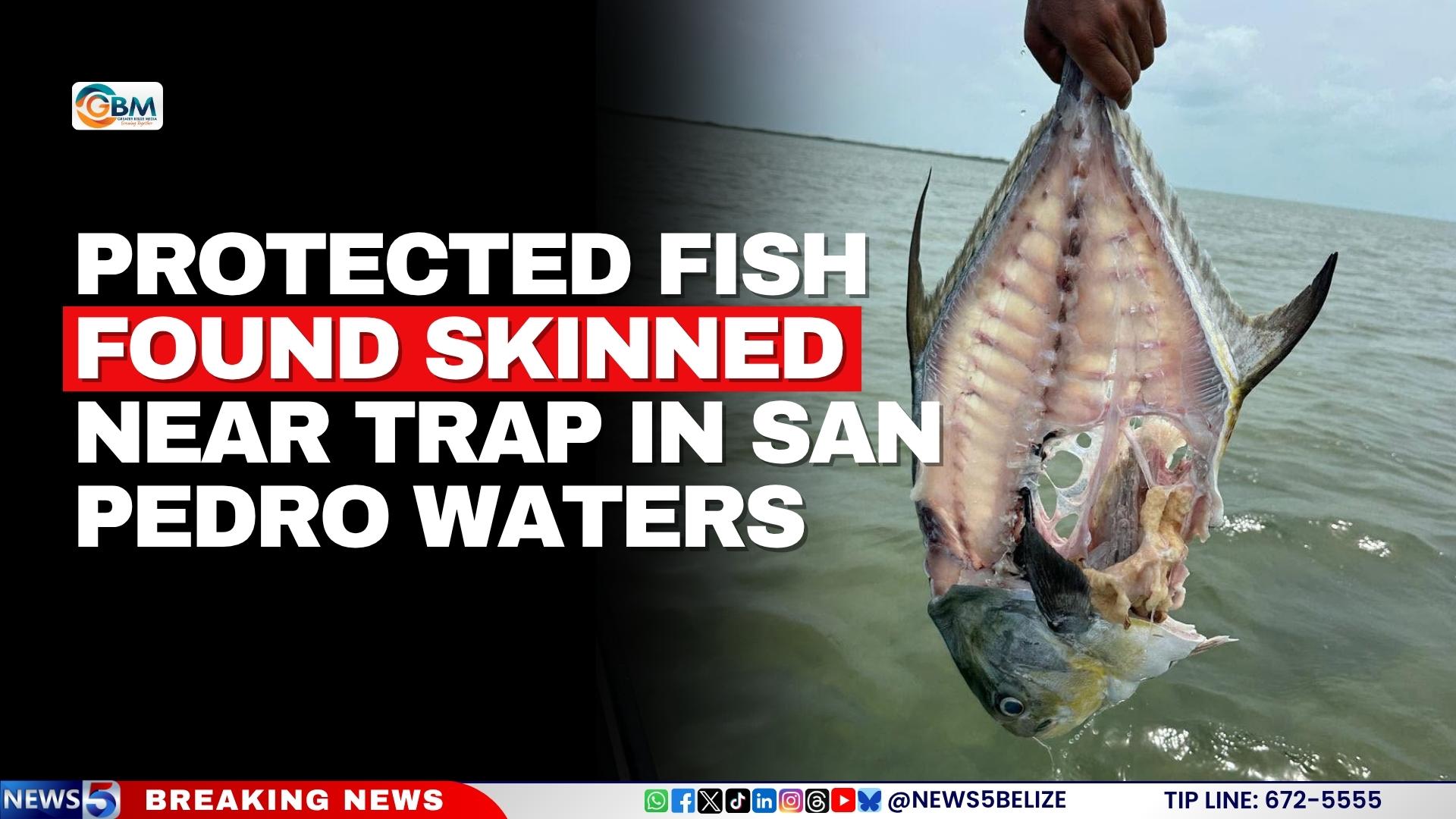
    In a development that has raised alarms among marine conservation groups and fishing industry stakeholders in Belize, the remains of a skinned permit fish (Trachinotus falcatus) — a legally protected species in the country — were discovered earlier this week in the waters off San Pedro Town. The Belize Flats Fishery Association (BFFA) confirmed that one of the organization’s experienced fishing guides found the carcass on Monday, located within a quarter-mile of an unregulated fish trap placed in the area.

    Permit fish hold dual importance for Belize: ecologically, they play a key role in maintaining the balance of coastal marine ecosystems, and economically, they are a cornerstone of the nation’s lucrative catch-and-release flats fishing sector. This industry supports thousands of livelihoods across the country, from local fishing guides to small tourism business owners and entire coastal communities that rely on recreational fishing visitors.

    Following the discovery, the BFFA has officially notified the Belize Fisheries Department of the incident, and is calling on regulatory authorities to launch a full, thorough investigation to identify those responsible and hold them accountable under Belize’s marine protection laws. The association has also issued a public appeal, urging all residents and visitors to report any suspicious activity that involves the catching, killing, trading, or unauthorized possession of protected marine species.

    In a statement following the discovery, the BFFA emphasized that protected species are granted legal protection for clear, pressing reasons. The group reiterated that ongoing conservation of these vulnerable marine populations is not just an environmental priority, but a critical requirement to preserve Belize’s marine ecosystems and secure the long-term viability of the recreational flats fishing industry that supports so many local livelihoods.

  • Barbados backs new push for affordable climate finance

    Barbados backs new push for affordable climate finance

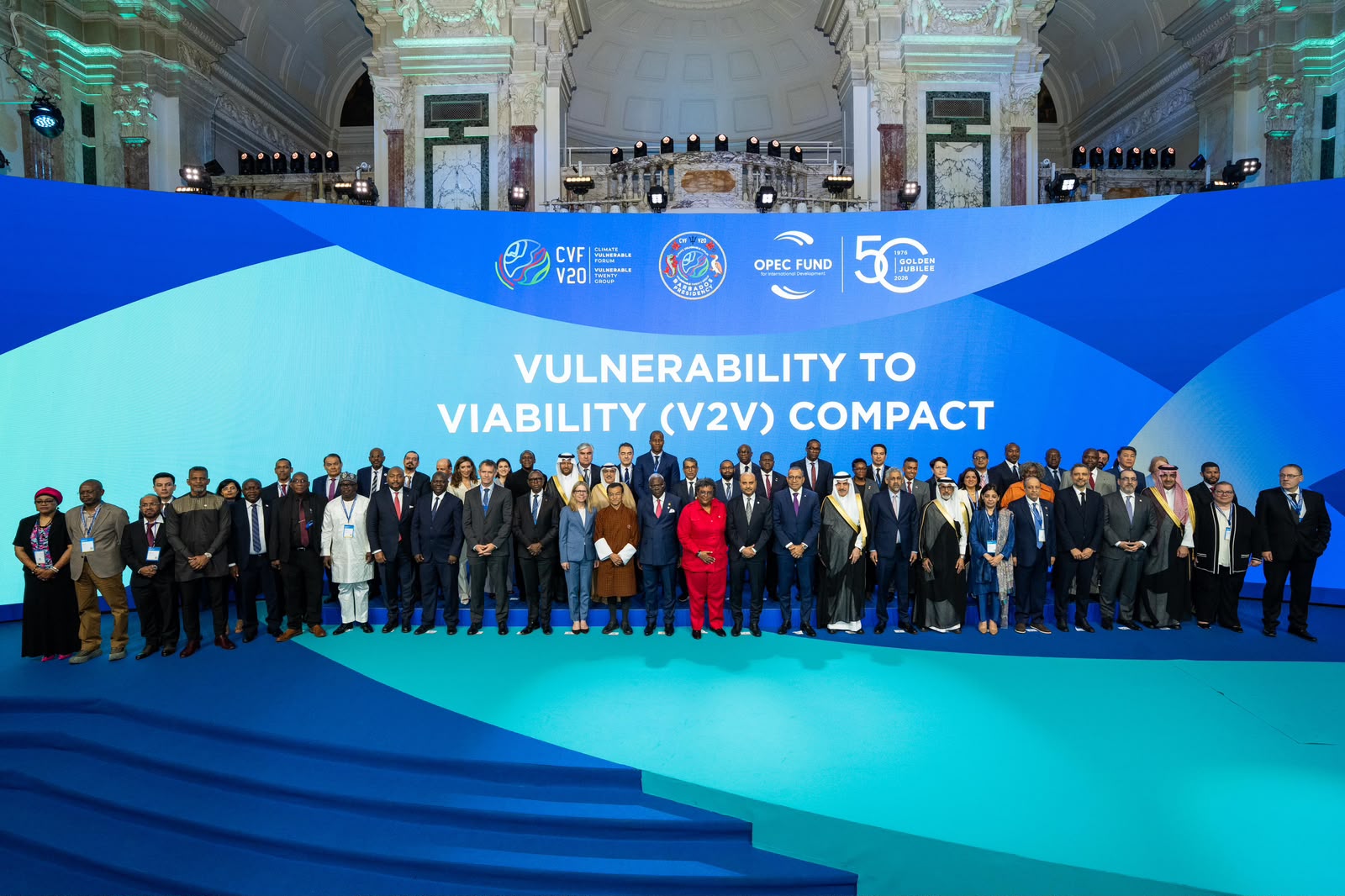
    A groundbreaking new global partnership launched jointly by Barbados and the OPEC Fund for International Development is set to transform how climate-vulnerable nations access critical, low-cost financing for development and climate adaptation projects. The new multi-stakeholder framework, named the Vulnerability to Viability (V2V) Compact, was officially announced during an event in Vienna, assembling an unprecedented coalition that includes 78 climate-vulnerable economies and more than 15 leading global development finance institutions.

    Unlike traditional financing models that often leave the most climate-exposed nations struggling with crippling short repayment windows and high interest rates, the V2V Compact is structured to address the unique barriers these countries face. Core reforms under the initiative include extending loan repayment terms to match the long lifecycle of climate resilience projects, aligning all financing packages with the individual national development priorities of participating countries, and rolling out customized financing mechanisms that directly support infrastructure upgrades, climate adaptation work, and the preservation of essential public services from healthcare to clean energy.

    Speaking on the initiative, Barbados Prime Minister Mia Mottley emphasized that the compact marks a critical shift in global climate finance. For decades, Mottley noted, small and climate-vulnerable nations have been forced to focus solely on surviving climate disasters rather than building long-term prosperity. By unlocking affordable, accessible capital, the V2V Compact is designed to help these countries move beyond a constant state of crisis response, enabling them to build durable resilience and work toward sustainable economic viability and shared prosperity for their populations.

    The launch comes as growing global consensus recognizes that the world’s most climate-vulnerable nations, which have contributed the least to greenhouse gas emissions, face the steepest costs of climate change and often lack access to the financing needed to adapt. The coalition built through the compact aims to fill a critical gap in the existing global climate finance architecture, creating a coordinated pathway for institutional investment to reach the communities that need it most.

  • Kenyatta Benjamin to Be Arraigned June 30 in Fatal Andre Simon Crash Case

    Kenyatta Benjamin to Be Arraigned June 30 in Fatal Andre Simon Crash Case

    Nearly two years after a devastating Mother’s Day road collision claimed the life of elite national cyclist Andre Simon, the man charged in connection with the fatal crash is set to make his next court appearance for formal arraignment next month. Kenyatta Benjamin, a resident of Hatton, appeared before High Court Justice Ann Marie Smith this Monday, where the judicial schedule for the next procedural step was officially set. On June 30, Benjamin will formally answer the charge of dangerous driving brought against him, which stems from the 2022 incident that left Simon critically injured and ultimately dead. If Benjamin enters a plea of not guilty during the upcoming arraignment, court officials will move forward with setting a date for a full public trial.

    The tragic incident unfolded in May 2022 along the Sir George Walter Highway, during a scheduled training ride for a group of four competitive cyclists. Prosecutors’ case rests on the allegation that Benjamin’s vehicle collided with all four cyclists who were on the road that day. The cyclists involved were Andre Simon, Sean Weathered, Ghere Coates, and Tiziano Rosignoli, all of whom were rushed to a local medical facility immediately after the crash for emergency care.

    Three of the four riders — Weathered, Coates, and Rosignoli — eventually made full recoveries from their injuries and were released from care within a short period. Simon, however, was not as fortunate. The 36-year-old competitor, who left behind one child, suffered catastrophic, life-altering damage in the impact, including severe traumatic brain injury and life-threatening internal bleeding. He spent multiple weeks in the Intensive Care Unit at the Sir Lester Bird Medical Centre as medical teams worked to stabilize his condition. Due to the severity of his injuries, Simon was airlifted to the TIRR Memorial Hermann specialized trauma care facility in Houston, Texas on July 2, 2022, to access advanced treatment that was not available locally.

    Despite months of intensive medical intervention in the United States, Simon succumbed to his injuries roughly 13 months after the initial collision, becoming the fatal fatality of the crash. Now, after nearly two years of procedural progress, Benjamin is scheduled to return to the High Court for his long-awaited arraignment on the charge connected to Simon’s death.

  • Ministry of Equity, Cacoa Sainte Lucie honour 20 Canaries fathers

    Ministry of Equity, Cacoa Sainte Lucie honour 20 Canaries fathers

    In a heartfelt Father’s Day celebration centered on unsung community contributions, a Saint Lucian government department has highlighted the critical role fathers play in family and societal development by recognizing 20 committed men from the Canaries region.

    The special recognition event was a collaborative effort between the Community Services Unit under the Department of Equity, Social Justice, Gender and Older Persons, and Cacoa Sainte Lucie, a prominent local chocolate producer based in Belvedere Canaries. Unlike generic Father’s Day observances, this initiative intentionally spotlighted working-class fathers from diverse everyday professions, including fishermen, small-scale farmers, bus drivers, and other laborers who form the backbone of local communities.

    Each of the 20 honored fathers left the celebration with a curated gift box of handcrafted local chocolate, and all attendees were treated to a complimentary three-course Father’s Day lunch, fully sponsored by partnering company Cacoa Sainte Lucie.

    Lyncia Antoine, social transformation officer covering the Anse La Raye and Canaries districts, explained that the event was designed to draw attention to contributions that frequently go unacknowledged. Too often, the consistent, tireless work of fathers and male community role models flies under the radar, she noted, making targeted recognition a necessary priority.

    “This initiative is about showing appreciation to the men who work tirelessly to support their families and contribute to the development of their communities,” Antoine stated in remarks during the event. “Fathers play a vital role in building strong families and vibrant communities, and it is important that we take the time to celebrate their efforts.”

    Department officials emphasized that the gathering reflects the Ministry of Equity’s core commitment to fostering connected, resilient communities, strengthening family structures, and centering inclusive recognition for all groups within Saint Lucian society. Beyond a single day of celebration, the event also reinforces the widespread, foundational impact fathers have on shaping the fabric of the island nation’s social development.

    The Ministry of Equity extended formal gratitude to Cacoa Sainte Lucie for its partnership and sponsorship, noting that the company’s support turned the initiative into a meaningful, memorable experience for the fathers who were nominated for the honor.

  • Antigua and Barbuda Among Nations Confronting Slow Progress on Sustainable Development Goals

    Antigua and Barbuda Among Nations Confronting Slow Progress on Sustainable Development Goals

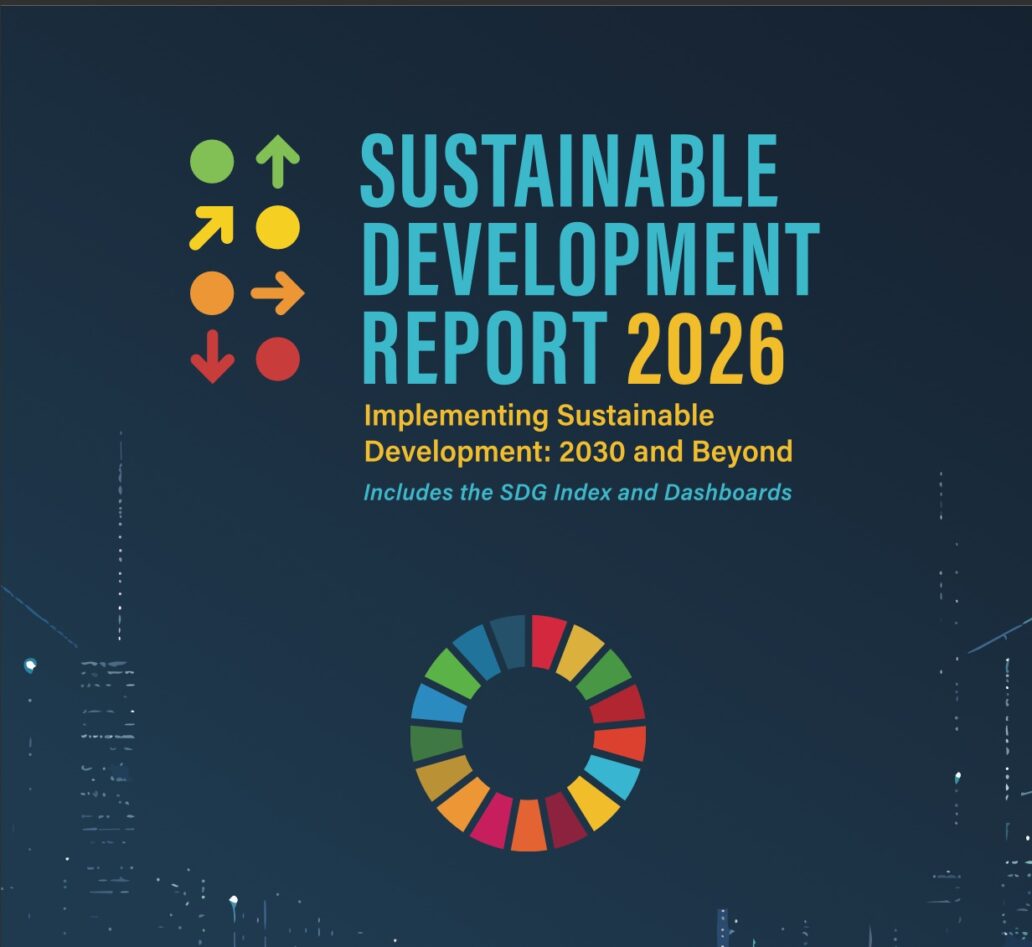
    Five and a half years out from the 2030 deadline for the United Nations’ transformative Sustainable Development Goals (SDGs), a landmark annual assessment has delivered a sobering verdict: none of the 17 global goals are currently on track to be fully achieved by the target date, with systemic barriers blocking progress across climate action, environmental stewardship, and global governance. The findings are outlined in the 2026 edition of the Sustainable Development Report, published by the UN Sustainable Development Solutions Network, which tracks performance across all 193 UN member states each year.

    The report’s comprehensive analysis finds that less than one-fifth of the hundreds of specific targets tied to the SDGs are progressing at a pace that will meet 2030 milestones. Among the 17 goals, four stand out as facing the most severe headwinds: Sustainable Cities and Communities (SDG 11), Life Below Water (SDG 14), Life on Land (SDG 15), and Peace, Justice and Strong Institutions (SDG 16). The assessment also notes that despite broad global rhetorical and policy support for the 2030 Agenda since the SDGs were adopted in 2015, progress has stagnated across multiple core priority areas.

    Climate change remains an especially urgent flashpoint for vulnerable nations, particularly Small Island Developing States. These low-lying nations continue to see growing vulnerability to the impacts of rising global temperatures, including more frequent and intense extreme weather events, accelerating coastal erosion, and widespread environmental degradation that threatens both livelihoods and national sovereignty.

    While nearly all nations have formally committed to the SDG framework, turning commitments into tangible action has proven to be a persistent, widespread challenge. Survey data included in the report identifies four key bottlenecks that continue to slow progress: insufficient development financing, weak governance frameworks, limited institutional capacity to design and execute programs, and inadequate integration of scientific evidence and data into policymaking.

    In a bright spot amid the overall gloomy assessment, Antigua and Barbuda earned international recognition for its leadership in global cooperation. The Caribbean nation was ranked second globally in the report’s separate Index of Countries’ Support for UN-Based Multilateralism, a reflection of its consistent and robust engagement with global collective action efforts.

    The report closes with a clear call to action for the global community: accelerating progress toward the SDGs in the remaining five years will require urgent investment in strengthened national implementation mechanisms, as well as coordinated action to unlock the adequate, accessible financing that developing nations need to deliver on their sustainable development commitments.

  • Blackheart celebrations continue for VF South ahead of SPFL challenge

    Blackheart celebrations continue for VF South ahead of SPFL challenge

    Against a backdrop of torrential downpour that drenched Soufrière Stadium, Vieux Fort South’s young squad defied both adverse weather and in-game adversity to secure a landmark 4-2 victory over La Clery in the 2025 Blackheart/Saint Lucia Football Association Knockout Tournament final. The win not only delivered the first-ever under-20 title in the competition’s history to the side, but also earned the team a $30,000 cash prize, while head coach Alwyn Harris took home the honor of tournament’s outstanding coach.

    In a post-match interview with St Lucia Times during the team’s jubilant celebrations, Harris emphasized that unshakable team confidence had been the foundation of their championship run from the opening whistle. “I just want to say thank you — to my players, to the entire Vieux Fort community that showed up for us every step of the way,” he said. “We walked into this tournament certain we would take the top prize, and I never stopped reinforcing that belief with the boys. I told them there is no team in this competition that could stop them if they stuck to our game plan and played like the unit we trained to be. There is no ‘I’ in team, and tonight they proved they are true champions.”

    The road to the trophy was far from smooth for the green and white-clad side. Late in the second half, the squad faced two major setbacks: their starting goalkeeper was forced out of the match with an injury, and a defender was issued a red card, leaving Vieux Fort South down to 10 men for the closing stretch. Reflecting on the disciplinary incident, Harris noted that while the sending-off was a disappointing turn, the team’s ability to adapt under pressure ultimately secured the win. “We pulled that player aside, talked to him and told him to stay calm, but it still happened,” he said. “We got through it and got the win, but moving forward, we absolutely have to work on improving defensive discipline to avoid these situations in future matches.”

    The first half of the final was a tightly contested back-and-forth battle. Vieux Fort South twice grabbed the lead, but La Clery responded with an equalizer each time, leaving the score tied going into the halftime break. Harris shared that his halftime pep talk focused on refocusing the squad and reinforcing the need for full 90-minute commitment, rather than letting up after scoring. “I told the boys at halftime that we hadn’t won the game yet — football is 90 minutes, not 45, and nothing is settled until the final whistle blows,” he recalled. “Every time we put one in the back of the net, we relaxed, we assumed the other team couldn’t come back. But La Clery wanted this win just as badly as we did. I reminded them that we have to stay locked in from the first minute to the last, and I hope this lesson sticks with us going forward.”

    Fresh off claiming the 2024 Tier 2 title in the Saint Lucia Semi-Professional Football League (SPFL), Vieux Fort South’s upset win over Tier 1 defending champions La Clery sends a clear warning to the top flight ahead of the 2026 SPFL season, which kicks off in the near future. Harris made it clear that his young side is already preparing to compete for the top Tier 1 position when they make their debut in the top division. “Coach Jamil Joseph and the SPFL have everything locked in for the new season, and we’ve got a group of players in Vieux Fort that are hungry to prove they belong at the top level,” Harris said. “I have no doubt in them — they’re going to go out, give it their all, and show what they can do.”

    Individual honors were spread across multiple standout players from the tournament. Vieux Fort South’s Obafami Poyotte earned MVP of the final honors, while teammates Kahlil Henry (best centre-back) and Kai Alexander (best goalkeeper) also took home individual trophies. Soufrière’s Eymani Butcher claimed two awards: best midfielder and Player of the Tournament. Gros Islet’s Rickelme Lionel won the Daren Sammy Trophy for finishing the tournament as top goal scorer.

  • Tsunami warning issued for entire southern coast o the Dominican Republic

    Tsunami warning issued for entire southern coast o the Dominican Republic

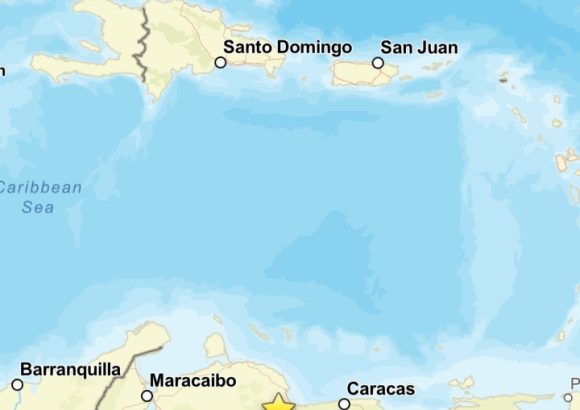
    On Wednesday, disaster management authorities in the Dominican Republic activated a formal tsunami warning for the country’s entire southern coastline, following a powerful 7.2 magnitude seismic event detected off the coast of Venezuela. The alert was rolled out after the Dominican Institute of Meteorology (INDOMET) confirmed the earthquake’s registration west of Puerto Cabello, a major port city in northern Venezuela.

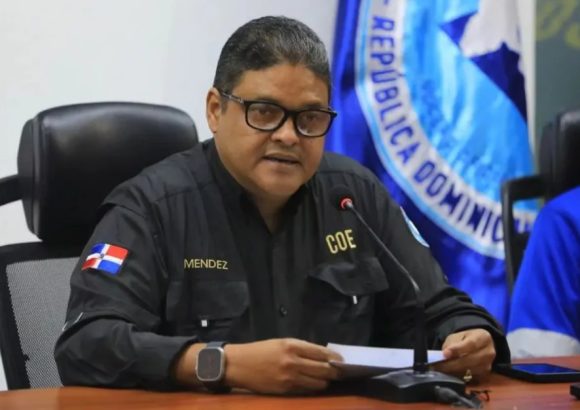
    Juan Manuel Méndez, director of the Dominican Republic’s Emergency Operations Center (COE), announced a tiered alert system tailored to different stretches of the southern shore. A yellow alert, the higher of the two tiers, is in effect for the coastal corridor running from the southwestern border province of Pedernales east to the southern coastal province of Barahona. For the remaining section of the southern coast, extending from Barahona all the way to the eastern province of La Altagracia—home to the popular tourist hub of Punta Cana—a green alert has been implemented.

    In his public address, Méndez emphasized the urgent need for residents living along the coastline and in identified high-risk zones to adhere to all precautionary guidance. He also issued a formal directive to national and local emergency response agencies to immediately activate their established safety protocols, with the core goal of safeguarding civilian lives and protecting personal and public property from potential harm.

    Preliminary seismic data published by INDOMET outlines key details of the earthquake. The tremor hit at 6:04 p.m. local Venezuela time, with a relatively shallow focal depth of just 10 kilometers below the ocean surface. Geocoordinates place the epicenter at latitude 10.407 and longitude -68.493, which is roughly 53 kilometers west of Puerto Cabello.

    To mitigate potential risk from tsunami activity, INDOMET has issued clear guidance for at-risk coastal populations: residents should evacuate low-lying shoreline areas immediately, and move to elevated locations that sit at least 20 meters above sea level, or relocate a minimum of two kilometers inland if higher ground is not immediately accessible.

    Additional guidance has been issued for maritime users: all small and medium-sized watercraft have been instructed to stay anchored in protected port facilities for the duration of the alert. Authorities also warned vessels to avoid navigating near coastal rivers and lagoons, where abnormal strong currents linked to a potential tsunami could create life-threatening hazards.

  • Strong earthquake in Venezuela felt in the Dominican Republic

    Strong earthquake in Venezuela felt in the Dominican Republic

    On a Wednesday afternoon, a powerful seismic event rattled northern Venezuela, sending tremors that rippled across neighboring South American nations and reached far into the Caribbean, according to regional geological monitoring. Compiled by Google from aggregated data supplied by global geological agencies, the event has been measured at a 7.3 magnitude on the Richter scale, placing it in the category of major earthquakes capable of causing severe structural damage in populated areas.

    The earthquake’s epicenter was positioned offshore of Venezuela’s northern coastline, a relatively short distance from the national capital of Caracas. The widespread tremors were perceptible across most regions of Venezuela, with residents as far away as multiple major urban centers in neighboring Colombia also reporting shaking. Even across the Caribbean Sea, inhabitants of several island nations reported feeling the aftereffects of the quake, with multiple accounts of perceptible movement coming from communities throughout the Dominican Republic.

    In the hours immediately following the seismic event, local and national emergency response authorities launched rapid assessments to survey affected areas for damage and injuries. As of the latest update from official sources, no credible reports of substantial structural damage or loss of life have been validated. Emergency teams continue to survey coastal and inland regions, particularly close to the epicenter, to confirm the full scope of the event’s impact. This is an ongoing, developing story that will be updated as new official information becomes available.

  • Proposal seeks to ban all physical and psychological punishment of minors under Law 136-03

    Proposal seeks to ban all physical and psychological punishment of minors under Law 136-03

    In Santo Domingo, Dominican Republic, the National Council for Children and Adolescents (CONANI) is moving forward with a transformative overhaul of Law 136-03, the cornerstone legislation that governs the country’s minor rights protection system. The centerpiece of the proposed reform is a sweeping, explicit ban on all forms of harm against children and adolescents, including physical discipline, psychological abuse, moral mistreatment, and sexual violence perpetrated against minors.

  • Comments

    Comments

    Amid growing public calls for greater transparency around convicted sex offenders in The Bahamas, the leader of the country’s leading anti-violence advocacy organization is pushing back against opening the national Sexual Offenders Register to general public access, warning that such a move in this small island nation would backfire, fuel violent vigilante action, undermine official monitoring efforts, and ultimately fail to deliver on its core goal of protecting children.

    Sandra Dean-Patterson, director of the Crisis Centre – one of the earliest and most vocal supporters of creating the registry – made her position clear in new comments responding to a recent public incident that reignited debate over access rules. The debate flared after an Eyewitness News report featured a local mother who claimed a convicted paedophile was targeting her 10-year-old child. The mother said she had reported her concerns to police, only to be told that officers could not take action because she had not caught the suspect acting illegally.

    Dean-Patterson emphasized that her organization has long advocated for the creation of a formal sexual offenders registry, driven by alarming rises in reported child sexual abuse and exploitation across The Bahamas. The Crisis Centre’s core priority, she said, has always been to gain clear insight into the scope of child victimization and build a structured framework to address the crisis. Established under the 2014 Sexual Offenders Amendment Act and officially brought into force in July 2019, the registry represented a long-sought policy win for the advocacy group. In 2022, the government advanced the system further by digitizing records, launching a dedicated access kiosk at the Wulff Road Police Station, and activating a fully staffed management unit within the Bahamas Department of Correctional Services, which has overseen the registry since July 2021. Under current rules, all offenders sentenced after the 2019 enforcement date are required to register their residential address within 72 hours of release, and notify authorities immediately of any changes of address or travel lasting more than seven days.

    Despite the Crisis Centre’s full support for the registry itself, Dean-Patterson said the organization remains firmly opposed to opening the database to the general public. She stressed that The Bahamas’ small population and geographic size sets it apart from larger nations with public registries such as the United States and the United Kingdom, where public identification does not always produce the desired protective outcomes. Instead, access should be strictly limited to official agencies with a direct mandate for child protection and offender monitoring: the national police force, social services, and the correctional and prison system.

    Drawing on case studies from larger jurisdictions, Dean-Patterson noted that public access has repeatedly led to unintended harmful consequences. In parts of the U.S. such as Miami, for example, strict residency restrictions barring registered sex offenders from living near schools, parks, and other public spaces have pushed offenders into unregulated, isolated areas that make consistent monitoring far harder for authorities. Dean-Patterson also highlighted that vigilante violence and retaliation against offenders are well-documented outcomes of public registries in other countries, outcomes that she said would disrupt rehabilitation and monitoring work in The Bahamas. National Security Minister Wayne Munroe echoed this risk in 2022, noting that courts in some jurisdictions have removed offenders from registries entirely when public retaliation has been documented, eroding the system’s overall effectiveness.

    Under the current restricted model, Dean-Patterson explained, the burden of monitoring released offenders falls directly to trained, mandated officials, who are tasked with implementing appropriate public safety measures as soon as an offender is released from custody. She acknowledged, however, that this framework relies on one critical factor: public trust in the government agencies tasked with managing the system. Dean-Patterson admitted that public confidence in the ability of authorities to protect children from repeat offenders is not as strong as it needs to be, and that the debate over access rules will need to continue as the country works to address child sexual violence. She ended by reaffirming the Crisis Centre’s unwavering opposition to all forms of child violation, saying the organization will remain vocal and firm in its commitment to ending child abuse across the archipelago.