博客

  • Family of Abaco man missing two weeks appeal to the public for help

    Family of Abaco man missing two weeks appeal to the public for help

    For nearly a month, the relatives of a missing Abaco native have turned to the local community and social media for answers, after the 60-something truck driver vanished without a trace following a routine workday. Jean Honoret, an experienced truck driver in his early 60s, was last spotted on June 9, when he checked in for his scheduled shift but never made it back to his residence, according to close family members.

    Wilfred Toussaint, Honoret’s cousin who has shared an unusually close bond with him for years, described their daily routine of checking in with one another, multiple times a day in most cases. The pair spoke the day before Honoret disappeared, and Toussaint said nothing seemed off or alarming during their casual conversation, which unfolded just like any other. “We live like brothers,” Toussaint shared in an interview. “Every morning we check in, ask how the other is doing, what’s going on. We even crack a few jokes. By 5:30 every day, one of us always calls the other to make sure everything is okay.”

    It was that broken routine that first raised Toussaint’s alarm: when he did not hear from Honoret at their usual time the next day, he knew something was wrong. Toussaint, who currently resides in New Providence, told reporters he has no clear idea what could have happened to his cousin. “I don’t know if he’s still alive, or if someone hurt him. I really don’t have any answers,” he said, but added that the entire family is still clinging to hope that Honoret will be found safe.

    As the search drags on without official updates, local residents have taken to sharing posts across social media platforms, asking anyone with even small scraps of information about Honoret’s whereabouts to come forward. Toussaint also shared one key detail that has added to the family’s uncertainty: he later learned that a woman who claims Honoret owes her money showed up at his home looking for him shortly after he went missing.

    Toussaint confirmed he is making plans to travel to Abaco in the coming days to join the search for answers personally. When contacted by The Tribune, Chief Superintendent Michael Thurston, the top-ranking police official overseeing Abaco, confirmed that as of the outlet’s latest inquiry, Honoret’s family had not yet filed an official missing person report with local law enforcement.

  • Cartwright reveals $42,900 for violence commission

    Cartwright reveals $42,900 for violence commission

    A long-running dispute over resourcing for the Bahamas’ key anti-domestic violence oversight body has moved into the national Senate, with Social Services Minister Barbara Cartwright moving to quell growing anxiety from women’s rights advocates by confirming dedicated initial funding for the Protection Against Violence Commission. During Wednesday evening’s senate sitting, Cartwright confirmed the government has earmarked $42,900 in initial allocations for the commission, pushing back against claims from leading advocacy groups that the body would be crippled before it could launch its core mandated work without dedicated public resourcing.

    The push for clarification on funding came from Women United, one of the Bahamas’ most prominent women’s advocacy organizations. Group president Lisa Bostwick-Dean recently raised public alarms about the commission’s operating budget, warning that the body’s chair, Marisa Mason-Smith, would face severe operational barriers without guaranteed, dedicated financial backing. In a public statement outlining the group’s concerns, Bostwick-Dean noted the commission carries a broad, critical policy mandate: it is tasked with developing a national anti-violence strategic framework, coordinating cross-sector support for survivors of abuse, overseeing the expansion of emergency shelter capacity, and administering grant certification for community-led anti-violence projects. The advocacy leader called on the national government to publicly disclose exact funding figures to eliminate uncertainty around the commission’s ability to deliver on these responsibilities.

    Cartwright acknowledged the legitimacy of these concerns in her senate address, moving to reassure both the public and advocacy community that sufficient resources have been locked in for the commission. Beyond confirming the initial $42,900 allocation, the minister added that any additional operational funds required by the body will be drawn from the Ministry of Social Services’ 2026/2027 fiscal budget, providing a long-term funding pathway for the commission’s work. She also shared new details on the body’s operational infrastructure, announcing that the commission will be based out of the recently renovated VB Munnings building located on Pit Road in Nassau.

    Cartwright emphasized that the formation of the commission follows the recent passage of the landmark Protection Against Violence Act, meaning the body’s immediate priority will be the full, robust implementation of the new legislation. She told the Senate that the commission’s leadership – including chair Mason-Smith and Vice Chair Pastor Dave Burrows – have already held consistent working sessions with commission members to lay the groundwork for upcoming programming.

    In addition to updates on the commission, the minister outlined progress on a parallel initiative to expand support for survivors of domestic violence: the conversion of two existing ministry-owned properties into new emergency safe houses. Cartwright credited her predecessor, current National Security Minister Myles LaRoda, with launching the renovation project, noting that work is on track to be completed within two to three months. Once open, the new facilities will be able to accommodate up to 24 people fleeing violent or abusive situations.

    Looking ahead, Cartwright confirmed the Ministry of Social Services also plans to expand operational capacity at the Department of Gender and Family Affairs, which works alongside the commission to deliver support to vulnerable populations. The expansion will include hiring additional full-time staff to ensure the department has the personnel needed to meet its public service mandate.

  • Viral gas station worker overcomes physical disability

    Viral gas station worker overcomes physical disability

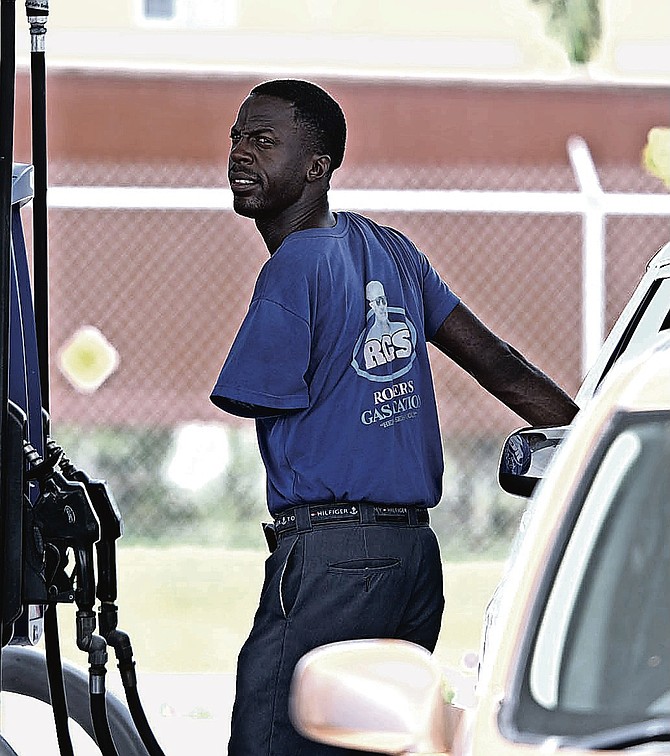
    For 29-year-old Francent Yoth, life has never handed him an easy path. Born with a congenital limb difference that left him with only one functional arm, he has spent his entire adulthood carving out stability through relentless hard work, bouncing between entry-level roles since graduating high school. Today, he serves customers daily as a pump attendant at Roker’s Gas Station, located on Nassau’s Faith Avenue in The Bahamas.

    Last week, a candid photo of Yoth going about his shift captured the hearts of social media users across the region, quickly going viral. Thousands of commenters flooded the original post to praise his quiet resilience, friendly customer service, and unwavering commitment to earning an honest living.

    When a Tribune reporter visited the gas station earlier this week, Yoth moved efficiently between fuel pumps, greeting every customer with a warm smile. At first glance, he blends seamlessly into the rhythm of the busy refueling stop, just like any other member of the local workforce. It is only when he turns that the empty pinned sleeve on his right shoulder reveals the lifelong set of challenges he has learned to overcome.

    Born in Haiti, Yoth relocated to The Bahamas with his family when he was 8 years old, entering a new school system already grappling with how to navigate being visibly different from societal norms. While most new students only worried about making friends, Yoth learned early how to respond to insensitive comments and bullying from peers.

    A graduate of CC Sweeting Senior High School, Yoth described his school years as a mix of highs and lows. “Like every place, you meet people who are kind,” he shared, noting that other peers often chose to make unkind remarks about his disability. He credits his close friends and supportive teachers for stepping in to defend him from bullies during those formative years.

    After graduating high school, Yoth held a string of entry-level jobs, including a role at a local auto parts retail shop. Over the years, he has faced repeated employment discrimination, with multiple employers turning him away based on his disability. Rather than growing bitter, Yoth chooses to focus on the employers who saw his determination instead of his difference. “I’ve had people that give me the job due to my determination and their compassion of seeing me trying to persevere,” he explained. “They were kind enough to give me a chance to do better for myself.”

    Yoth landed his current role in December 2025, after a close friend sent him an email alerting him to the open position. Today, he counts daily interaction with customers as one of his favorite parts of the job, and says many regulars have gone out of their way to encourage him. He calls last week’s unexpected viral social media attention one of the biggest highlights of his career.

    “It’s a positive thing to see yourself out there — not putting yourself out there, but someone saw me and they were compassionate and thoughtful to write something positive,” he said. “I didn’t know the person but thank God that they saw me doing my job, and they wrote it about me. The thing about social media, it can make or break you, and this time it turned into something good.”

    For other disabled people struggling to secure stable employment, Yoth has a simple message: every job comes with hurdles, and the hard work will pay off eventually. He urged people facing similar barriers to stay encouraged, emphasizing that “there is light at the end of the tunnel.”

    For Yoth, his disability has shaped his perspective rather than defined his potential. “There’s beauty in diversity, so in some ways, it helped me to persevere more because of my disability,” he said. “Some days I feel like, what if I had been born with two hands. But I can’t change it, that’s the way God intended for it to be done. So, I have to get through life.” He closed by expressing deep gratitude to the management of Roker’s Gas Station for trusting him with the role and giving him the opportunity to build a better life for himself.

  • Man acquitted of crash that killed police officer

    Man acquitted of crash that killed police officer

    A 39-year-old Bahamian man has been cleared of vehicular manslaughter charges connected to the 2024 death of Inspector Tomas McIntosh, a serving police officer whose posthumous organ donation saved multiple lives and sparked a national conversation on end-of-life giving in The Bahamas. The 7-to-1 not-guilty verdict delivered before Justice Renae McKay saw Raymond Rolle, the defendant, walk free from court yesterday, with visible relief marking his reaction to the verdict.

    The tragic chain of events began on January 31, 2024, when 33-year-old Inspector McIntosh was conducting a routine traffic stop on the Sir Milo Butler Highway. Prosecutors had claimed that Rolle, who was operating a garbage truck at the time, struck the officer, leaving him with catastrophic, life-ending injuries. Following the collision, medical teams confirmed McIntosh was brain dead, and his family made the difficult, compassionate decision to honor his legacy by consenting to donate his usable organs.

    In the moments before McIntosh was transported to the operating room for organ procurement, the community gathered for an emotional Hero’s Walk at Doctor’s Hospital, the facility where he received care. Grieving relatives, uniformed police colleagues, and hospital medical staff lined the facility’s hallway to pay their final respects: family members wept, serving officers saluted their fallen comrade, and the crowd joined in a rendition of “The Wind Beneath My Wings” as McIntosh’s processional moved through the building.

    Speaking to McIntosh’s character in the wake of his death, Deputy Police Commissioner Leamond Deleveaux emphasized that organ donation aligned perfectly with the officer’s lifelong values. “He’s always been a caring person who always looked out for others,” Deleveaux noted. “He went beyond the call of duty of looking out for his colleagues and anyone he came into contact with so he would not have any issue” with the decision to donate.

    Medical leaders across The Bahamas have framed McIntosh’s donation as a milestone for organ donation efforts in the country. Medical teams confirmed that the donation would save the lives of multiple patients waiting for transplants. Dr. Sheena Antonio-Collie, chief medical officer at Doctor’s Hospital, used the moment to encourage other families facing similar end-of-life circumstances to consider organ donation, noting that it not only transforms the lives of recipients but also reduces reliance on costly long-term treatments such as kidney dialysis. Dr. Rhea Thurston-Carroll, a specialist in kidney transplantation, added that McIntosh’s case has provided momentum for expanding national transplant programming, with a goal of building a robust registry that includes both living and deceased donors.

    Rolle was represented in court by defense attorneys Tai Pinder and Lilnique Murphy-Grant, while the prosecution was led by Kalnan Kelly and Erica Duncombe.

  • Abaco man killed in ambush near controversial bar

    Abaco man killed in ambush near controversial bar

    A 32-year-old man from Abaco became the country’s 34th murder victim of the year and the first on the island in 2024 after gunmen carried out a fatal ambush near a controversial Dundas Town nightclub early yesterday, reigniting long-simmering community outrage over the venue’s ongoing operation in a residential neighborhood.

    According to police accounts, the victim, Smithy Belfort, had just entered his parked Honda near Bootle’s Drive and was preparing to reverse out when he was struck by gunfire in the lower abdomen. Disoriented from the injury, Belfort lost control of his vehicle and crashed into a patch of dense bushes off nearby Forest Drive, where responding law enforcement officers later located him. A second 20-year-old man also sustained a gunshot wound to the shoulder during the incident. Police report the man had just exited the Forum Bar and Lounge when he heard the gunfire, and only realized he had been hit moments after the attack.

    The deadly shooting has sent shockwaves through the tight-knit Dundas Town community, amplifying months of pressure on local authorities to crack down on the nightclub that residents have opposed for years over its unsafe reputation, persistent noise pollution, and improper placement in a densely populated residential area. Local residents revealed that the venue was ordered closed back in May, but its unauthorized reopening earlier this month left the community frustrated and fearful. The location has already been the subject of multiple formal petitions and official objection letters from local government representatives.

    Kadeem Martin, the owner of Forum Bar and Lounge, has pushed back against claims that the shooting is tied to his business. He argued that the ambush occurred far up the hill from the club’s premises, as captured by his venue’s security footage. “From what I understand, from the footage that I’ve seen, it was up the hill from the bar. We were already closing and somebody who left, one of the patrons, he was walking his vehicle up the hill, I think, when he got in his vehicle. He had persons waiting on him in the bush so they ambushed him but it had nothing to do with my bar,” Martin said, adding that the attack was not the result of a fight or public intoxication that originated at his establishment. Martin also claimed that only a small number of local residents have raised complaints, framing the pushback as targeted harassment of an out-of-town business owner. “I’m not from Abaco so I have a lot of trouble from these people. They’re saying that I’m coming here to cause a problem, and I’m not. It’s only two residents and they’ve been causing the issues,” he said.

    But local leaders and residents paint a far different picture of the years of unaddressed issues plaguing the neighborhood since the nightclub opened. Faron Newbold, chief councillor for Central Abaco’s District Council, said residents are living in a constant state of fear and disappointment, claiming that local law enforcement has repeatedly ignored their calls for assistance over the venue’s violations. “Residents are fearful and disappointed because they feel there is no sort of protection,” Newbold said, noting that the council opposed the licence application from the start and appealed to the Attorney General’s Office before approval was granted. “It’s smack down in the middle of residences. There are residents in the back, front and side. It don’t even meet the liquor license requirement. All of this was inspected by Ministry of Works, the police and environmental health and gave it a clearance knowing the location. It was disappointing,” he added, calling on the national police commissioner to launch a full investigation into the licensing and response failures that led to yesterday’s killing.

    Melissa Hardy, a long-time resident who lives directly across the street from the nightclub, said she contacted police repeatedly in the hours before the shooting, and officers refused to dispatch officers to address ongoing disturbances at the venue. “I called the police minutes before the gunshots. I called the police five times last night and they refused to come. The sixth time I called the police around 1.28, when I told them if they had come when they was supposed to come, they wouldn’t have to pick up nobody’s dead body,” she said. Hardy added that the community has endured constant late-night noise, loud explicit music, and unruly behavior from club patrons that makes it nearly impossible for local families to sleep through the night. On the night of the shooting, she counted roughly 16 gunshots in quick succession, and has been unable to sleep since the attack. Multiple neighbours confirmed the chaos, saying they scrambled for cover as the gunfire rang out, with one resident even falling while attempting to flee to safety.

    Belfort’s death has already left his family shattered, according to a close family source. The victim’s siblings, who all reside overseas, have been left devastated by the sudden, violent loss of their brother.

  • Open Budget Survey 2025 places Dominican Republic second worldwide in transparency

    Open Budget Survey 2025 places Dominican Republic second worldwide in transparency

    In a formal ceremony held in Santo Domingo, the Dominican Republic’s General Directorate of Budget (DIGEPRES) has officially accepted landmark results from the 2025 Open Budget Survey (OBS) that cement the nation’s position as a global leader in government budget transparency. The country earned an impressive score of 82 out of a possible 100 points in the independent assessment, securing second place globally out of 82 participating nations, trailing only Brazil. Within Latin America, Central America, and the Caribbean, the Dominican Republic ranked first overall.

    The final survey outcomes were formally presented to DIGEPRES Director José Rijo Presbot by Juan Castillo, executive director of Fundación Solidaridad. The event drew a cross-section of key stakeholders, including senior government officials, national oversight body representatives, delegates from international organizations, members of civil society groups, and technical teams that support the Dominican Republic’s annual national budget development process.

    Widely recognized as the world’s only independent, comparative, evidence-based global evaluation of public sector budget transparency, the OBS assesses three core pillars of open governance: public access to detailed fiscal data, formal opportunities for citizen engagement in budget planning and oversight, and the strength of monitoring carried out by national legislative bodies and audit institutions. The 2025 iteration of the survey analyzed fiscal data that was publicly available through December 2024 across all participating countries.

    The 2025 report singles out the Dominican Republic as a global standout example of consistent, long-term progress in fiscal transparency. Since the first round of assessments in 2008, the country has surged from a score of roughly 12 points to the 2025 mark of 82, a 70-point improvement that ranks among the largest gains recorded by any nation over the survey’s history. This dramatic progress is attributed to three core drivers: the consistent, timely publication of all critical budget documents, targeted investments that have strengthened DIGEPRES’s institutional capacity, and expanded collaborative partnerships between government bodies and civil society organizations.

    In remarks following the formal acceptance of the results, Director Rijo Presbot framed the high ranking as both a formal recognition of decades of national work and a mandate to continue advancing open budgeting practices. He emphasized that meaningful transparency extends far beyond simply publishing government data; its ultimate goal is to strengthen public trust in state institutions and elevate the quality of national fiscal policy debate. Rijo Presbot also noted that the push for open budgeting aligns directly with the governance agenda of President Luis Abinader’s administration, which prioritizes strengthening government accountability, expanding citizen participation in public affairs, and improving the efficiency of public spending across all sectors.

  • New committee to oversee administration of Sosúa Beach Vendors Plaza

    New committee to oversee administration of Sosúa Beach Vendors Plaza

    In Puerto Plata, the Dominican Republic’s Ministry of Tourism (Mitur) has officially inaugurated the Management Committee for the newly built Sosúa Beach Vendors Plaza, a landmark institutional move carried out in full compliance with Decree No. 187-26. This formal establishment is designed to embed robust administrative frameworks, proactive maintenance protocols, and long-term sustainable operations for the key public tourism facility.

    The official launch of the multi-stakeholder committee took place during a collaborative working meeting convened by Patricia Mejía, Vice Minister of Destination Management. In addition to senior Mitur officials, the gathering drew participation from Ginette Bournigal, Senator for the Puerto Plata region, as well as leadership representatives from a cross-section of local community organizations. The committee’s membership is intentionally inclusive, bringing together delegations from the area’s Catholic and Evangelical churches, the Sosúa Municipal Government, the Magua Foundation, the Sosúa Development Association, and the leading representative body for local vendors, the Sosúa Beach Vendors Association.

    Per the provisions outlined in the governing decree, the committee is tasked with full oversight of the plaza’s day-to-day operations, ongoing conservation efforts, and strategic management. The facility itself was developed with two core goals in mind: first, to dramatically upgrade informal working conditions for hundreds of beach vendors who serve the area’s steady stream of tourists, and second, to curate a cleaner, more organized, and enjoyable experience for domestic and international visitors to Sosúa Beach.

    Government and tourism stakeholders emphasized that this governance model represents a deliberate shift toward transparent, collaborative governance of public tourism assets, uniting stakeholders from the public sector, civil society, and local commercial groups around a shared vision for the region’s tourism growth. For Mitur, the formalization of the committee marks another key milestone in the broader transformation of Sosúa Beach, a project that has already reshaped the iconic coastal destination. Authorities anticipate the committee’s work will help sustain public order along the beach, lift overall service standards for visitors, and create a more supportive environment for broad-based tourism development across Puerto Plata. Ultimately, the initiative underscores the ministry’s ongoing commitment to centering community participation and sustainable management practices in stewarding the Dominican Republic’s most valuable tourism assets.

  • Abinader reaffirms zero-tolerance policy on corruption at all levels

    Abinader reaffirms zero-tolerance policy on corruption at all levels

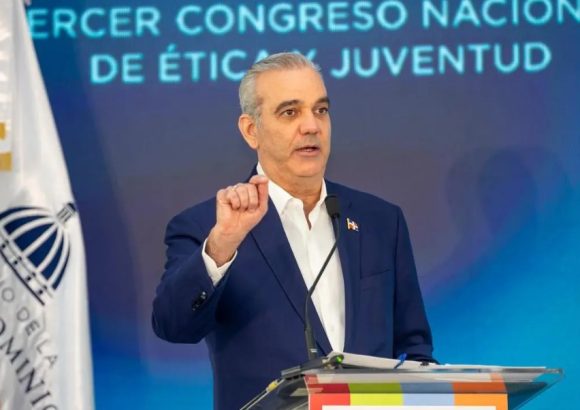
    In a significant push to embed integrity across public life in the Dominican Republic, President Luis Abinader has doubled down on his administration’s pledges to root out corruption and cultivate ethical leadership, speaking to hundreds of young emerging leaders at the Third National Congress of Ethics and Youth held at the Ministry of Defense in Santo Domingo.

    During the gathering, which centered on empowering the next generation to shape transparent governance, Abinader announced a landmark personal commitment: he will step into the role of president of the newly launched National Youth Ethics System. This nationwide initiative is designed to embed core values of honesty, ethical decision-making, and servant leadership among Dominican youth, laying the foundation for more responsible public engagement for years to come. The first gathering of the system is scheduled for next week, with regular monthly sessions planned to coordinate cross-sector efforts and scale the initiative’s reach across every region of the country.

    In his keynote address, the president emphasized that ethical practice cannot remain a rhetorical talking point — it must be integrated into every aspect of daily public and civic life. He issued a direct call to the country’s young people, urging them to step into active roles as guardians of public trust, serve as watchdogs for accountability, and cultivate a new standard of responsible citizenship across the nation. Rejecting the idea that professional status or academic credentials outweigh moral character, Abinader stressed that unwavering ethical conduct is the non-negotiable foundational requirement for anyone seeking to lead or serve the Dominican people.

    The president also used the platform to reiterate his administration’s long-stated zero-tolerance policy toward corruption at every level of government. He made clear that law enforcement and anti-corruption bodies will continue to investigate and prosecute all cases of official wrongdoing, no matter the rank of the individual involved. Broadening the common definition of corrupt acts, Abinader noted that corruption extends far beyond high-profile financial embezzlement schemes. It also encompasses small but corrosive acts including nepotism, influence-peddling, and preferential treatment that erode equal access to public services for all Dominican citizens.

    “We must be relentless in addressing everything from the smallest acts to the most significant ones,” Abinader told the crowd of young leaders. “Our work does not end with prosecutions. We must build a lasting national culture rooted in transparency, equal fairness, and respect for our democratic institutions, and young people are the key to making that vision a reality.”

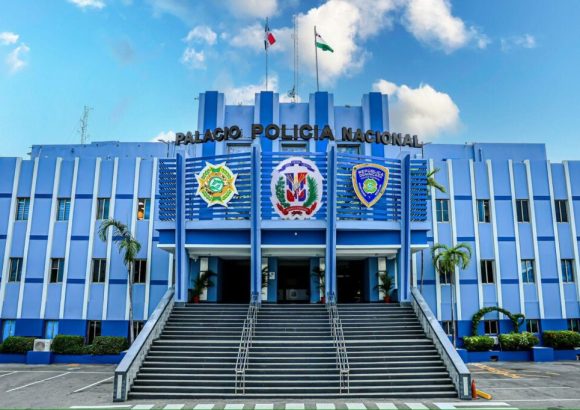
  • Police disperse ANPA protest with tear gas near National Palace

    Police disperse ANPA protest with tear gas near National Palace

    On Wednesday in Santo Domingo, a peaceful demonstration organized by agricultural workers seeking improved working conditions for the nation’s rural sector ended in chaos when the Dominican National Police deployed tear gas to break up the crowd before it reached the National Palace.

    The mobilization was coordinated by the National Association of Agricultural Professionals (ANPA), which had planned a deliberate, orderly route starting at Independence Park and ending at the seat of government to deliver their demands to national authorities. What was intended as a peaceful expression of long-unmet grievances was cut short when security forces intervened with chemical irritants, scattering the assembled crowd before it could complete its journey.

    ANPA’s members have spent years pushing for three core changes: meaningful salary increases, enhanced pension benefits, and updated labor protections that reflect the critical contribution agricultural professionals make to the Dominican economy. Association leaders say none of these long-standing requests have received a formal, adequate response from the government. During the police intervention, Tito Hernández, the president of ANPA, was directly exposed to tear gas, requiring emergency assistance from fellow demonstrators before being transported to a local medical facility for evaluation and care.

    Protest participants voiced deep anger and alarm over the law enforcement response, noting that a large share of ANPA’s membership consists of veteran professionals, many of whom are over the age of 60 and live with pre-existing chronic health conditions. For this vulnerable group, exposure to tear gas poses far more severe health risks than it would for younger demonstrators. Organizers also emphasized that they had properly notified the Ministry of Interior and Police of the march’s route and peaceful intent ahead of time, maintaining that Dominican law only requires notification rather than formal government permission for public demonstrations.

    Despite the aggressive police response and Wednesday’s disruption, ANPA leaders have made clear their campaign is far from over. The association has warned that protests will resume in the coming days, and could ramp up in intensity if the government continues to ignore their demands. Leaders stressed that they are fully prepared to hold daily mobilizations across the country if that is what it takes to secure long-overdue improvements for agricultural professionals nationwide.

  • Dominican Republic partners with Uber Eats to strengthen small businesses

    Dominican Republic partners with Uber Eats to strengthen small businesses

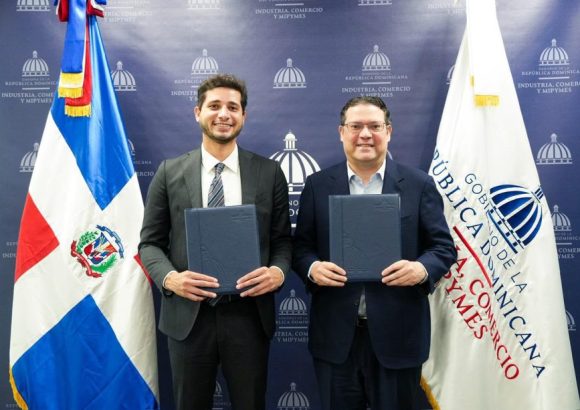
    In a historic first for the Caribbean region, the Dominican Republic’s Ministry of Industry, Commerce and MSMEs (MICM) has entered into a strategic collaboration agreement with global food and delivery platform Uber Eats, designed to drive inclusive economic growth by empowering the country’s micro, small, and medium-sized enterprises (MSMEs). This alliance marks the first time Uber Eats has partnered with a public sector body across the Caribbean, marking a new milestone in cross-sector cooperation to integrate small businesses into the digital economy.

    The formal agreement was signed at an official event by Dominican Industry and Commerce Minister Yayo Sanz Lovatón and Marco Nannipieri, Uber Eats’ Regional General Manager overseeing the Andean Region, Central America, and the Caribbean. The core goal of the partnership is to harness Uber Eats’ extensive digital ecosystem and large consumer base to address key barriers facing local MSMEs: limited market visibility, low customer reach, and constrained sales capacity, while upgrading small business operational efficiency through access to modern digital tools.

    Under the terms of the agreement, Uber Eats will integrate its platform resources to support MICM’s ongoing MSME-focused Business Roundtables initiative. The platform will promote roundtable activities, policy campaigns, and MSME-focused promotional events directly to its millions of users through its mobile application. For MSMEs already participating in existing MICM development programs, the partnership unlocks a range of tangible benefits: prioritized visibility on the Uber Eats platform, and direct, simplified access to guidance and information on official certification processes for both general SMEs and women-led business operations. Uber Eats has also committed to sending representatives to participate in MICM industry events across all its operating territories in the region.

    Speaking at the signing ceremony, Minister Yayo Sanz Lovatón framed the alliance as a model forward-thinking public-private partnership that will directly strengthen the long-term competitiveness and sustainability of Dominican MSMEs, a core driver of the country’s domestic economy. He emphasized that in the modern commercial landscape, large digital platforms have evolved into essential infrastructure that connects producers, small business owners, and consumers far more efficiently than traditional brick-and-mortar distribution networks.

    For his part, Marco Nannipieri highlighted that MSMEs already make up approximately 75% of all active businesses on the Uber Eats platform, giving the company a core stake in supporting the growth of small and medium-sized operators. He echoed the significance of the agreement, noting that as the first public-private partnership of its kind for Uber Eats in the Caribbean, it sets a new precedent for expanding small business access to digital growth tools across the region.

    To lower barriers to entry for participating MSMEs, the initiative includes a suite of targeted financial and operational incentives. For SMEs referred by MICM during the 2026 Business Roundtables, Uber Eats is offering a 10% discount on up to 1,500 deliveries through its Uber Flash delivery service. Additionally, newly registered MSMEs that join the platform through the partnership will receive preferential service pricing and free advertising credits tailored to their business category, helping them build momentum in their early months on the platform.