As large-scale infrastructure and development projects continue to reshape the Barbadian capital of Bridgetown, a leading homelessness advocacy organization is sounding the alarm that current revitalization efforts are at serious risk of sidelining unhoused residents – particularly those living with untreated mental health conditions.
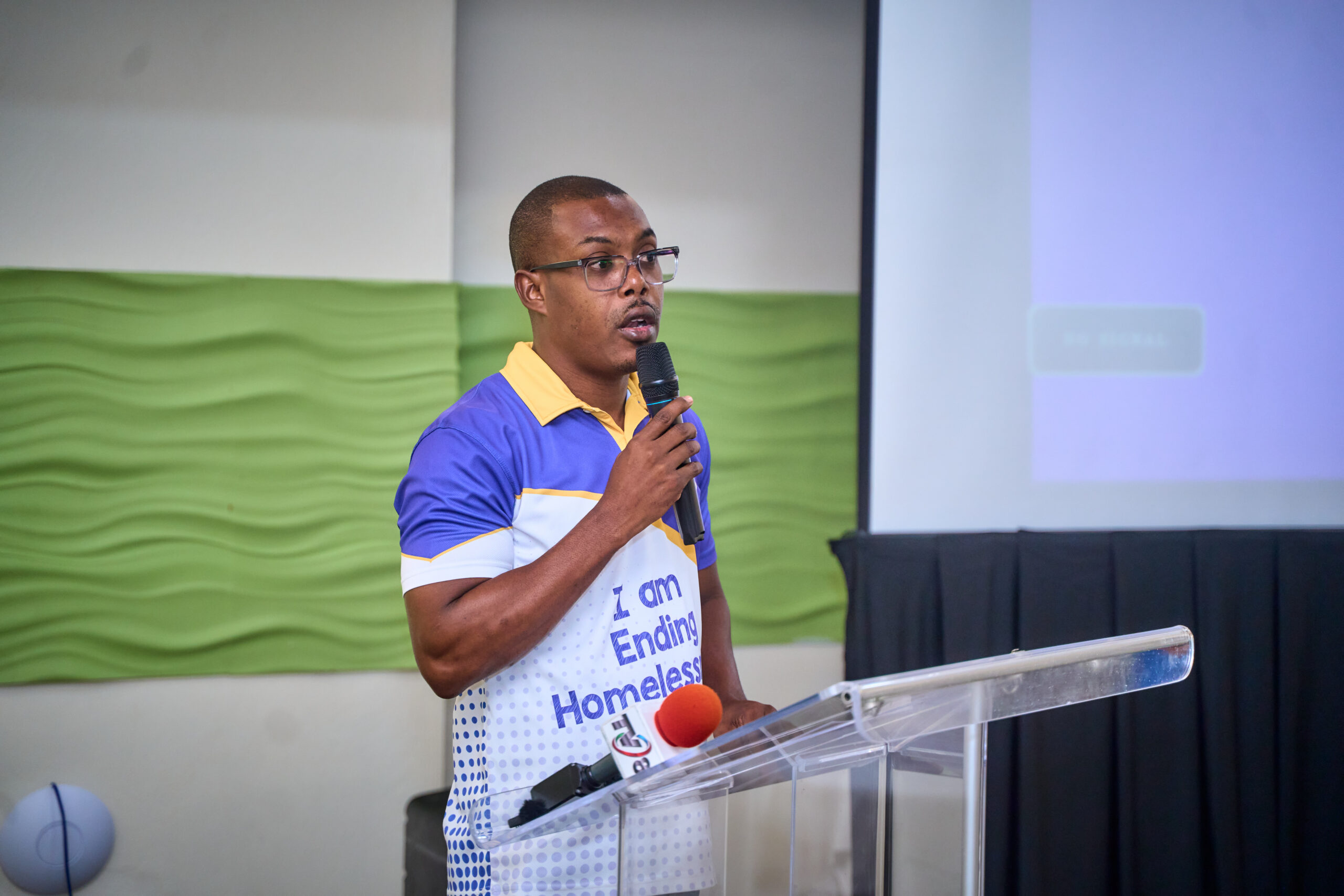
Kemar Saffrey, chief executive of the Barbados Alliance to End Homelessness (BAEH), raised the urgent call to action Thursday during a national homelessness consultation the group organized at Bridgetown’s Radisson Aquatica Resort. The forum was convened in direct response to a growing tide of public complaints about unhoused people sleeping in high-traffic public spaces across the capital, including Independence Square, Heroes Square, Jubilee Gardens, and Golden Square.
Saffrey emphasized that as Bridgetown undergoes its ongoing transformation, addressing homelessness cannot fall solely to BAEH. A coordinated, cross-stakeholder response is required to prevent the crisis from escalating amid major new development. He told attendees that the organization brought all key local stakeholders to the table specifically because every sector has a shared responsibility to tackle the issue, not just the nonprofit advocacy group.
The urgency of the conversation is amplified by the wave of major upcoming developments set to change the face of the capital, including the construction of the new regional headquarters for the African Export-Import Bank (Afreximbank), along with multiple large projects along Wharf Road and surrounding areas. Saffrey warned that without immediate intervention, the growing visibility and unaddressed needs of unhoused residents will impact both local residents and the critical tourism sector, which forms the backbone of Barbados’ economy. Rather than waiting for a public incident to force reactive changes, he argued, policymakers must take proactive steps now.
One of the most pressing unaddressed issues Saffrey highlighted is the lack of consistent mental health care for unhoused residents. Many people living on Bridgetown’s streets have not accessed psychiatric treatment or medication for years, he said, and their unmanaged conditions can lead to behavior that alarms the public and erodes perceptions of the capital as a safe, welcoming space. Saffrey referenced multiple on-the-ground cases he has responded to where unmedicated unhoused people experienced public crises that could have been prevented with consistent care.
Saffrey also acknowledged limitations within BAEH’s own 140-bed shelter facility. The organization is required to enforce rules prohibiting residents from staying under the influence of drugs or alcohol, and requires people with mental health diagnoses to maintain their prescribed medication regimens to protect the safety and well-being of all people staying at the shelter. These rules mean that some of the highest-need unhoused people cannot be accommodated at the shelter, leaving them on the streets.
To close these gaps, Saffrey is calling for far more robust, coordinated partnerships between BAEH and local government agencies, particularly increasing access to trained health and social service professionals to support unhoused residents with complex needs. He also noted that homelessness is no longer confined to central Bridgetown, with rising complaints of unhoused people in suburban and regional hubs including Dover, Oistins, and Speightstown.
Saffrey stressed that meaningful solutions will not be flashy or politically popular, but they are necessary to protect both unhoused residents and the broader community. He warned that waiting for a violent or high-profile incident to force action is irresponsible, and that the country cannot allow unhoused people with untreated mental health conditions to remain without support on public streets. The country needs a proactive national approach to homelessness, he said, and it needs it immediately.