博客

  • West Indies and Sri Lanka Set to Battle for The Sobers-Tissera Trophy in Antigua

    West Indies and Sri Lanka Set to Battle for The Sobers-Tissera Trophy in Antigua

    As the countdown to the first ball of the Sobers-Tissera Trophy Test series winds down, cricket fans across the Caribbean and around the world are building excitement for the upcoming showdown between West Indies and Sri Lanka, kicking off Thursday morning local time at Antigua’s iconic Sir Vivian Richards Stadium. This two-match series is the first of two home Test campaigns on West Indies’ summer 2026 calendar, followed by a series against Pakistan in Trinidad, with both fixtures counting toward the ongoing ICC World Test Championship cycle. The regional side will wrap up their current cycle with an away tour to Bangladesh this November, making every point on home soil critical to their final standing.

    For the home side, the Sir Vivian Richards Stadium has long been a fortress. Across 13 previous Test matches hosted at the ground, West Indies have walked away defeated just twice, a stat that gives them a clear psychological edge heading into the series. That advantage extends beyond the venue: West Indies have never lost a home Test series to Sri Lanka, an unbeaten streak stretching back to Sri Lanka’s first tour of the Caribbean in 1997. Across five home series between the two sides in that time, West Indies have claimed two series wins, while the remaining three ended in draws, including the teams’ most recent encounter in 2021. Keeping that decades-long unbeaten streak intact is a top motivational priority for the West Indies camp, according to head coach Daren Sammy.

    Sammy shared that the team’s preparation has been specifically tailored to Antigua’s pitch conditions and to counter Sri Lanka’s playing strengths. “We’ve looked at the surface, and we have a fair idea of how it’s going to play. All our preparation has been tailored towards that,” he explained, noting that the coaching staff and players have accounted for every possible scenario the hosts could face over the two matches.

    A major boost to West Indies’ confidence ahead of the series is the return of star fast bowlers Alzarri Joseph and Shamar Joseph, who both missed the 2025 away tours to India and New Zealand. The West Indies pace attack has emerged as one of the team’s greatest home strengths since the start of 2024, posting a collective bowling average of 23.13 on home soil – the best record of any ICC full member nation in that period. The Sir Vivian Richards Stadium has also historically played to the pace unit’s strengths: veteran seamer Kemar Roach has taken 54 wickets at the ground at an exceptional average of just 17.07, while Alzarri Joseph has notched 24 wickets at 24.95 at his home venue.

    This series also brings two historic milestone opportunities for West Indian fast bowlers. Roach enters the contest with 294 career Test wickets, needing just six more to become only the fifth West Indian bowler in history to reach the coveted 300-wicket mark in Test cricket. Rising star Jayden Seales, meanwhile, is five wickets short of his own 100-career Test wickets. The 23-year-old has already claimed 95 wickets in just 26 Tests, and if he reaches the 100-wicket mark within his next 212 deliveries, he will surpass Mohammad Asif to become one of the fastest bowlers to reach the milestone in terms of total balls bowled. Currently, only fellow West Indian Ian Bishop ranks in the top 10 fastest 100-wicket hauls for pace bowlers, meaning Seales is on the cusp of joining elite company if he hits the mark this series.

    Joshua Da Silva, Seales’ franchise captain and the recalled wicketkeeper for the series, says the entire squad is eager to see both bowlers hit their milestones. “We know what Kemar has done, what he’s capable of doing and what he continues to do,” Da Silva said. “I’ll be really excited for him to see him cross that milestone. The energy and the grit and determination, the banter that he has on the field, it’s relentless and it just shows why he is the cricketer that he is.”

    Beyond the bowling unit, the West Indies batting group has shown marked improvement in the current WTC cycle. Batters have notched five centuries across eight matches in this cycle, compared to only two centuries in the previous 13 matches of the 2023-2025 cycle. Batting coach Floyd Reifer attributed the progress to intentional, targeted work with the squad over the last 12 months. “Over the last year we have put in a lot of work with the batters on their individual plans, and as a group and coaching staff we have pinpointed areas which needed to be improved,” Reifer explained. “Areas of strength we have sought to enhance, and we continue to see a better attitude towards batting and batting for long periods.”

    Off the field, the opening match will prioritize engaging the next generation of Caribbean cricket fans. In partnership with Cricket West Indies and Antigua’s Ministry of Education and Creative Industries, the first two days of the Test have been designated student engagement days: primary school students from across the island will attend day one, while secondary school students will be guests of honor on day two, giving young local fans the chance to experience top-tier international cricket live.

    With home advantage, historic momentum, and major milestones on the line, all eyes will turn to Antigua Thursday morning as two of international cricket’s oldest Test nations battle for the Sobers-Tissera Trophy and vital WCT points.
  • Baarden, tatoeages en professionaliteit binnen politiekorps: tijd voor een moderne benadering

    Baarden, tatoeages en professionaliteit binnen politiekorps: tijd voor een moderne benadering

    Social norms and cultural values are in constant flux, shifting alongside broader societal evolution. Practices that were deemed unprofessional, inappropriate or unacceptable just a few decades ago are increasingly accepted by mainstream communities today. This shifting landscape has now reached the Korps Politie Suriname (Suriname Police Corps), sparking a debate over long-standing grooming bans on full beards and visible tattoos among serving officers.

    For generations, the Suriname Police Corps has adhered to a strict policy that prohibited officers from wearing full beards, with the restriction rooted in outdated perceptions that linked facial hair to poor grooming, a lack of discipline and diminished authority. Similarly, tattoos were historically stigmatized as markers of criminal activity and negative public image, barring officers from displaying visible ink.

    But as societal attitudes have transformed dramatically across the globe, the Suriname Police Union (SPU) is now questioning whether these decades-old restrictions still reflect 21st century social reality. Today, well-groomed full beards are a common personal choice for men across all professional sectors, including public service. For many officers, wearing a beard is also a core expression of their religious identity, required by their personal faith. Tattoos, meanwhile, are widely recognized globally as a legitimate form of body art and personal expression, worn by professionals across every walk of life – from doctors and lawyers to teachers, military personnel and police officers.

    As the representative body for Surinamese police officers, the SPU argues that true professional competence is defined by an officer’s conduct, integrity, discipline, expertise, and commitment to carrying out their duties – not by superficial appearance. A neatly maintained beard or a visible tattoo says nothing inherently about an officer’s character, authority, trustworthiness, or ability to serve the public. “Police work is carried out by the officer, not their facial hair or body art,” the union emphasizes.

    Beyond shifting social norms, the SPU frames the debate as a matter of fundamental constitutional and human rights. Suriname is a democratic constitutional state, and Article 8 of its constitution enshrines the principle of equality, banning discrimination on the grounds of religion or personal status. Article 9 further guarantees every citizen the right to physical, psychological and moral integrity. When personal appearance such as a beard is directly tied to an officer’s religious belief or core personal identity, the union questions whether any restriction on that choice can be considered necessary, reasonable, or proportionate under the law.

    These protections are also reinforced by international human rights treaties that Suriname has ratified. Article 18 of the International Covenant on Civil and Political Rights (ICCPR) protects freedom of thought, conscience and religion, while Article 26 of the same treaty guarantees the right to equal treatment and freedom from discrimination. International human rights norms also explicitly protect personal dignity and personal privacy, rights that are implicated by overly broad grooming restrictions.

    The union is careful to note that this argument does not mean police forces should abandon all grooming and conduct rules. It acknowledges that any police corps has both the right and the responsibility to set reasonable expectations for public representation, discipline and professional standards. But any such rules must be objective, reasonable, proportionate, and applied consistently across all ranks, the SPU says.

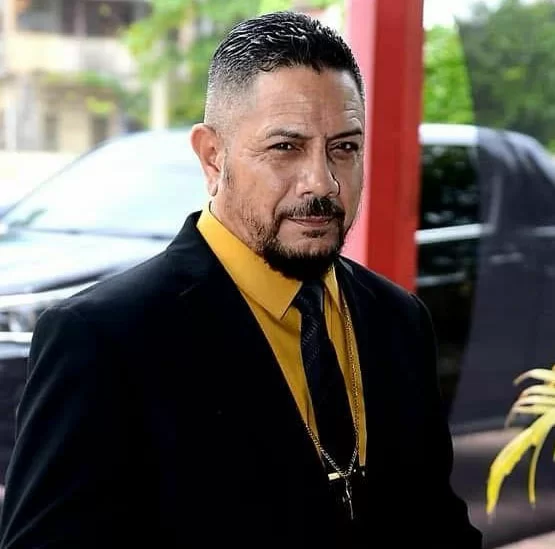
    The debate has been sparked by a recent internal incident, in which an officer was reassigned over claims that his beard violated standards of public representativeness. The case has raised urgent, unresolved questions: Is a neatly groomed full beard truly a threat to public representation? Are there objective, evidence-based criteria to back up such a claim? Have fundamental rights and personal religious convictions been adequately considered in disciplinary decisions? And does this outdated approach align with modern societal expectations?

    The SPU points to a growing global trend of police forces updating their policies to reflect changing social norms. A growing number of countries around the world now allow well-groomed beards and visible tattoos for officers, as long as they do not conflict with safety requirements or interfere with an officer’s ability to perform their duties.

    At its core, the debate is not about appearance – it is about what the public actually expects from its police force, the union argues. Modern Surinamese society does not demand superficial uniformity of appearance at the expense of individual rights. Instead, it expects police officers to demonstrate consistent professionalism, integrity, fairness, and high-quality service to the community.

    To drive home this core message, the union concludes: A beard does not do police work. A tattoo does not do police work. That is the work of the police officer.

    This opinion piece was written by Revelino R.M. Eijk, LLB, Chair of the Suriname Police Union, published on June 24.

  • ABCAS Pathways Summit Equips Graduands For Success

    ABCAS Pathways Summit Equips Graduands For Success

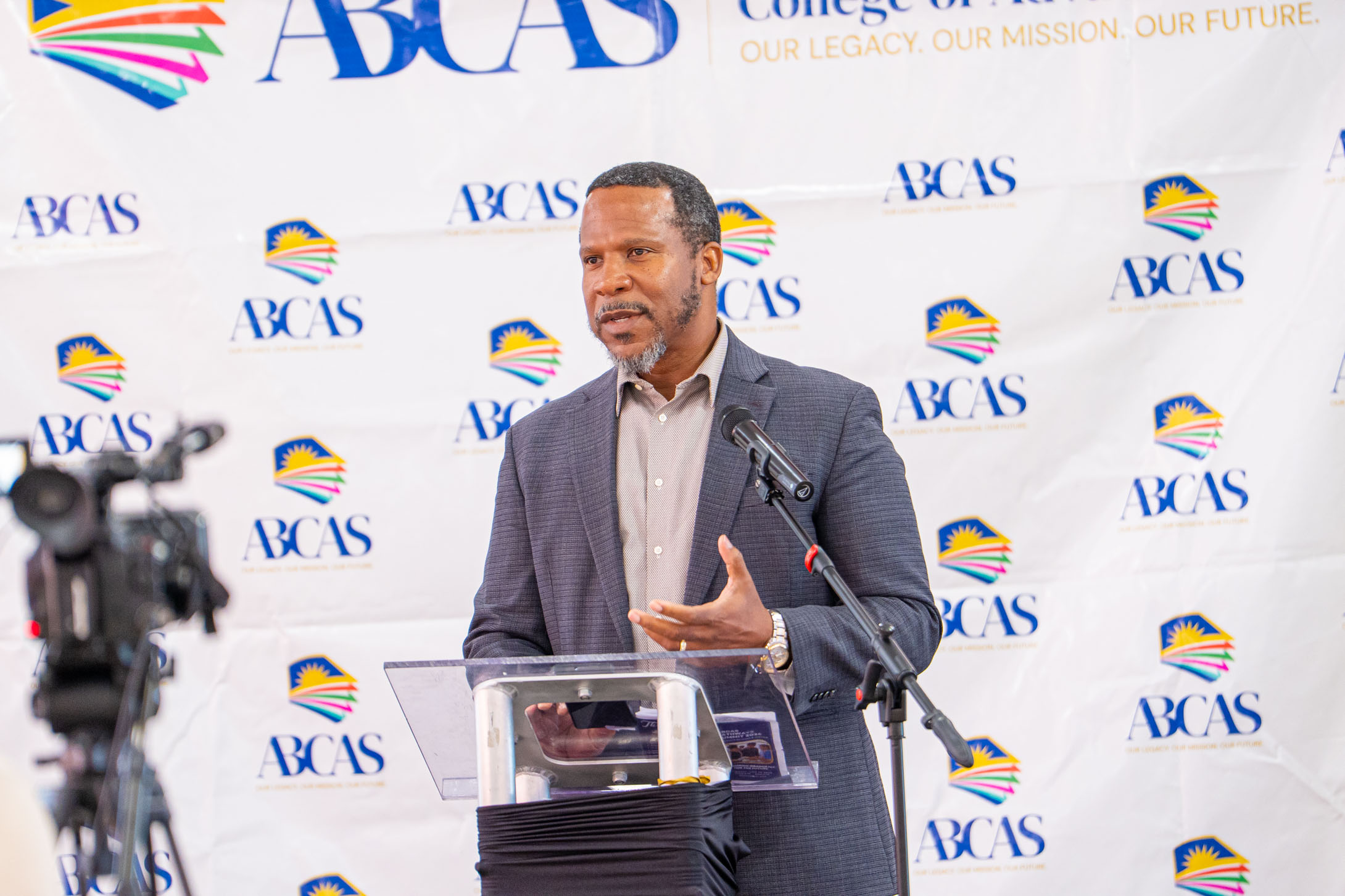
    Against a backdrop of growing focus on bridging the gap between academic learning and real-world professional success, the Antigua and Barbuda Accreditation Advisory Society (ABCAS) has brought together a diverse cross-section of education and industry leaders for its inaugural Pathways Summit, a targeted initiative designed to equip graduating students with the tools they need to thrive in their next life stages. The opening ceremony of the gathering kicked off with keynote opening addresses from two of ABCAS’ top leaders: Dr. E. Jonah Greene, the organization’s president, and Dr. Vernon Solomon, chair of the ABCAS Board of Trustees. A wide range of senior stakeholders and distinguished guests from across the nation’s education and private sectors joined the ceremony, including Dr. Na-Ajele Williams-Buffonge, ABCAS vice president, Dalso Henry, permanent secretary of Antigua and Barbuda’s Ministry of Education, the full body of ABCAS Board members, and official delegations from leading local educational institutions including The University of the West Indies Five Islands Campus, the national Board of Education, and the Antigua and Barbuda Accreditation Board. Unlike traditional graduation events that focus solely on celebrating academic achievement, the Pathways Summit centered on practical, actionable skill-building for graduands navigating the transition out of higher education. Attendees gained actionable insights across four critical areas that directly impact post-graduation success: workplace readiness, personal financial management, mental and physical wellness, and launching new entrepreneurial ventures. To ground discussions in real industry experience, Carlene Spencer, learning and development manager at the major local resort Sandals Grande Antigua, shared on-the-ground perspectives on the core competencies and soft skills that modern employers prioritize when evaluating new hires. For his part, Kurt Jno Baptiste led an interactive, engaging workshop focused on building long-term financial empowerment, a skill rarely covered in standard academic curricula. Beyond structured presentations and workshops, the summit created dedicated space for graduands to network one-on-one with representatives from local universities, top regional employers, established entrepreneurs, and public and private support organizations. This direct engagement gave attendees unparalleled access to curated information, tailored resources, and clear pathways to advanced education, employment, and self-employment that they can leverage immediately after graduation. For ABCAS, the Pathways Summit is far more than a one-off event: it is a core manifestation of the organization’s long-standing institutional commitment to student success. Rather than only supporting students through their graduation requirements, ABCAS aims to prepare learners for sustainable, fulfilling careers, successful entrepreneurial ventures, and ongoing lifelong learning as they enter the next chapter of their personal and professional lives.

  • Forced Leave, Vacation Blackouts Dominate ABWU Aviation Sector Meeting

    Forced Leave, Vacation Blackouts Dominate ABWU Aviation Sector Meeting

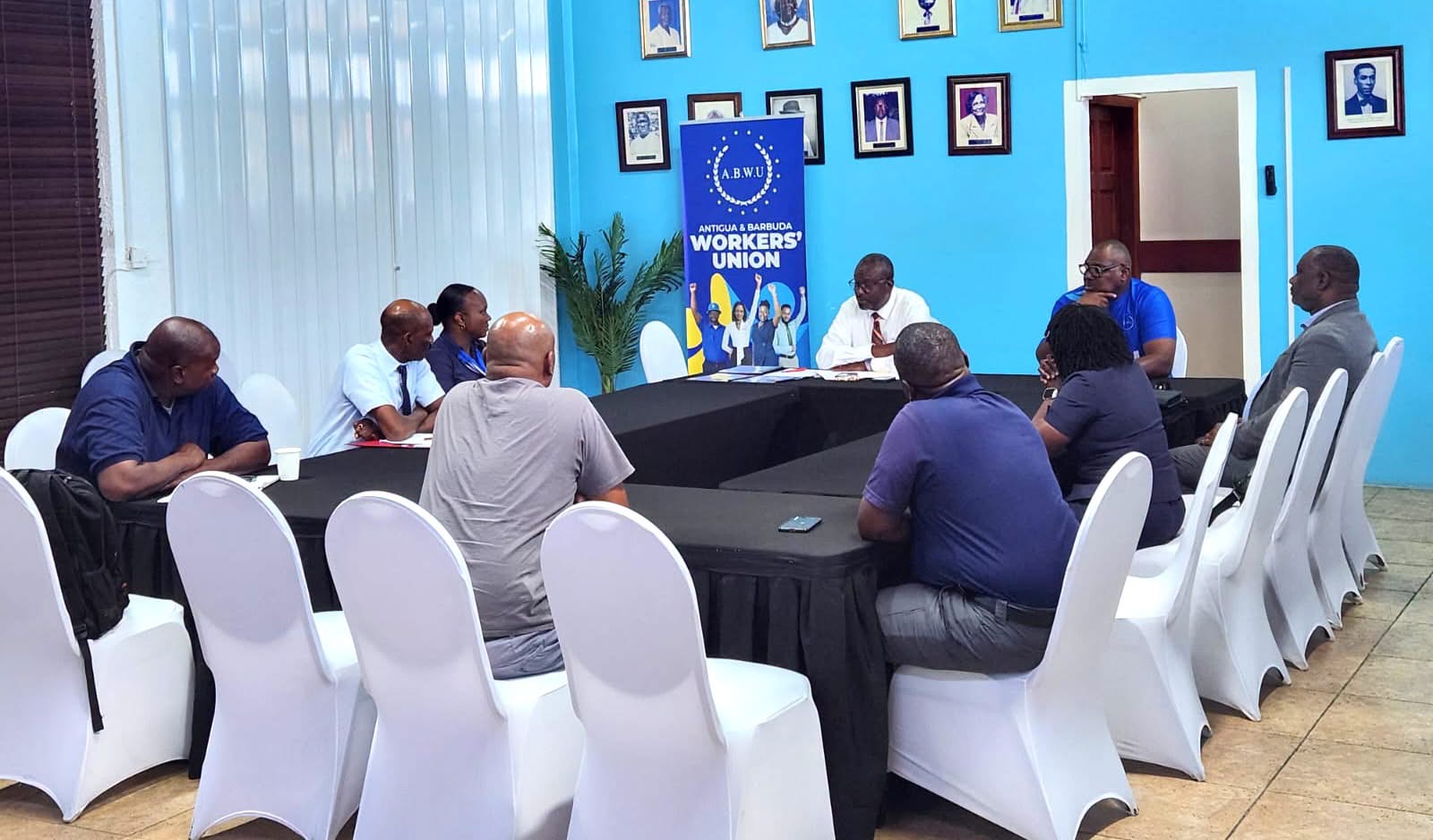
    A recent gathering of the Airlines and Aviation Section of the Antigua and Barbuda Workers’ Union (ABWU) has shone a spotlight on two pressing workplace issues: unfair forced leave policies and underrepresentation of aviation workers, prompting union leadership to commit to targeted action for employee protections.

    The meeting, which brought together top union officials and frontline shop stewards, served as a collaborative space for delegates to surface on-the-job grievances, review shifting dynamics across the country’s aviation sector, and map out collective strategies to advance worker rights. The most heated grievances centered on two vacation-related violations by one unidentified aviation employer: unjustified vacation blackouts and coercive forced leave.

    Workers reported that the company blocks employees from taking leave during their preferred time blocks, even when staff submit formal requests with ample advance notice. In addition, multiple delegates shared accounts of workers being forcibly removed from company premises and ordered to take unscheduled leave against their will.

    Responding to these allegations, ABWU General Secretary David Massiah made a public commitment to push back against what he calls the company’s unlawful, one-sided policy. He emphasized that the Antigua and Barbuda Labour Code explicitly requires mutual consent from both employers and employees when finalizing vacation scheduling, meaning the company’s current practices violate national labor legislation.

    Beyond addressing immediate labor violations, the meeting also prioritized a long-term goal: growing union density across the entire local aviation sector. Section Chair Steveroy Phillip outlined that expanding membership is critical to ensuring more aviation workers can access the robust protections and benefits locked in through collective bargaining agreements.

    “Our core priority right now is unionizing the ground handling staff at the airport, so they can secure the same fair terms and protections that the rest of us already enjoy,” Phillip said in remarks during the meeting. “We are calling on every current member to reach out to an unorganized colleague, talk to them about the value of our union, and help us build a stronger collective voice for all aviation workers.”

    Phillip also addressed a third ongoing grievance: some employers have refused to grant workers scheduled time off to participate in official union activities, a practice he confirmed constitutes a clear violation of existing collective bargaining agreements between the union and sector employers.

    Despite the range of challenges laid out during the meeting, Phillip struck an optimistic tone about the section’s growth trajectory. He noted that participation in union activities has been steadily increasing as the organization prepares for its 59th Annual General Conference, set to take place this coming September, and expects this upward trend to continue in the coming months.

  • Antigua and Barbuda Welcomes Adoption of OAS Declaration on Improving Mental Health in the Americas

    Antigua and Barbuda Welcomes Adoption of OAS Declaration on Improving Mental Health in the Americas

    A historic milestone for public health across the Western Hemisphere was reached this week at the 56th Regular Session of the Organization of American States (OAS) General Assembly, where member states formally adopted the groundbreaking Declaration on Improving Mental Health in the Americas. The initiative, which traces its origins to a regional conversation first launched by Antigua and Barbuda during the previous General Assembly that the Caribbean nation hosted, has been widely celebrated as a long-overdue step forward for a long-neglected global health priority.

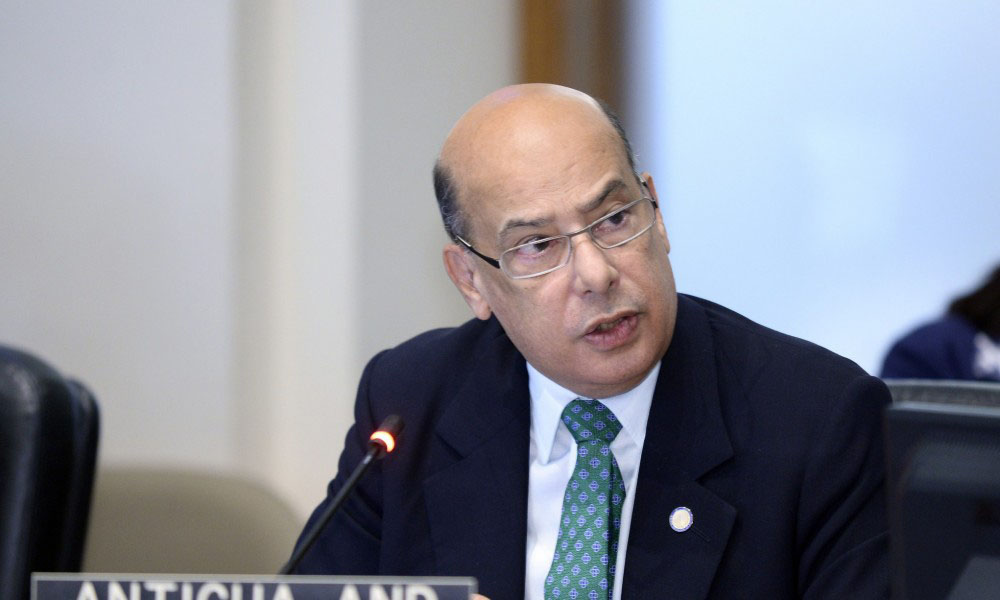
    In an official statement delivered to the assembly by Sir Ronald Sanders, head of Antigua and Barbuda’s delegation, the small island nation extended full praise to the OAS General Assembly for the historic adoption of the text. Sir Ronald emphasized that mental health is far more than a narrow medical concern: it forms a foundational pillar of individual well-being, social cohesion, and long-term sustainable development across all societies in the region.

    Outlining the origins of the push for regional action, Sir Ronald confirmed that the conversation was launched at the request of Antigua and Barbuda’s Prime Minister, the Honourable Gaston Browne, during the previous gathering of OAS members. From its inception, the initiative was rooted in the core belief that strong mental health systems are non-negotiable for building resilient, progressing societies across the hemisphere.

    The statement made clear that growing regional pressures have made urgent collective action impossible to ignore. Recurring climate-driven disasters, persistent economic vulnerability, widespread social disruption, and the lingering aftermath of the COVID-19 pandemic have all compounded existing strain on mental health and exposed gaps in care systems across the Americas. These shared challenges, Antigua and Barbuda stressed, demand coordinated, cross-border cooperation rather than isolated national responses.

    A key framing advanced by the delegation is the recognition that mental health intersects with multiple critical policy areas, not just public health. It is equally a development issue, an education priority, a labour market concern, and a fundamental human right. Against this backdrop, the new declaration stands as a landmark collective commitment from OAS member states to deepen cross-border collaboration, exchange evidence-based best practices, expand equitable access to high-quality mental health services, and advance people-centred policy frameworks centered on prevention, ongoing care, and full recovery.

    Antigua and Barbuda also specifically highlighted the declaration’s inclusive language, which prioritizes the unique needs of vulnerable persons and marginalized groups and enshrines inclusive, accessible approaches to national mental health policy.

    Speaking to the significance of the moment, Sir Ronald framed the adoption as a critical turning point after decades of inaction. For far too long, he noted, mental health has ranked among the most neglected public health challenges across the hemisphere. Today, the declaration sends a unified, clear message: that mental health is integral to human dignity, collective well-being, and sustainable development, and investing in mental health systems is an investment in healthier, more resilient communities across every corner of the Americas.

    As the nation that first initiated the regional conversation that led to this milestone, Antigua and Barbuda expressed deep pride in the outcome. The delegation reaffirmed the country’s ongoing commitment to working alongside all OAS member states to turn the political commitment made at the Panama session into tangible, on-the-ground action that improves lives across the region — particularly for those who have long been unseen, misunderstood, and left behind by existing mental health systems.

  • Ten Delegates Unveiled for Optimist Petit Show 2026

    Ten Delegates Unveiled for Optimist Petit Show 2026

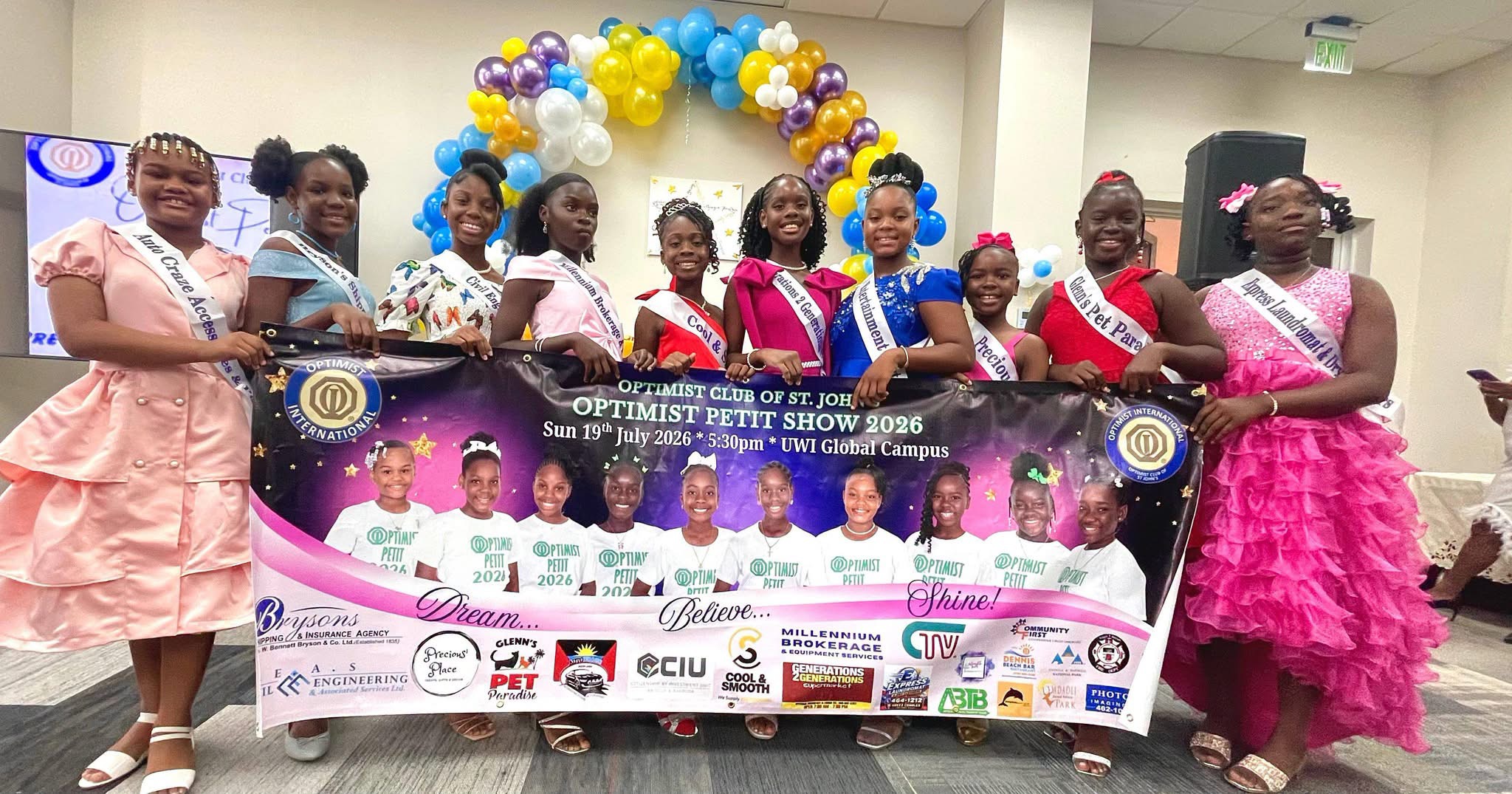
    The highly anticipated 2026 edition of the Optimist Petit Show has taken a major step forward, with event organizers officially announcing the first 10 delegates selected to participate in the upcoming cultural showcase. Scheduled to kick off in 2026, this annual event has built a strong reputation for elevating emerging creative talent and providing a platform for young artists to display their unique perspectives to global audiences.

    Industry insiders and avid fans alike have been closely following the lead-up to the 2026 show, with many speculating for weeks about which rising stars would earn a spot in the lineup. The official unveiling of the delegate list puts an end to much of that public speculation, marking a key milestone in the event’s planning timeline. Each of the 10 selected delegates brings a distinct creative background and aesthetic, spanning disciplines from fashion design and visual arts to performance art, promising a diverse and dynamic program for attendees.

    In a brief statement released alongside the delegate announcement, event leadership noted that the selection process was highly competitive, with thousands of applications submitted from creators across more than 30 countries. The 10 delegates were chosen following a multi-stage judging process that evaluated creative vision, originality, and potential to contribute fresh ideas to the show’s overarching theme of optimistic cultural expression. Organizers also confirmed that additional delegates will be announced in the coming months as final programming details are confirmed.

    The Optimist Petit Show first launched more than a decade ago as a small, boutique showcase for emerging creative talent, and has grown steadily into one of the most anticipated cultural events on the global calendar for young artists. The 2026 edition is expected to draw thousands of in-person attendees as well as a large global online audience, with live streams of key events scheduled to make the showcase accessible to fans around the world.

  • OECS Heads of Government Focus on Trade, Connectivity and Economic Resilience at 78th Authority Meeting

    OECS Heads of Government Focus on Trade, Connectivity and Economic Resilience at 78th Authority Meeting

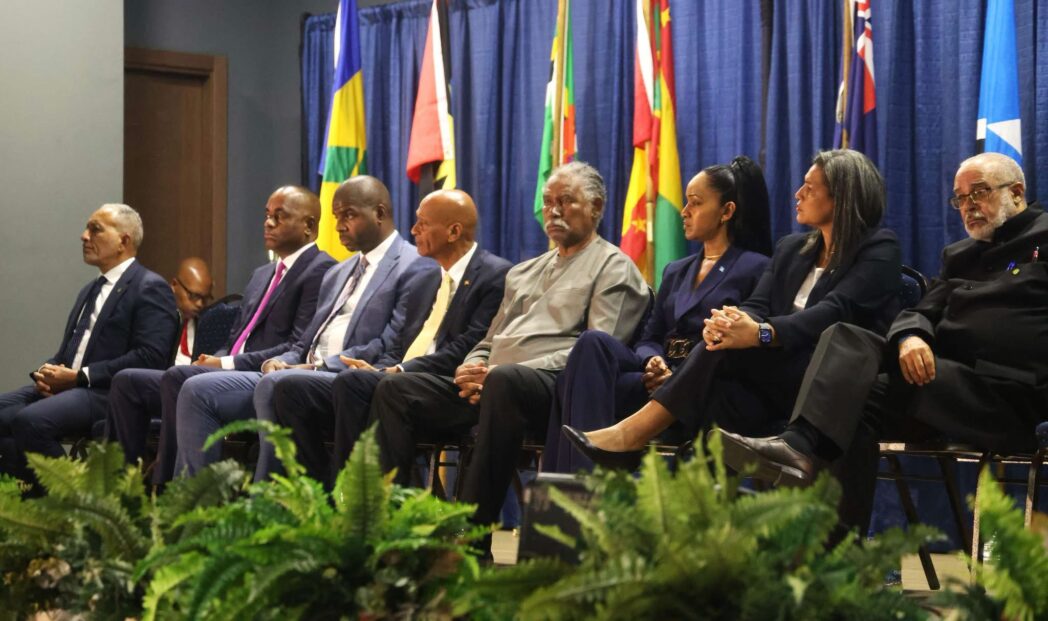
    Leaders from the nine member states of the Organization of Eastern Caribbean States (OECS) gathered this week for the 78th Meeting of the OECS Authority, bringing heads of government together to address the region’s most pressing economic priorities and long-term development challenges. Hosted in a scenic coastal venue that underscored the bloc’s deep ties to maritime trade, the three-day convening centered on three interconnected pillars of regional strategy: expanding cross-border trade, upgrading digital and transport connectivity, and strengthening collective economic resilience in the face of persistent global shocks.

    Against a backdrop of ongoing global economic volatility, fluctuating commodity prices, and the lingering effects of climate-driven extreme weather events that disproportionately impact small island developing states, the OECS leadership used the forum to align on coordinated policy frameworks. Discussions around trade centered on deepening integration within the Caribbean Single Market and Economy (CSME), cutting red tape for small and medium-sized enterprises (SMEs) looking to operate across regional borders, and unlocking new export opportunities for the bloc’s key agricultural and tourism sectors. Leaders also emphasized the need to advance negotiations on new trade agreements with extra-regional partners to diversify the OECS’s economic partnerships.

    On connectivity, the conversation focused on closing the digital divide across the Eastern Caribbean, expanding high-speed broadband access to rural and remote communities, and upgrading regional port and road infrastructure to reduce logistics costs for businesses. Many heads of government highlighted that improved connectivity is not just an infrastructure goal, but a foundational step to boosting competitiveness, enabling digital entrepreneurship, and improving access to public services like healthcare and education across the bloc.

    The third core theme, economic resilience, reflected the unique vulnerabilities of small island states. Leaders reviewed progress on joint initiatives to build climate adaptation infrastructure, establish regional emergency response mechanisms, and diversify local economies away from overreliance on a small number of sectors, particularly tourism. Discussions also touched on strengthening regional financial systems, improving debt management capacity, and leveraging international climate finance to support resilient development projects.

    In closing remarks, the OECS Chair reaffirmed the bloc’s commitment to collective action, noting that coordinated regional strategy is the only path to delivering sustained, inclusive growth for all OECS citizens. Leaders agreed to a clear timeline for advancing the priority initiatives agreed at the meeting, with the next progress review scheduled for a mid-year ministerial gathering in 2024.

  • St Kitts and Nevis Patriots confirm CPL 2026 fixtures and home schedule – WIC News

    St Kitts and Nevis Patriots confirm CPL 2026 fixtures and home schedule – WIC News

    One of the Caribbean Premier League’s (CPL) most competitive sides, the St Kitts and Nevis Patriots, has officially locked in its complete fixture lineup for the 2026 Republic Bank CPL season, announcing 10 group-stage matches split between home and regional away fixtures this August and September.

    The 2026 CPL tournament is set to kick off across the Caribbean on August 7, running through to a final championship match on September 20. A total of 39 matches will be contested by seven competing franchises representing islands across the region: Antigua & Barbuda Falcons, Barbados Tridents, Guyana Amazon Warriors, Jamaica Kingsmen, St Kitts and Nevis Patriots, Saint Lucia Kings, and Trinbago Knight Riders.

    Per the Patriots’ officially confirmed schedule, the side will open its 2026 campaign on the road with an away clash against the Jamaica Kingsmen on August 8. Following three additional away fixtures against Saint Lucia Kings on August 12, Jamaica Kingsmen on August 18, and Antigua & Barbuda Falcons on August 20, the team will return to their home ground at St Kitts’ iconic Warner Park Stadium for four home matches, an expanded home stand designed to build local momentum for the squad’s title push.

    The Patriots’ home slate will get underway on August 27, when they face off against defending CPL champions Trinbago Knight Riders in what is already shaping up to be one of the most hotly anticipated group-stage matches of the season. The home fixtures will continue with a rematch against Antigua & Barbuda Falcons on August 30, a clash with Barbados Tridents on September 1, and a final home group-stage match against Saint Lucia Kings on September 3. After wrapping up their home stand, the Patriots will close out their group-stage campaign with two final away matches: against Guyana Amazon Warriors on September 6 and Barbados Tridents on September 10.

    In an official statement posted to the team’s verified Facebook page following the schedule announcement, the St Kitts and Nevis Patriots organization expressed excitement for the upcoming season, noting: “The CPL schedule is out and the countdown has officially begun. The St Kitts and Nevis Patriots are locked in, focused, and ready to take on the challenge this season.”

    Led by captain Kyle Mayers, the 2026 Patriots roster features a mix of elite regional international talent and standout domestic Caribbean players, including Evin Lewis, Rilee Rossouw, Alick Athanaze, Mikyle Louis, Jyd Goolie, Navin Bidaisee, Andre Fletcher, Leniko Boucher, Jason Holder, Dominic Drakes, Fazalhaq Farooqi, Mohammad Waqar Salamkheil, Jeremiah Louis, and Ashmead Nedd.

    Local cricket fans across St Kitts and Nevis have already begun securing tickets for the team’s four home matches at Warner Park, with anticipation building for the side’s first shot at a home-crowd advantage against the defending champions later this summer.

  • Inflatie stijgt naar 11,4 procent; prijzen in mei met 1,3 procent omhoog

    Inflatie stijgt naar 11,4 procent; prijzen in mei met 1,3 procent omhoog

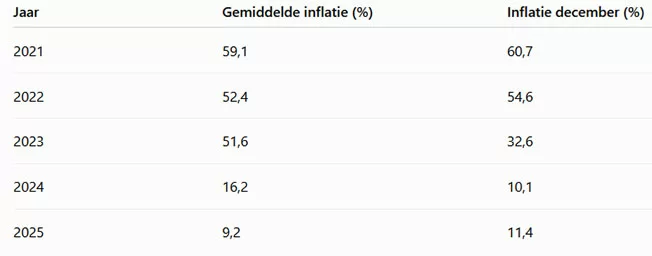
    Preliminary official data released this week confirms that Suriname’s annual inflation rate reached 11.4% in May 2026, according to the country’s Central Bureau of Statistics (ABS). The latest consumer price tracking also shows that overall consumer prices rose by a monthly average of 1.3% between April 2026 and May 2026, pushing the national Consumer Price Index (CPI) up from 947.4 points in April to 960.0 points at the end of the measurement period.

    ABS collected all price data for the May report between May 4 and May 29, 2026. When breaking down monthly price shifts across categories, the communications sector recorded the largest proportional jump, with prices climbing 14.4% over April’s levels. Fresh produce also saw dramatic monthly growth: fruit and vegetable prices rose 16.3% in May alone, pushing the annual increase for this essential consumer category to 32.5% year-over-year.

    Other food categories also posted noticeable monthly upticks. Prices for fish, seafood and shrimp rose 2.9% compared to April, while soft drinks, bottled water and juices saw an identical 2.9% monthly increase. Other general food goods recorded a 2.5% monthly price hike in May.

    On an annual basis, the most staggering price growth has hit healthcare services. Medical and paramedic services have surged 124.2% since May 2025, far outpacing all other measured categories. Other sectors with double-digit annual inflation include communications equipment and services (17.5%), out-of-home beverages (17%), pet care supplies and services (15.5%), and processed fish products (14%).

    ABS officials emphasize that the headline 11.4% average inflation rate does not reflect uniform price growth across all consumer goods and services. Out of the 316 goods and services included in the national CPI basket, price movements in May ranged from a 39% price decrease to an extreme 600% price increase, demonstrating widespread unevenness in cost pressures across the Surinamese economy.

    The 12-month moving average inflation rate, which smooths out short-term monthly volatility by comparing the average of the last 12 months to the preceding 12-month period, hit 10.7% in May. This result extends a gradual upward trend in average inflation that has been observed across Suriname over recent months.

  • Derde helft WK 2026: Colombia breekt Congolees verzet en zet grote stap richting achtste finales

    Derde helft WK 2026: Colombia breekt Congolees verzet en zet grote stap richting achtste finales

    The 2026 FIFA World Cup delivered another tightly contested group stage clash on June 24, as Colombia secured a hard-fought 1-0 victory over a tenacious DR Congo side at Guadalajara’s Estadio Akron. A 76th-minute finish from defender Daniel Muñoz proved the difference between the two sides, pushing Nestor Lorenzo’s South American outfit to six points from two opening Group K matches and putting them on the cusp of knockout stage qualification.

    From the first kickoff, the match lived up to its billing as a test of contrasting styles. DR Congo, one of the tournament’s surprise packages after holding Portugal to a draw in their opening fixture, came into the clash with a clear gameplan: organize a compact, disciplined defense and hit Colombia on quick counterattacks. For the vast majority of the 90 minutes, that strategy worked nearly to perfection. The first half ended goalless, with neither side able to carve out a clear-cut opening, and the balance of play stayed deadlocked through the opening 20 minutes of the second half.

    Colombia, enjoying the bulk of possession through attacking playmakers James Rodríguez, Luis Díaz and Jhon Arias, steadily increased the pressure as the clock ticked down. The South American side pushed more players forward, probing the DR Congo defensive line for gaps that had been hard to find for most of the game. The decisive breakthrough finally came in the 76th minute, after Juan Fernando Quintero crafted a clever build-up deep in DR Congo’s half. Muñoz, who had ventured forward from his right-back position, arrived unmarked in the penalty area and slotted the ball home to break the deadlock, sending the large contingent of Colombia supporters into celebration.

    In the final 15 minutes plus stoppage time, DR Congo threw everything forward in search of an equalizer to salvage a point. The African side pushed numbers into the attack, but Colombia’s defense held firm under the growing pressure, conceding few clear chances as the match stretched into added time. Tensions rose in the closing minutes, with referee issuing yellow cards to Colombia’s Jhon Lucumí (56th minute), DR Congo’s Charles Pickel (90+3) and Colombia’s Jefferson Lerma (90+4) as tackles became increasingly urgent. When the final whistle blew, Colombia’s players and staff celebrated a hard-earned three points.

    The result reshapes the standings in Group K, which also includes European side Portugal and Asian representative Uzbekistan. Earlier on the same matchday, Portugal cruised to a 5-0 win over Uzbekistan, leaving both Portugal and Colombia sitting on six points from two matches, in a strong position to claim the two knockout stage spots from the group. The two sides are now set to face off in the final group round in a clash that will likely decide the winner of Group K.

    For DR Congo, the defeat leaves their knockout stage hopes hanging in the balance, but they are still mathematically in contention to advance. Their final group fixture against Uzbekistan will be a winner-takes-all clash, where they will need to secure all three points to keep their 2026 World Cup run alive. For Colombia, this victory is far more than just three points: it is proof of the side’s ability to grind out results against organized, determined opposition, a quality that will prove critical if they advance deep into the tournament. Coach Néstor Lorenzo’s side had to dig deep against a DR Congo side that refused to back down, and their ability to stay patient, capitalize on a single moment of defensive lapse, and see out the result will give the team a major confidence boost heading into their final group stage match.