博客

  • Federation of St. Kitts and Nevis Welcomes Renowned Interventional Cardiologist

    Federation of St. Kitts and Nevis Welcomes Renowned Interventional Cardiologist

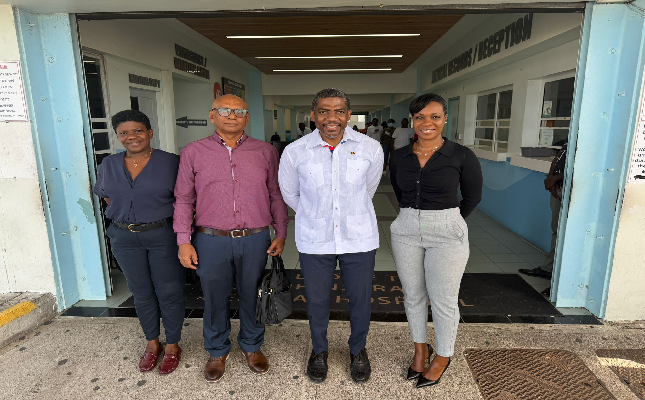
    BASSETERRE, St. Kitts – June 24, 2026 – The Federation of St. Kitts and Nevis has opened a new era of accessible cardiac care for its citizens, with the official onboarding of Dr. Angel Luis Olivera, a globally respected Cuban interventional cardiologist and academic, to lead the nation’s first full public cardiology service at the main Joseph N. France (JNF) General Hospital.

    With 40 years of specialized clinical practice under his belt, Dr. Olivera ranks among the most experienced cardiovascular experts in the Caribbean region. His arrival marks a landmark achievement in the federation’s long-term goal of bringing world-class specialist care directly to local communities, eliminating the need for many patients to travel abroad for routine and advanced cardiac diagnosis and management.

    Over the coming weeks, Dr. Olivera will roll out a comprehensive suite of cardiology services in phased stages at JNF General Hospital. The new offerings include twice-weekly outpatient cardiology clinics, 24/7 inpatient cardiac coverage, in-house echocardiograms for both admitted patients and emergency department cases, advanced diagnostic imaging via CT angiograms, continuous 24-hour Holter heart monitoring, and pacemaker insertion procedures for eligible patients. Beyond immediate clinical services, he will also guide the Ministry of Health in planning for a future cardiac catheterization facility, a critical next step for delivering full-spectrum advanced cardiac care locally.

    A seasoned professor with a deep commitment to medical capacity building, Dr. Olivera will also prioritize training the next generation of local cardiac care providers. He will lead weekly continuing medical education (CME) sessions for all involved medical and nursing staff, centered on evidence-based cardiology fundamentals and modern best practices. He will also deliver specialized hands-on training in echocardiography and other diagnostic techniques for general practitioners and internal medicine physicians. Additionally, he will spearhead the development of standardized clinical protocols for acute cardiac emergency management, ensuring consistent, rapid, evidence-based care across all hospital departments.

    Dr. Olivera’s recruitment is a core component of the federation’s coordinated national strategy to address the rising burden of chronic non-communicable diseases, spearheaded by Honourable Prime Minister and Minister of Health Dr. Terrence Drew. He joins a growing network of newly recruited specialist clinicians that includes a vascular surgeon, endocrinologist, intensive care specialist, additional nephrologist, neurologist, emergency care specialist, and additional urologist. This multidisciplinary team, supported by expanded hiring of specialist nurses, general practitioners and allied health technical staff, is focused on integrating prevention, early screening, and comprehensive treatment for chronic conditions ranging from heart attacks and strokes to peripheral vascular disease and end-stage renal disease.

    Unlike previous models that relied almost entirely on overseas referrals for cardiac care, this new integrated approach prioritizes proactive identification of at-risk patients, placing prevention at the center of the nation’s public health agenda.

    “The arrival of Dr. Olivera marks a defining moment in the history of healthcare in St. Kitts and Nevis,” the Ministry of Health said in a statement. “For the first time, our citizens will have access to a full, in-country cardiology service in the public service. This is not simply the addition of a specialist — it is the beginning of a new chapter in how we care for the heart health of our nation.”

    Dr. Daveen Wilkin, Medical Chief of Staff at J.N.F. General Hospital, noted that while a full cardiac catheterization lab is still in the planning stages, Dr. Olivera’s appointment lays critical groundwork for that future milestone. “This appointment lays the groundwork for that future — building expertise, informing referral pathways, and improving how we diagnose and manage cardiac patients today,” Wilkin explained. “My hope is that patients receive earlier, more accurate diagnosis and better-coordinated care, even when advanced procedures still require travel abroad. Every improvement in assessment and timing can mean a safer journey and a better outcome. Looking ahead, I hope this role is the beginning of a roadmap toward establishing catheterization services here at home — so that, in time, our patients won’t need to leave their island to receive life-saving cardiac care. This is a step forward, and a promise of more to come.”

    The Ministry of Health extended a warm official welcome to Dr. Olivera, noting that his decades of experience and commitment to clinical excellence will deliver lasting benefits to the health and well-being of people across St. Kitts and Nevis for years to come.
  • Prime Minister and Minister of Health Dr. the Honourable Terrence Drew Visits JNF General Hospital Private Ward Ahead of Imminent Reopening

    Prime Minister and Minister of Health Dr. the Honourable Terrence Drew Visits JNF General Hospital Private Ward Ahead of Imminent Reopening

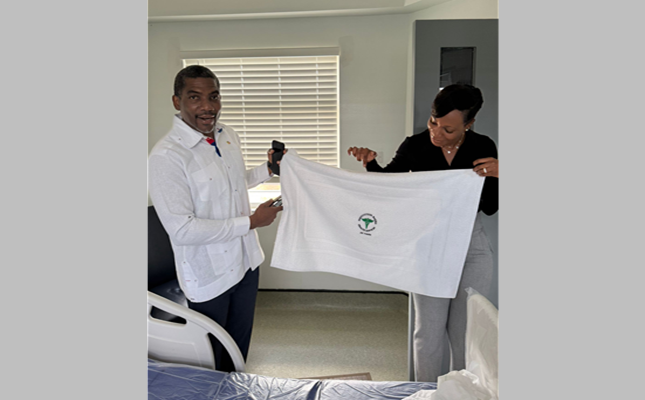
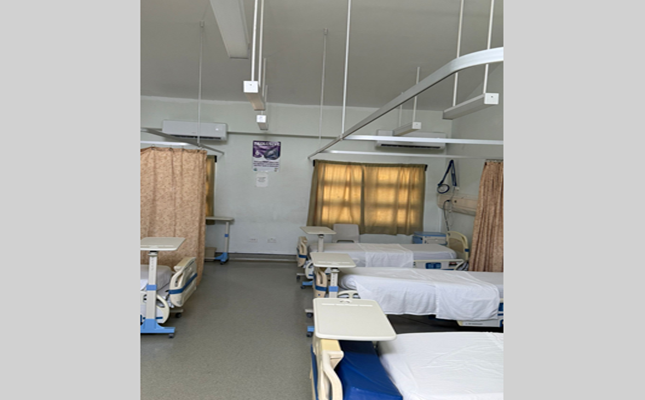
    BASSETERRE, St. Kitts and Nevis – June 24, 2026 – On Wednesday afternoon, Prime Minister and Minister of Health Dr. the Honourable Terrence Drew carried out an on-site inspection of the newly renovated Private Ward at the Joseph N. France (JNF) General Hospital, marking the final step ahead of the facility’s upcoming reopening to patients.

    The 15-room private ward has been out of general public use since June 2022, when it was converted into a dedicated isolation and treatment center for COVID-19 patients during the peak of the global pandemic. Once the acute phase of the pandemic ended later that summer, government health authorities made the decision to launch a full-scale refurbishment project rather than reopening the space immediately, with the goal of updating the facility to meet 21st-century clinical and patient comfort standards.

    The scope of the renovation work carried out over the past year is far-reaching. Structural upgrades, completed under contract by Taiwan-based construction firm Kuan Jun, included a full replacement and repair of the ward’s roof. Interior improvements spanned a complete repaint of all patient and common areas, as well as professional mould remediation to ensure the facility meets strict global environmental health benchmarks.

    Every one of the ward’s 15 private patient rooms has been fully updated with modern furnishings and high-end amenities, including flat-screen televisions, fully renovated en-suite bathrooms with new fixtures, premium linens, guest robes, and an expanded selection of personal care and hygiene products. The entire ward now features full air conditioning for consistent patient comfort, and common spaces showcase a curated collection of landscape photography highlighting the natural beauty of St. Kitts and Nevis, donated by the country’s Ministry of Tourism.

    Following his inspection tour, Prime Minister Drew confirmed he was pleased with the quality of the completed work, and emphasized the broad importance of the reopening for both local communities and the country’s tourism sector. Officials prioritized getting the ward operational before the start of the upcoming peak tourism season, as private inpatient care is a critical service for international visitors to the Federation. Equally, the reopening restores a long-awaited private hospitalization option that has been unavailable to local citizens and residents for four years.

    The multi-million dollar renovation project was led by Mrs. Lindsey Maynard, Director of Operations and Acting Director of Health Institutions at JNF General Hospital, who oversaw every phase of the work over the past 12 months. The Ministry of Health has publicly recognized Maynard and her entire project team for their commitment and careful work that brought the project to completion on schedule.

    In response to public questions about the safety of the facility, given its former use as a COVID-19 treatment area, the Ministry of Health issued a clear, unambiguous assurance: the ward is completely safe for patient care. Since its closure in 2022, the facility has undergone rigorous professional deep cleaning every three months. Additionally, the hospital’s Infection Control Team has conducted quarterly environmental swab testing across all surfaces of the ward to detect any trace of concerning pathogens. Across four years of ongoing monitoring, no swab test has returned a positive result, and the facility has consistently maintained the highest possible standards for infection prevention and control.

    The only remaining task before the formal opening is the finalization of nursing staffing allocations for the ward, a step health officials expect to complete within the next week. Once staffing is confirmed, the government will schedule an official commissioning and opening ceremony. The Ministry of Health has asked members of the public to follow official channels for upcoming announcements of the opening date and event details, marking a key milestone in the modernization of healthcare services across the Federation.

    The Ministry of Health reaffirmed its ongoing commitment to upgrading and expanding healthcare infrastructure across St. Kitts and Nevis, and said it looks forward to welcoming the first patients to the newly renovated Private Ward in the coming weeks.

  • Completion of Full Air Conditioning Installation Across All General Inpatient Wards at the Joseph N. France General Hospital

    Completion of Full Air Conditioning Installation Across All General Inpatient Wards at the Joseph N. France General Hospital

    In a landmark step forward for public healthcare infrastructure in the Federation of Saint Kitts and Nevis, the Ministry of Health announced this Wednesday that the final phase of a hospital-wide air conditioning upgrade has been successfully completed at the Joseph N. France (JNF) General Hospital. For the first time in the facility’s decades-long history, every general inpatient ward now has full, reliable temperature control, a development driven by growing climate-related heat challenges and a government commitment to elevating patient care standards.

    The two-phase initiative was made a top governance priority by Prime Minister and Minister of Health Dr. the Honourable Terrence Drew shortly after he took up the health portfolio in 2023. The project was born from a growing recognition that the hospital’s longstanding reliance on natural ventilation had become insufficient as global climate change pushes average ambient temperatures higher across the Caribbean. For vulnerable patients recovering from illness, injury, and childbirth, consistent, comfortable temperatures are not a luxury but a core component of safe, dignified care, government health officials noted.

    Phase One of the upgrade wrapped up in December 2023, bringing mechanical air conditioning to three high-acuity wards: the Medical Ward, Surgical Ward, and Intensive Care Unit. That round of improvements marked the first time any general patient area at JNF General Hospital had access to controlled artificial cooling. Now, Phase Two has been finalized on schedule, extending the same upgraded comfort standard to the Maternity Ward and Paediatrics Ward — two care areas that serve some of the hospital’s most at-risk patient groups, including newborns, pregnant people, and young children. Dr. Drew set a clear deadline to complete this phase ahead of the 2026 Caribbean summer, the region’s annual peak heat season, and project teams delivered on that goal.

    The installation work was carried out by local contractor Top Class Refrigeration Services, which partnered closely with JNF General Hospital’s in-house facilities maintenance team to avoid disruptions to patient care and meet the accelerated timeline. The Ministry of Health has publicly commended both teams for their professionalism and dedication to delivering the project on schedule.

    While all five general inpatient wards now have full air conditioning, work continues on a tailored solution for the hospital’s remaining inpatient area: the Mental Health Wing. Health officials explained that the specialized clinical needs of the mental health inpatient unit require unique considerations for equipment design and safety, so a custom temperature management plan is still being developed. In the interim, the wing maintains adequate natural ventilation, and clinical staff closely monitor patient comfort and wellbeing to address any heat-related concerns. The Ministry of Health confirmed that it remains committed to rolling out a safe, long-term cooling solution for the Mental Health Wing in the near future.

    In announcing the project’s completion, the Ministry of Health reaffirmed its ongoing commitment to upgrading healthcare infrastructure across the Federation of Saint Kitts and Nevis. “Hospitalization is an inherently vulnerable time for most people, and it is the core responsibility of our public health system to ensure every patient receives care in an environment that is safe, dignified, and comfortable,” a ministry spokesperson said in the official statement. The department extended gratitude to all stakeholders, from contractors to hospital staff, who supported the initiative, and noted that this milestone is just one part of broader ongoing efforts to lift healthcare standards across both islands.

  • UG, ACCA ink accord advance dual award pathway in accounting education

    UG, ACCA ink accord advance dual award pathway in accounting education

    In a landmark move set to transform professional accounting education across the Caribbean region, the University of Guyana (UG) and the Association of Chartered Certified Accountants (ACCA) have formally signed a Memorandum of Understanding (MOU) to launch a pioneering dual award pathway for students enrolled in UG’s Bachelor of Science in Accountancy programme.

    The signing ceremony was held at UG’s Turkeyen Campus Education Lecture Theater, cementing a growing collaborative bond between the two institutions that began earlier this year when UG’s accountancy degree earned ACCA accreditation. That initial accreditation already secured graduates exemptions from four foundational ACCA papers and aligned UG’s curriculum with global professional benchmarks. The new MOU advances this partnership by establishing a formal structured framework for joint curriculum refinement and the creation of the integrated academic-professional dual award track.

    Guyana’s Minister of Education Sonia Parag, who delivered the event’s keynote address, emphasized that this initiative marks an unprecedented milestone for professional education in the region. “For the first time across the Caribbean, students will earn a dual credential – an academic degree from UG and a globally recognized ACCA professional qualification,” Parag noted. She added that the full alignment of the programme with international standards will leave graduates with far stronger competitive qualifications, cementing UG’s position as a globally competitive higher education institution. Parag also expressed strong backing for an early launch of the programme, suggesting a rollout as soon as September this year would allow students to begin accessing the benefits of the new pathway without delay.

    UG Vice-Chancellor Professor Paloma Mohamed Martin highlighted that the partnership directly aligns with Guyana’s national priorities for expanding professional certification and building a skilled, competitive workforce. She pointed out that the initiative matches the national vision laid out by Guyana’s President, who has publicly called for programmes that equip students with both academic degrees and industry-recognized professional certifications. Professor Martin noted that while UG currently maintains more than 170 international partnership MOUs, this agreement carries unique weight: it will not only strengthen professional career pathways in accounting and finance but also support stronger national fiscal accountability by producing a new cohort of experts trained to the highest global standards. She also extended the university’s gratitude to the Guyana Institute of Chartered Accountants, specifically senior leaders Ramesh Seebarran and Harry Parmesar, for their ongoing support of the initiative.

    Dr Alfred Aaron, Head of UG’s Department of Accountancy and Finance, framed the MOU as the natural next phase of collaboration between the two institutions, with core focuses on curriculum alignment and the rollout of the dual award structure. Aaron explained that the agreement will guide joint work to further align UG’s programme with international professional requirements, closing gaps between academic learning and professional practice. “We are incredibly excited about the opportunities this partnership opens up for our students,” Aaron said. “We look forward to collaborating with ACCA to review and strengthen our syllabus, secure additional exam exemptions for our students, and develop more specialized degree pathways tailored to evolving industry needs.”

    Melanie Proffitt, Global President of ACCA, emphasized that the new agreement reflects both institutions’ shared commitment to preparing next-generation finance professionals to thrive in a rapidly evolving global economy. Proffitt noted that Guyana is currently experiencing one of the fastest periods of economic growth anywhere in the world, a transformation that has generated urgent demand for skilled, ethically trained, globally competent finance leadership. “This is the first partnership of its kind in the entire Caribbean region, giving students a robust, internationally recognized pathway into the accounting and finance profession,” Proffitt said. “This is not a symbolic agreement. It is a practical, intentional partnership designed to evolve alongside Guyana’s growth.”

    Paula Marcelle-Irish, Head of ACCA Caribbean, echoed this sentiment, noting that the MOU represents a concrete commitment to expanding student opportunity while strengthening the regional accounting profession. “This MOU is far more than a formal signed document,” Marcelle-Irish said. “It is our commitment to growing the accounting and finance profession in Guyana, opening new doors for students, and ensuring the country has the skilled talent pool it needs to sustain its ongoing economic expansion.”

    In a pre-recorded address, Professor Leyland Lucas, Dean of UG’s School of Entrepreneurship and Business Innovation (SEBI), underlined that expanding high-quality educational offerings for Guyana requires cross-institutional collaboration. “Delivering the resources this nation needs cannot be accomplished by UG alone,” Lucas said. “We will need to continue deepening collaboration with our existing partners and forging new connections, and we look forward to building on this relationship as we roll out new programmes in the future.”

    Ramesh Seebarran, President of the Institute of Chartered Accountants of Guyana (ICAG), reaffirmed his organization’s full support for the initiative, while ICAG Council Member Harryram Parmesar noted that the agreement is the product of years of consistent, collaborative work to strengthen professional accounting pathways across Guyana. Earlier in the event, Deputy Vice-Chancellor for Academic Engagement Professor Emmanuel Cummings delivered opening welcome remarks, emphasizing the value of aligning academic and professional standards to expand opportunity for UG students.

    UG’s Bachelor of Accountancy programme earned ACCA accreditation in June 2026, with the accreditation valid from January 1, 2026 through December 31, 2030 after a rigorous assessment against ACCA’s global standards for accounting education.

  • AMAZING AAMIR

    AMAZING AAMIR

    At just 10 years old, Aamir Khan received a life-shattering diagnosis: an aggressive form of brain cancer called medulloblastoma. What followed was a grueling years-long battle that included multiple invasive surgeries, repeated stays in intensive care, and a full year of debilitating radiation and chemotherapy treatments. In April 2018, after months of intense treatment at Trinidad’s Eric Williams Medical Sciences Complex, Khan walked out of the hospital, ringing the traditional end-of-treatment bell to mark that he was officially cancer-free.

    Before his diagnosis, Khan was an active young athlete, competing in track and field for his primary school and playing cricket with the Harvard Cricket Club. The cancer and its treatments left him with lasting side effects: limited mobility, impaired short-term memory, partial hearing loss, a squint, and a persistent limp. But within days of his release, the 15-year-old had only one goal: to return to the classroom and finish the education he had been forced to pause.

    Determined to pick up where he left off, Khan restarted his primary education at Standard Three. Even with significant memory challenges that made studying far harder for him than his peers, he earned straight A grades in his first year back, advancing to Standard Four and moving steadily toward his goal of sitting the Secondary Entrance Examination (SEA) to secure a spot at his top-choice secondary school, Trinity College East. In 2021, with support from his three younger siblings who helped him prepare, Khan sat for the SEA. He not only completed the exam — he finished ahead of schedule — and earned admission to Trinity College East, fulfilling his long-held dream.

    Six years after he entered secondary school, Khan’s educational journey hit another obstacle: he developed severe seizures in Form Three that forced doctors to advise him against continuing in-person classes. Refusing to let his dream of graduation die, Khan and his mother Adita Khan made a new plan: Adita would step in to homeschool him, while he continued pursuing his education part-time through the A+ Tuition Academy, working through one subject at a time to avoid overtaxing his impaired memory.

    On Monday, six years after he first enrolled at Trinity College East, Khan walked across the school’s graduation stage as an honored member of the graduating class. The school extended a special invitation to Khan to participate in the ceremony, recognizing his years of grit and determination in the face of overwhelming obstacles.

    Now 19, Khan is still working toward his next milestone: earning his full Caribbean Secondary Education Certificate (CSEC). He already passed English last year and completed the Principles of Business exam this year, with mathematics planned for next year. His progress is slow, shaped by ongoing health challenges: he still attends regular cancer monitoring clinics, requires frequent blood tests to manage abnormal sodium levels and blood counts, and his short-term memory impairment makes studying a constant struggle. There are good days and bad days, and Khan sometimes feels discouraged by how long it takes him to reach his goals — but he remains committed to finishing what he started.

    In an interview with the Express following his graduation, a smiling Khan shared that the ceremony marked his first ever graduation, and he had been looking forward to the milestone for months. For Adita, her son’s journey has been nothing short of a miracle. “My son was on death’s bed. He went to hell and back. He had many challenges, but he beat them all,” she said. The family now shares Aamir’s story to inspire other children and parents navigating similar health and educational struggles.

    Speaking directly to young people facing learning and health challenges of their own, Khan offered a message of resilience: “I would tell children who are facing similar challenges, in my case and academically, to never give up even if you haven’t succeeded. Get back up and try again and again — because the moment you stop, then you’ve failed.” With a strong support system of family and friends surrounding him, Khan continues to push forward, turning what many would see as insurmountable odds into a series of hard-won victories.

  • ‘Teacher training, staffing key to success’

    ‘Teacher training, staffing key to success’

    A plan to bring back the Continuous Assessment Component (CAC) to Trinidad and Tobago’s primary education system has earned cautious backing from the nation’s largest teachers’ union and the national parent-teacher body, both of which warn that policy missteps that doomed the first iteration of the framework must be avoided for the initiative to deliver on its promises.

    The Trinidad and Tobago Unified Teachers’ Association (TTUTA) first vice president Adesh Dwarika shared the union’s position in a recent phone interview with local outlet the Express, following the release of a memorandum from Education Ministry Chief Education Officer Peter Smith that launched virtual public consultations with primary school principals, teachers, and parents of Standards Two and Three students on the planned CAC relaunch.

    Dwarika noted that TTUTA leadership held a meeting with Education Ministry officials several weeks prior to the consultation announcement, where Education Minister Dr Michael Dowlath confirmed the CAC would be returning to the national education system. The union had previously pushed for educator and administrator inclusion in consultation talks, a demand that has since been reflected in the ministry’s current outreach process.

    “TTUTA has no objection to the policy if it genuinely strengthens the education system, enhances teaching and learning experiences for students, and reduces unnecessary pressure on young learners,” Dwarika explained. “But we cannot ignore the mistakes that led to its cancellation the first time around, and we must address those flaws up front.”

    When CAC was first rolled out as part of the national Secondary Entrance Assessment (SEA), it required teachers to deliver instruction in creative arts and a range of skill-based modules that many primary educators were not trained to teach, Dwarika said. A second critical flaw was the lack of standardized grading: assessments were scored independently at each school, leading to inconsistent, highly subjective results that undermined the credibility of the framework. The policy also created unmanageable additional workload for already stretched teaching staff, he added.

    To fix these longstanding issues, TTUTA has proposed several key reforms ahead of the relaunch. Dwarika recommended rolling out a system of centralized grading moderation modeled after the School Based Assessment (SBA) process used for Caribbean Secondary Education Certificate (CSEC) examinations, which would create consistent, fair grading standards across all schools. The union has also proposed reducing the weight of the final high-stakes SEA examination to offset the added workload of continuous assessment, framing the adjustment as a way to balance formative evaluation with systemwide accountability.

    Dwarika emphasized that TTUTA’s demands are rooted in a commitment to improving outcomes for students and supporting educators, not opposing policy change. “We are not obstructionists. We want what is best for our students, who are our nation’s future, but we also need to protect our teachers from unfair emotional and physical burnout. Unreasonable burdens are the last thing any successful policy needs,” he said.

    Walter Stewart, president of the National Parent Teacher Association (NPTA), echoed TTUTA’s cautious support in a statement shared via WhatsApp with the Express. Stewart noted that the current SEA framework relies entirely on a single high-stakes examination that only captures a student’s performance on one specific day, under high-pressure conditions. While the SEA provides useful data on a student’s academic readiness, it fails to capture the full range of a child’s creativity, talent and long-term potential, he argued.

    “CAC will give us a more holistic portrait of a student’s achievement, growth and development over time, and will better highlight the skills and competencies that act as building blocks for long-term success,” Stewart said. Like TTUTA, Stewart stressed that the policy’s success hinges on three core prerequisites: clear national assessment standards, consistent and adequate teacher training, and transparent mechanisms to guarantee equity and fairness across all schools. Stewart added that the NPTA supports the framework because it centers student well-being, reduces unnecessary testing stress, and prioritizes meaningful learning over high-stakes performance.

    As of press time, the Express reports that Education Minister Dr Michael Dowlath has not responded to requests for comment on the associations’ positions.

    The current push to bring back CAC comes seven years after the policy was scrapped by the then-government in 2016. In April of that year, then Education Minister Anthony Garcia announced that the cohort of students sitting SEA that May would be the last to complete the CAC component. The cabinet’s decision followed a five-week national public consultation on education reform held earlier that year, which collected feedback through in-person public forums and online surveys. Consultation respondents widely criticized the original CAC as a poorly planned framework that placed unfair, undue stress on teachers, students and families, leading to its swift disbandment.

  • US and T&T security forces complete training at Teteron

    US and T&T security forces complete training at Teteron

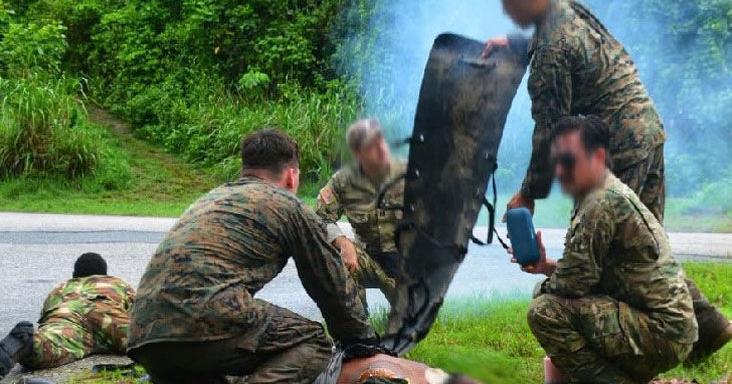
    A four-day joint Tactical Combat Casualty Care (TCCC) training exchange between national security forces of the United States and Trinidad and Tobago has successfully concluded at Teteron Barracks in Chaguaramas, marking another milestone in the two countries’ deepening defense and security partnership. The exercise brought together service members from the Trinidad and Tobago Defence Force (TTDF) alongside representatives from multiple local interagency partners, who participated in rigorous, real-world simulated trauma exercises designed to build practical frontline skills. According to an official social media statement shared by the U.S. Embassy in Port of Spain, the drills centered on three core, life-saving competencies: rapid casualty assessment, on-site trauma treatment, and coordinated casualty evacuation under combat-like conditions. The training program was co-led by two instructors: a U.S. Special Operations combat medic and a TTDF Special Operations soldier who had previously completed the same TCCC training through bilateral cooperation. In its official comment on the exercise, the U.S. Embassy noted that the exchange exemplifies how the longstanding military partnership between the two nations is creating durable, self-sustaining training capacity within Trinidad and Tobago’s domestic security forces. The conclusion of the medical exchange comes as Trinidad and Tobago advances expanded security cooperation with the U.S. to address persistent transnational criminal threats, particularly drug trafficking along the country’s coastline. In remarks delivered earlier this week to local media outlet the Express, Trinidad and Tobago Prime Minister Kamla Persad-Bissessar outlined upcoming enhancements to the bilateral security partnership, noting that the U.S. will deliver additional patrol vessels to Trinidad and Tobago in the coming months to boost border protection capabilities. She also confirmed that U.S. military and intelligence personnel will increase their on-ground presence in the country to support local law enforcement and security agencies’ ongoing anti-crime operations. Persad-Bissessar disclosed that a contingent of U.S. Navy SEALs— the U.S. Navy’s elite special operations force, trained for high-stakes maritime and land-based missions—is already on the ground in Trinidad and Tobago handling advance logistics for a larger upcoming deployment of SEAL teams. These special operations personnel will provide specialized training and operational support to the Trinidad and Tobago Coast Guard and TTDF, focusing on three core priorities: strengthening border surveillance, disrupting illegal drug shipments, and shoring up the country’s internal security. The Prime Minister explained that expanded cooperation comes amid incremental progress in curbing drug flows into Trinidad and Tobago from South America, but persistent threats remain in vulnerable coastal regions. She identified the southern, southwestern, and central coastlines of Trinidad as persistent hotspots for illicit smuggling activity, with the stretch from Caroni to Marabella posing particular challenges. The dense mangrove ecosystems and informal squatter settlements that line this coastline make it easy for smuggling operations to go undetected, she noted, adding that these squatter communities are heavily infiltrated by transnational criminal networks and local gangs that facilitate the drug trade. This expanded security partnership reflects the U.S.’s ongoing commitment to supporting Caribbean nations in countering transnational organized crime, which has been identified as a core shared priority for regional stability.

  • Relative: He wasn’t much of a threat

    Relative: He wasn’t much of a threat

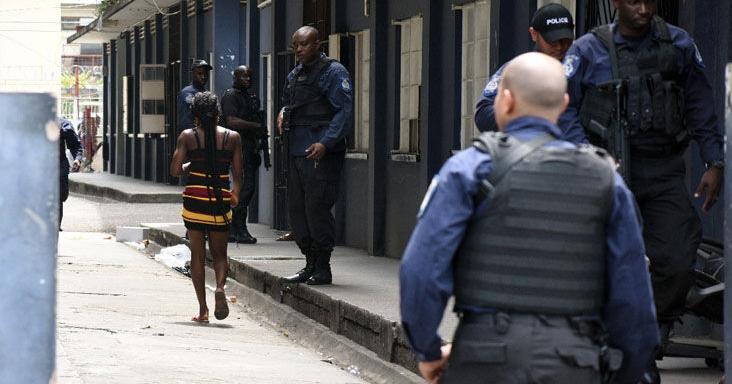
    A fatal police shooting of a 38-year-old mentally ill man in San Juan has sparked deep grief and serious questions from his family, who say they called law enforcement to get him life-saving medical help, not a death sentence. Abraham Hackette, a longtime outpatient at St Ann’s Psychiatric Hospital, was shot and killed by officers on the evening of June 22 following a chaotic confrontation that left one police officer injured. What has intensified the family’s pain is the gaping mismatch between their account of the call for help and the official narrative released by police, alongside unanswered queries about why less-lethal force options were not used to subdue Hackette.

    Hackette’s surviving sister, who requested anonymity to protect her family’s privacy, told local outlet the Express that the encounter began as a desperate plea for help. On Monday afternoon, Hackette became severely agitated during a mental health episode, armed himself with knives, and confronted a family member. Their mother, fearing for the safety of everyone in the home and neighborhood, placed an emergency call to police, asking officers to assist in transporting Hackette to the psychiatric hospital for care. The sister explained that their mother expected officers would sedate Hackette and move him to receive treatment, never anticipating the situation would end in her youngest brother’s death.

    This was not Hackette’s first acute mental health crisis, his sister confirmed. The youngest of five siblings, Hackette had a history of mental illness that required institutional care: a previous episode that led to an assault on a relative resulted in his arrest, a court-ordered psychiatric evaluation at St Ann’s, and eventual discharge with ongoing medication to manage his condition. The sister emphasized that the entire family only wanted to get Hackette help on the day of the shooting, and no one foresaw the violence that would unfold. “Because he was having an episode. No one expected this to escalate to what happened,” she told reporters.

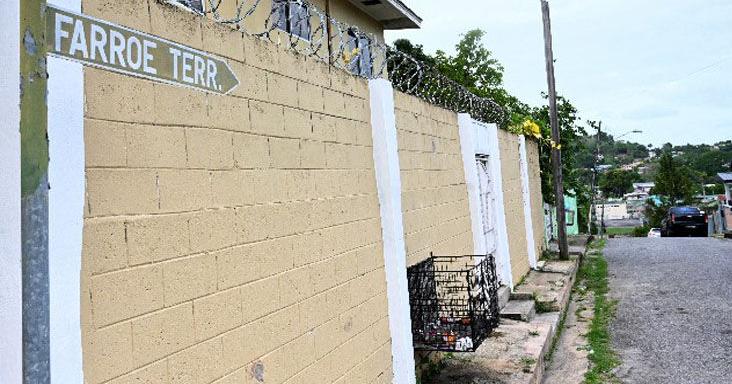
    Official police reports lay out a different sequence of events. Just before 7 p.m. on June 22, two officers — WPC Nakhid and PC David Noel — responded to the disturbance call at Farroe Terrace, where the Hackette family lives. Upon arrival, the officers found Hackette, armed with two knives, being chased by a group of local men. He ran onto Saddle Road near Concord Road, where PC Noel exited his marked patrol vehicle and ordered Hackette to drop his weapons. When Hackette ignored the command and lunged at Noel, slashing the officer’s left hand and right arm.

    Hackette then fled east along Concord Road, with both officers in pursuit, shouting repeated orders for him to surrender. During the chase, he attempted to attack PC Noel a second time, prompting the officer to fire one warning shot in Hackette’s direction. Hackette evaded officers by jumping a wall and hiding in dense brush near the San Juan River. While the injured PC Noel was transported to the Eric Williams Medical Sciences Complex (EWMSC) in Mt Hope for treatment, additional units from the San Juan CID and North Eastern Division Task Force launched a large-scale manhunt for Hackette.

    Around 7:30 p.m., search teams spotted Hackette holding a 12-inch knife in a bushy trail near the river. Police say Hackette ignored multiple demands to drop his weapon, shouted “Ah go kill allyuh” (I will kill all of you), and continued advancing toward officers. Officers opened fire, striking Hackette multiple times. He was rushed to EWMSC in a police vehicle but was pronounced dead on arrival. PC Noel, the injured officer, was treated at the same hospital and remained in stable condition as of the family’s interview. Crime scene investigators later processed multiple locations connected to the incident and collected evidence for the ongoing investigation.

    In the days after the shooting, the Hackette family says they have received almost no information from police about the details of the encounter, leaving them to grapple with grief and suspicion. Hackette’s sister questioned the use of deadly force against her brother, noting that he was a small man who did not pose an unavoidable lethal threat, even armed. Most pointedly, she asked why officers did not deploy less-lethal tools such as Tasers or pepper spray that could have disabled Hackette without killing him, even if officers felt threatened. “Why didn’t they try to shoot him in his foot or something to disable him and disarm him? The whole thing just doesn’t sit right with me,” she said, adding that she has little confidence that an internal investigation will yield accountability or answers for her family. The shooting has left the entire family traumatized, she added, and they are still struggling to process how a request for medical help ended in a young man’s death.

    As a public service, the story included a resource note for community members facing mental health crisis: anyone experiencing a mental health emergency can contact the Ministry of Health’s free 24-hour National Suicide Prevention Hotline at 800-COPE (2673).

  • T&T home to 186 gangs

    T&T home to 186 gangs

    A 2026 report compiled by the United Kingdom Home Office has laid bare the full scope of gang-related organized crime across Trinidad and Tobago, offering granular data on gang activity, violence trends, and systemic challenges facing the Caribbean nation’s law enforcement institutions.

    Prepared as a reference for UK immigration and asylum decision-makers and published earlier in June 2026, the Country Policy and Information Note (CPIN) documents that at least 186 distinct gangs, with an approximate total membership of 1,750, currently operate across the twin-island nation. Data analyzed in the report links these criminal networks to 43.7 percent of all homicides recorded in 2024, with gang-related killings accounting for roughly one-third of all murders nationwide in 2025.

    The report draws on conflict mapping data from the Armed Conflict Location and Event Data Project (ACLED) to show that a staggering 57 percent of Trinidad and Tobago’s total population lived within close proximity of gang-related violent incidents between January and September 2024. While gang activity is most heavily concentrated in the capital Port of Spain and the densely populated East-West Corridor, the assessment confirms criminal groups have established a presence in communities across both islands. High-risk areas explicitly named in the report include Laventille, Morvant, Sea Lots, Beetham, Tunapuna, Arima, Diego Martin, Chaguanas, and San Fernando, with the vast majority of gang-related homicides occurring in populated population centers in northwestern Trinidad.

    Two large criminal networks – the Muslims gang and Rasta City gang – are identified as the dominant gang groupings in the country. Other notable active groups include Sixx, Seven, Resistance, Anybody Gets It (ABG), Tyson, and the Boombay Gang. The report notes that while most smaller gangs operate as affiliates of these larger, established organizations, security agencies have recorded a steady rise in independent splinter gangs and autonomous criminal networks across the region in recent years. Gangs in Trinidad and Tobago engage in a wide range of illicit activities, the report confirms, including drug trafficking, illegal firearms smuggling, contract killings, kidnappings for ransom, extortion, human trafficking, armed robbery, unregulated illegal quarrying, and financial fraud. The assessment also highlights that transnational Venezuelan criminal organizations, including the well-documented Tren de Aragua and Evander groups, operate in partnership with local gang networks across the nation.

    On the topic of gang recruitment, the report outlines that criminal groups systematically target vulnerable young people between the ages of 12 and 16, with recruitment activity documented inside primary and secondary schools as well as within the country’s prison system. Contrary to common assumptions about gang demographics, the report notes that women hold full membership in many local gangs, and in some cases occupy senior leadership positions. In many marginalized communities, gangs maintain social control and public loyalty by providing informal financial support, mediating local disputes, and connecting residents to informal employment opportunities – a dynamic that has helped them embed themselves in community life. The assessment also echoes longstanding public concerns over allegations that state-funded public contracts have been awarded to individuals with proven ties to organized criminal groups.

    The CPIN assessment was published months after the government of Trinidad and Tobago declared a national state of emergency to address rising gang violence on December 30, 2024. Early outcomes from the emergency crackdown have shown measurable reductions in violence: the report records that more than 4,000 people were arrested and roughly 1,600 people were charged with criminal offenses during the emergency period. Clashes between rival gangs and targeted attacks on civilians dropped by 44 percent during the first eight months of 2025 compared to the same period in 2024, and the national overall homicide rate also declined sharply, falling from 45.7 homicides per 100,000 residents in 2024 to 27 per 100,000 in 2025. Even with this progress, however, gangs still remained responsible for approximately one out of every three murders recorded in 2025.

    The report also documents rapid gang expansion on the smaller island of Tobago, where the total number of active gangs has grown from just 3 in 2009 to 28 as of 2022. Many Trinidad and Tobago-based gangs have also established cross-border connections with other criminal organizations across the Caribbean, enabling broader transnational criminal activity, the assessment adds.

    In its concluding findings, the UK Home Office report acknowledges that state institutions in Trinidad and Tobago remain fully operational and are able to provide protection to citizens in most circumstances. However, it highlights persistent systemic challenges that continue to undermine efforts to curb gang activity: widespread witness intimidation, public sector corruption, chronic resource constraints for law enforcement, and eroded public confidence in policing and judicial institutions. The report identifies police officers, prison staff, prosecutors, judges, and private business owners as among the most common targets for gang intimidation and retaliatory violence.

  • Labour Party announces July 10th, 2026 deadline for submission of Letters of Intent

    Labour Party announces July 10th, 2026 deadline for submission of Letters of Intent

    BASSETERRE, St. Kitts – June 24, 2026 – The St. Kitts-Nevis Labour Party (SKNLP) has officially announced a 5:00 PM deadline on Friday, July 10, 2026, for individuals interested in being considered as the party’s prospective electoral candidates to submit their Letters of Intent.

    In an official public notice issued by the party, SKNLP reminded all party members (referred to as Comrades) that the timeline for this candidate nomination step adheres to the regulations laid out in the party’s founding constitution. The announcement outlines clear submission protocols for aspiring candidates: all Letters of Intent must be placed in a sealed envelope and delivered either to the chairperson of the applicant’s respective Constituency Branch, or sent directly to the SKNLP National Secretariat Office located on Fort Street in Basseterre.

    Once the submission window closes, every received Letter of Intent will enter a structured multi-stage evaluation process that includes comprehensive review, background vetting, and formal assessment. All stages of this process will follow the guidelines established in the SKNLP constitution and the party’s long-standing internal procedures.

    Party representatives emphasized that SKNLP remains dedicated to upholding a candidate selection process that is fair, fully transparent, and rigorous in its standards. The overarching goal of this process is to identify candidates who embody the core qualities the party prioritizes: strong leadership ability, unwavering personal integrity, proven professional competence, a clear forward-facing vision for the nation, and the commitment required to effectively represent local constituents and serve all people of St. Kitts and Nevis.

    This open call for Letters of Intent is not only a fulfillment of the party’s formal constitutional obligations, it also reflects SKNLP’s decades-long commitment to ensuring that every individual seeking to stand for public office through the Labour movement undergoes a thorough evaluation rooted in merit-based assessment.

    Aspiring candidates with questions or seeking additional information about the submission process are encouraged to reach out directly to the SKNLP National Secretariat via telephone at +1 (869) 669-2089 or through email at sknlpnatsec@gmail.com.