博客

  • ‘Make public transport sexy’ with scheduling, revised bus fares says Caribbean expert

    ‘Make public transport sexy’ with scheduling, revised bus fares says Caribbean expert

    Road congestion has emerged as a growing economic and social headache across Caribbean nations, and industry experts gathered at a recent Caribbean Development Bank (CDB) forum are calling for a fundamental reimagining of the region’s public transportation system to reverse the trend.

    Hosted under the CDB’s Edge X initiative themed *Unlocked – Stuck in Traffic: What Congestion Is Costing the Caribbean*, the event brought together leading regional infrastructure specialists to outline actionable changes for public transit. Leading the call for a radical shift is Dr Rae Julien Furlonge, managing director of regional transportation consultancy LF System, who argued that public transit must be made appealing to both riders and service providers to draw commuters off overcrowded private roads.

    “Until you make public transport sexy, it is not going to draw you,” Furlonge told attendees, emphasizing that a reliable scheduled service is the non-negotiable foundation of an attractive transit network. He explained that without guaranteed, fair compensation for bus drivers, operators have no incentive to adhere to fixed timetables, instead lingering at stops to fill buses to full capacity before departing – a practice that creates long, unpredictable wait times and pushes commuters to use private vehicles. “The first thing you have to get is that public transport could never become attractive without scheduling, and you can never get scheduling unless the drivers get a good fare,” he said.

    Furlonge pushed back against the long-held regional strategy of keeping bus fares artificially low, noting that this approach is unsustainable. He added that transit planning must account for fluctuating peak and off-peak commuter volumes, integrating these dynamics into operational policy and long-term development. He also discouraged the common practice of negotiating fares directly between operators and government regulators, stressing that public transit requires structured, centralized administration rather than ad-hoc fare agreements. To further improve service, Furlonge noted that fleets should be tailored to the specific needs of the communities they serve, taking into account diverse road users from daily commuters to school children, pointing to existing service gaps in Saint Lucia as an example of what happens when fleet planning ignores local needs.

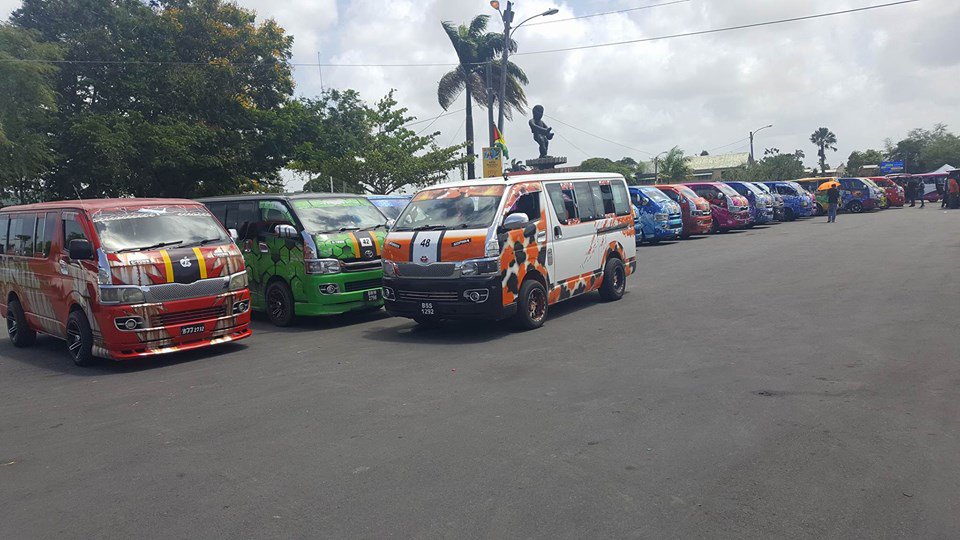
    echoing Furlonge’s call for reform, William Ashby, acting division chief of CDB’s Economic Infrastructure Division in the Projects Department, noted that minibuses form the backbone of most Caribbean public transit systems, and greater targeted regulation is needed to align private operator interests with the public good. Ashby emphasized that any new regulatory framework must include fair compensation structures for small-scale bus operators, who make up the majority of the region’s transit workforce.

    “They need to be able to earn a reasonable income for the service they provide,” Ashby said. “But by enhancing regulation, looking at tariff structures that provide appropriate return for those business owners, we can, in turn, get them to recognise the changes that they also need to bring to the system to provide for a more efficient, reliable, affordable public service.” The forum’s recommendations come as Caribbean governments increasingly grapple with growing private vehicle ownership, worsening congestion, and economic losses from delayed travel and increased carbon emissions, making public transit reform a top infrastructure priority across the region.

  • Coral reefs face critical decline, scientists warn

    Coral reefs face critical decline, scientists warn

    At a pre-launch event for a groundbreaking regional ocean science experiment, one of the Caribbean’s most prominent marine scientists has issued a stark wake-up call: unless urgent, decisive action is taken immediately, Barbados could lose more than 95% of its functional coral reef ecosystems by the end of the 2020s.

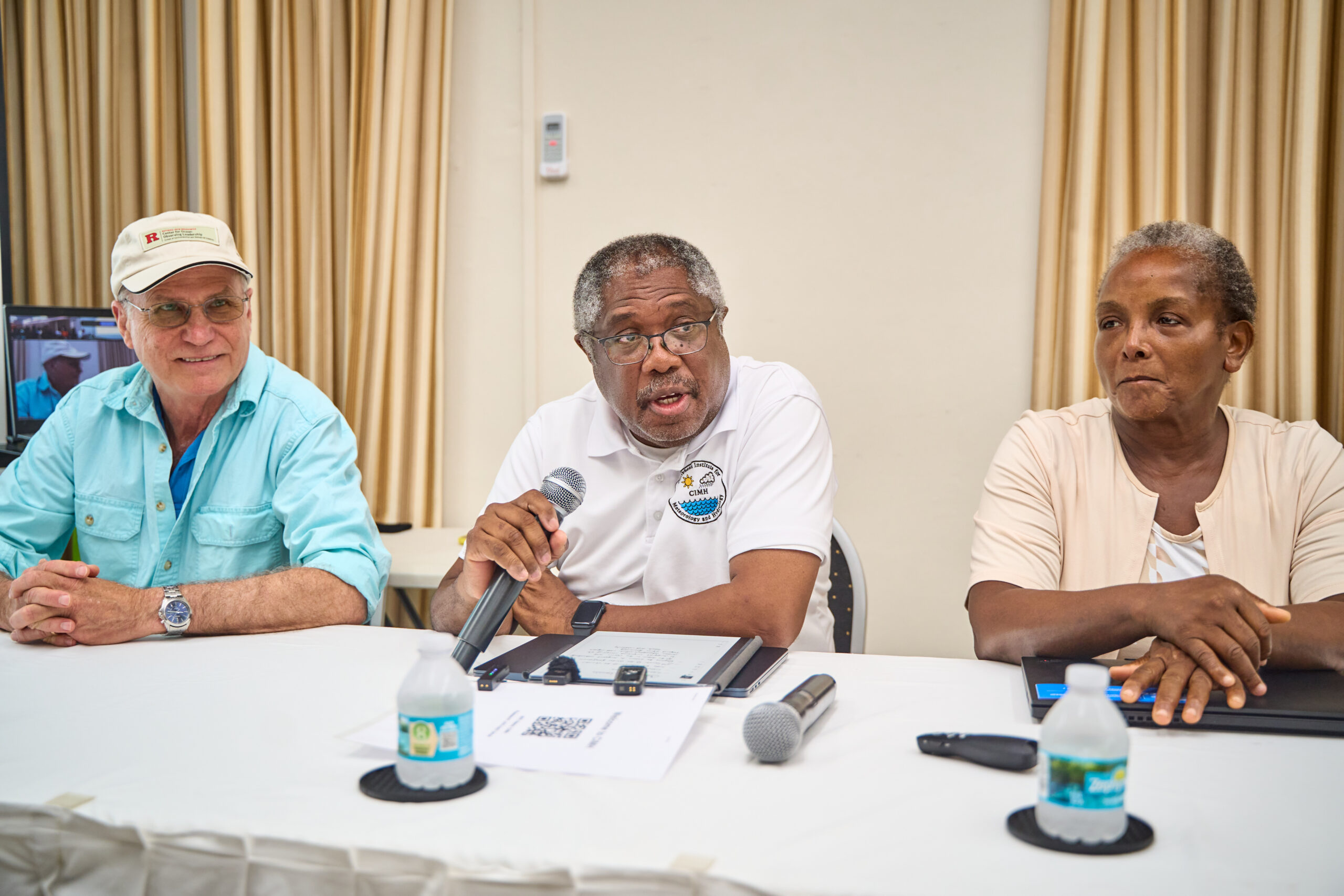
    Dr. Lorna V. Inniss, who leads the Intergovernmental Oceanographic Commission of UNESCO’s Caribbean regional office (IOCARIBE) and previously headed Barbados’ Coastal Zone Management Unit, delivered the warning during a media briefing and student workshop hosted Tuesday at the Caribbean Institute for Meteorology and Hydrology (CIMH) in Husbands, St. James. The event was held ahead of the rollout of the Vetlesen Caribbean Hurricane Ocean Glider field experiment, a cross-institutional research initiative aimed at expanding understanding of regional marine systems.

    Speaking directly to the next generation of environmental stewards in attendance, Inniss emphasized that the long-term survival of Barbados’ most vital natural resources hinges entirely on the policy and lifestyle choices made by current populations. “This is your home, this is where you build your lives and raise your families,” she told students. “You have a stake in ensuring every decision made today lays the groundwork for sustainability that your children and grandchildren can inherit.”

    The veteran researcher pointed to unregulated coastal development and widespread marine pollution as two of the most destructive human-driven forces eroding Barbados’ coastal ecosystems, noting that these activities are already destroying the beaches and reef systems that future generations will depend on for tourism, coastal protection, and food security. She outlined a grim but avoidable projection for Caribbean coral habitats, a trend that hits particularly close to home for the island nation built around its marine resources. “Current trajectories point to fewer than five percent of coral reefs remaining viable by 2030,” Inniss explained. “Without intervention, that means living coral reefs could disappear entirely before today’s students reach retirement age. But this isn’t a done deal – the damage can be reversed if we act correctly now.”

    Inniss added that major regional and international bodies, including global development banks, already have frameworks in place to fund and provide technical support for local and regional environmental conservation projects, removing one key barrier to action. She also highlighted new, alarming changes to local marine ecosystems that she witnessed firsthand, underscoring how quickly environmental shifts are unfolding. “This morning, for the first time in my entire career, I spotted sargassum seaweed in Carlisle Bay,” she said. “It has never reached this bay before. That tells us something fundamental has changed, and we need to face that reality head on.”

    The urgency of expanding regional ocean research, a priority highlighted by Inniss, was echoed by CIMH principal Dr. David Farrell, another leading Barbadian scientist. Farrell explained that the expanding Vetlesen ocean glider program is designed to fill critical gaps in existing climate and weather knowledge, with far-reaching benefits for both climate action and disaster preparedness. An initial glider mission launched last year spent three months at sea collecting high-resolution ocean data, with research partners from Rutgers University contributing to analysis of the findings.

    “One of the core goals of this program is to deepen our understanding of regional ocean systems and improve modeling of ocean-atmosphere interactions, which directly translates to more accurate tropical storm forecasting,” Farrell explained. He noted that more accurate forecasting has become a matter of urgent public safety as climate change drives more intense extreme weather events across the Caribbean, pointing to the devastating impacts of Hurricane Beryl and Tropical Storm Melissa in recent years as proof of this growing risk.

    Beyond improving storm tracking, the program will also help scientists document seasonal ocean variability, support sustainable fisheries management, map coastal processes, and refine understanding of how Caribbean waters regulate both regional and global climate patterns. Farrell emphasized that the Caribbean’s vast ocean territories remain vastly understudied, despite their outsized importance to the region’s economy and climate stability. “For all the ocean space that falls within our economic zone, we have barely scratched the surface of understanding how it works,” he said. “This expanding glider initiative will unlock the critical data we need to understand how our waters function, and how they shape both the climate and livelihoods of every community across the Caribbean.”

  • Linda Straker: A fearless voice for human rights and humanity

    Linda Straker: A fearless voice for human rights and humanity

    The Hope-Pals Foundation of Grenada has released a heartfelt tribute honoring the life and legacy of Linda Straker, a distinguished journalist and unyielding champion of human rights and social justice who recently passed away.

    Described by her close colleagues at the foundation, who worked alongside Straker for years on advocacy initiatives, Straker built a reputation as a meticulous, relentless reporter whose commitment to the truth often ruffled feathers among those who preferred silence on sensitive issues. Rather than confining her work to surface-level newsgathering, Straker embedded herself deeply in the work of non-governmental and community-based organizations that supported marginalized and under-resourced populations across Grenada. Her core focus centered on dismantling stigma and discrimination against people living with HIV, expanding equitable access to life-saving treatment, and upholding the fundamental human rights of all vulnerable groups, including the LGBTQ+ community.

    Straker was an unmissable presence at every national consultation on constitutional reform and human rights accountability, where she actively contributed to discussions, posed sharp, relevant questions, and dedicated herself to mastering critical details: from the latest national HIV prevention strategies and epidemiological data to the availability of voluntary counseling and testing services, and the progress of local LGBTQ+ advocacy efforts. Unlike many mainstream media outlets that framed HIV coverage as a one-off new story, Straker refused to let public attention drift away from the lived realities of people affected by the epidemic. She saw people, not statistics or victims, and built trust as a genuine ally rather than an outside observer.

    In 2008, when the Caribbean Regional Network of People Living with HIV (CRN+) launched a dedicated Human Rights Desk in the region, Straker played a foundational role in the initiative. She led monitoring of documented discrimination cases, and fought to ensure critical information about rights and services remained accessible to all who needed it. She also served alongside Hope-Pals Foundation and other organizational stakeholders on Grenada’s National HIV/AIDS Council, where her collaborative approach, rigorous research standards, and relentless advocacy left a transformative mark on the country’s HIV response. Colleagues emphasized that Straker was far more than a media representative covering the issue; she became a trusted friend and committed advocate to every community she worked with.

    For Straker, the work was never about professional titles or symbolic representation—it was about consistent, unwavering commitment. She showed up to every meeting, pushed for constant clarification on ambiguous details, and dedicated endless effort to verifying the accuracy of local, regional, and international data, as well as tracking the impact of programs designed to improve outcomes for people living with and affected by HIV. Through every phase of her work, she centered the voices and needs of those that mainstream society and media had long pushed to the margins.

    “Thank you, Linda. There will never be another like you, for the world rarely witnesses a soul so fearless in truth, so relentless in compassion, and so unwavering in the fight for humanity,” the tribute concludes. “Rest peacefully.”

    This tribute was published via NOW Grenada, which notes that it is not responsible for the opinions or content shared by third-party contributors. Readers may report any alleged abusive content through designated platform channels.

  • Wallerlei-Kumbangsila draagt na dertien jaar directeurschap bij COVAB over

    Wallerlei-Kumbangsila draagt na dertien jaar directeurschap bij COVAB over

    After 13 years at the helm of EFS College COVAB, a leading Surinamese nursing education institution, Angèle A. Wallerlei-Kumbangsila is preparing to hand over her leadership role and pursue a new international career, leaving behind a dramatically transformed organization that has grown from a small training center into a robust public health knowledge institute.

  • Power Drill Reported Stolen From Belmont Construction Site

    Power Drill Reported Stolen From Belmont Construction Site

    A theft investigation is now underway in Belmont, after a power drill was reported stolen from a local unfinished building last week, law enforcement officials confirmed.

    Authorities have narrowed down the window of the incident to a 19-hour period stretching from noon on June 18 to 7 a.m. on June 19. According to case details, the perpetrator or perpetrators behind the burglary gained unauthorized access to the construction site by forcing open a deadbolt lock fitted to a metal door on the building’s northern side. Once inside, the thieves removed the power drill from an interior work table before leaving the property through the same entry point they had compromised.

    Following the report of the missing tool, law enforcement officers carried out a thorough search of the neighborhood and surrounding areas surrounding the construction site in an attempt to recover the stolen property. As of the latest update, that search has not turned up any trace of the drill, and officials have not yet released an official valuation for the stolen equipment. The Belmont Police Department says the investigation remains active, with detectives continuing to follow up on any potential leads to identify the culprit and recover the missing tool.

  • Ali 2022 gifts to Biden sent to US archives

    Ali 2022 gifts to Biden sent to US archives

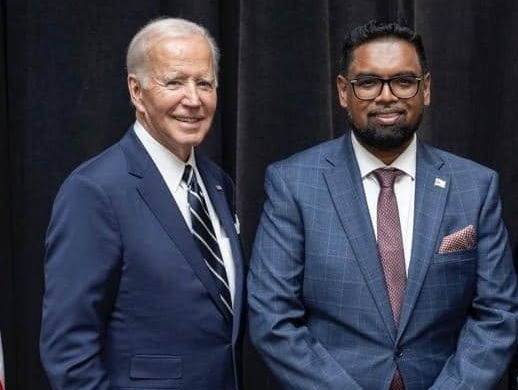
    A set of diplomatic gifts presented by Guyanese President Irfaan Ali to former U.S. President Joe Biden years ago have officially been transferred to the United States’ National Archives and Records Administration (NARA), according to a recent public filing published in the U.S. State Department’s Federal Register.

    The disclosure details three separate items gifted during 2022, all of which exceed the annual minimum value threshold for mandatory public reporting and archival transfer that is set each calendar year by U.S. federal guidelines. For 2022, that reporting threshold stood at $415, a mark all three gifts easily surpassed. The first item, a landscape painting titled “At Parika Stelling (Guyana)”, was received by the White House on March 2, 2022, and carries an estimated assessed value of $650. Five months later, on August 8, 2022, Ali gifted a second set of items: a gold brooch and a lapel pin printed with the Guyana national flag, which are together valued at approximately $736.

    In its official filing, the State Department noted that the gifts were accepted under the rationale that declining the presents would have caused unnecessary diplomatic embarrassment for both the Guyanese donor and the U.S. government. Per longstanding U.S. federal law, the president, cabinet members, and other senior federal officials are required to publicly disclose all gifts received from foreign sources that exceed the established annual value threshold.

    NARA, the independent federal agency tasked with preserving government records and historical artifacts, holds official responsibility for managing and archiving all gifts — both foreign and domestic — given to sitting U.S. presidents, and the three items have now been formally transferred into the agency’s permanent collection. The public disclosure marks a routine compliance with federal transparency rules governing diplomatic gifts to senior U.S. leaders.

  • SVGCC graduates urged to ‘slay with substance’

    SVGCC graduates urged to ‘slay with substance’

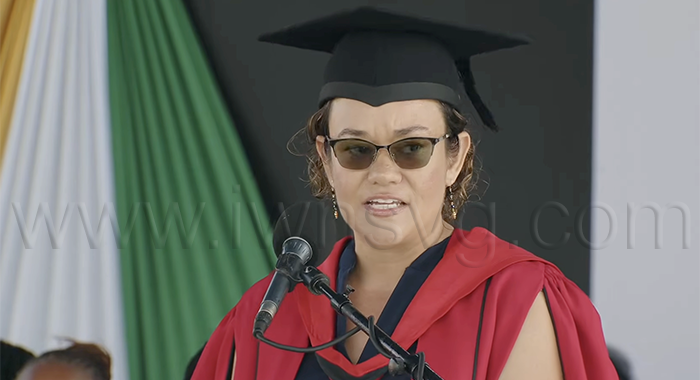
    At a packed graduation ceremony held at Kingstown’s Independence Park on Tuesday, a leading Vincentian academic challenged the 961 graduating class of St. Vincent and the Grenadines Community College (SVGCC) to carry three core values into their next chapter: unshakable resilience, intentional responsibility, and radical care for their communities as they step into their roles as “tomorrow’s leaders.”

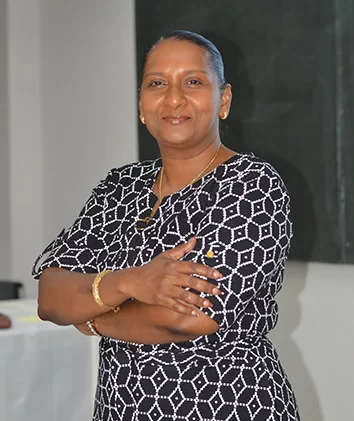
    Delivering the feature address for the 2024 commencement, themed “Tomorrow’s Leaders, Empowered Minds, Limitless Possibilities,” Dr. Andrea Veira — a biology researcher and science education lecturer at the University of the West Indies Cave Hill Campus with advanced credentials in education and university teaching — wove Gen Z cultural language, approachable humor and rigorous academic insight into her address. She urged graduates to pair their hard-earned credentials with compassion, collective stewardship, and a proud, rooted sense of Caribbean identity.

    “You are now standing at a defining turning point in your life,” Veira told the assembled graduates and their guests. “From this moment onward, your responsibilities grow heavier, and every decision you make carries real, tangible weight for your future and those around you.”

    Opening by celebrating the historic scale of the graduating class, Veira highlighted that more than 900 students completed a diverse range of credentials, from certificates and technical vocational qualifications to CAPE passes, diplomas, and associate degrees. She framed the commencement as a tribute to the quiet perseverance that brought every graduate across the finish line, after years of navigating overlapping academic, financial, and personal pressures.

    “We gather here today not just to hand out diplomas, but to celebrate perseverance,” she said. “You overcame unforgiving academic pressure, crippling financial challenges, private personal battles, grief, constant uncertainty, and all the small daily stresses that never make it into the official ceremony program, but live forever in your group chats. Yet here you are — you showed up, pushed through, and turned in the final assignment.”

    Speaking to graduates in their own idiom, she added: “In the language of your generation, you ate and left no crumbs behind, graduates.” She then led the crowd in a playful call-and-response, prompting the audience to shout “no crumbs” every time she said “you ate.”

    Veira reminded the cohort — made up mostly of Gen Z students, with a small number of millennials mixed in — that their coming-of-age was defined by overlapping, unprecedented crises and rapid societal shift that tested their strength long before graduation. She pointed to the COVID-19 pandemic, the 2021 eruption of the La Soufrière volcano, Hurricane Beryl, and the disruptive arrival of artificial intelligence in teaching and learning as shared, defining experiences that shaped this graduating class.

    “On top of these public crises, many of you carry private struggles no one else ever saw,” she said. “But whether you realize it or not, as Vincentians and as Caribbean people, you are far stronger than you sometimes allow yourself to believe.”

    She tied this innate strength to the region’s shared history and cultural identity, noting that generations of Vincentians survived colonialism, enslavement, indentureship, displacement, and persistent hardship, always finding ways to rise, rebuild, and create beauty from struggle. “Built into your DNA is a cultural identity shaped by survival, creativity, struggle, faith, humor, and community,” she explained. “You are children of Vincentian soil, and that means resilience is not just a trait you admire — it is something you inherit.” To tie this to the commencement theme, she led a second call-and-response, with graduates shouting “limitless possibilities” in reply to “empowered minds.”

    Veira was careful to draw a clear line between modern empowerment and the often-criticized culture of entitlement that is stereotypically linked to younger generations. “True empowerment is not something you are owed — it means access, exposure, and above all, responsibility,” she stressed. She noted that today’s SVGCC graduates have access to opportunities earlier generations of Vincentians could barely dream of, from post-primary education and online learning to global professional networks, digital creator economy platforms, entrepreneurship tools, and cutting-edge emerging technologies including AI, automation, drone technology, robotics, and data systems. “These are tools for empowered minds, and when used with discipline and clear purpose, they open exactly the limitless possibilities this graduation’s theme promises,” she said.

    Turning to the role of SVGCC, Veira praised the institution for building a strong foundational education across every discipline, from traditional CAPE subjects and nursing to teaching, technical trades, business, agriculture, and hospitality. She reminded graduates that no matter what field they studied, their skills fill critical needs in national society. “Every field matters, every skill has value, and when knowledge is joined with discipline, humility, and care, it becomes real empowerment,” she said. She encouraged graduates to pursue a model of leadership rooted in substance rather than performance: “That is the kind of empowerment I encourage you to embrace — not loud arrogance, but quiet confidence; not selfish ambition, but purposeful leadership.”

    Throughout her address, Veira repeatedly circled back to care as the defining mark of meaningful, lasting success. “A caring teacher, a caring nurse, a caring farmer, a caring doctor, a caring technician, a caring entrepreneur — no matter their profession — makes the difference between simply doing a job and touching a life, between providing a service and leaving a legacy,” she said.

    She explained how care transforms ordinary spaces and roles: “Care turns a classroom into a place of hope, a hospital room into a place of healing, land into a source of nourishment, and a career into a calling. When you lead with care, people remember not only what you did, but how you made them feel. And graduates, that hits different.” She led one final call-and-response, with the crowd shouting “hits different” in reply to “care.”

    Closing her address, Veira urged graduates to never forget the people and communities that supported them through their education, arguing that giving back is not a goal to postpone until after they achieve personal success. Instead, she said, it is a mindset to embrace from the first step of their post-graduation journey. “It begins in the attitude with which you approach the journey,” she said. “It begins with passion and love for what you do, because when you care deeply about your work, you do not merely perform tasks; you search for meaning, improvement, and impact.” She closed by encouraging graduates to seek mentorship, listen to community needs, think creatively, and work together to solve the persistent challenges facing St. Vincent and the Grenadines and the wider Caribbean region.

  • Formal Establishment of the Nursing Informatics Advisory Committee (NIAC) to Govern Nursing Engagement in the National HIS/EHR Implementation

    Formal Establishment of the Nursing Informatics Advisory Committee (NIAC) to Govern Nursing Engagement in the National HIS/EHR Implementation

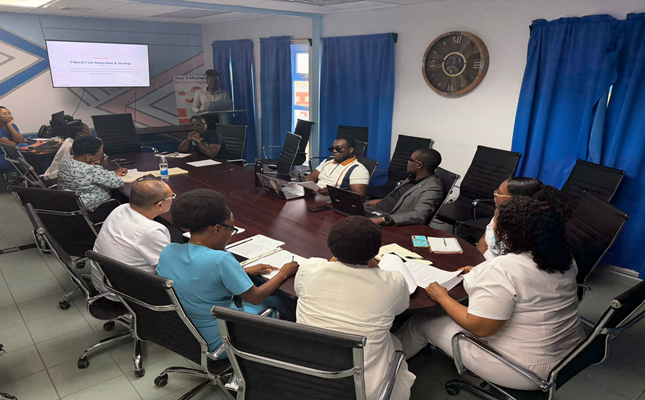
    In a landmark step toward advancing its ambitious national digital health transformation, the Ministry of Health of the Federation of Saint Kitts and Nevis announced the formal creation of the Nursing Informatics Advisory Committee (NIAC) on June 24, 2026. The new specialized body will operate as a subcommittee under the Institutional Nursing Services Clinical Governance Committee, with oversight spanning both institution-based and community-focused health nursing services across the country.

    The launch of NIAC marks a defining milestone in the federation’s years-long effort to modernize healthcare delivery via a fully integrated Hospital Information System (HIS) with an embedded Electronic Health Record (EHR) platform. This initiative stands as one of the most technologically impactful overhauls in the nation’s healthcare history, with rollout already underway across all public and clinical health settings. Local technical partner the St. Kitts Nevis Robotics Association has supported the project from its early stages, providing critical technical guidance, workforce training, and capacity-building resources to ensure successful implementation.

    NIAC’s formation was not arbitrary: nursing represents the largest segment of the nation’s clinical workforce, with frontline professionals holding primary, ongoing responsibility for core patient care functions including health assessment, individualized care planning, medication administration, and continuous clinical monitoring. To guarantee that the new digital system meets the real-world needs of both clinicians and patients, nursing leadership required formal, authoritative representation at every stage of the HIS/EHR rollout — from initial negotiations with technology vendors and system configuration to user testing, full deployment, and iterative post-launch improvement. The newly established committee fills this gap by serving as the official designated clinical authority for all nursing-related components of the digital transformation.

    Under its formal mandate, NIAC will verify that the digital platform and supporting infrastructure align with evidence-based nursing workflows, protect the integrity and confidentiality of patient health data, adhere to all Ministry of Health regulatory requirements, and uphold the strict clinical excellence standards set by the Institutional Nursing Services Clinical Governance Committee. The committee will maintain close, ongoing collaboration with the Ministry’s internal information technology team, the St. Kitts Nevis Robotics Association, and all relevant clinical departments to facilitate a smooth, clinically validated transition to digital health record management.

    Beyond its direct operational responsibilities, the creation of NIAC reflects two core commitments shared by the nation’s nursing community and public health leadership: first, nursing’s longstanding dedication to proactive clinical governance, patient safety, and the responsible, evidence-driven adoption of health technology. Second, it underscores the Ministry of Health’s explicit recognition that sustainable, meaningful digital transformation in healthcare requires leadership from frontline clinicians. As the primary point of contact for patient care, the nursing profession must play a central role in designing the systems that document, coordinate, and improve care delivery across the country.

    As the HIS/EHR rollout continues to progress across the federation, the Ministry of Health has expressed confidence that NIAC’s clinical leadership will be instrumental in ensuring the nation’s new digital health infrastructure meets the highest global standards for functionality, patient safety, and people-centered care. Additional information about the committee’s membership, formal terms of reference, and full implementation workplan is available to the public upon request from the Office of the Principal Nursing Officer.

  • OWRO vraagt SRD 1 miljard extra: huidige begroting onvoldoende voor infrastructuurambities

    OWRO vraagt SRD 1 miljard extra: huidige begroting onvoldoende voor infrastructuurambities

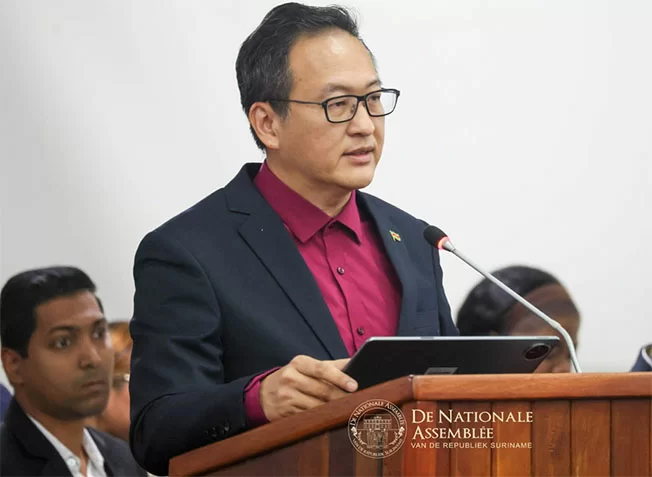
    Suriname’s Ministry of Public Works and Spatial Planning (OWRO) has confirmed it requires an additional 1 billion Surinamese dollars (SRD) on top of its current 2026 allocation to deliver all planned infrastructure upgrades and maintenance projects across the country. Minister Stephen Tsang made the funding request public during ongoing budget deliberations in the National Assembly, noting that the current approved budget is insufficient to cover critical investments in roads, drainage systems, pumping stations, waste processing, and residential housing development.

    Following last year’s government transition, Tsang told lawmakers his department inherited a massive accumulated backlog of deferred maintenance across nearly all core infrastructure assets, including roads, bridges, piers, drainage canals, water locks, and pumping stations. While targeted repair work has already been completed at multiple sites across the country, the minister stressed that far more resources are needed to deliver long-term, structural improvements to Suriname’s aging public infrastructure network.

    Minister Tsang presented parliament with a detailed breakdown of how the requested additional funding would be allocated. The largest share, 440 million SRD, is earmarked for the rehabilitation of paved and unpaved roads across the districts of Paramaribo, Wanica, and Saramacca. Another 251.3 million SRD is allocated to cleaning primary and tertiary drainage canals, while 117 million SRD would go toward expanded drainage works and coastal protection projects. More than 107 million SRD is requested for the construction and rehabilitation of pumping stations, with remaining funds allocated to housing development, waste management upgrades, and new early warning flood systems.

    The minister also outlined the alarming current state of Suriname’s national infrastructure, sharing ministry data showing more than 60 percent of the country’s entire road network is classified as being in poor or fair condition. OWRO’s analysis found secondary and tertiary rural roads in particular have suffered from decades of chronic underfunding for routine maintenance.

    In total, Suriname maintains roughly 5,000 kilometers of public paved and unpaved roads. Ministry calculations show eliminating the full maintenance and rehabilitation backlog across the entire road network would require an estimated 116.28 billion SRD. By comparison, the 2026 national budget only allocates 1.75 billion SRD to road infrastructure. At current funding levels, OWRO estimates this annual allocation will only clear around 1.5 percent of the total accumulated backlog. When the cost of maintaining and repairing bridges and piers is added, that figure drops below 1 percent of the total backlog cleared per year.

    During budget deliberations, Tsang clarified that the 2026 OWRO budget currently allocates 1.75 billion SRD to dry civil works, which include roads, bridges, and piers. Roughly 1.09 billion SRD is allocated to wet infrastructure projects, covering drainage systems, canals, water locks, and pumping stations.

    Despite the severe financial constraints facing the department, Minister Tsang reaffirmed the ministry’s long-term ambitious development goals. The core strategic objective is to eventually pave all unpaved sand roads across Suriname. As a symbolic milestone tied to the 170th anniversary of the founding of the public works department, Tsang set a target to pave at least 170 roads in the coming period. The ministry is also progressing on work to build new pumping stations, strengthen national drainage networks, modernize aging water locks, and advance pre-construction planning for major long-term infrastructure projects, including a proposed cross-border bridge to Guyana and a potential second bridge crossing the Suriname River.

    Tsang noted that if parliament cannot approve the full 1 billion SRD in additional funding, lawmakers will need to collaborate with the ministry to set clear priorities for which projects move forward. This signals that debate over the allocation of limited public resources to Suriname’s infrastructure sector will remain a central topic of budget negotiations in the coming months.