博客

  • National child protection awareness and prevention campaign launched

    National child protection awareness and prevention campaign launched

    On June 28, 2026, UNICEF Guyana announced the launch of a groundbreaking public awareness initiative designed to combat child sexual abuse and boost early reporting of harm, in partnership with two leading Guyanese child protection bodies: the Rights of the Child Commission (RCC) and the Office of the Director of Public Prosecutions (DPP). Dubbed the ‘SEE. SAY. SAFE.’ campaign, the cross-sector effort aims to fill critical gaps in public knowledge that leave vulnerable children exposed to ongoing abuse.

    Across its multi-month run, the campaign will deploy a multi-channel outreach strategy to reach every corner of Guyana, integrating messaging on national radio and television, across major social media platforms, in primary and secondary school programs, and through in-person community workshops. Unlike many targeted child protection efforts that focus solely on either adult action or child education, this initiative is designed to equip both groups with the tools they need to prevent harm.

    Campaign organizers highlight a persistent barrier to child protection: far too many children who experience abuse never come forward to report their victimization. Most often, silence stems from deep-seated fear of retaliation, stigma, or uncertainty that their claims will be believed. RCC Chairperson Aleema Nasir emphasized that the campaign’s core mission is to dismantle these barriers by creating a culture where children feel secure disclosing harm, and adults are trained to respond with empathy and decisive action.

    Over the coming months, the initiative will roll out targeted training modules for adults, teaching them to identify red flags that signal a child may be experiencing abuse, and guiding them to adopt consistent safeguarding practices in homes, schools, and community spaces. For children, the campaign will deliver age-appropriate education to help them distinguish between safe and unsafe interactions. It will also work to challenge social stigma that discourages survivors from coming forward, and clearly map accessible, official reporting pathways for anyone with concerns about a child’s safety.

    A key, often overlooked message woven into the campaign is that child abuse can occur in trusted, familiar settings — including homes, schools, and community organizations — and that all children, regardless of gender, deserve protection, support, and to have their claims taken seriously. This explicit focus on including boys in protection conversations addresses a common gap in many global child safety efforts, where male survivors are often overlooked.

    Dr. Loria-Mae Heywood, UNICEF’s Child Protection Specialist based in Guyana, explained that the initiative fills a critical need by connecting public awareness to tangible action. ‘When families and communities are informed and respond appropriately, children are safer,’ Dr. Heywood noted. ‘This campaign strengthens the link between awareness and action.’

    Assistant Director of Public Prosecutions Teshana Lake stressed that early reporting is not just critical for a child’s immediate safety, but also for upholding justice for survivors. She urged anyone with concerns to report allegations promptly to the Guyana Police Force, noting that ‘Timely reporting in Sexual Offences helps to preserve evidence and it allows survivors to receive timely support.’

    As an added component to improve future child protection work, the campaign is inviting all Guyanese residents to participate in a short, anonymous online survey. The data collected will help stakeholders measure current public awareness levels and refine child protection services to better meet community needs.

    Organizers are calling on every member of the public to join the effort by learning to recognize warning signs of abuse, prioritizing open communication with children, and reporting any concerns to official authorities. Concerns can be directed to the Childcare and Protection Agency (CPA) via its dedicated 914 hotline, or to the nearest local police station.

    Closing the campaign’s launch announcement, RCC Chairperson Nasir emphasized that child protection is a collective responsibility. ‘Protecting children is a shared responsibility. When we see, when we speak up, we help to keep children safe,’ she said.

  • Grand finale delivers unforgettable moments at St. Kitts Music Festival

    Grand finale delivers unforgettable moments at St. Kitts Music Festival

    After three straight nights of electrifying performances spanning genres, generations, and global talent, the 28th annual St. Kitts Music Festival concluded in spectacular fashion on Saturday night, capping an event that organizers and attendees alike are calling one of the strongest editions in the festival’s decades-long history. The closing night’s lineup blended A-list international stars, beloved regional favorites, and standout local acts, turning the final evening into a memorable celebration that left crowds buzzing long after the last note rang out.

    Headline performer Fantasia, a celebrated Grammy Award-winning R&B vocalist, kicked off the night’s high-profile sets with a powerhouse performance that held thousands of attendees spellbound. She wove together decades of fan-favorite hits, from soulful staples like *When I See You* to the raw, emotional *Lose to Win*, before surprising the crowd with a moving cover of Whitney Houston’s iconic I Wanna Dance with Somebody that had the entire venue on its feet. The evening took an even more joyous turn when the festival surprised Fantasia mid-set with an on-stage birthday celebration. As sparkling fireworks lit up the St. Kitts skyline and a custom cake was brought out, thousands of fans sang out birthday wishes in unison, creating the most talked-about heartfelt moment of the entire three-night event.

    Following Fantasia’s unforgettable set, legendary reggae trailblazer Beres Hammond took the stage to a roaring welcome, leading the crowd on a nostalgic musical trip through his decades-spanning catalogue of timeless hits. Fans of all ages sang every lyric back to Hammond from start to finish, a clear testament to the enduring cross-generational appeal of his work that has made him a staple of Caribbean and global reggae culture for decades.

    Next up, iconic R&B vocal group Boyz II Men brought their signature smooth harmonies and choreographed dance moves to the stage, earning roars of approval from the crowd. The trio also paid homage to the legends that paved their way, delivering soulful renditions of classic Michael Jackson tracks and New Edition’s beloved ballad *Can You Stand the Rain* that had the audience singing along in unison.

    As the night stretched into the early hours of Sunday morning, acclaimed reggae star Tarrus Riley stepped into the closing spot, keeping the energy high for the thousands of enthusiastic fans who stayed on-site to witness the festival’s final moments. Alongside the night’s big-name acts, a host of other talented artists delivered solid sets that resonated deeply with their followers: local standout Zu, rising reggae performer D’yani, iconic reggae artist Luciano, and fan-favorite act Gharlic all earned warm receptions from the crowd.

    Early projections from festival organizers indicate that the 28th edition of the event drew the largest total attendance since the festival first launched, solidifying its standing as one of the premier must-attend music gatherings across the Caribbean. For attendees and artists alike, the 2024 (note: original text refers to upcoming 2026, the 28th is the current concluded edition) festival delivered exactly what makes the event special: a diverse, joyful celebration of music that brings together artists and fans from across the globe against the iconic backdrop of St. Kitts.

  • Argentina To Launch Citizenship-by-Investment Programme Later This Year

    Argentina To Launch Citizenship-by-Investment Programme Later This Year

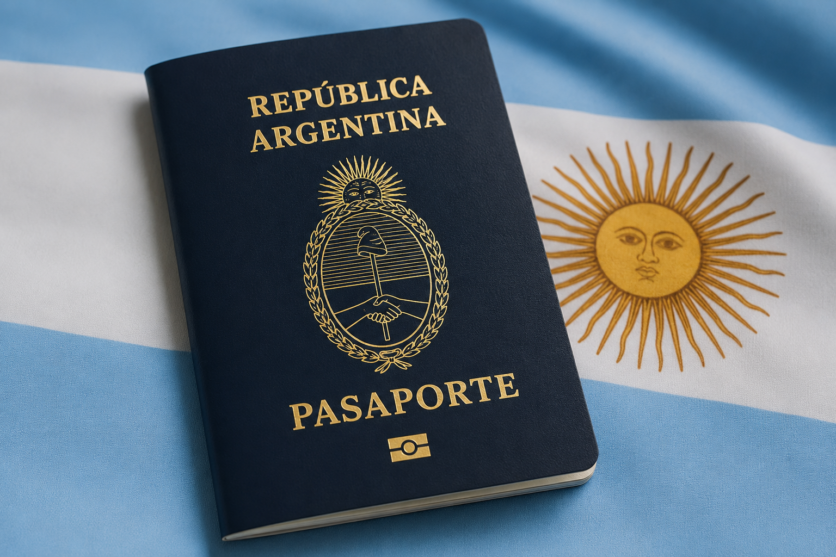
    As South America’s second-largest economy continues to grapple with long-standing financing gaps and restricted access to global capital markets, Argentina is moving forward with plans to roll out a groundbreaking citizenship-by-investment (CBI) initiative by the end of 2024, multiple sources close to the planning process told the Financial Times. The program, designed to draw high-net-worth foreign investors in exchange for full Argentine citizenship, is still refining its final eligibility requirements, but preliminary proposals outline two primary pathways to qualify: a non-refundable contribution of roughly $500,000 to state coffers, or the purchase of $1 million worth of Argentine zero-coupon sovereign bonds.

    The new CBI scheme is a core plank of President Javier Milei’s pro-market economic agenda, which prioritizes unlocking large volumes of foreign capital to help the country meet its looming sovereign debt obligations. Since Argentina restructured nearly $65 billion in sovereign debt in 2020, the nation has been effectively shut out of most international capital markets, leaving policymakers scrambling to identify alternative financing sources to stabilize the country’s fragile economy. If the program launches as planned, Argentina will join a small group of nations offering investment-backed citizenship, and will stand out as one of the largest countries globally to operate such a scheme. For successful applicants, Argentine citizenship unlocks substantial travel benefits: an Argentine passport grants visa-free or visa-on-arrival entry to almost 170 countries and territories worldwide, making it a highly attractive option for investors seeking expanded global mobility.

    The proposal builds on sweeping changes to Argentina’s citizenship regulations enacted by the executive branch last year, but those earlier reforms are currently tied up in domestic legal battles. Critics of the changes argue that Argentina’s constitution explicitly grants Congress, not the sitting president’s administration, the exclusive authority to set rules governing nationality and citizenship, a legal challenge that could ultimately delay or derail the broader CBI initiative.

    Proponents of the plan frame it as a win-win for both Argentina and participating investors. Amid rising global geopolitical fragmentation and economic uncertainty, many high-net-worth individuals are seeking alternative residency and citizenship options to diversify their exposure and secure greater travel freedom. Supporters argue that Argentina’s unique combination of geographic size, natural resources, and passport benefits makes it an unmatched offering in the global CBI market. “There is simply nothing else like Argentina in the citizenship-by-investment market,” Eric Major, chief executive of Latitude Group, a global mobility consultancy that provided advisory support to the Argentine government on the program, told the Financial Times.

    Despite these optimistic projections, the initiative has faced sharp pushback from legal scholars, transparency campaigners, and former government officials, who warn that CBI programs carry inherent risks related to national security, weak governance, and inadequate regulatory oversight. Many critics argue that unregulated investment-backed citizenship schemes can create openings for money laundering, corruption, and entry for individuals with criminal backgrounds, risks that Argentina’s already stretched regulatory system may be ill-equipped to manage.

    Paula Carello, an experienced immigration lawyer and former senior official at Argentina’s national citizenship office, argues that the potential downsides of the program far outweigh the limited economic benefits it could generate. “The many risks associated with this type of programme outweigh the benefits for a country of its size and profile,” Carello said. She also raised alarm about the lack of inclusive public debate surrounding the initiative, noting that changes to citizenship touch on core foundational aspects of national identity, and that moving forward with such a sweeping policy without input from across the political spectrum, academic circles, and major national institutions is a troubling overreach by the current administration.

  • Cooperatives promote peace through unity

    Cooperatives promote peace through unity

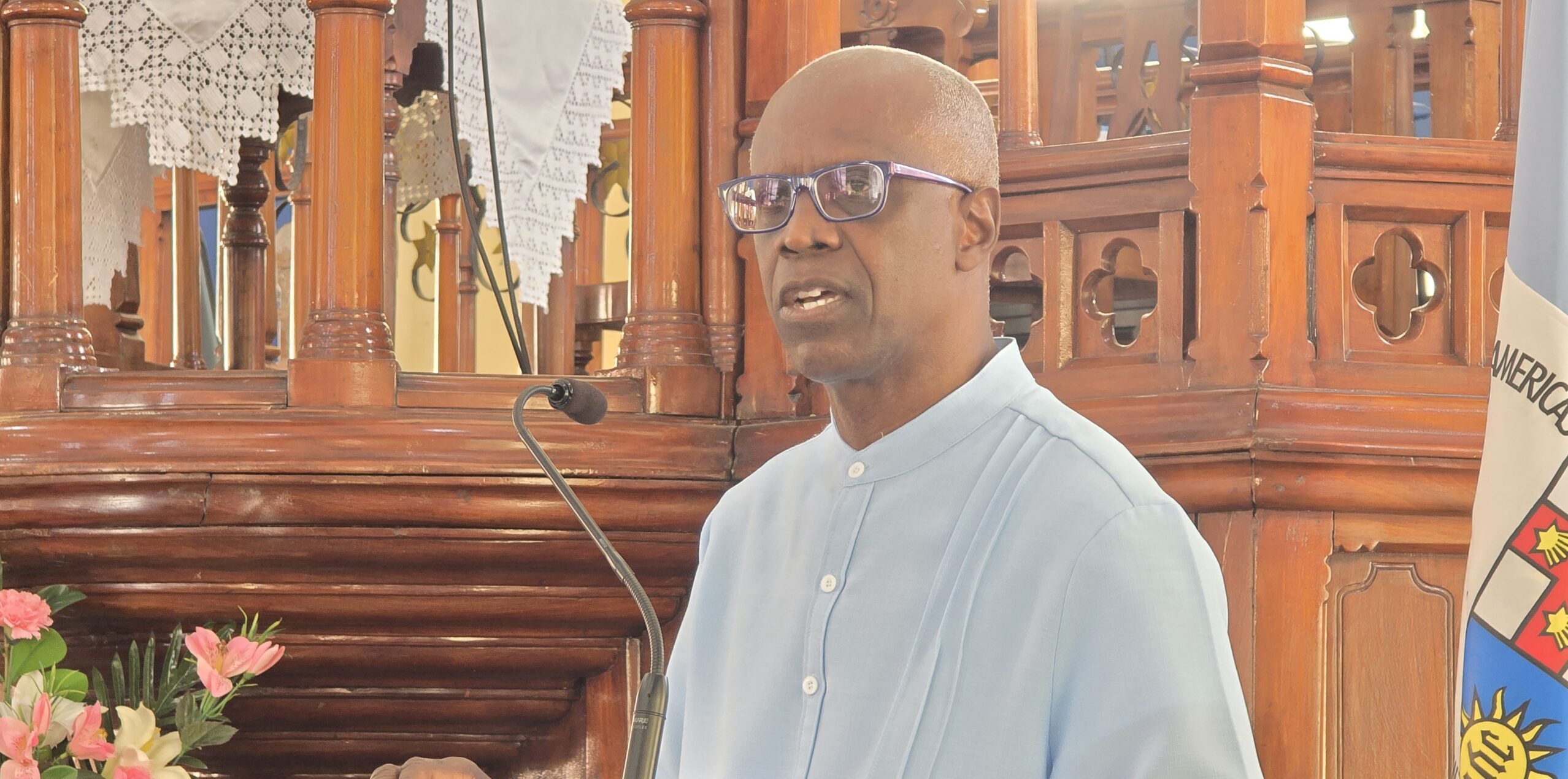
    On the occasion of International Cooperatives Day 2024, top Barbadian cooperative official Brent Gittens has delivered a stirring call for cross-societal unity and peace, grounded in the core principles of the global cooperative movement. Speaking Sunday at a commemorative service hosted by James Street Methodist Church, Gittens opened his address by pushing back against the common narrow definition of peace, noting that true peace is far more than just the absence of open conflict. Instead, he emphasized, lasting peace is constructed on a foundation of justice, inclusive participation, mutual respect, and active care for the well-being of all community members.

    The cooperative model, Gittens argued, is inherently aligned with these building blocks of peace. Rooted in foundational values including self-help, collective accountability, democratic governance, equal standing, equity, and shared solidarity, cooperatives are designed to bring people together to advance shared needs and common aspirations, with an explicit commitment to leaving no member behind. At a moment when deep divisions shape many communities across the globe, Gittens said the cooperative movement offers a tangible, working blueprint for what communities can accomplish when people unite around common goals and shared responsibility for collective outcomes.

    Unlike competitive economic models that often prioritize individual gain over community good, Gittens explained that cooperatives nurture peace by embedding a culture of collaboration into their daily operations. They prioritize broad participation over intentional exclusion, and open dialogue over rigid division—two key shifts that help reduce societal friction and build mutual understanding. Beyond their ideological contribution to peace, Gittens highlighted the tangible, on-the-ground impact cooperatives have already made in improving quality of life for people across Barbados.

    From financial cooperatives like community credit unions to non-financial enterprises spanning agriculture, transportation, and small business entrepreneurship, these organizations create sustained pathways for economic advancement and social progress, while simultaneously strengthening the social fabric of local communities. “When individuals are given a voice, when communities work together, and when opportunities are shared fairly, the conditions for peace are strengthened,” Gittens told attendees.

    In closing his address, Gittens urged all Barbadians to embrace the core values of the cooperative movement, with a specific call out to young people to recognize how collective action can help build a more stable, peaceful future for the entire island. He also extended a public invitation to the upcoming Cooperatives Exhibition and Celebration, scheduled to take place July 18 at the Church Village Green on the grounds of the Central Bank of Barbados. The event will bring together cooperative organizations from every region of the island to showcase their services, products, and community impact to the general public.

  • Derde helft WK 2026: Canada bereikt historische achtste finale

    Derde helft WK 2026: Canada bereikt historische achtste finale

    The 2026 FIFA World Cup’s first Round of 32 clash kicked off at Los Angeles’ iconic stadium, co-hosted between the tournament’s co-host nation Canada and African side South Africa, helmed by Portuguese referee João Pinheiro. What unfolded was a tense, hard-fought 90-plus minutes of football that ended in dramatic fashion, with Stephen Eustáquio’s last-gasp goal securing a 1-0 victory for Canada and eliminating South Africa from the global tournament.

    Both nations entered the knockout round of the 2026 World Cup with historic momentum, as this marked the first time both squads have advanced past the group stage in a men’s World Cup. Their paths to the knockout round followed remarkably similar trajectories: both finished the group stage with four points to claim second place in their respective groups. South Africa opened its campaign with a loss, drew its second match, and secured a vital win in its final group game to clinch progression. Host nation Canada, meanwhile, opened with a draw, earned three points in its second fixture, dropped its final group match, and lost home advantage for this knockout fixture as a result. With knockout football on the line, only one side could move forward to the next round, setting the stage for a do-or-die clash.

    Canada came out of the gate flying, pressing high and pinning South Africa deep in its own half for the opening stretch of the first half. The first clear-cut chance came in the 17th minute for Canadian striker Jonathan David, but his tight-angled shot whistled just wide of the post. Five minutes later, defender Derek Cornelius failed to convert from close range, leaving the score still locked at 0-0. Though South Africa worked its way into the match gradually, the side could not find a decisive final pass or finishing touch to trouble Canada’s backline, allowing the hosts to clear away danger easily. In the 44th minute, Moïse Bombito nearly put Canada ahead, but South Africa’s Aubrey Modiba cleared the goal-bound effort off the line to keep the match level. No additional goals came before halftime, sending both sides into the locker room with a 0-0 draw.

    The second half mirrored the first’s pattern of play for much of the opening, with Canada holding the majority of possession but South Africa defending resolutely and growing into the game as the minutes ticked by. South Africa’s first clear opening came in the 63rd minute through Oswin Appollis, but he misfired badly, sending his shot well wide of the Canadian goal. Just a few minutes later, Tani Oluwaseyi’s effort ricocheted off Canadian goalkeeper Ronwen Williams straight into the path of David, who looked set to tap into an open net – only for defender Mbekezeli Mbokazi to pull off a miraculous last-ditch block to keep the score level.

    By the 75th minute, South Africa had another promising opportunity to break the deadlock, but a sloppy final pass let the chance go begging, and the follow-up shot sailed wide of the target. Star winger Alphonso Davies was introduced into the match as Canada pushed for a winning goal, and the hosts quickly reclaimed the upper hand, creating a string of good chances that David and Bombito just could not convert. Canada kept pressing, opening up gaps that South Africa looked to exploit on the counter-attack, but the African side could not find its finishing touch, squandering every opening that came its way.

    The decisive moment finally came in the second minute of stoppage time. A sloppy South Africa clearance out of central defense landed directly at the feet of Stephen Eustáquio, who hit a stunning first-time strike into the bottom left corner of the net, leaving the South African goalkeeper with no chance. The late goal secured a 1-0 win for Canada, sending the co-host nation through to the next round of the tournament, while South Africa’s historic World Cup run comes to an end. Canada will next face the winner of the Round of 32 clash between the Netherlands and Morocco as it continues its historic 2026 World Cup campaign.

  • Human Rights Commissioner calls for genuine inclusion at Scouts training exercise

    Human Rights Commissioner calls for genuine inclusion at Scouts training exercise

    At a specialized inclusive leadership training held Saturday at Barbados’ Usain Bolt Sports Complex, Human Rights Commissioner Kerry Ann Ifill delivered a compelling call to action for the island nation’s Boy Scout leaders, challenging them to move beyond outdated frameworks of managing physical limitations and build a culture of intentional, daily social inclusion for people living with disabilities.

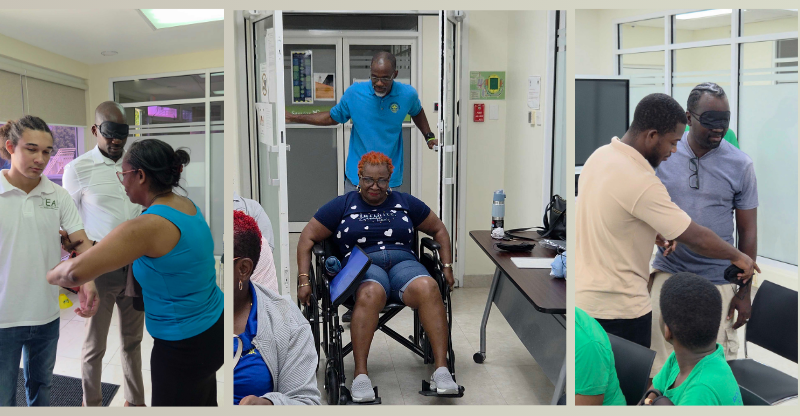
    Opening her address to participating scout leaders, Ifill emphasized a core truth that is often overlooked in mainstream conversations about accessibility: people with disabilities hold the same core dreams, skills, and ambitions as every other member of society. To help attendees understand the lived experience of disability, the training included an immersive simulation exercise: some participants navigated the space blindfolded to mimic visual impairment, others used wheelchairs to experience mobility restriction, and a third group wore earplugs to limit auditory input. Reflecting on the activity afterward, Ifill was clear that these temporary, controlled scenarios can never fully capture the nuance, complexity, and daily barriers that come with living with a disability long-term.

    Ifill pushed back against the common harmful habit of defining people solely by their physical challenges, arguing that disabled people deserve to be recognized first for their full identity and citizenship. Speaking from personal experience, she shared: “I’m not just a blind person. I’m not just a woman with a disability. I’m a woman too, with the same needs, wants, desires, abilities, capacities, and capabilities as the rest of the women in this room. I’m a citizen of Barbados, just like all of the rest of you.”

    To ground her argument in a tangible example, Ifill told attendees that she would be sworn in that same evening as the new president of her Rotary Club at a formal installation dinner held at Savannah Beach Hotel. She recounted a light-hearted but revealing anecdote from that morning: she had turned to an artificial intelligence assistant to learn what the traditional presidential regalia collar looks like, because no one in the club had thought to describe it to her in accessible terms. The moment, she noted, demonstrates that even well-meaning, supportive communities can unintentionally overlook the unique accessibility needs of disabled members.

    Against the backdrop of Barbados’ shifting demographic landscape – marked by a rapidly aging population and high rates of chronic non-communicable diseases, many of which lead to long-term physical impairment – Ifill warned that disability will eventually touch nearly every household and individual across the country. She urged scout leaders to embed inclusive values into youth programming, teaching young scouts to welcome, adapt to, and celebrate difference rather than framing disability as an unbeatable barrier to participation.

    Before closing, Ifill praised the assembled scout leaders for their commitment to this work, noting that the inclusive training program itself is a critical step toward broader societal change. “The work that you do through this project is change-making,” she said.

  • Roach creates history in huge West Indies test win

    Roach creates history in huge West Indies test win

    West Indies secured a comprehensive victory over Sri Lanka, wrapping up a convincing innings-and-217-run win in the opening Test match at Antigua’s Sir Vivian Richards Stadium, with veteran fast bowler Kemar Roach delivering a career-defining performance. Roach finished with four wickets for just 51 runs, headlined by his milestone 300th Test wicket – a historic achievement that places him among an elite group of West Indian bowling legends.

    Roach is now only the fifth West Indian bowler in cricket history to cross the 300-wicket threshold in Test match cricket. He follows all-time greats Courtney Walsh, who holds the regional record with 519 career Test wickets, Curtley Ambrose (405), Malcolm Marshall (376) and Lance Gibbs (309), who is the only other West Indian bowler to have recently held the 300-wicket benchmark above Roach.

    The historic win also carries extra significance for the West Indies side: it marks their first Test victory in the new ICC World Test Championship cycle, and the first international win for new skipper Roston Chase at the helm of the national team, along with head coach Andre ‘Sammy’ Adams.

    Going into the final day of the match, Sri Lanka resumed their second innings at 15 for one wicket, tasked with chasing an improbable target after West Indies had declared their mammoth first innings at 626 for nine. The visiting batting line-up collapsed consistently against West Indies’ hostile pace attack, and were bowled out for just 101 runs before lunch on day four.

    Roach was not the only standout bowler for the home side: young fast bowler Jayden Seales picked up three wickets for only 14 runs, while Shamar Joseph claimed two wickets for 19 runs and Alazarri Joseph chipped in with one wicket for 11 runs to complete the rout. Sri Lanka’s captain Dinesh Chandimal finished as the visitors’ top scorer with 42 runs, the only batsman on the side to reach double figures in the collapse.

    In post-match interviews, Roach emphasized that the team result took priority over his personal milestone, saying the win was what mattered most to him. “So well done to the team, Roston Chase with his first win as captain, Sammy for his first win as coach. I would not be here without all these guys and everyone supporting me,” Roach shared after the game.

    He extended his gratitude to his loved ones and local fans, adding: “To my family, I know my mom is watching, to my kids, all my friends at home I know everyone is watching, I also want to thank all the Antiguan fans for coming out and supporting the team.”

    When asked about whether he would consider retiring from international cricket after hitting the 300-wicket milestone, Roach declined to share any firm future plans, saying he would focus on celebrating the win first. “Check me in the morning, check me in the morning. Right now, I just want to celebrate this win and then discussions will be had,” he said.

  • Tropical Wave Expected to Bring Showers, Possible Thunderstorms to Antigua and Barbuda

    Tropical Wave Expected to Bring Showers, Possible Thunderstorms to Antigua and Barbuda

    Local communities are on alert Thursday as a moving tropical wave is projected to sweep across the region, bringing unstable and potentially disruptive weather conditions through the afternoon and overnight hours. Local meteorological officials have issued official guidance urging all residents to make simple preparations ahead of the system’s arrival to avoid unnecessary disruptions or safety risks.

    Forecasting data compiled by local weather services shows high confidence in rain developing across the area, with an 80% probability of scattered showers breaking out once the tropical wave moves onshore. Total accumulated rainfall is expected to stay between 1 and 5 millimeters, equal to 0.04 to 0.20 inches, a relatively modest total that still poses localized hazards in low-lying or flood-prone zones. In addition to widespread showers, the system carries a measurable risk of severe convective activity: forecasters project a 30% chance of thunderstorms during the afternoon hours, with that probability climbing to 40% as the system deepens through the evening.

    Meteorologists emphasize that while total rainfall is not extreme, the intermittent periods of heavy downpour can create sudden hazardous conditions for both residents and travelers. The tropical wave is expected to bring intermittent bursts of disruptive weather that can quickly alter travel conditions. Specific warnings have been issued for drivers and people traveling on foot, calling for extra vigilance in areas that have a history of flash flooding or that are likely to experience drastically reduced visibility during heavy shower activity.

    Officials note that residents should monitor updated weather forecasts through the day for any shifts in the system’s track or intensity, and adjust plans accordingly to stay safe through the unsettled conditions.

  • Antigua and Barbuda Intends to Maintain Citizenship by Investment Programme Even if EU Ends Visa-Free Access

    Antigua and Barbuda Intends to Maintain Citizenship by Investment Programme Even if EU Ends Visa-Free Access

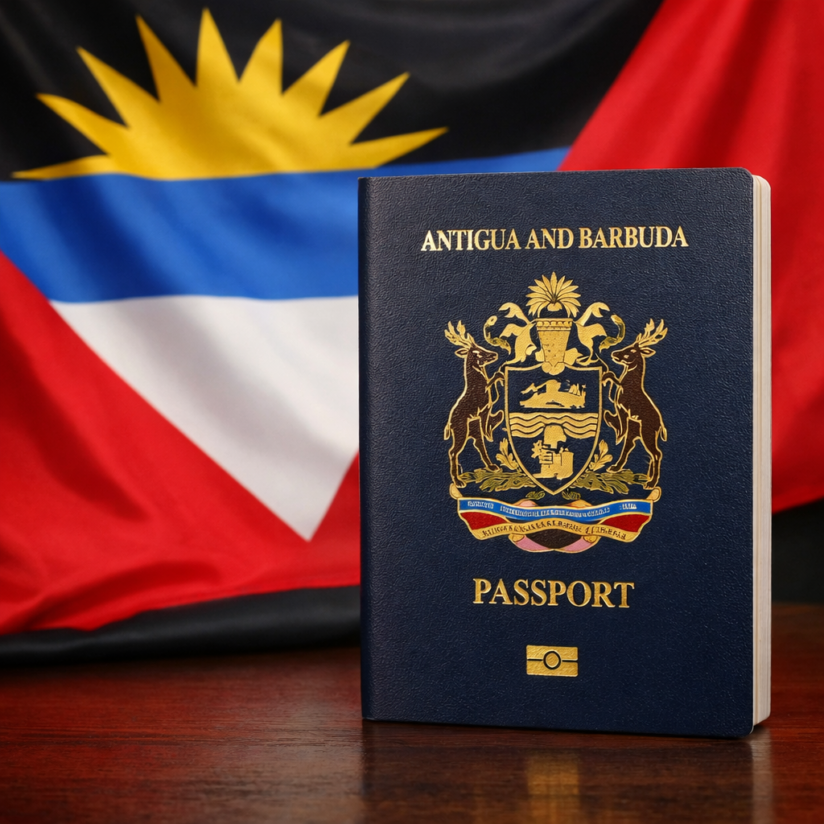
    During a weekly radio address on Pointe FM Saturday, Gaston Browne, the Prime Minister of Antigua and Barbuda, made clear that the island nation will not abandon its high-stakes Citizenship by Investment Programme (CIP) even if the European Union follows through on its threat to revoke visa-free travel privileges for Antigua and Barbuda passport holders.

    While the government remains cautiously optimistic that ongoing high-level negotiations with European officials will preserve the current visa-free travel arrangement, Browne confirmed that the country is actively preparing for the worst-case scenario, which could see the privilege withdrawn before the end of 2024.

    “We can anticipate that, despite our best efforts, these visa-free arrangements may be discontinued,” Browne told listeners. “What I will say here, under my leadership and certainly under the Labour Party’s governance of this country, with or without those visa-free arrangements, our CIP programme continues. It is too important a source of non-tax revenue to give it up.”

    The European Union has flagged citizenship by investment programmes across a handful of small nations as a potential security concern, and has publicly warned that it could suspend visa-free access for countries that maintain these schemes. No final ruling on the measure has been issued to date, but Browne acknowledged the risk of action before year’s end. To de-escalate tensions, Antigua and Barbuda has put forward a compromise proposal: instead of scrapping visa-free access entirely, the EU could implement a pre-travel electronic authorization system for visitors from CIP-operating countries, a framework Browne calls a balanced, sensible alternative that preserves long-standing positive relations between the two sides.

    “We have the view that an electronic travel authorization should be sufficient,” Browne said. “We think that it’s a sensible thing to do to maintain the good relations that we’ve had over the years and not to throw the baby out with the bath water.”

    Already, one EU member state – Ireland – has moved to end its visa-free arrangement with Antigua and Barbuda, prompting the Browne administration to push for urgent dialogue with EU leadership before broader restrictions are enacted.

    In a robust defense of the CIP, Browne emphasized that Antigua and Barbuda has enacted sweeping reforms to strengthen its programme in recent years, directly refuting European claims that the scheme poses unacceptable security risks to the bloc. He acknowledged that no immigration programme can eliminate all residual risk, noting that even well-established schemes in large nations have occasionally admitted bad actors. Specifically, he called out the United States’ EB-5 investor visa programme and Canada’s former investor immigration initiative, both of which have faced high-profile scandals involving criminal exploitation.

    “Even the EB-5 programme in the United States, they’ve had a lot of crooks. I mean the one in Canada too. But they keep pointing fingers at us as though they are not fallible and as though their programmes have not attracted crooks too,” Browne argued.

    The prime minister also stressed the independent governance of Antigua and Barbuda’s CIP, noting that political officials, including himself, never interfere with due diligence processes carried out by the country’s Citizenship by Investment Unit (CIU). Over his 12 years in office, Browne said he has never overturned a rejection decision made by the CIU or its governing board, allowing the body to operate with full autonomy.

    He added that Antigua and Barbuda’s due diligence standards match or exceed those of much larger nations, and the country’s small geographic size and close-knit governance actually make it far harder for criminals to evade detection and enforcement.

    “In our countries, I can say definitively in the case of Antigua and Barbuda, our programme is run with integrity,” Browne said. “I would say better integrity than those large countries who are pointing fingers at us.”

    Reaffirming the government’s commitment to collaboration, Browne said Antigua and Barbuda stands ready to address all of the EU’s outstanding concerns and implement additional safeguards – including mandatory biometric screening – if required to reach a resolution. The only major outstanding issue between the two sides currently centers on the implementation of biometrics, he added. “We have said to them, you run investment immigration programmes; any initiative that you have in place, we’ll put in place,” Browne said.

  • Meer dan nieuw asfalt: complete reconstructie Van ‘t Hogerhuysstraat gestart

    Meer dan nieuw asfalt: complete reconstructie Van ‘t Hogerhuysstraat gestart

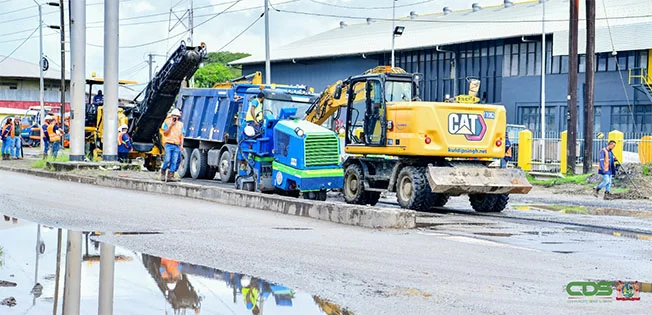
    On the morning of June 28, the large-scale reconstruction project of Van ‘t Hogerhuysstraat in Suriname officially launched, marking the start of a transformative 20-month infrastructure upgrade that will reshape connectivity and drainage for the Beekhuizen district and surrounding residential areas.

    According to Suriname’s Ministry of Public Works and Spatial Planning, the project will not only widen the existing road into a dual three-lane highway, but also fully replace the aging sewerage and drainage system that currently serves the area. Minister Stephen Tsang, head of the ministry, explained that the upgrade will deliver long-term structural improvements to both traffic flow and flood mitigation, addressing growing pressure on the corridor as the capital region develops.

    The project is contracted to local infrastructure firm Kuldipsingh Infra. Preparatory works are scheduled to run through mid-July, including clearing existing culverts, removing blockages from the old drainage network, and implementing temporary traffic measures to keep the route accessible to residents and road users throughout construction.

    In a surprise discovery during the initial site inspections, construction crews uncovered massive volumes of illegal waste dumped inside the existing sewer system, ranging from plastic bottles and construction rubble to a large sheet of zinc. Minister Tsang emphasized that this illegal dumping poses a serious threat to the function of any new drainage system, undermining long-term infrastructure performance and increasing the risk of flooding during heavy rain.

    In response to this discovery, the ministry is pairing the infrastructure upgrade with a public awareness push to curb improper waste disposal across the country. The Suriname Communication Service confirmed that officials are considering a national “Krin Kondre” (Clean Country) campaign specifically designed to combat littering and illegal dumping of waste in public infrastructure. Minister Tsang added that he prefers community service sentences over solely financial fines for littering offenders, arguing that punitive work assignments create a stronger deterrent and help restore public spaces affected by improper waste disposal.

    Kuldipsingh Infra project manager Rodney Wongsosoeparto outlined the project timeline moving forward: after preparatory works wrap up, crews will begin installing new sewer lines, rebuilding the road foundation, and finally completing the road widening works to deliver the dual three-lane corridor. To minimize disruption to daily commutes and local residents, the majority of construction activity will be scheduled during evening and overnight hours, with round-the-clock shift work being used to speed up project delivery and reduce the overall construction period.

    Officials have issued a public notice urging road users and nearby residents to plan ahead for temporary road closures, detours and minor traffic disruptions over the 20-month construction period, asking for public patience as the transformative project is completed.

    Minister Tsang stressed that the reconstruction project extends far beyond basic traffic infrastructure upgrades. The Van ‘t Hogerhuysstraat corridor holds strategic importance for Suriname’s ongoing economic development, particularly for the country’s growing oil and gas sector, and the upgrade will improve overall connectivity across the capital region to support future growth. “This is not just a road project — it’s an investment in Suriname’s long-term economic and livability goals,” the minister noted.