博客

  • Tropical Wave Expected to Bring Showers, Possible Thunderstorms to Antigua and Barbuda

    Tropical Wave Expected to Bring Showers, Possible Thunderstorms to Antigua and Barbuda

    Local communities are on alert Thursday as a moving tropical wave is projected to sweep across the region, bringing unstable and potentially disruptive weather conditions through the afternoon and overnight hours. Local meteorological officials have issued official guidance urging all residents to make simple preparations ahead of the system’s arrival to avoid unnecessary disruptions or safety risks.

    Forecasting data compiled by local weather services shows high confidence in rain developing across the area, with an 80% probability of scattered showers breaking out once the tropical wave moves onshore. Total accumulated rainfall is expected to stay between 1 and 5 millimeters, equal to 0.04 to 0.20 inches, a relatively modest total that still poses localized hazards in low-lying or flood-prone zones. In addition to widespread showers, the system carries a measurable risk of severe convective activity: forecasters project a 30% chance of thunderstorms during the afternoon hours, with that probability climbing to 40% as the system deepens through the evening.

    Meteorologists emphasize that while total rainfall is not extreme, the intermittent periods of heavy downpour can create sudden hazardous conditions for both residents and travelers. The tropical wave is expected to bring intermittent bursts of disruptive weather that can quickly alter travel conditions. Specific warnings have been issued for drivers and people traveling on foot, calling for extra vigilance in areas that have a history of flash flooding or that are likely to experience drastically reduced visibility during heavy shower activity.

    Officials note that residents should monitor updated weather forecasts through the day for any shifts in the system’s track or intensity, and adjust plans accordingly to stay safe through the unsettled conditions.

  • Antigua and Barbuda Intends to Maintain Citizenship by Investment Programme Even if EU Ends Visa-Free Access

    Antigua and Barbuda Intends to Maintain Citizenship by Investment Programme Even if EU Ends Visa-Free Access

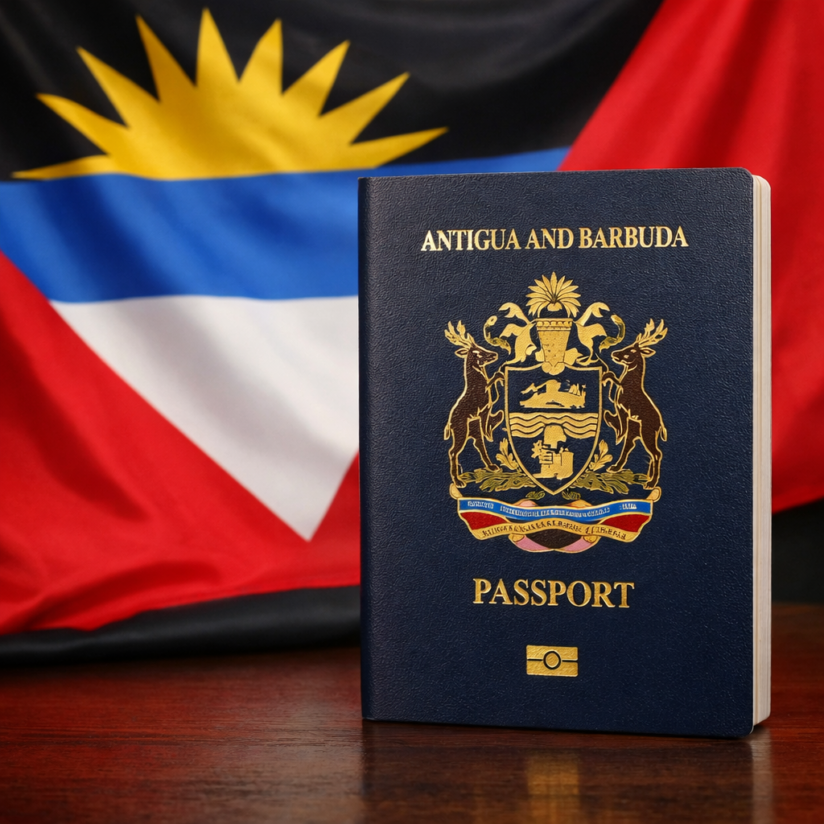
    During a weekly radio address on Pointe FM Saturday, Gaston Browne, the Prime Minister of Antigua and Barbuda, made clear that the island nation will not abandon its high-stakes Citizenship by Investment Programme (CIP) even if the European Union follows through on its threat to revoke visa-free travel privileges for Antigua and Barbuda passport holders.

    While the government remains cautiously optimistic that ongoing high-level negotiations with European officials will preserve the current visa-free travel arrangement, Browne confirmed that the country is actively preparing for the worst-case scenario, which could see the privilege withdrawn before the end of 2024.

    “We can anticipate that, despite our best efforts, these visa-free arrangements may be discontinued,” Browne told listeners. “What I will say here, under my leadership and certainly under the Labour Party’s governance of this country, with or without those visa-free arrangements, our CIP programme continues. It is too important a source of non-tax revenue to give it up.”

    The European Union has flagged citizenship by investment programmes across a handful of small nations as a potential security concern, and has publicly warned that it could suspend visa-free access for countries that maintain these schemes. No final ruling on the measure has been issued to date, but Browne acknowledged the risk of action before year’s end. To de-escalate tensions, Antigua and Barbuda has put forward a compromise proposal: instead of scrapping visa-free access entirely, the EU could implement a pre-travel electronic authorization system for visitors from CIP-operating countries, a framework Browne calls a balanced, sensible alternative that preserves long-standing positive relations between the two sides.

    “We have the view that an electronic travel authorization should be sufficient,” Browne said. “We think that it’s a sensible thing to do to maintain the good relations that we’ve had over the years and not to throw the baby out with the bath water.”

    Already, one EU member state – Ireland – has moved to end its visa-free arrangement with Antigua and Barbuda, prompting the Browne administration to push for urgent dialogue with EU leadership before broader restrictions are enacted.

    In a robust defense of the CIP, Browne emphasized that Antigua and Barbuda has enacted sweeping reforms to strengthen its programme in recent years, directly refuting European claims that the scheme poses unacceptable security risks to the bloc. He acknowledged that no immigration programme can eliminate all residual risk, noting that even well-established schemes in large nations have occasionally admitted bad actors. Specifically, he called out the United States’ EB-5 investor visa programme and Canada’s former investor immigration initiative, both of which have faced high-profile scandals involving criminal exploitation.

    “Even the EB-5 programme in the United States, they’ve had a lot of crooks. I mean the one in Canada too. But they keep pointing fingers at us as though they are not fallible and as though their programmes have not attracted crooks too,” Browne argued.

    The prime minister also stressed the independent governance of Antigua and Barbuda’s CIP, noting that political officials, including himself, never interfere with due diligence processes carried out by the country’s Citizenship by Investment Unit (CIU). Over his 12 years in office, Browne said he has never overturned a rejection decision made by the CIU or its governing board, allowing the body to operate with full autonomy.

    He added that Antigua and Barbuda’s due diligence standards match or exceed those of much larger nations, and the country’s small geographic size and close-knit governance actually make it far harder for criminals to evade detection and enforcement.

    “In our countries, I can say definitively in the case of Antigua and Barbuda, our programme is run with integrity,” Browne said. “I would say better integrity than those large countries who are pointing fingers at us.”

    Reaffirming the government’s commitment to collaboration, Browne said Antigua and Barbuda stands ready to address all of the EU’s outstanding concerns and implement additional safeguards – including mandatory biometric screening – if required to reach a resolution. The only major outstanding issue between the two sides currently centers on the implementation of biometrics, he added. “We have said to them, you run investment immigration programmes; any initiative that you have in place, we’ll put in place,” Browne said.

  • Meer dan nieuw asfalt: complete reconstructie Van ‘t Hogerhuysstraat gestart

    Meer dan nieuw asfalt: complete reconstructie Van ‘t Hogerhuysstraat gestart

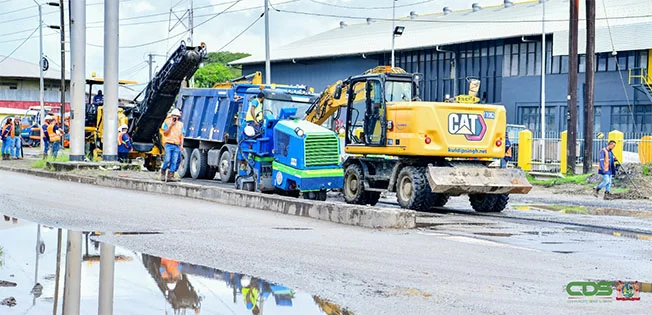
    On the morning of June 28, the large-scale reconstruction project of Van ‘t Hogerhuysstraat in Suriname officially launched, marking the start of a transformative 20-month infrastructure upgrade that will reshape connectivity and drainage for the Beekhuizen district and surrounding residential areas.

    According to Suriname’s Ministry of Public Works and Spatial Planning, the project will not only widen the existing road into a dual three-lane highway, but also fully replace the aging sewerage and drainage system that currently serves the area. Minister Stephen Tsang, head of the ministry, explained that the upgrade will deliver long-term structural improvements to both traffic flow and flood mitigation, addressing growing pressure on the corridor as the capital region develops.

    The project is contracted to local infrastructure firm Kuldipsingh Infra. Preparatory works are scheduled to run through mid-July, including clearing existing culverts, removing blockages from the old drainage network, and implementing temporary traffic measures to keep the route accessible to residents and road users throughout construction.

    In a surprise discovery during the initial site inspections, construction crews uncovered massive volumes of illegal waste dumped inside the existing sewer system, ranging from plastic bottles and construction rubble to a large sheet of zinc. Minister Tsang emphasized that this illegal dumping poses a serious threat to the function of any new drainage system, undermining long-term infrastructure performance and increasing the risk of flooding during heavy rain.

    In response to this discovery, the ministry is pairing the infrastructure upgrade with a public awareness push to curb improper waste disposal across the country. The Suriname Communication Service confirmed that officials are considering a national “Krin Kondre” (Clean Country) campaign specifically designed to combat littering and illegal dumping of waste in public infrastructure. Minister Tsang added that he prefers community service sentences over solely financial fines for littering offenders, arguing that punitive work assignments create a stronger deterrent and help restore public spaces affected by improper waste disposal.

    Kuldipsingh Infra project manager Rodney Wongsosoeparto outlined the project timeline moving forward: after preparatory works wrap up, crews will begin installing new sewer lines, rebuilding the road foundation, and finally completing the road widening works to deliver the dual three-lane corridor. To minimize disruption to daily commutes and local residents, the majority of construction activity will be scheduled during evening and overnight hours, with round-the-clock shift work being used to speed up project delivery and reduce the overall construction period.

    Officials have issued a public notice urging road users and nearby residents to plan ahead for temporary road closures, detours and minor traffic disruptions over the 20-month construction period, asking for public patience as the transformative project is completed.

    Minister Tsang stressed that the reconstruction project extends far beyond basic traffic infrastructure upgrades. The Van ‘t Hogerhuysstraat corridor holds strategic importance for Suriname’s ongoing economic development, particularly for the country’s growing oil and gas sector, and the upgrade will improve overall connectivity across the capital region to support future growth. “This is not just a road project — it’s an investment in Suriname’s long-term economic and livability goals,” the minister noted.

  • LISTEN: PM Says Police Need to ‘Put Some Blows’ on Young Chain Snatchers

    LISTEN: PM Says Police Need to ‘Put Some Blows’ on Young Chain Snatchers

    A bold and highly controversial call from Antigua and Barbuda’s Prime Minister Gaston Browne has put public safety policy, human rights norms and the nation’s stance on a U.S. third-country deportation deal at the center of public discourse. Speaking during his regular Saturday broadcast on local outlet Pointe FM, Browne delivered unflinching remarks urging law enforcement to adopt a far more aggressive approach toward youth involved in a recent uptick in petty street crime, specifically calling for physical force to be used against suspected chain snatchers, even as he acknowledged fierce pushback from human rights defenders is inevitable.

    The prime minister’s comments came against a backdrop of ongoing negotiations between the Caribbean nation and the United States over a proposed third-country deportation arrangement, which would see the U.S. transfer certain non-U.S. nationals to Antigua and Barbuda for processing. Browne used the broadcast to double down on his government’s non-negotiable position: any individual transferred to the country under the deal must hold no criminal record, with the single exception of U.S. immigration violations.

    Highlighting the years of consistent work Antigua and Barbuda has invested to keep its relatively low national crime rate intact, Browne voiced growing alarm over a recent wave of opportunistic petty street offenses. “We have seen a rise in small but disruptive offenses, like thieves snatching gold chains straight off victims’ necks,” Browne told listeners. “I do not understand why police have not yet set up targeted sting operations to crack down on these young thieves, and put some physical force on them when they catch them. The time for soft approaches is over. Hit them, strike them when they are caught doing this. Human rights advocates can say what they want – these young thieves deserve to be confronted with force.”

    Browne argued that opening the country’s borders to deportees with serious criminal histories would put the nation’s hard-won public safety gains at unacceptable risk. While he stopped short of rejecting all transfers outright, he emphasized the government is holding firm to its demand that U.S. authorities formally certify that every individual transferred meets two core criteria: no prior criminal convictions, and no serious communicable health conditions.

    “The only criminal violation we are willing to accept is an offense related to U.S. immigration law,” Browne clarified, adding that Antigua and Barbuda has a long-standing tradition of treating immigration violations as a regulatory, not criminal, matter. The country has repeatedly used amnesty programs to regularize the status of undocumented migrants rather than prosecuting them, he noted.

    He further stressed that the small island nation lacks the specialized infrastructure, training and institutional capacity to manage sophisticated offenders who have developed advanced criminal skills in the United States. “We simply do not have the level of sophistication required to handle hardened, well-trained criminals that learned their trade in your society,” Browne stated he told U.S. negotiators. “If you send these people to our country, what do you expect will happen? You would risk destroying everything we have built.”

  • Barbados forms alliance with AU in reparations fight

    Barbados forms alliance with AU in reparations fight

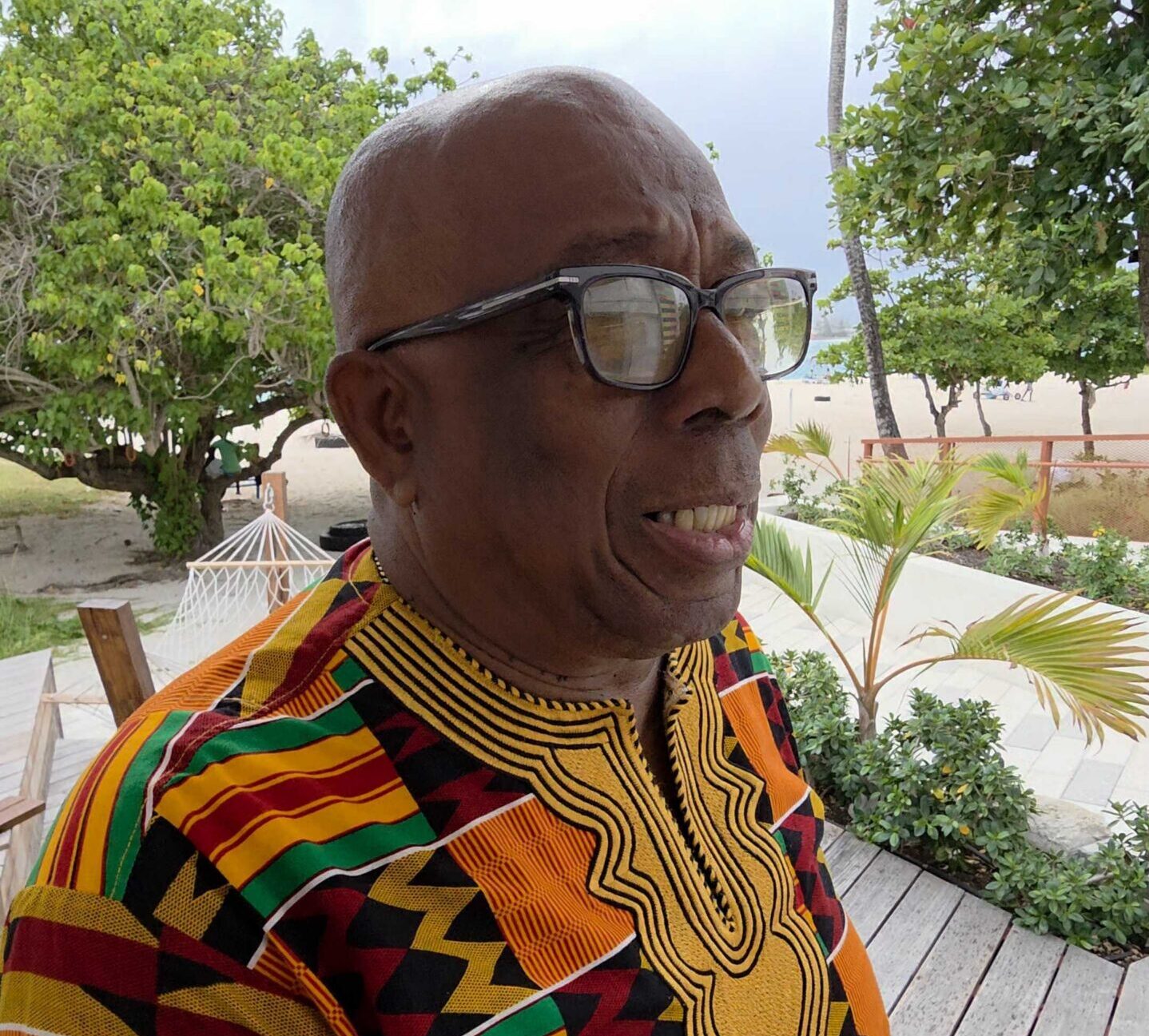
    In a landmark step toward advancing demands for historical justice for the transatlantic slave trade, Barbados has announced it will escalate its campaign for slavery reparations to the United Nations through a historic collaborative initiative with the African Union, according to Trevor Prescod, the country’s Minister of Pan-African Affairs and Heritage. This formal announcement comes shortly after the return of Prescod and Barbadian Prime Minister Mia Mottley from an official diplomatic trip to the West African nation of Ghana, where the delegation participated in days of intensive global conversations centered on reparations for the harms of chattel slavery. During these high-level talks, officials anchored the core goal of advancing a formal reparations resolution all the way to the UN General Assembly, building broad international support for the long-running push for accountability. The diplomatic gathering hosted in Accra, Ghana’s capital, included immersive, moving reenactments of the transatlantic slave trade that brought the violent history of forced displacement to life for attending delegates. The summit drew a diverse array of global civil society and political leaders, among them the son of iconic Black nationalist leader Marcus Garvey and prominent U.S. civil rights activist Al Sharpton. Both Prime Minister Mottley and Ghana’s President delivered keynote addresses to the assembled international delegation, framing the reparations campaign as a critical moral obligation for the global community. Speaking on the deep ancestral and cultural connections between Barbados and West Africa, Minister Prescod emphasized that the national identity and heritage of Barbadians cannot be reduced to the timeline of European colonial settlement. “Barbadians must understand that heritage doesn’t begin at any specific point, that our heritage is not post-1627, but our heritage also relates back to the West African coast,” he said. The minister also noted that the movement for reparations has grown far beyond regional advocacy, confirming that what was once a localized conversation is now a central global debate demanding action.

  • Guyanese soldiers on standby for humanitarian mission to earthquake-hit Venezuela

    Guyanese soldiers on standby for humanitarian mission to earthquake-hit Venezuela

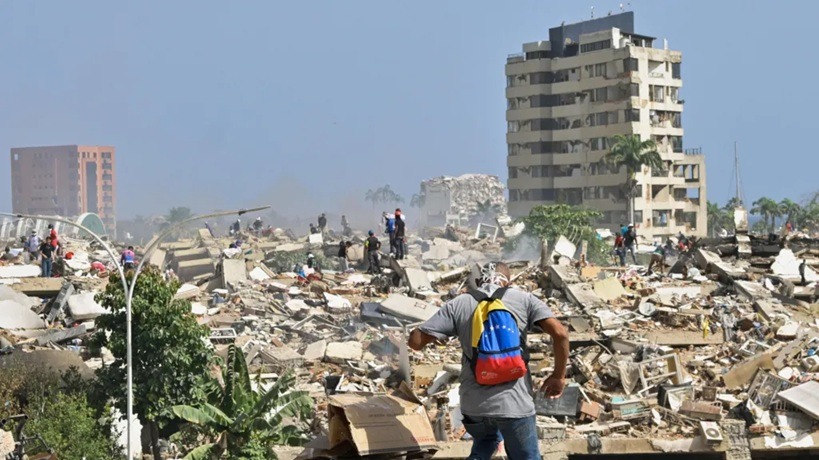
    In the wake of a catastrophic pair of major earthquakes that struck northwestern Venezuela last Wednesday, leaving a devastating trail of death and destruction, neighboring Guyana has moved quickly to mobilize military and humanitarian support for the crisis-stricken nation.

    As of the latest official updates, the initial quakes—classified as a seismic doublet with magnitudes of 7.2 and 7.5, the most powerful seismic event to hit the country since 1900—have claimed 1,430 lives and left 3,200 people injured. Rescue teams are still racing against time to locate more than 50,000 unaccounted-for people trapped under collapsed infrastructure, and a 4.8 magnitude aftershock rattled the region off Venezuela’s coast this Saturday, adding new risk to ongoing search and recovery operations.

    In a public announcement made Saturday, Guyana’s President Irfaan Ali confirmed that the country has offered to deploy a contingent of the Guyana Defence Force (GDF) to Venezuelan territory to directly support post-disaster recovery and search efforts. “We have offered to have a team from the Guyana Defense Force on the ground to help in the recovery efforts in Venezuela,” Ali stated. As of Sunday afternoon, no further details have been released regarding whether Venezuelan authorities have accepted the offer, nor a confirmed timeline for the contingent’s departure if the deployment moves forward.

    Beyond military assistance, Guyana has organized a large-scale humanitarian donation drive coordinated by the country’s Civil Defence Commission (CDC), with materials gathered from private sector donors and the general public. A cargo vessel chartered to carry the aid is scheduled to depart from Guyana next Friday, carrying 8,000 tonnes of emergency supplies including food staples and pharmaceuticals. President Ali added that Caribbean neighbor St. Kitts and Nevis has already pledged additional aid: two full containers of pre-packaged food and one container of medical supplies that will be added to the departing shipment. The vessel is on track to reach Venezuelan ports by the following Tuesday.

    A GDF representative confirmed during a public livestream Saturday afternoon that both military personnel and CDC staff will be assigned to manage the national donation collection point. The site, located at the Muslim Youth Organisation (MYO) Ground on Georgetown’s Woolford Avenue, will operate around the clock 24 hours a day to accept donations from residents, which will then be sorted, packed, and transported to the cargo vessel ahead of its Friday departure. Brian Tiwarie, chief executive of Guyana’s large BK Group of Companies, added that a second cargo vessel capable of carrying an additional 7,000 tonnes of aid is already on standby to accommodate any additional donations that come in ahead of the deadline. If more supplies are gathered, both vessels will depart for Venezuela at the same time, doubling the amount of aid delivered to impacted communities.

  • Here’s Who Made It and Who Didn’t in the FIFA World Cup Round of 32

    Here’s Who Made It and Who Didn’t in the FIFA World Cup Round of 32

    After weeks of tense group-stage action across North America, the 2026 FIFA World Cup has moved past its opening round, with the full lineup of the expanded 32-team knockout stage now confirmed. The world’s biggest football tournament is entering its first elimination round, where every match will bring win-or-go-home stakes as sides battle to advance to the Round of 16.

    All of the pre-tournament favorites have lived up to expectations to secure their place in the knockouts. Defending 2022 champions Argentina finished atop Group J, joined by co-hosts the United States and Mexico, and traditional global powerhouses Brazil, France and Germany. Beyond the elite sides, a crop of surprise underdog qualifiers has already cemented this tournament as one of the most unpredictable in recent memory.

    Individual performances have also captured global football fans’ attention throughout the group stage, with three star attackers standing out above the rest. Argentina’s captain Lionel Messi made history during his side’s final group match against Austria, netting two goals to push his career World Cup goal total to 18, making him the tournament’s all-time leading scorer. France’s Kylian Mbappé has matched Messi’s red-hot form, notching four goals across just two group matches to keep Les Bleus as clear title favorites alongside Argentina.

    The breakout star of this year’s group stage, however, is Norway’s Erling Haaland. The elite club striker has exploded onto the World Cup scene in his first tournament appearance, scoring four goals in two group matches. This achievement makes Haaland only the second player in the last half-century to score twice in each of his opening two World Cup matches, a feat last achieved by England’s Harry Kane in 2018, and has sparked a massive wave of global support for Norway’s deep tournament run.

    The biggest story of the 2026 group stage, though, is the unprecedented success of African nations. For the first time in World Cup history, seven African sides have advanced to the knockout round. South Africa has reached the Round of 32 for the first time in its history, while Cape Verde qualified in its World Cup debut. Both DR Congo and Egypt have also booked their first ever spots in the knockout stage, with 2022 semi-finalists Morocco, plus Ivory Coast, Senegal, Ghana and Algeria rounding out the continent’s qualified sides. Analysts widely describe this as the strongest group-stage performance by African nations in World Cup history.

    Not every side walked away from the group stage with a positive result, however. Former 2022 host Qatar suffered a disappointing early exit, finishing the group stage with just one point to crash out before knockouts. Iran, Scotland and South Korea all finished third in their respective groups, but failed to accumulate enough points to claim one of the spots for highest-ranked third-place teams, sending all three home early.

    The single-elimination Round of 32 kicks off June 28 and will run through July 3, with the winner of each matchup moving on to the Round of 16 as the tournament narrows its path to the 2026 World Cup final.

  • Derde helft WK 2026: Negen Afrikaanse landen naar knock-outfase WK

    Derde helft WK 2026: Negen Afrikaanse landen naar knock-outfase WK

    The 2026 FIFA World Cup has moved past the group stage, with the full schedule for the knockout round of 32 now finalized, kicking off Sunday with an opening matchup between South Africa and Canada at Los Angeles Stadium in California.

    This opening fixture marks just the second ever meeting between the two sides. Their only previous encounter was a 2007 friendly held in Durban, where South Africa (nicknamed Bafana Bafana) secured a 2-0 victory. For Canada, the matchup presents an opportunity to break an unfortunate historical trend: the North American side has lost both of its previous official matches against African opponents, falling 2-0 to Cameroon at the 2001 Confederations Cup and 2-1 to Morocco at the 2022 Qatar World Cup. Despite this history, bookmakers and analysts currently favor Canada to claim a win in regulation. If the two sides cannot be separated after 90 minutes, the match will advance to extra time followed by a penalty shootout if needed to determine a winner.

    The full confirmed schedule for the remainder of the round of 32 is as follows:
    Monday, June 29: Brazil vs Japan at Houston Stadium, Texas (14:00 local time); Germany vs Paraguay at Boston Stadium, Massachusetts (17:30 local time); Netherlands vs Morocco at Monterrey Stadium, Mexico (22:00 local time)
    Tuesday, June 30: Ivory Coast vs Norway at Dallas Stadium, Texas (14:00 local time); France vs Sweden at New York/New Jersey Stadium (18:00 local time); Mexico vs Ecuador at Mexico City Stadium, Mexico (22:00 local time)
    Wednesday, July 1: England vs DR Congo at Atlanta Stadium, Georgia (13:00 local time); Belgium vs Senegal at Seattle Stadium, Washington (17:00 local time); USA vs Bosnia and Herzegovina at San Francisco Bay Area Stadium, California (21:00 local time)
    Thursday, July 2: Spain vs Austria at Los Angeles Stadium (16:00 local time); Portugal vs Croatia at Toronto Stadium, Ontario (20:00 local time); Switzerland vs Algeria at BC Place Vancouver, British Columbia (00:00 Friday local time)
    Friday, July 3: Australia vs Egypt at Dallas Stadium (15:00 local time); Argentina vs Cape Verde at Miami Stadium, Florida (19:00 local time); Colombia vs Ghana at Kansas City Stadium, Missouri (22:30 local time)

    Off the pitch, one major late development from the group stage saw Iran eliminated from the tournament, knocked out in dramatic fashion on the final matchday. Iran’s hopes of advancing depended on the result of Group J’s closing fixture between Austria and Algeria: Iran would only miss out on the cut for best third-placed teams if the match ended in a draw. The fixture finished 3-3, pushing Algeria into the final available round of 32 spot with four points as one of the eight best third-placed finishers, eliminating Iran from the competition.

    The biggest story of the 2026 World Cup group stage is the historic breakthrough by African nations, which have set a new tournament record for progression. A total of 10 African teams qualified for the expanded 48-team 2026 World Cup, and nine of those have advanced to the round of 32 – the highest number of knockout-stage qualifiers from any single continent in World Cup history. The nine advancing sides are Algeria, Cape Verde, DR Congo, Egypt, Ghana, Ivory Coast, Morocco, Senegal and South Africa, with Tunisia the only African nation to exit at the group stage.

    This milestone builds on the growing strength of African men’s football, which began with Morocco’s historic run to the 2022 World Cup semi-finals. As more African sides consistently challenge traditional football powerhouses, the continent has secured its strongest ever showing at the men’s World Cup.

    For football fans around the globe, one highly anticipated storyline remains alive: a final showdown between global superstars Lionel Messi and Cristiano Ronaldo is still possible, should both captains lead their nations all the way to the July 19 final. With the knockout bracket now finalized, Argentina (led by Messi) and Portugal (captained by Ronaldo) are on opposite halves of the draw, which rules out the widely hoped-for quarter-final meeting between the two icons. That leaves the final as the only possible stage for the legendary rivals to face off in what would be one of the most iconic matches in football history.

  • Ebola’s Fastest Spread Yet Amps Up Emergency Response

    Ebola’s Fastest Spread Yet Amps Up Emergency Response

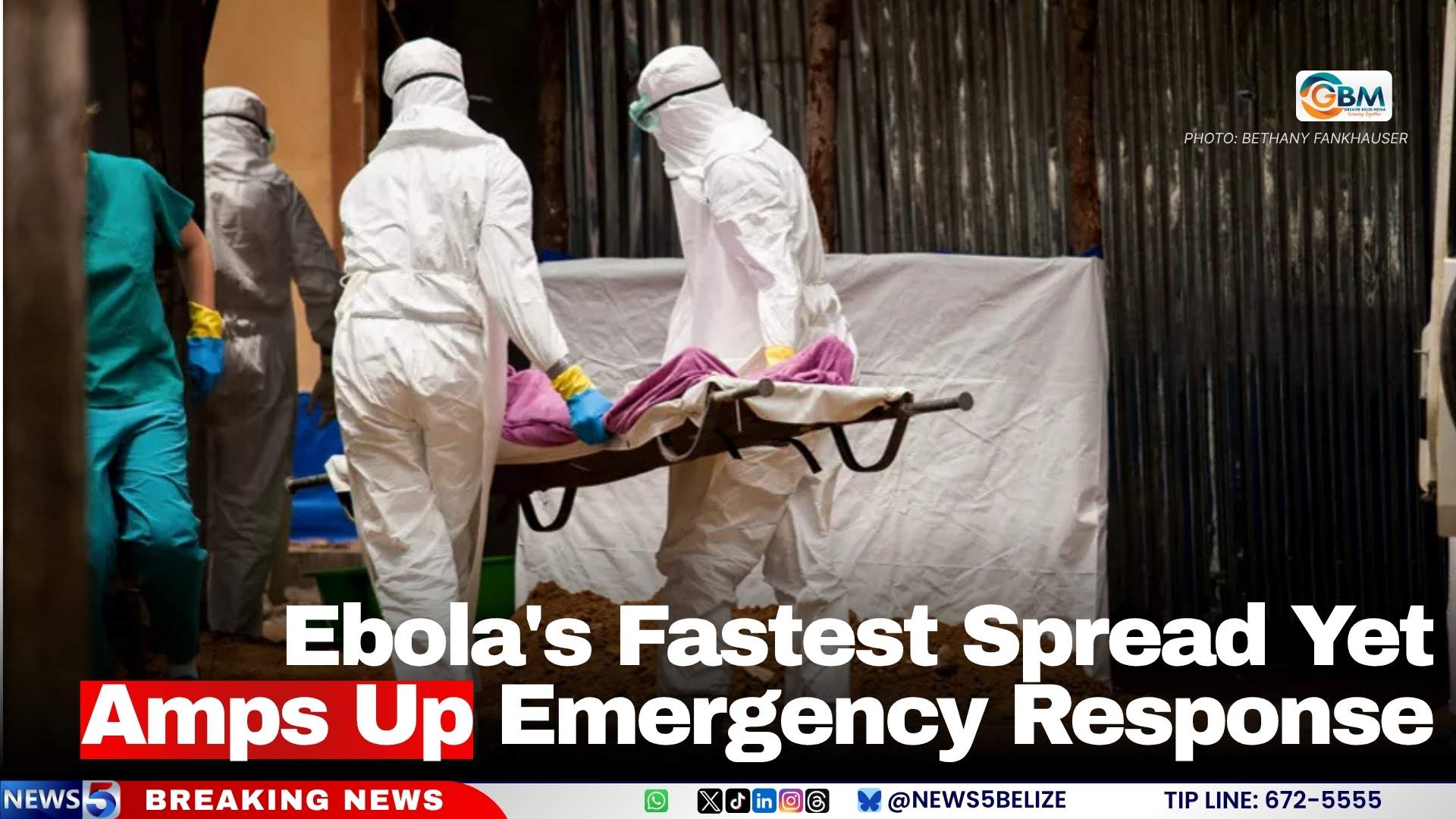
    In a development that has elevated global public health concerns, a rapidly expanding Ebola outbreak spreading across the Democratic Republic of the Congo (DRC) and Uganda has prompted the United States Centers for Disease Control and Prevention (CDC) to activate its highest tier of emergency response. As of June 28, 2026, public health experts confirm this outbreak marks the fastest first-month spread of Ebola ever recorded, and the virus has for the first time in this crisis reached European territory.

    According to reporting from Reuters, the CDC elevated its emergency activation status to Level 1 this past Friday. This highest alert classification has only been used for the most severe public health and disaster events in recent U.S. history, including the aftermath of Hurricane Katrina, the 2009 global swine flu pandemic, and the devastating 2014 Ebola crisis that swept West Africa. The outbreak is being driven by the Bundibugyo strain of the Ebola virus, which has already infected more than 1,200 people across the DRC and an additional 20 people in neighboring Uganda. Official counts have confirmed 321 deaths linked to the virus so far.

    To ramp up global containment efforts, the White House has formally requested more than $1.4 billion in emergency funding from U.S. Congress. Of that requested allocation, $800 million is earmarked for the construction and operation of a dedicated regional quarantine facility in Kenya, which would serve as a hub for treating patients and stopping cross-border spread across East and Central Africa.

    In a development that underscores the outbreak’s global reach, French health officials confirmed the first Ebola case diagnosed in Europe earlier this week. BBC reporting confirms the patient is a medical doctor who had recently returned from a humanitarian aid deployment working on the outbreak response in the DRC. The doctor is currently receiving care in a specialized isolation facility and is listed in stable condition. French public health authorities emphasize that the patient was placed into immediate isolation upon returning, and they maintain that the overall risk of wider spread across Europe remains “very low.”

    The World Health Organization (WHO) has echoed that assessment, noting that while the outbreak’s rapid spread demands urgent coordinated action, the overall risk to the rest of the global population remains low. “There is no need to panic,” WHO Director-General Tedros Adhanom Ghebreyesus stated in comments reported by the BBC, calling for targeted investment in response efforts rather than widespread public fear.

  • WATCH: Local Brewery Expected to Begin Operations in Early 2027, Browne Says

    WATCH: Local Brewery Expected to Begin Operations in Early 2027, Browne Says

    A new craft brewery rooted in the local community is on track to throw open its doors to beer lovers in the first quarter of 2027, according to project lead Jane Browne. The independent brewing operation, which has been in the planning and development stage for nearly three years, aims to fill a gap in the region’s fast-growing craft beverage market, bringing a range of small-batch, locally inspired brews to area residents and tourists alike.

    In an interview this week, Browne, who has spent more than a decade working in the craft brewing industry across the Pacific Northwest, shared that the project has already cleared all major zoning and regulatory approvals from the local municipal government. Construction on the 12,000-square-foot facility, which will include a production floor, taproom with indoor and outdoor seating, and a small event space for community gatherings, is set to break ground by the middle of next year. “We’ve worked really closely with city planners, local business associations, and neighbors to make sure this space fits what the community actually wants,” Browne said in the interview. “Early 2027 is a realistic timeline that gives us plenty of time to build out a space that we, and the local area, can be proud of.”

    The brewery has also announced plans to source more than 60% of its raw ingredients, including malted barley and hops, from family-owned farms within a 150-mile radius of the facility, boosting the regional agricultural economy. Once operational, the project is expected to create 18 full-time and 12 part-time local jobs, ranging from brewing and taproom staff to logistics and marketing roles. Local business development groups have welcomed the announcement, noting that craft breweries often act as anchor attractions for small business districts, drawing foot traffic that benefits nearby shops, restaurants, and retail outlets.

    Browne added that the team is already developing test batches of core brews, including an IPA highlighting regional citrusy hops, a smooth oatmeal stout, and a seasonal wheat ale infused with local fruit. Pre-opening events, including pop-up tastings at regional farmers markets, are planned to begin in late 2026 to build buzz and connect with the local community before the full launch.