博客

  • Zapping Haiti of June 29, 2026

    Zapping Haiti of June 29, 2026

    As of June 29, 2026, HaitiLibre has compiled a collection of key developments unfolding across Haiti and related international affairs, covering military expansion, public security, political debate, development assistance, diplomatic solidarity, and national cultural observance.

    First, in a major push to rebuild and expand the nation’s armed forces, the Armed Forces of Haiti (FAd’H) has announced strong preliminary results from its first national recruitment drive. Held between June 8 and June 19, the opening recruitment period targeting young people aged 18 to 25 drew a total of 17,722 candidate applications, with 25 percent of all submissions coming from women. The institution confirmed that it will soon launch a second targeted recruitment phase focused on skilled working professionals between the ages of 22 and 35, with priority given to applicants with specialized backgrounds in law, engineering, and medicine. Combined, these two sequential phases are designed to bring 1,800 fully vetted new recruits into the armed forces over the next six months, building out the service’s capacity gradually.

    In a tragic act of violence that underscores ongoing security challenges in Haiti’s northern region, an armed assault on a public gas station left two people dead and one injured on Sunday, June 28. The attack took place at a fuel outlet situated along National Route 6 in Quartier Morin, located within Haiti’s North Department. The two victims killed in the incident were identified as 38-year-old gas station attendant Emilus Anglide and Jude Dorisma. A third person, 24-year-old security guard Charles Bensly, sustained non-fatal injuries and was immediately transported to a local medical facility for treatment. Following the shooting, the armed attackers fled the scene with an undisclosed amount of cash, multiple personal firearms, and several cellular phones belonging to staff and patrons.

    In U.S. political news related to Haitian immigrant policy, Ohio’s Republican Governor Mike DeWine has publicly pushed back against a recent decision from the second Trump administration related to Temporary Protected Status (TPS) for Haitian immigrants. Speaking as a guest on CNN’s *State of the Union* with host Jake Tapper on June 28, DeWine reiterated that large-scale deportation of Haitian residents currently living and working in Ohio runs directly against the state’s economic and social interests. DeWine explained that Haitian workers fill critical, hard-to-staff positions across Ohio’s manufacturing, food processing, and healthcare sectors, noting that Haitian workers are often the primary caregivers for elderly family members with Alzheimer’s living in nursing and long-term care facilities. “To say we’re going to deprive all of them of that workforce is simply not in our best interest,” DeWine told Tapper, adding, “I hope, once again, that the Trump administration will reconsider its position.” He emphasized that the current U.S. administration has centered its agenda on job creation, yet the roles Haitian immigrants fill would remain empty without their labor. When asked whether Ohio would challenge the recent Supreme Court ruling that revoked TPS protections for Haitian immigrants, DeWine said his administration would respect the legal decision, but stressed that it remains critical to separate the court’s ruling from the separate question of public policy.

    In international development news, the Canadian Fund for Local Initiatives (CFLI) is backing a new fishing community support project on Haiti’s Gonâve Island, focused on advancing economic equity for women. The initiative, titled “Improving the Socio-Economic Status of Women in Coastal Communities on Gonâve Island,” is being implemented by the Gonâve Federation of Fishers and Artisanal Fishermen (FEGOPAP). To date, 40 fish and seafood vendors and members of local fishing associations — 29 of whom are women and 11 men — have completed a series of interactive theoretical and practical training sessions covering cooperative governance and operational principles. The project is also renovating a shared community facility, which will be outfitted with solar power infrastructure and new processing equipment for preserving and distributing fresh fish and seafood. Once complete, the project is expected to expand women’s access to critical processing infrastructure, boost local product supply, and increase household sales income for participating fishing families.

    On the diplomatic front, the Haitian government has extended its full solidarity to the people and government of Venezuela in the wake of a devastating pair of powerful earthquakes that struck the country between the night of June 24 and 25. Haitian Foreign Minister Raina Forbin held a direct call with her Venezuelan counterpart Iván Gil in the immediate aftermath of the disaster, which has left thousands of families facing loss, displacement, and uncertainty. During the conversation, which was framed by mutual fraternity and solidarity, Minister Forbin conveyed the deep compassion of the Haitian people, expressed unwavering support for Venezuelan emergency response authorities, and extended the nation’s heartfelt condolences to all bereaved families and communities affected by the quakes. The Haitian government has also confirmed its readiness to join regional collective solidarity efforts, including participating in humanitarian relief initiatives alongside member states of the Caribbean Community (CARICOM) to support the Venezuelan people. As of the latest provisional update released June 29, the disaster has killed more than 1,450 people, injured more than 3,200, and left approximately 50,000 people unaccounted for.

    To close this roundup, multiple Haitian public institutions have issued official tributes to Haitian fathers in honor of Father’s Day, which was observed June 28, 2026. In his official message, Prime Minister Fils-Aimé offered respectful and grateful recognition to all Haitian fathers, acknowledging that despite the profound economic and social challenges facing the country, Haitian fathers continue to lead with courage, dignity, and unwavering sense of responsibility. “These men, often working behind the scenes, lovingly bear the weight of their responsibilities and contribute, through their daily commitment, to preserving the values of solidarity, hard work, and hope that underpin our nation,” the prime minister’s statement read. The government paid tribute to fathers as role models who inspire younger generations and contribute to building a stronger, more unified nation, extending warm wishes for the observance: “May their courage continue to light the way for their families and nurture our collective confidence in a better future. Happy Father’s Day to all the fathers of Haiti. Together, with faith, unity, and perseverance, we will continue to build the country of peace, justice, and prosperity to which our people aspire.”

    The Haitian Ministry for the Status of Women marked the occasion with an official ceremony held Saturday, June 27 at the Montana Hotel in Pétion-Ville, honoring both current fathers and expectant fathers within the institution. The event was designed to highlight the irreplaceable role that fathers play in family life and Haitian society at large. Minister Pedrica Saint Jean delivered a heartfelt tribute to ministry staff who are fathers, noting that fatherhood extends far beyond biological ties, and is rooted first in daily commitment, consistent presence, emotional support, and shared responsibility. The ministry also reaffirmed its ongoing commitment to promoting responsible parenting and equitable, harmonious relationships between women and men, for the lasting benefit of all Haitian families.

    The Cap-Haïtien Municipal Commission also issued a public message extending warm wishes to all fathers across the city, throughout Haiti, and in the global Haitian diaspora. The commission paid special tribute to fathers who continue to fulfill their family responsibilities with dignity amid ongoing national hardship, as well as to deceased fathers whose legacies live on in the hearts of their loved ones. “On this day dedicated to celebrating fathers… we wish a wonderful Father’s Day, surrounded by the love of their families and loved ones. Happy Father’s Day!” the statement concluded.
  • For Cuba, for the future of socialism, we will continue resisting, working, creating, and triumphing!

    For Cuba, for the future of socialism, we will continue resisting, working, creating, and triumphing!

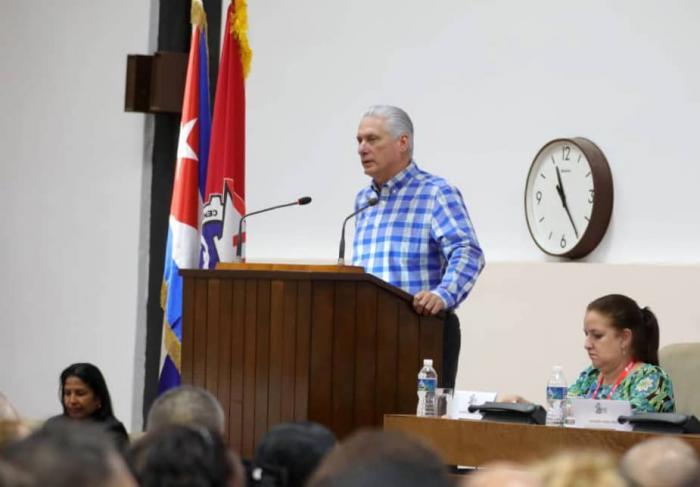
    On June 27, 2026, the 22nd Congress of the Cuban Workers’ Federation (CTC) drew to a close at Havana’s Convention Palace, with Cuban President and First Secretary of the Communist Party of Cuba Central Committee Miguel Mario Díaz-Canel Bermúdez delivering a keynote address that framed the nation’s ongoing economic and social restructuring as a deliberate, sovereign effort to preserve socialism amid decades of U.S. aggression. The event, held in what Cuba has named the “Year of the Centennial of Commander-in-Chief Fidel Castro Ruz,” opened with Díaz-Canel extending recognition to host province Pinar del Río, standout regions Villa Clara and Matanzas, and celebrated Guantánamo and Sancti Spíritus for their recent work, drawing applause from assembled delegates.

    Díaz-Canel emphasized that the 22nd CTC Congress, scaled back in delegate count and duration to align with strict resource rationing amid Cuba’s current crisis, was non-negotiable to hold. The nation is navigating one of the most severe economic and social challenges in its modern history, he noted, prompting the Communist Party and government to roll out urgent structural transformations, and the CTC — Cuba’s primary labor federation, whose leadership holds voting power in national decision-making in line with the country’s socialist framework — required a full, worker-led debate to cement support for the changes. Under the congress slogan “For Cuba, Together We Create,” two days of deliberations delivered an unambiguous vote of confidence from the country’s working class for the reform agenda, Díaz-Canel confirmed.

    “No meaningful progress, from the productivity growth our economy desperately needs to the robust accountability systems that must accompany it, can happen without the intentional, conscious mobilization of Cuban workers,” he told delegates, invoking a decades-old quote from legendary Cuban labor leader Lázaro Peña that remains as relevant as ever: “Our strength lies in that conscious unity that does not ignore difficulties, but rather uses them to overcome them in daily action.”

    Díaz-Canel pulled no punches in naming the root cause of Cuba’s current crisis: the long-running U.S. economic, commercial and financial blockade — the most enduring punitive embargo in modern history — which he labeled an act of deliberate genocide against the Cuban people. The embargo, escalated in recent months by a full six-month oil embargo and more than 240 new restrictive measures, coupled with Cuba’s unjust designation as a state sponsor of terrorism, has plunged the nation’s power grid into a catastrophic crisis. Widespread blackouts disrupt daily life for Cuban families, paralyze industrial production, force thousands of workers to labor under extreme conditions, and have pushed many into unemployment or involuntary career shifts, he explained.

    In response to this pressure, Díaz-Canel argued, passivity is not an option. Echoing six decades of creative resistance to the blockade, he called on workers to embrace innovation as a core survival strategy. He highlighted the countless examples of Cuban work collectives that have overcome chronic shortages of spare parts and supplies by adapting domestic technologies, modifying production processes, and keeping essential services running with limited resources. These localized, creative efforts, he said, are the clearest expression of the conscious unity Peña described: workers who do not shrink from hardship, but turn adversity into progress.

    Addressing the historic responsibility of current generations to preserve and advance the Cuban Revolution, Díaz-Canel framed the reform push as an answer to an unprecedented question: how to build a just, sovereign socialist project in a small Caribbean nation that has endured 60 years of unrelenting U.S. pressure, on top of four centuries of colonial rule and decades of neocolonial exploitation. “The economic and social transformations we have approved are not a retreat from socialism — they are an effort to save the Revolution and its core social gains,” he stressed, pushing back against foreign-backed counterrevolutionary propaganda that frames the changes as a step toward capitalism.

    Since the reforms were approved by the Communist Party Central Committee and the National Assembly of Cuba, leadership has actively collected input from tens of thousands of Cuban citizens, digital platform users, and independent experts, even as it monitors hostile U.S.-funded media campaigns that seek to force neoliberal restructuring and the dismantling of Cuba’s socialist political model. Díaz-Canel made clear that such demands will never be accepted as part of Cuba’s reform process.

    Speaking directly to Cuban compatriots who hold doubts or legitimate concerns about the reform agenda, Díaz-Canel emphasized that the effort is explicitly rooted in economic and social transformation — the “social” component is not an afterthought, but the very core of the project. “These changes are not only about transforming the economy with respect for our natural environment,” he said. “They are about advancing social development and upholding social justice, which is the very essence of the Revolution.”

    No existing blueprint exists for building socialism under the prolonged siege Cuba faces, Díaz-Canel noted, pointing to Fidel Castro’s own reflections on adapting socialist theory to Cuban context during the 1990s Special Period crisis. He quoted Castro’s 2005 speech, which argued that dogma has no place in socialist construction: “One conclusion I have reached after many years: among the many mistakes we have all made, the most important mistake was believing that anyone knew about socialism, or that anyone knew how to build socialism. […] We are idiots if we believe, for example, that economics — and I apologize to the tens of thousands of economists in this country — is an exact and eternal science.”

    Díaz-Canel reiterated an unambiguous commitment to the core socialist project: “We do not propose, nor will it ever be among our purposes, the restoration of capitalism in Cuba! These transformations are about saving the Revolution and its undeniable social achievements, because we will never renounce the majority aspiration of socialist construction.”

    To preserve and expand the Revolution’s landmark gains in universal health care, education, sports, culture, and science, Cuba must generate new material and financial resources that the U.S. blockade has systematically cut off, allowing the state to continue its commitment to fair redistribution. The core goal of the ongoing transformations, he explained, is to unleash Cuba’s productive forces to generate new wealth, which will then be distributed with the maximum possible level of social justice. The process is complex and urgent, he noted, but must be implemented deliberately and responsibly, with the protection of social welfare always prioritized above all other goals.

    Díaz-Canel pushed back against claims that the reforms are an improvised concession to U.S. pressure, stressing that they align directly with the Guidelines for the Economic and Social Policy of the Revolution first approved at the 6th Party Congress in 2011, and updated at the 7th and 8th Congresses. Key changes that have drawn recent attention, including increased autonomy for state-owned enterprises and municipal governments, new frameworks for the relationship between central economic planning and market activity, updated rules for foreign direct investment, and expanded investment opportunities for Cuban emigrants, have been part of planned policy updates since late 2025, he confirmed.

    Acknowledging that national leadership has delayed past reform efforts while waiting for more favorable conditions and broader collective consensus, Díaz-Canel called for open self-criticism starting from the country’s top leadership. “We cannot afford to repeat this mistake today,” he said, noting that all reforms now have assigned leadership, clear deadlines, and requirements for regular public progress updates. A robust national communication strategy will keep the public informed of changes, adjustments, and challenges at every step, he added.

    All measures that can immediately unlock productive capacity will be implemented without delay, Díaz-Canel confirmed. State-owned and non-state economic actors will receive equal treatment based on their contribution to national development and social welfare, with all stakeholders coordinated to generate wealth for equitable redistribution. A core guardrail for all reforms is preventing growing inequality: any step that is expected to widen gaps will be paired with targeted support programs for vulnerable families, communities, and population groups, he said.

    Díaz-Canel noted that successful implementation depends on broad, conscious public participation, with labor leaders playing a central role in educating and mobilizing workers. Communication efforts will not just repeat policy announcements, but explain how each reform advances socialist construction, boosts economic growth, expands equitable distribution, and delivers relief to all Cuban households. The debate on reforms remains open, he added: any proposal that improves the existing plan will be reviewed, analyzed, and incorporated if it aligns with the core political, economic, and social goals of the transformation project. Cuba welcomes input from experts across all fields, he said, with the only condition being respect for Cuba’s core socialist principles.

    As part of the reform process, Cuba is leveraging modern technology including artificial intelligence to streamline planning and implementation, Díaz-Canel revealed. Cuban computer science and communications professionals have already developed domestic AI models that cut down the time needed for complex analysis from years to days. For example, comparing 176 proposed reform measures to Cuba’s existing legal framework was completed in a fraction of the time required for traditional manual analysis, making it possible to debate and approve the reforms far faster than originally planned. Díaz-Canel noted that AI will be used critically, with attention to its inherent biases, but Cuba will not reject the tool given its ability to accelerate the complex work of reform.

    Work is already progressing rapidly to establish clear legal frameworks for all reforms, creating legal certainty for all economic actors with transparent rules for all permitted activities. Parallel to this, new mechanisms will be established to boost transparency and enable robust oversight by workers, civil society, and public institutions, particularly for real estate and asset bidding processes. Public digital platforms will publish all available assets, bidder information, contract awards, and justifications for decisions to ensure full accountability.

    Tactically, Díaz-Canel said, immediate implementation of ready-to-launch measures is a top priority: this includes devolving new powers to municipal governments and state-owned enterprises, restructuring State Business Organizations (OSDEs) to unlock productive capacity, and other pre-vetted changes. Strategically, advancing the full legal framework is non-negotiable: without clear legal guardrails, key priorities including state restructuring, social protection, the reform of the foreign exchange market and tax system — two changes critical to ensuring equal treatment for all economic actors — cannot succeed, he explained.

    Díaz-Canel highlighted the mass democratic consultation process for Cuba’s new Draft Labor Code, which drew input from more than two million Cuban workers between September and November 2025, in a nod to the Cuban working class’s long tradition of shaping national policy. The CTC Congress captured rank-and-file sentiment, with workers emphasizing that the new code must act as a protective shield for workers amid the changing economic landscape. Key worker demands include guaranteed protection from involuntary job loss in both the state and non-state sectors, and the creation of community brigades that allow displaced workers to contribute to neighborhood development while retaining income and social protection. Workers have also called for the code to not only regulate job duties, but formalize their active participation in workplace decision-making, including a voice and vote on wage setting, profit distribution, and corporate financial transparency. Proposals to modernize work rules, including formalizing telework (including for Cuban workers based abroad) and removing barriers to professionals holding multiple jobs, have also broad support, Díaz-Canel noted. All these priorities confirm that the new code is a modern, worker-centered framework aligned with Cuba’s goal of building a just socialist society, he said.

    “Socialism is the work of the workers,” Díaz-Canel stressed, calling on union leaders to move beyond serving as mere transmitters of top-down instructions and become active, meaningful voices in administrative decision-making. He reaffirmed the commitment to building the national Economic Plan from the bottom up, starting with workplaces and economic actors, with workers holding a voice and vote in planning and serving as the primary watchdogs for implementation.

    The Cuban labor movement’s role in defending the Revolution can be summarized in five core pillars, Díaz-Canel said: defending national sovereignty and socialism, sustaining constant growth in production and innovation, leading participation and oversight to root out corruption and harmful practices, contributing to local community development, and upholding the historic continuity of the revolutionary project. These pillars guided the 22nd CTC Congress, he noted.

    Díaz-Canel closed by congratulating the newly elected CTC National Council and its General Secretary, expressing confidence that the new leadership will uphold the Revolution’s values and deliver the credible, representative organization Cuban workers deserve. Meeting the goals of the congress and the reform agenda requires unwavering will and deep conviction that success is possible, he said, calling on current generations to rise to the historic challenge.

    In this centennial year of Fidel Castro’s birth, Díaz-Canel said, current generations will not betray history or tarnish the legacy of Cuba’s heroes and martyrs. “For them, for Cuba, for the future of socialism, we will continue resisting, working, creating, and triumphing!” he declared, closing with the chants that have defined the Cuban Revolution: “Long live the valiant workers, protagonists of the victorious resistance! The Homeland must be defended! For Cuba, together we create! Socialism or Death! Homeland or Death! We shall overcome!”

  • Pinar del Río joyfully welcomes the July 26th commemoration

    Pinar del Río joyfully welcomes the July 26th commemoration

    Hundreds of residents of Pinar del Río, Cuba, poured into the city’s central Independence Park on Saturday to celebrate the announcement that their province has been chosen to host the nation’s official commemoration of the 73rd anniversary of the landmark 1953 attacks on the Moncada and Carlos Manuel de Céspedes barracks. The selection comes as Cuba marks the 100th birth centennial of iconic revolutionary leader Fidel Castro Ruz, adding unique historical weight to the 2026 national event.

    Addressing the gathered crowd from a purpose-built event platform, Yamilé Ramos Cordero, First Secretary of the Cuban Communist Party in Pinar del Río, extended congratulations to local residents and emphasized that they were the driving force behind the province’s selection. “We are deeply honored by this recognition, especially since it comes in the year we are commemorating the centennial of our historic leader, Fidel Castro Ruz,” Ramos Cordero told attendees.

    Ramos Cordero addressed public questions surrounding the choice of Pinar del Río for the national commemoration amid the country’s ongoing challenging economic and social conditions, framing the selection as a deliberate tribute to everyday Cuban resilience. “It is a tribute to the students, the young people, and the thousands of men and women from all sectors who, day after day, overcome the numerous limitations imposed by the U.S. government’s policy of strangulation on the daily lives of Cubans,” she said. “Throughout our nation, there is an extraordinary effort to move forward, seeking alternatives and solutions to the major problems we face.”

    In addition to honoring Pinar del Río, Ramos Cordero congratulated all other provinces that received special recognition from the Communist Party of Cuba’s Political Bureau. She called on all Cubans to use the upcoming July 26 commemoration — a day to honor the revolutionaries who launched the 1953 uprising that laid the foundation for Cuba’s 1959 revolutionary government — as a catalyst for renewed national effort. The anniversary, she said, should motivate continued work, construction, innovation and improvement across all sectors of Cuban society, addressing areas that have yet to reach full potential.

    Cuba’s national president and First Secretary of the Central Committee of the Communist Party, Miguel Díaz-Canel Bermúdez, has already issued formal congratulations to Pinar del Río and the other recognized provinces for the distinction. For Pinar del Río, this 2026 event marks the fourth time the province has been selected to host the national July 26 commemoration, with previous hosting duties in 1976, 2000 and 2017. This repeated selection underscores the province’s longstanding standing in Cuba’s revolutionary history and its ongoing contributions to national life.

  • Staatsraad: Suriname moet zich beter wapenen tegen geopolitieke spanningen

    Staatsraad: Suriname moet zich beter wapenen tegen geopolitieke spanningen

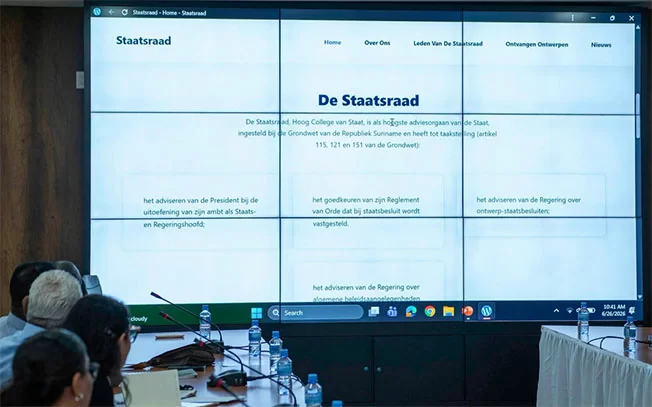
    Against a backdrop of growing global geopolitical upheaval, Suriname’s highest constitutional advisory body has issued a stark warning: shifting international dynamics are increasingly threatening the small South American nation’s economic stability, and urgent coordinated action is needed to build long-term resilience.

    In its latest strategic advice to the Surinamese government and president, the Council of State laid out its findings in a second institutional report, compiled at the request of the body’s own members. To develop evidence-based recommendations, analysts collected and verified data from multiple government ministries, state agencies and independent expert organizations across the country.

    The report identifies a range of interconnected global pressures that are growing in impact: armed conflicts in key regions, escalating geopolitical tensions between major world powers, persistent disruptions to global supply chains, and the ongoing global energy transition all create cascading risks for Suriname’s open, commodity-reliant economy. The Council argues that ad hoc policy adjustments are no longer sufficient to address these threats, and that a cohesive, long-term national strategy is now a critical priority.

    To shore up economic resilience, the advisory body has outlined 30 concrete recommendations, centered on investing in seven core strategic pillars that form the foundation of sustainable, shock-resistant development. These priorities are expanded domestic production, national food security, robust public healthcare, accessible quality education, strengthened national security, reliable energy independence, and sustained currency and price stability.

    A key overarching message in the report pushes back against a narrow focus on expected future oil and gas revenue, a sector that has drawn widespread international investment interest in Suriname in recent years. The Council emphasizes that the country cannot rely exclusively on fossil fuel extraction to drive growth. Instead, it must prioritize diversifying its economic base through targeted investments across multiple sectors, the only path to effectively buffer against global economic shocks and ongoing uncertainty.

    The core goal of the advice is to support the development of a national economic policy that reduces Suriname’s overreliance on volatile external factors, and equips the country to withstand accelerating international economic and political change.

  • Environment : Capacity building of the Haiti’s National Forest Surveillance System

    Environment : Capacity building of the Haiti’s National Forest Surveillance System

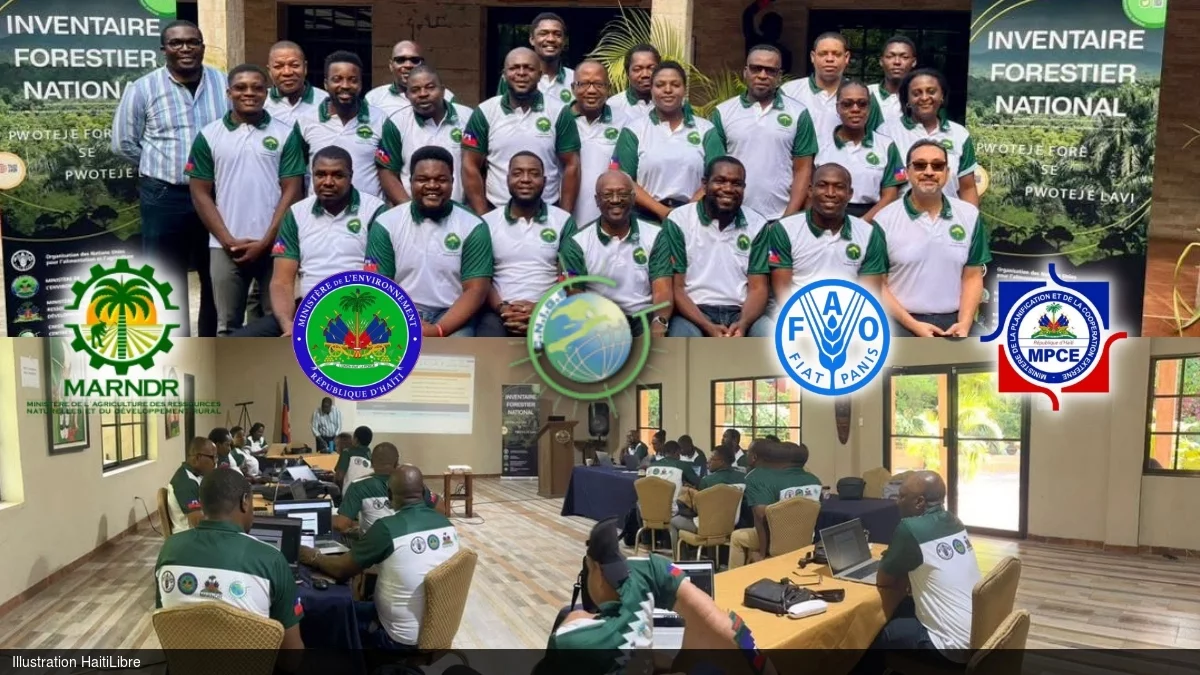
    Against a backdrop of decades of catastrophic forest loss that has stripped Haiti of more than 80% of its original tree cover, a landmark four-day capacity-building workshop kicked off last week to lay the groundwork for the country’s first National Forest Surveillance System, organized under the ongoing National Forest Inventory project. The event brought together key Haitian government bodies, including the Ministry of Agriculture, Natural Resources and Rural Development (MARNDR), the Ministry of the Environment (MoE), the National Center for Geo-Spatial Information (CNIGS), and the Ministry of Planning, alongside technical experts from the Food and Agriculture Organization of the United Nations (FAO), the leading international partner supporting the initiative.

    Haiti’s forest ecosystem has faced unrelenting pressure from unregulated human activity for generations. Between 1988 and 2018 alone, the nation lost an estimated 82% of its total forest cover, driven primarily by widespread charcoal production—an essential energy source for most Haitian households—and unsustainable small-scale agricultural expansion. This dramatic deforestation has exacerbated other pressing national challenges, from soil erosion and flooding to biodiversity loss and reduced rural livelihood resilience. In response, the Haitian government, with financial and technical backing from the FAO and the European Union, has launched a multi-pronged strategy to restore degraded forest landscapes and implement sustainable management practices, with the National Forest Inventory project serving as a foundational first step toward a evidence-based national forest policy.

    The core mandate of the National Forest Inventory project is threefold: to update Haiti’s outdated forest cartographic data, complete the country’s first comprehensive national forest survey, and build long-term technical capacity within the government agencies tasked with managing forest resources. The recent workshop focused specifically on equipping local technical experts with the digital tools and methodological knowledge required to operate the new National Forest Monitoring System (known locally as SNSF).

    Over four days of hands-on training, participants worked toward five key outcomes: developing a standardized forest nomenclature for consistent classification across surveys, drafting initial frameworks for a national land use and forest class map, getting practical training on cutting-edge earth observation and geospatial tools including the Land Cover Meta Language (LCML), Collect Earth Online, the SEPAL earth observation processing system, and the open-source QGIS geographic information system, building familiarity with the underlying methodological approaches for national forest monitoring, and finalizing a detailed step-by-step work program for the project’s next phase.

    Specifically, the training centered on building core skills that will be used for the lifespan of the monitoring system: accessing standardized earth observation data, classifying different land use types, collecting training and validation data for mapping projects, and processing high-resolution satellite imagery to produce accurate, up-to-date forest maps. By the conclusion of the workshop, participating teams had achieved all targeted preliminary outcomes: all attending Haitian technical experts had gained working proficiency with Collect Earth Online, SEPAL, and QGIS; a formal work plan for developing the national LCML-based land cover nomenclature was finalized; and a detailed roadmap for producing full national-scale land use maps was approved.

    Long-term, the initiative is expected to deliver far-reaching benefits for Haiti’s environmental governance. By strengthening the technical capacity of national stakeholders, improving baseline knowledge of the country’s remaining forest resources, and enhancing inter-agency coordination for forest management, the project will directly support the development of a new national forest policy tailored to Haiti’s unique environmental and socioeconomic challenges. Once fully operational, the National Forest Surveillance System will provide consistent, reliable data to guide forest restoration efforts, combat illegal deforestation, and support the long-term sustainable management of Haiti’s remaining natural resources.

  • Security : During their Mission, the Marines of the American Embassy were engaged in combat several times

    Security : During their Mission, the Marines of the American Embassy were engaged in combat several times

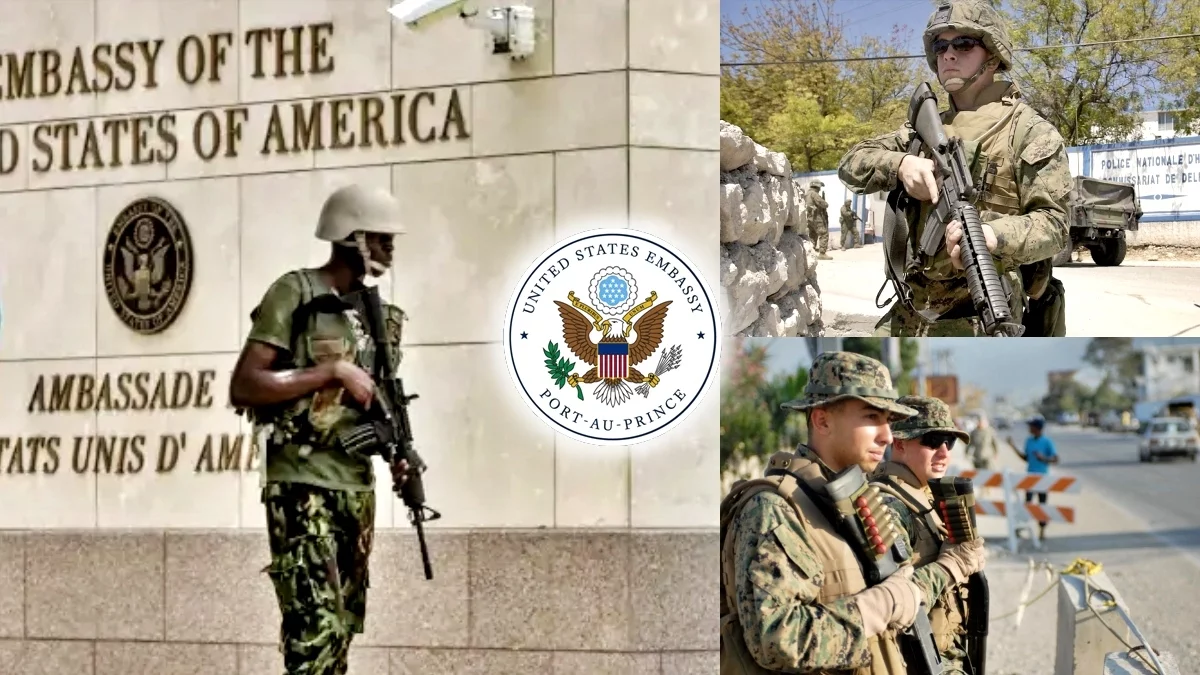
    More than six months after the conclusion of their security deployment at the U.S. Embassy in Port-au-Prince, Haiti, a senior U.S. Marine commander has publicly confirmed that the unit tasked with protecting the diplomatic facility was involved in multiple armed clashes between August and December 2025. The revelation came during a recent press briefing held after the unit’s return to its home base at Camp Lejeune, North Carolina.

    Colonel Tom Trimble, commanding officer of the 22nd Marine Expeditionary Unit, which held the embassy security mission during that four-month window, detailed that in each instance of hostile contact, Marines only discharged their weapons in acts of self-defense. “There was a consistent pattern of hostile engagements during our time in Haiti, and we responded with proportional return fire when necessary,” Trimble told reporters, declining to share the exact number of shooting incidents that took place over the deployment.

    In a reassuring update for U.S. military command, Trimble confirmed that all Marines under his leadership emerged from the clashes completely unharmed, with no injuries or fatalities recorded among the security contingent. He attributed the unit’s safe outcome to three key factors: pre-deployment reinforcement of defensive positions at the embassy, rigorous ongoing training for high-risk security environments, and strict adherence to established rules of engagement (ROE). “Our personnel went into this mission with a complete, clear understanding of what the ROE required of them,” Trimble explained. “We followed those rules perfectly, and executed every action exactly as the U.S. Department of State directed in order to secure the embassy and protect all personnel inside.”

    When pressed by journalists to share details on potential casualties among Haitian individuals involved in or affected by the firefights, Trimble said he was unable to release that information, confirming only that the details remain unclear. The commander also confirmed that the 22nd Marine Expeditionary Unit has since departed Haiti to take on other assigned missions around the world, and its embassy security role has been turned over to a company from the Fleet Antiterrorism Security Team (FAST), a specialized U.S. Marine unit focused on rapid response security for diplomatic assets globally.

    The confirmation of multiple armed engagements comes as Haiti has grappled with years of escalating gang violence and political instability that has left much of the country outside government control, creating heightened security risks for foreign diplomatic missions operating in the capital. The U.S. has maintained a diplomatic presence in Haiti throughout the crisis, with rotating security detachments deployed to protect embassy facilities and personnel.

  • FLASH : Measures to avoid possible entry of Ebola cases into Haiti (video)

    FLASH : Measures to avoid possible entry of Ebola cases into Haiti (video)

    In a public announcement released on June 29, 2026, Haiti’s Minister of Public Health Bertrand Sinal outlined a series of strict preventive measures designed to stop the potential introduction of Ebola cases into the Caribbean nation, as an ongoing outbreak in Central Africa has already claimed hundreds of lives. The current outbreak, centered in eastern Democratic Republic of Congo (DRC) and neighboring Uganda, has recorded more than 1,100 confirmed cases and over 300 deaths to date, prompting public health officials across the globe to strengthen screening protocols for travelers from affected regions. Under Haiti’s new rules, any traveler originating from either DRC or Uganda must complete a 21-day quarantine period in a third country that has not recorded any Ebola cases before being allowed to enter Haitian territory. All travelers subject to this protocol are also required to pass a full comprehensive health screening prior to their arrival in the country. Public health authorities are also maintaining heightened close surveillance on 10 additional nations that share borders with the two outbreak epicenters: South Sudan, Rwanda, Kenya, Tanzania, Ethiopia, Congo-Brazzaville, Burundi, Angola, the Central African Republic, and Zambia. Sinal emphasized that the strict measures are a necessary precaution given the well-documented vulnerabilities of Haiti’s existing public health infrastructure. The country’s healthcare system currently lacks both the sufficient logistical resources and broad territorial control required to manage a nationwide quarantine or operate large-scale isolation facilities if an Ebola outbreak were to take root. Right now, Haiti’s limited healthcare infrastructure is already operating at maximum capacity to respond to the ongoing severe humanitarian and hospital crisis unfolding in the capital city of Port-au-Prince, leaving no spare capacity to handle a new infectious disease threat. The Ministry of Public Health has formally notified Haiti’s Ministry of the Interior and the National Airport Authority (AAN) of the new policy, and trained personnel from relevant agencies have already been mobilized to enforce the protocols at all of the country’s official entry points, including airports, seaports, and land border crossings. International and humanitarian organizations that maintain operations in Haiti have already aligned their own internal protocols with the new national rules, requiring all of their deployed staff to complete 21-day preventive isolation and mandatory screening before deploying to Haitian territory.

  • Derde helft WK 2026: De kinderen naast de sterren

    Derde helft WK 2026: De kinderen naast de sterren

    Before the opening kickoff of every high-stakes World Cup match, when broadcast cameras are rolling, national anthems are poised to play, and superstars step out of the tunnel toward the pitch, they do not walk alone. Clasped in each player’s hand is the small hand of a child, a tiny figure standing shoulder to shoulder with sporting legends, where childhood dreams meet the reality of the world’s biggest football stage. For one brief, shining minute, the World Cup feels less like a spectacle of multi-million dollar contracts, packed stadiums and global superstars, and more like a moment for children to step into the center of the football world they love.

    These children are officially known as player escorts, the young guests who accompany players onto the pitch before matches, stand beside them during pre-match national anthem ceremonies, and then exit the field to make way for the game. That short appearance masks a carefully structured program with a meaningful global legacy, rooted in a partnership between FIFA and UNICEF that brought this tradition to worldwide attention during the 2002 World Cup. Launched as part of the landmark “Say Yes for Children” campaign, the initiative carried a simple but powerful message: football should use its global platform to advocate for children’s rights, access to healthcare, education, and safe recreation around the world. Ever since that 2002 tournament, child escorts have become a permanent, beloved pre-match fixture at top international football competitions.

    For the 2026 World Cup, co-hosted across the United States, Mexico and Canada, hundreds of child escorts are being selected through grassroots youth and community programs run across the host nations. In the U.S. and Canada, recruitment is led in part by global social sport organizations Quaker and Common Goal, working in close collaboration with local football governing bodies. Unlike common misperceptions that spots are only awarded to competition winners or children from wealthy backgrounds, the 2026 program intentionally prioritizes kids from underprivileged communities, giving them a once-in-a-lifetime chance to walk onto the World Cup pitch alongside their football idols. Most candidates are nominated by local football clubs, non-profit organizations, schools, and youth development programs, and many of the selected children already participate in local football or community initiatives focused on sport, health, nutrition, and personal growth. Far from being a commercial perk sold to wealthy parents, the escort program at the 2026 World Cup is an intentional component of the tournament’s broader social outreach mission.

    The age range for participants varies by tournament and program, but most selected children fall between 6 and 12 years old, with a small number of programs allowing slightly older participants. Before match day, all escorts complete pre-event training to learn the protocol: how to walk in line with players, where to stand during anthems, when to release players’ hands, and how to exit the pitch safely and efficiently after the pre-match ceremony. Every step is carefully planned, as the entire player procession is broadcast live to a global audience and forms an official part of match protocol.

    After their on-pitch appearance, most escorts stay in the stadium for the full match, accompanied by adult chaperones before being reunited with their families or guardians. Many get to watch the entire World Cup match from their seats, and for a large share of these children, this marks the very first time they have ever attended a professional football match or any major sporting event in a stadium.

    Alongside player escorts, the 2026 World Cup features another young participant that often catches viewers’ attention: the child who walks out ahead of the referee carrying the official match ball. This role is distinct from that of a player escort, as this child is officially titled the Match Ball Carrier, tasked with carrying the game’s official ball onto the pitch and presenting it to the head referee before kickoff, a symbolic act that formally marks the start of the match. At this year’s tournament, the official match ball carrier program is supported by long-time FIFA partner Kia.

    The funding structure for pre-match child participation programs varies widely across leagues and countries. At some club competitions in Europe, parents can pay hundreds of euros to secure a mascot spot for their child on matchday. But for major tournaments like the World Cup, the model is entirely different: all costs related to uniforms, chaperoning, and event organization are covered by tournament sponsors, FIFA partners, and the event organizing committee, with no out-of-pocket costs passed on to participating children or their families.

    Still, the tradition has faced occasional criticism. Critics argue that when sponsors hold influence over participant selection, questions remain about equitable access, and whether marginalized children are still locked out of these life-changing opportunities. That said, the 2026 World Cup program has been explicitly designed to counter this gap, prioritizing outreach to children from low-income neighborhoods and marginalized backgrounds who would otherwise never get the chance to stand on a global football stage.

    For star players, this pre-match walk may feel like routine: shake a small hand, walk onto the pitch, stand for the anthem, then focus on the game ahead. But for the children who participate, it is a memory that will last a lifetime. They get to stand shoulder to shoulder with the legends they have only seen on television – names like Harry Kane, Kylian Mbappé, Lionel Messi, and Cristiano Ronaldo. They hear the roar of 80,000 fans echoing through the stadium, feel the buzz of anticipation in the tunnel before kickoff, and experience firsthand that football is far more than what they see on a screen – it is the smell of fresh-cut grass, the buzz of pre-match nerves, the bright glow of stadium lights, and the roar of the crowd that vibrates in your chest.

    That is what makes that small pre-match moment so powerful. It reminds the whole world that football is about far more than final scores, trophies, or transfer fees. While adults debate tactics, prize money, VAR calls, group stage standings, and multi-million transfers, these children walk onto the pitch as a quiet, powerful reminder that this beautiful game ultimately belongs to the next generation too.

    The World Cup does not begin when the referee blows the first whistle. It begins when a young carrier carries the official match ball onto the pitch. It begins when small hands clasp the hands of superstars, walking out into the light to say, quietly but clearly: this dream is ours too.

  • Guyana, International Society for Krishna Consciousness to forge healthcare partnership

    Guyana, International Society for Krishna Consciousness to forge healthcare partnership

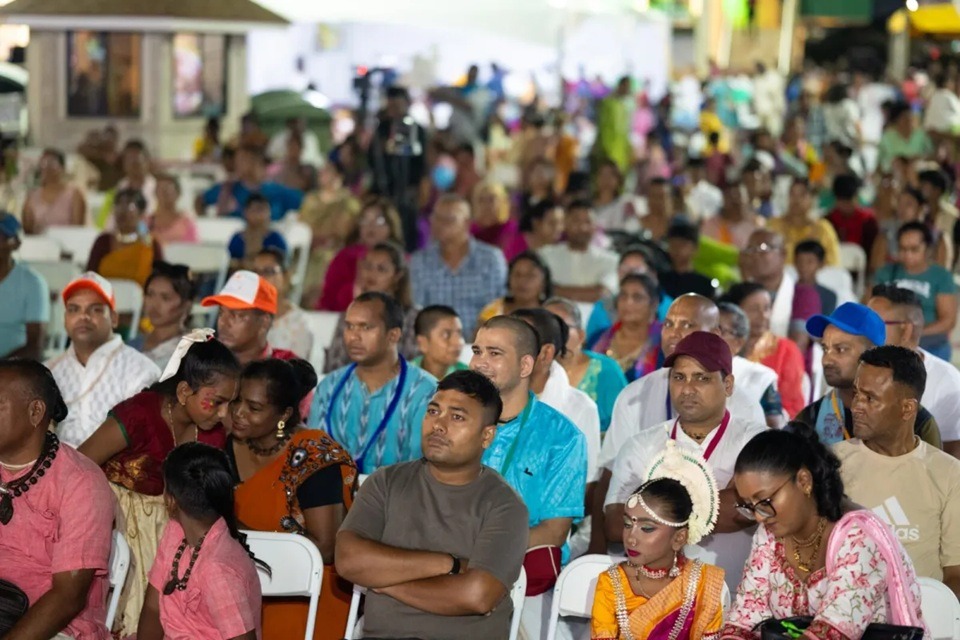
    On Saturday, during the 2026 observance of Jagannath Ratha Yatra held at Leonora’s West Central Mall, Guyanese President Irfaan Ali unveiled a new collaborative initiative between his administration and the International Society for Krishna Consciousness (ISKCON) designed to expand primary healthcare access and boost preventative health education across the country.

    Hundreds of devotees and community members gathered for the annual religious celebration, widely known as the Festival of Chariots, one of Hinduism’s most sacred annual events. Rooted in ancient traditions from the Indian city of Puri, the festival honors the ceremonial journey of Lord Jagannath alongside his siblings Balabhadra and Subhadra, carrying core messages of unity, devotion, selfless service, and spiritual connection that resonate across communities.

    Under the terms of the new public health partnership, permanent health screening services will be established at ISKCON facilities across Guyana. The program aims to encourage both devotees and local residents to prioritize routine preventive care, adopt healthier daily habits, and make physical and mental wellness a central part of their lives. President Ali emphasized that the project aligns with the government’s broader national strategy to weave together healthcare access, public education, and grassroots community engagement to lift overall national well-being.

    Addressing the gathered crowd, President Ali highlighted that the timeless values embodied by the Ratha Yatra hold urgent relevance for contemporary Guyanese society, particularly amid rising rates of mental health strain and growing social pressure. He noted that the festival’s emphasis on self-reflection encourages individuals to cultivate deeper self-awareness and a clearer sense of purpose in daily life. “The consciousness of oneself is the ability to understand that we are nothing but insignificant mortal souls under the command of a superior being,” President Ali told attendees.

    The Guyanese leader also praised ISKCON’s long-standing contributions to civic and social life across the country, framing the organization as a major force for public good through its community education programs, outreach initiatives, and consistent promotion of values including peace, personal discipline, and service to others. He stressed that spiritual values should not be limited to houses of worship, but should guide everyday action. “The sacred is not only where we pray; it is how we live,” he added.

    President Ali used the public occasion to also call for greater commitment to environmental stewardship among Guyanese citizens, framing the nation’s vast forests, pristine waterways, and unique biodiversity as a sacred trust that all residents have a responsibility to protect. He reaffirmed the government’s commitment to balancing inclusive economic development with proactive conservation, urging locals to take individual responsibility for keeping homes and public community spaces clean and sustainable.

    Drawing on the symbolic meaning of the Ratha Yatra’s iconic chariot procession, President Ali noted that collective progress for the nation only comes through coordinated shared effort. “The chariot does not move by itself. It moves because people come together, pull together and participate together,” he explained. He closed by urging all Guyanese to carry the festival’s core values of compassion, service, and collective responsibility beyond the celebration and into their daily lives.

  • Billion dollar neurological centre in the works

    Billion dollar neurological centre in the works

    In a major step forward for expanding specialized healthcare access across the South American nation, the government of Guyana is advancing plans to construct a new GY$1.1 billion state-of-the-art neurological treatment and rehabilitation center. The country’s Ministry of Health has officially opened bidding for construction contracts for the facility, which will be located in Region Four, the Demerara-Mahaica administrative area.

    When completed, the center will fill a long-standing gap in Guyana’s healthcare system by delivering advanced specialized care for patients living with a wide range of neurological conditions. These include acute strokes, traumatic brain injuries, spinal cord damage, and chronic neuromuscular disorders, a group of conditions that currently have limited local treatment options.

    According to official announcements, all bid submissions must be filed with Guyana’s National Procurement and Tender Administration, with the formal bid opening scheduled to take place at the administration’s headquarters on July 9. The project is a core component of the Guyanese government’s broader national strategy to upgrade domestic healthcare infrastructure and reduce reliance on overseas medical treatment for complex conditions.

    Government officials highlight that the new center will cut the need for local patients to travel abroad to access advanced neurological care, a process that places significant financial and logistical burdens on patients and their families. Beyond expanding immediate treatment capacity, the facility will also strengthen Guyana’s entire specialized healthcare ecosystem by improving access to long-term neurological rehabilitation services.

    In a statement released Sunday by the government’s Department of Public Information, officials noted the center will complement ongoing nationwide investments in healthcare, including the construction of modern hospital facilities, the deployment of advanced diagnostic medical equipment, and the expansion of specialist care access across every region of the country. The project marks a substantial investment in public health infrastructure that is expected to improve health outcomes for thousands of Guyanese living with neurological conditions for years to come.