博客

  • Nicholas Urges Households to Keep Three-Day Emergency Water Supply

    Nicholas Urges Households to Keep Three-Day Emergency Water Supply

    As Caribbean nations continue to grapple with intermittent infrastructure challenges and the growing risk of unexpected service disruptions, Antigua and Barbuda’s top utilities official is pushing a proactive message of self-reliance for residential water security. Minister of Utilities Melford Nicholas is calling on every household across the twin-island nation to build up and maintain a stored water reserve capable of covering at least three days of normal use, a buffer designed to cushion residents against unplanned interruptions to the public water network.

    Nicholas emphasized that this preparedness measure remains a critical investment even after the Antigua Public Utilities Authority (APUA) hits its planned production target of 14 million gallons of potable water per day. The minister framed the reserve requirement as a foundational step for individual community resilience, noting that unforeseen disruptions—from sudden equipment breakdowns at treatment facilities to scheduled maintenance work that requires temporary supply shutdowns—can strike at any time, regardless of overall production capacity.

    “I would still encourage homeowners to build that resiliency and to keep at least three days’ water supply available in the event that there is a disruption or discontinuation for any reason whatsoever,” Nicholas stated in his public address.

    To support the initiative, the national government has already rolled out a targeted distribution program, delivering 600-gallon water storage tanks to eligible households through local parliamentary representatives. This includes hundreds of families in Nicholas’ own constituency, who have already received the free storage infrastructure to help them meet the recommended reserve target.

    Nicholas pushed back on the common expectation that government or the national utility authority will resolve all supply issues immediately during an outage, arguing that households bear a share of responsibility for their own emergency preparedness. He pointed to the newly completed Booby Alley apartment development as a model of proactive planning: every unit in the complex comes with a dedicated private water storage tank pre-installed, eliminating the immediate strain of temporary supply cuts for residents.

    The minister concluded that widespread adoption of adequate household water storage would not only reduce immediate hardship for families facing outages, but also cut down on the volume of urgent complaints that overwhelm the utility company during unexpected interruptions, letting crews focus on restoring full service more quickly.


  • CXC Examination Misconduct Cases Jump From 80 to 128

    CXC Examination Misconduct Cases Jump From 80 to 128

    The Caribbean Examinations Council (CXC) has published alarming new data showing a steep 60% jump in documented examination misconduct cases across the Caribbean region in 2026, with total confirmed infractions rising from 80 cases in the previous year to 128. The findings were officially announced by CXC Director of Operations Dr. Nicole Manning during the public release of the May-June 2026 examination cycle results, hosted in Anguilla.

    Dr. Manning characterized the upward trend in rule-breaking as a deeply troubling development for regional education standards, outlining clear penalties for students found guilty of misconduct. Candidates proven to have violated examination regulations face serious consequences, including full cancellation of their exam grades and permanent disqualification from sitting future CXC-administered assessments.

    An analysis of the 128 confirmed irregularities reveals that the most prevalent offense remains the unauthorized possession and use of electronic devices inside exam halls, a longstanding challenge for testing bodies globally. Following device misuse, the next most common infractions are collusion, where candidates coordinate to share answers during testing, and the introduction of pre-prepared prohibited reference materials into exam rooms.

    In a historic first for the regional examination body, 2026 marked the first time that deliberate misuse of artificial intelligence was formally recorded as a category of exam misconduct. This development comes as generative AI tools have become widely accessible to students across the Caribbean, creating new challenges for educators and testing administrators working to uphold academic integrity.

    Further investigation into the cases found that misconduct was not limited to one-off, isolated incidents. Dr. Manning confirmed that a subset of repeat offenders had been caught engaging in the same rule-breaking behavior across multiple different papers in the 2026 exam cycle.

    Beyond deliberate cheating, CXC also highlighted a separate persistent issue: a growing number of candidates failing to complete and submit their mandatory school-based assessments (SBAs). The council reported that some examination centers failed to send in required SBA submissions to CXC headquarters, while many other candidates simply did not finish the required coursework components that count toward their final grades.

    Dr. Manning emphasized that incomplete assessment components carry just as serious consequences as intentional cheating. Any candidate who fails to submit an SBA, misses a required exam paper, or leaves any other mandatory assessment component unfinished will receive no final grade for their qualification, effectively invalidating months of study and preparation.

    To address the growing integrity crisis, CXC has issued a public appeal to regional education ministries, individual schools, parents, and local community leaders to collaborate in reinforcing the importance of full compliance with examination rules and the completion of all required assessment components. The council stressed that even small acts of misconduct can erase months of hard work, leaving students without the credentials they need to pursue higher education or career opportunities.

    In response to the emergence of AI-related cheating, CXC has also taken proactive steps to update its policies. The organization has developed new official guidelines outlining the responsible and acceptable use of artificial intelligence in educational settings and formal assessments, providing clear guidance to regional schools that are grappling with the rapid spread of generative AI tools in classrooms.

  • Greene Makes Personal Appeal for Prostate Screening Ahead of St. Paul’s Health Month

    Greene Makes Personal Appeal for Prostate Screening Ahead of St. Paul’s Health Month

    In a vulnerable personal appeal rooted in devastating family experience, St. Kitts and Nevis Foreign Affairs Minister E.P. Chet Greene is urging all men to prioritize regular prostate cancer screenings, following his own brother’s late-stage diagnosis that could have been caught earlier with routine care.

    Greene opened up about his family’s journey last week while officially unveiling plans for St. Paul’s annual Health Month, a month-long public health initiative scheduled for October this year, centered on the empowering public health theme “Know Your Numbers, Own Your Health.”

    The minister shared that his brother Said had seemed outwardly fit and physically active for months before his diagnosis, with no obvious warning signs that would have prompted him to seek testing. By the time the cancer was detected, it had already progressed to stage four, an advanced form of the disease that drastically reduces treatment outcomes. “When he found out, he was already at stage four,” Greene confirmed in his remarks.

    Despite the grim diagnosis, Greene expressed gratitude to the clinical team leading his brother’s care, and commended Said for the remarkable resolve and discipline he has maintained throughout his ongoing treatment. The difficult experience, Greene emphasized, offers a critical lesson for all people: delaying routine health screenings and avoiding uncomfortable health conversations can have life-altering consequences.

    “If you are able to catch it — as the saying goes, nip it in the bud — you just might be able to save life and all that goes with life,” he explained.

    Greene also noted that a cancer diagnosis extends far beyond the patient, rippling through entire families, friend groups, and local communities, a lesson his family learned years earlier when his sister received a breast cancer diagnosis that shook their entire household.

    This year’s St. Paul’s Health Month will bring a wide range of accessible preventive care services directly to local residents. Beyond prostate cancer screening, attendees will be able to access free or low-cost checks for key health metrics including blood pressure, blood glucose levels, cholesterol, and body mass index, as well as screenings for other common forms of cancer.

    In a shift from previous years’ programming, organizers are integrating preventive health services directly into community faith spaces, offering screenings and health education to congregations immediately after worship services. The new outreach model is designed to remove common barriers to access, from transportation hurdles to the stigma that keeps many men from seeking prostate care, eliminating any excuse for skipping critical preventive checks.

    “There must be no excuse by the people where their health is concerned,” Greene stressed.

    The minister shared his disappointment that turnout for prostate screenings has remained consistently low in previous iterations of Health Month, noting that far too many men continue to put off routine care out of discomfort or procrastination. He urged all local residents to integrate regular preventive health checks into their ongoing self-care routines, warning that late detection is directly linked to far more severe health outcomes.

    “We see too many instances of amputations, too many instances of persons afflicted by things that they can control,” Greene said, linking preventable severe health complications to delayed screening and diagnosis.

    A full detailed calendar of Health Month events, locations, and service offerings is expected to be released to the public in the coming weeks.

  • Justice Protest Scheduled Outside Prison and Legal Affairs Today

    Justice Protest Scheduled Outside Prison and Legal Affairs Today

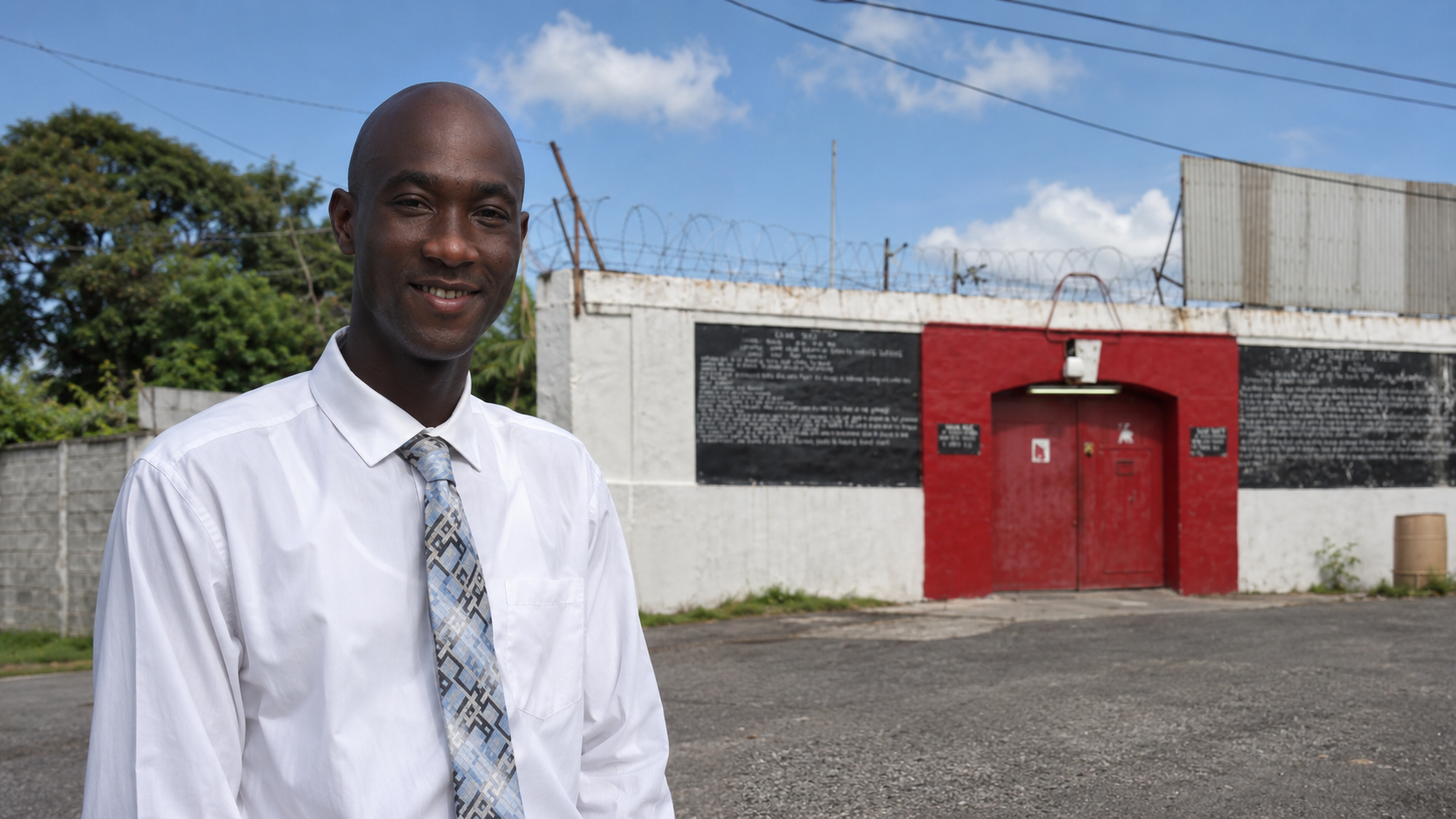
    Residents of St. John’s will take to the streets on Wednesday for a coordinated public demonstration, pressing authorities for long-delayed accountability over the in-custody death of Rashawn Shabazz and a slate of other unresolved, high-stakes cases that have left local families without closure.

    Organizers of the demonstration have laid out a clear route for the day’s action: participants will kick off the picket outside His Majesty’s Prison sharp at 8:30 a.m., before marching as a group to the Ministry of Legal Affairs to deliver their demands directly to key decision-makers.

    Shabazz died following an unspecified incident while he was being held in custody at the facility, and his family has yet to receive the full, transparent explanation organizers say they are owed. But the protest is not limited to seeking justice for Shabazz alone. Organizers emphasize the demonstration stands in solidarity with dozens of other local families grappling with unsolved homicides, unclosed missing person investigations, deaths linked to law enforcement interactions, and other in-custody fatalities that have gone without formal resolution.

    Beyond pushing for answers in individual deaths, the protest will also bring long-simmering systemic concerns to the forefront: organizers plan to highlight widespread allegations of misconduct among prison staff, including claims of sexual abuse and rape, as well as broader failures to address violent crime and public corruption across local institutions.

    In a statement ahead of the demonstration, organizers stressed that the action is not rooted in partisan political gain. “This is not about politics. It is about accountability, justice and the value of human life,” the group said.

    The organizers are calling on broad public support for the movement, noting that many participating families have repeatedly requested information from government agencies for months or even years, only to be met with silence or incomplete responses that fall far short of what they deserve.

    For those planning to join the protest, free commemorative T-shirts are available to the public, with pickup arrangements able to be made via phone or WhatsApp messaging at the contact number 720-2557.

    The entire demonstration is unified under a rallying cry that captures its core mission: “When Justice Fails, the People Must Rise!”

  • Onderzoek: Visafval kan grondstof worden voor visolie en kippenvoer

    Onderzoek: Visafval kan grondstof worden voor visolie en kippenvoer

    Across Suriname’s thriving fishing industry, large volumes of fish byproducts — including heads, fins, bones, scales, offal, and unwanted bycatch — have long been treated as valueless waste, discarded in landfills or dumped at sea. This widespread practice not only squanders potentially useful organic material packed with proteins, fats, and minerals but also creates unnecessary environmental pressure. Now, a new undergraduate study from Anton de Kom University of Suriname (AdeKUS) has uncovered a practical, sustainable path to repurposing this discarded material into high-value products: crude fish oil and nutrient-adequate starter feed for broiler chickens.

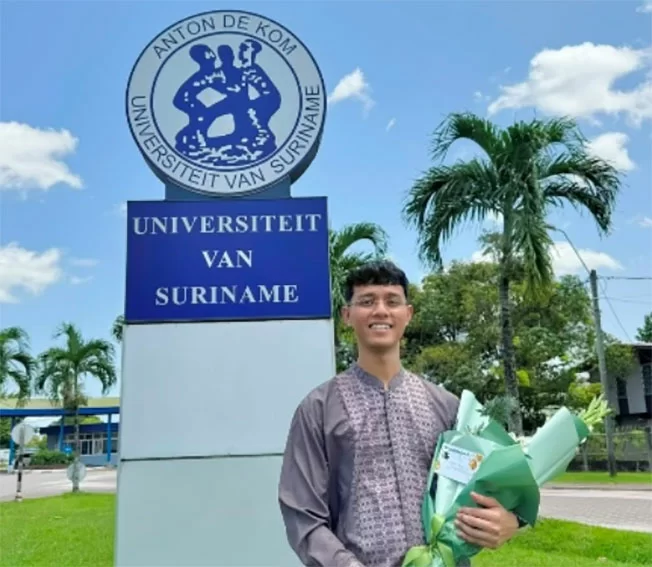
    The research was completed by Mukhlis Karsodjojo, who earned his Bachelor of Science in Agricultural Production with a specialization in Agroprocessing from the university’s Faculty of Technological Sciences on August 17. Karsodjojo’s core research objective was to identify ways to unlock greater economic value from the residual waste streams generated by Suriname’s domestic fishing sector, turning a widespread disposal problem into a usable local resource.

    To test viable approaches for extracting fish oil from fish waste, Karsodjojo evaluated two eco-friendly extraction methods: wet rendering and enzymatic hydrolysis, testing both on waste from a single fish species and mixed-species waste residues. Both methods successfully produced usable crude fish oil, which the study assessed across key metrics including total yield, color, odor, and mineral oil contamination. The analysis found that enzymatic hydrolysis delivered a significantly higher oil output than wet rendering, marking it as the more efficient and effective green extraction method for small-scale local operations.

    In the second phase of the study, Karsodjojo explored integrating processed fish waste into starter feed for young broiler chickens. He developed custom feed formulations that combined processed fish byproducts with locally available Surinamese ingredients, then tested the nutritional content of these blends, measuring moisture, ash, protein, fat, and carbohydrate levels. When compared to mass-produced commercial starter feed currently sold in Suriname, the custom blends met all requirements for adequate nutrient content, proving the concept’s nutritional viability.

    While the research confirms the technical feasibility of this circular economy approach, it also highlights a key remaining barrier to widespread adoption: on small production scales, the cost of manufacturing the custom fish-based starter feed currently exceeds the price of standard commercial alternatives. Despite this economic challenge, the study emphasizes that the approach delivers meaningful systemic benefits: it reduces total waste volumes, cuts reliance on imported feed ingredients by leveraging local raw materials, and creates new economic value from material that would otherwise be discarded entirely.

    Karsodjojo’s work concludes that Suriname has significant untapped potential to utilize fish byproducts more sustainably, but notes that further research is still needed. Future studies should focus on developing effective refining methods for the crude fish oil extracted from waste, and on identifying process adjustments to lower production costs for the chicken starter feed to make it competitive with commercial options. The research was supervised and reviewed by a team of academic advisors including dr. ir. F. van Genderen, dr. A. Kent, ing. S. Moeljoredjo, M. Jaggan, and prof. L. Ori.

  • St Kitts and Nevis’ Elevate students shine in CSEC exams With stellar results – WIC News

    St Kitts and Nevis’ Elevate students shine in CSEC exams With stellar results – WIC News

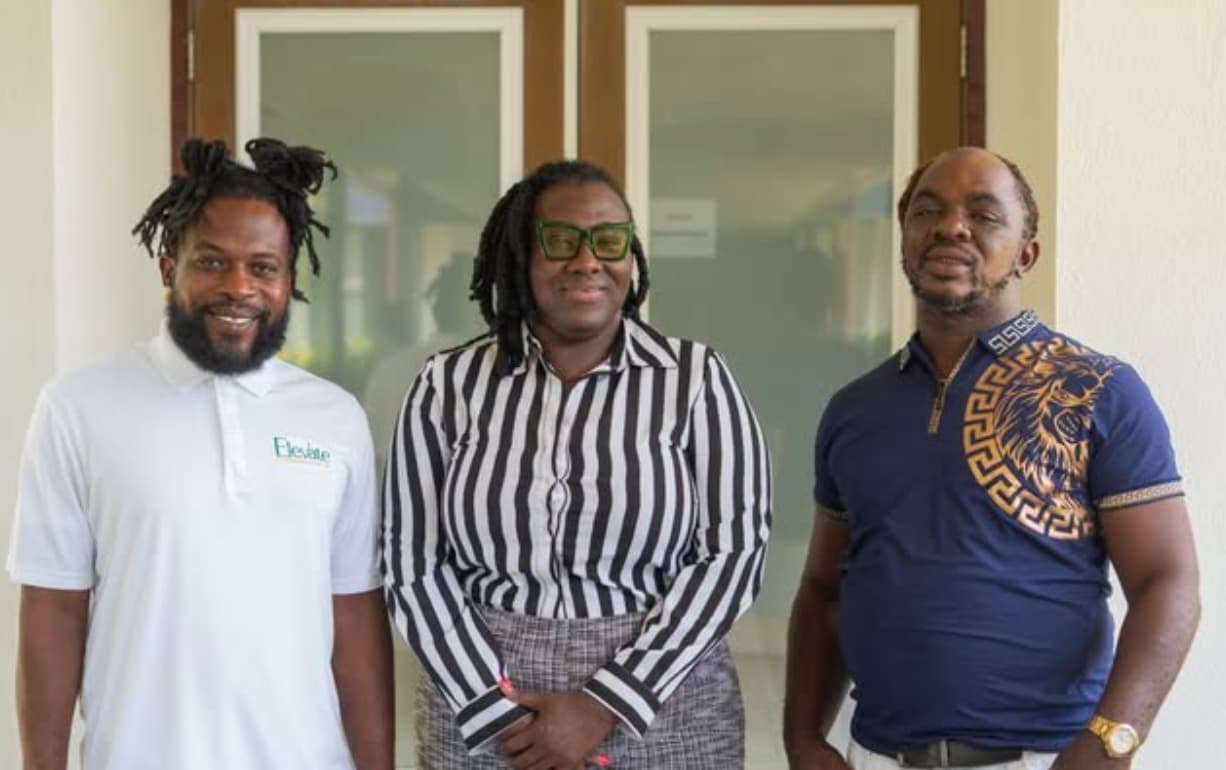
    In a landmark moment for second-chance education across the Caribbean, the first cohort of participants in St Kitts and Nevis’ Elevate Programme has delivered exceptional outcomes in the 2026 Caribbean Secondary Education Certificate (CSEC) examinations, marking a resounding early success for the government-backed social and educational initiative.

    Launched as a core pillar of the national government’s strategy to expand education, rehabilitation, empowerment and social support services, the Elevate Programme targets individuals seeking a new opportunity to earn secondary education certification and rebuild their personal and professional trajectories. For its first cohort of students, the results have exceeded even optimistic projections, cementing the programme’s transformative potential.

    Across two core subjects – English Language and Principles of Business – the cohort posted a perfect 100% pass rate, while 75% of participants successfully passed Human and Social Biology. Under CSEC grading standards, Grades I, II and III are all recognized as passing marks, with Grade I representing the highest level of achievement. The inaugural cohort earned five Grade I distinctions, six Grade II passes, and two Grade III passes across additional examined subjects, a performance that program leaders call a testament to the students’ dedication and the programme’s design.

    Prime Minister Dr. Terrance M. Drew quickly offered public congratulations to the participating students, highlighting what the milestone results reveal about the core mission of the Elevate Programme. In a public Facebook post following the release of results, Drew emphasized that the achievement goes far beyond test scores to underscore the transformative power of accessible opportunity. “This achievement speaks to something much greater: the power of opportunity and the value of a second chance,” he wrote. “Education must remain a pathway through which people can rebuild, refocus and create a better future for themselves and their families.”

    Program leadership echoed the prime minister’s remarks, noting that the strong performance aligns perfectly with the initiative’s foundational philosophy and long-term vision. In an official statement, management shared that the results reflect the programme’s goal of lifting entire communities by creating pathways for individual transformation through lifelong learning and personal growth. “This achievement reflects the vision of elevating the whole of society by creating opportunities for individuals to transform their lives through learning and personal development,” the statement read.

    Alicia Collins, coordinator of the Elevate Programme, echoed that framing, noting that the outcome represents far more than a set of examination grades. “This is more than an examination result; it is a testament to courage, commitment, and the belief that a person’s past does not determine their future,” Collins said.

    With this early success, the Elevate Programme is now positioned to become a model for second-chance education across the Caribbean region. Stakeholders expect the initiative’s proven outcomes will give St Kitts and Nevis a platform to take a leading role in advancing and expanding second-chance education opportunities for marginalized and underserved populations across CARICOM, turning a local education success story into a regional blueprint for social empowerment.

  • New Ocean-Monitoring Buoy Deployed Between Antigua and Barbuda

    New Ocean-Monitoring Buoy Deployed Between Antigua and Barbuda

    As the Atlantic basin enters its annual peak hurricane season, Antigua and Barbuda has taken a major step forward to boost its ocean observation infrastructure and regional climate adaptation efforts by joining a growing cross-Caribbean marine monitoring network. The Caribbean Institute for Meteorology and Hydrology (CIMH), which is leading the construction of the coordinated observation network across member states of the Caribbean Meteorological Organization, has now installed three new observation platforms in Antigua and Barbuda waters.

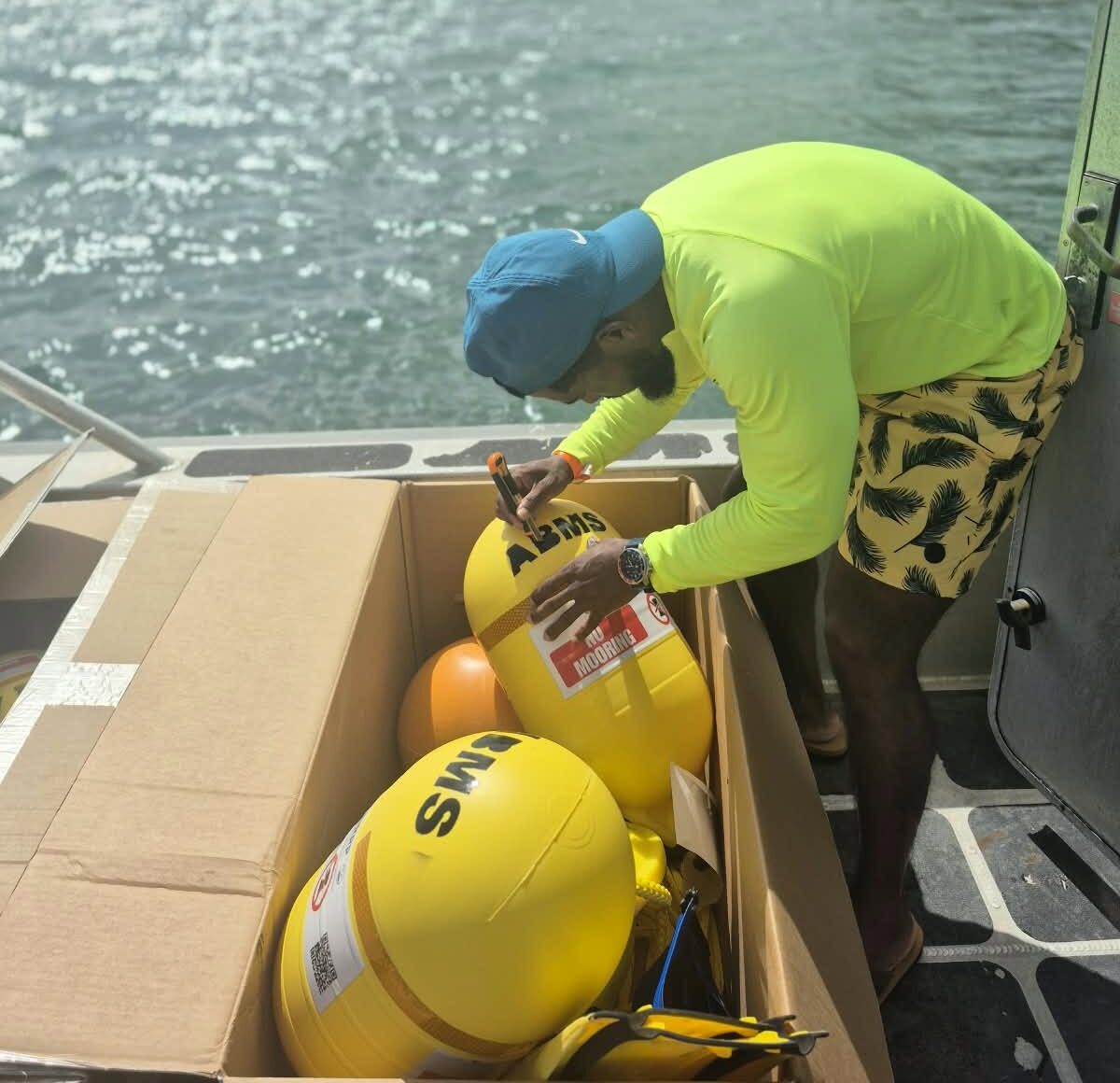
    On Tuesday, national authorities took delivery of three SOFAR Spotter Buoy ocean data collection stations. One of the high-tech buoys was deployed immediately, with the remaining two scheduled to enter operation just two days later on Thursday. This initial deployment marks the third finished installation of buoys as part of the regional network initiative.

    The newly established network combines the tracking capabilities of SOFAR Spotter Buoys and smart mooring technology to capture and send near real-time data on a wide range of critical marine conditions, including wave heights, swell behavior, and other key oceanographic parameters that shape regional weather and coastal safety. This continuous flow of standardized data will deliver far-reaching benefits across multiple sectors across the Caribbean: it will enable more accurate marine weather forecasts and more reliable early warning systems for hazardous conditions, directly improving maritime navigation safety, supporting sustainable fisheries management, strengthening coastal tourism infrastructure protection, refining national coastal zone management strategies, boosting overall disaster preparedness, and lifting long-term climate resilience across vulnerable small island developing states in the region.

    Beyond immediate operational benefits, the standardized data collected through the network will also allow CIMH’s Regional Marine Forecast Support Centre to refine and improve the accuracy of regional marine forecast models, closing critical gaps in current oceanographic understanding for the Caribbean basin. The deployment project brought together a cross-institutional partnership, including the Antigua and Barbuda Meteorological Service, the national Fisheries Division, the Antigua and Barbuda Defence Force Coast Guard, and CIMH’s Regional Instruments Centre, demonstrating coordinated cross-sector action to address shared climate and disaster risks.

    This expanding monitoring network is a core component of the Strengthening Institutional Capacity for a Resilient Caribbean Coastal and Marine Environment Project, widely known by its acronym RCCAME. The initiative receives financial and programmatic support from the Caribbean Development Bank through the Caribbean Regional Resilience Enhancement (CARE) Programme, with core funding allocated from the European Union’s 11th European Development Fund, designed to support climate adaptation and environmental resilience in small island developing states across the Caribbean.

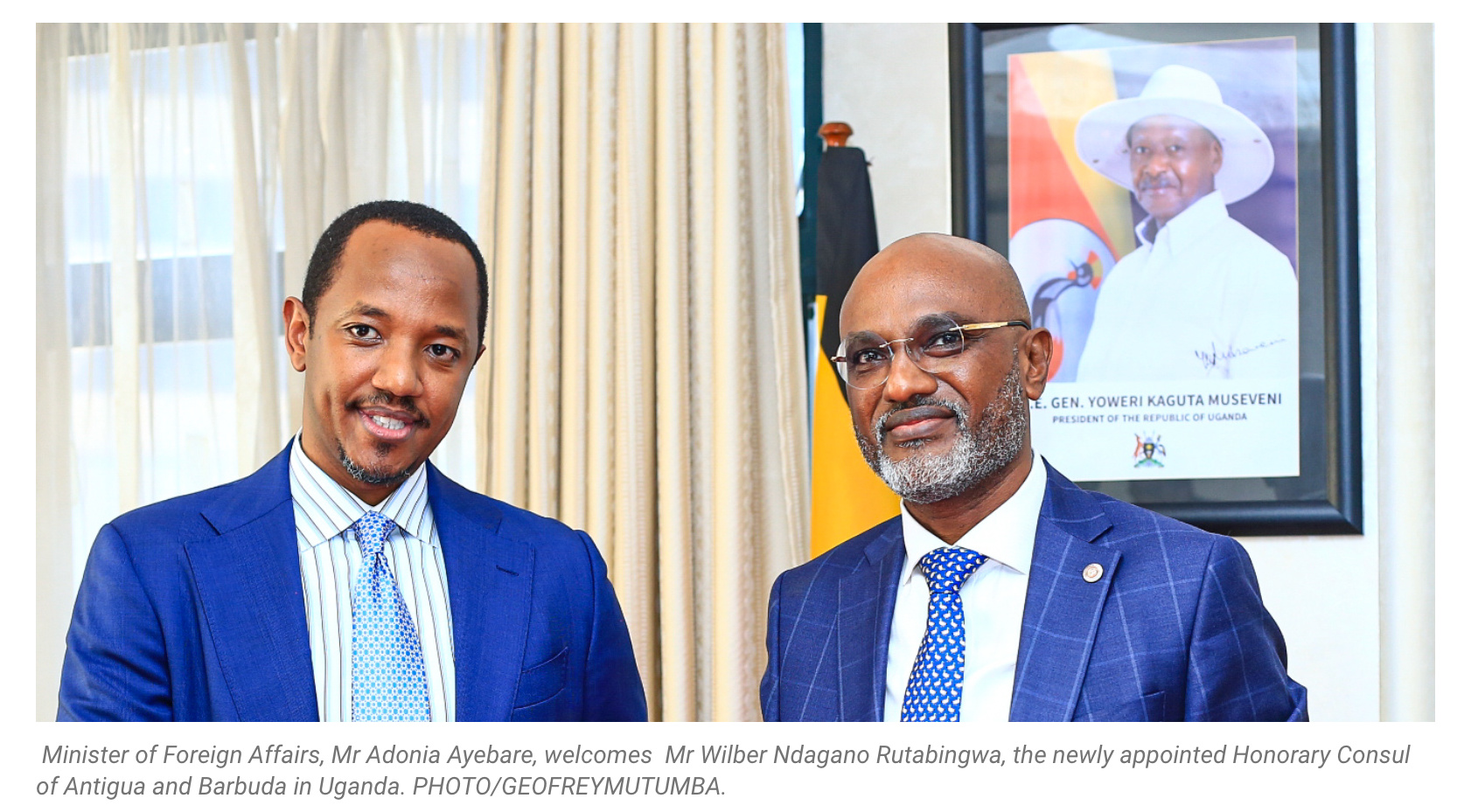
  • Antigua and Barbuda’s New Honorary Consul to Uganda Targets Trade, Jobs and Education

    Antigua and Barbuda’s New Honorary Consul to Uganda Targets Trade, Jobs and Education

    The newly installed Honorary Consul of Antigua and Barbuda to Uganda, Wilber Ndagano Rutabingwa, has outlined an ambitious agenda to reinforce cooperation between the two small but globally engaged nations, placing priority on four key sectors: cross-border trade, tourism development, educational exchange, and expanded employment opportunities for citizens of both countries.

    In remarks following the formal presentation of his diplomatic credentials, Rutabingwa extended sincere gratitude to the leadership and governments of both Antigua and Barbuda and Uganda for the trust and support extended to him throughout the appointment process. “I want to thank the government of Antigua and Barbuda first for entrusting me with this appointment,” he stated. “But today, I really want to thank the Ugandan government for approving my nomination and granting me the opportunity to formally present my credentials to the country’s authorities.”

    Beyond his sector-specific priorities, Rutabingwa highlighted that the upcoming Commonwealth Heads of Government Meeting (CHOGM), scheduled to be hosted by Uganda later this year, will serve as a critical platform to accelerate the deepening of diplomatic and people-to-people ties between the Caribbean island nation and the East African economy. As both full members of the Commonwealth, the high-profile gathering will bring together leadership from both sides, opening new doors for dialogue and collaboration that align with Rutabingwa’s core goals for his tenure. “CHOGM is coming here, and the country is hosting this major gathering this year. It is a tremendous opportunity for both of our nations to connect at the highest level and move our partnership forward,” he added.

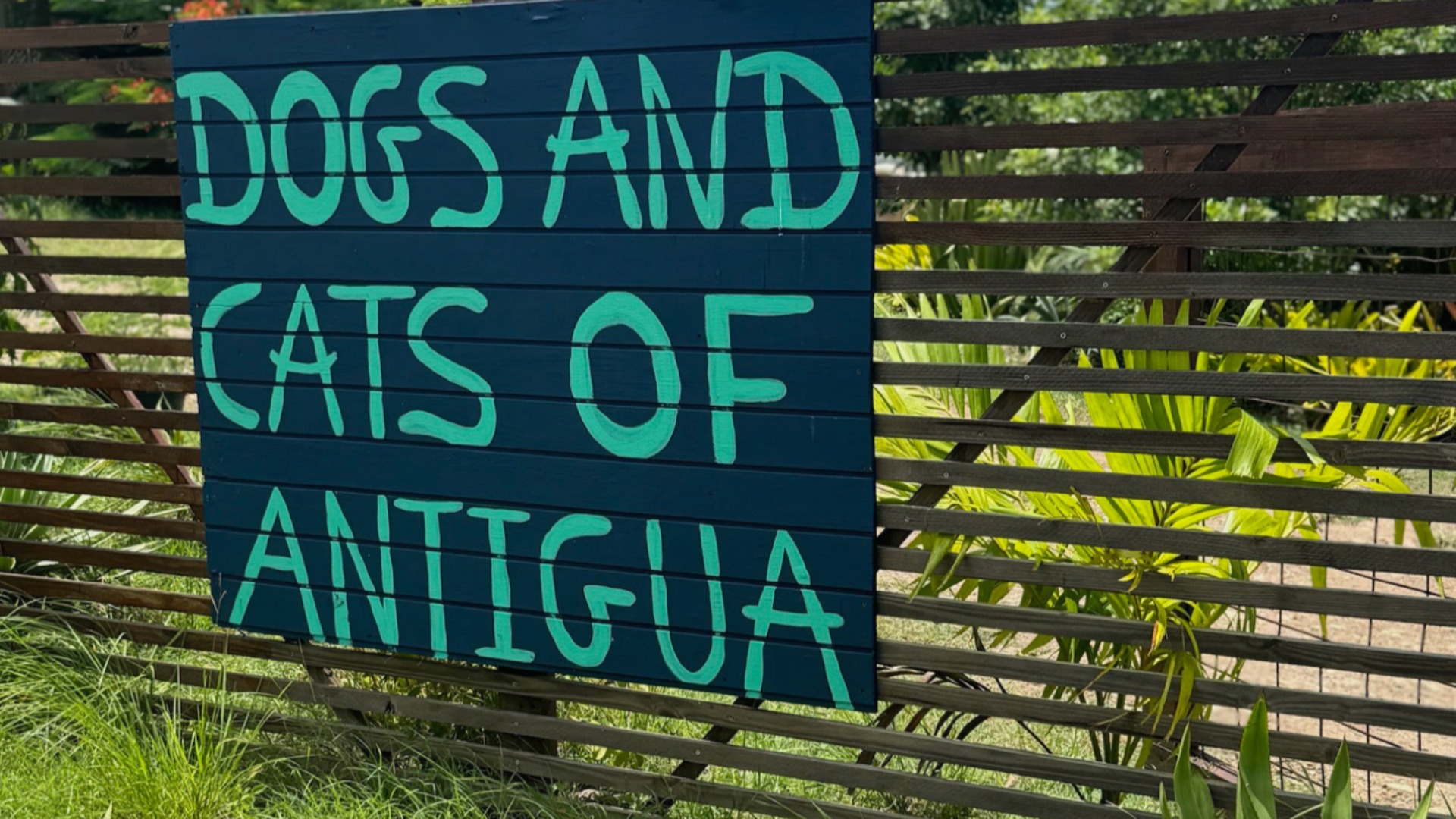
  • Dogs And Cats Of Antigua Wins US$50,000 GEF Funding For Community Dog Park

    Dogs And Cats Of Antigua Wins US$50,000 GEF Funding For Community Dog Park

    Dogs and Cats of Antigua Inc. (DACOA), a leading non-profit animal welfare organization operating in Antigua and Barbuda since 2015, has secured a $50,000 grant from the Global Environment Facility (GEF) Small Grants Programme to develop the nation’s first purpose-built Community Dog Park at its existing Rescue and Wellness Sanctuary in Sea View Farm.

    The initiative marks a groundbreaking intersection of animal welfare, community engagement and climate-positive action, transforming underused land at the rescue sanctuary into an inclusive public green space that prioritizes both human and environmental wellbeing. Beyond providing a dedicated area for community members to gather with their dogs, the project integrates a suite of forward-thinking environmental programs: a full rainwater harvesting and irrigation system to reduce freshwater reliance, a collaborative tree-planting project involving students from four local primary and secondary schools, and a first-of-its-kind pilot program to turn dog waste into nutrient-rich compost, diverting organic waste from local landfills.

    Joy Farrell, President of DACOA, emphasized the transformative potential of the grant in an official statement, noting: “We are thrilled and honoured to receive this funding. It opens an incredible door to build something that delivers shared benefits for people, animals and the local environment.”

    Farrell went on to outline the multiple layers of impact the project will deliver: “Beyond conserving water through our harvesting system, the fruit trees we plant will create a long-term source of food and supplementary income for the sanctuary, and our compost pilot will keep dog waste out of landfills where it would release methane. We are especially excited to deepen our partnership with local schools, giving young people hands-on learning opportunities about environmental sustainability and animal welfare that they can carry with them throughout their lives.”

    DACOA’s core long-term vision for the sanctuary is to set a new regional benchmark for animal welfare in the Caribbean, proving that high-quality care for animals and intentional environmental stewardship can not only coexist, but reinforce one another. Founded in 2015, the organization has already rehomed more than 7,000 vulnerable stray dogs and cats across local and international communities, provides weekly food support to 1,200 stray animals, and cares for more than 150 resident dogs at its Sea View Farm sanctuary. Prior to this grant, the organization had already implemented early environmental upgrades at the site, planting more than 500 native fruit and flowering trees, constructing wildlife-friendly ponds, and building a public dog-walking circuit that draws hundreds of visitors and volunteers annually.

    Natalya Lawrence, National Coordinator for the GEF Small Grants Programme in Antigua and Barbuda, praised the project for its innovative, multi-benefit design. “The GEF Small Grants Programme is proud to support DACOA in delivering this one-of-a-kind green space for Antigua and Barbuda,” Lawrence said. “This project weaves together environmental action, youth engagement, water conservation, responsible waste management, community health and animal welfare into a single initiative. It is a perfect example of how local, community-led action can develop practical, replicable solutions that deliver long-lasting environmental and social benefits.”

    The GEF Small Grants Programme operates globally, providing both financial and technical support to community-based and civil society organizations tackling pressing global environmental and sustainable development challenges. Its focus areas include biodiversity protection, climate change mitigation and adaptation, land degradation reversal, sustainable forest management, protection of international waters, and improved chemicals and waste management. The program prioritizes projects that deliver inclusive benefits to marginalized groups, including youth, women, people with disabilities, and Indigenous communities.

    For DACOA, the new Community Dog Park is a critical step toward achieving the organization’s long-term goal of transforming the Sea View Farm sanctuary into a fully self-sustaining, environmentally responsible public destination. The project will build on the sanctuary’s existing community engagement work to create a permanent public asset that connects animal welfare, environmental education, sustainability action and community connection in one accessible space.

  • Carlisle Bay to Unveil Second Phase of Multimillion-Dollar Renovation in October

    Carlisle Bay to Unveil Second Phase of Multimillion-Dollar Renovation in October

    One of Antigua’s premier luxury coastal resorts, Carlisle Bay Antigua, has unveiled plans to launch the second stage of its ambitious multi-million dollar property renovation in October 2026. This phase of the project centers on two key upgrades: a full redesign of the resort’s existing Carlisle Suites, and the addition of 20 all-new Signature Beach Suites.

    The new two-bedroom Signature Beach Suites have been intentionally designed to accommodate evolving traveler demands, with expanded open-concept living spaces, custom-built high-end furnishings, and an extra full bathroom. These layout adjustments make the accommodations particularly well-suited for extended family trips and multigenerational group vacations, a fast-growing travel segment. Drawing design inspiration from Antigua’s iconic natural landscapes, the suites will feature a contemporary Caribbean aesthetic, with natural fiber textiles, soft neutral palettes, and organic materials that echo the island’s golden shores, lush tropical vegetation, and vivid sunset hues.

    The resort’s existing collection of four three-bedroom Carlisle Suites will also undergo a full refresh and receive new names tied to iconic Antiguan locations: Rendezvous Bay, Signal Hill, Fig Tree Drive, and Great Bird Island. Each redesigned suite will lean into the identity of its namesake, with one-of-a-kind color schemes, textured finishes, locally inspired artwork, and handcrafted decorative details that highlight Antiguan culture and geography.

    Leading the cross-functional renovation team is award-winning designer Miminat Shodeinde, who is collaborating closely with Cara Doherty, a representative from Carlisle Bay’s ownership group. To further embed local artistry into the renovated spaces, celebrated Antiguan artist Sallie Harker has been commissioned to create original custom woodcut art pieces exclusively for the updated Carlisle Suites.

    Carlisle Bay’s full renovation is being rolled out in sequential phases to minimize disruption to guest experiences. The entire multi-year upgrade project, which includes renovations to every guest accommodation on property, plus the Entrance Pavilion and Bar, and the resort’s popular oceanfront dining outlet Indigo on the Beach, is on track to wrap up by November 2027.