博客

  • Noor Ahmad ruled out of CPL in blow to Kings

    Noor Ahmad ruled out of CPL in blow to Kings

    The 2025 Republic Bank Caribbean Premier League (CPL) has hit an early setback for the Saint Lucia Kings, who will be forced to take the field without star left-arm spinner Noor Ahmad after the Afghanistan Cricket Board (ACB) revoked his No Objection Certificate (NOC) — the mandatory administrative clearance required for international cricketers to compete in overseas franchise tournaments.

    Ahmad, 21, was a foundational piece of the Kings’ historic 2024 CPL title run. The young spinner led the entire squad in wickets last season, proving particularly devastating on the slow, spin-friendly pitches common across Caribbean venues, where his left-arm spin consistently troubled batters. His absence leaves a significant gap in the Kings’ bowling attack ahead of the new campaign.

    Moving quickly to shore up their roster, the franchise has signed South African-born American slow left-arm spinner Obus Pienaar as a direct replacement for Ahmad. Pienaar, a right-handed batter who adds all-around depth to the squad, is already en route to Saint Lucia to join the team ahead of their upcoming home fixtures.

    To contextualize the NOC policy that led to Ahmad’s withdrawal: these official documents, issued by a player’s home national cricket board, are designed to prioritize national team commitments over participation in global T20 franchise leagues, while also helping governing bodies manage player workload and fitness to avoid injury fatigue. Sources indicate Ahmad recently completed a stint in England’s popular The Hundred competition, leading the ACB to revoke his clearance for the CPL.

    In an official public statement released this week, the Saint Lucia Kings franchise acknowledged the disappointment of the development. “We are disappointed that Noor will be unable to join the team and wishes him all the best,” the statement read, adding that the squad remains fully “focused on the matches ahead.”

    Beyond the Ahmad shakeup, the Kings have provided updates on two other roster moves. New Zealand opening wicketkeeper-batsman Tim Seifert is still confirmed to be available for the remainder of the tournament, easing fan concerns about a second high-profile withdrawal. Additionally, West Indies opening batter John Campbell has been brought into the squad as a temporary replacement for Jewel Andrew, who is currently sidelined while recovering from an ongoing injury.

  • The rhymes and reason behind Five Steez’s hip hop journey

    The rhymes and reason behind Five Steez’s hip hop journey

    Nestled within Jamaica’s globally celebrated reggae and dancehall-dominated cultural landscape, one rapper has spent decades building a space for authentic hip hop, defying systemic barriers and redefining what local music can look like. Thirty-nine-year-old Five Steez, born Peter Wright, has never let the lack of pre-existing infrastructure for Jamaican hip hop stop him from chasing his artistic vision, crafting lyrically driven tracks that confront social realities, question public expectations, and inspire audiences to believe in their own potential.

    Wright’s journey has been far from easy. In a music industry where every major opportunity and infrastructure caters to reggae and dancehall, the MC has faced persistent criticism for his genre choice and struggled to access the resources mainstream Jamaican artists take for granted. “I am a hip hop artist in Jamaica, where everything is based around reggae and dancehall. There’s no producer I can easily go to and they’re going to have me in the studio and produce me,” he explained in an interview. For most emerging artists, these structural barriers would be enough to push them to abandon their craft or pivot to more commercially viable genres. But Wright chose a different path: instead of waiting for opportunities to come his way, he built them from scratch.

    His love for hip hop dates back to his childhood in Kingston, sparked by early exposure to the genre through his two older brothers, particularly David, who is nine years his senior. Growing up, their family home was constantly filled with the iconic sounds of pioneering American hip hop acts including Run-DMC, Public Enemy, KRS-One and EPMD. These early records ignited Wright’s lifelong fascination with lyrical craft and storytelling, a passion that deepened as he entered his teens. When he heard Wu-Tang Clan’s *Wu-Tang Forever* and Rakim’s *The 18th Letter*, it completely reshaped his understanding of what words could do on a track.

    “I was definitely impressed by the lyricism. So hearing that is just like, how do you put words together like that, how do you even think of that?” Wright recalled. Writing had always come naturally to him, but hip hop became the perfect outlet to turn that passion into art. By his early teenage years, he knew this was the path he wanted to follow—even though there were almost no successful Jamaican hip hop artists to look to as a model. That early spark turned into action when Wright and his friends began selling homemade mixtape CDs out of the corridors of his high school, St George’s College, laying the groundwork for the independent career he would later build.

    Wright’s first big break came from his own initiative. One night, he and friend and fellow The Council collective member Nomad Carlos saw an advertisement for a local show featuring rappers. Instead of just buying tickets and watching from the crowd, they walked up to the event’s promoters and introduced themselves as working rappers, asking for a spot on the lineup. “I figured, okay well this show has rappers in it, why not approach the promoters and say, ‘Hey we’re rappers too.’ That’s exactly what I did and we got into the next show… I had to find my own way,” he said. That small, bold move opened the door to one performance after another, and taught him a lesson that would guide his entire career: when the industry doesn’t give you an opening, you carve your own.

    That same do-it-yourself mentality shaped how Wright distributed his music when traditional outlets turned him away. With local radio stations unwilling to give airtime to an unknown underground hip hop artist, Wright and his team shifted their focus to alternative platforms. “I remember at one point in the journey, we realised that it wasn’t easy getting radio play because we don’t really have much of a name… but on these local cable entertainment stations, they were playing our videos. So we can shoot our videos, and we can send them to these stations and they would play them,” he said. Popular local stations Hype TV and RE TV, which boasted large audiences across Jamaica from the early 2000s through the 2010s, gave Wright his first major visibility when traditional mainstream media shut him out. He was also an early adopter of internet-based promotion, building connections with hip hop fans across the globe on early social platforms like MySpace years before social media became the primary marketing tool for independent artists.

    A key turning point in Wright’s career came when he joined the community at Gambling House, a Kingston recording studio he calls the “mecca of hip hop in Jamaica.” It was there that he connected with producers and collaborators Damien and Inztinkz, who helped him create his acclaimed debut album *War for Peace*. He also found a larger creative home through Manifesto Jamaica, a collective of local artists and creatives working to reshape Kingston’s cultural ecosystem. Through the collective, he earned a spot performing at the Manifesto Festival in Toronto, one of the largest urban arts festivals in Canada, where he shared a lineup with many of the artists who had inspired him as a child.

    The performance was a full-circle moment for Wright: one of the festival’s headliners was none other than hip hop legend Rakim, whose lyrical precision had left him awestruck as a teenager. Years after sitting in his bedroom marveling at *The 18th Letter*, Wright got to meet his idol in person, a moment that drove home how far his unorthodox journey had taken him.

    Today, more than two decades into his career, Wright boasts an extensive and diverse discography that includes 2014’s *These Kingston Times*, 2016’s *HeatRockz*, 2021’s *Quietude*, 2023’s *Re:DEFined*, and his most recent 2024 four-track EP *The Test of Time*, produced in collaboration with Son Raw. His highly anticipated new full-length album *Re:Emergence* is scheduled for release on September 29, 2026. Though his music has gained an international following and taken him to perform across North America, Wright has never measured his success by commercial fame or mass appeal.

    When critics argue his music doesn’t sound like traditional Jamaican music, Wright pushes back: “Some people would listen and say ‘Hey, but it doesn’t sound like dancehall.’ Well, it’s not supposed to, it’s hip hop. What I’m trying to do is make what people would call boom bap hip hop, authentic hip hop. Or what I call true school, so that’s pretty much the sound but the Jamaican influence comes in where it’s always going to be the Jamaican perspective you hear and that cultural background, coming out influencing the lyrics and the perspective, influencing the message and the content.”

    Wright’s lyrics draw directly from the everyday realities of life in Jamaica, exploring core themes of cultural identity, social justice, personal growth, and resilience. When he’s not making music, Wright works full-time as a marketing professional, and he often weaves reflections on balancing a day job with artistic ambition into his work. His tracks also tackle pressing social issues including government corruption and police brutality, all while encouraging listeners to pursue their own purpose and build a deeper understanding of themselves.

    “One of the messages is that you can achieve what you want. With knowledge of self and with determination, and I try to exemplify that. I try to use my own journey and story, to inspire people and show them, you can do something that you have in your mind, whether people tell you it’s impossible or it’s hard or it’s never been done before,” he said.

    Looking toward the future, Wright says his greatest legacy will be helping to build and legitimize the Jamaican hip hop scene, and serving as an ambassador for the country’s underground hip hop community on global platforms. “If it’s an event that’s happening, and that type of presence is needed, I’m that guy. Where there’s that intersection between Jamaica and hip hop, I’m going to be there. I want to be on hip hop platforms repping for Jamaica and let it be known that there is a scene for hip hop here. There’s love for the culture here, there is talent here… The local scene has always been something that I’m passionate about and I want to resurrect it.”


  • Kemorley Pemberton Charged After Allegedly Threatening Employee at Little Canton With Imitation Firearm

    Kemorley Pemberton Charged After Allegedly Threatening Employee at Little Canton With Imitation Firearm

    In a recent law enforcement action overseen by the Royal Police Force of Antigua and Barbuda, a local man has been taken into custody and formally charged following a public dispute that escalated into an alleged threat involving a suspected weapon. The incident, which unfolded on the morning of August 19, 2026, has prompted authorities to remind residents of strict new firearm legislation that carries severe penalties for violations of weapons rules.

    According to official police reports, emergency dispatchers received a frantic call for service just before 9 a.m. local time, alerting officers to a confrontation at the Little Canton location along Independence Drive. The complaint alleged that 35-year-old Kemorley Pemberton, a resident of the John Hughes neighborhood, had gotten into a verbal altercation with a fellow employee at the site. During the dispute, Pemberton reportedly brandished an object that appeared to be a loaded firearm, threatening the other individual directly.

    Within hours of receiving the report, responding officers tracked Pemberton to an unoccupied abandoned building situated on Bird Road, where he had been hiding following the incident. A systematic search of the structure turned up the object in question, which investigators later confirmed to be a non-functional imitation firearm. Pemberton was placed under arrest immediately without further incident, and was processed at a local police precinct before being formally charged with possession of an imitation firearm.

    In the wake of the arrest, the Royal Police Force’s Office of Strategic Communications issued a public reminder to Antigua and Barbuda residents about the legal ramifications of possessing and misusing imitation firearms under the nation’s updated legislation. Section 13(1) of the 2024 Firearms (Amendment) Act explicitly classifies the use or attempted use of any real or imitation firearm to commit a criminal offense as a serious indictable offense. Any person convicted of this violation can face a maximum prison sentence of up to 20 years behind bars, underscoring the government’s commitment to curbing gun-related violence and intimidation across the twin-island nation.

    As of the official media release issued on August 20, 2026, Pemberton remains in custody awaiting his initial court appearance, where formal proceedings will begin. Police have not released additional details about the underlying cause of the dispute between Pemberton and the alleged victim at this time.

  • MBS issues Beneficiary Advisory on Pharmaceutical Recall

    MBS issues Beneficiary Advisory on Pharmaceutical Recall

    A public recall advisory has recently been released by the Medical Benefits Scheme (MBS) targeting individuals who collected 10mg or 20mg doses of the cholesterol-lowering medication Atorvastatin from an MBS-affiliated pharmacy in June 2026.

    All beneficiaries affected by this advisory are urged to carefully review the official notification, cross-check the lot number printed on their medication packaging against the ranges listed in the recall notice, and follow the step-by-step return and replacement protocols outlined by the scheme.

    To make the return process more convenient for patients who may be unable to visit during standard weekday operating hours, the MBS Nevis Street Pharmacy will open for extended hours on Saturday, August 22, 2026, accepting recalled medication between 9:00 a.m. and 2:00 p.m.

    Importantly, this recall only impacts the specific pre-identified lots of Atorvastatin. The advisory explicitly reminds beneficiaries that they should not stop taking their prescribed medication before seeking guidance from a licensed physician, nurse, or practicing pharmacist, to avoid adverse health impacts from interrupted treatment.

  • Dominican sailor rescued after catamaran becomes overdue near Sint Maarten

    Dominican sailor rescued after catamaran becomes overdue near Sint Maarten

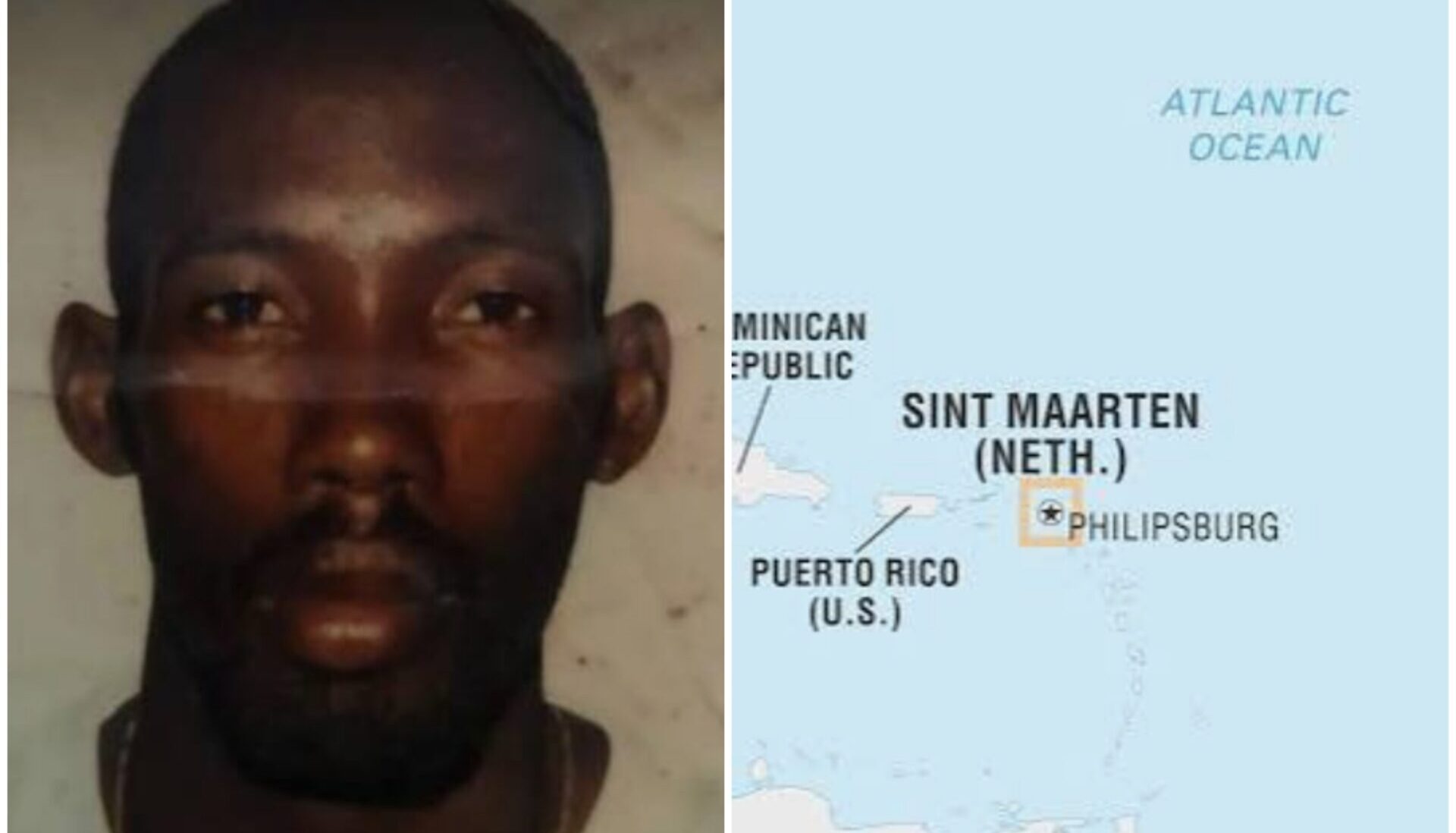
    A multi-national maritime search and rescue mission has successfully recovered a 58-year-old Dominican sailor who went missing during a voyage between the British Virgin Islands and Sint Maarten, ending a days-long search with a positive outcome for the stranded mariner.

    U.S. Coast Guard officials confirmed that Peter Baron was located alive and unharmed on Thursday afternoon, August 13. His 45-foot sailing catamaran, named Ocean Time, was found roughly 11 nautical miles off the western coast of Sint Maarten, after coordinated efforts from search and rescue teams across three nations.

    The search operation was launched after Baron’s family filed an overdue vessel report, following the sailor’s failure to reach his scheduled destination. The mission brought together maritime authorities from the United States, the Netherlands, and France to comb the open waters for the missing craft.

    Baron’s trouble at sea began before his final departure, according to investigation details. During an initial attempt to sail from Tortola in the British Virgin Islands to Sint Maarten, his catamaran suffered a critical steering system failure. He returned to Tortola to carry out repairs, and set out again on Sunday, confident that the fixes would hold. But after leaving the port, Baron never arrived at his planned destination, triggering the alert that launched the cross-border search.

    A U.S. Coast Guard HC-144 Ocean Sentry patrol aircraft, deployed from Air Station Miami, was the first asset to spot the disabled vessel. Aircrews observed that Baron was using an emergency tiller to manually steer the crippled catamaran while waiting for assistance. After the location was confirmed, a Dutch Coast Guard vessel was dispatched to reach the craft and make contact with the sailor.

    Once on scene, Dutch crews verified Baron’s identity and conducted a preliminary health check, finding that he had sustained no injuries and had no ongoing medical issues. Inspectors also confirmed that despite the steering failure, the catamaran remained structurally sound and seaworthy enough to be towed to port.

    The partially disabled sailing vessel was ultimately towed to Simpson Bay in Sint Maarten, where it was safely brought into harbor. Dutch Coast Guard teams also assisted Baron in reconnecting with his family, relaying confirmation that he had survived the ordeal unharmed.

    Cmdr. Matthew Romano, search and rescue mission coordinator for the U.S. Coast Guard, commended the seamless cooperation between all participating agencies. “This successful outcome is a direct result of open communication and coordinated action between our French, Dutch, and Virgin Islands partners,” Romano said. He also used the incident to issue a public reminder to all seafarers: before departing on any voyage, mariners must ensure they carry fully functional, reliable communication equipment and visible emergency signaling devices. These simple preparations, Romano stressed, can make the difference between life and death during an unplanned emergency at sea.

  • Grenada’s new hospital legislation

    Grenada’s new hospital legislation

    Grenada is pushing forward with a landmark overhaul of its public hospital system, as a specialized transition team works to deliver modernized governance legislation that addresses longstanding gaps in the island nation’s outdated health care regulatory framework. The Hospital Statutorisation Transition Team (HSTT), which has been steering the reform process for more than a year, confirmed that the 1998 Hospitals Authority Act—currently the law governing public health facilities—fails to meet contemporary standards for governance, financial management, and data protection, and cannot adequately support the planned staff transition required for the new system.

    The HSTT laid out its detailed roadmap for the transition at an official press conference held on Wednesday, 19 August 2026, where it shared the latest progress on legislative, administrative, and operational preparations for the full statutorisation of the public hospital network. The foundational policy draft was finalized in June 2026, followed by a month of initial stakeholder consultations in July, and formal legislative drafting kicked off earlier this month. The first full version of the bill is expected to be completed by the end of September, with the team targeting introduction to the parliamentary session scheduled for October. If the legislation progresses through the parliamentary process on schedule, HSTT Chairperson Lucia Livingston-Andand explained, full implementation of the new system could launch as early as the first half of 2027. Livingston-Andall emphasized that the final timeline remains contingent on parliamentary review and approval.

    This reform effort builds on a decades-long history of attempts to update Grenada’s hospital governance rules. The 1953 Hospital Act was repealed and replaced by the 1998 Hospitals Authority Act, which established the Grenada Hospital Authority to oversee and manage all public hospital services. When fully enacted, the new legislation will enable the statutorisation of six key public health facilities and services: Grenada General Hospital, Princess Alice Hospital, Princess Royal Hospital, Mt Gay Psychiatric Hospital, the centralized Hospital Laundry Services, and the Central Medical Stores. Officials stress that passage of the bill will not mark the end of the transition process, with multiple phases of structural change required after legislation is approved.

    Health Minister Hon. Philip Telesford framed the reform as a carefully designed corporatisation of public hospital services, explaining that the new statutory model will grant participating facilities greater operational autonomy while retaining full public ownership and maintaining mandatory public accountability. According to Telesford, this structural shift will allow hospitals to operate with improved agility, greater operational efficiency, and more responsiveness to patient and community needs.

    This latest attempt at statutorisation comes after an earlier effort launched under the 1998 Act, which passed through Parliament but was never fully implemented. The HSTT identified a series of missteps that derailed the previous initiative, including inadequate pre-transition planning, insufficient input from key stakeholders, and unresolvable legal, constitutional, and industrial relations challenges tied to the transition of public sector workers to the new statutory body.

    To avoid repeating these past failures, the HSTT has adopted a deliberate, inclusive approach to the transition process. Over the past 16 months, the team has held more than 30 stakeholder working sessions and split its work across five specialized thematic working groups to address every aspect of the reform. The Cabinet has already approved a three-phase transition plan to guide the process: the first phase concludes with the passage of the enabling legislation; the second covers the appointment of the new statutory body’s Board of Directors, executive leadership team, and core staff; the third and final phase involves the full transfer of all hospital assets, liabilities, and personnel to the new governing body.

    Parallel to legislative work, the government has already begun restructuring hospital management to prepare for the transition. Telesford confirmed that recruitment is currently underway for an Interim Chief Executive Officer to lead the transition management, while a Director of Human Resources and Chief Engineer have already been hired to fill key new roles. Additional senior positions that are currently being sourced include a Financial Controller and a Chief Technology Officer, to support the system’s upcoming digital transformation.

    Stakeholder engagement has been a core priority from the earliest stages of the process: formal discussions with trade unions representing workers at affected facilities launched in June 2025 and are still ongoing, while internal stakeholder consultations got underway in March 2026. Formal engagement with external stakeholders kicked off on the same day as the press conference, 19 August, with additional public consultations and townhall-style community meetings planned in the coming months to gather public input. The new legislation is also being designed to align with other major ongoing health sector reforms across Grenada, including Project Polaris, the rollout of national health insurance, and the broader digital transformation of the country’s health care system.

  • Prince Harry and Meghan to move back to Britain

    Prince Harry and Meghan to move back to Britain

    Six years after their high-profile exit from official royal roles and a very public rift with the British royal family, Prince Harry and Meghan, the Duke and Duchess of Sussex, are preparing to move back to the United Kingdom, multiple sources familiar with the plans confirmed to CNN.

    According to reporting from UK-based outlet The Telegraph, the couple — who currently reside in Montecito, California — intend to relocate from the U.S. later this month, and have already enrolled their two young children, 7-year-old Prince Archie and 5-year-old Princess Lilibet, in local British schools ahead of the upcoming academic term. The family plans to settle in a private residence outside of London.

    King Charles III, Harry’s father and the reigning monarch, was only formally notified of the couple’s relocation plans this past Sunday. Notably, the proposal was not brought up or discussed during Harry and Meghan’s visit to the UK in July, when the entire family gathered for a rare reunion. A source close to the King told CNN that Charles welcomes the chance to spend more private, personal time with his son, daughter-in-law and grandchildren, but has made clear that the couple’s status as non-working, private members of the royal family will remain unchanged.

    The Sussexes first stepped away from official royal duties and relocated to North America in 2020, citing a toxic combination of intrusive tabloid press coverage, systemic racism within British institutions, relentless online harassment, and fractured family dynamics as the core reasons for their exit. The rift only deepened in the years that followed, with the couple sharing a series of explosive claims about the royal family in public interviews and their 2022 Netflix docuseries.

    Harry has made only a handful of trips back to the UK since 2020, including high-profile official occasions: the 2022 state funeral of his grandmother, Queen Elizabeth II, and his father’s coronation in 2023. It was not until September 2023 that Harry and Charles held their first in-person meeting after a 19-month gap in private contact. The July 2024 visit marked another milestone: it was the first time in four years that Charles had met with the entire Sussex family together, hosting the group at his private country estate, Highgrove House in Gloucestershire, alongside Queen Camilla.

    During that July visit, Harry carried out a series of commitments for his charitable projects, including events marking the one-year countdown to the next Invictus Games, the international adaptive sporting event for wounded, injured and sick service members and veterans that Harry founded over a decade ago.

    The possibility of Harry’s permanent return to the UK has been complicated in recent years by a long-running dispute over personal security. In 2023, Harry challenged the UK government’s decision to remove his taxpayer-funded security detail after he stepped down as a working royal. He ultimately lost the high-profile court case, and told the BBC in an interview afterward that he was “devastated” by the ruling, which he said made it “impossible” for him to bring his wife and children back to live in the UK.

    CNN has reached out to representatives for the Duke and Duchess of Sussex to request comment on the relocation plans.

  • CSA launches new trophy as regional sailing circuit takes shape

    CSA launches new trophy as regional sailing circuit takes shape

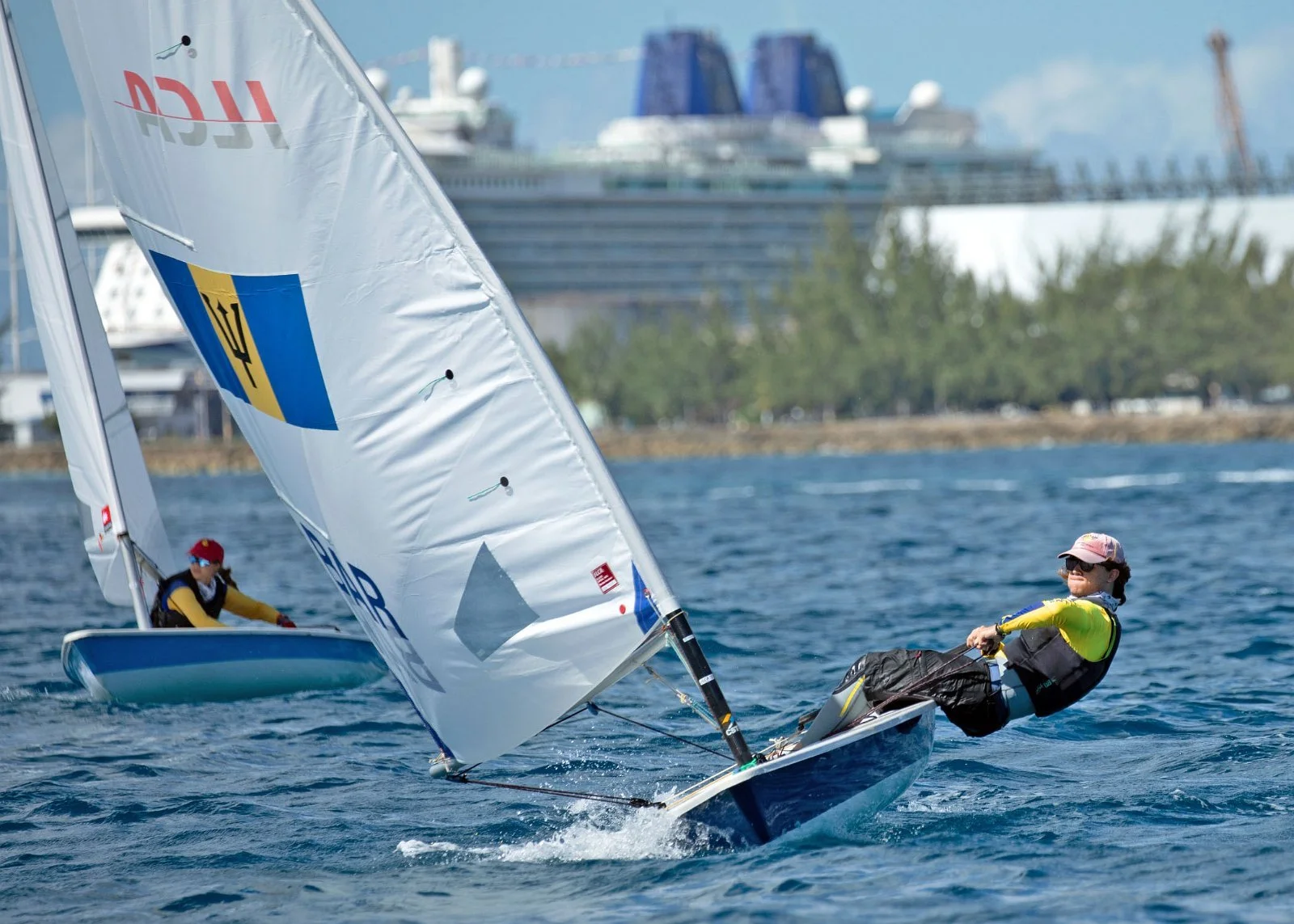
    The Caribbean Sailing Association (CSA) has announced two major updates to the region’s competitive sailing landscape: the launch of a brand-new overall championship trophy and a revised five-year event calendar running from 2027 to 2031. The changes are designed to streamline scheduling, cut down on conflicting event dates, and boost the Caribbean’s standing as a top global destination for competitive sailing.

    Central to the new plan is the consolidation of all the region’s top-tier regattas into a single four-month competitive racing season, anchored by the newly introduced CSA Majors Trophy. This prestigious new award will honor the sailor or team that delivers the strongest consistent performance across five of the Caribbean’s most high-profile sailing events: the RORC Nelson’s Cup Series, RORC Caribbean 600, St Maarten Heineken Regatta, Antigua Racing Cup, and BVI Spring Regatta. The overall champion of the circuit will be officially crowned following the conclusion of the BVI Spring Regatta.

    The updated five-year calendar brings key adjustments to event timing to eliminate overlapping schedules, a longstanding pain point for competitive teams that want to compete in multiple regional events. Barbados Sailing Week will retain its annual January spot on the calendar throughout the entire 2027–2031 period, while the St Maarten Heineken Regatta also remains a core fixture on the circuit. The Antigua Racing Cup will shift to an earlier date in the revised schedule to accommodate the consolidated four-month window for major events.

    CSA President Bastien Poutier emphasized that the structural changes strike a balance between building a professional, accessible competitive circuit and preserving the iconic adventurous spirit that sets Caribbean sailing apart. “This calendar delivers clarity and momentum for our sport,” Poutier explained. “Concentrating our marquee events into a four-month window creates a true circuit for serious campaigners — without losing the adventurous spirit that defines Caribbean racing.”

    The CSA Majors Trophy becomes the third regional award recognizing consistent cross-event performance, joining the existing Budget Marine Windies Multihull Trophy and Travellers Trophy. CSA officials noted that the overarching goal of both the new trophy and revised calendar is to maximize competitor participation across the region’s events, attracting more top sailing talent from around the globe and cementing the Caribbean’s reputation as a world-class sailing host.

  • ABFA Criticised Over “sycophantic endorsement”  of FIFA President

    ABFA Criticised Over “sycophantic endorsement” of FIFA President

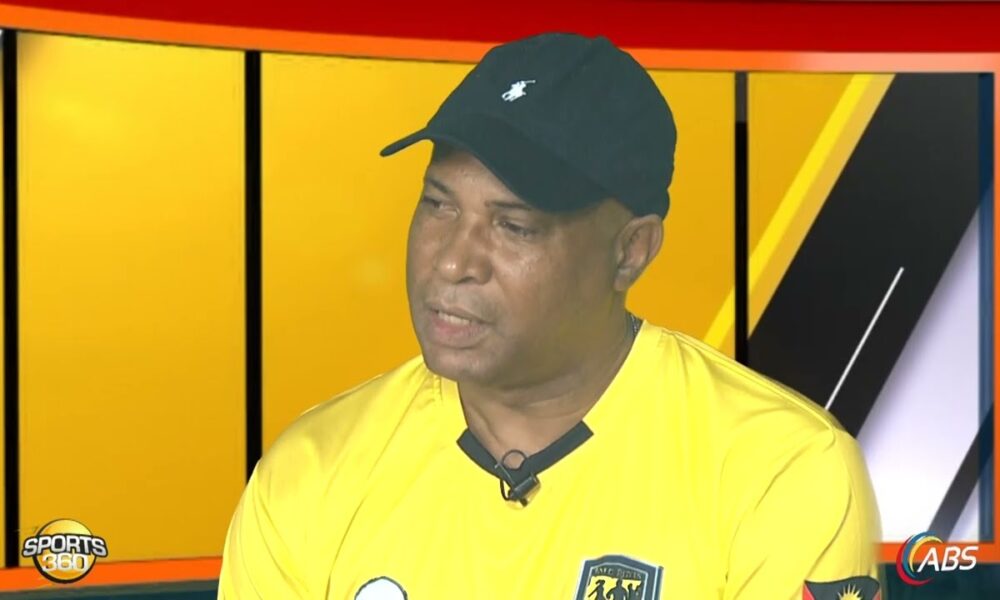
    A public declaration from the Antigua and Barbuda Football Association (ABFA) throwing unreserved support behind FIFA President Gianni Infantino and hailing his tenure leading global soccer has sparked sharp criticism from football industry observers.

    The unsigned statement released by the ABFA praises Infantino’s leadership as visionary, describing his policy agenda as transformative and highlighting his administration’s investments in grassroots football development across smaller member associations. This public endorsement comes just months after Ickford “Nyah” Roberts won the ABFA presidential election in May, beating rival candidate Fernando Abraham in the final voting round. Roberts stepped into the role after Everton “Batow” Gonsalves, who held the presidency for four consecutive terms starting from his first election in 2008, stepped down.

    But industry outlet Inside World Football has pushed back against the glowing tribute, dismissing the statement as excessively fawning and devoid of meaningful content. The publication points out that the endorsement puts the ABFA at odds with a number of fellow Caribbean and Confederation of North, Central America and Caribbean Association Football (Concacaf) member associations, which have openly raised concerns about the direction of Infantino’s policies in recent years.

    A key point of contention raised by Inside World Football is the ABFA’s highlighting of FIFA funding delivered under Infantino’s watch. The outlet notes that much of the funding cited by the association was already allocated before Infantino assumed the FIFA presidency, and that the funds are resources that all FIFA member associations are legally entitled to receive as part of the governing body’s standard distribution framework.

    The publication warns that the high-profile endorsement could have significant diplomatic consequences for the ABFA within regional football circles. It argues that the public show of support for Infantino could isolate the association from Caribbean football officials who are currently lobbying for widespread governance reforms and a larger slice of global football revenue for the Caribbean region, a bloc that has long argued it is under-resourced compared to larger football confederations.

    Notably, Inside World Football frames this statement as Roberts’ first major foray into the complex landscape of international football politics. It also raises pressing questions about whether the hardline pro-Infantino position laid out in the statement actually represents the views of the broader Antiguan and Barbudan football community, rather than just the new leadership. The ABFA has long held a prominent, influential role across Caribbean football, including serving in key leadership positions within the Caribbean Football Union for decades.

  • Barbados seeks stronger climate reporting systems

    Barbados seeks stronger climate reporting systems

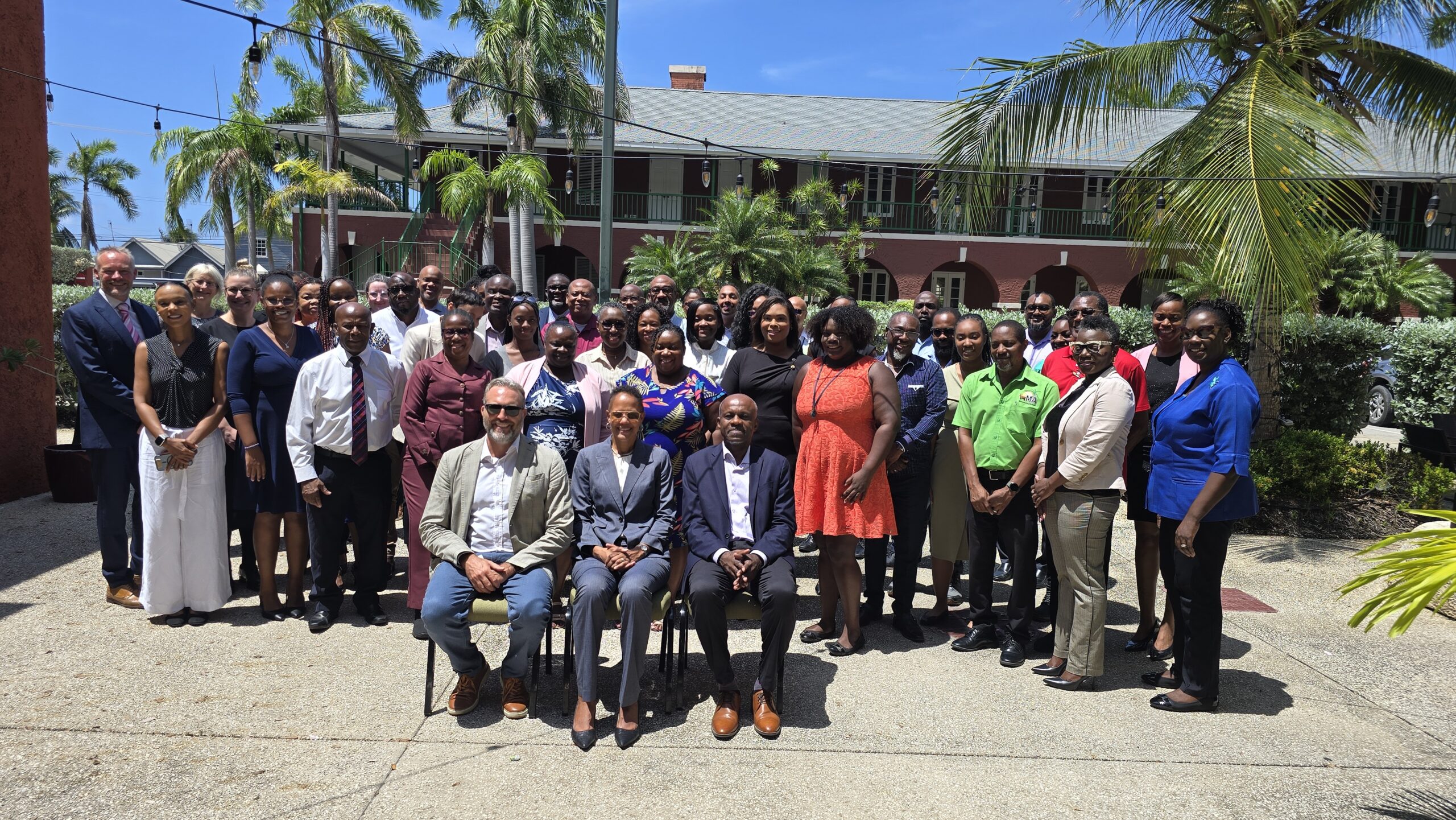
    Against a backdrop of accelerating climate impacts already reshaping Caribbean nations, Barbados has made strengthening climate measurement and transparency systems a top national priority, with senior officials framing the effort as critical to unlocking much-needed international climate funding. Deputy Prime Minister and Minister of Environment Santia Bradshaw outlined the country’s strategic goals during an inception workshop and first formal consultation round for the Global Environment Facility (GEF) Capacity Building Initiative for Transparency (CBIT) project, which brought together key environmental agencies to build institutional and technical capacity for climate action.

    Bradshaw emphasized that transparency in climate action is not just a reporting requirement under the Paris Agreement — the landmark legally binding global climate treaty — but a core strategic advantage for the island nation. “Put simply, what we cannot measure and what we cannot properly manage and what we cannot demonstrate, we will find increasingly difficult to finance,” she told attendees of the gathering. For small island developing states like Barbados, where climate change is already an immediate, lived reality rather than a distant hypothetical, robust data systems are foundational to advancing climate goals.

    Unlike many larger economies that can treat climate change as a long-term policy challenge, Bradshaw noted that the crisis is already reshaping daily life across Barbados. It is damaging coastal infrastructure, straining freshwater supplies, disrupting national food systems, threatening key economic sectors, and eroding future opportunities for local communities. As such, the work of building stronger transparency frameworks goes far beyond meeting international reporting obligations: it is about fundamentally improving how Barbados governs its climate response, tracks national progress, and makes evidence-based policy decisions that benefit all residents.

    Barbados has already laid out its formal climate commitments under the Paris Agreement, which requires all signatory nations to outline and update their voluntary national climate targets, called nationally determined contributions (NDCs). The country has submitted its second NDC, reaffirming its commitment to limiting global warming to the 1.5°C threshold outlined in international agreements and setting a target to cut absolute greenhouse gas emissions 45% below 2008 levels by 2035. To turn these commitments into action and attract the international funding needed to implement them, Bradshaw said clear evidence of results is non-negotiable. If Barbados is to call on the global community to increase climate finance commitments, it must first demonstrate its own progress and accountability for funds it already receives.

    The CBIT project, which carries a total budget of $1.25 million U.S. (equivalent to Bds$2.5 million), is being implemented in partnership with the Inter-American Development Bank (IDB) as the executing agency. Its core mandate is to build out the full suite of systems Barbados needs to measure, verify, report on, and demonstrate the impact of its climate actions across every sector. For example, if the country invests in climate-resilient agricultural practices, officials need data to prove those investments are delivering results; if it expands renewable energy and clean technology, it must quantify resulting emission reductions; and if it protects vulnerable natural ecosystems, it has to document the tangible environmental benefits those protections deliver.

    A key pillar of the effort is breaking down institutional silos across government, Bradshaw stressed. Climate change touches every aspect of national development, from energy and agriculture to infrastructure and public health, so transparency cannot be the sole responsibility of any single ministry. Instead, it requires a whole-of-government, whole-of-country approach that brings all stakeholder agencies together around shared climate goals. Strengthened coordinated transparency systems will not only meet international requirements but also standardize data collection processes, improve quality assurance, cut down on duplicative work, and create a stronger foundation for evidence-based policy across all levels of government.

    Ultimately, Bradshaw emphasized, the work of collecting and analyzing climate data is not just about tracking carbon tons or meeting reporting deadlines — it is about improving the lives of all Barbadians. Climate policy shapes family well-being, protects livelihoods, supports local business, safeguards food and national security, and builds prosperity for coming generations. For Barbados, which has been a leading voice in international advocacy for greater climate finance for vulnerable small island developing states, strong domestic systems are the necessary complement to global calls for action.

    Francesco De Simone, IDB Chief of Operations for Barbados, confirmed that the project will support the development and rollout of a national monitoring, reporting, and verification system aligned with Barbados’ NDC commitments, forming a foundational anchor for other IDB-supported climate initiatives. The work aligns closely with the IDB’s country strategy for Barbados, which prioritizes building national climate resilience, and De Simone echoed Bradshaw’s call for close coordination across government agencies and stakeholders to maximize synergies and ensure efficient use of project resources.

    Closing the consultation, Bradshaw encouraged all participating stakeholders to bring forward constructive feedback and take ownership of their specific roles in the project. She framed the CBIT initiative as a unique opportunity to strengthen Barbados’ international credibility, ensuring that its ambitious climate commitments are backed by solid evidence and measurable, verifiable results that can attract the international funding needed to turn climate goals into real action.