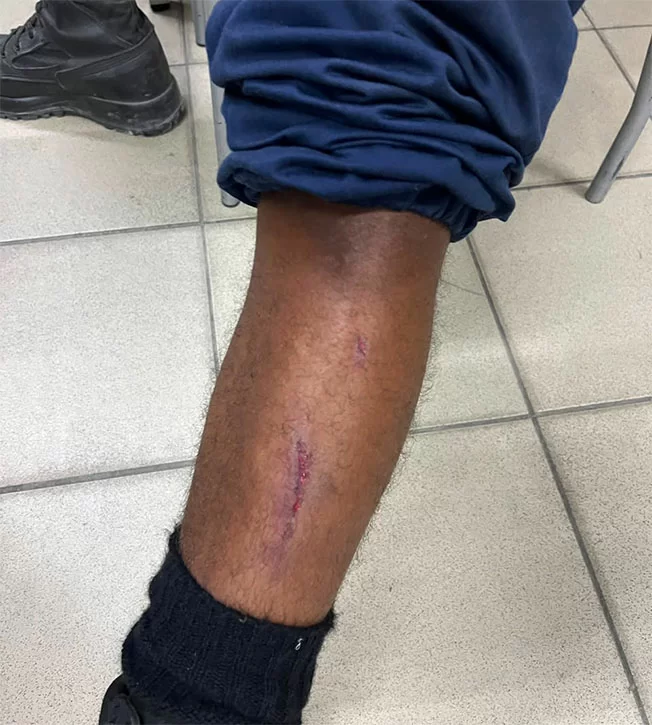
A shocking allegation of physical abuse has emerged from the Suriname Police Academy, where a trainee recruit claims he was struck in the face with a wooden object by a senior police official during a group punishment following a cash theft, leaving the recruit injured near his left eye. The incident, which unfolded on a Friday in August, has sparked official scrutiny and calls for accountability from the country’s top justice official.
博客
-
Kloof tussen mensenrechten op papier en praktijk aandachtspunt IACHR in Suriname
# IACHR Rapporteurs Conduct Two-Day Visit to Suriname Uncover Gaps Between Legal Rights and On-Ground Practice
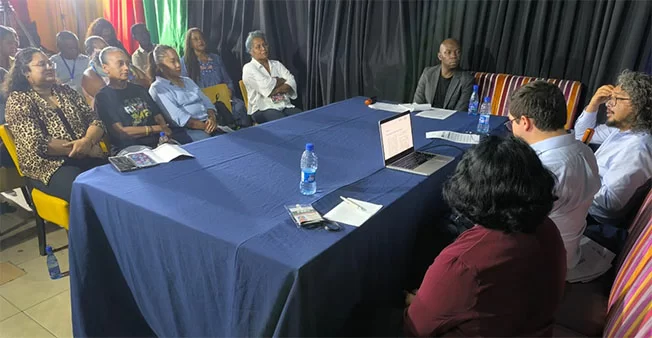
A two-day working visit by delegates from the Inter-American Commission on Human Rights (IACHR) has highlighted a persistent disconnect between constitutionally guaranteed human rights and freedom of expression in Suriname, and the reality of how these protections function in daily life across multiple sectors. The visit, hosted by the Surinamese Association of Journalists (SVJ) and held on August 21 and 22, brought together IACHR Special Rapporteur on Freedom of Expression Pedro Vaca Villarreal and human rights specialist Daniel Corredor Llorente for separate, in-depth conversations with working journalists, media representatives, and civil society organizations across the country.
All information gathered during the on-the-ground consultations will be incorporated into a formal country report on Suriname, part of the Inter-American human rights system’s ongoing monitoring work. The IACHR delegation is also scheduled to hold follow-up discussions with Surinamese government authorities to complete the information-gathering process for the assessment.
This visit also marked activity under the Rickey Singh Initiative for Journalistic Excellence in the Americas, a program launched by the Office of the Special Rapporteur on Freedom of Expression. Named for the influential Caribbean journalist Rickey Singh, who passed away in 2025, the initiative focuses on strengthening journalistic quality, credibility, and independence across North America, South America, and the Caribbean. It advances a sector-led framework for excellence, centered on professional standards, editorial transparency, and voluntary self-regulation, holding that improvements to journalism should come from within the media industry rather than through increased state control.
On the first day of the visit, the delegation opened with a planning discussion with the SVJ leadership before holding an interactive working session with more than 25 journalists and media sector representatives. SVJ Chair Nita Ramcharan noted that the initiative’s sector-led approach aligns directly with ongoing conversations within Suriname’s journalism community. “We talk extensively about press freedom and the conditions under which journalists carry out their work, but press freedom also carries inherent responsibility,” Ramcharan explained during the session. “The quality and credibility of our journalism, our independence, and the trust that society places in us are just as critical. We need to find pathways for the media sector to develop higher professional standards and self-regulation without eroding journalistic freedom.”
The session also provided space for journalists to share their own firsthand experiences, challenges, and concerns with the IACHR delegates. Participants framed freedom of expression as a fundamental right for all citizens, not only journalists, noting that the ability to seek, receive, and disseminate information is a core requirement for meaningful participation in a democratic society. Common concerns raised across both journalist and civil society consultations included threats to press and expression freedom, systemic discrimination, lack of government transparency, unequal access to fundamental rights, and consistent failures to implement existing national legislation.
The second day of the visit featured a roundtable discussion with representatives from a broad cross-section of Surinamese civil society, including women’s rights groups, children’s rights advocates, and organizations focused on historical justice and social equity. Participants again emphasized the gap between written legal protections for rights enshrined in Suriname’s constitution and actual practice, highlighting issues of discrimination, systemic inequality, and bias, alongside weak or non-existent enforcement mechanisms and pervasive lack of transparency.
A key vulnerability discussed during the roundtable centered on the relationship between civil society organizations and the national government. Participants noted that organizations dependent on government subsidies for their operations often face heightened risk when they critique state policy: multiple groups shared experiences where critical public positions led to political interference in funding approvals and renewals, creating a chilling effect on independent advocacy.
Vaca Villarreal called the roundtable a unique opportunity to collect direct, unfiltered information from diverse Surinamese social groups. The delegation also walked participants through the support and accountability mechanisms available through the Inter-American human rights system for organizations that face violations of freedom of expression or other fundamental rights.
A core recommendation that emerged from the consultations was for local actors to systematically document incidents of rights violations and build formal, organized case files. By compiling facts, correspondence, government orders, and other relevant documentation, stakeholders can not only build stronger individual cases but also identify broader systemic patterns of violations over time.
Ramcharan described the civil society roundtable as particularly eye-opening, saying it made clear that stakeholders across every sector consistently point to laws and policies that exist on paper but fail to deliver in practice. She added that public human rights education also deserves greater prioritization in Suriname: “Citizens not only need to have rights, they need to know what those rights are, how to exercise them, and where to turn when those rights are violated. Without proper implementation and public awareness, legal guarantees risk remaining nothing more than dead letters on a page.”
Ramcharan noted that the IACHR delegation was impressed by the volume and depth of information shared by both journalists and civil society representatives. She expects the final country report emerging from the visit will help advance efforts to strengthen protection and practical implementation of human rights across Suriname. The SVJ has expressed satisfaction with its role hosting the visit, noting it is critical to center Surinamese experiences in broader Inter-American debates on freedom of expression, journalistic quality, and human rights. The association also emphasized alignment between the goals of the Rickey Singh Initiative and its own longstanding work to strengthen journalistic quality and self-regulation while preserving full press freedom and editorial independence. All meetings for the visit were hosted at Paramaribo’s Redmond Pop-Up Café, a community gathering space designed for open dialogue between journalists, civil society, and political leaders.
-

SSB Sees “Significant Increase” in Pension Payments
A top official from Belize’s Social Security Board (SSB) has issued a stark warning about growing financial strain on the national pension system, driven by a dramatic, ongoing surge in retirement benefit payouts. SSB Chief Executive Officer Jerome Palma shared the agency’s latest projections during an interview with local outlet News 5 on Friday, laying out both the short-term status and long-term risks facing the country’s social safety net fund.
Palma confirmed that in 2025 alone, the SSB disbursed an extra $8 million in pension payments compared to previous years. Crucially, he emphasized that this increase is not a one-time budget anomaly: it represents a recurring, lifelong financial obligation the fund will carry for all current and future beneficiaries. Right now, the fund remains in what Palma calls an “accumulation phase,” where total revenue from worker and employer social security contributions still exceeds the total amount paid out in benefits. The SSB projects this positive gap will persist for the next three to five years. However, Palma stressed that this temporary stability does not mean the system is permanently secure, and a tipping point is inevitable as pension obligations continue to grow.
“That does not mean that we should then be or feel like, ‘Oh we are safe,’ it will reach a tipping point because what we are also seeing is a significant increase in the retirement benefit particularly,” Palma told News 5.
The cumulative impact of this annual increase is alarming, Palma added. If the $8 million annual jump holds steady over the next half-decade, the SSB’s total additional annual pension obligations could swell to between $35 million and $40 million very quickly. Unlike short-term expenses, pension payments are often long-lasting commitments: Palma noted that many beneficiaries will collect payments for 10, 15, 20 years or even longer, meaning the growing liability will not fade after the next three to five years.
“Those are the streams we are seeing and if you really think about it in 3-5 years that would mean 8 million a year multiplied by 3, 4, 5 that turns into 35 to 40 million very quickly of additional benefits that the Social Security Board will be paying out,” Palma said. “We have to prepare for those.”
Palma’s warning comes ahead of the upcoming SSB Connect event, where the board will review its recent financial performance, outline strategic plans for the coming years, discuss its current investment portfolio, and debate the policy and operational measures needed to shore up the fund’s long-term solvency to protect benefits for future generations of retirees.
-

A Basketball Court with Players But No Lights
In the dense nighttime darkness of Euphrates Avenue’s St John’s Primary School basketball court in Belize City, a small group of young men still find a way to play. Newly obtained security footage from August 21, captured by a local observer and obtained by News 5, shows the group navigating the court with barely enough ambient light to make out the rim of the hoop — a stark visual illustration of the lack of functional, accessible community recreation facilities in the area. Now, these young athletes are launching a public appeal for critical upgrades, calling on local residents, business owners and community organizations to either donate funds or provide labor to install permanent lighting that would let them use the space safely after dark.
This urgent request comes on the heels of a controversial policy shift that has upended opportunity for young people in the neighborhood: just weeks prior, the government of Belize shut down the Leadership Intervention Unit (LIU), a flagship youth employment programme that had provided short-term income for hundreds of local young adults. With the LIU’s operations halted, community residents say the unlit St John’s Primary court has become one of the only remaining structured, free recreational outlets for area youth, leaving the space in high demand even after sunset when conditions become unsafe.
The decision to pause the LIU programme has been a divisive one among Belize’s top leadership, with top officials defending the cut as a necessary reallocation of resources toward youth-focused initiatives. Speaking to reporters in a June interview, Prime Minister John Briceño argued that the programme was never designed to be a permanent employment solution, framing it instead as a short-term holding space for participants that lasted roughly three months before young people were expected to seek work elsewhere. Briceño noted that the government had already spent close to $18 million on the initiative, and said that redirecting those funds toward sports programmes and expanded after-school activities would deliver better long-term outcomes for Belize’s youth population. “We could keep these kids in school so that they don’t go down that route,” Briceño explained, emphasizing that the policy shift prioritizes prevention and broad-based access over narrow short-term employment.
That position was echoed by Anthony Mahler, the Pickstock Area Representative who also serves as Belize’s Minister of Youths. Mahler backed the pause, noting that any public programme benefits from periodic reevaluation to confirm it is delivering maximum public value. While he said he supports the core mission of a reworked LIU programme, final changes will require full review by the Cabinet before a new structure is finalized. Mahler also questioned the original programme’s cost structure, pointing out that $6 million was being spent annually to serve just 583 young men — at a time when the entire national youth budget totals only between $2.7 million and $3 million, even though 70% of Belize’s total population is under the age of 29.
For the young players who gather at St John’s Primary court every week, the government’s plan to redirect LIU funds toward sports programming makes their appeal for basic lighting all the more pressing. What was once an after-work gathering space for participants in the now-defunct jobs programme has become a critical lifeline, and players say even a basic lighting upgrade would turn an unsafe underused space into a community hub that serves the neighborhood’s growing youth population.
-
“Unacceptable, As Well As Criminal”: NEAB Speaks Out on Pastor’s Rape Case
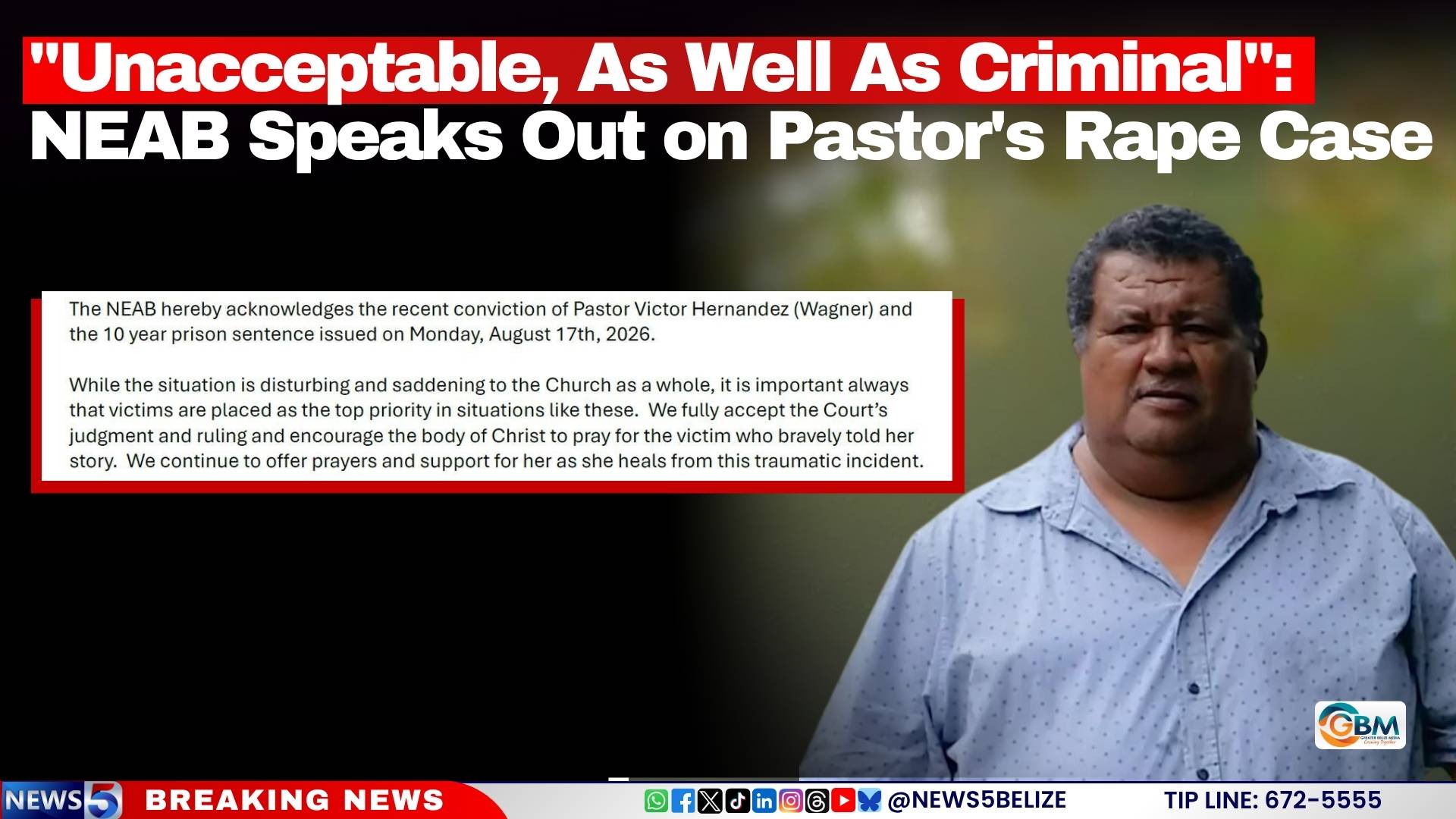
In a landmark ruling delivered on Monday, August 18, 2026, Belize’s High Court Justice Antoinette Moore sentenced former National Evangelical Association of Belize (NEAB) president Pastor Victor Hernandez to 10 years in federal prison for repeated sexual violence against a female congregant — a sentence that falls 12 years short of the combined 22-year prison term recommended by official sentencing guidelines.
Court documents detail the grave nature of Hernandez’s offenses: two separate acts of rape committed at his personal business and private residence, and a subsequent sexual assault that occurred on the premises of his own church, with the victim’s teenage daughter in attendance. The conviction follows Hernandez’s 2024 arraignment on the charges, which prompted the NEAB to immediately remove him from his leadership role within the organization.
In an official public statement released Friday by the NEAB, the national evangelical body issued a sharp rebuke of its disgraced former leader, labeling the violent offenses “unacceptable, as well as criminal.” The association acknowledged that the conviction has sent shockwaves through Belize’s faith community, noting that the outcome is “disturbing and saddening to the Church as a whole,” while reaffirming that the survivor’s well-being must remain the central priority moving forward.
“The offense was unacceptable, as well as criminal,” the NEAB statement read. “We fully accept the Court’s judgment and ruling and encourage the body of Christ to pray for the victim who bravely told her story.”
Beyond condemning Hernandez’s actions, the NEAB used the moment to call for sweeping systemic changes within Belize’s evangelical churches. The organization acknowledged that the case exposed a critical “failure of that sacred principle of leadership in the Kingdom of God,” and urged all member congregations to implement stronger interpersonal boundaries for clergy, formal accountability structures, and dedicated safe spaces to protect congregants from potential abuse by religious leaders.
-
‘Reds’ Perreira pays tribute to late cricket administrator
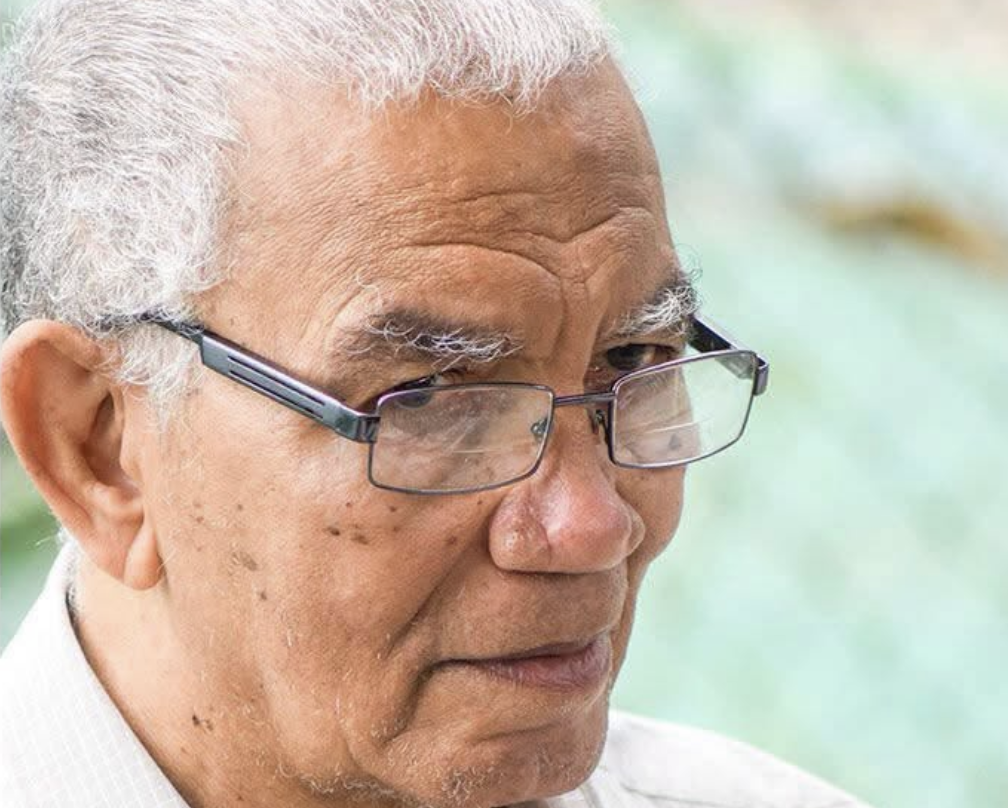
Lennox John, one of the most influential and long-serving cricket administrators in the Caribbean, passed away on August 2 in his home country of St Vincent and the Grenadines. Tributes have poured in from across the regional cricket community, with iconic commentator Joseph Reds Perreira – a friend and colleague of John’s for more than four decades – leading the remembrances of a man who shaped grassroots and elite cricket across the West Indies for decades.
John dedicated 27 years of his life to senior leadership with the St Vincent and the Grenadines Cricket Association, 17 of those years serving as the organization’s president. Beyond his national work, he held the top role at the Windward Islands Cricket Board for 16 years, and spent 24 years as a member of the West Indies Cricket Board, building a reputation as a steady, unassuming leader focused on advancing the sport rather than chasing personal acclaim.
Perreira remembered John as a deeply committed administrator whose contributions never came with a demand for public recognition. “His work made a great contribution without shouting from the hilltops for Windwards and West Indies cricket,” Perreira shared. One of John’s most memorable roles came as manager of the West Indies Youth team at the ICC Under-15 World Cup hosted in England, a position Perreira said was a perfect match for John’s strengths. John had a unique ability to connect with young players, keeping them grounded during high-stakes competition, and continued to follow their career progress long after the tour concluded. He took quiet pride in every young player who went on to represent the West Indies at multiple levels, and celebrated privately when those athletes earned spots in West Indies First Class cricket.
Beyond his administrative work, John followed in Perreira’s footsteps by spending time in the commentary booth, calling local matches across St Vincent and the Grenadines. A former educator by calling, John prioritized growing cricket at the grassroots level, leaning on his strong networking skills and media background to expand access to the sport across the region.
During Perreira’s tenure as OECS Sports Director, John played a critical role in sustaining a landmark 12-year schools cricket sponsorship across the Organisation of Eastern Caribbean States. When the OECS Sports Desk secured backing from United Insurance for the regional school cricket program, John took charge of coordinating consistent media coverage for the tournament. For 12 years, he worked alongside the government’s sports director to compile detailed match reports and results that were shared directly with United Insurance’s management in Kingstown, ensuring the sponsor remained engaged and the program stayed funded long-term.
John also lent his organizational skills to the Michael Findlay Wicketkeeping Coaching Clinic, an initiative that brought three of the Windward Islands’ most promising young wicketkeepers together for specialized training. That clinic would ultimately produce elite talent for the region: Junior Murray of Grenada, who went on to become the first Grenadian player to represent the West Indies at the international level.
Perreira emphasized that John’s decades of work building up regional cricket deserve permanent recognition, and issued a call for regional governing bodies to honor his legacy. “It is my humble wish that the present Windwards Cricket Board, in collaboration with Cricket West Indies, should arrange a relevant event so that the name of Reverend Lennox John will always be remembered,” Perreira said.
-
National Senior Games launched
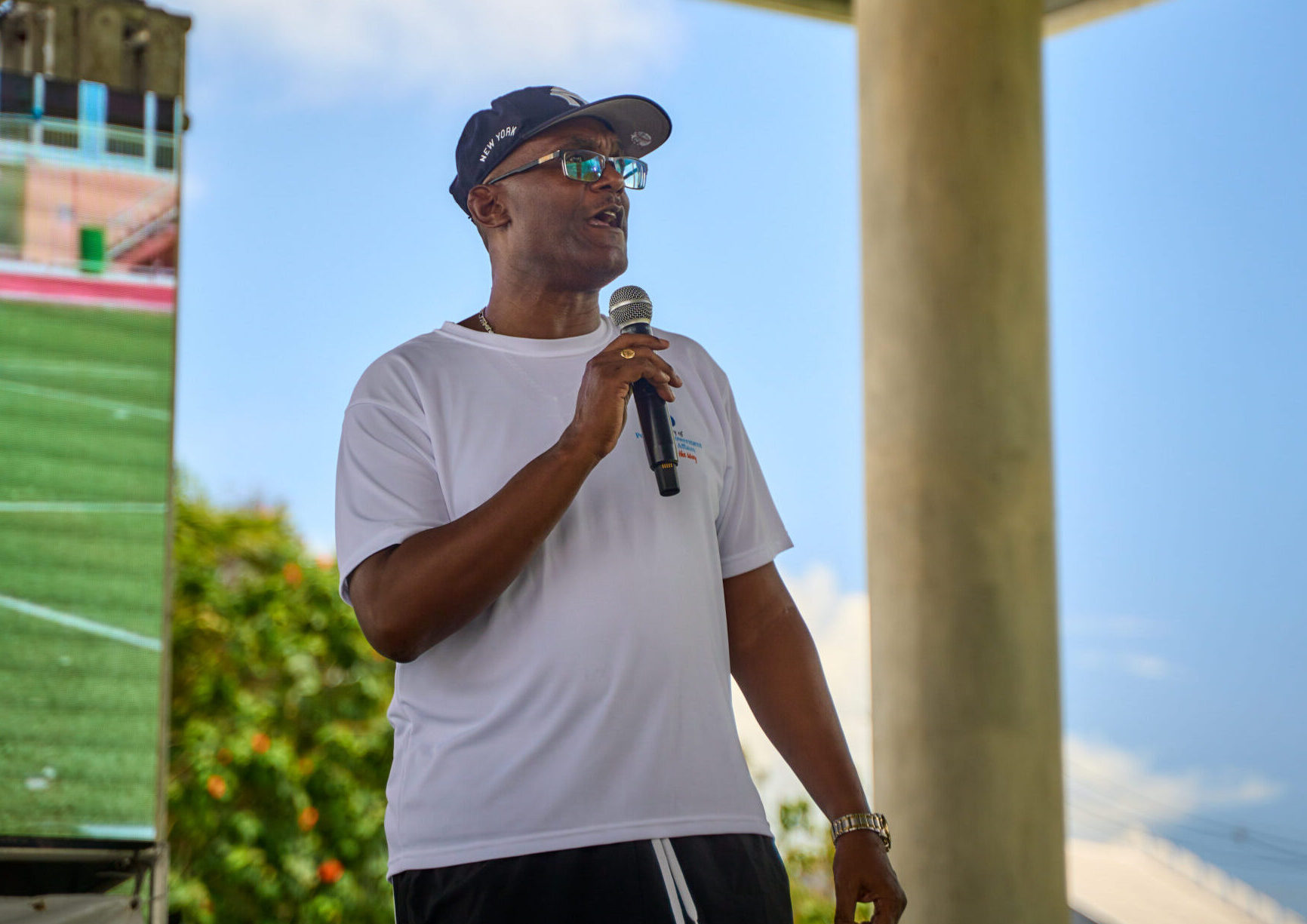
On a vibrant Saturday filled with rhythm, movement, and a bright public procession, Barbados’ Ministry of People Empowerment and Elder Affairs kicked off the 2026 National Senior Games, a nationwide initiative built to encourage older residents of the island nation to prioritize active, healthy lifestyles as they age.
The celebration began with a colorful motorcade that wound its way from the coastal Pelican Village creative hub to central Golden Square, where hundreds of senior competitors, performing dance groups, and event supporters converged for the official opening ceremony just after midday.
Addressing the gathered crowd, Mark Franklin, Deputy Permanent Secretary of the host ministry, framed the games as a critical response to the island’s rapidly shifting demographic landscape. Citing data from the 2021 national census, Franklin shared that 60 percent of all Barbadians are already over the age of 35, with demographic projections forecasting that half of the country’s total population will be aged 65 or older by 2050.
“That means we are not just facing an ageing population—we are moving toward a super-aged society,” Franklin emphasized. “Our core task right now is to build the infrastructure and opportunities that will let our seniors thrive, and that starts with encouraging the habits that support healthy, active ageing.”
The 2026 National Senior Games are the centerpiece of Barbados’ annual Month of the Elderly, a month-long calendar of programming focused on wellness, physical activity, and social connection for older adults. Franklin extended a public call to all older Barbadians to join the initiative, noting that a wide range of events beyond competitive sports will be hosted throughout September to promote healthy eating, regular movement, and community building.
To date, event organizers have confirmed that more than 150 athletes have already registered to compete in the games’ track and field competitions, with registration numbers expected to rise steadily in the weeks following the official launch. The final rounds of field events are scheduled to take place on September 19 at Harrison College, one of the island’s premier educational and athletic facilities, while track finals will be hosted on September 26 at the state-of-the-art Usain Bolt Sports Complex.
The entire initiative will wrap up on October 3 with the Active Living Festival, a community-focused event that will cap off the country’s Month of the Elderly celebrations and bring the 2026 National Senior Games to a close.
-
MP tells 11‑Plus students to think past school labels
As thousands of recent 11-Plus exam takers across Barbados prepare to start their secondary education journeys, a senior government official is pushing back against the common pressure tied to school assignment results, reminding young learners that their personal qualities, not their institution, will shape their long-term success.
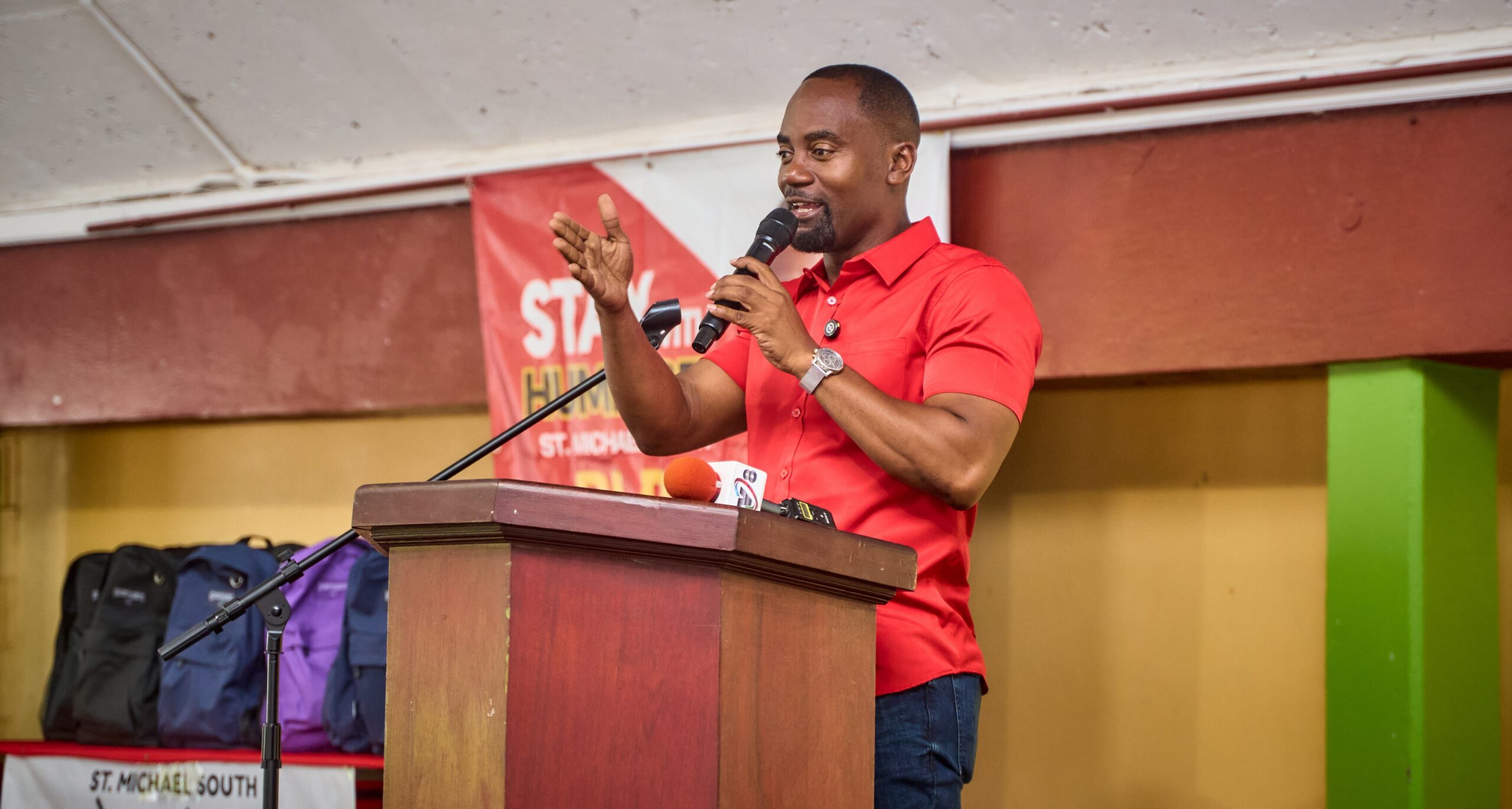
Kirk Humphrey, who serves as the country’s Minister of Transport and Works and the Member of Parliament for the St Michael South constituency, delivered this message during a back-to-school community event held Saturday at Graydon Sealy Secondary School. The gathering marked the latest iteration of Humphrey’s annual initiative, which this year distributed free backpacks and essential school supplies to nearly 40 local students from the constituency ahead of the new academic term.
Opening his address, Humphrey first extended congratulations to the students for crossing this key milestone in their educational careers, recognizing the hard work they put into preparing for the high-stakes 1-Plus examination. He then challenged the widespread cultural narrative that places outsized importance on gaining admission to the country’s most elite secondary schools.
“The school does not determine your future,” Humphrey emphasized. “Where you’re born doesn’t determine your future. There are good people everywhere, no matter where you live, no matter where you come from.”
While he acknowledged that the donated school supplies would ease the financial burden on local families and help students show up ready to learn on the first day of class, Humphrey stressed that internal growth matters far more than material resources or institutional prestige. “What’s in the bag is not always important; it is what is in the children’s head and in their heart and in their character. That is what’s important,” he explained.
The MP added that the annual program was never intended to only reward high academic performers or students who earned spots at top-ranked schools. Instead, the core purpose of the initiative is to create space for meaningful, supportive dialogue between elected leaders and the constituency’s young people. “For me, the conversations that we have with the children are even more important than what we present at the end of the day,” Humphrey said. To reinforce his point about the value of all educational institutions in the country, he added, “Any school in Barbados is a good school.”
Beyond addressing the students and their families, Humphrey used the public event to announce a renewed commitment to expanding community-focused youth programs across the St Michael South constituency in the coming months, aiming to create more consistent support systems for local young people outside of the classroom.
-

Male body recovered from sea at Calibishie
Authorities in Dominica have launched a formal investigation after an unexplained discovery of a man’s body near the coastal area of Calibishie on Wednesday. Local outlet Dominica News Online has officially confirmed the development, marking the start of what remains an open and active probe into the incident.
Following the initial recovery of the remains, law enforcement personnel moved quickly to secure the perimeter of the discovery site, establishing a cordon to preserve evidence and prevent unauthorized access to the area. As police investigators began processing the scene and conducting preliminary interviews and forensic examinations, onlookers from the local community gathered nearby to observe the response.
At this early stage of the investigation, critical details surrounding the case remain undisclosed. The official identity of the deceased individual has not been released, and law enforcement has not yet commented on the specific circumstances that led to the body being found, nor have they shared any preliminary conclusions about the cause of death.
Dominica News Online has stated that it will continue to follow developments in the case closely, and will release additional verified information to the public as new details emerge from the ongoing investigation. No further updates are available at this time.
-
Tropical Wave Near Africa Has 40% Chance of Development
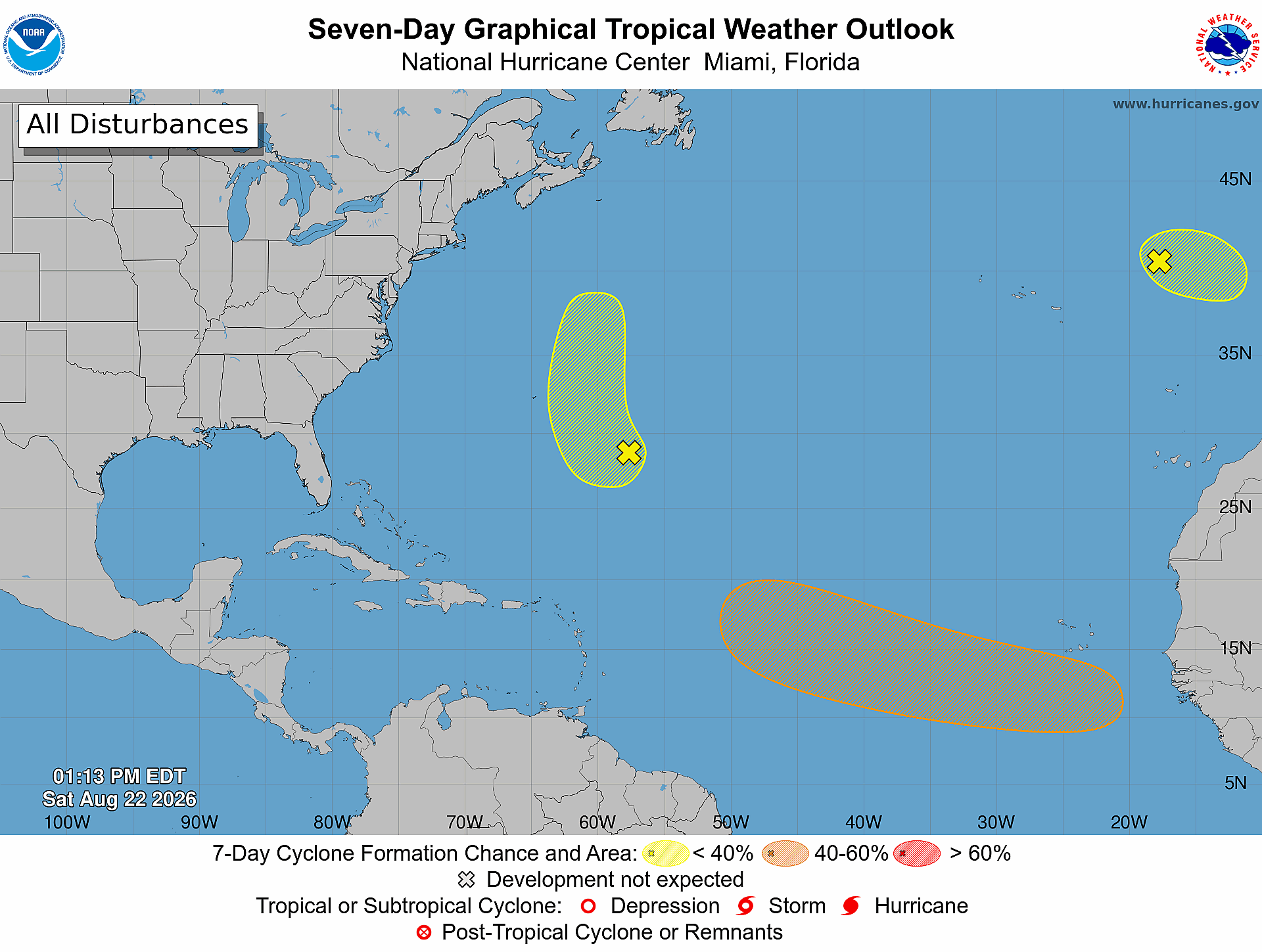
The United States’ National Hurricane Center (NHC) has begun active surveillance of an approaching tropical disturbance that is projected to exit the western coastline of Africa this coming Monday, kicking off a new period of heightened monitoring for potential cyclonic activity in the Atlantic basin.
After this tropical wave moves out over open Atlantic waters, meteorologists forecast that a low-pressure system could gradually develop in association with the disturbance. Current atmospheric and oceanic conditions across the region are only marginally supportive of further strengthening of the system, forecasters note.
Over the coming seven-day window, the emerging system has a 40% probability of organizing into a tropical depression as it tracks westward across the eastern and central portions of the tropical Atlantic, moving at a steady forward speed of between 15 and 20 miles per hour, according to NHC projections.
In addition to this newly identified African tropical wave, the NHC is also keeping close watch on two separate weather systems already located across the subtropical Atlantic. Both of these existing systems are rated as having a low probability of undergoing tropical or subtropical development over the next week, leaving the new disturbance off Africa as the highest-risk system currently being tracked by the center.