博客

  • New Board of Directors for the Sir Lester Bird Medical Centre Sworn In at Government House

    New Board of Directors for the Sir Lester Bird Medical Centre Sworn In at Government House

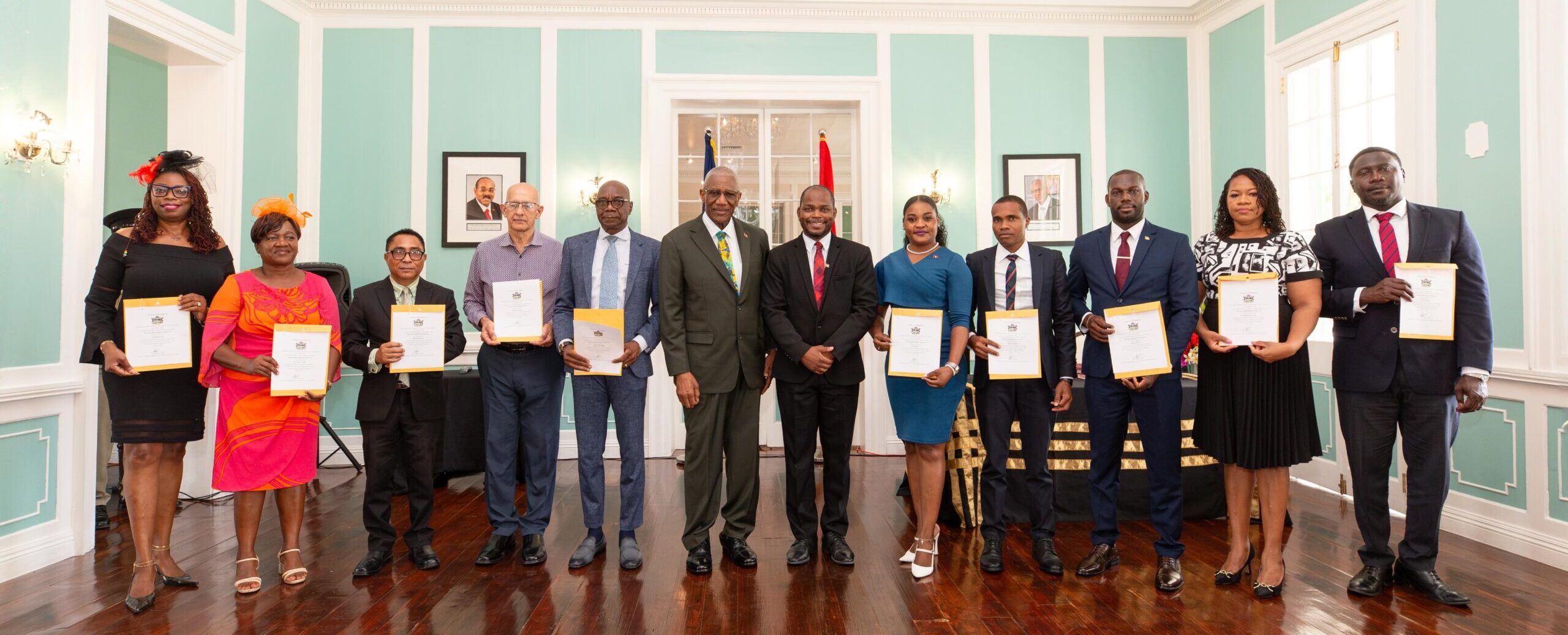
    A landmark moment for public healthcare in Antigua and Barbuda unfolded on [date of ceremony], when Governor-General, The Right Honorable Sir Rodney Williams, led the formal swearing-in ceremony for the newly assembled Board of Directors of the Sir Lester Bird Medical Centre at Government House. All appointments to the new leadership body received formal approval from the Antigua and Barbuda Cabinet during its scheduled sitting on June 4, 2026, paving the way for the incoming board to officially take up their duties at the nation’s leading public healthcare facility.

    During the ceremonial proceedings, each incoming board member stood before Governor-General Williams to recite the required Oaths or Affirmations of Allegiance, Office, and Secrecy, a mandatory step to formalize their assumption of public office. After administering the oaths, Governor-General Williams oversaw the next steps of the ceremony: each member signed the official legal documentation confirming their appointment and received their personalized Instrument of Appointment marking their new role.

    The Honourable Michael Joseph, who serves as Minister of Health, Wellness, the Environment and Civil Service Affairs, was also in attendance at the ceremony to extend official government greetings to the incoming leadership team, joining Governor-General Williams in welcoming the board members to their posts.

    The new 10-member board brings together a diverse mix of medical professionals, administrative leaders and community representatives, structured to support comprehensive governance of the medical centre. Leadership of the board will be headed by Chairman, the Honourable Dr. Philmore Benjamin, with Dr. Edmond Mansoor stepping into the role of Deputy Chairman. Martin Camacho will serve as Board Secretary, while the full voting membership of the board includes Dr. Karen Josiah, Randy Agrippa, Casmin Greene, Akeem Edwards, and Keva Dean. Two ex-officio members round out the board: Kevin Silston representing the Medical Benefits Scheme, and Dr. Kamaria DeCastro, Antigua and Barbuda’s Chief Medical Officer.

    In his opening address following the swearing-in, Governor-General Williams offered warm congratulations to all board members on their appointments, while underlining the profound importance of the role they have undertaken. He stressed that the board bears the critical responsibility of delivering strategic direction and robust, ethical governance for the country’s flagship public healthcare institution.

    Governor-General Williams urged the new leadership to carry out their duties with unwavering integrity, consistent diligence, and a persistent commitment to delivering the highest standard of care. He reminded the board that every policy decision and governance choice they make will have a direct, tangible impact on the quality of healthcare services accessible to the entire population of Antigua and Barbuda. The Governor-General also placed particular emphasis on three core values that will underpin the board’s success: collaborative working across all levels of the medical centre, transparent accountability to the public, and a willingness to embrace innovative solutions to ongoing healthcare challenges. As the board partners with the medical centre’s executive management, frontline medical professionals and all support staff, these values will be key to strengthening Antigua and Barbuda’s national healthcare system as a whole, he added.

    Speaking on behalf of the Government and people of Antigua and Barbuda, Governor-General Williams closed his remarks by extending his best wishes for a productive and successful tenure to the Chairman and all board members as they take up their critical national service roles. The Office of the Governor-General has also issued a separate statement extending formal congratulations to the entire incoming board, noting that it looks forward to seeing the board’s contributions to the ongoing improvement and expansion of high-quality healthcare services at the Sir Lester Bird Medical Centre in the coming years.
  • Flood risk warning issued for Caribbean as heavy rains forecast

    Flood risk warning issued for Caribbean as heavy rains forecast

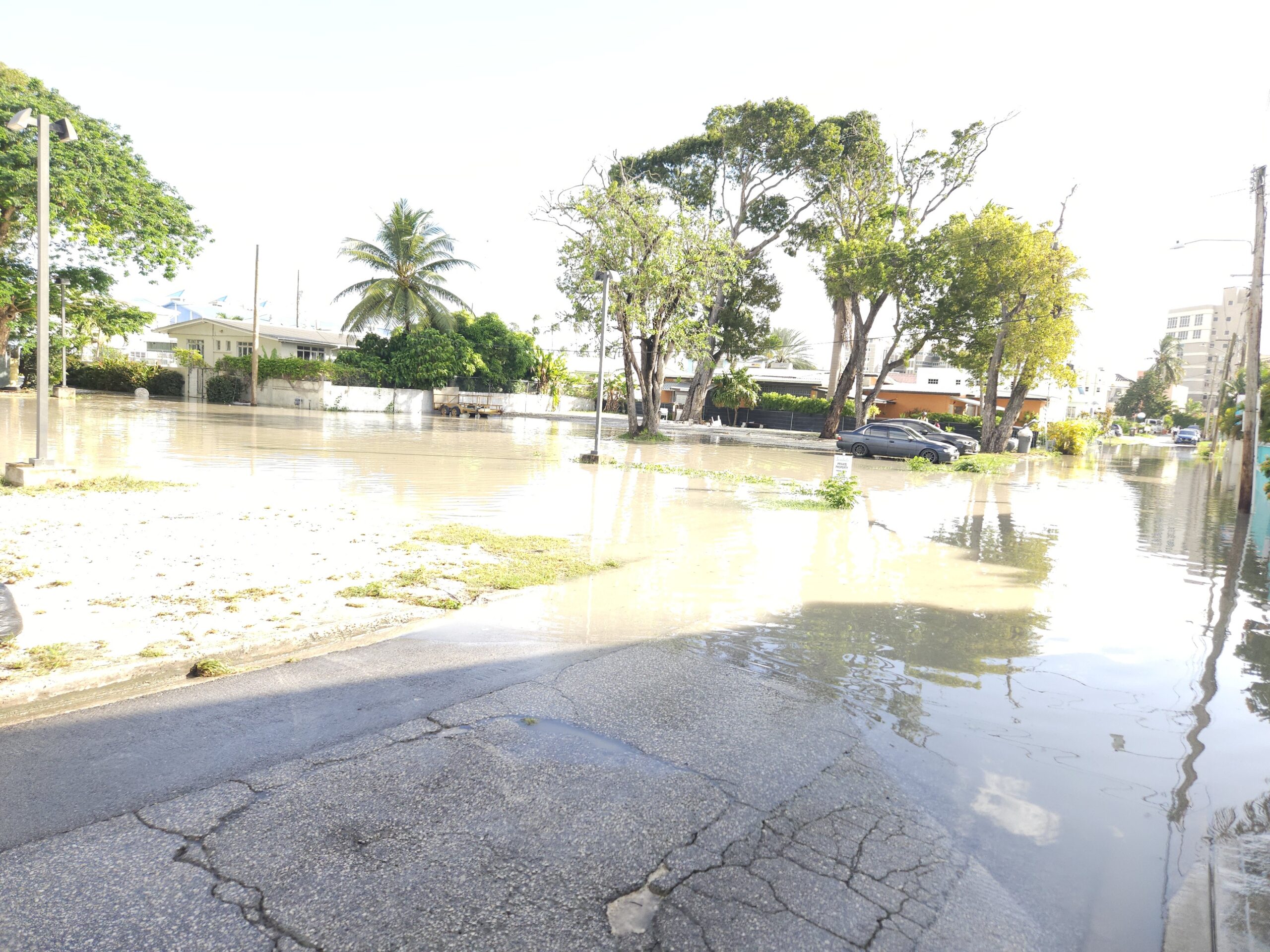
    As the Atlantic hurricane season enters its most dangerous three-month window, regional climate scientists have issued a stark warning that Barbados and dozens of other Caribbean nations face an elevated threat of destructive flash flooding and interconnected climate hazards through September, driven by three key factors: above-average rainfall, rapidly warming regional ocean waters, and a strengthening El Niño weather pattern.

    The latest quarterly outlook released by the Caribbean Climate Outlook Forum (CariCOF) covers the July-to-September period and includes a full suite of targeted projections, ranging from temperature and precipitation maps to assessments of drought risk, dry and wet spell frequency, flash flood potential, heat stress, and even a long-range forecast for the 2026 Atlantic hurricane season.

    In its official analysis, CariCOF noted that El Niño continues to intensify through the summer months of the Caribbean’s annual wet season, while ocean temperatures across the region have climbed steadily. This combination sets the stage for frequent extreme rainfall events, which in turn creates high to extremely high risk for flash flooding, widespread flooding, and cascading secondary hazards that can disrupt communities and critical infrastructure.

    A secondary climate pattern will also shape regional conditions over the coming quarter: frequent intrusions of dry, dusty air from the Sahara Desert. While this dust will act as a natural suppressor of tropical cyclone formation and intensification, it will worsen already dangerous humid heat conditions and degrade air quality across much of the region, according to forecasters.

    The steadily warming ocean waters will also drive a steady increase in humid heat through the peak of the annual heat season in September, leading to repeated, prolonged heatwave events particularly across the northernmost Caribbean islands, forecasters added.

    For the hurricane season itself, CariCOF projects uneven activity through August, followed by lower-than-average storm activity during the typical peak period in September. The forecast also notes that lingering drought conditions across the Lesser Antilles will improve more slowly than usual through September, and the overall frequency of rainfall will ramp up at a slower pace than seen in most average years.

    Drawing on data collected as of May 1, CariCOF reported that severe short-term drought has already developed across parts of western Cuba, St. Lucia, and St. Vincent. Long-term severe drought is currently impacting Aruba and southern Belize. For the agricultural sector, forecasters have reassured farmers that widespread short-term drought is not expected by the end of August. However, long-term drought is already progressing in St. Lucia, and conditions are likely to persist through the end of November in Martinique and St. Kitts.

    Looking ahead to the September-to-November period, which marks the peak of the Caribbean wet season, the second half of the Atlantic hurricane season, and the final stretch of the annual heat season, CariCOF projects ocean temperatures will continue climbing through September. Record-breaking ocean heat is particularly likely in the far northern Caribbean.

    In its long-range assessment, forecasters outlined three clear trends tied to El Niño’s continued strengthening: the pattern will amplify heat stress across the region, increase the likelihood of widespread drought during the 2026–2027 dry season, and reduce the overall severity of tropical cyclone activity in the coming months.

  • Authorities defend handling of horse export amid Grenada euthanasia controversy

    Authorities defend handling of horse export amid Grenada euthanasia controversy

    A controversial case of equine euthanasia following cross-border transport between two Caribbean nations has ignited fierce debate across the region over veterinary protocols, biosecurity rules, and animal welfare priorities. The incident, which unfolded on May 29 after two horses arrived in Grenada from Saint Lucia, has drawn conflicting perspectives from veterinary experts, government officials, and animal welfare advocates since it came to light. The two horses, owned by Rohan Smith of Bonanza Stables, were put down after Grenadian authorities confirmed they tested positive for Babesia spp., the tick-borne parasite responsible for Equine Piroplasmosis, a disease that impacts equine species but cannot spread to humans. Early unconfirmed reports claimed both animals were pregnant at the time of transport, but Saint Lucia’s Ministry of Agriculture, Fisheries, Food Security and Sustainable Development has refuted this claim, stating pre-export clinical inspections found no evidence of pregnancy in either horse.

    In the wake of the incident, Grenadian Prime Minister Dickon Mitchell has disputed Saint Lucia’s claims of procedural compliance, noting that Saint Lucian veterinary authorities held no official records of an export permit being issued for the horses. Mitchell added that the unauthorized movement of the animals violates animal health laws in both countries. The decision to euthanize the horses has also faced sharp public criticism from veterinary professionals on both sides of the border. Dr. Kenrith Carter, a practicing veterinarian, has publicly questioned whether all alternatives to euthanasia — including targeted quarantine, medical treatment, and cross-border expert consultation — were fully explored before the final verdict was reached. Dr. George Joseph, former Chief Veterinary Officer of Saint Lucia, has echoed these concerns, arguing that euthanasia was an unnecessary overstep. He pointed out that while the parasite poses risks to other equines, it cannot jump to human hosts, and established treatment protocols are widely used in regions where the disease is endemic.

    Defending the euthanasia order, Grenada’s Chief Veterinary Officer Dr. Kimond Stuart Cummings argued that the decision was rooted in protecting the country’s overall animal health ecosystem and preventing a potentially devastating biosecurity breach. For its part, the government of Saint Lucia has staunchly defended the actions of its veterinary team, maintaining that all required domestic procedures were followed at every step of the process. In a press briefing earlier this week, Saint Lucia’s Agriculture Minister Lisa Jawahir laid out the government’s account of events, noting that authorities acted fully in line with existing national regulations when the owner notified officials of his plan to move the horses back to Grenada. “There is no domestic law that prohibits a person from moving their own animals off the island,” Jawahir explained. “Our regulatory authority centers on controlling what enters our borders, not what leaves, in this case. We followed all required steps, notified Grenada of the test results, and made the owner fully aware of the risks.”

    In a detailed timeline released by the ministry last Friday, Saint Lucia’s current Chief Veterinary Officer Dr. Sharmine Melville-Edwin broke down the step-by-step sequence of events leading up to the unauthorized transport. On May 22, seven days before the horses arrived in Grenada, Saint Lucian veterinary officers completed a full inspection of the two animals to meet Grenada’s official import requirements. During that check, the horses were treated for both internal and external parasites, blood samples were collected for laboratory analysis, and initial clinical exams found no signs of infectious or contagious disease. On May 26, four days before transport, lab results confirmed the presence of Babesia spp. in both animals, and the owner was notified immediately of the positive result.

    Following the positive test, Melville-Edwin confirmed that Saint Lucia’s top veterinary official directly contacted his Grenadian counterpart to ask if the horses could be allowed entry for quarantine and treatment. In response, Grenada’s veterinary team advised that the animals would not be permitted to enter the country, and recommended that the horses complete treatment and retesting in Saint Lucia before any future export application. Both nations also explicitly notified the owner that Grenada had never issued an official import permit for the animals, and that they would be turned away on arrival. Despite multiple explicit warnings, Saint Lucian authorities later discovered the owner had arranged transport of the horses to the port of Vieux Fort for export. By the time officials contacted the local transporter contracted to move the animals, the horses had already been loaded onto the departing vessel.

    Jawahir emphasized that Saint Lucian authorities had no legal standing to intercept and detain the horses once they were loaded. “We fully informed Grenada of our findings, asked if they would accept the animals, got a clear answer of no, and passed that answer directly to the owner,” she said. “He made the independent choice to proceed with transport anyway.” After the horses arrived in Grenada, authorities followed through on their threat and ordered immediate euthanasia. Jawahir noted that the case is now moving into a law enforcement phase, confirming that the owner has been charged by Grenadian police, and further comment will be limited as the legal process moves forward.

    In closing, the Saint Lucian Ministry of Agriculture took the opportunity to remind the public of existing animal transport regulations. The ministry confirmed that Equine Piroplasmosis affects only equine species including horses, donkeys, mules, and zebras, and poses zero risk to human health. It also reiterated that all imports of live animals, animal products, and animal by-products into Saint Lucia require a valid import permit under the national Animal (Diseases and Importation) Act, and encouraged anyone planning cross-border animal movement to consult the Veterinary and Livestock Services Division in advance to avoid similar incidents.

  • Health Ministry issues Ebola travel advisory, strengthens border screening

    Health Ministry issues Ebola travel advisory, strengthens border screening

    The Dominican Ministry of Health, Wellness and Social Services has activated heightened public health protections against the Ebola Bundibugyo Virus Disease (EBVD), issuing an official travel advisory and ramping up screening protocols at all of the island nation’s points of entry amid growing cases in Central Africa.

    Under the new guidance, Dominica is strongly discouraging Dominican residents and travelers from making non-essential trips to the Democratic Republic of the Congo (DRC) and Uganda, the two countries where confirmed EBVD cases have already been documented by public health officials. For journeys to additional African nations flagged by the Africa Centres for Disease Control and Prevention (Africa CDC) as facing elevated transmission risk, the ministry is urging prospective travelers to conduct a rigorous assessment of trip necessity, and to adhere strictly to public health guidance issued by local health authorities, the World Health Organization (WHO), and Africa CDC.

    As a core component of the country’s preemptive preparedness strategy, enhanced health surveillance systems have been rolled out across every port of entry, including airports, seaports, and land border crossings. All travelers arriving from or transiting through affected regions will be required to complete additional screening steps, including detailed travel history checks and targeted risk evaluations to identify potential exposure.

    Based on the outcome of individual risk assessments, travelers who are determined to have had high levels of exposure to the virus may be mandated to complete public health monitoring, quarantine, or isolation for a period of up to 21 days, aligned with established national public health protocols for viral hemorrhagic fevers. The advisory also extends guidance to recent returnees from affected countries, urging all individuals who have traveled to high-risk zones to actively monitor their own health for a 21-day period following arrival back in Dominica.

    For anyone who develops EBVD-compatible symptoms within this window – which include fever, extreme muscle weakness, headache, sore throat, vomiting, diarrhea, abdominal pain, and unexplained bleeding or bruising – the ministry advises immediate self-isolation. Symptoms should not lead to unannounced visits to healthcare facilities; instead, affected individuals must contact local public health officials by phone first to receive structured, safe guidance for care.

    Beyond travel-focused precautions, the ministry has reminded the general public of core preventive hygiene practices that reduce the risk of any viral infection, including frequent and proper hand hygiene, avoiding direct contact with other people’s blood or bodily fluids, steering clear of individuals displaying visible EBVD symptoms, and limiting exposure to wild animal reservoirs of the virus, particularly bats and non-human primates that are known to carry Ebola strains.

    To coordinate an effective, data-driven response, the Dominican ministry said it is maintaining close, ongoing collaboration with regional and global public health partners, including the Pan American Health Organization (PAHO), WHO, and the Caribbean Public Health Agency (CARPHA). These partnerships support continuous real-time monitoring of the global outbreak trajectory and ongoing capacity building to strengthen Dominica’s domestic preparedness infrastructure.

    In a reassuring note to the public, ministry officials emphasized that the current risk of EBVD being introduced to Dominica remains low. The intensified preparedness measures are being implemented out of an abundance of caution, to prevent introduction and rapid spread if the virus does reach the island. Officials also urged the public to only seek information from official sources, including the Ministry of Health and accredited international public health agencies, to avoid misinformation about the outbreak and response.

  • Guyana pushes for free and fair elections, economic reforms in Cuba

    Guyana pushes for free and fair elections, economic reforms in Cuba

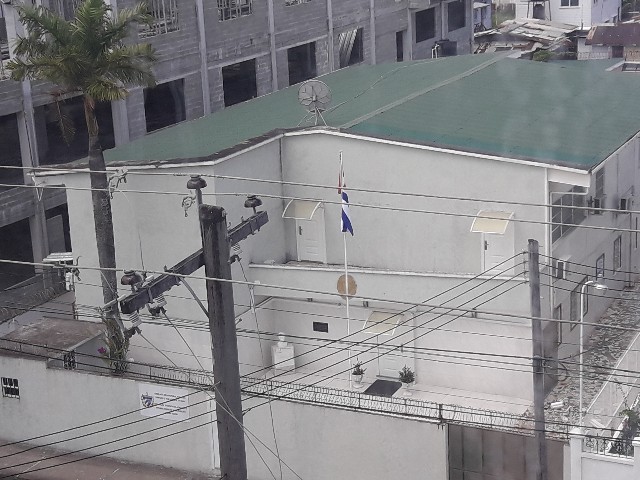
    As of Friday, July 3, 2026, Guyana has joined growing international discourse around Cuba’s political and economic future, issuing an official statement asserting that the Cuban people alone must determine their own path through free and fair elections while calling for diplomatic dialogue to de-escalate ongoing regional tensions. The declaration comes against a backdrop of sustained pressure from the United States pushing for democratic transitions and sweeping economic overhauls in Cuba.

    In its official release, Guyana’s Ministry of Foreign Affairs laid out its core position: any lasting resolution to Cuba’s current challenges must be rooted in the explicit will of the Cuban public, grounded in universal democratic norms, respect for the rule of law, international humanitarian standards, governmental transparency, and accountable governance. The ministry referenced the foundational text of the United Nations Declaration of Human Rights, which enshrines the principle that the authority of governing bodies derives from the will of the people, a will that must be expressed through regular, legitimate elections conducted via universal equal suffrage and secret, free voting processes.

    The Guyanese government emphasized that it stands in solidarity with the Cuban population amid the country’s ongoing economic and humanitarian struggles, and it remains open to supporting any sustainable solution that addresses these issues. The statement comes weeks after Cuba’s national government rolled out broad economic reforms designed to move the country away from its long-standing command-style economic model. The policy shift has unfolded alongside widespread concerns that the U.S. is planning military intervention to remove the current administration led by President Miguel Diaz-Canel from power.

    Against this volatile backdrop, Guyana reaffirmed its belief that inclusive dialogue is the only viable path forward to unlock long-term development for the Cuban people. “We encourage diplomatic dialogue that would promote stability and lead to the prosperity of the Cuban people, and the creation of opportunities that optimise the full potential of the Cuban people in an economic environment that guarantees the freedom of the Cuban people,” the ministry’s statement read.

    This position aligns with comments Guyana’s leader made in May 2026, on the sidelines of the inaugural Shield of the Americas Summit hosted by U.S. President Donald Trump. During an interview with Fox News, the Guyanese head of state called for a political transition that would open access to greater prosperity and democratic governance for Cubans. “There must be dialogue but those changes must lead to the improvement of the people of Cuba. It must lead to better conditions for the people of Cuba, must lead to a society in which the rule of law, in which democracy, in which freedom is celebrated,” he stated at the time.

    In addition to citing the UN Declaration of Human Rights, Guyana’s foreign ministry also referenced provisions from the United Nations Convention on Civil and Political Rights, which guarantees all citizens the right and opportunity to participate in public affairs—either directly or through freely elected representatives—and to vote and stand for office in regular, legitimate elections held via universal equal suffrage and secret ballot that protects the free expression of voters’ will.

    Guyana is not alone among Caribbean U.S. allies in taking this stance. Trinidad and Tobago Prime Minister Kamla Persad-Bissessar, who also attended the Shield of the Americas Summit, has previously issued her own call for democratic reform in Cuba, aligning the two neighboring Caribbean nations’ positions on the ongoing regional debate over Cuba’s future.

  • Parents seek action amid abuse claims at Reunion Primary

    Parents seek action amid abuse claims at Reunion Primary

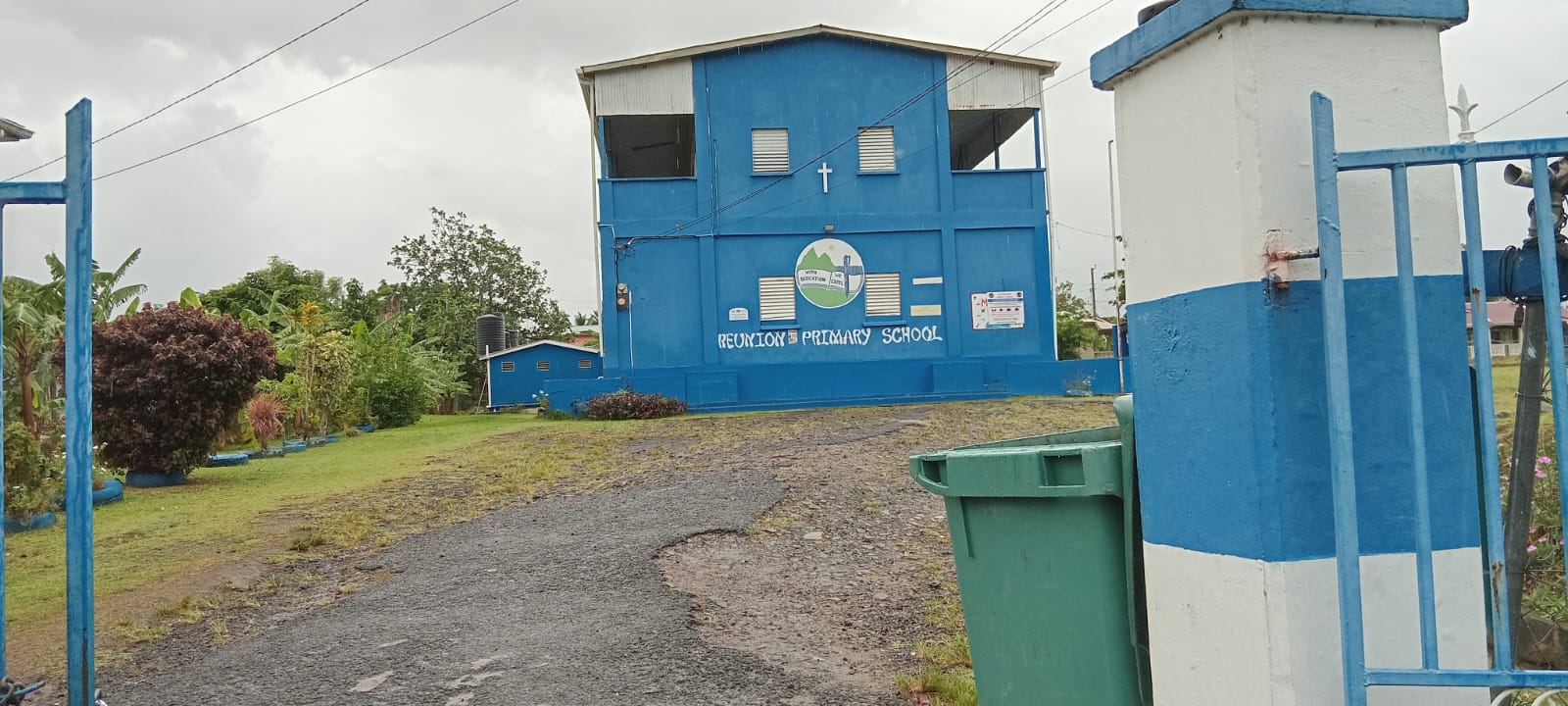
    A growing wave of discontent is shaking Reunion Primary School, a rural campus located in Choiseul, Saint Lucia, as multiple parents and even some school staff have leveled serious allegations against the school’s sitting principal, Sheran Pierre, calling for urgent educational authorities to intervene and hold those responsible accountable.

    The first public allegation came from Melonie King, a local parent with four children currently enrolled at the school. In a handwritten complaint submitted to the District Education Officer earlier this year, a copy of which has been acquired by St Lucia Times, King claims that Pierre physically assaulted her 10-year-old son during a school-wide student assembly in February. King told reporters that after her son disclosed the incident to their family, her husband arranged a face-to-face meeting with the principal, who King says explicitly admitted she had acted inappropriately. Despite this confession, King says no disciplinary action has been taken against Pierre to date, even after she repeatedly escalated the issue to senior education officials. Beyond the abuse allegation, King has also accused the principal of misusing food donations that King herself personally contributed to the school for student meal programs.

    A second parent, Dr. Mark Melius, has come forward to back King’s claims, adding his own separate set of allegations against the principal. The conflict between Melius and Pierre dates back to April 21, when Melius confronted a student who had reportedly struck his young daughter on school grounds. In an official complaint dated May 20, 2026 addressed to Chief Education Officer Beverly Dieudonne, Melius alleges that Pierre launched a coordinated campaign to damage his reputation among the school community, falsely claiming that he used aggressive foul language toward the student who had harmed his daughter. Melius calls these claims a complete fabrication, part of a misleading false narrative crafted to deflect blame from the school administration.

    When reached for comment by St Lucia Times, Pierre pushed back aggressively against all allegations, denying every claim of abuse, mismanagement, and reputational harm. She refuted King’s assault allegation outright, stating that the incident never occurred, and suggested that King is motivated by personal grievances to deliberately tarnish her professional reputation. Regarding the conflict with Melius, Pierre clarified that the claim of Melius using obscene language did not originate with her – it was the student involved in the altercation who first made the assertion. She added that the entire Melius incident had already been reviewed and addressed by the Office of the Chief Education Officer in a formal meeting.

    That meeting, which included Melius, Pierre, Chief Education Officer Dieudonne, and a third representative, did little to resolve tensions, according to Melius. The parent told reporters that the discussion failed to address what he calls the core issue: Pierre’s alleged unprovoked attack on his character. He also added that Pierre showed no concern or empathy for his daughter, who was injured in the earlier student altercation. Far from offering accountability, Melius says meeting attendees advised him that the simplest solution to the conflict would be to transfer his children out of Reunion Primary School entirely.

    Beyond the two named parents’ complaints, St Lucia Times has obtained additional correspondence that points to widespread discontent with Pierre’s leadership across the school community. An unsigned open letter dated May 10, 2026, published under the name “the Concerned Staff, Parents & Legal Guardians of the Students of the Reunion Primary School” echoes many of the allegations leveled by King and Melius. Separately, a signed letter from an anonymous current staff member at the school also corroborates King’s claim that the principal has misused donated food resources earmarked for student use. To date, the Ministry of Education has not issued an official statement on the allegations, nor announced any formal investigation into the claims.

  • Alfred out as teams named for Commonwealth, CAC Games

    Alfred out as teams named for Commonwealth, CAC Games

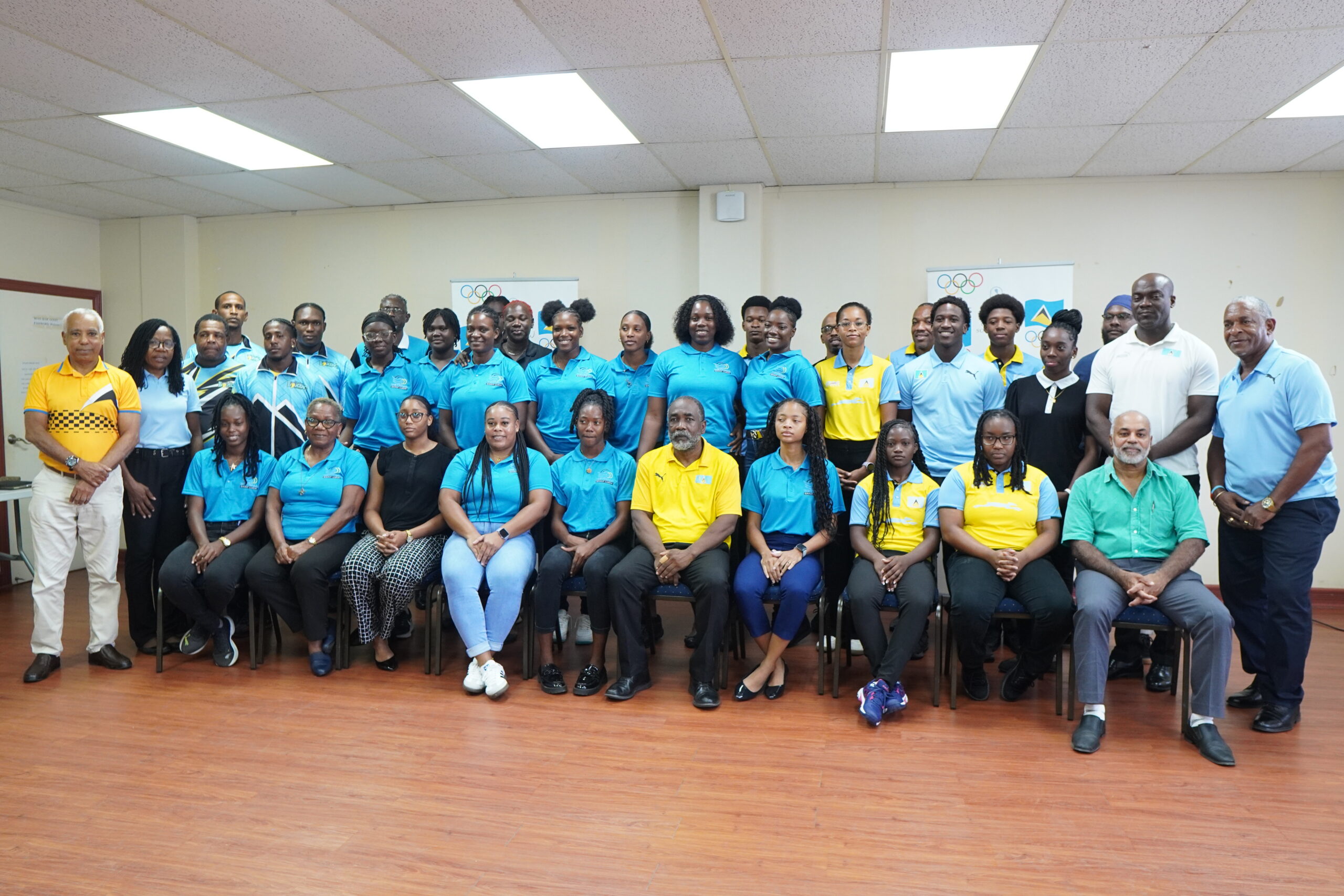
    With less than three weeks remaining until the 2026 Commonwealth Games kick off in Glasgow, Scotland, the Saint Lucia Olympic Committee (SLOC) has delivered a major surprise alongside announcing its official delegations for two back-to-back regional and global multi-sport events.

    In a public press conference held on July 1, SLOC not only confirmed its roster for the XXV Central American and Caribbean (CAC) Games set to run in Santo Domingo, Dominican Republic from July 24 to August 8 but also revealed that reigning Olympic women’s 100m champion Julien Alfred will not compete in Glasgow. This announcement reverses earlier expectations that Alfred, who claimed a 100m silver medal at the 2022 Birmingham Commonwealth Games, would return to defend her medal at the 2026 iteration.

    Across both events, the size and scope of Saint Lucia’s participation differ dramatically. For the Commonwealth Games, which will run from July 23 to August 2, only three track and field athletes will represent the Caribbean nation—all of whom are male sprinters. Three sports that were expected to field athletes in Glasgow, including netball, boxing, and weightlifting, will not send competitors to Scotland, and swimming will be unrepresented at both the Commonwealth Games and the CAC Games.

    The small size of Saint Lucia’s Commonwealth Games track and field delegation stems from strict qualification rules put in place by the Saint Lucia Athletics Association and SLOC. To earn a spot on the Glasgow roster, athletes were required to hit the established performance qualification standard three times across a specified qualifying window, with at least one valid result recorded during the 2026 competitive season. Of all the athletes who attempted to hit the mark, only four managed to meet the standard, and ultimately just three were selected.

    Leading the small Saint Lucian delegation in Glasgow is Khailan Vitalis, a hurdler competing for Clemson University. Vitalis will contest the men’s 110m hurdles on July 27, and he enters the Games ranked among the top 16 hurdlers in the Commonwealth this year. He far exceeded the qualification requirements, hitting the standard 11 times over the qualifying window. On July 28, 2024 Olympian and national 400m record holder Michael Joseph will join compatriot Marvric Pamphile, a member of the British Army, in the men’s 400m heats. Joseph hit the qualification mark seven times, while Pamphile managed to hit the required standard three times, all of which came during the 2025 season. Two additional individual competitors will round out Saint Lucia’s entire Commonwealth Games delegation: two-time Olympic sailing competitor Luc Chevrier in the men’s laser event, and Yadhu Urs in men’s golf.

    For the larger CAC Games in Santo Domingo, Saint Lucia will field a far bigger contingent, with 26 athletes competing across seven different sports. All three sports that skipped the Commonwealth Games—netball, boxing, and weightlifting—will compete in Santo Domingo, joined by golf, table tennis, sailing, with track and field also represented. Notably, this tournament will mark Saint Lucia’s debut in competitive weightlifting at a multi-sport event, with Raiven Gabriel and Jennica Albert set to make history as the nation’s first weightlifting competitors at this level.

    Vitalis, fresh off his run in Glasgow, will be the only track and field athlete representing Saint Lucia in the CAC Games, and he is scheduled to compete in the tournament’s opening rounds on August 4. Boxing will send three competitors: John Didier, Kyghan Mortley and Donaii Cooman, while the table tennis delegation features six athletes, with three men (DeAndre Calderon, Manie Eleuthere, and Leshon Francis) and three women (Shatal Charles, Zarianne Anthony, and Cherese Darcheville) competing.

    Saint Lucia’s netball team, ranked fourth heading into the CAC Games, will face a challenging group stage from August 3 to 7, with matches scheduled against Trinidad & Tobago, the Dominican Republic, Bermuda, defending champions Jamaica, and Barbados. There is lingering uncertainty over the full strength of group contenders Jamaica and Trinidad & Tobago, as both nations’ netball squads are also competing at the Commonwealth Games in Glasgow, where the netball competition concludes on August 2—just one day before the CAC Games netball tournament kicks off.

    To boost their medal chances, Saint Lucia’s netball roster has been reinforced with high-profile talent, including professional basketball player Megan Nestor and collegiate athlete Dasha Eugene. The squad also features Jermia Martial, named Most Valuable Player at the recent Coast To Coast tournament, and Naija Ferdinand, captain of Saint Lucia’s Under-16 national team. The full 12-player roster is completed by Lizzy Dorvius, Aaliyah Estephor, Kiana Nelson, Lerkisha Felix, Melika Destang, Patrina Wilson, rising young schoolgirl shooter Neriah Charler and Roxanne Snyder.

  • Rouwenden betuigen hun eer terwijl de gedode Iraanse leider Ali Khamenei opgebaard ligt

    Rouwenden betuigen hun eer terwijl de gedode Iraanse leider Ali Khamenei opgebaard ligt

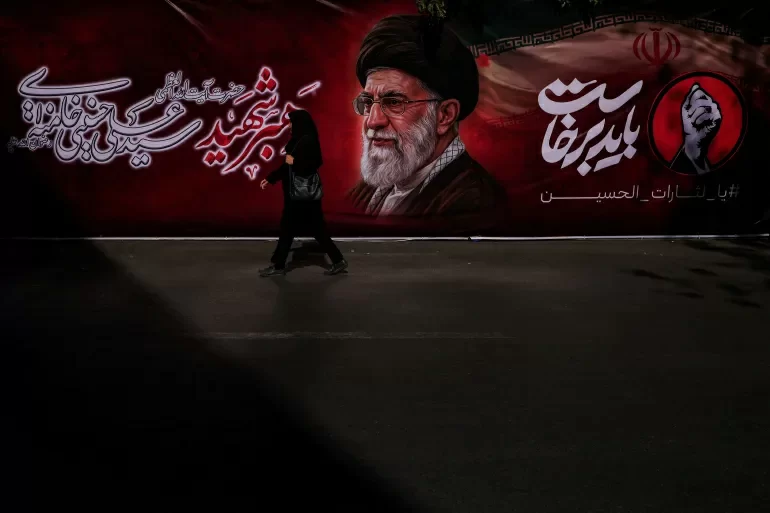
    Seven days of official state funeral ceremonies for Iran’s former Supreme Leader Ayatollah Ali Khamenei have formally commenced in Tehran, drawing high-level foreign delegations from more than 100 nations to honor the leader who ruled the country for 37 years before his death in a US-Israeli airstrike earlier this year.

    Khamenei, 86, was killed alongside multiple family members — including his daughter, son-in-law, and three-year-old granddaughter — in a February 28 airstrike carried out on the opening day of a joint US-Israeli military campaign against Iran. His coffin was first unveiled to crowds of weeping supporters late on the Thursday preceding the public lying-in-state, before being moved alongside the caskets of his fallen family members to Tehran’s Grand Mosalla, a massive prayer complex built to honor Khamenei’s predecessor, Ayatollah Ruhollah Khomeini, where it lay in repose on Friday.

    The funeral had originally been scheduled for March, but the months of open conflict that followed Khamenei’s killing forced a delay until this week, following the conclusion of major combat operations. Weeks after Khamenei’s death, his son Mojtaba Khamenei formally succeeded him as Iran’s new Supreme Leader.

    According to official statements released via Khamenei’s X account, his coffin is draped in a historic flag that previously flew over the Imam Hussein Shrine in Karbala, Iraq. Iranian government officials described the red banner, emblazoned with white text, as a lasting symbol of resistance, sacrifice, and ideological commitment to the Islamic Republic.

    On Friday, Iranian President Masoud Pezeshkian was among the first senior domestic officials to pay his respects to Khamenei at the Grand Mosalla, alongside other top Iranian leaders including Parliament Speaker Mohammad Baqer Qalibaf, Expediency Council Chairman Ayatollah Sadeq Amoli Larijani, and Judiciary Chief Gholamhossein Mohseni Ejei.

    Al Jazeera correspondent Mahmoud Abdelwahed, reporting on the ground from Tehran, confirmed that Friday’s ceremony was reserved for invited foreign dignitaries, which included sitting heads of state, prime ministers, parliamentary speakers, and other senior envoys from roughly 100 participating countries. Notably, no invitations were extended to European nations that publicly supported the US-Israeli military campaign against Iran, Abdelwahed added. Among the confirmed high-profile foreign attendees were Pakistani Prime Minister Shehbaz Sharif, Iraqi President Nizar Amidi, and Tajik President Emomali Rahmon. The foreign delegation’s arrival followed a closed-door reception held at the Grand Mosalla complex the previous evening, which was also attended by family members of other Iranian citizens killed in the ongoing conflict, as well as victims of a 12-day June 2025 war between Iran and Israel.

    Security across the Iranian capital has been raised to the highest possible alert level ahead of the week of ceremonies, as authorities prepare for large crowds of public mourners when the public lying-in-state begins on Saturday morning, with a regional heatwave adding logistical challenges to crowd management.

    One of the most notable appearances at Friday’s ceremony came from General Ahmad Vahidi, the newly appointed commander-in-chief of the Islamic Revolutionary Guard Corps (IRGC), who made his first public appearance since February 8 alongside Khamenei’s casket. Vahidi took over the IRGC’s top role after his predecessor Mohammad Pakpour was killed in the same opening-day US-Israeli airstrike that killed Khamenei, and he had not been seen publicly in the months following the attack. A former head of the IRGC’s elite Quds Force, Vahidi has long been one of the Islamic Republic’s most prominent hardline military figures.

    Speaking on the sidelines of Friday’s ceremonies, Major General Amir Hatami, commander-in-chief of Iran’s regular armed forces, issued a public vow of revenge against the United States and Israel for Khamenei’s killing. “With even greater determination, we declare to the enemies of the Iranian nation — America and the criminal Zionist regime — that we will avenge the blood of our martyred leader Khamenei,” Hatami told reporters on Friday.

    After the public mourning period begins on Saturday, the funeral procession will travel through Tehran and the holy city of Qom before making a brief crossing into Iraq on July 8. The final burial ceremony is scheduled for July 9 at the Holy Shrine of Imam Ali Reza in the northeastern Iranian city of Mashhad.

  • 57 Belizean Students Awarded with Scholarship to “Go Further”

    57 Belizean Students Awarded with Scholarship to “Go Further”

    Fifty-seven ambitious young Belizean students have turned their academic aspirations into tangible progress this week, after being selected as the latest recipients of one of the Central American nation’s longest-running private-sector education support programs. Now in its 35th iteration, Belize Telemedia Limited (BTL), operating under its consumer brand Digi, has marked a historic milestone for its flagship scholarship initiative by opening eligibility to junior college students for the first time ever.

    Of the 57 awardees, 40 are incoming high school students, while 17 will begin their junior college studies in the upcoming academic term. Unlike many basic tuition-only scholarships, the program provides holistic, ongoing support that covers full tuition fees, course textbooks, required school supplies, and home internet connectivity to remove access barriers for learning. Recipients also receive dedicated mentorship throughout their entire course of study to help them navigate academic and personal challenges.

    At the official award ceremony held July 3, 2026, BTL Chief Executive Officer Ivan Tesucum emphasized that the scholarship program is far more than a one-off corporate donation—rather, it is a decades-long strategic investment in Belize’s future workforce and national growth. “Today each and every one of us sees the future of Belize in this room,” Tesucum told attendees. “We’re looking at students who have worked hard, who stayed focused, who kept trying, and who have earned this moment.”

    Tesucum explained that Digi allocates more than $300,000 each year to fund the scholarship program, rooted in the company’s core belief that education is one of the most powerful catalysts for equitable national development. This year’s cohort carries the theme “Go Further,” a motto that Tesucum framed as a call for persistence rather than a promise of easy success. “It does not mean you will never face challenges; it means that when school gets difficult, you keep going,” he said. “It means that every day, little by little, you choose discipline over distraction, consistency over convenience or comfort, effort over excuses, and purpose over fear.”

    The expansion of the program to include junior level post-secondary students reflects growing recognition of the gap between secondary school completion and entry into the workforce or higher education in Belize, and the private sector’s ongoing commitment to filling that gap to support long-term national progress. For the 57 award recipients, the scholarship removes many of the financial and logistical barriers that have derailed many promising students’ academic journeys, opening a clear path for them to advance their education and contribute to Belize’s future.

  • BINI plaatst kanttekeningen bij opzet Nationaal Ontwikkelingsplatform

    BINI plaatst kanttekeningen bij opzet Nationaal Ontwikkelingsplatform

    A Surinamese civil society organization focused on participatory governance, the Burgerinitiatief voor Participatie en Goed Bestuur (BINI), has publicly raised critical concerns about the structure and approach of the country’s National Development Platform, a body tasked by President Jennifer Simons with drafting a long-term national development strategy through to 2050. BINI argues that the current composition of the platform falls short of inclusive standards, and that additional safeguards are required to deliver a development plan that enjoys broad public support and centers marginalized community voices.

    The organization acknowledges the enormous value of crafting a long-term national vision for Suriname, particularly as the country prepares to draw substantial new revenues from its emerging offshore oil and gas sector. BINI emphasizes that core principles of human rights, grassroots participation, and accountable governance must be embedded into the planning process from its earliest stages, rather than added as afterthoughts.

    Currently, BINI’s analysis finds, the National Development Platform is dominated by representatives from government, the private sector, and economic analysts. This overrepresentation of political and commercial interests risks skewing the entire planning process toward a narrow political-economic perspective, while civil society groups, ordinary citizens, and Indigenous and tribal communities are only slated to be consulted at a much later phase of the process. BINI stresses that lasting, sustainable development cannot be built on a framework that sidelined human rights in the initial stages of planning; these values must be the foundation that the entire 2050 strategy is built upon.

    To address these gaps, BINI has put forward four concrete recommendations to strengthen the inclusivity and accountability of the planning process:

    First, the organization calls for an independent assessment of the final draft development plan by outside experts specializing in human rights, sustainability, and gender equity. The full results of this assessment must be made publicly accessible to all Surinamese citizens.

    Second, BINI is demanding a formal, legally binding public participation protocol that outlines in advance exactly how citizens, civil society organizations, and local communities will be included in drafting the plan. Critically, the protocol must enshrine the principle of Free, Prior and Informed Consent (FPIC) for Indigenous and tribal communities, recognizing their inherent right to approve or reject projects that impact their traditional lands.

    Third, BINI insists that the final development plan must be explicitly aligned with all international human rights treaties that Suriname has ratified. The organization argues the plan should not prioritize economic growth alone; it must also center critical public priorities including education access, public health services, environmental protection, and the legal and social rights of vulnerable and marginalized population groups.

    Fourth and finally, BINI warns that the one-year timeline allotted for drafting the full 2050 development plan is far too short. A compressed timeline, the group says, carries a high risk that public consultations will be limited almost exclusively to populated coastal regions, leaving communities in inland areas excluded and preventing meaningful broad-based public participation across the country.

    In closing, BINI clarified that it is not seeking seats on the National Development Platform itself. The organization notes that an independent oversight and advisory role is far more consistent with its core mission, pointing to its long track record of policy monitoring reports, election manifesto analysis, alternative shadow reporting for UN treaty bodies, and legislative development contributions. The full text of BINI’s criticism and recommendations is available for public download as a documented report.