博客

  • Pringle Says Third-Country Deportee Deal Lacks Transparency

    Pringle Says Third-Country Deportee Deal Lacks Transparency

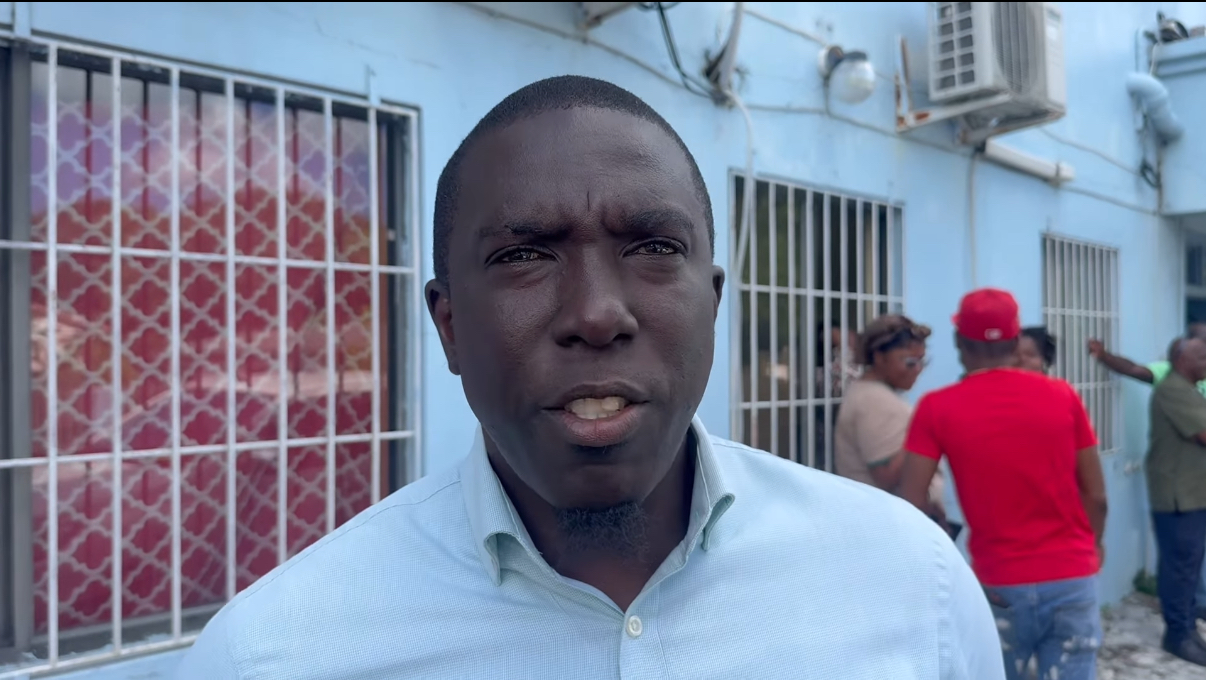
    A growing political controversy has erupted in Antigua and Barbuda over the administration’s closed-door negotiations for a potential third-country deportee reception agreement, with Opposition Leader Jamal Pringle launching sharp criticism of the government’s failure to engage in inclusive consultation with lawmakers and the general public ahead of finalizing talks. Speaking during an interview with Observer Radio’s flagship current affairs program *Voice of the People* this Tuesday, Pringle laid out his core argument that the Browne administration violated basic democratic norms by choosing to handle the high-stakes national issue unilaterally, rather than opening dialogue with opposition legislators from the earliest stages of negotiation.

    Pringle emphasized that the scope of the proposed agreement carries far-reaching consequences for the entire nation, making public transparency and inclusive input non-negotiable. “When this third-country deportee proposal first emerged, the very first step the government should have taken is to convene opposition members and open a formal dialogue,” Pringle stated during the interview. “There should be full public disclosure of all details surrounding this plan, and wide-ranging consultation with the people of Antigua and Barbuda. This is not an issue that can be decided by the government alone – it will impact every corner of our country, and every citizen deserves a say.”

    The opposition leader has doubled down on longstanding demands for the government to publicly release the full text of the memorandum of understanding (MOU) that outlines the terms of the arrangement, and to formally table the document for debate in the national Parliament. Pringle recalled that he first made this request weeks prior, noting that parliamentarians require full access to all relevant details to carry out their oversight responsibilities. He stressed that the agreement must be framed as a collective national decision, not one imposed from the executive branch without broader buy-in. “This process has to be driven by the people,” Pringle said. “It is not the place of Gaston Browne and Ron Sanders to accept this deal on our behalf. They owe it to the nation to come forward, share the full proposal, outline what they hope to achieve, and lay out the details of what they intend to submit to the U.S. State Department.”

    Pringle connected the current dispute over the deportee agreement to wider systemic concerns about government transparency in Antigua and Barbuda. He pointed out that opposition legislators have repeatedly attempted to obtain critical government information through parliamentary processes, only to face consistent obstruction. He also criticized the lengthy delays in establishing a fully operational Office of the Information Commissioner, a body designed to facilitate public access to government records, noting that the institution remains unable to carry out its core mandate effectively.

    For its part, the government has pushed back against the criticism, defending its handling of negotiations with the United States. Prime Minister Gaston Browne has previously confirmed that talks over the proposed arrangement launched last year as part of broader ongoing diplomatic engagements between the two countries. In response to calls for greater transparency, Browne has stated that the administration intends to present a formal White Paper detailing the full terms of the agreement to Parliament once negotiations are complete.
  • AI era forces rethink of jobs training, hiring

    AI era forces rethink of jobs training, hiring

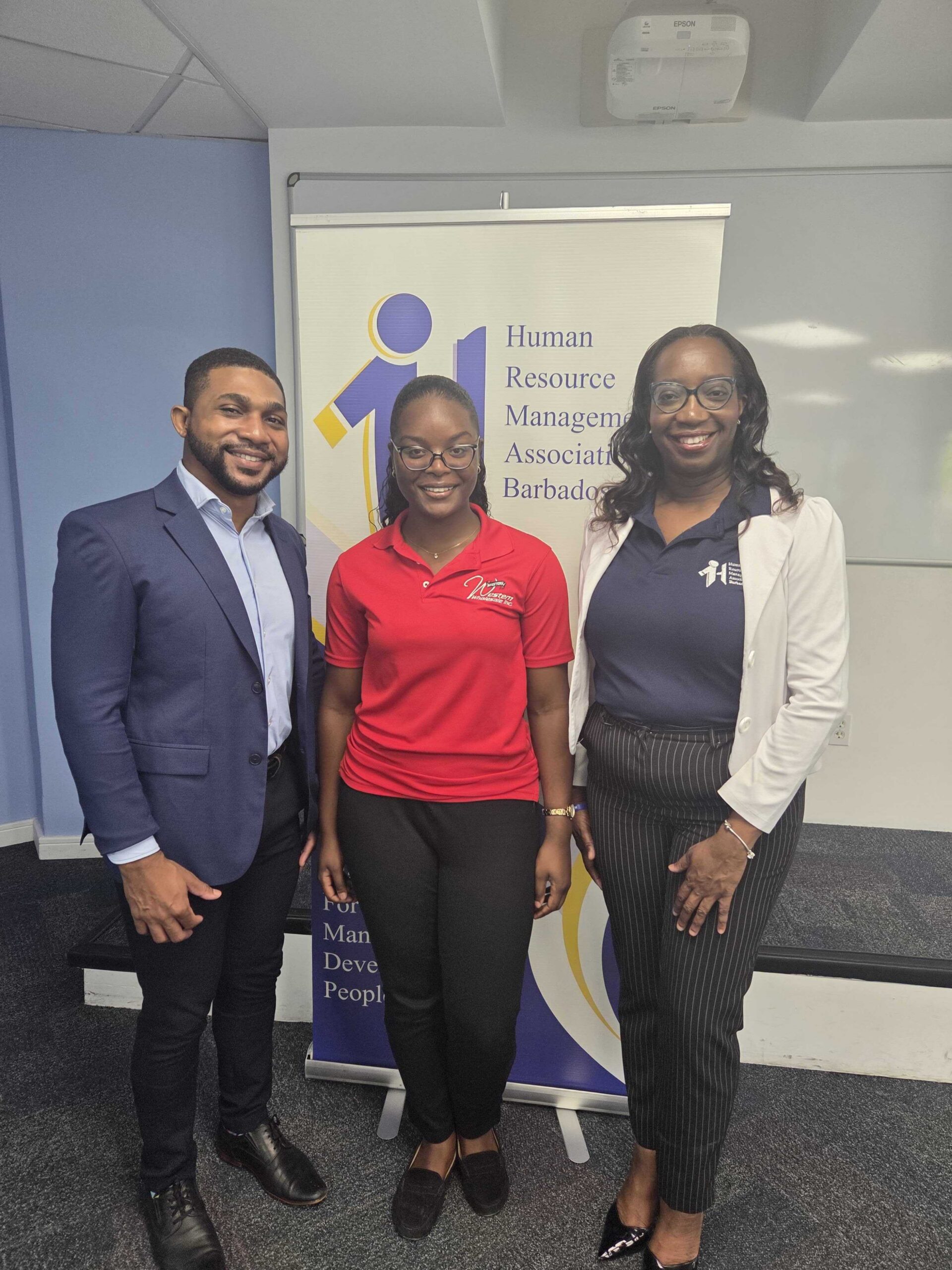
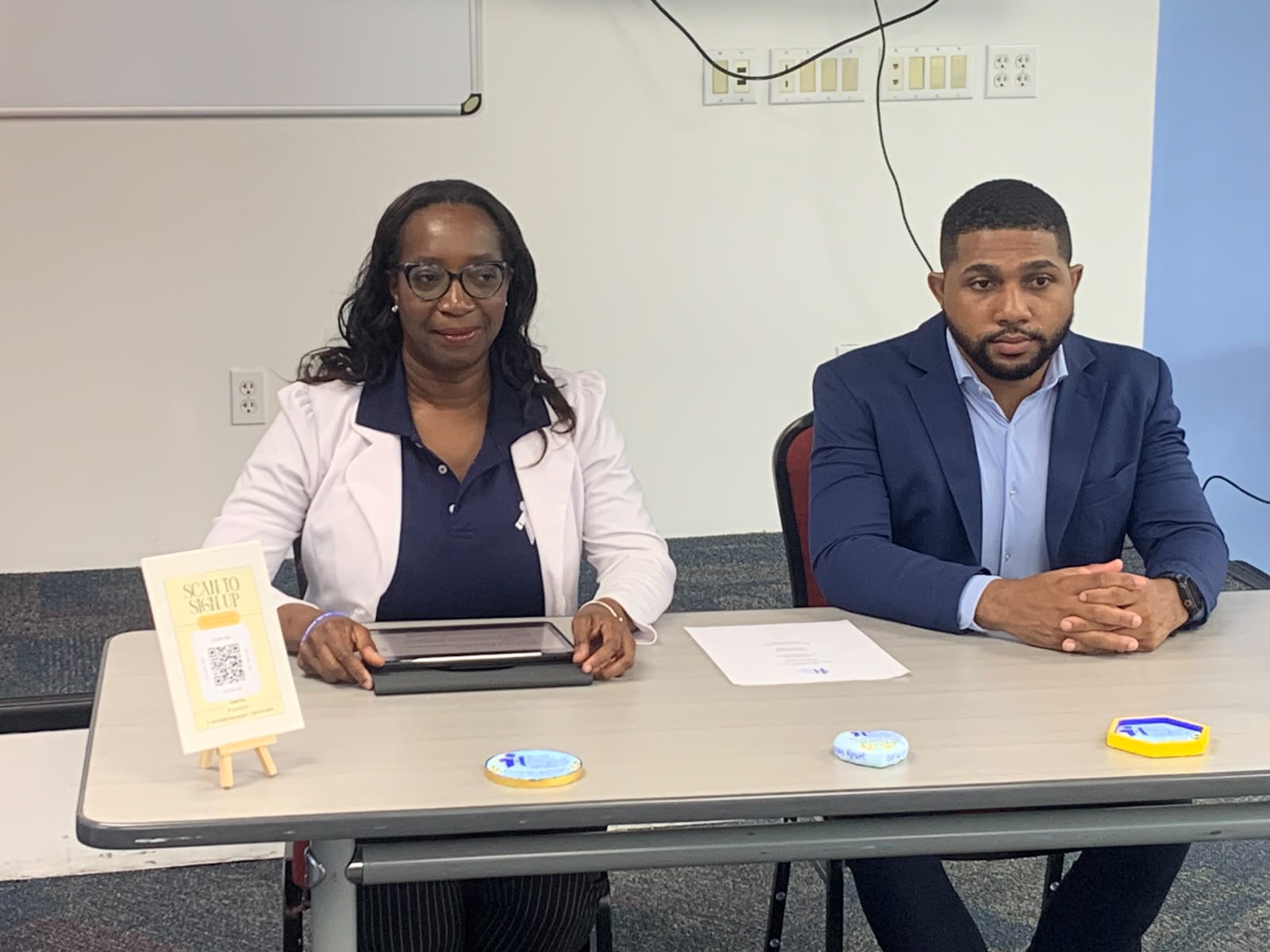
    Artificial intelligence has already established a foothold in workplaces across the Caribbean, and human resource leaders in Barbados are sounding a clear call to action: local organizations must rapidly overhaul their approaches to staff training, recruitment, and talent management to retain global competitiveness over the coming decade. The warning comes as the Human Resource Management Association of Barbados (HRMAB) prepares to host its annual People Development Conference this mid-October, with this year’s summit centered on the urgent theme “Workforce 2030: Ready or Not”. The event will focus on equipping local industries to navigate the exponential rise of automation and sweeping digital transformation.

    Tisha Peters, president of HRMAB, explained that the role of human resource departments across the island has evolved far beyond its traditional scope of back-office administrative tasks such as payroll processing and regulatory compliance. Today, HR teams operate in a drastically shifted landscape shaped by three major disruptions: cross-border remote hiring enabled by digital connectivity, persistent domestic brain drain, and breakneck technological advancement that outpaces many organizations’ adaptive capacity.

    Addressing widespread anxiety among local workers about AI’s impact on employment, Peters emphasized that the technology is not an approaching future threat—it is already present in workplaces across the country. “Many organizations are still struggling to integrate AI into their daily operations,” Peters noted. “The question is no longer if AI will arrive; it is how we prepare our workforce to thrive alongside it.”

    Peters pushed back against common narratives that AI will lead to mass job elimination, pointing to projections from the World Economic Forum which estimate that AI and automation will generate 12 million new roles globally by 2030. Instead of erasing work entirely, she argued, AI is reshaping the nature of existing roles and spawning entirely new career paths that barely existed a half-decade ago. “Five years ago, no one had heard of positions like prompt engineer, AI trainer, AI ethics and compliance officer, or chief AI officer,” Peters said. “These roles did not exist, and today organizations across the world are actively recruiting for these positions.”

    The widespread public access to general-purpose AI tools including ChatGPT, Claude, and Perplexity has already reshaped core HR processes, particularly recruitment—and Nicholas Roberts, former HRMAB president and chair of the conference organizing committee, warns that the shift has created unforeseen new challenges for hiring managers. Roberts explained that a growing share of job seekers now leverage AI to draft and refine their application materials, from resumes to cover letters, creating a disconnect between polished written submissions and a candidate’s actual on-paper skills.

    “AI can absolutely produce a refined, compelling resume tailored to a job posting in seconds, which can be a useful tool for many applicants,” Roberts said. “But the problem emerges when candidates show up to interviews and cannot back up what is on that polished CV. They cannot speak credibly to the skills and experiences listed, and they cannot demonstrate proficiency in the abilities they claim to have.” This trend places additional strain on HR professionals, who invest time in shortlisting candidates based on strong applications, only to discover critical skill gaps during the interview process.

    Both Peters and Roberts agree that Barbados must act quickly to shore up its education and professional training systems to align with the shifting job market. While Caribbean economies have historically adopted new technologies at a slower pace than larger global markets, Roberts warned against delaying adaptive action. “Training a new generation of workers and upskilling our existing workforce to meet the demands of future jobs will take time,” Roberts said. “But we cannot bury our heads in the sand and wait for these changes to arrive before we act. We need to look at what roles global markets are already hiring for, what skills are in demand, what projections tell us about future work, and start training our young people today.”

    Despite the growing adoption of automated marketing materials, digital operational systems, and AI tools across Barbadian businesses, HRMAB leaders maintain that human capital remains the island’s most valuable economic asset. When asked whether Barbados could ever see fully automated workplaces with no human staff on-site, Peters remained deeply skeptical. “To be honest, I do not see that happening,” she said. “Even an automated factory still requires human oversight and intervention when unexpected issues arise. People will always be at the heart of every organization, no matter how advanced technology becomes.”

    Peters stressed that uniquely human strengths—including critical thinking, emotional intelligence, ethical judgment, and empathetic leadership—are exactly the soft skills workers need to cultivate to remain irreplaceable as AI becomes more integrated into daily work.

  • French Guiana becomes CARICOM’s eighth associate member

    French Guiana becomes CARICOM’s eighth associate member

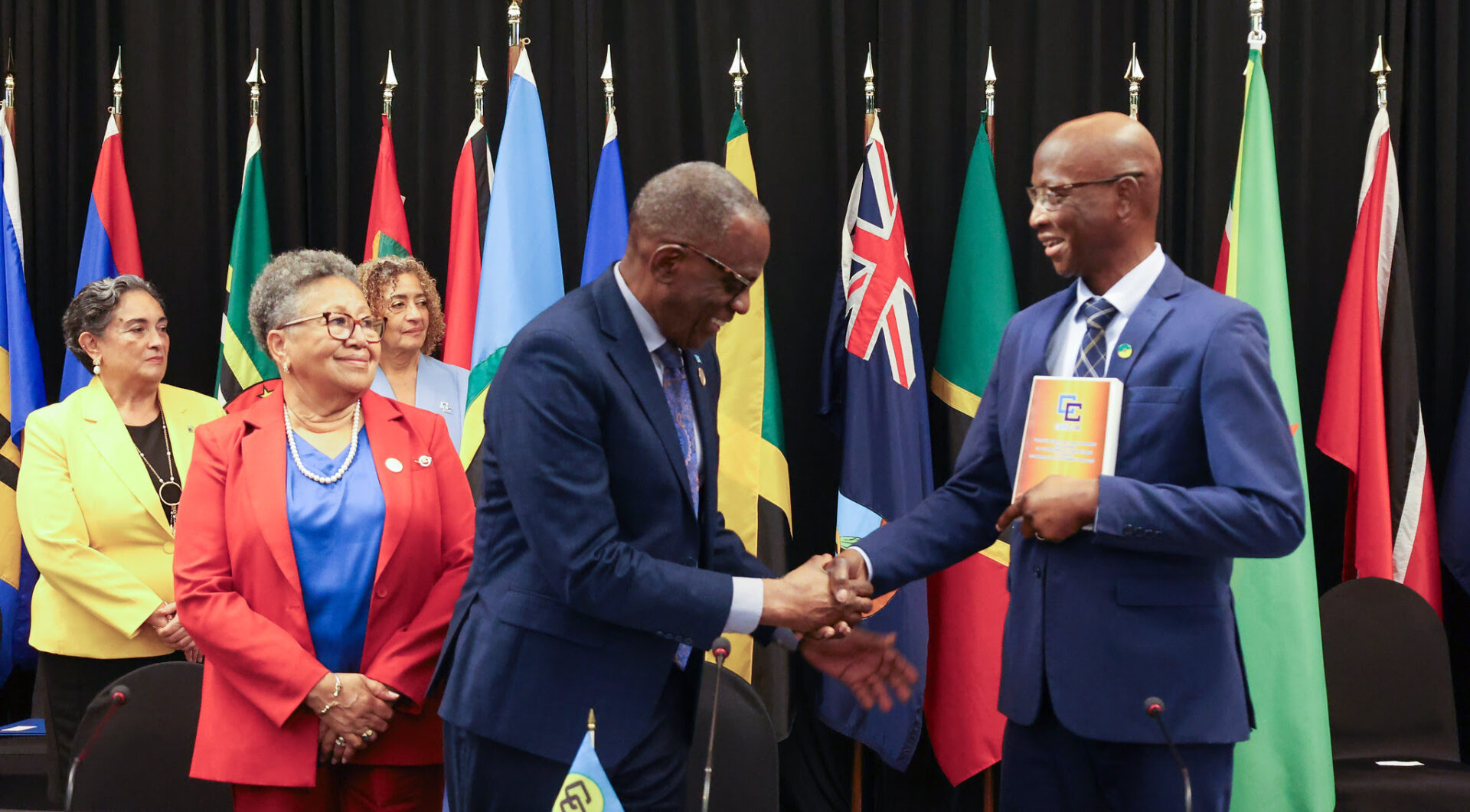
    On July 7, a landmark agreement was signed in Saint Lucia that formally admitted French Guiana as the eighth Associate Member of the Caribbean Community (CARICOM), marking a major milestone in Caribbean regional integration.

    The accession document was signed by two key regional leaders: Philip J. Pierre, Prime Minister of Saint Lucia and current Chairman of the CARICOM Conference of Heads of Government, and Gabriel Serville, President of the Territorial Collectivity of French Guiana. The agreement clearly outlines the terms and framework that will govern French Guiana’s participation in the 15-nation regional bloc. Immediately following the signing, French Guiana’s delegation took part in the opening proceedings of the 51st Regular Meeting of the CARICOM Conference of Heads of Government, which is being hosted this year by Saint Lucia.

    In his ceremonial address to assembled regional leaders and delegates, Pierre extended a warm welcome to French Guiana, emphasizing the broad spectrum of collaborative opportunities that this new associate membership will unlock for both the territory and the wider CARICOM community. “French Guiana’s participation as an Associate Member will provide opportunities for closer dialogue and cooperation in areas of mutual interest,” Pierre noted.

    As the sitting Chairman of CARICOM’s highest governing body, Pierre expressed his honor at formalizing the accession on behalf of the entire community. “May this signing open a new chapter of cooperation, friendship, and shared progress between French Guiana and the Caribbean Community,” he said in his closing remarks for the ceremony.

    In his full remarks delivered during the event, Pierre framed the accession as far more than a routine institutional adjustment. He described it as a meaningful step toward expanding the scope of the Caribbean regional family, noting that the Caribbean has long been united by shared geographic ties, historical experiences, cultural connections, common economic and climate vulnerabilities, and collective aspirations for progress, regardless of differences in territorial size, official language, constitutional status, or development pathways.

    “Today’s ceremony, therefore, represents not only a legal or institutional step but also a meaningful act of regional inclusion. It reflects CARICOM’s commitment to deepening cooperation with the wider Caribbean and ensuring that our regional architecture remains responsive to the realities of our neighbourhood,” Pierre stated.

    He highlighted that associate membership will open new avenues for collaboration across a wide range of priority sectors, including sustainable regional development, expanded trade and economic integration, enhanced climate change resilience, cross-border security cooperation, cultural exchange, educational partnerships, public health coordination, environmental protection, and expanded people-to-people connections between Caribbean nations.

    Pierre also emphasized that regional integration is an evolving, dynamic process rather than a static end goal. “Integration is not static. It is a living process. It grows when we create new bridges. It strengthens when we expand cooperation. It becomes more relevant when it reflects the real geography, diversity, and potential of the Caribbean,” he explained.

    The CARICOM Chairman extended gratitude to the CARICOM Secretariat, led by Secretary-General Dr. Carla Barnett, for its sustained work to advance the accession process, as well as to the Government of France and French Guiana’s negotiating team for their collaborative engagement throughout the multi-year process of preparing for membership.

    With French Guiana’s formal admission, CARICOM now counts eight Associate Members alongside its fifteen full Member States, bringing the regional body one step closer to its goal of building a deeply integrated, inclusive wider Caribbean community that reflects the full geographic and social diversity of the region.

  • Twenty Young Footballers to Represent Antigua and Barbuda on Prestigious European Development Tour

    Twenty Young Footballers to Represent Antigua and Barbuda on Prestigious European Development Tour

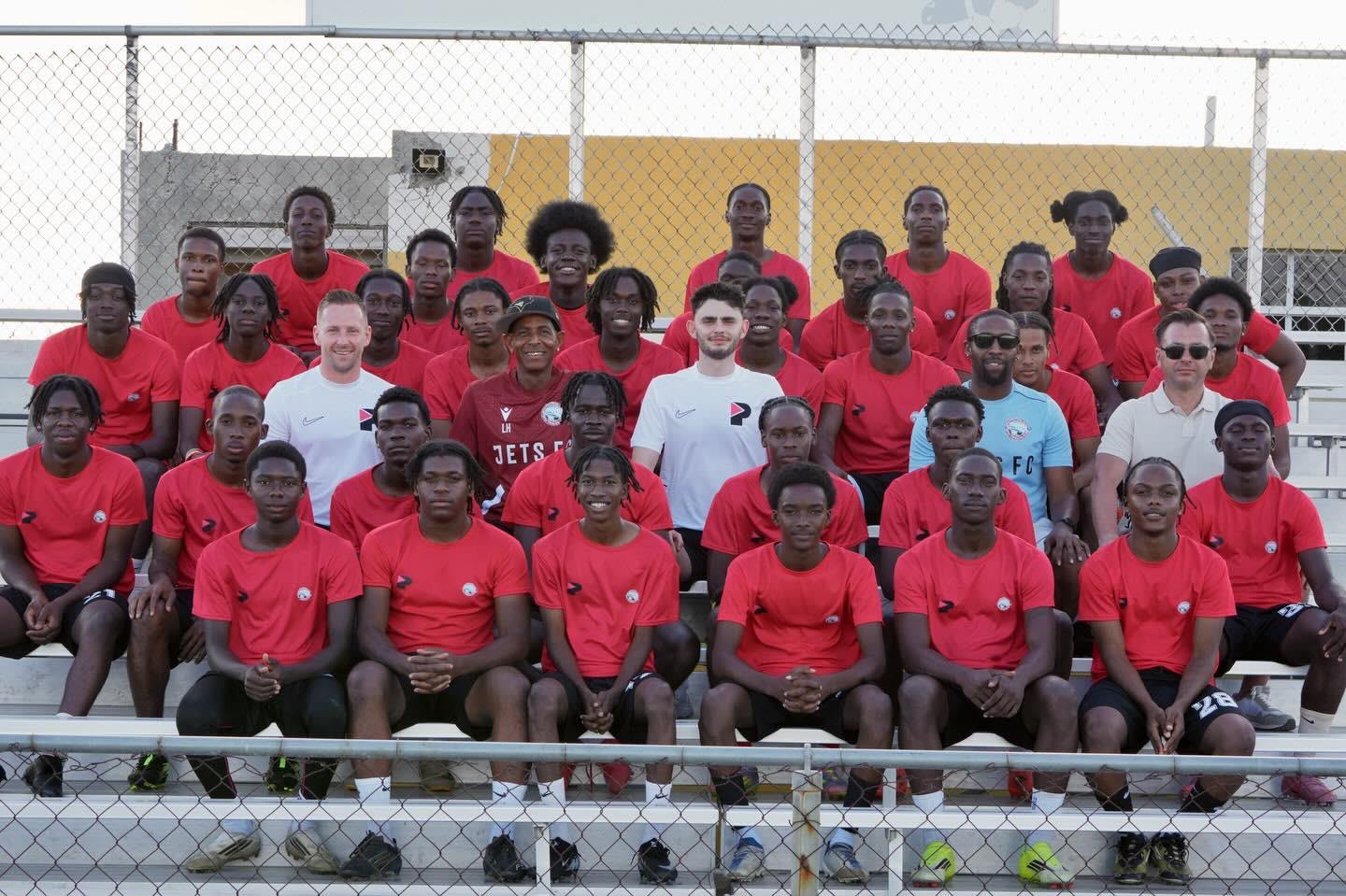
    St. John’s, Antigua – June 3, 2026 – A new chapter in youth football development is set to unfold for Antigua and Barbuda this July, as 20 of the nation’s most talented up-and-coming footballers get ready to depart for the JETS FC European Development Tour 2026, hosted in Poland.

    Running from July 12 to 27, the landmark tour will place the selected young athletes directly into a fully professional European football ecosystem. Over the two-week trip, the squad will compete in six competitive international matches, complete structured training sessions led by veteran European coaches, and take part in collaborative engagements with established professional clubs and industry experts across the region.

    The program was crafted with a dual focus: to push participants to adapt to the rigorous physical and tactical demands of top-tier global football, while nurturing core personal qualities that extend far beyond the pitch, including self-discipline, leadership, mental resilience, and independent growth.

    The 20 squad members earned their spots on the tour through a rigorous, nationwide Talent Identification and Football Development Programme held earlier this year by JETS FC. Run by a panel of international coaching and football development specialists, the four-day scouting initiative gathered hundreds of promising young players from every corner of Antigua and Barbuda. After days of skills assessments, competitive trials, and evaluations of attitude and potential, the final 20 athletes were selected for their standout talent, consistent commitment, and clear long-term potential in the sport.

    For these young athletes, the tour is far more than just a chance to compete against international opponents. It offers a life-changing opportunity to expand their worldviews, immerse themselves in the long-established football cultures of Europe, test their abilities against players from different development systems, and build professional and personal connections that could open doors for their future careers, both in football and beyond.

    Beyond individual growth, the experience will also equip these players with firsthand knowledge of global professional standards that they can bring back to their local clubs, schools, and home communities, lifting up the next generation of footballers across Antigua and Barbuda.

    This landmark tour is a reflection of JETS FC’s long-standing commitment to investing in youth sports development, and its core vision to build sustainable, meaningful pathways for young Antiguans and Barbudans to advance through sport. As official representatives of their nation, the 20-member squad will also serve as sporting ambassadors, showcasing Antigua and Barbuda’s emerging talent, relentless determination, and untapped sporting potential to the international football community.

    Their selection and upcoming participation also underscores the steady growth of youth football development within Antigua and Barbuda, serving as a powerful example of what can be accomplished when intentional vision, rigorous preparation, and accessible opportunity come together.

    Organizers also note that the tour creates space for the wider Antigua and Barbuda community and local corporate sector to engage with an initiative that is directly building the next wave of national football talent. As the squad enters its final preparations for departure, anticipation continues to grow across the country among players, coaches, family members, and local football supporters. All stakeholders are united in the expectation that the tour will leave a lasting positive impact on the participating athletes, and make a meaningful contribution to the ongoing advancement of football across Antigua and Barbuda.

  • Bulk Waste Collection Continues in Cassada Gardens

    Bulk Waste Collection Continues in Cassada Gardens

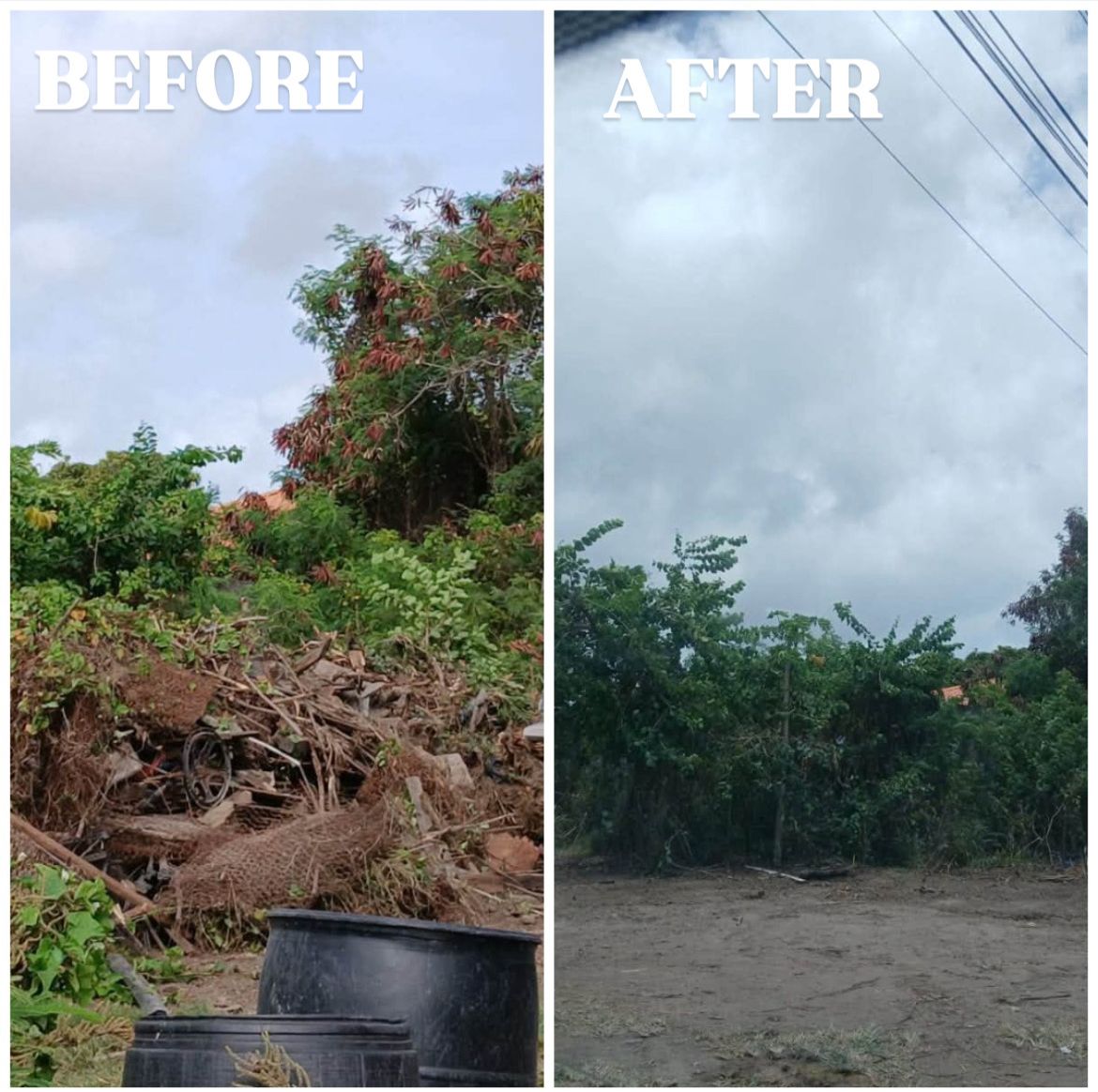
    Antigua and Barbuda’s National Solid Waste Management Authority (NSWMA) has confirmed that its targeted bulk waste collection initiative is moving forward as scheduled in the Cassada Gardens community, with dedicated work crews focused on elevating the neighborhood’s environmental quality.

    In an official progress update published recently, the regulatory body noted that the ongoing cleanup drive has hit consistent milestones, with specialist teams successfully removing large, bulky waste items that had been discarded across multiple areas of the community. These oversized items, which can range from old furniture to discarded construction debris, often create navigation hazards and attract pests if left unaddressed for extended periods.

    Beyond simply clearing accumulated waste, the NSWMA emphasized that the targeted program delivers dual benefits for local residents: it immediately lifts the visual appeal of the neighborhood, while contributing to long-term public health goals by fostering a cleaner, safer living environment for all community members.

    To illustrate the tangible impact of the ongoing work, the authority has shared official photographs documenting the before-and-after progress of the operation. Alongside the visual update, the NSWMA issued a call for continued collaboration with local residents, urging the public to maintain the community’s improved conditions by adhering to responsible bulky waste disposal practices moving forward.

    This localized initiative is not an isolated project, officials confirmed: it forms a core component of the NSWMA’s island-wide ongoing strategy to boost sanitation standards and improve environmental public health outcomes across the whole of Antigua and Barbuda.

  • Senior police officials pay visit to junior officers during drill refresher training

    Senior police officials pay visit to junior officers during drill refresher training

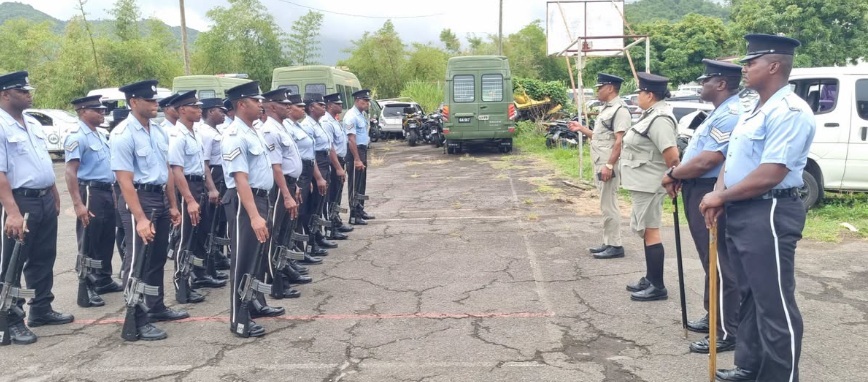
    The Commonwealth of Dominica Police Force (CDPF) has launched a targeted drill refresher training program for junior ranking officers at its Morne Bruce training facility, part of the force’s longstanding push to uphold strict operational standards across all ranks. The training cohort is made up of officers holding ranks from Constable to Corporal, frontline personnel who form the backbone of community policing and emergency response across the island nation.

    Overseeing the hands-on instruction of the session are two experienced CDPF members: Sergeant Sherwin Mitchell and Acting Corporal Tyron Sandy. Over the course of the training, the pair guide participants through core drill protocols, designed not just to refine practical procedural skills, but to embed stronger institutional discipline, reinforce professional ethics, and sharpen overall operational readiness for daily and emergency policing duties.

    Senior CDPF leadership recently toured the training site to assess progress and engage with participating officers. Deputy Chief of Police Jeoffery James, joined by the force’s Assistant Commissioner of Police in charge of Administration and Training, delivered addresses to the cohort during their visit. In their remarks, the senior leaders highlighted their gratitude for the ongoing dedication each trainee has shown to their role and public service, urging all officers to prioritize the skills and knowledge gained from the program.

    A public statement from the CDPF underscored the leadership’s core message: that consistent upskilling through regular refresher training is non-negotiable for maintaining the high performance and ethical standards that the public expects from every member of the Dominica police service. This training initiative is far from a one-off event; it is a core component of the CDPF’s sustained institutional commitment to investing in its workforce. By ensuring every officer, regardless of rank, receives ongoing training and skills development, the force aims to maintain a well-disciplined, highly prepared service that delivers responsive, professional protection and support to all communities across the Commonwealth of Dominica.

  • PM Browne and Romanian Ambassador Discuss Trade, Education and Investment Opportunities

    PM Browne and Romanian Ambassador Discuss Trade, Education and Investment Opportunities

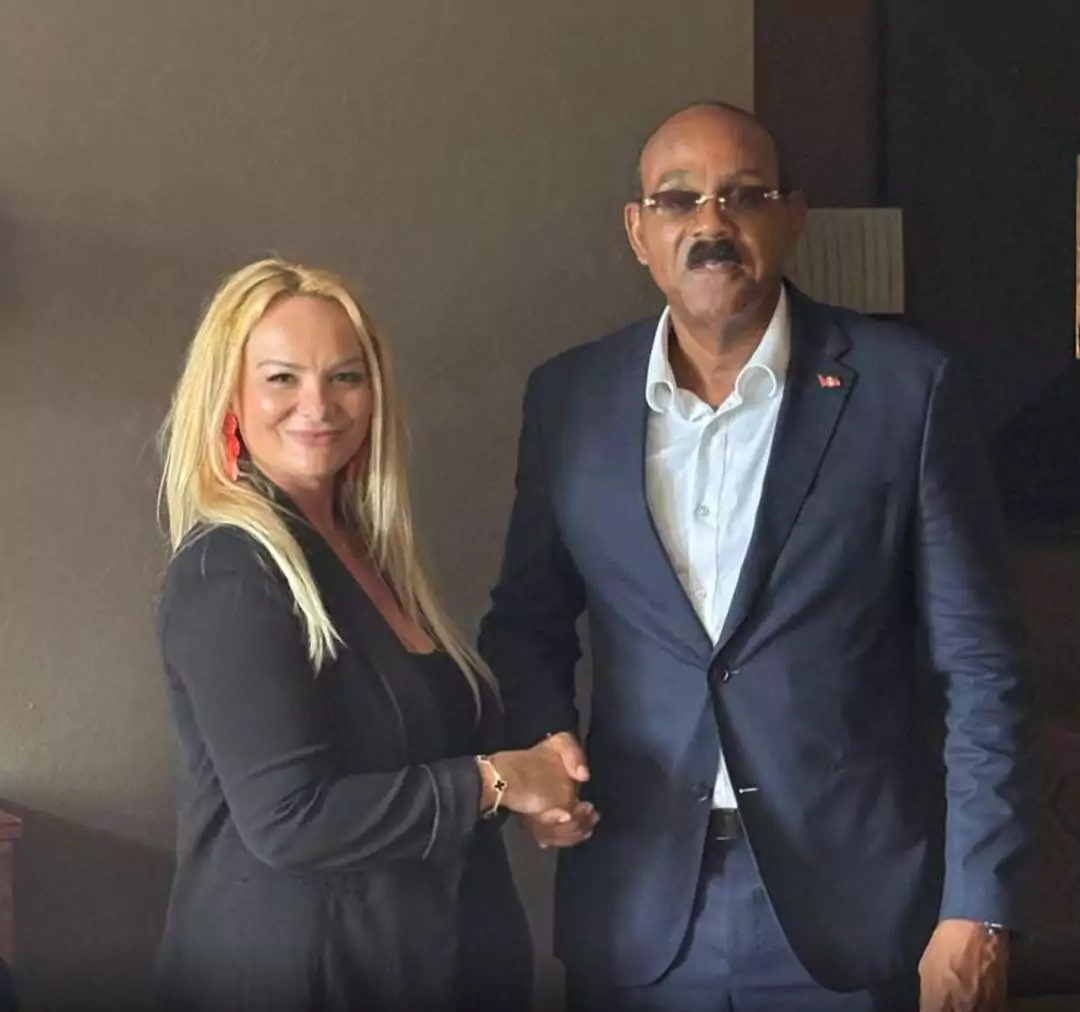
    On the sidelines of the annual CARICOM Heads of Government Meeting hosted in St. Lucia, Prime Minister Gaston Browne of Antigua and Barbuda held a strategic bilateral meeting with Theodora Magdalena Mircea, Romania’s ambassador to the region. The gathering, which brought together regional leaders from the Caribbean to tackle a broad spectrum of pressing regional and global issues, created a natural platform for Antigua and Barbuda to advance diplomatic engagement with non-Caribbean nations.

    During the closed-door discussions, the two representatives centered their dialogue on unlocking new opportunities for collaboration across three key priority areas: bilateral trade, educational exchange, and human resource development. Both Browne and Mircea reaffirmed their shared commitment to deepening long-term bilateral ties between the small Caribbean twin-island nation and the Eastern European country, signaling mutual interest in building mutually beneficial partnerships that extend beyond traditional diplomatic channels.

    The meeting marks a continued push by Antigua and Barbuda to diversify its international diplomatic and economic partnerships, even as regional leaders at the CARICOM summit work to align positions on shared challenges ranging from climate resilience to economic development. The talks did not produce immediate concrete agreements, but both sides left the meeting open to follow-up engagements to advance the cooperation priorities discussed.

  • HRMAB opens talks on future of work ahead of October conference

    HRMAB opens talks on future of work ahead of October conference

    As Barbados navigates a growing set of interconnected workforce challenges ranging from looming skills outflow to cutthroat global talent competition and rapid workplace transformation, the Human Resource Management Association of Barbados (HRMAB) is preparing to host a landmark national conference this October to map a path forward for local organizations.

    Scheduled for October 14 and 15 at the Hilton Barbados Resort, the two-day event carries the theme “Workforce 2030: Ready or Not”, and launches at a moment when Barbadian employers are grappling with three systemic shifts: evolving employee expectations, historically tight local labour markets, and rising competition from international businesses that now outcompete local firms for top domestic talent. The core goal of the gathering is to equip organizational leaders with actionable, practical strategies to integrate emerging workplace tools, upskill existing workforces, and reframe people management as a core strategic priority rather than a back-office administrative function. Most notably, conference organizers are calling on all business leaders across the island to treat technological upskilling as an urgent immediate goal, not a distant project to be addressed years down the line.

    Speaking at a recent media launch held at the Sky Mall conference facility in Haggatt Hall, HRMAB President Tisha Peters outlined how the role of human resource management has fundamentally shifted in recent decades. What began as a largely administrative function focused on routine back-office tasks is now a central driver of both organizational performance and national economic productivity. “When I started my career in HR, our discussions revolved around recruitment, payroll, employee relations and compliance,” Peters explained. “Those responsibilities are still important, but today our role reaches far beyond that basic scope. We no longer just support business strategy – we help build and shape it.”

    Peters issued a sharp warning against clinging to outdated models of people management, noting: “No organization, in Barbados or anywhere across the globe, can afford to relegate HR to a back-office function any longer. That is because people are not just one part of a business strategy – people are the strategy. Organizations rarely collapse because they lack a formal strategic plan; they struggle because they consistently underestimate the human element of organizational change. You can purchase cutting-edge technology, you can redesign internal processes from the ground up, but intangibles like trust, effective leadership, and a strong organizational culture have to be built incrementally – one conversation, one leadership decision, one intentional choice at a time.”

    With 2030 just a few years away, Barbadian businesses now find themselves competing directly with international companies for skilled local talent. The widespread adoption of remote work has amplified this challenge, making it simpler than ever for Barbadian workers to secure well-paying roles with overseas employers without relocating off the island. This dynamic has stoked widespread concerns about a growing brain drain that could strip local industries of their most skilled workers.

    Compounding this shift is the unprecedented generational diversity of today’s workplaces, which now span five generations from the Silent Generation to Gen Z. Peters framed this diversity as a unique asset rather than a problem to be managed, noting: “The pace of change has accelerated dramatically, and the decisions our organizational leaders make over the next few years will shape Barbadian workplaces for the next decade and beyond. This generational diversity is not a problem to be fixed – it is an opportunity to be leveraged. The organizations that will thrive in the coming years are those that learn to bridge gaps between generations, not manage each group separately. And the one asset that no competitor can copy is your organizational culture.”

    Nicholas Roberts, HRMAB’s immediate past president and chair of the association’s People Development Conference Committee, emphasized that the issues to be addressed at the conference are not limited to HR professionals – they touch every corner of Barbados’ economy. “These are not simply HR issues. These are core business issues, and they are issues that are impacting our entire national economy, which is exactly why this conference is so critical,” Roberts said. “If your organization is thinking at all about its long-term future, this conference is for you.”

    The conference program will feature a robust lineup of keynote addresses, interactive hands-on workshops, and panel discussions, with speakers joining from both Barbados and international destinations. Confirmed featured presenters include Theresa Hall and Dr. Shane Ram, along with Barbados’ Minister of Labour Colin Jordan, and contributing speakers Davina Layne, Vennell Sandy-Paterson and Leslie Lee-Fook. Key topics scheduled for discussion include strategic workforce planning, skills mapping, international talent attraction, employee retention, workplace well-being, and the evolving role of technology in modern work environments.

    “Technology will continue to evolve at a rapid pace, but strong leadership, adaptable workforce skills, and engaged, committed employees will always remain the foundation of successful organizations,” Roberts said. “The organizations that choose to keep investing in their people today are exactly the organizations that will be best positioned to succeed not just in the present, but for years to come.”

  • Education secretary urges Dominican teachers to view AI as a learning tool

    Education secretary urges Dominican teachers to view AI as a learning tool

    At the opening ceremony of the annual Dominica Association of Teachers (DAT) Summer Training Institute, held this Monday at Dominica’s Convent High School, a top government education official has called on local educators to reframe their perspective on artificial intelligence, embracing the emerging technology as a supportive tool rather than a disruptive threat to teaching.

    Robert Guiste, Permanent Secretary of Dominica’s Ministry of Education, used his keynote address to push for broader adoption of AI in educational settings, telling attendees, “I want us as teachers to focus on AI. AI should be our friend.”

    Guiste pointed out that even original writing from iconic literary figures would trigger AI detection flags in today’s testing landscape. He explained, “Teachers, no matter what you do, if you were to call William Shakespeare now and you were to write something off his head, you run it through an AI checker, you are going to get 30 percent AI, at least.” His comments highlight a growing recognition that overreliance on AI detection tools can produce misleading results for genuinely original work, as AI systems are trained on vast corpora of existing text that overlap with even new, human-generated content.

    Beyond encouraging responsible AI use among educators and students, Guiste emphasized the value of regional collaborative platforms for upskilling teachers. He noted that the Organization of Eastern Caribbean States (OECS) maintains a dedicated professional development hub that offers educators across the region access to expanding high-quality learning opportunities, curated digital resources, and cross-institutional collaborative networks. This infrastructure is designed to support continuous career growth for teachers at every stage of their careers, Guiste said, adding, “It reflects our shared commitment within the OECS to building teacher capacity and ensuring that educators have access to continuous, relevant, and flexible professional development.”

    Notably, the OECS hub’s built-in AI feature was not developed by outside international consultants. It was created by young tech professionals from across the Eastern Caribbean region, including two expert developers based in Dominica. This homegrown innovation aligns with the regional bloc’s goal of building locally led, context-appropriate educational tools that meet the specific needs of Caribbean educators and students.

    Guiste closed his remarks by stressing the importance of digital literacy around AI, urging teachers to master when and how to leverage the technology, and to pass that critical understanding on to their students. By teaching responsible AI use from an early stage, he argued, schools can prepare the next generation for a workforce where AI literacy will be an essential skill.

  • Dominica State College celebrates milestones at 24th commencement ceremony

    Dominica State College celebrates milestones at 24th commencement ceremony

    On Wednesday, July 8, Dominica State College (DSC) will host its 24th annual Commencement Ceremony, an occasion that will not only honor the hard-won achievements of hundreds of graduating students but also stand as a landmark event for the institution, celebrating multiple unprecedented milestones in its development.

    One of the most notable landmarks of this year’s graduation is the record-breaking cohort of bachelor’s degree recipients. In total, 21 students will cross the stage to collect their four-year degrees, a figure that represents the largest group of bachelor’s graduates in DSC’s institutional history. Of this cohort, 10 graduates hail from the Bachelor of Science in Nursing program, while 11 completed requirements for the Bachelor of Science in Business Management. This breakout class underscores the steady, intentional expansion of DSC’s higher education offerings over recent years.

    College officials note that the 24th commencement will also shine a spotlight on the institution’s long-term commitment to growing its Technical and Vocational Education and Training (TVET) division. Graduates from a range of in-demand technical disciplines will receive their professional qualifications, including Building and Civil Engineering, Architecture, Electrical Engineering, Plumbing, and Refrigeration and Air Conditioning. DSC leadership emphasizes that these TVET programs fill a critical national need, equipping local workers with the hands-on specialized skills that Dominica’s growing economy demands as infrastructure and industry development accelerates across the island.

    In a testament to the high quality of the college’s TVET programming, this year’s valedictorian is a student from the Building and Civil Engineering program, a choice that the institution highlights as proof of the outstanding academic and practical excellence achieved by students pursuing technical career pathways.

    Another historic first on the ceremony’s agenda is the recognition of the inaugural graduating class of DSC’s Accelerated Associate Degree in Primary Education. Eleven currently practicing primary school teachers have completed the program, which was specifically designed to remove barriers to professional advancement for in-service educators. By offering flexible, accessible upskilling opportunities, the initiative directly supports the government of Dominica’s ongoing efforts to strengthen the country’s foundational education sector and improve learning outcomes for young students across the island.

    Beyond celebrating individual student success, DSC frames this year’s commencement as a reflection of the institution’s core mission: to continuously expand accessible educational opportunities, build a competitive local workforce, and adapt its programming to meet the changing social and economic needs of Dominica through a mix of robust academic higher education and practical technical training.