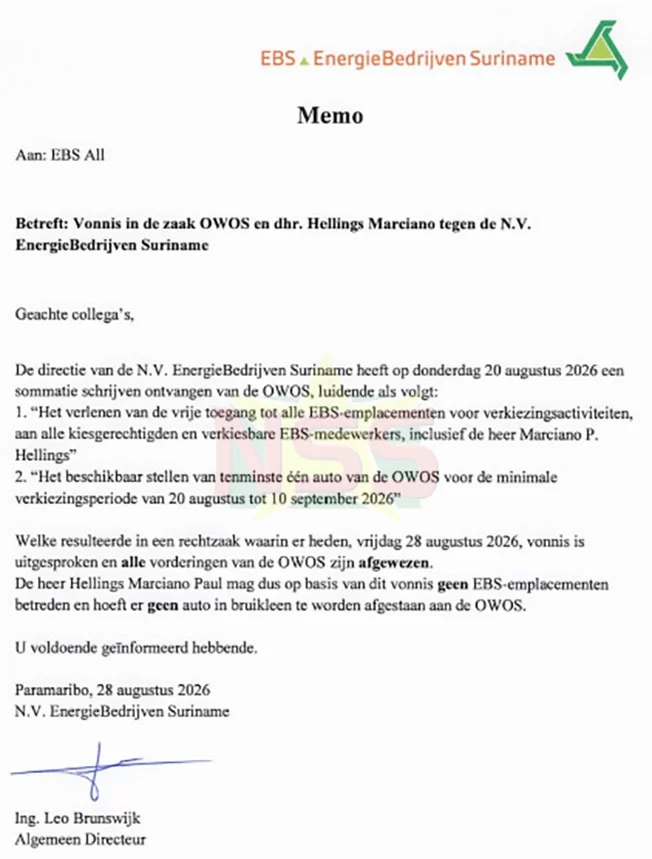
A bitter power struggle for the leadership of the OWOS union linked to Dutch public transport provider EBS is intensifying just weeks ahead of the September 10 leadership election, with incumbent chair Marciano Hellings launching an appeal after a court rejected his bid to secure equal campaign conditions against his rivals. Two major slates of candidates are competing to take control of the union’s governing board, alongside one independent candidate, turning the pre-election period into a high-stakes conflict over fair access to resources and work sites.
博客
-
Regering komt met maatregelen na vervuiling Saramaccarivier
A severe environmental crisis has emerged along Suriname’s Saramacca River, where dangerous levels of toxic chemicals, heavy metals and cyanide have been confirmed in river water and local fish populations, prompting the Surinamese government to roll out a multi-pronged response plan developed in collaboration with affected Indigenous and local communities. The contamination, linked to unregulated gold mining activity in the region, has already resulted in widespread fish die-offs, forcing authorities to issue an urgent public health warning advising local residents against using river water for daily needs, consuming fish from the affected stretch, or swimming in the river.
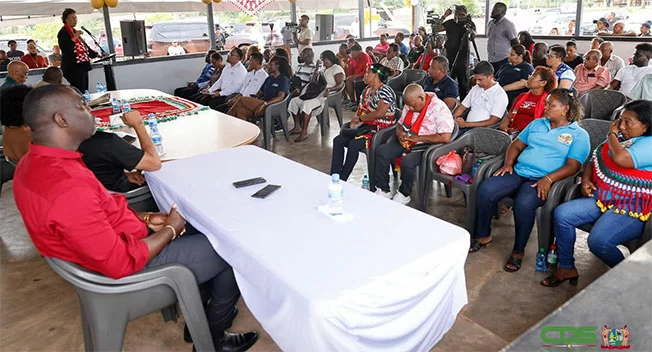
During an official visit to the Pikin Saron community on Friday, President Jennifer Simons held in-depth discussions with traditional community leaders on the finalized findings of an independent water quality investigation. The meeting was attended by representatives from six hard-hit communities along the river including Pikin Saron, Bigi Poika, Tibiti, Harlem and Santigron, alongside technical experts from the National Environmental Authority (NEA) which led the sampling work. Per a statement from the Communication Service of Suriname (CDS), all participating traditional leaders received full printed copies of the official investigation report, which cost the Surinamese government more than $50,000 USD to complete, with additional technical and logistical support from the Pan American Health Organization. Due to limited local testing capacity, a portion of the sample analysis had to be carried out in neighboring French Guiana.
The investigation’s results left no room for doubt: water and fish samples collected from the Saramacca River contained toxic concentrations of hazardous substances that pose severe risks to human and ecosystem health. President Simons emphasized that full, transparent communication with frontline communities is a non-negotiable priority, noting that residents deserve clear information about the contamination findings and potential long-term health impacts of exposure.
To prevent this crisis from spreading to other gold mining regions across the country, the Surinamese government has announced it will expand its water quality testing program to cover every active gold mining area in the nation. “In the short term, we will conduct testing in all regions where gold mining takes place. We cannot allow this to happen again, and we have no intention of poisoning all of our water resources,” President Simons stated during the meeting, calling on local communities across the country to partner with authorities to carry out the expanded investigations.
In the immediate term, a dedicated core working group will be established to map the specific social, economic and health impacts of the contamination on each affected village, develop targeted solutions and coordinate the government’s response. The working group will include representatives from impacted communities, the Para District Commissioner’s Office, the Ministry of Agriculture, Livestock and Fisheries (LVV), and the Ministry of Public Health, Welfare and Labor. Discussions during the meeting also addressed two additional emerging risks tied to the crisis: the upcoming dry season, which will lower river levels and potentially exacerbate contamination concentrations for communities that rely on the river for daily activities, and disruptions to regional energy supplies that depend on consistent river water levels.
To support affected households who have lost access to wild fish, a primary local food source and source of income, the LVV will help communities develop alternative food and livelihood programs. Initial plans focus on supporting inland chicken farming and controlled aquaculture operations, with support including technical training, ongoing guidance and targeted financial grants for participating households.
Beyond addressing the immediate crisis, the contamination event has pushed the Surinamese government to advance long-term reform of the country’s gold mining sector. Authorities have already suspended the issuance of all new gold mining concessions, and existing concession holders will be required to disclose their operational areas publicly to increase transparency. The government also plans to open formal negotiations with concession holders to advance broader regulatory reform that will move the sector toward more sustainable, environmentally responsible operations.
-
NDP defends sale of lands at Chatham Bay
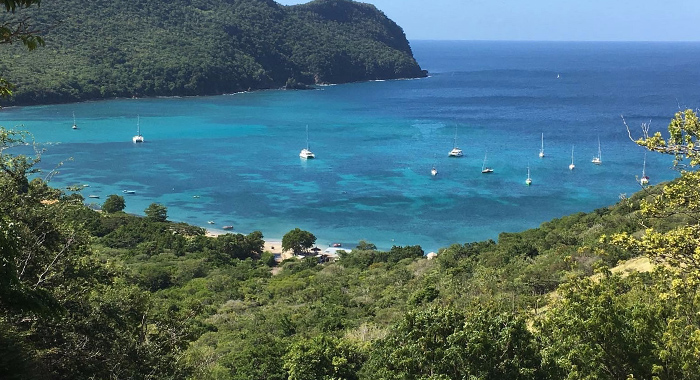
Nine months after taking office in November, the ruling New Democratic Party (NDP) of St. Vincent and the Grenadines has publicly confirmed its full support for a government land deal: the sale of roughly 100 acres of coastal land at Chatham Bay, Union Island, for a total sum of approximately EC$54 million. The transaction, which has emerged as a central point of fiscal and political debate in the country’s parliament, frames itself as a dual win for national fiscal health and ecological protection, though opposition leaders have raised sharp questions over pricing and transparency.
During a parliamentary sitting Thursday, Prime Minister Godwin Friday first tied the land sale directly to a dramatic improvement in the country’s fiscal position for the April to July period of 2026. Data presented by the Prime Minister showed the government recorded an overall deficit of EC$57.78 million for the four-month window, a sharp reduction from the EC$125.23 million deficit reported in the same period of 2025. Friday told the legislative body that the improvement stemmed largely from elevated capital revenue and trimmed capital spending, particularly after the wrap-up of major public infrastructure projects. Of the 2026 capital revenue, the Prime Minister confirmed that EC$52.7 million came directly from the Chatham Bay land transaction, a detail that had previously been referenced to parliament, though it remains unclear when the initial disclosure was made.
The land at the center of the debate has a complex recent ownership history. Decades ago, the previous Unity Labour Party (ULP) administration, led by current Opposition Leader Ralph Gonsalves, reclaimed the Chatham Bay property after a private foreign investor failed to follow through on proposed tourism development, acquiring the land back for less than EC$700,000 in compensation. Under the new sale agreement, NDP officials confirmed Saturday that the land will be held by a private conservation-focused company, with legally binding conservation covenants written into the contract to permanently protect the area’s unique ecosystem. Chatham Bay sits adjacent to four critical forest reserves — Water Rock Reserve, Large Forest Reserve, Colin Campbell Reserve, and Jack O’Dan Reserve — and is a core habitat for the endangered Union Island Gecko, a lizard species found nowhere else on Earth outside St. Vincent and the Grenadines. The NDP statement notes that the protected status formalized through the sale will bring enhanced conservation measures to the region in the coming months.
Beyond conservation, the ruling party frames the sale as a key step in addressing the severe fiscal legacy inherited from the previous ULP administration. The NDP argues that years of mismanagement under the prior government pushed the country’s national debt to roughly 113% of GDP, a debt level that has severely constrained the government’s ability to fund core public priorities including healthcare, national development programming, and public sector reform. All proceeds from the transaction will be directed to pre-defined national priorities: capitalization of the National Development Bank, resourcing for the newly created Ministry of Fisheries, Land and Sea Conservation and Climate Resilience, debt reduction initiatives, and projects designed to improve government operational efficiency. In a critical public interest safeguard added to the agreement, the government retains the option to repurchase the full 100-acre parcel within two years at the exact sale price.
For the young NDP administration, which has governed for just nine months amid a challenging fiscal climate marked by high existing debt and limited access to low-interest concessional financing, the land sale is part of a broader economic strategy. Prime Minister Friday has positioned asset monetization as an alternative to immediate broad-based new taxes, arguing that unlocking capital from underutilized state assets will help stabilize national finances without placing new burdens on households. The Prime Minister has also framed the transaction as a reflection of the government’s broader policy agenda: liberalizing private investment, rolling back what he calls overly burdensome regulation and punitive fines that have deterred foreign and domestic investment, and upholding commitments to transparency, environmental stewardship, and responsible fiscal management.
“The transaction reflects responsible Government: protecting our natural heritage, reducing debt, and investing in the future of our people. The public interest is protected through conservation covenants,” Friday said in comments cited by the NDP’s press statement. The party emphasized that the sale delivers a substantial capital gain for the people of St. Vincent and the Grenadines, even as it prioritizes long-term conservation of the ecologically sensitive site.
Political opposition has pushed back against the government’s framing, however. Gonsalves, the former prime minister who has questioned the status of the sale for months, raised concerns during Thursday’s parliamentary debate over the sale price, arguing that the government sold the ecologically valuable “crown jewel” property for less than half of its assessed valuation from 15 years prior. He argued that the deal fits into a broader pattern of the NDP relying on one-off asset sales and external borrowing to mask deep-rooted structural weaknesses in the national economy.
Gonsalves had first outlined his concerns about the property months before the formal disclosure, using his weekly radio program to walk through the land’s history of foreign ownership, the original investor’s failure to meet development commitments, and the multi-year legal process that returned the land to state ownership. He argues that the significant public investment that has increased land values across the Grenadines in recent years, paired with the legal and political effort invested in reclaiming the bay years ago, should have resulted in a far higher sale price.
While Gonsalves had previously submitted a written parliamentary question requesting full details of the sale — including confirmation that the transaction was completed, the sale price, planned development, and information on the purchaser — it remains unclear whether the prime minister has formally responded to that request. Notably, when Friday referenced the sale during Thursday’s sitting, Gonsalves did not raise accusations that the government had intentionally concealed the transaction or failed to meet disclosure requirements.
-

Summer Festival onderscheiden voor bijdrage aan Surinaams cultureel erfgoed
On a ceremonial occasion marking the close of the first-ever Suriname Heritage Month in the Netherlands, the Milan Summer Festival, a long-running Dutch cultural event celebrating Surinamese heritage, has received a prestigious Certificate of Recognition and Appreciation alongside a special achievement award from the Embassy of Suriname. As the headline sponsor of this landmark inaugural edition of the heritage month, the festival’s contributions to elevating and preserving Surinamese cultural identity outside of Suriname’s borders earned it this distinct honor.
Organized around the unifying theme “One History, One Heritage, One Future”, the 2026 Suriname Heritage Month was designed to center cultural connection, cross-community dialogue, and public appreciation for the enduring legacy of Surinamese culture in the Netherlands. The recognition bestowed on the Milan Summer Festival explicitly acknowledges its work in advancing the preservation, growth, and celebration of this shared cultural heritage among Dutch-Surinamese communities and the broader Dutch public.
In response to the award, Milan Summer Festival board members Hemant Lachman and Anand Moelchand shared that the honor serves as powerful motivation to continue expanding public access to and visibility for Surinamese culture across the Netherlands. “We are incredibly proud to have been able to contribute to this historic first edition of Suriname Heritage Month here in the Netherlands,” the pair stated in a joint comment. They added that it is deeply meaningful to see Suriname’s history, culture and heritage receive dedicated attention far beyond the country’s territorial borders, connecting diaspora communities back to their roots.
This year marks the 42nd iteration of the Milan Summer Festival, which has carved out a decades-long reputation as a leading platform for Surinamese cultural expression in the Netherlands. The annual multi-day event showcases diverse facets of Surinamese life through a rich program of live music, performing arts, culinary experiences, and interactive cultural programming. One of its most beloved annual components is Alla Kondre Dorpoe, a special showcase that spotlights the remarkable multicultural diversity that defines modern Surinamese society.
During the closing ceremony that honored the Milan Summer Festival, a number of other individuals and organizations that have worked tirelessly to promote Suriname and its cultural heritage within the Netherlands also received public recognition. For the Milan Summer Festival leadership, the award is not just a retrospective appreciation of their work on the first Suriname Heritage Month, but also a call to continue centering Surinamese culture on a prominent public stage in the Netherlands for years to come.
-

Customer to serve 8 years for blinding man at shop
A shocking violent incident that left a man permanently blinded in one eye has resulted in a substantial extended prison sentence for the perpetrator at the High Court in Kingstown, where Justice Rickie Burnett handed down the judgment following a guilty verdict from a nine-member jury.
The attack unfolded on the evening of December 10, 2023, at approximately 9 p.m. inside Mama’s Shop, a local community store located in Fairbairne Pasture. Ashlie Arrindell, accompanied by an associate known only by the nickname Bess Dressed, entered the business while both men were visibly intoxicated. The confrontation began when Arrindell falsely claimed he had lost $50 at the establishment, a claim the shopkeeper immediately refuted.
After leaving the premises briefly, the pair returned to purchase sardines and crackers. Arrindell borrowed a bowl from Mark Delplesche, a shop worker, to eat his meal, but the two men left a significant mess in their area. When Delplesche stepped in to remove the bowl to clean up the mess, Arrindell followed him behind the shop counter before eventually returning to the front of the store.
Desron John, a customer who was present at the shop during the altercation, asked Arrindell to leave the property. Arrindell complied at first, but he returned moments later concealing a pair of scissors in his closed fist. When John again requested he leave and blocked the entrance to prevent him from re-entering, Arrindell swung his right hand and drove the scissors directly into John’s left eye.
John immediately felt searing pain and ran to the back of the shop to wash the injury, quickly realizing he had lost all vision in his left eye as blood poured from the wound. He was rushed to Milton Cato Memorial Hospital for emergency surgery, while local law enforcement was notified via the Calliaqua Police Station. Responding officers located Arrindell near a neighboring shop, where they discovered a blood-stained pair of surgical scissors on his person, along with a second purple pair of scissors hidden in the back pocket of his trousers. A blood-stained grey t-shirt was also recovered at the scene.
In a harrowing victim impact statement submitted to the court, John detailed the life-altering consequences of the attack. He described feeling immediate disbelief, shock, and terror after the stabbing, explaining that the injury has forced him to move in with his father, who now assists him with basic daily tasks including meal preparation, laundry, and most personal chores. John says he feels like a significant burden to his family, and can no longer care for his 16-year-old daughter, his only child, in the way he did before the attack.
The injury has created constant daily frustrations: John often fails to recognize acquaintances while walking in public, requires sunglasses to block bright sunlight, moves far more slowly than he once did, and must exercise extreme caution during all routine activities. He has struggled with plummeting self-confidence, avoiding social interactions with romantic partners out of shame over his disfigurement. Tragically, John requires a second corrective surgery but cannot afford the procedure due to financial constraints, and he remains in significant debt from his existing medical costs. In a further cruel twist, John already suffered an injury to his right eye years earlier when he was working at a construction site and removed his glasses due to impaired vision from his injured left eye.
During the sentencing hearing, Justice Burnett emphasized the profound, irreversible harm that the loss of an eye inflicts on a victim and their entire support network. “Human beings are born with two eyes and use them for everything we do,” the judge noted. “The loss of an eye has a significant impact on those who experience it as well as family, friends, and society.” He also highlighted that John faces ongoing uncertainty about his ability to maintain independence, cover future medical costs, hold employment, and provide for his family. He added that the attack was carried out with a weapon, which increased the severity of the offense.
Arrindell had originally been charged with the more severe count of intentional grievous bodily harm, which carried a maximum sentence of 14 years in prison. The jury ultimately found him guilty of the lesser charge of unlawful wounding. In calculating the sentence, Justice Burnett set a starting point of 10 years and six months, equal to 75% of the maximum 14-year sentence. The judge cited two aggravating factors: the attack was carried out in front of multiple witnesses, and Arrindell was intoxicated at the time of the offense. The lack of premeditation, as determined by the jury’s verdict, was counted as a mitigating factor, and Arrindell’s prior good character was counted as a second mitigating factor.
After accounting for the balance of aggravating and mitigating circumstances, the judge reduced the sentence by a total of four years. Further, Arrindell was given credit for the four months and 25 days he had already spent in remand custody. The final ruling ordered Arrindell to serve an additional eight years, one month, and six days behind bars. Justice Burnett also noted that Arrindell could face further civil consequences, as John has the option to pursue a civil lawsuit for financial compensation for his injuries. The prosecution was represented by counsel Devon Bute, while Arrindell was represented by defense attorney J Lany Williams.
-
Ecuador: Ex-president Lenin Moreno krijgt vijf jaar gevangenisstraf wegens omkoping
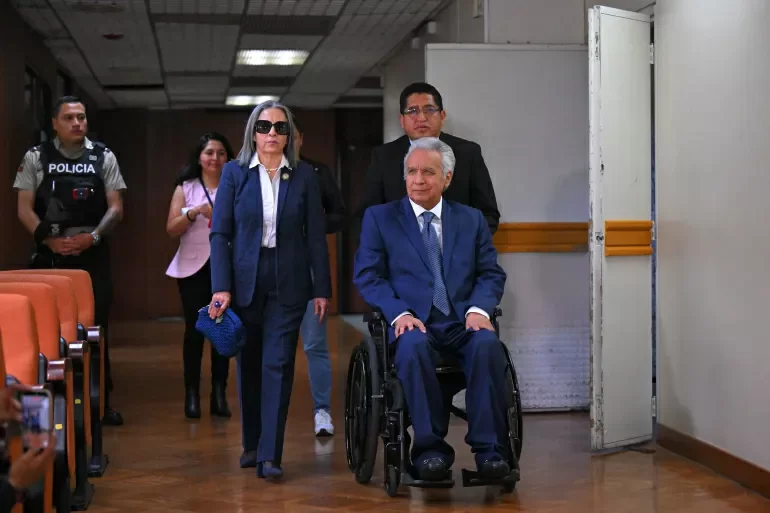
In a landmark ruling that marks one of the biggest corruption cases in modern Ecuadorian history, a national court in Quito has found former president Lenin Moreno guilty of bribery linked to widespread graft surrounding the construction of Ecuador’s largest hydropower facility, the Coca Codo Sinclair project.
The 73-year-old former head of state has been sentenced to five years in prison, and handed a lifelong ban from holding any public office in the country. The case centers on allegations of systemic fraud and bribery connected to the 1,500-megawatt hydroelectric plant, which entered commercial operation in 2016 but has been plagued by persistent technical issues and corruption accusations from its early development stages.
Prosecutors launched the formal investigation into the project in March 2023, uncovering alleged ties between Moreno, his immediate and extended family, local business partners, and Chinese commercial entities linked to the project. Presiding judge Manuel Cabrera confirmed that the evidence presented in court fully supported the bribery charges brought against the former president. According to court documents, China’s state-owned engineering firm Sinohydro paid approximately $76.1 million in bribes between 2009 and 2018, routed through a network of fake consultancy contracts to conceal the illegal payments.
In addition to Moreno’s conviction, multiple members of his family have also been found guilty in the scheme. His wife Rocio Gonzalez Navas, his daughter, two brothers, and the brothers’ spouses all received two-and-a-half year prison sentences. The court also sentenced Cai Runguo, the former Chinese ambassador to Ecuador, to five years in prison in absentia over his alleged role in the corruption network.
Investigators traced the illegal funds through a complex web of offshore bank accounts and shell companies registered in tax havens before the money reached Moreno and his family members. Court records show Moreno received more than $1 million in illicit payments during his tenure as Ecuador’s vice president between 2007 and 2013, a period when the Coca Codo Sinclair project was being negotiated and finalized.
Moreno has forcefully denied all allegations against him throughout the legal process. During his trial, he argued that he was never involved in signing or overseeing the project’s contracts, and claimed responsibility for the corruption lies with other officials who handled the contract negotiations and solicited bribes. Moreno, who served as Ecuador’s president from 2017 to 2021, voluntarily returned to Ecuador from Paraguay ahead of his trial to face the judicial process.
The Coca Codo Sinclair project is a strategic infrastructure asset for Ecuador’s national energy supply, and was developed with major loan financing from Chinese institutions. For years, it has been overshadowed by both costly technical malfunctions and persistent corruption claims. The high-profile conviction of a former president highlights growing global scrutiny of corruption risks associated with large-scale infrastructure development projects across Latin America, many of which involve significant foreign investment and partnership.
-

APUA Warns Electricity Theft and Meter Tampering Remain Concerns
The Antigua Public Utilities Authority (APUA) has issued a formal public warning, highlighting that illicit electricity diversion and unauthorized tampering with utility meters continue to pose significant, ongoing challenges for the island’s power infrastructure and consumer community. In a recent public statement, authority representatives emphasized that these illegal activities do not just represent a minor financial loss for the utility provider—they create cascading risks that impact every sector of the local population.
Beyond the direct hit to APUA’s operational revenue, officials noted that unregulated modifications to power meters and illegal hookups frequently create serious public safety hazards. Unsecured electrical connections can spark structural fires, expose unsuspecting passersby to lethal high-voltage shocks, and destabilize local power grids, triggering unplanned outages that disrupt residential homes, medical facilities, and local businesses alike. These disruptions, in turn, generate additional indirect economic costs that are ultimately passed on to law-abiding consumers in the form of higher rate adjustments.
APUA officials also clarified that anyone caught engaging in these illegal practices will face full legal consequences, in line with local public utility regulations. The authority is currently ramping up targeted inspection patrols across residential neighborhoods, commercial districts, and rural areas to identify and address violations, while also urging community members to report any suspected cases of power theft or meter tampering through the authority’s dedicated confidential hotline. As part of its ongoing outreach, APUA is reminding all consumers that protecting the integrity of the power network is a shared responsibility that benefits the entire community.
-
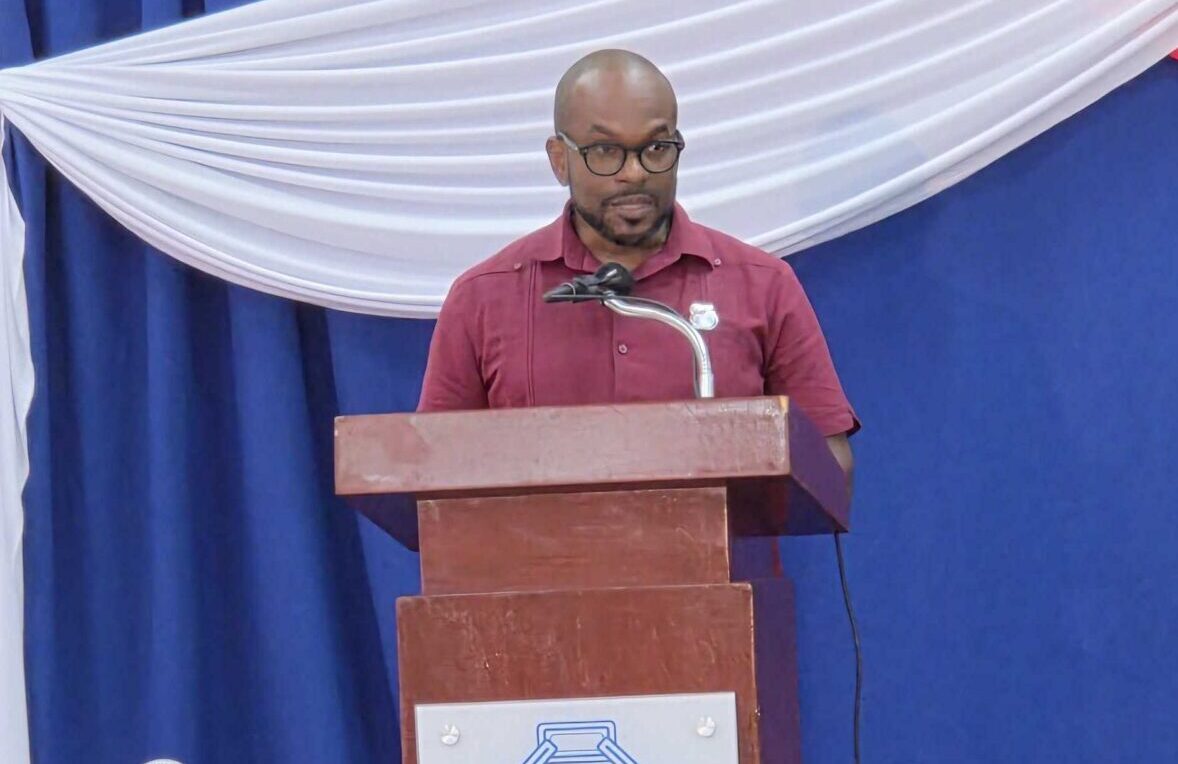
BWU president general demands stricter enforcement of labour laws
At the opening ceremony of the Barbados Workers’ Union (BWU) 84th Annual Delegates’ Conference held at Solidarity House, the organisation’s top leader Shawn Knight has delivered a clear call to action: instead of drafting additional unenforced labour legislation, Barbados must prioritize rigorous enforcement of existing workplace standards to protect the nation’s workforce.
Knight, who serves as BWU president general, warned that current gaps in enforcement have left many labour laws toothless. Businesses and powerful industry actors that violate workplace protections regularly face no meaningful consequences for their actions, eroding the security of working people across the island. He emphasized that new legislation is not the solution to widespread labour violations; stronger enforcement of existing rules is the urgent priority.
To address this gap, Knight pledged that the BWU will maintain unrelenting pressure on national authorities to build a fully staffed, sufficiently empowered, and publicly respected Labour Department. A robust, independent labour department, he argued, is the only bulwark that can prevent powerful commercial interests from undermining hard-won worker rights across all sectors of Barbados’ economy.
The conference, held under the overarching theme “Marching to 85”, comes as the union prepares to mark its 85th founding anniversary on October 4. Knight stressed that honoring the BWU’s nearly century-long legacy of worker advocacy requires a forward-looking approach that addresses the evolving challenges facing 21st-century workers, from corporate restructuring and mass redundancies to the rise of precarious, unstable working arrangements.
“Marching to 85 is not a backward march; it’s a forward march,” Knight told assembled delegates. He pointed to the union’s recent high-profile intervention on behalf of migrant construction workers, who were being forced to live in dangerous, substandard housing by a major industry employer. When the violation came to light, Knight said, the BWU did not stay silent or hesitate to act. “If we defend migrant workers with that level of fairness, you can be absolutely certain that we will defend you,” he affirmed, reinforcing the union’s commitment to protecting all workers regardless of their background.
Beyond calling for stronger enforcement, Knight also highlighted key progress the union has secured over the past year, both domestically and on the global stage. He singled out BWU General Secretary Toni Moore for praise for her successful work steering the Portable Social Security Benefits resolution through Barbados’ Parliament. Knight described the new policy as a groundbreaking, vital reform that extends critical social protection to workers in non-traditional employment arrangements, including gig work, platform contracts, and digital economy roles.
He also noted the BWU’s growing influence in global labour policy, as Barbadian delegates contributed to shaping new global conventions on decent work for the platform economy during the 112th International Labour Conference. Internally, the union has also advanced its own modernization efforts, launching new digital member portals and expanding accessible skills and advocacy training through the Frank Walcott Labour College.
In closing his opening address, Knight called on all conference delegates to reaffirm the BWU’s central role as the unyielding shield and enduring backbone of the Barbadian workforce, as the organisation continues its forward march toward its 85th anniversary and beyond.
-
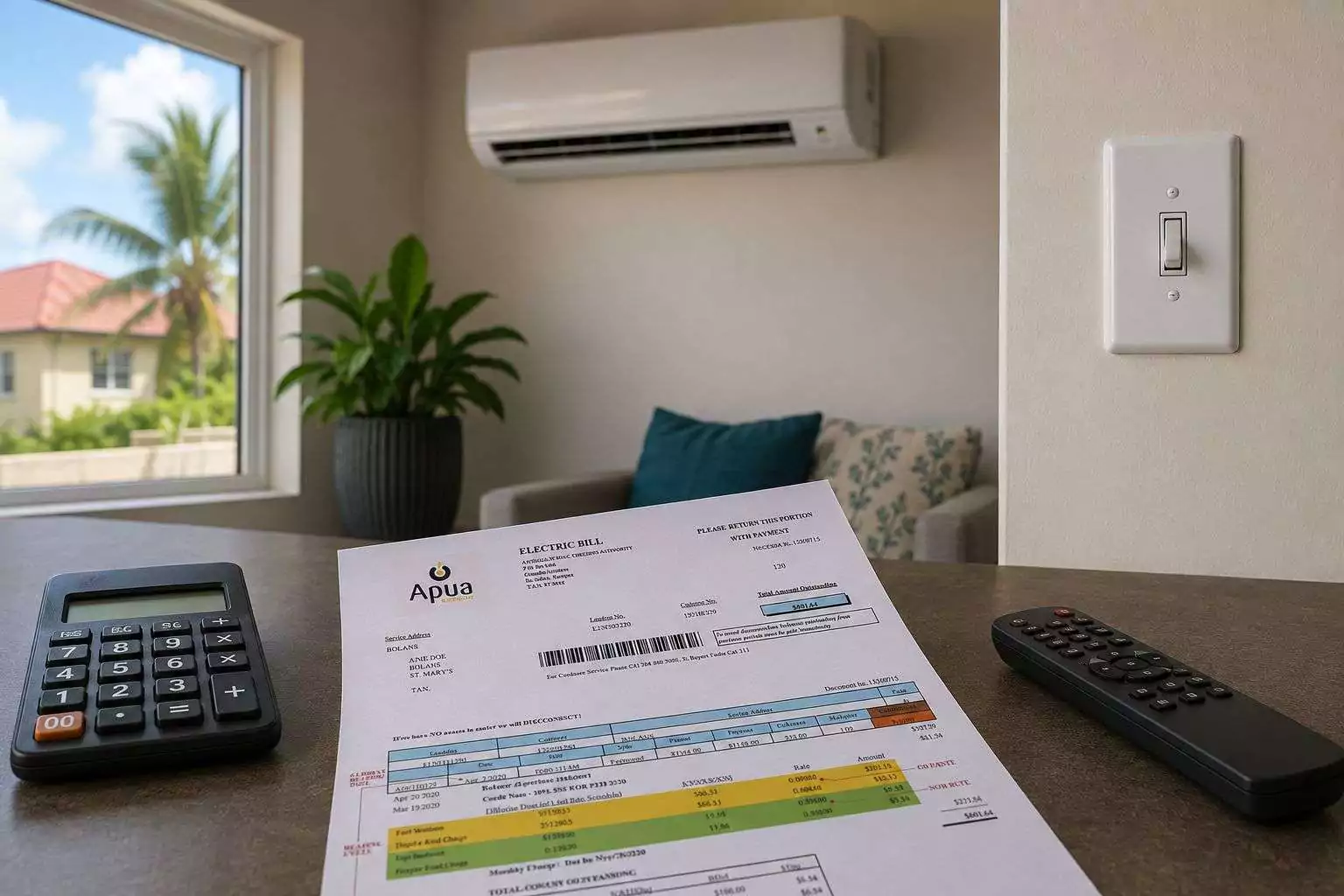
APUA Urges Customers to Conserve Electricity as Costs Rise
Antigua’s primary energy provider, the Antigua Public Utilities Authority (APUA), has issued a public call for reduced electricity use across residential and commercial sectors, as soaring global fuel costs and swelling local consumption combine to create unprecedented cost pressures on the island’s energy system.
Acting Financial Controller Sabrina Benjamin has urged all customers to take a proactive approach to managing their energy spending, advising households and business owners to closely track how adjustments to daily electricity usage translate to changes in monthly billing statements. To cut consumption, Benjamin outlined several accessible, high-impact steps: limiting the daily runtime of air conditioning units, unplugging and switching off electronic devices that are not in active use, and regularly reviewing billing details to spot unnecessary usage patterns.
Andre Matthias, head of APUA’s Electricity Business Unit, explained that the recent spike in local energy demand is closely tied to unseasonably high temperatures across the region. Even properties equipped with modern energy-efficient inverter air conditioning systems have seen notable jumps in consumption, Matthias noted, as residents run cooling units more frequently and for longer stretches to stay comfortable.
Melford Nicholas, Antigua’s Minister of Utilities, emphasized that collective energy conservation delivers dual benefits for both the utility and consumers. For APUA, reduced demand eases the financial strain of elevated global fuel prices, allowing the organization to stabilize operational costs. For households, cutting unnecessary energy use directly supports more manageable monthly budgeting, helping residents avoid unexpected high bills that can strain household finances.
APUA has also advised customers to reframe how they evaluate their energy bills: instead of focusing solely on the total monthly amount, consumers should compare average daily usage across billing cycles. This method makes it far easier to identify whether higher total charges stem from increased energy consumption or simply a longer billing period, which can happen when scheduled meter reading dates shift.
For customers who suspect their bill contains inaccuracies after reviewing their usage data, APUA noted that formal investigation requests can be filed in person at any APUA customer service center, where staff will review meter readings and billing records to resolve disputes.
-
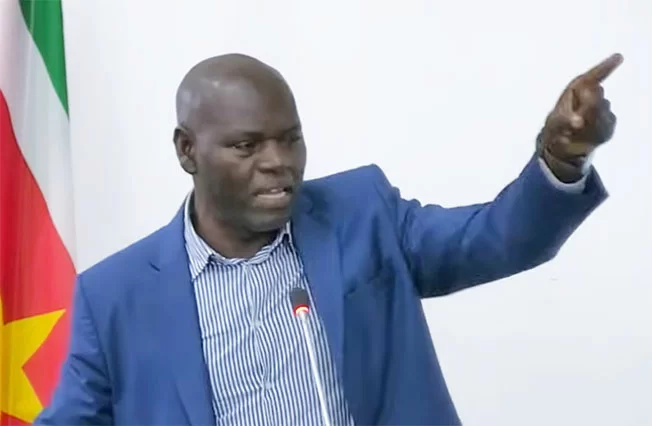
BEP-fractieleider Asabina wil af van SRD 1 miljoen-grens voor btw
During parliamentary debate on Suriname’s General Tax Law, Ronny Asabina, leader of the BEP political faction, has publicly called for the immediate elimination of the 1 million Surinamese dollar (SRD) annual turnover VAT threshold, arguing that the existing regulation creates widespread opportunities for tax avoidance and fosters an environment conducive to systemic corruption.
Under current Surinamese tax rules, businesses with annual turnover falling below the 1 million SRD threshold are exempt from the same strict VAT reporting and payment obligations that apply to firms exceeding the limit. Asabina told the National Assembly that this two-tier system is widely exploited by unethical business owners, who deliberately structure their operations or falsify administrative records to keep their reported turnover below the cutoff, allowing them to skip out on VAT obligations entirely. He specifically called out the supermarket sector, casting doubt on the credibility of claims that dozens of operators in the industry actually generate less than 1 million SRD in annual turnover.
Critically, Asabina rejected the common counterargument that eliminating the threshold would overburden the Suriname Tax Administration, which reportedly faces staffing shortages that would leave it unable to oversee a vastly expanded pool of VAT-registered businesses. Reports indicate tax officials have previously floated raising the threshold to reduce administrative workload, a proposal Asabina dismissed outright. If expanding oversight requires hiring additional tax personnel and investing in new infrastructure, he argues, the state must prioritize that investment. Shortages in enforcement capacity, he emphasized, are never a justifiable reason to preserve a regulation that enables widespread abuse of the tax system.
Asabina’s criticism of the VAT threshold is part of a broader push to strengthen Suriname’s tax administration and crack down on non-compliance. He argues that tax system reform must include a full review of all existing rules that create opportunities for manipulation, and is calling on the government to launch a formal review of whether full elimination of the 1 million SRD threshold is feasible. He has also pressed the government to clarify its official position: will it keep the current threshold, raise it, or move to abolish it entirely?
A core part of Asabina’s broader reform agenda is expanding the use of digital tools to track taxpayers and financial flows. Suriname has already introduced online filing and payment systems for VAT, payroll tax and income tax, but Asabina is demanding transparency around the actual outcomes of this digital shift. He wants clear data on how many taxpayers have transitioned to online filing, and whether digitalization has actually led to higher or more efficient tax collection.
He also called for improved cross-agency information sharing between the tax administration and other government bodies, arguing that integrating data from different public datasets would allow officials to identify and act on tax evasion far more quickly. Importantly, Asabina stressed that his push for stricter enforcement does not mean higher tax burdens for ordinary citizens and compliant businesses. Instead, his goal is a fairer distribution of tax obligations, and a dramatic increase in the likelihood that tax avoiders and evaders are caught and held accountable.
Asabina concluded that the new General Tax Law can help advance these goals by granting the tax administration expanded authority for oversight, data collection and enforcement. For these new powers to be effective, however, he added, the tax authority must be properly resourced with sufficient staff, digital tools and enforcement capacity. Parliamentary debate on the draft legislation is set to resume next week.