
In a historic step forward for worker rights and labor standards across the Central American nation, Belize has formally passed a new, comprehensive Occupational Safety and Health Act that expands protective safeguards for employees and codifies clear, updated safety responsibilities for all employers. The government officially announced on Wednesday that the Occupational Safety and Health Act 2026 has been fully enacted and gazetted, framing the new legislation as a contemporary regulatory framework designed to raise baseline workplace health and safety standards across every sector of the national economy. Unlike fragmented previous regulations, this new law applies universally to all workplaces across both the public and private sectors, covering a wide range of work environments that have historically lacked consistent oversight—from high-risk construction sites and heavy industrial facilities to in-home domestic work positions and a portion of modern remote work setups. Under the terms of the legislation, employers are now legally mandated to implement reasonable proactive measures to eliminate or reduce risks to their workforces. These requirements include regular mandatory risk assessments of work sites, systematic management of identified workplace hazards, strengthened systems for reporting workplace accidents and occupational diseases, and the rollout of evidence-based preventive measures to mitigate harm before incidents occur. For workers, the act delivers a suite of enhanced legal protections that address longstanding gaps in Belize’s labor regulations. Most notably, workers are now protected from employer retaliation and reprisals when they file reports about unsafe working conditions, and they have gained the explicit legal right to refuse work assignments when they hold a reasonable belief that the task poses an imminent and serious threat to their health or personal safety. The legislation also establishes two new permanent national bodies to oversee enforcement and policy development: the National Occupational Safety and Health Advisory Committee, which will guide strategic policy direction, and the dedicated Occupational Safety and Health Inspectorate, which will be tasked with conducting routine workplace inspections, monitoring compliance with the new standards, and rolling out related public safety initiatives. Additional provisions of the act set out strict new regulations for the handling, storage and exposure mitigation of hazardous substances, toxic chemicals and dangerous biological agents. It also formalizes increased worker participation in safety governance by requiring or supporting the establishment of workplace-level Safety and Health Committees and elected Safety and Health Representatives, giving workers a direct voice in shaping on-site safety practices. While the legislation has already been formally enacted, government officials confirmed that the full framework will not go into effect immediately. Instead, all provisions will be rolled out in a phased sequence through formal commencement orders issued by the responsible government minister. This staggered approach is designed to give authorities time to put all necessary administrative and institutional infrastructure in place before active enforcement begins. The Belizean Labour Department has been named the lead agency overseeing the entire implementation process. Its responsibilities include building out the new Occupational Safety and Health Inspectorate, drafting secondary regulations and industry-specific codes of practice, carrying out nationwide public education campaigns to inform both employers and workers of their new rights and obligations, training new inspectors and workplace stakeholder groups, and developing digital and administrative systems for compliance tracking and incident reporting. Government leaders characterize the new law as one of the most meaningful advancements in worker protection that Belize has seen in the past several decades. They added that successful implementation will rely on active cross-stakeholder collaboration, bringing together employers, organized labor unions, professional industry organizations, civil society groups and worker representatives to bring the framework’s protections to life across the country’s workplaces.
博客
-

Global Food Prices Rise Across the Board in August
International food commodity markets faced a broad-based upward price push in August 2026, with every major food category tracked by the United Nations Food and Agriculture Organization (FAO) recording gains, according to new data from the intergovernmental agency. The sharpest spike was seen in sugar markets, where prices surged nearly 12% month-over-month, driving the overall global food price increase.
The FAO’s flagship Food Price Index, which tracks monthly changes in international prices of a basket of core food commodities, hit an average of 133.3 points in August 2026. This marked a 2.5-point increase from the revised July 2026 reading, and pushed the benchmark 2.5% higher than its level in August 2025. Even with this sustained upward trend, the August 2026 index remains 16.8% below the all-time record peak set in March 2022, when global commodity markets were upended by widespread geopolitical disruption.
By a significant margin, sugar posted the steepest monthly gain among all tracked categories. The FAO Sugar Price Index climbed 11.9% to reach 106.4 points in August, its highest level in just over 12 months. FAO analysts traced this dramatic jump to widespread market concerns over upcoming 2026/27 season global sugar supplies. Unseasonably hot and dry weather across the European Union has damaged sugarbeet growing prospects, while lingering El Niño-related weather patterns have cast uncertainty over sugar output across major producing regions in Asia. Compounding these supply risks, lower-than-expected harvests in Brazil’s key Center-South production hub, paired with India’s recent announcement that it will allow duty-free imports of raw sugar, have added extra upward pressure to global sugar prices.
Cereals were the second-fastest growing category, with the FAO Cereal Price Index rising 2.2% to hit its highest point since May 2024. Price increases were recorded across all major grain markets. Wheat prices rose 2.6% in August, and are now 15% higher than they were one year ago. FAO cited persistent disruptions to Black Sea export routes, lower projected output across European growing regions, and ongoing strong global consumer demand as the primary factors pushing wheat prices higher. Maize prices also posted a 2.5% gain, driven by growing market anxiety over drought and heat-related production impacts in both the United States and European Union.
Dairy prices reversed a three-month downward trend to climb 2.3% in August, with higher wholesale prices for milk powders and cheese leading the broad category gain. Even with the monthly increase, the overall dairy price index still sits 21.7% below its August 2025 level. Meat prices recorded a more modest 1% uptick, with higher prices for poultry, pork, and sheep meat offset by a small decline in international beef prices. Vegetable oils posted the smallest monthly gain at just 0.6%, but even this mild increase pushed the vegetable oil index to its highest level since June 2022. Higher prices for palm and soy oil more than offset small declines in the values of sunflower and rapeseed oils.
The August 2026 price data confirms that upward pressure on food costs is not isolated to a single commodity market. For the first time in recent months, all five of the major food categories measured by the FAO posted simultaneous monthly gains, signaling a broad-based shift upward in global food commodity prices that could impact consumer costs worldwide in the coming quarters.
-
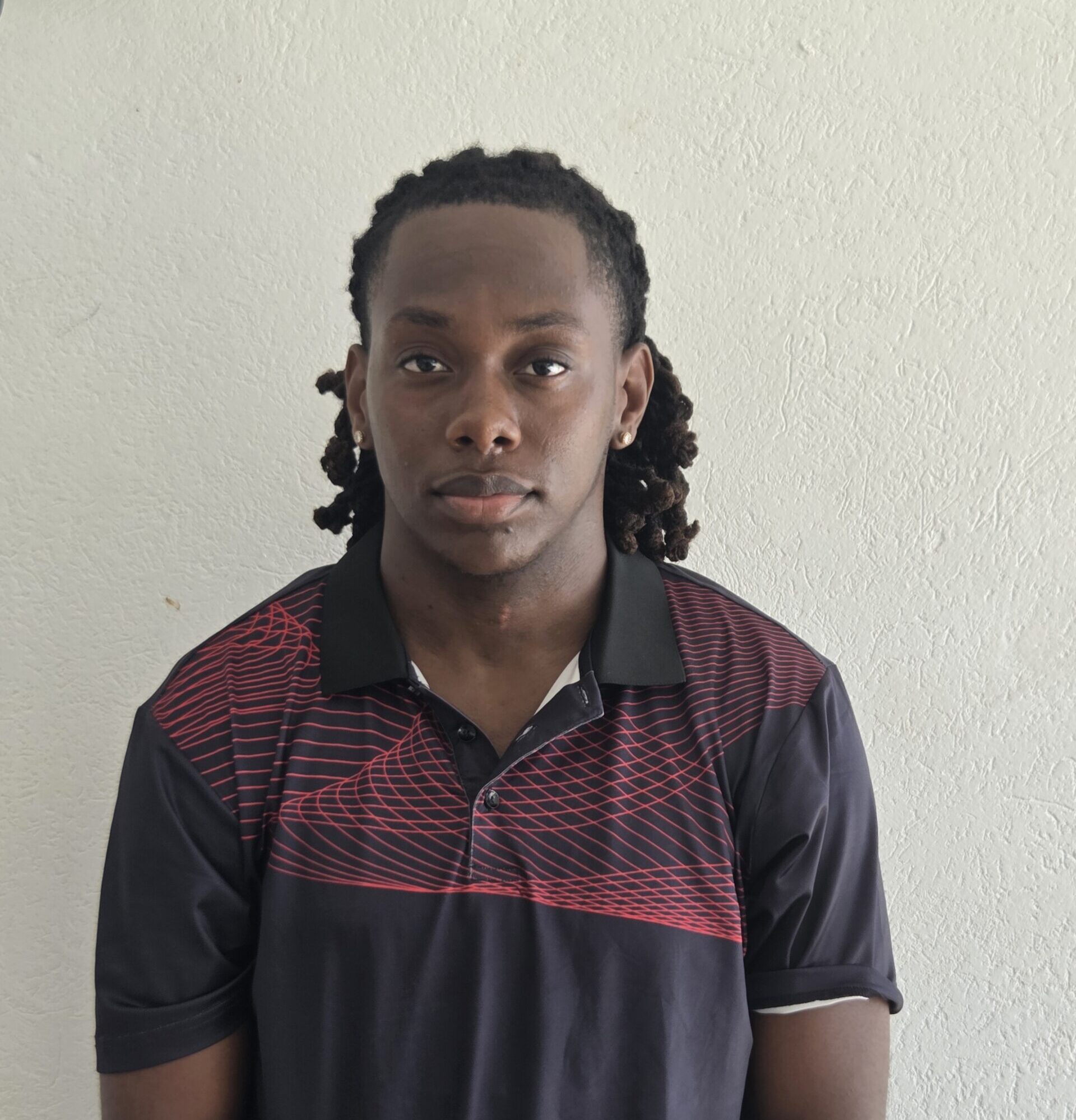
Young Barbadian developing new approach to athlete assessment
A young Barbadian former competitor is revolutionizing athlete development and post-injury care across his home country with a data-driven new program that addresses longstanding gaps in local athletic support. Nineteen-year-old Michael J.D. Hall, who competed competitively in both swimming and karate before turning his focus to sports science education, has developed the Barbados High Performance Athlete Assessment Initiative, a groundbreaking project designed to overhaul how personalized training plans are created and how injured athletes rehabilitate.
Set to launch publicly on September 12 at the Hilton Barbados Resort, the initiative will operate as a free public resource, with young athletes under the age of 20 identified as its core priority group. For Hall, the project is rooted in personal experience and a desire to give back to the Caribbean community that shaped his athletic journey: after earning his bachelor’s degree in Strength, Conditioning and Sports Nutrition from University College Birmingham in the UK, he’s bringing cutting-edge sports science home before returning to the institution to pursue postgraduate study.
“Having competed as an athlete myself, I know exactly which critical resources today’s young Barbadian athletes are missing,” Hall explained in comments ahead of the launch. “When I began preliminary testing, I was shocked to find that many athletes don’t have access to structured rehabilitation programs after getting hurt. Earlier this year, we all watched multiple athletes get injured at the CARIFTA Games, and several still haven’t made a full recovery. This initiative is built to fix that: we identify individual weaknesses early, build resilience, and prepare athletes to compete at their best.”
Hall’s approach leverages advanced sports science technology, specifically the VALD System, a tool that maps muscular imbalances that often go undetected until they result in injury. To date, he has already completed baseline assessments for more than 30 athletes across four popular Barbadian sports: football, swimming, road tennis, and track and field.
As Hall notes, subtle muscular imbalances are a normal part of athletic development – most people have one dominant leg or arm, for example – but when that imbalance exceeds a 10% gap, the risk of acute injury rises dramatically. His program flags these risks early, before athletes take the field, and creates customized training and rehab plans to close gaps and reduce injury risk. After each assessment, participating athletes receive a fully personalized plan, including targeted recommendations for recovery and performance improvement.
Initial feedback from the pilot testing phase has been overwhelmingly positive. Many participants had no idea they had underlying imbalances that put them at risk, and coaching staff have welcomed the initiative as a way to offload the work of strength and conditioning planning, letting them refocus their energy on skill and technique development. “Athletes have been really grateful for the insight, and coaches love the support,” Hall said. “When an athlete gets hurt, I can step in to build and manage their rehab program, taking that work off coaches’ plates.”
The public launch event this weekend will feature an in-person appearance from a VALD System representative, plus talks from leading guest sports experts and an open mic session where attendees can ask questions about the initiative and athlete care. After the launch, Hall will return to the UK to complete his master’s degree, with plans to specialize in either strength and conditioning or sports analytics – a path he has dreamed of since childhood.
“From a young age, I knew I wanted to work in sports, even when I moved from competing to the science side of the field,” he said. “I can’t stand sitting behind a desk all day – I need to be active, working with athletes, and making a tangible difference in the sport I love.”
-
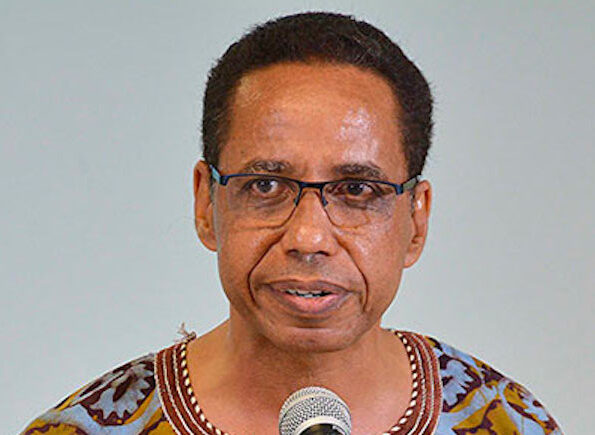
Envoy backs Jamaican reparations push
A decades-long fight for reparations for the transatlantic chattel slave trade has taken a groundbreaking new step, as CARICOM’s top ambassador has voiced full regional backing for Jamaica’s formal legal push against the United Kingdom, voicing confidence that the British Privy Council will formally rule that racialized chattel slavery was never lawful under historic English law.
As a constitutional monarchy that retains King Charles III as its official head of state, Jamaica has taken advantage of a unique constitutional provision to file a formal petition requesting the monarch refer three critical legal questions about slavery and British legal responsibility to the Judicial Committee of the Privy Council – the Caribbean nation’s highest appellate court. The three landmark questions cut to the core of the reparations debate: whether the mass seizure, forced transatlantic transport, and chattel enslavement of African people was ever legally valid under English law; whether these systematic abuses committed on Jamaican soil violated existing international law standards of the era; and whether the United Kingdom holds a binding legal obligation to provide reparative compensation to the people of Jamaica.
In an interview with Barbados TODAY Wednesday on the sidelines of the Barbados @ 60 Timeline launch held at Pelican Village, CARICOM Ambassador to the regional bloc David Comissiong made clear that Jamaica’s unprecedented action has the full solidarity and backing of all 15 CARICOM member states. “Jamaica’s presentation of this petition to King Charles III does not come as a surprise to us in CARICOM. In fact, CARICOM has given Jamaica its solidarity and support,” Comissiong confirmed.
The ambassador explained that Jamaican legal teams identified this little-used constitutional pathway specifically for current constitutional monarchies in the Caribbean, which allows petitions to be submitted directly to the reigning British monarch to request advisory opinions on core legal questions from the Privy Council. Comissiong noted that the question of slavery’s legal status under British law stands as the foundation of Jamaica’s entire legal push. “One of the questions they have placed is, was slavery legal under British law at the time that it was practised in the British Empire back in the 19th, 18th, 17th century,” he said.
Comissiong acknowledged that Jamaica’s strategy carries both advantages and limitations, particularly for CARICOM states that have already transitioned to republican status, such as Barbados. Former constitutional monarchies that have cut formal ties to the British crown no longer have access to this same constitutional legal avenue. For these republics, the core principle of the reparations movement centers on self-determination: achieving full sovereignty and national self-repair as a foundational form of reparative action. “For those of us who have become republics, we are conscious that a fundamental principle of reparations is the self-help, self-repair remedy of reappropriating your full nationhood, sovereignty, and self-determination,” he explained.
Even with these considerations, Comissiong emphasized that Jamaica’s petition could mark a turning point for the entire regional reparations movement that has been building for decades. “If the King responds positively, and if those three questions are put to the Privy Council, and if the Privy Council gives a positive answer, particularly in relation to that question about the illegality of slavery when it was practised, that will be a very big victory and a big step forward for our reparations cause,” he said.
The ambassador also offered a clear note of caution, stressing that even a favorable ruling affirming slavery’s illegality would not automatically result in tangible compensation for Jamaican people. “That by itself will not deliver reparations. It is one thing to declare that slavery was illegal back then, but it’s another thing to go from that to actually establish and win a judgment for actual payment of compensation,” he noted. Still, he reaffirmed that a formal ruling from the Privy Council would represent a transformative symbolic and legal victory for the movement. “I have no doubt that they will come to the conclusion that slavery, certainly the racialised chattel slavery that was inflicted on our ancestors, was never legal under the constitutional regime of Britain,” Comissiong said.
Looking ahead, the regional movement is preparing for a major gathering next month: Barbados will host a landmark CARICOM reparations conference from September 17 to 19, bringing together all strands of the global reparations movement to coordinate strategy. Comissiong explained that the conference will create a critical space to align the overlapping initiatives of CARICOM, the African Union, Ghana, and Jamaica to build a cohesive, collective strategy to advance the global reparations campaign forward. “This conference will give us an opportunity to pull together all the different strands of the reparations movement that have really come to the fore over the last year or so… plan the next [steps] collectively to take forward our reparations campaign,” he said.
-
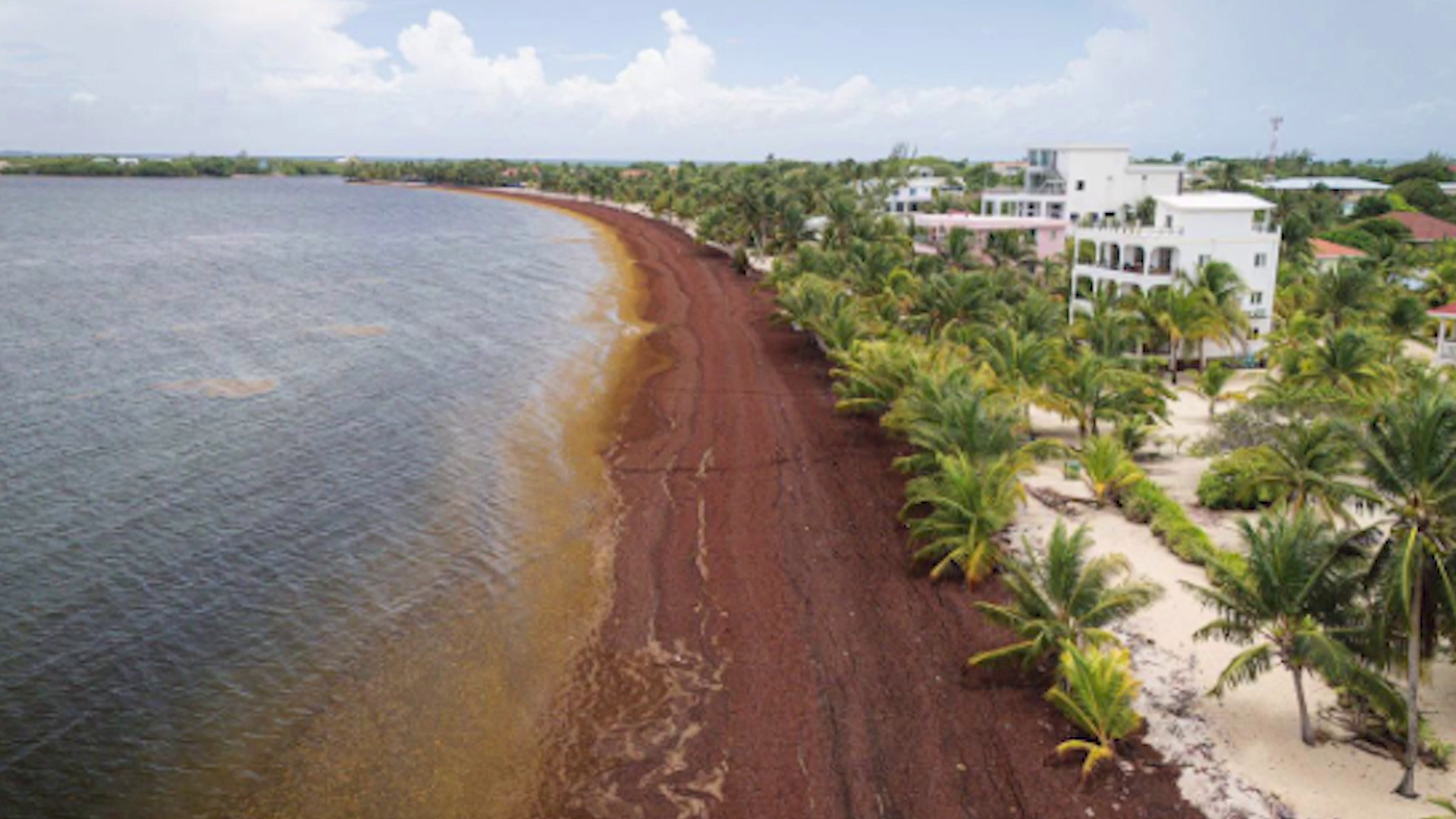
Coastal Livelihoods Threatened by Relentless Sargassum
A worsening sargassum seaweed crisis is steadily encroaching on coastal regions of southern Belize, leaving local residents and tourism business owners decrying the national government’s insufficient response to the growing environmental emergency. For months, dense mats of the brown algae have washed ashore in record volumes, smothering once-pristine beaches, disrupting tourism operations that form the backbone of the local economy, and putting the long-term livelihoods of thousands of coastal community members at direct risk. As public frustration mounts over the slow progress, senior government officials have acknowledged that no permanent fix for the crisis has yet been identified – and stressed that Belize is far from alone in grappling with this transnational regional challenge.
Orlando Habet, Belize’s Minister of Sustainable Development, recently addressed the ongoing crisis in a public briefing, confirming that policymakers across the Caribbean and Central American region have yet to develop a permanent, scalable solution for unrelenting sargassum influxes. “I believe that anybody will say that not enough attention is being given. There is no final solution for sargassum, not in Mexico, not in the Dominican Republic, not in Barbados, not in Belize, nowhere,” Habet stated. “We are all trying to see what works best, and we are trying to see what we can adopt from what Mexico has done that they say works for them.” Mexico has emerged as the global leader in sargassum management, investing more funding and research into mitigation efforts than any other affected nation, Habet explained. Currently, Mexico’s primary strategy centers on mechanical collection of washed-ashore seaweed, with policymakers now advancing initiatives to process harvested sargassum into marketable products that can generate revenue to offset cleanup costs. Even with these advances, however, the crisis remains a continuous, long-term challenge that will persist for years unless a transformative intervention is developed.
Habet emphasized that Belize’s government has already fulfilled its core commitments to addressing the crisis, and called for greater participation and investment from the country’s private sector to scale up mitigation efforts. Currently, the Ministry of Tourism is finalizing plans for a new cleanup initiative that will bring in specialized heavy equipment to speed up removal of accumulated seaweed along affected coastlines in the near term. Beyond immediate cleanup efforts, the government is also exploring a pilot project funded by the United Nations that would convert harvested sargassum into usable energy, turning the harmful invasive algae into a productive resource that can reduce the crisis’s environmental and economic impact while delivering energy benefits to local communities. For southern Belize’s coastal residents and business owners, however, even these incremental plans cannot reverse the damage the ongoing sargassum influx has already caused, leaving many waiting for urgent, large-scale action to protect their homes and livelihoods.
-
Toxic Runoff Blamed for Belize River Fish Kill
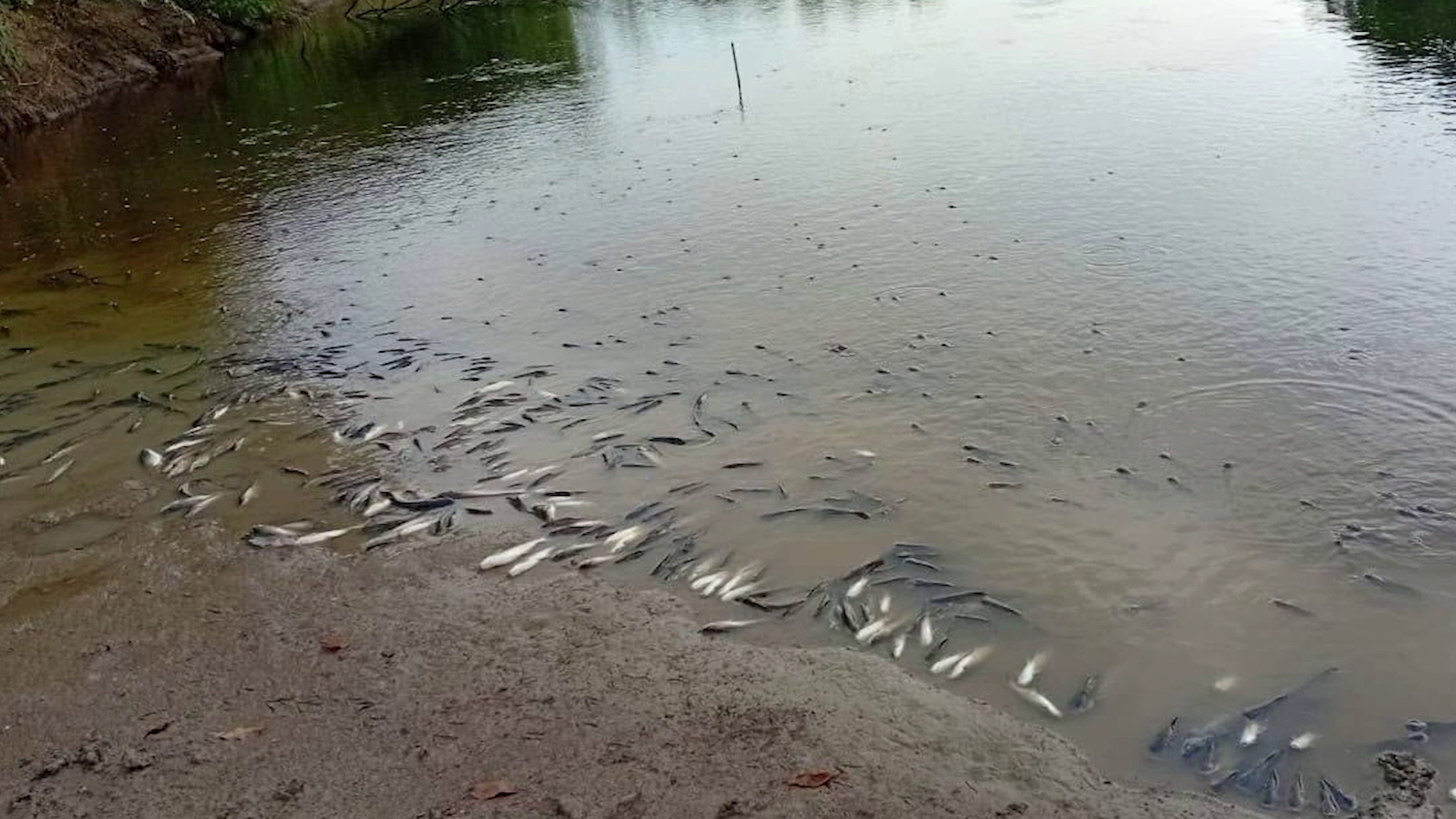
A widespread mass fish mortality event across the Belize River Valley has been traced to a toxic combination of contaminants washed into the waterway by extreme seasonal flooding, rather than contamination from a single source or polluter, Belizean environmental authorities have confirmed. The incident, which unfolded weeks after an unprecedented downpour that dumped 10.5 inches of rain over a 12-hour period, left large stretches of the river littered with dead fish, triggering public alarm and an official investigation into its root causes.
According to Sustainable Development Minister Orlando Habet, the extreme flooding overwhelmed the river’s banks and swept a dangerous mixed cocktail of pollutants into the water: decomposing organic material, agricultural pesticides, and synthetic fertilizers from surrounding commercial and small-scale farms, including the Santander property and a regional rice operation. Unlike typical point-source pollution events where fish die-offs occur close to the contamination origin, Habet explained that mortality was concentrated far downstream, where the accumulated toxic compounds built up to lethal concentrations as the water flowed.
The Belize Department of the Environment is set to release its full final investigative report at a public meeting scheduled for September 11, 2026, but policy planning to prevent future disasters is already underway. Officials have launched a comprehensive review of environmental compliance plans (ECPs) for all agricultural operations in the affected watershed to check whether existing protocols are being followed and identify gaps that need to be addressed.
Looking ahead, the Belizean government is drafting updated land-use regulations that would impose stricter protections for riparian ecosystems. One key proposal under discussion would require mandatory environmental impact assessments for smaller development projects located near rivers, streams, and other critical water sources, a shift from current rules that often exempt small-scale operations from this screening step. The reforms are aimed at reducing long-term pollution risk and protecting Belize’s vital freshwater resources from similar catastrophic events.
This reporting is adapted from a transcript of a televised evening news broadcast.
-
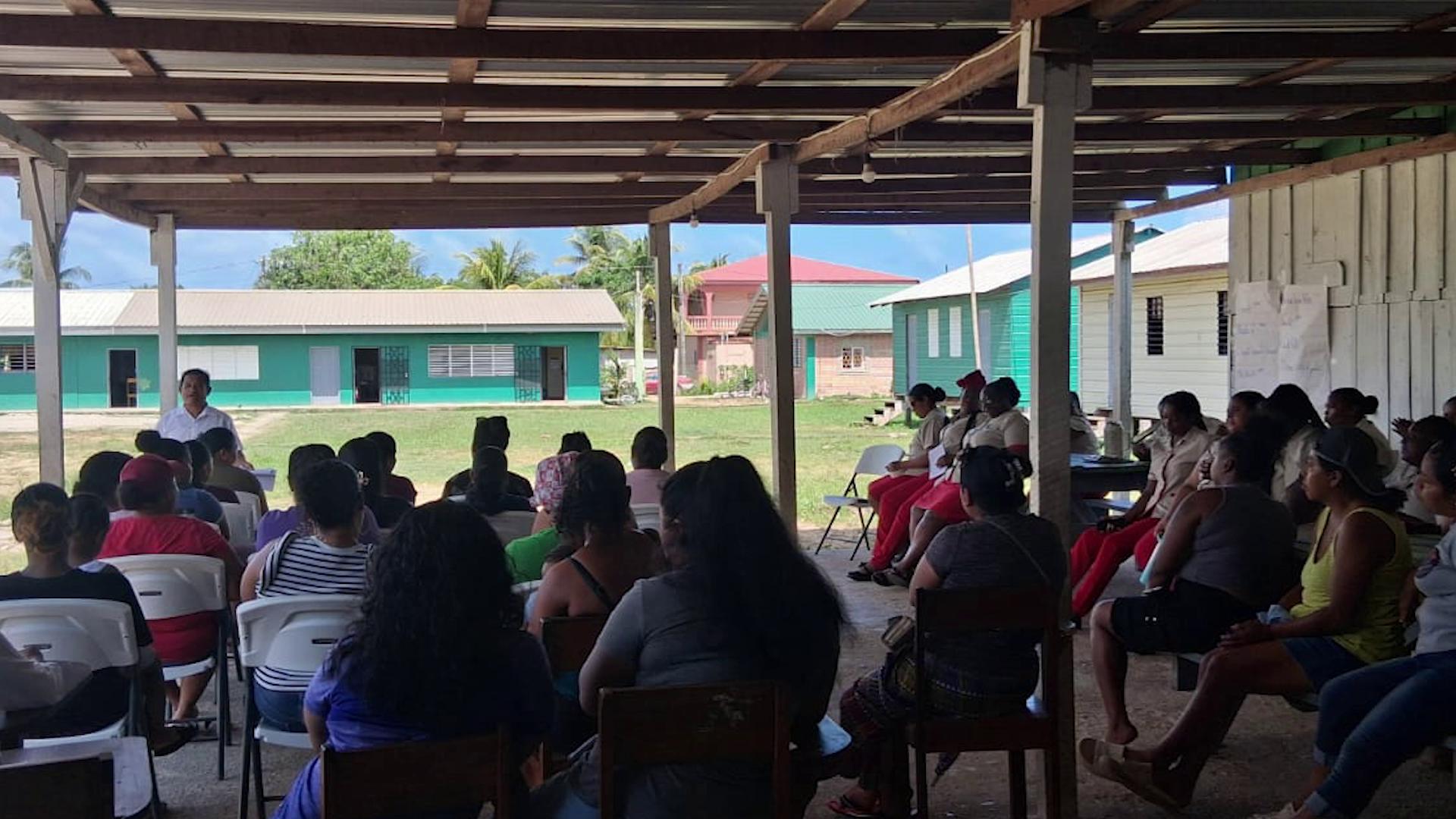
No Shade, No Relief for Silk Grass Methodist School Students
A viral social media video capturing hundreds of Silk Grass Methodist School students huddled under insufficient shade during outdoor school activities has drawn public attention to a critical infrastructure gap at the campus in Belize’s Stann Creek District, ahead of the 2026 academic term that began this month. The school currently serves 460 enrolled students, but its existing outdoor shade structure, the only covered space for school assemblies, sporting events, and group gatherings, is far too small to accommodate the entire student body during the hot, sunny months common to the region.
With student numbers continuing to grow, school administrators and faculty have launched a public appeal to raise the resources needed to expand the existing shade structure, a project that construction professionals have estimated will cost $25,000 in total building materials. Unlike many community infrastructure projects that struggle to secure volunteer labor, Silk Grass Methodist School has already secured commitments from dozens of local community members who have offered to donate their time and construction skills to complete the expansion free of charge. The only missing piece to break ground on the project is access to the required building supplies.
Eli Villalta, a teacher at the school leading the fundraising and donation drive, explained that the community response has already yielded early progress: the school currently has 14 bags of cement on hand to kick off construction, but still needs a wide range of additional materials including reinforcing steel, lumber, roofing supplies, concrete blocks, and additional cement to complete the project. Villalta noted that the school already has an indoor auditorium on campus, but that facility is also outdated, undersized for the current student population, and requires major renovations of its own that the school cannot currently afford.
Villalta is urging local businesses, community members, and regional donors to contribute whatever supplies or funding they can, whether that is a single concrete post, multiple bags of cement, or a cash donation to purchase remaining materials. Once all required materials are secured, the volunteer construction team is ready to begin work immediately, with the goal of completing the expanded shade structure before the peak of the hot season to give students a safe, cool space for outdoor school activities.
-

Belize Celebrates the Musical Legacy of Supa G
On September 9, 2026, Belize is preparing to celebrate the decades-long musical legacy of one of its most influential homegrown artists, Supa G, at a special free public tribute event in Belize City. Hosted as part of the popular Living Legends Concert Series, the evening gathering at Lord Rhaburn Plaza blends dynamic live musical performances with an engaging, documentary-style retrospective of the iconic musician’s life, career, and lasting imprint on Belize’s national music scene.
Organized by the Institute of Creative Arts, the event brings together multiple established Belizean artists who have either collaborated with Supa G throughout his career or drawn creative inspiration from his work. All are set to take the stage to perform interpretations of his most beloved tracks, and the legend himself is also scheduled to deliver a live set for the attending audience. The tribute event coincides with two major milestones for Supa G: his 50th birthday year, and an ongoing nationwide tour that has drawn crowds across the country.
In a recent on-camera interview ahead of the event, Supa G reflected on his unexpected journey into a decades-long professional music career. He shared that he first picked up music at the age of 12, and never anticipated that the hobby would grow into the foundational work of his life. “In the beginning I always wanted to be a radio announcer,” he explained, “but when I started school, I saw Andy Palacio and I said I want to be just like him when I grow up. But I didn’t think about it to this level. Something part-time, on the side but not as a profession.”
Speaking to the public about what makes this tribute event unique, Kim Vasquez, Director of the Institute of Creative Arts, emphasized the innovative hybrid format of the night. “It’s completely free. You don’t want to miss this one. What’s different about this concert is that it is part-concert, part documentary. And I’m not talking about a dry, academic documentary — it’s a really engaging, entertaining production that chronicles his music, his history, his journey. Attendees will be able to watch that story play out on big screens while also enjoying a full evening of music pulled from the extensive catalog of the General, Supa G.”
For Supa G, the recognition from his own community carries profound meaning. “It’s a great feeling to be honoured or to be noticed and recognized by your own people,” he said. “It’s a great feeling of course.” This event is part of the Living Legends Concert Series’ ongoing mission to honor the foundational artists who have shaped Belizean modern music, ensuring their contributions are celebrated and preserved for future generations.
-

Marco Rubio start tour door Latijns-Amerika in strijd om Amerikaanse invloed
U.S. Secretary of State Marco Rubio arrived in Colombia on Tuesday, marking the first stop of his multi-nation tour across Latin America, a trip designed to strengthen ties with pro-U.S. regional leaders and shore up Washington’s long-standing influence in the Western Hemisphere. The visit comes on the heels of a major political shift in Bogotá, after conservative Colombian President Abelardo de la Espriella — a U.S.-aligned former lawyer — won recent presidential elections, turning a page on the tense relationship between Washington and his left-wing predecessor Gustavo Petro. Since taking office, de la Espriella has pivoted to a hardline crackdown on drug cartels and organized crime, ending peace negotiations with armed rebel groups that defined Petro’s tenure.
During this visit, Rubio and de la Espriella met in Barranquilla, a key Colombian Caribbean port city, for a signing ceremony that highlighted the deepening bilateral partnership. In the weeks since de la Espriella assumed office, Colombia has ramped up aerial counter-narcotics operations and authorized expanded joint military exercises with U.S. forces. The country has also formally joined the Shield of the Americas, a Trump-administration led alliance focused on combating transnational drug trafficking.
While the official core priority of Rubio’s stop is boosting counter-narcoterrorism cooperation, the two leaders are also set to discuss post-disaster reconstruction following the devastating August 10 earthquake that struck Colombia’s major coffee-growing region. The quake killed more than 330 people and leveled critical public and private infrastructure, prompting de la Espriella to formally request U.S. support, including a temporary suspension of Colombian customs duties to lower reconstruction costs and speed up recovery efforts.
Rubio’s three-nation tour, which will also include stops in Ecuador and Peru, comes amid a sweeping conservative wave across Latin America that has followed Donald Trump’s return to the U.S. presidency in January 2025. In recent years, voters across Argentina, Bolivia, Chile, Costa Rica and Honduras have elected right-wing governments aligned with U.S. policy priorities, creating a favorable landscape for Washington to advance its regional agenda.
The Trump administration has openly stated its goal of reasserting U.S. hegemony in South America, building on the 19th-century Monroe Doctrine and rebranding the framework as the “Donroe Doctrine” in a nod to the current U.S. president. Rubio, a Cuban-American politician with long-standing ties to hardline anti-communist and pro-U.S. regional policy, is the primary architect of this new strategy, which is now enshrined in Washington’s updated National Security Strategy.
After wrapping up his meetings in Colombia, Rubio will travel to Ecuador to meet with President Daniel Noboa, where the two sides will discuss ongoing joint operations to disrupt drug trafficking networks, including the notorious criminal group Los Choneros. The U.S. has already led a year-long campaign of airstrikes targeting suspected drug smuggling vessels in the Caribbean and Eastern Pacific, a campaign that has left more than 200 people dead and drawn widespread international criticism over insufficient evidentiary standards and widespread human rights concerns.
The final stop on Rubio’s tour will be Peru, where right-wing pro-U.S. leader Keiko Fujimori has held the presidency since July, cementing another pro-Washington government in the region.
-

Police investigate suspicious death of 23-year-old Aliyah Joseph of Delices
A young mother from Dominica has died under unclear circumstances, prompting a full investigation by the Commonwealth of Dominica Police Force (CDPF). The victim, 23-year-old Aliyah Joseph, originally from the village of Delices and a recent resident of La Plaine, passed away on Tuesday, September 8, 2026, at the Dawbiney Ward of the Dominica-China Friendship Hospital.
According to official police records, Joseph had been admitted and receiving continuous medical care at the ward since August 30. Unusual details surrounding the timing and conditions of her passing have sparked official concern, leading the CDPF to formally categorize the incident as a suspicious death. As of the latest updates, medical and law enforcement teams have not yet reached a confirmed conclusion on the exact cause of Joseph’s death. Investigators are currently working methodically to piece together a full timeline of events, interviewing witnesses, reviewing medical records, and collecting evidence to clarify how Joseph died and what factors contributed to her passing.
News of Joseph’s death has rippled through her home community of Delices, where the local village council released an early statement mourning the loss of the young woman. The statement highlighted that Joseph leaves behind two young children, and extended deep condolences to her family and loved ones during this devastating time. Echoing this sympathy, the CDPF has also publicly offered its sympathies to Joseph’s relatives, friends, and community members. Law enforcement officials have confirmed that the investigation remains active and ongoing, with updates to be released once significant progress is made or a formal conclusion is reached.