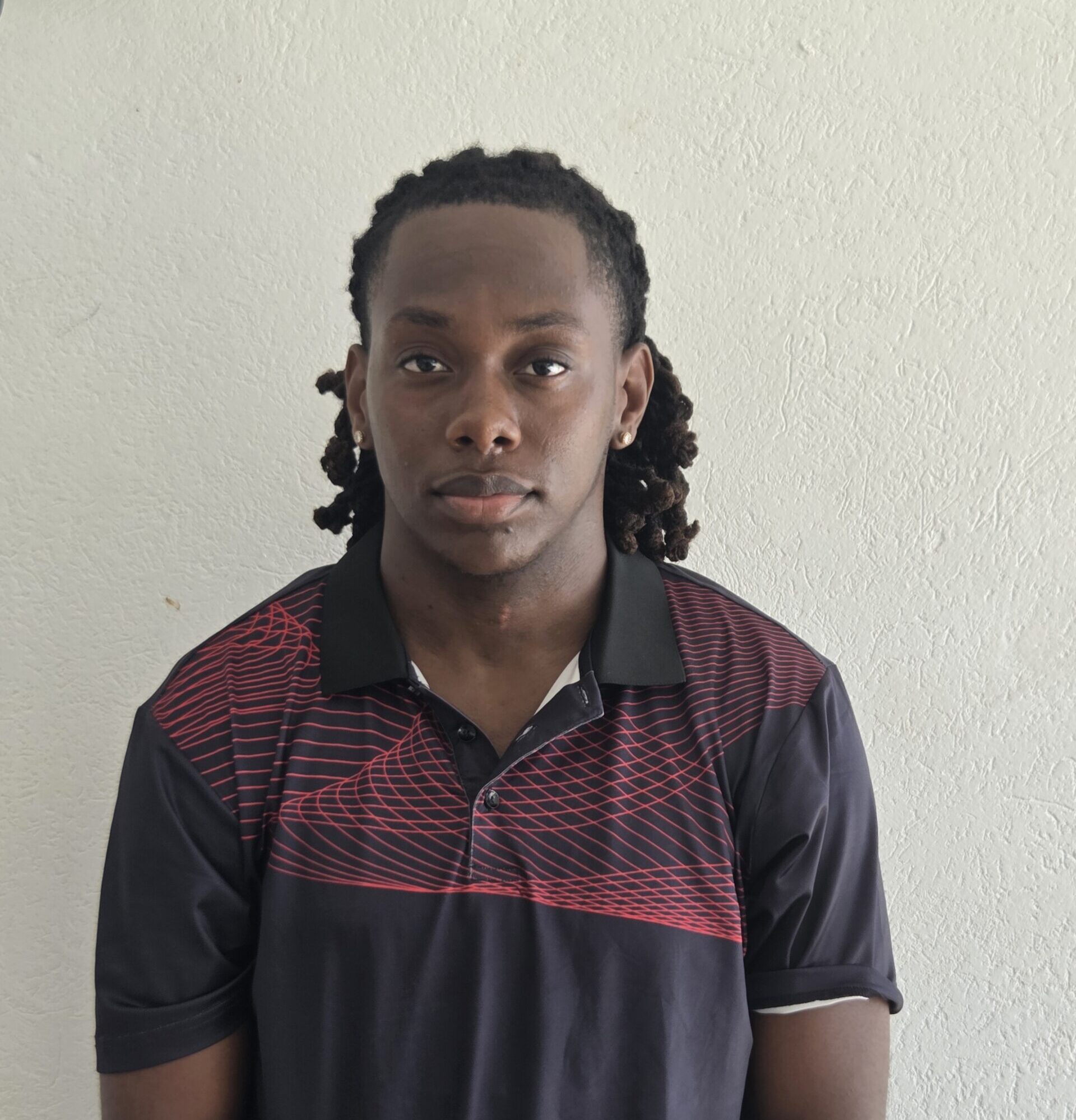
A young Barbadian former competitor is revolutionizing athlete development and post-injury care across his home country with a data-driven new program that addresses longstanding gaps in local athletic support. Nineteen-year-old Michael J.D. Hall, who competed competitively in both swimming and karate before turning his focus to sports science education, has developed the Barbados High Performance Athlete Assessment Initiative, a groundbreaking project designed to overhaul how personalized training plans are created and how injured athletes rehabilitate.
Set to launch publicly on September 12 at the Hilton Barbados Resort, the initiative will operate as a free public resource, with young athletes under the age of 20 identified as its core priority group. For Hall, the project is rooted in personal experience and a desire to give back to the Caribbean community that shaped his athletic journey: after earning his bachelor’s degree in Strength, Conditioning and Sports Nutrition from University College Birmingham in the UK, he’s bringing cutting-edge sports science home before returning to the institution to pursue postgraduate study.
“Having competed as an athlete myself, I know exactly which critical resources today’s young Barbadian athletes are missing,” Hall explained in comments ahead of the launch. “When I began preliminary testing, I was shocked to find that many athletes don’t have access to structured rehabilitation programs after getting hurt. Earlier this year, we all watched multiple athletes get injured at the CARIFTA Games, and several still haven’t made a full recovery. This initiative is built to fix that: we identify individual weaknesses early, build resilience, and prepare athletes to compete at their best.”
Hall’s approach leverages advanced sports science technology, specifically the VALD System, a tool that maps muscular imbalances that often go undetected until they result in injury. To date, he has already completed baseline assessments for more than 30 athletes across four popular Barbadian sports: football, swimming, road tennis, and track and field.
As Hall notes, subtle muscular imbalances are a normal part of athletic development – most people have one dominant leg or arm, for example – but when that imbalance exceeds a 10% gap, the risk of acute injury rises dramatically. His program flags these risks early, before athletes take the field, and creates customized training and rehab plans to close gaps and reduce injury risk. After each assessment, participating athletes receive a fully personalized plan, including targeted recommendations for recovery and performance improvement.
Initial feedback from the pilot testing phase has been overwhelmingly positive. Many participants had no idea they had underlying imbalances that put them at risk, and coaching staff have welcomed the initiative as a way to offload the work of strength and conditioning planning, letting them refocus their energy on skill and technique development. “Athletes have been really grateful for the insight, and coaches love the support,” Hall said. “When an athlete gets hurt, I can step in to build and manage their rehab program, taking that work off coaches’ plates.”
The public launch event this weekend will feature an in-person appearance from a VALD System representative, plus talks from leading guest sports experts and an open mic session where attendees can ask questions about the initiative and athlete care. After the launch, Hall will return to the UK to complete his master’s degree, with plans to specialize in either strength and conditioning or sports analytics – a path he has dreamed of since childhood.
“From a young age, I knew I wanted to work in sports, even when I moved from competing to the science side of the field,” he said. “I can’t stand sitting behind a desk all day – I need to be active, working with athletes, and making a tangible difference in the sport I love.”